创新驱动

Search documents
促进人口高质量发展有哪些着力点
Xin Lang Cai Jing· 2026-01-20 06:32
Core Viewpoint - The article emphasizes the importance of population quality development as a fundamental aspect of China's modernization, highlighting the need for a comprehensive strategy to enhance human resources and address demographic challenges [1]. Group 1: Understanding Population Quality Development - The comprehensive quality of the population has significantly improved, with life expectancy projected to reach 79.0 years by 2024, and infant mortality rates dropping to 2.5‰ [2]. - Education has seen remarkable advancements, with a gross enrollment rate of 92.0% in preschool education and over 2.5 billion people having received higher education, making China the country with the highest number of university graduates annually [2]. Group 2: Population Scale and Structure - China's total population peaked at 1.413 billion in 2021 and is projected to decrease to 1.405 billion by the end of 2025, while still remaining the second-largest globally [3]. - The aging population is a significant issue, with 297 million elderly individuals in 2023, expected to rise to 323 million by 2025, indicating a deepening of the aging society [3]. Group 3: Regional Population Dynamics - The movement of people, including migrant workers, has been a driving force for economic growth, maintaining a high level of population mobility that enhances urbanization and labor participation [4]. Group 4: Key Tasks for Promoting Population Quality Development - Enhancing population quality is crucial, with a focus on health and education, and the implementation of a comprehensive support system for marriage and childbirth to stabilize population numbers [5][6]. - Policies such as childcare subsidies, tax deductions, and improved maternity leave are essential to reduce the costs associated with childbirth and child-rearing [7]. Group 5: Labor Resource Optimization - Improving labor supply and employment capabilities is vital for economic development, with a focus on stabilizing employment rates and enhancing vocational training [8]. - The strategy includes promoting flexible employment and ensuring the rights of new employment forms, while also addressing the aging workforce by gradually raising the retirement age [8]. Group 6: Addressing Population Aging - A comprehensive approach to aging is necessary, including the development of a multi-tiered pension system and enhancing healthcare services for the elderly [9]. - The article advocates for the growth of the silver economy and the integration of elderly care services to improve the quality of life for older adults [9].
历城以内涵式发展锻造高质量发展新引擎
Qi Lu Wan Bao· 2026-01-20 01:40
Core Insights - The transformation of Licheng District is characterized by proactive innovation and structural adjustment, focusing on digital economy, biomedicine, trade logistics, and emerging services as the four leading industries [2][10] - The district aims to shift from scale expansion to qualitative improvement in economic and social development during the 14th Five-Year Plan period [1][10] Industry Transformation - Licheng has moved from a reliance on single industries to a diversified industrial ecosystem, establishing a new industrial structure that includes digital economy, biomedicine, and integrated circuits [2][3] - Key projects such as the Intelligent Sensor Industrial Park and Supercomputing Technology City are being developed, attracting over 50 leading enterprises [2][3] Economic Performance - By the first half of 2025, high-tech manufacturing output in Licheng is expected to account for 70.2% of the industrial output above designated size, surpassing provincial and municipal averages [3] - Investment in the "Four New" economy has increased from 25.5% in 2022 to 43.3% of fixed asset investment, becoming a major growth driver [3] Innovation Ecosystem - Licheng has over 700 high-tech enterprises, with R&D investment reaching 3.5% of GDP, and has established a multi-layered innovation network [4][5] - The district has created a collaborative environment for enterprises, platforms, and talent, fostering innovation and technological advancement [4][5] Urban Development - The district is focusing on systematic urban renewal, transitioning from point-based improvements to comprehensive development strategies [6][7] - Urbanization rate has increased to 90.92%, with efforts to reduce the urban-rural income gap from 2.24:1 to 2.09:1 [7] Social Welfare - Over 80% of fiscal expenditure is directed towards social welfare, enhancing employment stability and income growth [8] - Significant improvements in education and governance have been made, with new schools and smart governance initiatives enhancing community well-being [8][9]
“中国仍将是全球经济增长的重要支柱”
Sou Hu Cai Jing· 2026-01-19 23:45
布伦德介绍,本届年会以"对话的精神"为主题,来自全球130多个国家和地区的约3000名与会者将围绕 五大议题展开讨论:如何在竞争加剧的世界中开展合作、如何释放新的增长动力、如何更好地投资于 人、如何负责任地推动创新的规模化应用、如何维护地球限度并实现繁荣。 世界经济论坛2026年年会1月19日至23日在瑞士达沃斯举行。年会前夕,世界经济论坛总裁兼首席执行 官博尔格·布伦德接受本报记者专访时表示:"中国在全球产业升级、绿色转型等领域发挥着重要作用, 中国经济发展持续对世界产生深远影响。我们对中国的未来增长持乐观态度,因为中国不仅有着世界一 流的大学体系和完善的基础设施,还在研发和创新方面持续投入。展望2026年,中国仍将是全球经济增 长的重要支柱。" "去年6月,世界经济论坛第十六届新领军者年会(夏季达沃斯论坛)在天津举办,吸引了全球广泛参与, 这也进一步凸显各方对与中国开展对话、交流与合作的强烈意愿。"布伦德表示,全球持续高度关注中 国,既因为中国在全球经济中的重要地位,也源于中国持续发展带来的巨大机遇。 "我们的目标并非消除差异,而是通过对话弥合分歧,消除进步的阻碍。"布伦德说,当前,国际合作处 于关键时期 ...


方大集团北方重工出口海外磨机产品通过验收
Xin Lang Cai Jing· 2026-01-19 20:11
Core Insights - The company, Beifang Heavy Industry, has successfully passed the internal acceptance of its largest semi-autogenous mill since its mixed-ownership reform, indicating international recognition of its technological strength in high-end mining equipment [1][2] - The mixed-ownership reform initiated in 2019 has led to significant achievements in high-quality development through innovation and reform [1] Group 1 - The Φ8.8×4.8 meter wet semi-autogenous mill features a variable frequency drive system for energy saving and is equipped with intelligent monitoring and power-off protection devices to ensure operational safety [2] - This equipment is designed for large-scale mining crushing and grinding operations, simplifying traditional multi-stage crushing and screening processes [2] - The order represents the largest specification grinding product signed by Beifang Heavy Industry post-reform and is a key achievement in expanding into overseas high-end markets [2] Group 2 - Beifang Heavy Industry has developed capabilities in producing Φ4.0-12.2m semi-autogenous mills, Φ2.4-8.2m ball mills, and 100kw-4500kw spiral vertical mills, signing over 150 orders and delivering more than 400 grinding equipment [1] - The company has made multiple breakthroughs in the large semi-autogenous mill sector, advancing from Φ6.4m, Φ7.9m to Φ8.8m specifications, promoting domestic mining equipment into the global high-end market [1]

始终做到笃信务实担当自律 以优良作风凝心聚力真抓实干
Xin Lang Cai Jing· 2026-01-19 18:12
Group 1 - The meeting emphasized the importance of continuously learning and implementing the spirit of Xi Jinping's important speeches and directives, focusing on practical actions and self-discipline to enhance work style and cohesion [1][2] - Since the 18th National Congress, the central leadership has prioritized work style construction, addressing issues through the implementation of the Central Eight Regulations, leading to significant improvements in party conduct [2][3] - The meeting highlighted the need for party members to strengthen their ideological beliefs, maintain a practical approach, take responsibility, and uphold integrity as fundamental principles for governance [3][4] Group 2 - The meeting called for a self-revolutionary spirit to conduct thorough criticism and self-criticism, ensuring high standards and quality in the upcoming democratic life meeting of the municipal party committee [4] - It was noted that city-level departments were present at the meeting, indicating a collaborative approach to implementing the discussed strategies [5]
金融活水润泽鹭岛产业 两岸协作深化资本融合
Zheng Quan Shi Bao· 2026-01-19 18:08
Group 1 - The core viewpoint is that during the "14th Five-Year Plan" period, Xiamen's capital market has achieved significant development, characterized by scale expansion, innovation empowerment, and cross-strait integration, laying a solid foundation for the "15th Five-Year Plan" [1] Group 2 - By the end of 2025, the number of listed companies in Xiamen is expected to reach 70, accounting for nearly 40% of the province, with a total market value exceeding 903 billion yuan, representing a 43% increase from the end of 2020 [1] - The trading volume in securities and futures is projected to reach 15.05 trillion yuan and 16.17 trillion yuan respectively by 2025, indicating a significant increase in market activity [1] - The private equity fund scale has reached 214.4 billion yuan, and the scale of corporate bonds and asset securitization products has reached 220 billion yuan, showcasing a more complete multi-level capital service system [1] Group 3 - A total of 403.2 billion yuan has been raised during the "14th Five-Year Plan" period, primarily directed towards emerging industries such as software information and biomedicine [2] - The number of companies in the listing reserve has expanded to 597, and the first CVC mother fund in the country has been established, demonstrating significant progress in innovative bond issuance [2] - Research and development (R&D) spending by listed companies is expected to reach 11.25 billion yuan in 2024, with an average R&D intensity of 5.02% among 52 manufacturing and IT service companies [2] Group 4 - The construction of the first cross-strait capital market service base has shown remarkable results, with 7 Taiwan-funded listed companies in the region, accounting for 10.61% of the total number of Taiwan enterprises listed domestically [2] - The total amount of dividends during the "14th Five-Year Plan" period has increased 27 times, reflecting the strong performance of Taiwan-funded enterprises [2] - The Xiamen cross-strait equity trading center has showcased 1,124 enterprises on its "Taiwan-funded board," and the scale of Taiwan-funded private equity funds has reached 6.778 billion yuan [2] Group 5 - A comprehensive risk prevention system has been established, with 499 on-site inspections conducted and 28 administrative penalties issued during the "14th Five-Year Plan" period, amounting to 293 million yuan in fines [3] - Investor protection has been notably effective, with 1,308 investors receiving compensation of 224 million yuan through representative lawsuits [3] - Risks in key areas have been effectively mitigated, with issues such as fund occupation and illegal guarantees by listed companies being resolved, ensuring overall stability in the capital market [3]
四连跳!
Jin Rong Shi Bao· 2026-01-19 13:07
经济发展的韧性,在稳基固本中不断筑牢。韧性是穿越周期的底气,中国经济以坚实基础抵御风浪,以 深化改革激活活力。粮食产量稳站高位,制造业规模连续领跑全球,网络基础设施覆盖广泛,坚实的产 业底盘为抗风险提供硬支撑;改革开放持续深化,全国统一大市场加快建设,民营经济活力充分释放, 外资准入门槛不断降低,制度红利持续释放;民生保障有力有效,居民收入与经济增长同步,就业形势 总体稳定,恩格尔系数稳步下降,民生底气凝聚发展合力。在开放合作中,外贸结构持续优化,民营企 业成为外贸增长主力,对"一带一路"国家贸易占比稳步提升,中国经济既是全球增长的动力源,也是国 际合作的大市场,韧性在内外联动中愈发强劲。 全年国内生产总值约140万亿元,按不变价格计算,比上年增长5.0%;全年全国城镇调查失业率平均值 为5.2%;货物贸易再创新高,外汇储备余额超过3.3万亿美元……1月19日,国家统计局公布了国民经济 运行成绩单。 没有一蹴而就的跨越,只有久久为功的积淀。中国经济五年"四连跳",是传统产业转型升级的坚守,是 新兴产业加速崛起的奋进,是改革开放持续深化的红利,更是14亿人携手前行、共促发展的磅礴合力。 站在开局的新起点,中国经 ...
山东能源彭庄煤矿:精细管理筑基石,创新驱动提效能
Qi Lu Wan Bao· 2026-01-19 04:39
山东能源鲁西矿业彭庄煤矿以班组管理精细化、工程质量标准化、修旧利废全员化、创新举措应用化为 核心,全力推动矿井管理水平和生产能力整体提升。 班组管理精细化构筑安全防线 该矿通过深入学习事故案例、开展多样化安全宣教,持续增强职工安全意识。他们全面推行"班前交底 +班中巡查+班后复盘"的闭环机制,班前会明确风险点与操作规范,班中由技术骨干巡检,班后通过10 分钟短会即时总结并整改隐患,实现问题当日清零。 他们还充分利用安全活动日、班前会等时间,反复讲解岗位作业标准、安全规程及标准化知识,充分发 挥技术人员、班组长与生产骨干的带头作用,规范职工操作行为。坚持"不放过一个不放心人、不漏盯 一个关键环节、不姑息一次违规作业",严抓安全不放心人员排查,强化"我的安全我负责、他人安全我 有责"的责任意识,着力消除物的不安全状态与人的不安全思想,将隐患扑灭在萌芽状态,筑牢现场安 全根基。 工程质量标准化打造精品工程 该矿健全工程质量验收考核机制,对工程质量实施每班验收,有问题立即整改,并严肃考核责任人,确 保验收有标准、考核有制度、整改有期限,不断促使巷道标准化达到验收要求。 修旧利废全员化助推提质增效 该矿积极发动全员在降 ...
激发新质生产力,浙商银行科技金融支持浙商创新
Jin Rong Jie· 2026-01-19 03:04
Core Insights - The article highlights the significant advancements in key industries such as aerospace, semiconductors, and pharmaceuticals in Zhejiang, driven by innovative private enterprises and supported by financial institutions like Zheshang Bank [1][2][3][4][5][6]. Group 1: Aerospace Industry - Blue Arrow Aerospace's "Zhuque-3" rocket, China's first reusable rocket, successfully launched in December 2025, marking a critical milestone in commercial space exploration [2]. - Zheshang Bank has provided long-term financial support to Blue Arrow Aerospace since its establishment in 2018, facilitating the transition from research and development to mass production [2]. - The bank's financial backing includes special interest rate discounts for high-level talent, enhancing support for the aerospace sector [2]. Group 2: Semiconductor Industry - ChipLink Integrated Circuit Manufacturing Co., based in Shaoxing, is a rising player in the semiconductor industry, ranking among the top ten globally in wafer foundry revenue [3]. - Zheshang Bank has been instrumental in providing comprehensive financial services, including a groundbreaking 500 million yuan technology innovation bond to support ChipLink's market expansion [3]. - The bank's innovative financing solutions aim to address the unique asset structures and funding needs of the semiconductor manufacturing sector [3]. Group 3: Pharmaceutical Industry - Innovent Biologics, founded by Dr. Yu Dechao, has successfully launched 18 new drugs, with 12 included in the national medical insurance directory, benefiting over 600 million patients [5][6]. - Zheshang Bank has facilitated cross-border financial solutions for Innovent Biologics, providing billions in credit to support its global expansion [5][6]. - The bank has evolved its role from merely providing financial support to actively participating in market promotion for Innovent's new products, exemplifying a "finance + ecosystem" collaboration model [6]. Group 4: Financial Support and Growth - By the end of 2025, Zheshang Bank had served over 35,000 technology enterprises, with a financing balance exceeding 460 billion yuan, demonstrating its commitment to supporting innovation in Zhejiang [6][7]. - The bank aims to enhance its technology finance services, aligning with national strategies to foster innovation and support the growth of private technology firms [7].

读懂中国经济“换挡提速”的密码
Zhong Guo Jing Ji Wang· 2026-01-19 01:53
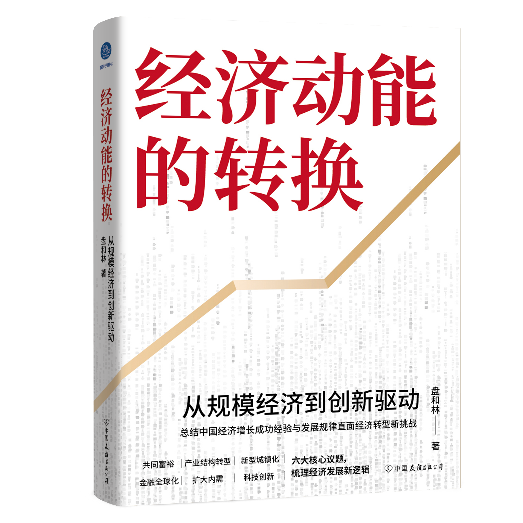
Core Insights - The book "Economic Dynamics of Transition: From Scale Economy to Innovation-Driven" by Professor Pan Helin provides a clear narrative on how China's economy has evolved and the necessity for a shift towards innovation-driven growth [3][4] - It emphasizes the importance of historical context in understanding the current economic landscape and future directions [3] Group 1: Historical Context and Economic Growth - The book begins by discussing the significance of the 1978 reform, highlighting it as a transformative institutional change aimed at stimulating individual initiative [4] - It uses the example of Xiaogang Village to illustrate how stable property rights incentivized farmers to invest and take risks, thereby revitalizing the agricultural sector and the broader economy [4] - The narrative continues through various reform milestones, indicating that the core principle has been to reward those willing and able to contribute, which has unleashed the creativity of millions [4] Group 2: Old Logic of Economic Growth - The first part of the book outlines six key components of China's previous growth model: distribution system, scale economy, real estate economy, financial leverage, globalization, and digital economy [5] - These elements are interrelated and have collectively driven China's rapid economic expansion, with scale economies providing unique advantages in a large market [5] - The author argues that understanding these components is crucial for assessing which advantages will continue to play a role in future growth and which mechanisms are nearing their limits [5] Group 3: Challenges and the Need for Transition - The middle section addresses six new challenges facing the economy, including common prosperity, involution, post-urbanization, financial risks, de-globalization, and technological competition [6] - Common prosperity is framed as essential for long-term stability, as widening income gaps could lead to structural risks [6] - The author identifies involution as a symptom of a slowing economy, where competition yields diminishing returns, signaling the inadequacy of the old growth logic [6] Group 4: Future Directions for Economic Growth - The latter part of the book proposes a new growth logic focused on building a more robust domestic market and enhancing economic efficiency through technological innovation [7] - It emphasizes the importance of domestic demand in light of changing international conditions and the limitations of the old growth model [7] - Innovation is highlighted as the key to improving total factor productivity and moving away from reliance on factor accumulation, with institutional frameworks being crucial for fostering a conducive environment for innovation [7] Group 5: Value of the Book - The book is praised for clearly articulating past successes and the necessity for transformation, providing a solid analytical framework for future growth [8] - It avoids exaggeration and complex jargon, instead relying on straightforward institutional logic and real-world examples to build a foundational understanding of the Chinese economy [8]