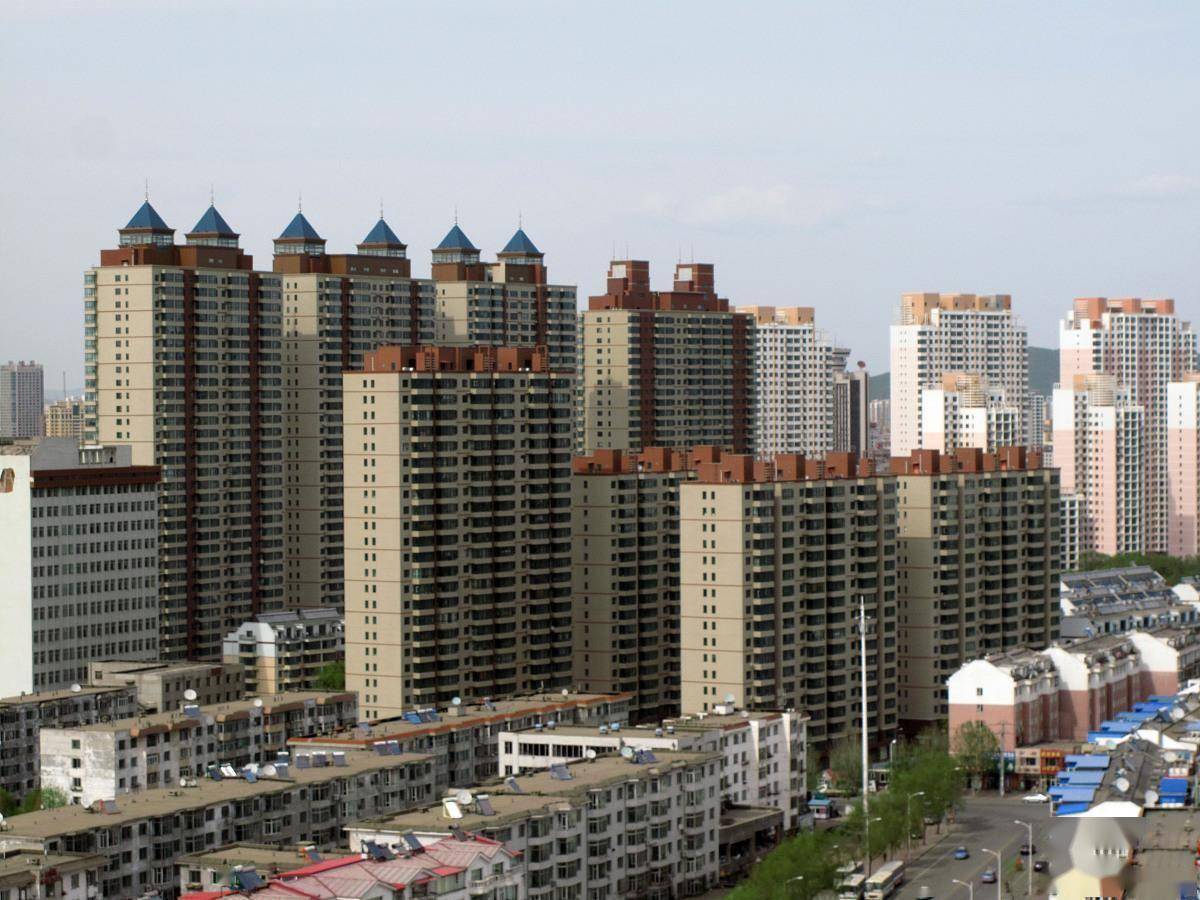
房价下跌

Search documents
李嘉诚预言又说中了!我国手握“2套房”的家庭,或注定3个结局
Sou Hu Cai Jing· 2025-07-17 23:16
Core Viewpoint - The real estate market in China is experiencing significant declines, with prices dropping by as much as 70% in some areas, leading to a crisis for homeowners and investors who are heavily leveraged in property investments [3][10][12]. Group 1: Market Trends - In 2018, predictions were made about a major correction in the housing market, which has since materialized with national average price drops of 30% and some areas seeing declines of up to 70% [3]. - Specific examples include properties in Shanghai and Beijing, where prices have fallen from 9.8 million to 4.6 million and from 10 million to 5.2 million respectively [3]. - Approximately 45% of urban households own two or more properties, indicating a significant portion of wealth tied up in real estate [3]. Group 2: Cost of Holding Properties - Holding costs for properties are increasing, with property management fees expected to rise alongside inflation and labor costs, creating financial strain for homeowners [5][6]. - For example, in a high-end area of Beijing, monthly fees can reach 3,000 yuan, and property taxes are anticipated to add further financial burdens [6]. Group 3: Asset Depreciation - Properties in less desirable locations are experiencing severe depreciation, with some areas seeing prices drop from 11,000 yuan per square meter to 6,500 yuan, resulting in a lack of buyers [10]. - The disparity in price drops is evident, with premium properties in central areas losing only 15% in value compared to 45% in outer districts [12]. Group 4: Liquidity Crisis - The real estate market is facing a liquidity crisis, with a significant number of properties listed for sale but few transactions occurring, leading to a backlog in the market [13]. - In major cities like Beijing and Shanghai, the number of listed second-hand homes has reached 147,000 and 170,000 respectively, with price reductions becoming commonplace [13]. Group 5: Policy Changes - Government initiatives to increase affordable housing supply are impacting rental markets, with new regulations causing rental prices to drop significantly, further complicating the financial situation for property owners [15]. - Many landlords are now facing negative cash flow situations, where rental income does not cover mortgage payments, leading to a shift in strategy among property owners [15]. Group 6: Strategic Responses - Some property owners are taking proactive measures to mitigate losses, such as selling off non-core assets at reduced prices and paying down debt to lower leverage [17]. - There is a growing trend of homeowners looking to exchange older properties for new ones, taking advantage of potential subsidies [17].


中国房价下跌过程还没过半,将持续到2027年?有可能吗?
Sou Hu Cai Jing· 2025-07-11 15:25
Core Viewpoint - Goldman Sachs predicts that China's housing price decline is only halfway through, potentially lasting until the end of 2027, with an overall drop of around 30% in national housing prices [1][3]. Group 1: Market Analysis - The report, led by Goldman Sachs' chief economist for Asia Pacific, Huang Zhuo, analyzes housing price data from 100 major cities, considering population changes, policy effects, and international experiences [3]. - Since the second half of 2021, the current decline in housing prices is just the beginning, with 60% of the decline still to come [3]. - As of May 2025, 58 out of 70 major cities saw a month-on-month decline in new housing prices, with first-tier cities like Beijing, Shanghai, Guangzhou, and Shenzhen experiencing year-on-year drops of 3% to 7%, while many second and third-tier cities saw declines exceeding 10% [3][5]. Group 2: Contributing Factors - Population decline is a significant factor, with China's population experiencing negative growth since 2022, and only 3.76 million births recorded in the first half of 2025, an 8.9% year-on-year decrease [5]. - By 2027, the primary home-buying demographic aged 25-39 is expected to decrease by 42 million, representing 15% of that age group, leading to reduced demand for housing [5]. - Excessive inventory is another issue, with 689 million square meters of unsold residential properties as of May 2025, resulting in a sales cycle exceeding 24 months [5]. - High household leverage is concerning, with the debt-to-GDP ratio for households reaching 63.5% in Q1 2025, nearing levels seen in developed countries [5]. - The top 100 real estate companies saw a 29.7% year-on-year decline in sales in the first five months of 2025, with 37 listed companies defaulting on debts exceeding 2.7 trillion yuan [5]. Group 3: Economic Impact - The real estate sector and its related industries account for approximately 25% of GDP, meaning a contraction in this sector adversely affects employment, consumption, and investment [7]. - In Q1 2025, the construction industry lost 2.87 million jobs, and prices for building materials like cement and steel fell by over 40% from peak levels [7]. - Government interventions, including over 200 policies aimed at stabilizing the market, have had diminishing returns, with initial measures only providing temporary relief [7][9]. Group 4: Future Outlook - The adjustment cycle in China's real estate market is expected to last longer than previous cycles, with historical data from countries like Japan and the U.S. indicating that such corrections typically take 6-8 years [7]. - Different cities will experience varying degrees of price declines, with first-tier cities potentially seeing drops of 15-20%, strong second-tier cities 20-25%, and weaker third and fourth-tier cities possibly exceeding 40% [9]. - The current market trend shows a continued decline in housing prices, with first-tier cities experiencing an average month-on-month drop of 0.3% and third and fourth-tier cities dropping 0.8% [9].

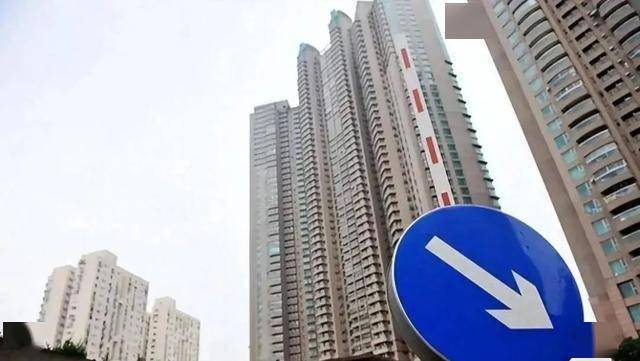
截止2025年6月,全国房价跌幅最高的6座城市,跌幅最高72%
Sou Hu Cai Jing· 2025-07-11 01:05
Core Viewpoint - The article discusses the severe decline in housing prices across China, particularly focusing on six cities that have experienced the most significant drops, with an average national price decline of 30% since 2022 [1]. Group 1: City-Specific Analysis - **Anqing, Anhui**: Housing prices fell from 5,000-6,000 yuan per square meter in 2019 to 2,500-4,000 yuan, a drop of 48.2%, attributed to urban-rural development imbalance and population outflow [2]. - **Ulanqab, Inner Mongolia**: Prices decreased from 6,000-7,000 yuan to 1,800-3,000 yuan, a decline of 46.2%, due to reliance on agriculture and lack of job opportunities leading to youth migration [3]. - **Langfang, Hebei**: Prices plummeted from 28,000-32,000 yuan to 12,000-15,000 yuan, a drop of over 62.8%, caused by strict housing policies and the exit of speculative investors [4]. - **Hegang, Heilongjiang**: Prices fell from 3,500-4,000 yuan to 1,000-1,500 yuan, a decline of over 53.7%, due to resource depletion and limited job opportunities [5]. - **Lanzhou, Gansu**: Prices decreased from 15,000-18,000 yuan to 5,500-8,000 yuan, a drop of over 50.3%, influenced by ecological restrictions and economic stagnation [8]. - **Xishuangbanna, Yunnan**: Prices fell from 10,000-12,000 yuan to 3,000-5,000 yuan, a decline of over 50.8%, due to the collapse of tourism and real estate speculation [6][11]. Group 2: Underlying Causes - The significant price drops in these cities are not isolated incidents but are driven by multiple factors, including previous overvaluation of housing prices, continuous population outflow leading to reduced demand, and a lack of diverse industries resulting in limited job opportunities [11].
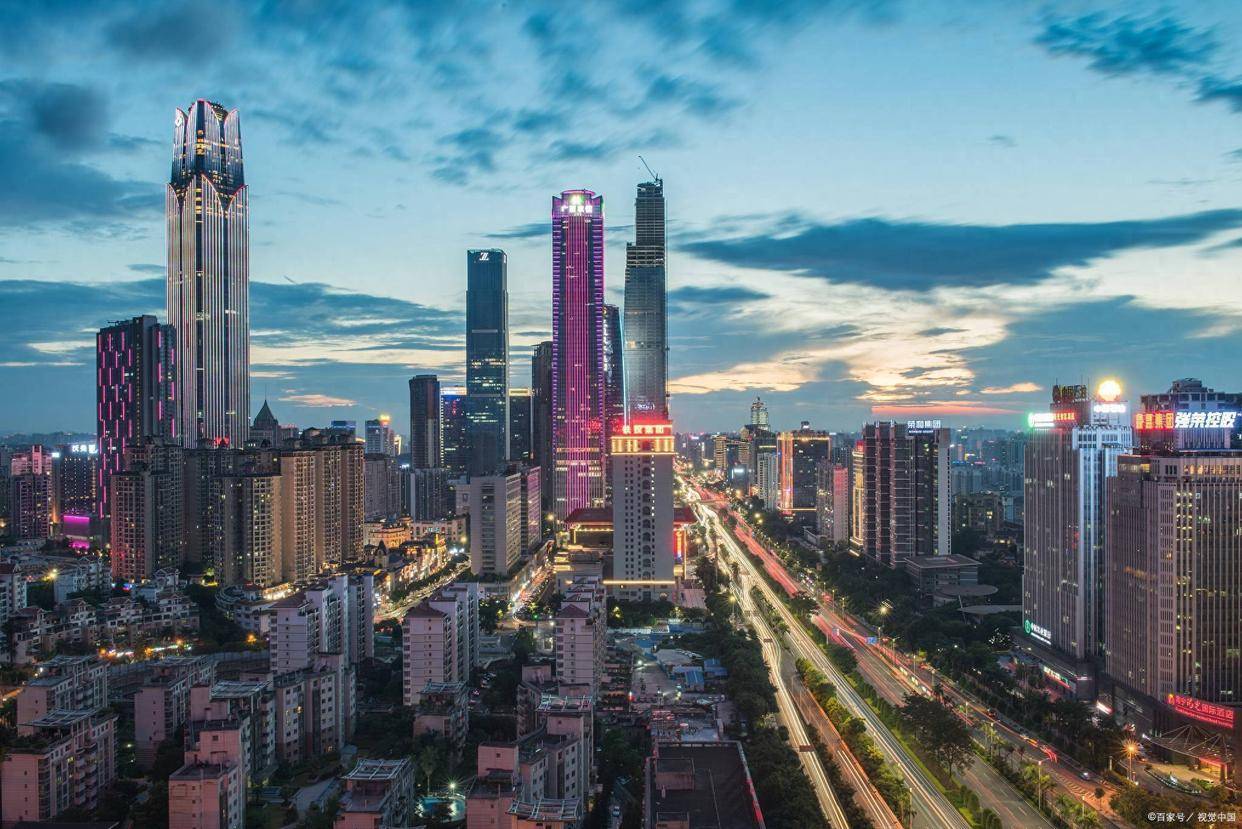
二手房跌成这样,还有必要继续割肉抛售吗?
Sou Hu Cai Jing· 2025-06-30 02:19
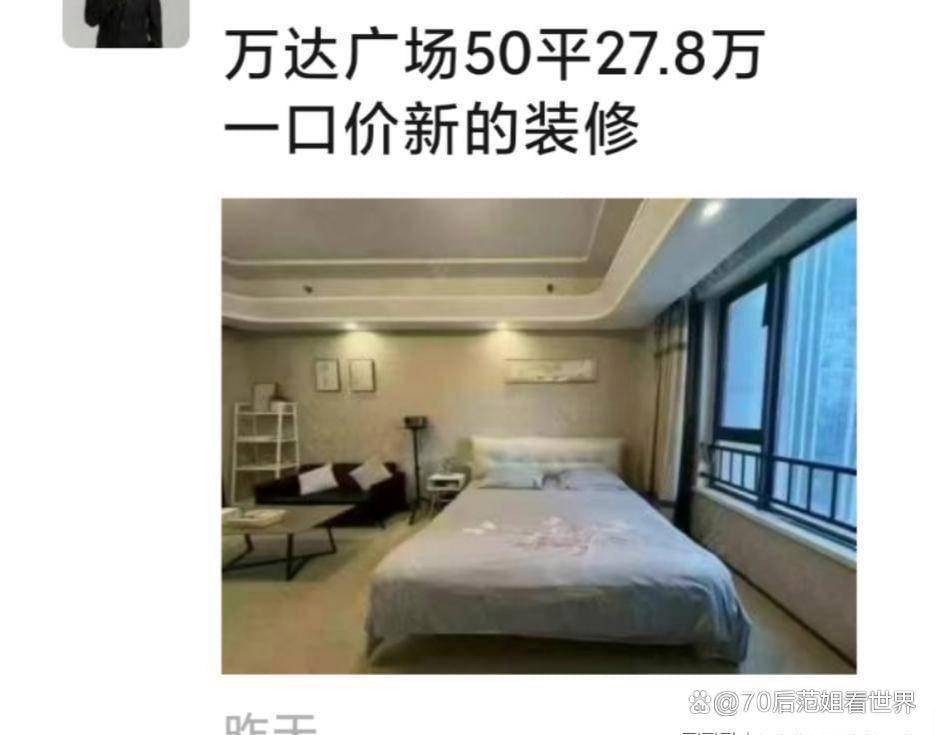
每个人有都属于自己的缅北,不是股市就是楼市,或者就是投资,有人股市亏钱,有人买房亏钱,也有人投资理财产品亏钱,说多了都是泪! 现在的二手房跌的可是够多的,无论是哪个地区都不例外,只要是有房子的人,都会经历过这一劫。 每个地区的二手房跌幅都不一样,因为板块不一样,城市不一样,但基本都会跌去了30%以上,如果只跌了30%以下,那是相当成功的。 我们这里的玩大广场,开盘的时候1.2万元每平米,抢一样的,最高的时候1.6万左右,现在竟然只有四五千每平米,和鹤岗没区别,但这里非常好出租, 因为又CBD和医院。 终于能体会到以前说那些老股民平时舍不得割点肉吃吃,但在股市里却非常豪爽的割肉。 现在楼市也差不多,有房子的业主们平时为了还房贷,省吃俭用,不敢大手大脚的花钱,但是在割肉卖房的时候毫不犹豫,别人有说骨折价,现在都有膝 盖折扣了。 网友说,2014年买的房子小,两室花了50多万装修,20来万,总共70万。2今年把房子挂起来卖,别人给到的价格也只有70万,这么多年感情是一点都没 有争执,还不如把房子租出去收租金。 如果是要换绑的,那卖掉也无所谓,因为你现在买进的房子也便宜,但你如果不换房的,卖不卖也无所谓,能撑就撑一下 ...
“保楼市”还是“保孩子”?国家动真格,向生娃方向“出手”了
Sou Hu Cai Jing· 2025-06-29 06:30
Core Viewpoint - China is facing dual challenges of declining birth rates and falling housing prices, which are interconnected and pose significant concerns for the country's economic and social development [1][2]. Group 1: Birth Rate Decline - In 2023, the number of newborns in China reached a historical low of 9.02 million, a nearly 50% decrease from 17.58 million in 2017 [1]. - The high cost of housing is widely regarded as a major factor contributing to the declining birth rate, with the average price of second-hand residential properties in 100 cities dropping to 14,653 yuan per square meter in July 2024, marking a 27-month consecutive decline [1]. - The marriage rate has also dropped significantly, with only 3.43 million couples registering for marriage in the first half of the year, a decrease of 498,000 compared to the previous year [1]. Group 2: Government Response - The Chinese government is seeking a balance between stabilizing the housing market and promoting higher birth rates, recognizing that both are crucial for short-term economic stability and long-term national development [2]. - Since 2016, the government has implemented extensive regulations on the real estate market, with 650 regulatory actions taken in 2021 alone, leading to a turning point in the market [2]. - Measures to alleviate housing market pressure include relaxing purchase and loan restrictions, reducing mortgage rates to historical lows, and lowering down payment ratios from 30% to 20% [2]. Group 3: Housing and Marriage Initiatives - The government plans to construct 6 million affordable housing units over the next five years, averaging 1.2 million units annually, to meet the housing needs of low-income urban families [2]. - The construction of affordable housing is expected to ease housing pressure for low-income families, creating a more favorable environment for marriage and childbirth [2]. - Recent amendments to marriage registration regulations have removed the requirement for a household registration book, allowing couples to register for marriage with just their ID cards, thereby lowering the barriers to marriage [4]. Group 4: Long-term Strategy - The Chinese government is employing multiple strategies to balance the housing market and birth rate, aiming for sustainable development through reduced housing pressure, increased affordable housing supply, and simplified marriage registration processes [6]. - This approach is seen as a long-term battle that requires collaboration among the government, society, and individuals to address the challenges posed by demographic changes [6].
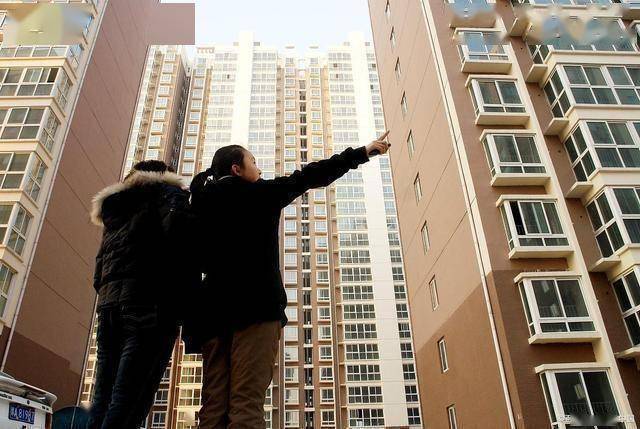
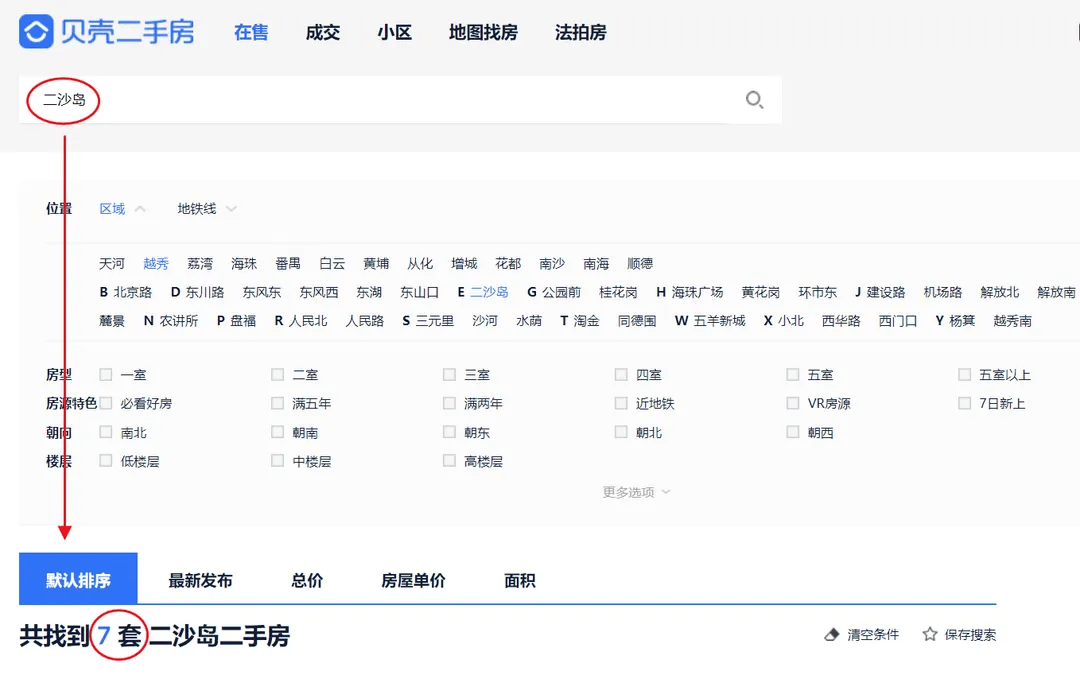
报价低至8万/平!74位二沙岛业主,开始跪了!
Sou Hu Cai Jing· 2025-06-28 23:35
Core Viewpoint - The article discusses the declining real estate market on Ersha Island, highlighting a significant increase in the number of properties for sale and a drop in average prices, indicating a shift in the desirability of this once-exclusive area [2][4][26]. Group 1: Market Trends - In 2023, only 7 second-hand houses were listed on Ersha Island, but this number surged to 26, representing a 271% increase [2][3]. - The actual number of properties available for sale is estimated to be 74, leading to a listing rate of 6.24%, which exceeds the normal range of 3%-5% for property listings [3]. - Approximately 67.57% of the current listings were added this year, indicating a sudden influx of sellers [3][26]. Group 2: Price Dynamics - The average listing price for second-hand homes on Ersha Island has decreased from 14.70 million CNY per square meter last year to 13.33 million CNY per square meter this year, a decline of about 9.32% [4]. - Some properties, particularly in traditional apartment complexes, have seen price drops of 20%-30% compared to previous high points [13][26]. - Specific listings have shown drastic price reductions, such as a property that dropped from 10.10 million CNY per square meter to 8.08 million CNY, a 20% decrease [11]. Group 3: Factors Influencing the Market - The overall living environment on Ersha Island has deteriorated, with increased foot traffic and commercial activities affecting the exclusivity of the area [16][19]. - The upcoming opening of the Guangzhou Metro Line 12 is expected to further increase accessibility, potentially altering the demographic and desirability of the area [21][24]. - Many older properties are perceived as outdated, prompting owners to seek newer developments with better amenities [26]. Group 4: Seller Motivations - A significant number of sellers are motivated by the need to liquidate assets due to economic pressures, with some owners looking to cash out and relocate [26][27]. - The market is seeing a shift as newer owners, who may not have the same financial cushion as long-term residents, are more willing to sell at lower prices [26][27].
买不起住宅,单身女性盯上了廉价公寓
Sou Hu Cai Jing· 2025-06-26 06:27
Core Viewpoint - The decline in housing prices has led to a shift in buying behavior, with single women increasingly opting for apartments instead of traditional residential properties [2][30]. Group 1: Buying Behavior - Many individuals are considering selling their homes or even giving them away to avoid losses, while others are seizing the opportunity to purchase apartments [2]. - The trend of single women buying apartments has emerged, as they seek affordable housing options amidst falling prices [2][30]. Group 2: Personal Stories - One woman shared her motivation for buying an apartment was to provide a stable home for herself and her mother, stemming from a challenging childhood [4][9]. - Another individual, who transitioned from renting to owning a commercial apartment, highlighted the benefits of location and cost-effectiveness despite the challenges of living in a densely populated area [19][27]. Group 3: Apartment vs. Residential Housing - The financial burden of purchasing traditional residential properties is perceived as too high, prompting buyers to consider smaller apartments [11][29]. - While there are known drawbacks to apartment living, such as high taxes and maintenance issues, the desire for personal space and independence remains a strong motivator for buyers [12][30]. Group 4: Emotional and Social Aspects - The purchase of an apartment is often seen as a step towards independence and self-sufficiency, allowing women to create their own living spaces [30]. - Despite the challenges faced in apartment living, the emotional fulfillment of having a personal space is emphasized as a significant benefit [30].
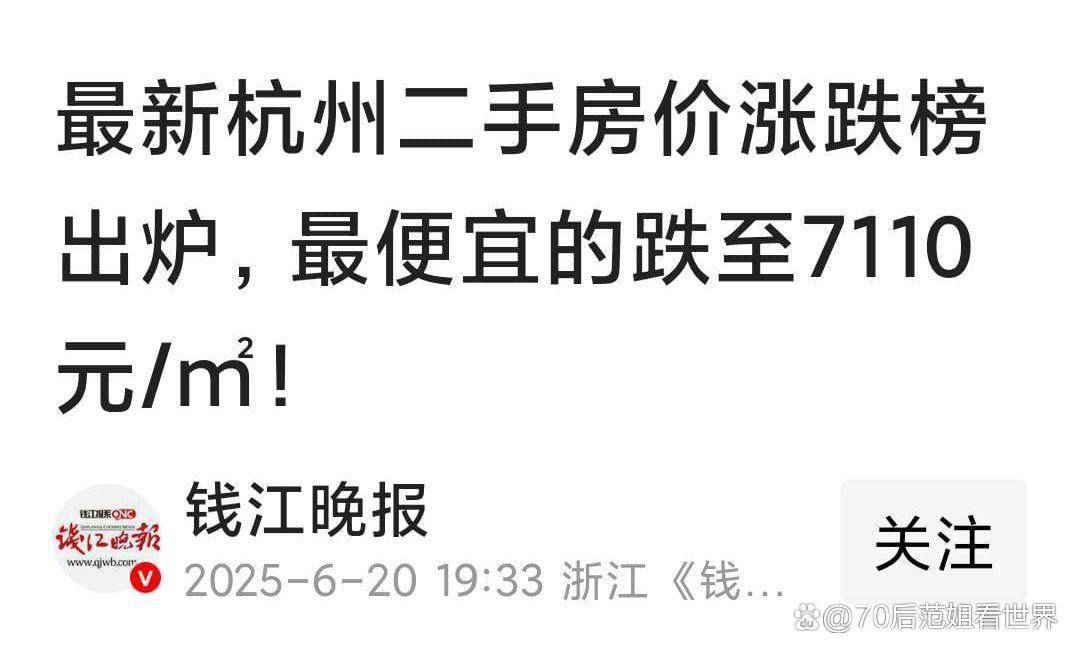
跌惨!杭州这个区域新房交付房价不够还贷!最便宜的跌至7110元
Sou Hu Cai Jing· 2025-06-24 13:29
Core Insights - The second-hand housing market in Hangzhou has cooled down in May, with a total of 7,716 transactions and an average price of 28,833 yuan per square meter, reflecting a month-on-month decline of 18.1% in transaction volume and 2.7% in price [1] - The lowest price per square meter in Hangzhou has reached 7,110 yuan, while prices around 10,000 yuan are common, with some areas seeing prices between 50,000 to 100,000 yuan per square meter [1] Price Trends - In May, several active properties in the Binjiang District showed mixed price changes, with some properties like "Yinxinghui" priced at 97,720 yuan per square meter, while others like "Shuijingcheng" dropped to 55,400 yuan, a decrease of 3.30% from April [3][4] - The average price in the Linping District also varied, with "Puli Dongfang" at 24,120 yuan per square meter, down 2.27%, while "Xiangdai Xiang'an" increased by 9.07% to 21,950 yuan [5][6] Significant Declines - The most significant price drops were observed in the outer districts, particularly in Lin'an, where some properties experienced declines exceeding 43%, with "Rumu Qinghui City" seeing a drop of 62.65% from its peak [9][11] - Properties like "Dongtou Yuerongfu" also faced similar declines, with new homes priced at 17,900 yuan per square meter, while second-hand prices fell to 6,800 yuan, marking a significant loss for owners [11][12] Market Dynamics - The downturn in prices is attributed to various factors, including the previous high prices during 2020-2022, aggressive marketing strategies by developers, and the influx of buyers from surrounding cities seeking more affordable options [11][12] - The advice for potential buyers emphasizes the importance of location, suggesting that properties in urban areas are more resilient compared to those in suburban regions, which tend to decline sharply in value [13]
房子卖不掉,释放什么信号?楼市真的顶不住?对普通人是福是祸
Sou Hu Cai Jing· 2025-06-24 05:50
Core Viewpoint - The Chinese real estate market is experiencing a significant downturn in 2023, characterized by a sharp decline in both new and second-hand home sales, leading to aggressive price reductions by developers [1][2]. Group 1: Market Conditions - New home sales area and sales volume have both dropped significantly, prompting developers to implement drastic promotional strategies, such as offering discounts of up to 20% [1]. - The second-hand housing market is facing an oversupply, with major cities like Chongqing, Chengdu, and Shanghai seeing listings soar to 220,000, 200,000, and 180,000 units respectively from January to June 2023 [1]. Group 2: Contributing Factors - The lingering effects of the three-year pandemic have resulted in layoffs and salary cuts, diminishing the purchasing power of potential homebuyers, particularly those looking to upgrade [3]. - A significant decline in the demand from first-time homebuyers is noted, attributed to decreasing marriage rates and changing attitudes towards family planning, alongside a trend of young individuals inheriting properties from previous generations [5]. - The weakening of the real estate investment appeal is evident, with 91% of cities reporting a drop in second-hand home prices as of June, leading investors to sell off properties and further increase market supply [7]. Group 3: Future Outlook - The trend of price adjustments in the real estate market is deemed irreversible, with expectations of a "soft landing" where prices stabilize but may continue to decline slightly over the coming years [7]. - Potential negative impacts of significant price drops include wealth erosion for multi-property owners, income declines in related industries, reduced local government revenues, and risks to the banking system and deposit safety [7]. - However, if the market can achieve a stable decline and return to reasonable price levels, it may foster a healthier market environment and more stable economic growth, contingent on collaborative efforts from the government, businesses, and individuals [8].
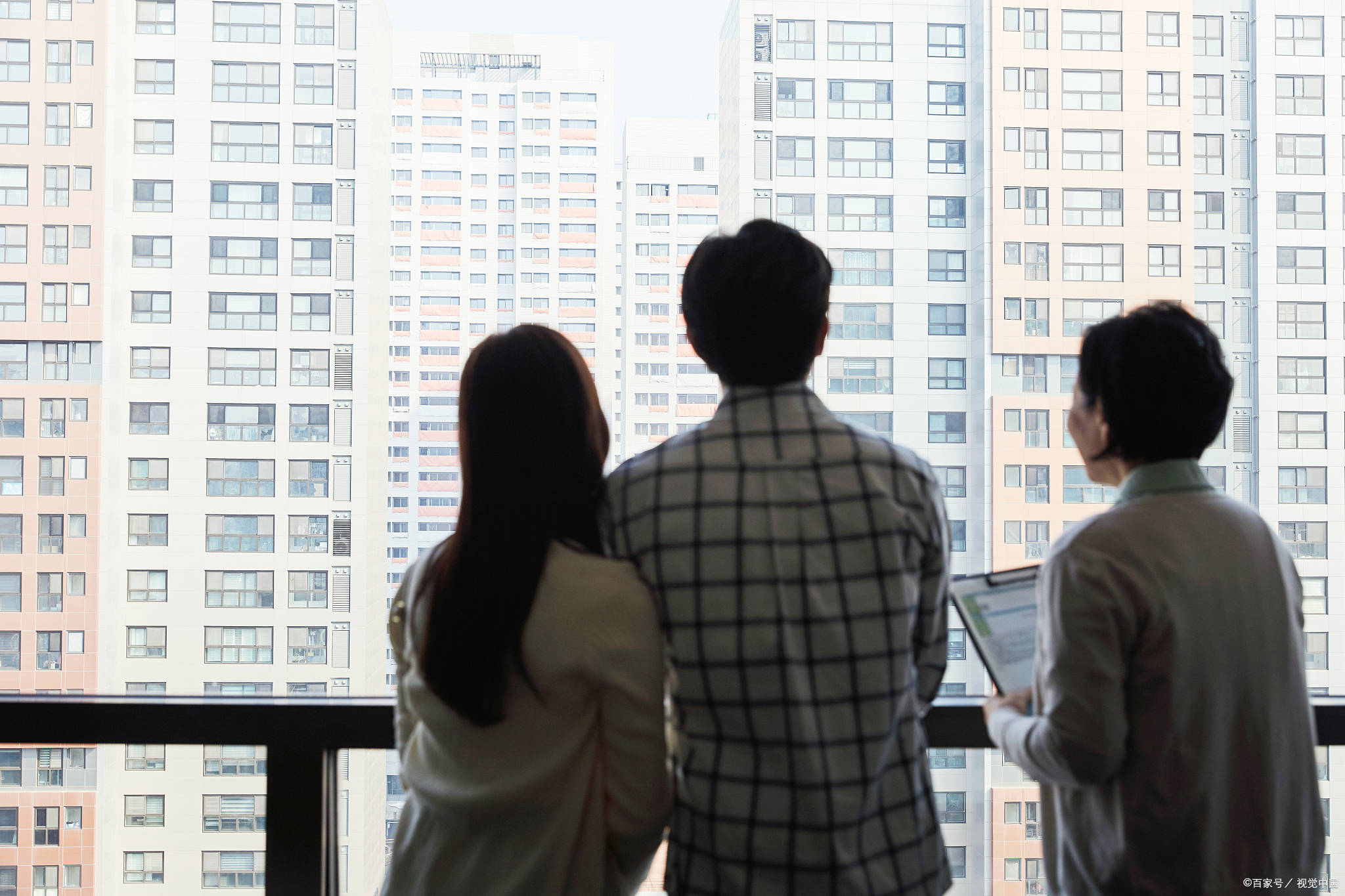
信仰破灭!二手房挂牌创天量,新房库存暴增,楼市未来何去何从?
Sou Hu Cai Jing· 2025-06-23 04:54
Core Viewpoint - The Chinese real estate market is experiencing an unprecedented downturn in 2023, characterized by soaring new home inventories, record-high second-hand home listings, and continuously declining property prices, marking a stark contrast to the rapid price increases seen over the past decade [1][3]. Group 1: Market Conditions - As of April 2023, the inventory of new commercial housing reached 640 million square meters, an increase of 80 million square meters compared to the same period last year, representing a growth rate of 15% [3]. - In May 2023, the number of cities experiencing a month-on-month decline in new and second-hand home prices reached 54 and 83 respectively, indicating a significant worsening trend [1][3]. - The second-hand housing market is also under pressure, with cities like Nanjing, Chengdu, and Hangzhou seeing listings surpassing 100,000 units, with figures reaching 170,000, 190,000, and 210,000 respectively [3]. Group 2: Contributing Factors - The urbanization process in China is slowing down, with the urbanization rate reaching 64%, leaving limited room for further increases [4]. - Changes in population structure are leading to a decline in housing demand, as evidenced by a drop in newborns from 17.65 million in 2017 to 9.56 million in 2022, impacting both first-time and upgrade homebuyers [4]. - The impact of the pandemic has resulted in decreased household income and consumer confidence, leading to a more rational approach to home buying among residents [4]. Group 3: Future Outlook - The factors that previously supported rising property prices are gradually disappearing, indicating a shift in the real estate landscape [5]. - The future trajectory of the real estate market will depend on adjustments in national policies, changes in economic conditions, and the recovery of consumer confidence, suggesting a long and complex process ahead [4].