3D打印技术

Search documents
2025年中国氧化锆陶瓷行业上下游分析、市场规模、竞争格局及发展趋势研判:行业应用领域广泛,市场规模增长至43.2亿元[图]
Chan Ye Xin Xi Wang· 2025-08-12 01:12
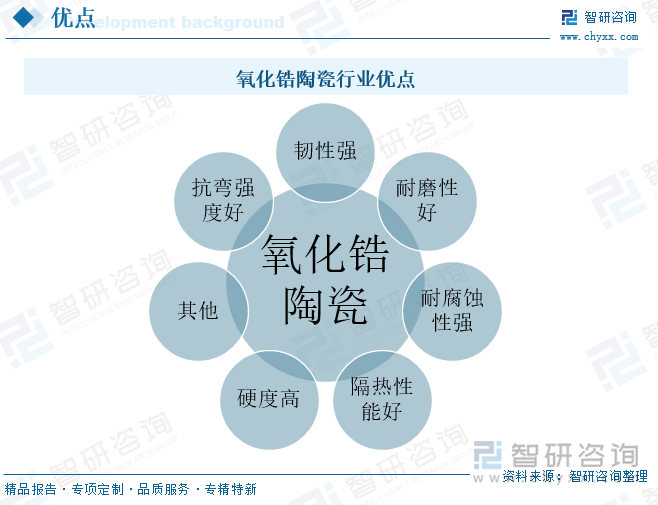
Core Viewpoint - Zirconia ceramics play a crucial role in advanced ceramics and are essential materials in modern high-tech industries. The market for zirconia ceramics in China is projected to reach 4.32 billion yuan in 2024, reflecting a year-on-year increase of 6.2% [1][14]. Industry Overview - Zirconia ceramics are high-performance materials based on zirconium oxide (ZrO2), known for their toughness, bending strength, and wear resistance. They are widely used in aerospace, automotive manufacturing, electronic information, and biomedical fields [3][8]. - The production process of zirconia ceramics involves several steps, including forming, debinding, and sintering, with various methods employed for each stage [5][6]. Industry Chain - The upstream of the zirconia ceramics industry involves the preparation and purification of raw materials, primarily zirconia powder, which is essential for high-quality ceramic production. The downstream includes various applications in sectors such as aerospace, automotive, electronics, and biomedical [8][10]. Market Dynamics - The market for zirconia ceramics is expanding due to continuous development in application fields. The demand for zirconia ceramics is expected to grow, particularly in the dental industry, where the market for dentures is projected to increase from 10.099 billion yuan in 2021 to 15.981 billion yuan by 2028 [12][14]. Competitive Landscape - Leading companies in the zirconia ceramics market include Guocera Materials, Dongfang Zirconium, and Sanxiang New Materials, which dominate the market due to their production scale, technological advantages, and brand influence [16]. Development Trends - The industry is witnessing ongoing technological innovations, including the development of nanomaterials and new sintering techniques, which enhance material performance and reduce production costs. The application of 3D printing technology is also becoming more prevalent [21][22]. - There is a growing emphasis on green and sustainable development within the zirconia ceramics industry, focusing on reducing emissions, optimizing production processes, and recycling resources [23][24].


3D食品打印机:未来厨房新革命,定制美食触手可及
Tou Bao Yan Jiu Yuan· 2025-08-07 12:08
Investment Rating - The report does not explicitly provide an investment rating for the 3D food printer industry Core Insights - The 3D food printing technology is driving the food industry towards digitalization and smart transformation, unlocking innovative potential within the industry [6][8] - The global 3D food printing market is expected to grow significantly, with a projected CAGR of 52.4% from 2020 to 2024 and 26.8% from 2025 to 2029, reaching approximately 11.1 billion USD by 2029 [24][25] - The expansion of the 3D food printing market is attributed to technological breakthroughs, upgraded consumer demands, and diversified industry applications [25] Summary by Sections 3D Food Printing Definition and Classification - 3D food printing is defined as an innovative technology that constructs three-dimensional food items based on digital models by layer-by-layer accumulation of edible materials [8] - The technology has evolved from mechanical manufacturing to various fields, including aerospace, healthcare, and food processing, particularly in personalized food manufacturing [8][10] 3D Food Printing Applications and Materials - The materials used in 3D food printing include lipid-based, carbohydrate-based, protein-based, and hydrogel materials, with research on their rheological properties being crucial for overcoming industrialization bottlenecks [11][15] - Different types of 3D food printing technologies, such as extrusion, sintering, inkjet, and powder binding, each have their advantages and limitations in terms of material selection and application [9][10] Consumer Preferences for 3D Printed Food - Consumer awareness of food safety risks significantly influences their food consumption choices, with 67% of consumers holding neutral or friendly attitudes towards 3D printed food [20] - The demand for personalized and health-oriented food options is a core driver for the adoption of 3D food printing technology [25] Market Size and Growth - The 3D food printing market is projected to enter a phase of large-scale production and ecological restructuring, driven by AI optimization and the need for sustainable food systems [25][26] - The technology's ability to customize nutrition and efficiently utilize resources positions it as a key support for sustainable food systems, especially as the global population is expected to exceed 9.7 billion by 2050 [25] Market Participants - Key players in the 3D food printing industry include companies like Natural Machines, which launched the first consumer-grade 3D food printer, and Redefine Meat, which produces plant-based meat alternatives using 3D printing technology [27][28] - The industry is characterized by a diverse range of business models, including B2B solutions for restaurants, retail sales of 3D printers, and personalized food delivery services [29][31]
2025年中国隐形矫治器行业发展历程、产业链、市场规模、重点企业及未来前景展望:隐形正畸保持较好发展势头,带动隐形矫治器市场规模扩大[图]
Chan Ye Xin Xi Wang· 2025-08-07 01:16
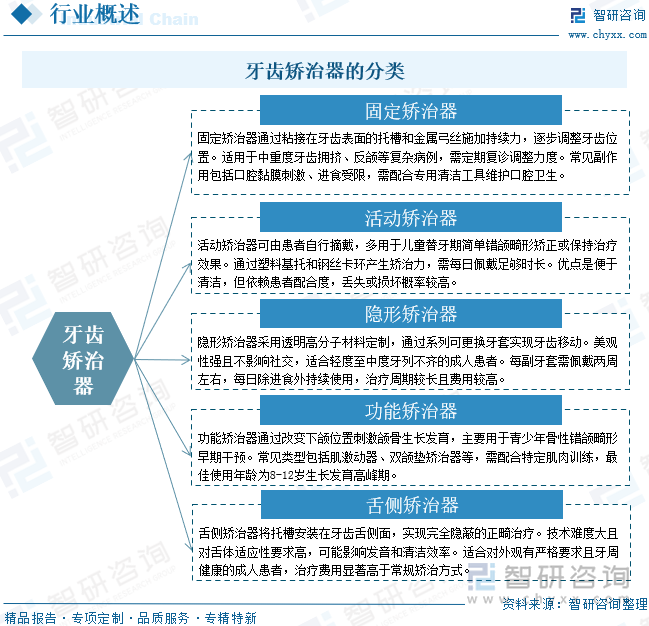
Core Insights - The invisible orthodontic technology represents a significant breakthrough in modern orthodontics, providing a revolutionary innovation that enhances comfort, aesthetics, and convenience for consumers [1][18] - The market for invisible aligners is expected to grow significantly, with the industry projected to reach approximately 5.41 billion yuan in 2024, driven by increasing consumer demand for oral health and aesthetics [1][18] Industry Overview - Invisible aligners are a type of dental device used to correct misaligned teeth and bite issues, categorized into fixed, removable, invisible, functional, and lingual types [2] - The main types of orthodontic devices currently in the market include metal brackets, ceramic brackets, lingual brackets, and clear aligners, with clear aligners gaining popularity due to their aesthetic appeal and comfort [4][5] Industry Development History - The invisible aligner industry in China has evolved through two phases: initial development from 2001 to 2012 and rapid growth from 2013 to the present, marked by technological advancements and increased market awareness [7] - The approval of the first invisible aligner patent in China in 2006 and the establishment of the first production line in 2007 were pivotal moments that spurred market entry by numerous dental enterprises [7] Market Background - The per capita disposable income of Chinese residents has been steadily increasing, leading to a rise in healthcare spending, which has positively impacted the orthodontic market [9] - Per capita healthcare spending in China increased from 1,165 yuan in 2015 to 2,115 yuan in 2021, with a projected increase to 2,547 yuan in 2024, reflecting a growing focus on oral health [9] Industry Value Chain - The upstream of the invisible aligner industry includes raw materials and equipment, while the midstream involves production and manufacturing, and the downstream focuses on sales channels such as private clinics and dental hospitals [11] Current Industry Status - The orthodontic market in China has shown strong growth, expanding from 21.18 billion yuan in 2015 to an estimated 95.43 billion yuan in 2024, with a compound annual growth rate of 18.21% [15] - The invisible orthodontic market specifically has grown from 1.25 billion yuan in 2015 to 10.5 billion yuan in 2024, with a compound annual growth rate of 26.73% [15] Competitive Landscape - The Chinese invisible aligner market is characterized by a "dual oligopoly" structure, with companies like Times Angel and Invisalign dominating the market, while local brands are rapidly catching up [20] - Key players in the industry include Times Angel, which holds a 70% market share in China, and other emerging brands like Zhengya and Meilike that are focusing on mid-range markets [21][22] Future Trends - The industry is expected to see accelerated technological upgrades and the integration of artificial intelligence and 3D printing, enhancing treatment precision and production efficiency [26] - Market penetration is anticipated to extend from first and second-tier cities to lower-tier markets, with local brands leveraging cost advantages to capture market share [28] - Regulatory policies are expected to evolve, promoting standardization and integration within the industry, while insurance coverage for orthodontic services may enhance accessibility [29]
海外固态电池专家会
2025-08-05 15:42
Summary of Conference Call on Solid-State Battery Industry Company and Industry Involved - **Company**: Toyota - **Industry**: Solid-State Battery Key Points and Arguments Strategic Adjustments - Toyota's strategy involves focusing on core technology at its Japan headquarters while concentrating on application market demands in China, aiming to leverage its technological advantages to collect patent fees and reduce costs through the Chinese supply chain [1][3] Financial Projections - For 2024, Toyota's profit is projected to be approximately 240 billion RMB, with the Chinese market accounting for about 19% of this, indicating significant growth potential [1][3] Solid-State Battery Industrialization - Toyota plans to initiate small-scale trial production of solid-state batteries in 2026, with mass production expected in 2027, initially targeting high-end Lexus models [1][5] Performance Metrics - Solid-state battery performance metrics include: - Hybrid vehicles: Charge/discharge rate of 15C-20C, cycle life of 10 years or 200,000 km - Electric vehicles: Energy density of approximately 350 Wh/kg, cycle life of about 1,500 cycles, and a capacity retention rate of about 80% at -30°C [1][7] Electrolyte Technology - Toyota focuses on sulfide electrolytes, while domestic companies explore various options including oxide, halide, and polymer electrolytes, with a trend towards composite usage [1][8] Production Techniques - Domestic companies primarily use a mixed solid-liquid method for production, which lags behind Japan in terms of cost and consistency. Toyota's method using petroleum by-products can reduce costs by 30%-40% [1][10] 3D Printing Technology - Toyota employs 3D printing to manufacture electrolyte layers below 200 nanometers, significantly reducing interface resistance to one-fifth of traditional solid-phase methods, although large-scale production remains a challenge [3][13][16] Market Feedback and Adoption - The feedback from the Chinese market will directly influence the speed of solid-state battery adoption. Current expectations suggest that market feedback may not be particularly favorable [1][6] Differences in Production Approaches - Key differences between domestic and Japanese companies in solid-state battery production include: - Material choices and production techniques - Japan's advanced control over pressure and porosity in production equipment [1][8][18] Future Material Choices - Toyota is inclined to combine sulfide solid electrolytes with lithium metal anodes, but currently uses silicon-carbon anodes to optimize performance while addressing expansion issues [1][19] Challenges in Large-Scale Production - The application of 3D printing technology in large-scale production faces challenges related to manufacturing costs, efficiency, and consistency [16] Environmental Control in Production - Strict control of oxygen and humidity is required in the production environment for solid-state batteries, with Japanese companies demonstrating superior precision in equipment [17] Current Trends in Battery Materials - Toyota is exploring various cathode materials, including high-nickel ternary and lithium-rich manganese-based materials, with potential applications in high-end electric vehicles [25] Overall Industry Outlook - The solid-state battery industry is characterized by diverse technological routes, with no single mainstream trend currently dominating [20] Other Important but Overlooked Content - The discussion highlighted the importance of balancing cost, efficiency, and performance in the development of solid-state batteries, as well as the need for ongoing research to address challenges related to material interactions and production techniques [1][19][24]

海南封关!黄金珠宝产业的机遇在哪里?
Sou Hu Cai Jing· 2025-08-05 04:01
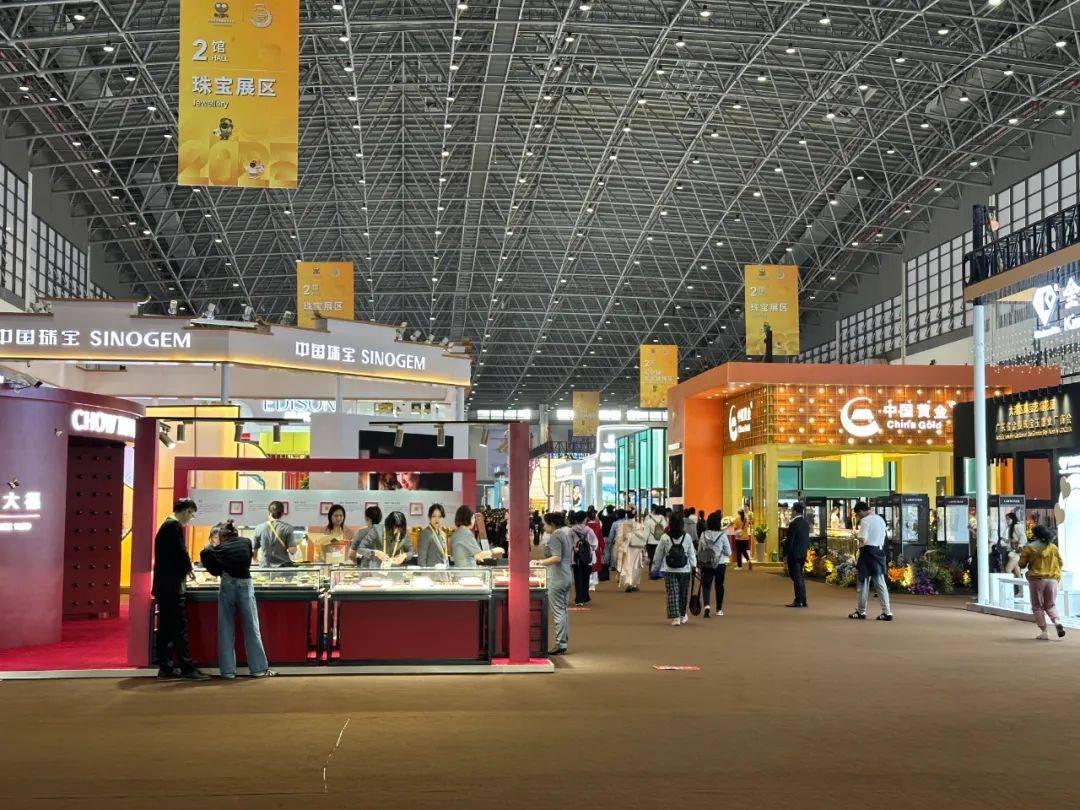
Core Viewpoint - The upcoming full closure operation of Hainan by the end of 2025 is expected to significantly boost the high-quality development of the gold and jewelry industry through the implementation of free trade port policies, characterized by "zero tariffs, low tax rates, and simplified tax systems" [1] Group 1: Policy Advantages - Hainan's free trade port provides key policy support for the gold and jewelry industry, notably the processing value-added tax exemption policy, which allows companies to process imported raw materials and enjoy tax exemptions if the value added exceeds 30% [2] - In the first half of 2025, Hainan enterprises utilized this policy to achieve a new value of 3.16 billion yuan, resulting in a tax reduction of 233 million yuan [2] - Tax incentives are also significant, with Hainan offering a 15% corporate income tax rate for eligible enterprises in the "gem processing and jewelry setting manufacturing" category, lower than the mainland's 25% [2] Group 2: Market Opportunities - The duty-free shopping policy for departing travelers provides a substantial market for high-value jewelry, with each traveler allowed a duty-free shopping limit of 100,000 yuan annually [3] - Hainan is projected to attract over 40 million tourists by 2025, particularly with Sanya's development as a "global gold and jewelry consumption center," supporting jewelry consumption [3] - The establishment of industrial clusters, such as the Sanya Gold and Jewelry Industrial Park, aims to integrate various stages of the industry, enhancing the ecosystem for development [3] Group 3: Company Strategies - Major companies like China Gold Group are actively engaging with Hainan's policies, planning to establish a regional operational headquarters and a cross-border capital operation center to leverage the duty-free policies for global sales [6] - Zijin Mining Group's subsidiary has successfully utilized the processing value-added tax exemption policy, establishing a zero-tariff channel for sapphire processing, aiming to create the largest gold and jewelry distribution center in Hainan [8] - Lao Feng Xiang has launched a "Gold and Jewelry Fashion Creative Center" in Haikou, achieving sales of over 110 million yuan in 2023, and plans to host an international jewelry design competition in 2025 [8] Group 4: Future Development - After the full closure operation, the gold and jewelry industry is expected to see enhanced internationalization, with more international auction houses and top designers likely to establish a presence in Hainan [11] - The jewelry market in Hainan is projected to grow from approximately 8 billion yuan in 2023 to over 20 billion yuan by 2026, positioning Hainan as a key high-end jewelry consumption destination in the Asia-Pacific region [11] - Technological innovations such as 3D printing and blockchain are anticipated to integrate deeply into the industry, enhancing product customization and consumer trust [11]
消费级3D打印企业:拓竹营收突破55亿,利润近20亿,全球市占超50%
材料汇· 2025-08-04 15:12
Group 1: Desktop 3D Printing Market - The global desktop 3D printing market is projected to grow from $5.9 billion in 2024 to $20.9 billion by 2030, with a CAGR of 23% [14][11]. - In 2023, China's desktop 3D printing market size was $300 million, accounting for approximately 6% of the global market, with key applications in dental/healthcare (24%), jewelry (21%), and food (19%) [14][12]. - The desktop 3D printing technology is categorized into FDM and SLA, with FDM being more cost-effective but less precise compared to SLA [14][13]. Group 2: Competitive Landscape - Bambu Lab is a leading player in the desktop 3D printing market, achieving revenues of 2.7 billion yuan in 2023, with a projected revenue of 5.5 billion yuan in 2024 [28]. - Creality, established in 2014, has sold over 5.5 million 3D printers globally, maintaining a market share of approximately 39% in the entry-level segment [29]. - Voxelab, founded in 2015, has launched over 20 products and achieved annual revenues exceeding 1 billion yuan, focusing on cost-effective solutions [35]. Group 3: Laser Engraving Market - The global laser engraving market is expected to reach $4.4457 billion in 2024, with a CAGR of 8.7% from 2025 to 2030 [47]. - The desktop laser engraving machine market is growing rapidly, with a 23% increase in sales from 2022 to 2023, reaching 370,000 units sold [47][48]. - Major players in the laser engraving market include xTool, Ortur, and Atomstack, with xTool holding a significant market share [50][54]. Group 4: Key Companies and Financials - Bambu Lab's community forum has over 100,000 members, enhancing user engagement and product adoption [28]. - xTool's revenue exceeded 1 billion yuan in 2023, with projections of 2 to 3 billion yuan in 2024, aiming for over 5 billion yuan by 2025 [54]. - The laser control system supplier, Jin Chengzi, is expected to generate revenue of 212 million yuan in 2024, with a net profit margin of 13.9% [65].





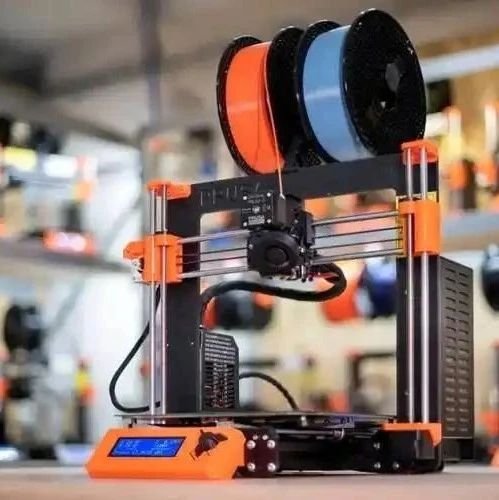
消费级3D打印专家交流
2025-07-30 02:32
Summary of 3D Printing Industry Conference Call Industry Overview - The consumer-grade 3D printing market has seen significant hardware upgrades, with printing speeds increased to 500-600 mm/s and prices dropping below $1,500, lowering the barrier for consumers and promoting market expansion [1][3] - The global consumer-grade 3D printing market is valued between $4 billion and $5 billion, with China holding a significant export share. In Q1 2024, China's export growth rate exceeded 47%, and the market has maintained an annual growth rate of over 30% since 2019 [1][3] - China dominates the global consumer-grade 3D printing market, exporting 90% of desktop products, with North America and Europe being the primary demand markets, accounting for 30%-40% and 20% of global demand, respectively [1][4] Key Market Drivers - The strong performance of the consumer-grade 3D printing market is attributed to technological maturity, price reductions, and supply chain optimization. Hardware advancements, such as those by Tuozhu Company, have significantly improved printing speed and quality [3] - The main consumer demographics include hobbyists, educational institutions, creative designers, and home users, with demand concentrated in education, DIY, and collectible toy sectors. In the domestic market, ToB (business-to-business) demand is predominant [1][6][8] Challenges and Opportunities - Technical limitations and pricing are barriers to market penetration. Further improvements in printing speed and success rates are needed, along with price reductions to around $500 to attract more household consumers [1][8] - The introduction of brushless motors, sensors, and high-performance chips by Tuozhu has created technological barriers and improved printing capabilities [1][11] Cost Structure and Profitability - Core components of 3D printers (motherboard, sensors, chips) account for about one-third of total costs, with motors and controls making up 10%-20%, and print heads and heated beds around 20% [2][17] - The profit margin for complete machines is generally over 20%, while consumables have a higher profit margin, also exceeding 20% [21] Future Market Trends - The industry is currently characterized by a "one strong, many strong" dynamic, with Tuozhu being a dominant player. As upstream prices decrease, new entrants like Anker and others are beginning to enter the market [22] - The potential for the consumer-grade market to reach a trillion-dollar scale in five years exists, but significant challenges remain, including consumer demand and the need for compatible products [24][25] Technological Developments - The core technology in 3D printing involves a combination of hardware and software, with FDM and photopolymerization being the primary methods. Future improvements are needed in material safety and efficiency [10] - The development of eco-friendly and durable materials is crucial for market expansion, as current materials often pose environmental challenges [9][10] Supply Chain and Competition - The supply chain for 3D printers is not fully mature, with challenges in producing high-volume printers and reliance on imported components for critical parts [11][28] - The competitive landscape emphasizes the importance of hardware stability, print area, and precision, with companies needing to build ecosystems to create barriers to entry [29][30] Conclusion - The consumer-grade 3D printing market is poised for growth, driven by technological advancements and increasing accessibility. However, overcoming existing challenges related to pricing, material safety, and supply chain maturity will be essential for sustained expansion and market penetration [1][24][25]
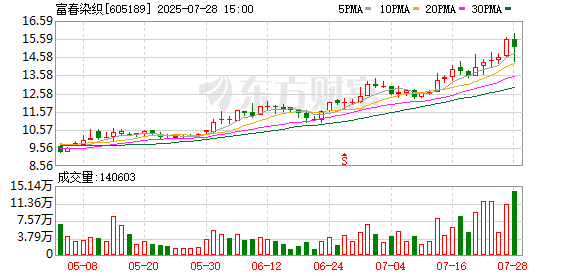
聚焦于PEEK下游应用 富春染织强势进军新材料领域
Zheng Quan Shi Bao Wang· 2025-07-28 08:17
Group 1 - The company is actively responding to the national strategy for new materials by establishing a wholly-owned subsidiary focused on the research and industrialization of PEEK (Polyether Ether Ketone) [2] - PEEK is a high-performance thermoplastic polymer with excellent properties such as high-temperature resistance, mechanical strength, chemical stability, and biocompatibility, making it suitable for demanding applications in industries like aerospace and medical [2] - The company plans to invest an initial capital of 50 million yuan in the new subsidiary, with potential additional funding based on industry development progress [2] Group 2 - The company, founded in 2002, is a leading producer of colored yarns in China, focusing on the research, production, and sales of colored yarns for various textile applications [3] - In the first half of the year, the company experienced a 10% increase in sales volume, with new product orders growing by over 60%, and expects a compound annual growth rate of nearly 20% in recent years [3] - The company is implementing a land exchange plan to allocate 100-150 acres for new project development while maintaining existing production capacity [3] Group 3 - The company is focusing on downstream applications of PEEK, particularly in sectors like semiconductors and medical devices, where domestic alternatives have not yet been realized [4] - The company aims to explore applications in new energy vehicles and low-altitude economy sectors, facing competition from established high-end PEEK manufacturers in Europe and the US [4] - The company is considering equity incentives for its core technical team to enhance collaboration and innovation in the new materials sector [4]

国内首台最大推力液氧煤油火箭发动机成功总装交付
Xin Jing Bao· 2025-07-25 11:48
Core Viewpoint - The successful assembly and delivery of the "Thunder RS" rocket engine marks a significant advancement in China's aerospace capabilities, being the largest thrust open-cycle liquid oxygen kerosene rocket engine currently under development domestically [1][2] Group 1: Engine Specifications - The "Thunder RS" engine is a 130-ton liquid oxygen kerosene engine specifically designed for the "Yunhai-2" large launch vehicle [1] - The engine has a maximum ground thrust of 130 tons, equivalent to lifting over 100 small cars or 10 large trucks simultaneously [1] - The engine utilizes a liquid oxygen and kerosene propellant combination, offering high reliability, large thrust, multiple start capabilities, deep throttling, and environmentally friendly features [1] Group 2: Development and Testing - The "Thunder RS" engine completed half-system testing by the end of last year, validating the design correctness of key components such as the turbine pump and gas generator [1] - The engine's critical technologies, including startup, shutdown, and ignition sequencing, were successfully verified during testing [1] - Following its delivery, the engine will undergo full system hot testing to simulate real working conditions and validate its stability under high temperature and pressure [2] Group 3: Manufacturing Innovations - Over 85% of the "Thunder RS" engine's components are produced using 3D printing technology, which enhances reliability by reducing parts and welds [1] - 3D printing allows for complex structures to be formed in one piece, improving material utilization, lowering costs, and shortening manufacturing cycles [1] - The technology also enables lightweight designs and efficient cooling, making the engine suitable for extreme environments and rapid customization needs [1]
三步“智造”矫形器,一台3D打印机如何颠覆传统生产链?
Huan Qiu Wang Zi Xun· 2025-07-19 08:47
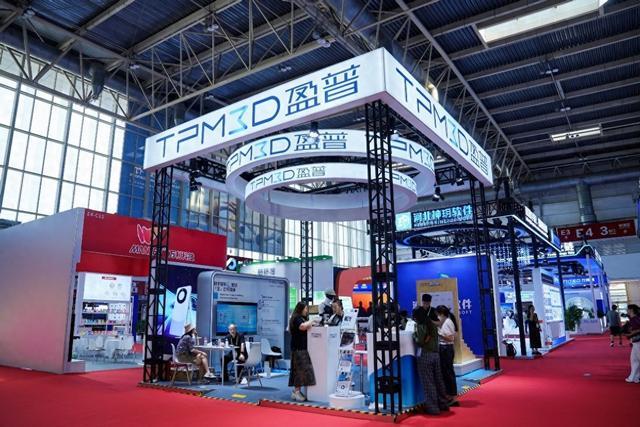
Group 1 - Scoliosis has become a significant health issue for the new generation of youth, with its incidence rising and being listed alongside obesity and myopia as major threats to children's health [1] - The traditional scoliosis correction devices face challenges such as high professional requirements, low levels of intelligence, and difficulties in mass production, creating a substantial market demand for improved solutions [1] - The introduction of 3D printing technology offers a breakthrough in producing scoliosis correction devices, with a highly efficient three-step production process involving 3D scanning, AI-generated design, and 3D printing [1] Group 2 - Yingpu 3D Company is the only domestic manufacturer focused on SLS (Selective Laser Sintering) technology, which encompasses various fields including process, equipment manufacturing, material research, and application development [2] - The company launched Asia's first self-developed laser sintering additive manufacturing system in 2007, filling a technological gap in the domestic market [2] - The latest products showcased at the Chain Expo demonstrate innovations in digital healthcare and supply chain efficiency through SLS 3D printing [2] Group 3 - The nylon materials used in the scoliosis correction devices are lightweight and durable, with proprietary medical-grade materials offering higher safety [4] - The scoliosis correction device has been selected as one of the first typical application scenarios by the Ministry of Industry and Information Technology, indicating improvements in product quality and patient experience due to 3D printing [4] - SLS 3D printing also caters to various orthopedic needs, including neck, wrist, ankle, and thoracolumbar braces, as well as functional insoles for conditions like flat feet [4] Group 4 - Industrial-grade SLS equipment produces high-quality, lightweight, and high-performance products, significantly shortening the production process [6] - The rapid growth of 3D printing equipment production in China, with a year-on-year increase of 43.1% in the first half of the year, reflects a shift in the manufacturing industry towards high-quality, personalized production [6] - The global transition of 3D printing technology from prototype manufacturing to mass production is evident, with China gaining competitiveness in consumer and certain industrial application markets [6]