
跨境电商

Search documents
三羊马涨2.03%,成交额9364.70万元,主力资金净流入668.33万元
Xin Lang Zheng Quan· 2025-10-10 03:17
Core Points - The stock price of Sanyangma increased by 2.03% on October 10, reaching 49.70 CNY per share, with a total market capitalization of 4.073 billion CNY [1] - The company has seen a year-to-date stock price increase of 79.62% and a recent trading volume of 93.647 million CNY [1] - Sanyangma's main business includes comprehensive transportation services for complete vehicles, non-automotive goods, and warehousing services, with the revenue composition being 60.54%, 36.66%, and 1.60% respectively [1] Financial Performance - For the first half of 2025, Sanyangma reported a revenue of 776 million CNY, representing a year-on-year growth of 48.13%, while the net profit attributable to shareholders was -12.9996 million CNY, a decrease of 226.66% [2] - The company has distributed a total of 57.6294 million CNY in dividends since its A-share listing, with 25.6134 million CNY distributed over the last three years [3] Shareholder Information - As of September 19, Sanyangma had 20,200 shareholders, an increase of 21.79% from the previous period, with an average of 1,458 circulating shares per shareholder, a decrease of 17.89% [2]
轻纺城涨2.06%,成交额2503.46万元,主力资金净流入57.18万元
Xin Lang Cai Jing· 2025-10-10 02:57
Core Insights - The stock price of Qingtang City increased by 2.06% on October 10, reaching 3.96 CNY per share, with a total market capitalization of 5.805 billion CNY [1] - Year-to-date, the stock has risen by 8.82%, with a recent 5-day increase of 2.06% and a 20-day decline of 2.70% [2] - The company has seen a net inflow of 571,800 CNY from major funds, with significant buying and selling activity [1][2] Financial Performance - For the first half of 2025, Qingtang City reported a revenue of 515 million CNY, reflecting a year-on-year growth of 8.93%, while the net profit attributable to shareholders decreased by 6.49% to 167 million CNY [2] - Cumulatively, the company has distributed 2.348 billion CNY in dividends since its A-share listing, with 530 million CNY distributed over the past three years [3] Shareholder Information - As of June 30, the number of shareholders increased to 27,700, up by 6.23%, while the average circulating shares per person decreased by 5.86% to 52,993 shares [2]

我国首个专业货运枢纽机场加快连接全球
Xin Hua Wang· 2025-10-09 13:44
新华社武汉10月9日电 题:我国首个专业货运枢纽机场加快连接全球 新华社记者王自宸 随着货运枢纽能级的不断提升,鄂州市积极推动"产业集群+物流枢纽"协同发展,以机场带动物 流,以物流集聚产业。 走进中国(鄂州)跨境电商产业园直播中心,外籍主播阿布正通过海外电商直播平台进行"带货"。 记者注意到,阿布除了英语流利,还会根据观众的预算和需求来推荐性价比高的产品,因而受到欢迎。 园区相关负责人毕微说,园区出台了一系列政策,支持企业通过"保税仓+直播""体验店+直播"等模 式创新,大力发展跨境电商产业,园区自今年4月30日正式运营以来,已注册签约企业近300家。 与此同时,花湖机场方面紧跟国内外市场需求,积极布局异地城市货站,打通商贸物流"最后一公 里"。目前,已在东莞、无锡、贵阳等地建立7个异地货站,实现了中国制造直达海外市场。 鄂州市委常委、常务副市长张权表示,未来,鄂州将从做强国际大枢纽、做优开放大平台、做实临 空大产业等方面着手,进一步打造国际一流营商环境,不断扩大花湖机场海外"朋友圈",让花湖机场成 为中国畅连全球的"重要门户"。 "用电负荷已达16.512万千瓦。"10月9日凌晨2时许,国网湖北省电力有限 ...
双节同庆,跨境电商“跑”出加速度
Sou Hu Cai Jing· 2025-10-09 12:05
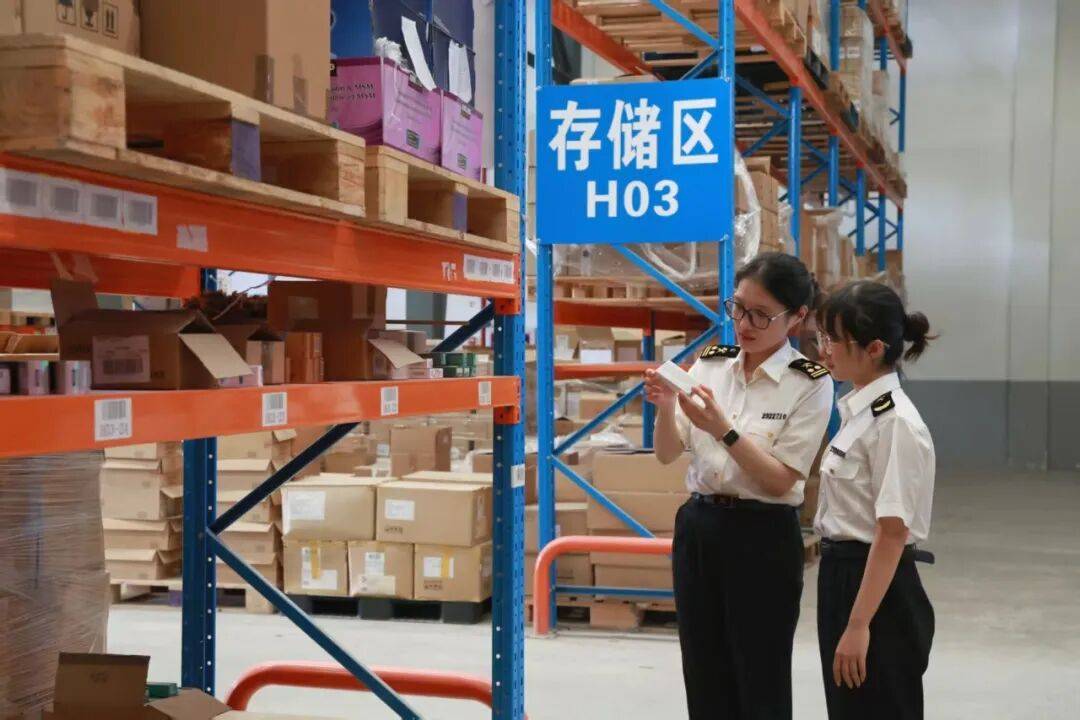
Core Insights - During the National Day and Mid-Autumn Festival, cross-border e-commerce order volume nearly doubled compared to normal periods [1] - Customs authorities implemented measures to ensure smooth operations during the holiday, including 24-hour warehouse operations and appointment-based inspections [1] - The Hangzhou Comprehensive Bonded Zone, the first of its kind in the country, saw a 40% increase in shipping volume, with an average delivery time of 1.5 days for consumers [3] Summary by Sections - **Cross-Border E-commerce Performance** - Cross-border e-commerce imports saw significant growth, with Hangzhou Customs processing 3.7109 million import lists worth approximately 913 million yuan during the holiday, marking increases of 18.83% and 31.69% year-on-year respectively [4] - **Operational Efficiency** - Companies benefited from innovative customs measures such as the "single window" system and 5G smart technology, which reduced clearance times and lowered operational costs [3] - **Holiday Preparations** - Customs authorities proactively engaged with businesses to understand inventory plans and established duty schedules to handle the surge in demand during the holiday [1]

代工20年转型年销千万!传统家纺工厂靠洗碗巾在亚马逊打造可复制方法论
Sou Hu Cai Jing· 2025-10-09 11:05
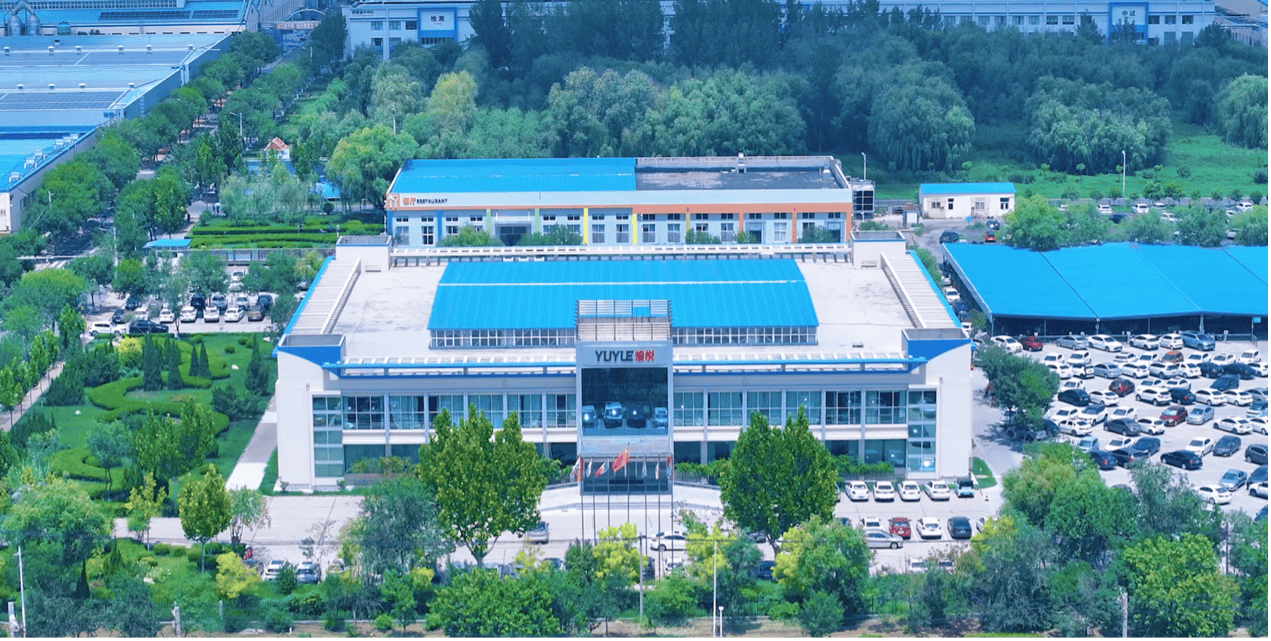
Core Insights - The article highlights the significant growth of China's cross-border e-commerce, with the scale expected to reach 2.15 trillion RMB in 2024, marking a 16.9% year-on-year increase, and the establishment of 178 comprehensive pilot zones for cross-border e-commerce [1][7] - The transformation of traditional manufacturing companies, particularly in the textile industry, is emphasized through the case of Yuyue Home Textile, which has shifted from OEM to building its own brand in the cross-border e-commerce space [1][9] Industry Overview - The textile industry in China has a long history of globalization, dating back over two thousand years, and is now leveraging cross-border e-commerce to reach global consumers efficiently [1][7] - The city of Binzhou is identified as a key cotton planting and textile industrial base, with a complete textile industry system established by the early 21st century [3][7] Company Development - Yuyue Home Textile has developed a robust supply chain that includes organic raw material planting, R&D, spinning, weaving, dyeing, and brand sales, with impressive production capabilities [7][9] - The company produces 20,000 tons of yarn, 150 million meters of woven fabric, 400 million meters of dyed fabric, and 7 million sets of bedding and clothing annually [7] Strategic Shift - The decision to enter cross-border e-commerce was driven by macroeconomic trends and the company's desire to build its own brand, moving from B2B to B2C [9][10] - Yuyue's initial foray into cross-border e-commerce began in 2021 with the launch of its first store on Amazon, coinciding with a significant increase in China's cross-border e-commerce import and export scale [9][10] Methodology and Execution - Yuyue's approach to cross-border e-commerce is characterized by a "two-step" strategy: maintaining product quality while embracing data-driven agile iterations [10][20] - The company employs a three-step strategy of data mining, differentiated design, and refined operations to leverage its manufacturing strengths in the digital marketplace [20][22] Case Studies - The first product launched by Yuyue was a kitchen dishcloth, chosen based on market analysis and consumer pain points, which quickly became a top seller [12][14] - A second successful product was an outdoor picnic mat, developed by identifying a market gap for larger, weather-resistant options, showcasing the company's ability to adapt its manufacturing expertise to consumer needs [17][20] Challenges and Solutions - Yuyue faced inventory challenges but responded with a data-driven approach, creating a flexible inventory system that connected production cycles with market demand [29][30] - The company utilized Amazon's resources and tools to enhance its operational capabilities and brand development, demonstrating the importance of platform support in the transition to e-commerce [22][27] Broader Implications - The article discusses the broader context of China's manufacturing sector's transformation, supported by government policies, market dynamics, and technological advancements [31][32] - Yuyue's journey reflects a larger trend of Chinese manufacturers seeking to establish their brands globally, leveraging the current favorable conditions for cross-border e-commerce [32][35]
追梦社区——为全球投资者开辟财富新机遇 | 加密货币与跨境电商双轮驱动
Sou Hu Cai Jing· 2025-10-09 08:31
Core Insights - The company aims to provide innovative, secure, and transparent cryptocurrency investment opportunities while integrating cross-border e-commerce and fintech to ensure stable returns for its members [1] Group 1: Global Market Expansion - One of the core strategies of the company is global market expansion, focusing on Asia, Europe, and the Americas to create a safe and efficient investment platform for global investors [2] - The company plans to strengthen cooperation and development across major markets to become a leader in the cryptocurrency and cross-border e-commerce sectors [2] Group 2: Innovative Business Model - The company combines cross-border e-commerce with cryptocurrency investment to create a diversified investment platform [2] - The e-commerce platform leverages global supply chain advantages to provide members with high-quality products at low costs, while cryptocurrency investment projects offer stable high-return opportunities [2] Group 3: Member Incentives - The company views each member as a partner and provides education and team reward mechanisms to help members achieve wealth growth [3] - A community reward system incentivizes members to invite new users, fostering team growth and collective benefits [3] Group 4: Security and Compliance - The company prioritizes security and compliance, adhering to global laws and regulations to ensure all transactions are legal and compliant [3] - Industry-leading technology is employed to safeguard user data and funds, ensuring transparent, stable, and sustainable operations [3] Group 5: Future Outlook - In the next three years, the company plans to continue expanding globally and deepen the integration of cryptocurrency and cross-border e-commerce [4] - The goal is to dominate the Chinese market by 2028 and become the largest institution in the global private placement market for cryptocurrencies [4]

浙江正特跌0.51%,成交额2057.40万元,近5日主力净流入484.27万
Xin Lang Cai Jing· 2025-10-09 07:45
Core Viewpoint - Zhejiang Zhengte is positioned to benefit from the pet economy, camping economy, cross-border e-commerce, and the depreciation of the RMB, with a significant portion of its revenue coming from overseas markets [2][3]. Company Overview - Zhejiang Zhengte Co., Ltd. is located in Linhai City, Zhejiang Province, and was established on September 12, 1996. The company went public on September 19, 2022. Its main business involves the research, development, production, and sales of outdoor leisure furniture and products [7]. - The company's revenue composition includes 86.83% from shading products, 6.64% from leisure furniture, and 6.54% from other sources [7]. - The company operates in the light industry manufacturing sector, specifically in entertainment products, and is involved in e-commerce, cross-border e-commerce, and the pet economy [7]. Product and Market - The main products include pet houses, pet fences, and cages, as well as shading products and outdoor leisure furniture. These products are widely used in outdoor leisure venues, hotels, and personal gardens [2][3]. - The company primarily sells its products to the European and American markets through various channels, including large chain supermarkets and e-commerce platforms. It has established itself as a supplier for major retailers like Walmart and Costco [2][3]. Financial Performance - For the first half of 2025, the company achieved a revenue of 1.042 billion yuan, representing a year-on-year growth of 38.63%. The net profit attributable to the parent company was 70.51 million yuan, with a year-on-year increase of 56.03% [7]. - As of the 2024 annual report, overseas revenue accounted for 92.75% of total revenue, benefiting from the depreciation of the RMB [3]. Trading and Market Activity - On October 9, the stock price of Zhejiang Zhengte fell by 0.51%, with a trading volume of 20.574 million yuan and a turnover rate of 0.39%. The total market capitalization is 5.61 billion yuan [1]. - The stock has seen a net inflow of 1.5015 million yuan from major investors today, with a ranking of 6 out of 22 in its industry. However, the overall industry has experienced a net outflow of 150 million yuan over the same period [4][5].
雅艺科技跌3.57%,成交额3054.53万元,后市是否有机会?
Xin Lang Cai Jing· 2025-10-09 07:39
Core Viewpoint - The company, Zhejiang Yayi Metal Technology Co., Ltd., is experiencing significant growth in its online sales channels, particularly through platforms like Amazon, and is expanding its presence in emerging social e-commerce platforms, benefiting from favorable policies in cross-border e-commerce and the depreciation of the RMB [2][4]. Group 1: Financial Performance - In 2024, the company expects a revenue of 296 million yuan, representing a substantial year-on-year increase of 87.22% [2]. - As of September 19, 2025, the company achieved a revenue of 146 million yuan in the first half of the year, reflecting a year-on-year growth of 32.28%, while the net profit attributable to shareholders decreased by 28.94% to 4.07 million yuan [9]. Group 2: Business Strategy - The company is focusing on self-developed outdoor leisure furniture, including fire pits and gas stoves, and has established a comprehensive system for research, design, production, sales, and service [2]. - The company has a diverse product range, with its main business revenue composition being 55.86% from fire pits and stoves, 33.74% from other categories, and 10.40% from gas stoves [8]. Group 3: Investment Activities - On July 26, 2023, the company announced plans to invest 10.2 million yuan as a limited partner in a new venture capital partnership, indicating its commitment to further investment and growth [3]. Group 4: Market Position - The company has a total market capitalization of 1.939 billion yuan, with a trading volume of 30.5453 million yuan and a turnover rate of 2.55% as of October 9 [1]. - The overseas revenue accounted for 98.94% of the total revenue, benefiting from the depreciation of the RMB [4]. Group 5: Shareholder Information - As of September 19, 2025, the number of shareholders decreased by 8.34% to 6,421, while the average circulating shares per person increased by 9.10% to 8,583 shares [9]. - The company has distributed a total of 142 million yuan in dividends since its A-share listing, with 51.1 million yuan distributed over the past three years [10].
源飞宠物跌1.17%,成交额6343.57万元,近3日主力净流入-824.06万
Xin Lang Cai Jing· 2025-10-09 07:39
Core Viewpoint - The company, Wenzhou Yuanfei Pet Toy Co., Ltd., is experiencing fluctuations in stock performance and is positioned to benefit from trends in the pet economy, cross-border e-commerce, and currency depreciation [1][2]. Company Overview - Wenzhou Yuanfei Pet Toy Co., Ltd. specializes in the research, production, and sales of pet products and pet food, with main products including pet snacks, leashes, toys, dry food, and wet food [2][7]. - The company was established on September 27, 2004, and went public on August 18, 2022 [7]. - As of June 30, 2025, the company reported a revenue of 792 million yuan, a year-on-year increase of 45.52%, and a net profit of 74.16 million yuan, a year-on-year increase of 0.37% [7]. Financial Performance - The company's overseas revenue accounts for 85.78% of total revenue, benefiting from the depreciation of the RMB [3]. - The main revenue composition includes pet snacks (52.09%), leashes (24.77%), staple food (9.79%), other products (7.72%), and toys (5.64%) [7]. - The company has distributed a total of 120 million yuan in dividends since its A-share listing [8]. Market Position and Strategy - The company has established overseas bases in Cambodia to enhance global production capacity and reduce labor costs, with production facilities already operational [3]. - The company is positioned within the light industry manufacturing sector, specifically in entertainment products, and is involved in concepts such as new retail and the pet economy [7]. Stock Performance - On October 9, the stock price of Yuanfei Pet fell by 1.17%, with a trading volume of 63.44 million yuan and a market capitalization of 4.364 billion yuan [1]. - The average trading cost of the stock is 24.06 yuan, with recent buying activity noted, although the strength of this buying is considered weak [6].
苏豪弘业涨0.00%,成交额4876.16万元,近3日主力净流入-519.31万
Xin Lang Cai Jing· 2025-10-09 07:12
Core Viewpoint - Suhao Hongye Co., Ltd. is engaged in trade, culture, and investment, with a focus on export and import businesses, particularly in toys, pet products, medical devices, and fertilizers [2][7]. Company Overview - Suhao Hongye Co., Ltd. was established on June 30, 1994, and listed on September 1, 1997. The company is located in Nanjing, Jiangsu Province [7]. - The main business revenue composition includes 98.45% from product sales, 1.05% from engineering projects and consulting services, and 0.51% from other sources [7]. - As of June 30, the number of shareholders is 27,700, a decrease of 39.99% from the previous period, while the average circulating shares per person increased by 66.64% [7]. Financial Performance - For the first half of 2025, the company achieved a revenue of 3.919 billion yuan, representing a year-on-year growth of 10.73%. The net profit attributable to the parent company was 26.296 million yuan, up 34.72% year-on-year [7]. - The company has distributed a total of 503 million yuan in dividends since its A-share listing, with 74.03 million yuan distributed in the last three years [8]. Investment and Subsidiaries - The company holds a 16.31% stake in Hongye Futures, which is listed on the Hong Kong Stock Exchange [3]. - Suhao Hongye invested 12 million yuan for a 24% stake in Jiangsu Hongrui Technology Investment Company, the first venture capital firm in Jiangsu Province focused on the biomedical field [3]. Market Activity - On October 9, the stock price of Suhao Hongye remained unchanged at 0.00%, with a trading volume of 48.76 million yuan and a turnover rate of 1.89%. The total market capitalization is 2.579 billion yuan [1]. - The stock has seen a net outflow of 2.4458 million yuan from major funds today, with a total net outflow of 85.3665 million yuan over the past 20 days [5].
