普惠金融

Search documents
符合条件的扶贫货物捐赠免征增值税,企业符合条件的扶贫捐赠所得税税前据实扣除
蓝色柳林财税室· 2025-10-19 06:20
Core Viewpoint - The article discusses the tax incentives for donations aimed at poverty alleviation in designated impoverished areas, encouraging social contributions to rural revitalization efforts [2][5]. Group 1: Tax Incentives for Donations - From January 1, 2019, to December 31, 2025, taxpayers donating goods for poverty alleviation through recognized social organizations or government entities in targeted impoverished areas are exempt from value-added tax (VAT) [2]. - The policy allows for retroactive application of VAT exemption for qualifying donations made between January 1, 2015, and December 31, 2018 [2]. - The targeted impoverished areas include 832 key counties for poverty alleviation and registered impoverished villages [3][6]. Group 2: Corporate Income Tax Deductions - Corporations making qualifying donations for poverty alleviation from January 1, 2019, to December 31, 2025, can deduct these expenses from their taxable income [5]. - Donations made for poverty alleviation are excluded from the annual limit on deductions for other charitable contributions [5]. - Corporations can also retroactively apply the income tax deduction for qualifying donations made between January 1, 2015, and December 31, 2018, that were not previously deducted [5][7].


公益性捐赠支出企业所得税前扣除,个人通过公益性社会组织或国家机关的公益慈善事业捐赠个人所得税税前扣除
蓝色柳林财税室· 2025-10-19 06:20
Core Viewpoint - The article emphasizes the promotion of inclusive finance development and encourages social forces to increase donations for rural revitalization, highlighting tax deductions for charitable contributions made by enterprises and individuals [2][5]. Summary by Relevant Sections Enterprise Donations - Enterprises can deduct charitable donations from their taxable income up to 12% of their annual profit. Donations exceeding this limit can be carried forward for up to three years [3][4]. - The deduction applies to donations made through recognized public welfare organizations or government departments for charitable activities [3][4]. Individual Donations - Individuals donating to public welfare causes through recognized organizations can deduct up to 30% of their declared taxable income from their taxable income [6][8]. - The deduction applies to various forms of donations, including monetary assets and non-monetary assets, with specific valuation methods outlined for each type [8][9]. Eligibility Criteria - Public welfare organizations must meet specific legal requirements, including having legal status, non-profit objectives, and proper financial accounting systems [7]. - Individuals and enterprises must ensure their donations are made through qualified organizations to benefit from tax deductions [6][7]. Policy References - The article cites relevant laws and regulations, including the Enterprise Income Tax Law and the Individual Income Tax Law, which govern the tax treatment of charitable donations [13][20].

境外捐赠人捐赠慈善物资免征进口环节增值税
蓝色柳林财税室· 2025-10-19 06:20
Group 1 - The article emphasizes the promotion of inclusive finance development and encourages social forces to increase donations for rural revitalization [3] - It states that foreign donors are exempt from import value-added tax for charitable materials donated directly for charitable purposes [3][10] - The article outlines the types of charitable activities that qualify for donations, including poverty alleviation, education promotion, environmental protection, and other public interest activities [4][5][6] Group 2 - It defines foreign donors as individuals or organizations outside the People's Republic of China [6] - The recipients of donations include government departments, recognized charitable organizations, and social groups registered with the Ministry of Civil Affairs [6][9] - The article specifies the types of materials that can be donated for charitable purposes, such as clothing, food, medical supplies, educational materials, and environmental protection instruments [8][9] Group 3 - It details the process for tax exemption on imported donated materials, which requires the recipient to apply to customs for tax exemption procedures [9][10] - The donated materials must be unused and not include prohibited items that could harm the environment or public health [9] - The article mentions that approved tax-exempt donated materials must be used and managed according to relevant laws and regulations [10]

2025中金财富1018发布会圆满结束:聚势而行启新局,进而有为筑未来
中国基金报· 2025-10-18 13:41
Core Insights - The article emphasizes the significant transformation in the wealth management industry, driven by macroeconomic changes and a shift from product selling to service-oriented approaches, particularly in the context of the "14th Five-Year Plan" [1][4] - The company, CICC Wealth, has successfully transitioned to a buyer advisory model, achieving a scale of over 120 billion in assets under management for its buyer advisory services [2][4][5] Wealth Management Transformation - The wealth management industry is undergoing profound changes, moving from a product-centric model to a service-oriented approach, which lays a solid foundation for the growth of the buyer advisory model [4] - CICC Wealth has developed a comprehensive buyer advisory service system, including products like "China 50," which has generated over 10.1 billion in cumulative client returns since its launch in 2019 [4][5] Buyer Advisory Model - CICC Wealth's buyer advisory model is built on the "5A Configuration Model," focusing on client preferences, asset allocation, strategy attribution, alpha generation, and risk assessment [5][6] - The company aims to enhance client experience and investment outcomes by continuously refining its buyer advisory approach and providing tailored asset allocation strategies [6][8] Global Asset Allocation - The importance of global asset allocation is highlighted, with CICC Wealth positioning itself as a partner for clients navigating international investment opportunities [9][10] - The company has established a robust international business framework, managing assets worth 2.2 billion USD and receiving multiple international awards for its investment management capabilities [10][11] AI Integration in Wealth Management - The integration of AI technology is a key focus, with CICC Wealth leveraging AI to enhance client experience and operational efficiency [12][13] - The company has developed AI-driven platforms and tools to provide personalized investment solutions and streamline advisory processes [14][16] Commitment to Inclusive Finance - CICC Wealth is dedicated to promoting inclusive finance by offering accessible investment products and enhancing financial literacy among investors [18][19] - The company is actively involved in supporting small and medium-sized enterprises (SMEs) through tailored financial services and partnerships with academic institutions [19][20] Future Outlook - CICC Wealth aims to continue its mission of "Finance for the People," focusing on high-quality development in wealth management and expanding its global reach [20][21]


2025中金财富1018发布会圆满结束:聚势而行启新局,进而有为筑未来
Di Yi Cai Jing· 2025-10-18 13:22
Core Insights - The wealth management industry is undergoing significant transformation, shifting from a product-selling approach to a service-oriented model, which lays a solid foundation for the growth of the client-centered buy-side advisory model [3][5][7] - China International Capital Corporation (CICC) Wealth Management is actively enhancing its buy-side advisory capabilities, achieving a scale of over 120 billion in assets under management, with its flagship product "China 50" generating over 10.1 billion in cumulative client returns since its launch [2][3][4] Group 1: Buy-Side Advisory Development - CICC Wealth Management's buy-side advisory model has seen its assets under management surpass 120 billion, reflecting a successful six-year development of its investment methodology [3][4] - The "China 50" product has provided positive returns for over 98% of its clients, with an average holding period of approximately 2.5 years [3][4] - The "5A Configuration Model" has been established to enhance asset allocation capabilities, focusing on client preferences, asset allocation, strategy attribution, alpha generation, and risk assessment [4] Group 2: Market Adaptation and Client Support - In response to increasing market uncertainties and changing wealth allocation, CICC Wealth Management is committed to helping investors navigate the low-interest-rate environment through comprehensive asset allocation strategies [5][6] - The company has developed over 11,000 different strategy lines across equity, alternative, and global assets to support client investment needs [5] - CICC Wealth Management emphasizes a long-term partnership with clients, aiming to enhance investor satisfaction and adapt to the evolving landscape of wealth management [5][6] Group 3: Internationalization and Global Asset Allocation - CICC Wealth Management is focused on facilitating global asset allocation for investors, addressing challenges such as information asymmetry and the lack of appropriate investment tools [7][8] - The company aims to serve as a bridge for international investors to access the Chinese capital market while assisting Chinese enterprises in expanding their global reach [8][9] - The international asset management scale has reached 2.2 billion USD, establishing CICC as a professional benchmark in the field [8] Group 4: AI Integration in Wealth Management - CICC Wealth Management is leveraging AI technology to enhance client experiences and improve service efficiency, marking a significant shift in the industry [10][11] - The introduction of AI-driven tools aims to provide personalized investment solutions and streamline advisory processes, enhancing the overall client engagement [10][11][12] - The company's digital platforms are being upgraded to incorporate AI capabilities, allowing for tailored investment strategies based on real-time market conditions [11][12] Group 5: Commitment to Inclusive Finance - CICC Wealth Management is dedicated to promoting inclusive finance by providing accessible investment products and enhancing financial literacy among investors [13][14] - The company is actively developing passive investment products like ETFs and index funds to attract long-term capital and share economic growth benefits with investors [13][14] - Collaborations with academic institutions aim to further research and implement strategies that enhance financial health and accessibility for a broader audience [15]
保险公司种植业、养殖业保险业务企业所得税减计收入,农牧保险业务免征增值税
蓝色柳林财税室· 2025-10-18 09:20
Group 1: Core Views - The article discusses tax incentives for agricultural and livestock insurance businesses to promote inclusive finance development [1][4]. - Insurance companies providing agricultural and livestock insurance can reduce their taxable income by counting only 90% of the premium income until December 31, 2027 [1][3]. Group 2: Tax Incentives - Agricultural and livestock insurance businesses are exempt from value-added tax (VAT) [4][5]. - The exemption applies to taxpayers providing agricultural insurance and related technical training services [5][6]. Group 3: Eligibility Criteria - Premium income is defined as the original insurance premium income plus reinsurance premium income, minus the ceded premium [2]. - Agricultural insurance refers to insurance for crops and livestock, while related technical training involves educating farmers about agricultural insurance [6]. Group 4: Policy Basis - The tax incentives are based on several official documents, including notices from the Ministry of Finance and the State Administration of Taxation [3][7].

农林牧畜类保险合同免征印花税
蓝色柳林财税室· 2025-10-18 09:20
Group 1 - The article discusses tax incentives for agricultural and livestock insurance contracts, specifically the exemption from stamp duty for these contracts [1] - The beneficiaries of this policy are the taxpayers who enter into agricultural and livestock insurance contracts [1] - The policy is based on two key documents: the National Taxation Bureau's notification regarding stamp duty on insurance companies and a 2022 announcement from the Ministry of Finance and the State Administration of Taxation [1]

小贷公司ABS发行额接近去年全年 小微与消费成融资主力
Zhong Guo Jing Ying Bao· 2025-10-17 19:15
Core Viewpoint - The issuance of asset-backed securities (ABS) for micro-loan companies has been gaining momentum in 2023, with significant regulatory support and a shift towards a more diversified market structure [1][2][7]. Industry Overview - As of October 2023, the total issuance of ABS projects by micro-loan companies reached 761.38 billion yuan, accounting for 40% of the total annual issuance of credit asset securitization products, which is 1,866.1 billion yuan [1]. - The approval process for micro-loan ABS has improved since 2025, indicating a growing recognition of quality assets in the market [2][7]. Market Dynamics - The concentration of ABS issuance among top micro-loan companies is decreasing, with the top three companies accounting for 79.2% of the total issuance in 2024, down from 55.8% in 2025 [3][4]. - The diversification of original rights holders for ABS projects is evident, with new entrants like Zhongrong Micro Loan and Tencent's Financial Payment Loan Company gaining approval for significant ABS issuances [5][6]. Regulatory Environment - The new regulations for micro-loan companies emphasize the importance of small, diversified loans aimed at supporting small and micro enterprises, individual businesses, and consumers [8]. - The regulatory framework allows for increased leverage in financing, enabling compliant institutions to expand their capital space [11][12]. Asset Composition - The underlying assets of micro-loan ABS are primarily directed towards consumption and small business support, with a notable focus on personal operating loans [9][10]. - Companies like QFIN and Meituan are leveraging their platforms to provide financing services, enhancing their market competitiveness through diversified funding sources [10]. Future Outlook - The trend towards a decrease in issuance concentration is seen as a sign of industry maturation, with new players entering the ABS market and focusing on specific scenarios to attract capital [7]. - The favorable policy environment and low-interest rates are expected to further enhance the financing capabilities of micro-loan companies, supporting their growth and market expansion [12].
普惠金融提质 国有银行“村改支”加速
Zhong Guo Jing Ying Bao· 2025-10-17 18:56
Core Insights - The restructuring process of converting village banks into branches ("village to branch") is being actively promoted by state-owned banks, enhancing financial services in rural areas and reshaping the competitive landscape in county-level financial markets [1][2][3] Group 1: Restructuring Progress - Agricultural Bank of China has recently acquired Zhejiang Yongkang Agricultural Bank and established new branches, marking its second participation in the "village to branch" initiative this year [2] - Other state-owned banks, including Industrial and Commercial Bank of China and Bank of Communications, have also engaged in similar restructuring efforts throughout the year [2] - A total of 98 village banks have been approved for dissolution from early 2025 to October 16, indicating a significant trend towards consolidation in the sector [3] Group 2: Policy Support - The restructuring is driven by national policies aimed at supporting rural revitalization and enhancing risk management in the financial sector, as outlined in a joint guideline issued by several regulatory bodies [3] - The 2025 regulatory work meeting emphasized the importance of reforming small financial institutions as a top priority [3] Group 3: Advantages of State-Owned Banks - State-owned banks possess strong risk management capabilities and financial strength, which can enhance the capital adequacy of former village banks and help mitigate risks [4] - These banks can improve management standards and operational efficiency, leveraging their resources and technology to optimize services and reduce operational costs [4][5] - The credibility of state-owned banks can help restore customer confidence and stabilize the local financial ecosystem [5] Group 4: Challenges in the Restructuring Process - The acquisition process faces challenges such as complex shareholder structures and the need for effective risk assessment of existing non-performing loans [6] - Integrating management practices and service offerings between the acquiring banks and former village banks presents additional hurdles [6] Group 5: Impact on County Financial Ecosystem - The "village to branch" initiative is expected to enhance the reach of inclusive finance, with state-owned banks expanding their presence in rural markets and improving service quality through digital tools [7][8] - The restructuring may lead to a more competitive environment for local small and medium-sized banks, which could face pressure on market share and profitability due to the enhanced capabilities of state-owned banks [9][10] Group 6: Future Outlook - The transformation may compel smaller banks to refine their service offerings and focus on localized, customized financial solutions to remain competitive [10] - Overall, while the restructuring will strengthen the position of state-owned banks in rural finance, it will also challenge smaller institutions to adapt and innovate in response to increased competition [10]



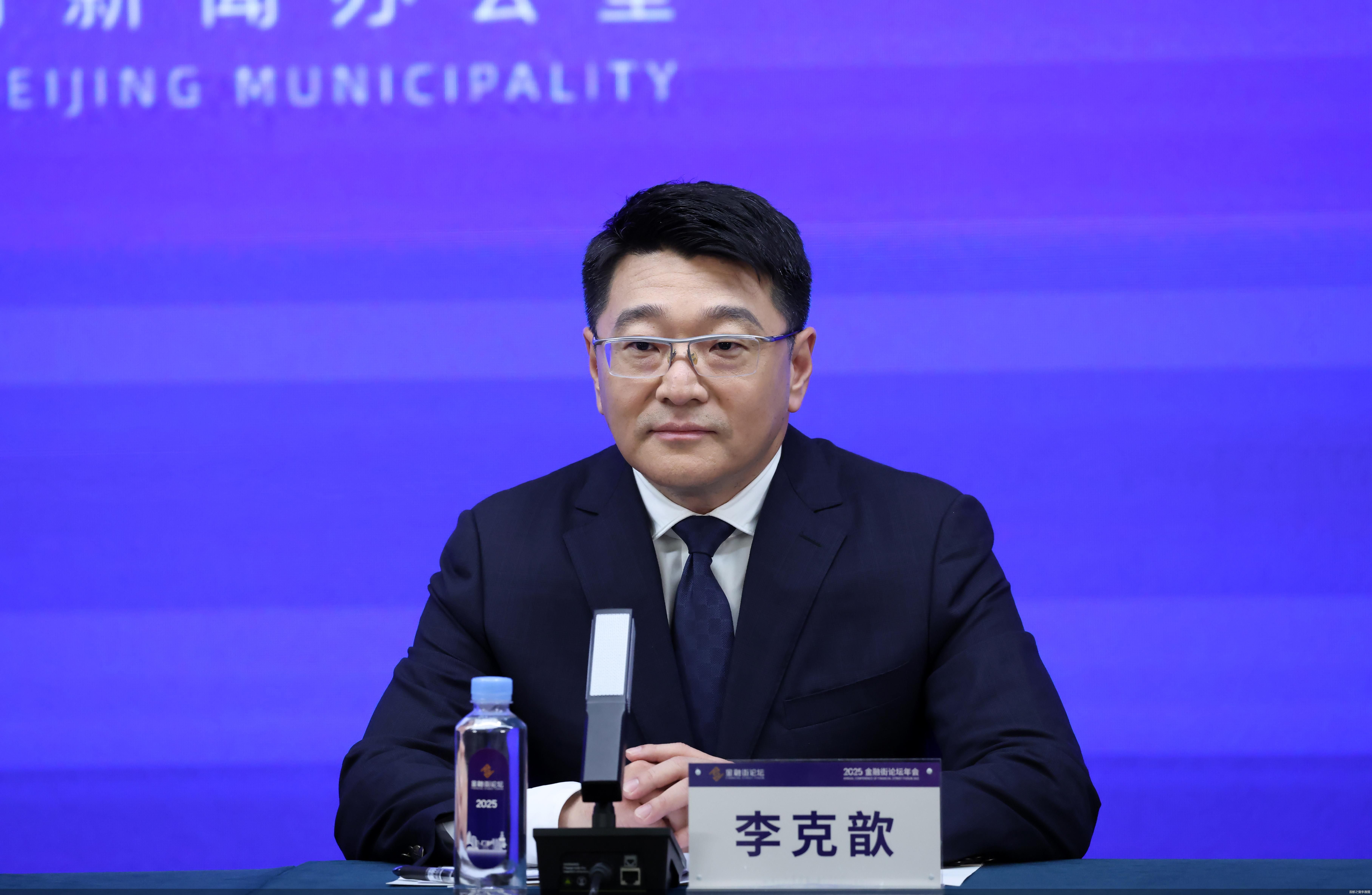
潘功胜将出席!人民银行深度参与金融街论坛筹备,还有这些亮点
Bei Jing Shang Bao· 2025-10-17 14:09
Core Viewpoint - The 2025 Financial Street Forum will be co-hosted by multiple government and financial institutions in Beijing from October 27 to 30, focusing on international financial governance and cooperation, as well as financial technology advancements [1][4]. Group 1: Forum Details - The forum will feature key speakers including the Governor of the People's Bank of China, Pan Gongsheng, who will deliver a keynote speech [4]. - The main forum will address "International Financial Governance and Cooperation under Changing Circumstances," with various activities planned to enhance industry communication and policy interpretation [4]. - The People's Bank of China will also host multiple events, including the "Financial Technology Forum" aimed at promoting digital transformation in finance [4]. Group 2: Financial Innovation and Support - The People's Bank of China has implemented policies to support technology-driven enterprises, including a comprehensive evaluation mechanism for financial institutions serving tech innovation [5]. - During the 14th Five-Year Plan period, the average annual growth rate of loans to technology enterprises in Beijing is approximately 15% [5]. - As of September 2025, over 210 billion yuan in technology innovation bonds have been issued in the interbank market in Beijing, ranking among the top in the country [5]. Group 3: Green and Inclusive Finance - By the end of Q2 2025, the balance of green loans in Beijing reached nearly 2.4 trillion yuan [6]. - As of August 2025, inclusive small and micro loans and agricultural loans in Beijing grew by 13.5% and 8.8% year-on-year, respectively [6]. - The cumulative number of digital yuan personal wallets opened in Beijing reached nearly 20 million, with a total transaction amount close to 300 billion yuan [6]. Group 4: Cross-Border Financial Services - The People's Bank of China supports the establishment of integrated currency pools for multinational companies, with 105 companies participating in the pilot program [6]. - Financial management departments are optimizing services for multinational corporations, enhancing Beijing's role as an international consumption center and global tourism destination [6].