
全球文明倡议

Search documents
中国贸促会答每经问:共同提升中国设计在全球的知名度与竞争力
Mei Ri Jing Ji Xin Wen· 2025-11-27 13:31
Group 1: Chain Expo - The Fourth Chain Expo will be held in Beijing from June 22 to June 26, 2026, focusing on high-level opening-up and modern industrial system construction [2] - The expo aims to integrate technological and industrial innovation, fostering new productive forces [2] - Over 300 companies have signed up to participate, indicating strong recognition of the expo platform [2] Group 2: International Cultural Exchange - The China Council for the Promotion of International Trade (CCPIT) emphasizes its role in international exhibitions, particularly the Milan Triennale [3] - The Milan Triennale, established in 1923, is a significant global exhibition in the field of art and design [3] - CCPIT has organized participation from renowned domestic design institutions and enterprises to enhance China's design competitiveness globally [3] Group 3: Milan Triennale Participation - The 24th Milan Triennale will take place from May 13 to November 9, 2025, with a Chinese exhibition area themed "Dynamic Balance - The Law of Civilization Development" [4] - The exhibition will showcase creative designs reflecting China's modernization achievements across five themes [4] - The Chinese exhibition area received positive feedback from the Triennale organizers and attendees, highlighting its role in cross-cultural exchange [4] Group 4: Global Trade Friction Index - The global trade friction index was recorded at 106 in September, remaining at a high level, with trade friction measures' monetary involvement increasing by 7.9% year-on-year [5] - The United States, India, and Russia have the highest trade friction indices among 20 monitored countries, with the U.S. leading for 15 consecutive months [5] - Key industries affected by trade friction include electronics, transportation equipment, pharmaceuticals, machinery, and chemicals, with electronics being the most impacted [5] Group 5: Trade Relief Measures - Trade relief measures are the most significant among five categories of trade friction measures, indicating a trend towards protecting domestic industries [6] - The trade friction index concerning China remains high at 115, with India having the highest index related to semiconductor, battery, and copper cable industries [6] - In September, the monetary involvement of trade friction measures concerning China decreased by 36.6% year-on-year but increased by 9.6% month-on-month [6]
国新办发布重磅白皮书
第一财经· 2025-11-27 04:17
Core Viewpoint - The white paper titled "China's Arms Control, Disarmament, and Non-Proliferation in the New Era" emphasizes China's commitment to promoting international arms control and disarmament, contributing to global security, and advocating for a community with a shared future for mankind [3][4]. Group 1: International Security and Arms Control - The white paper highlights the complex and severe international security and arms control situation, asserting that China plays a significant role in advancing global governance in the arms control field [4]. - China, as a permanent member of the UN Security Council, actively maintains the authority and effectiveness of international arms control mechanisms and participates constructively in multilateral arms control processes in nuclear, biological, and chemical fields [4]. Group 2: Emerging Fields and Global Governance - The white paper identifies outer space, cyberspace, and artificial intelligence as new strategic security focal points and emphasizes the need for a global governance framework with broad consensus in these emerging areas [5]. - China advocates for enhancing the representation and voice of developing countries in the governance of emerging fields, promoting international cooperation for the peaceful use of technology [5]. Group 3: Non-Proliferation and Peaceful Use of Technology - The white paper stresses China's ongoing efforts to strengthen non-proliferation capabilities and actively participate in international non-proliferation processes [5]. - It promotes the idea that China's modernization path is one of peaceful development, contributing to global peace and security [5].

中华人民共和国和汤加王国联合声明
Ren Min Ri Bao· 2025-11-26 22:21
Core Viewpoint - The state visit of King Tupou VI of Tonga to China from November 21 to 27, 2025, signifies a deepening of bilateral relations and cooperation between China and Tonga, focusing on mutual respect and development, as well as addressing international and regional issues of common concern [1][2]. Group 1: Bilateral Relations - Both parties highly evaluate the long-term development of bilateral relations over the past 27 years and recognize the significant opportunities for further development in the new era, which will benefit both peoples and promote peace, stability, and development in the Pacific island region [1]. - Tonga congratulated China on its significant achievements during the 14th Five-Year Plan and expressed confidence that the 15th Five-Year Plan will provide new strategic guidance for modernization and development opportunities for all countries, including Tonga [1]. Group 2: Diplomatic Engagement - Both sides agreed to continue leveraging high-level diplomatic engagement to enhance bilateral relations, increasing exchanges across various levels and sectors, including government, legislative bodies, political parties, and local governments [2]. - The two parties reaffirmed their commitment to enhancing political mutual trust and supporting each other's core interests, with Tonga reiterating its adherence to the One China principle [2]. Group 3: Economic Cooperation - Both parties celebrated the signing of the Economic Partnership Framework Agreement, looking forward to mutually beneficial outcomes from negotiations, and China welcomed more quality products from Tonga in its market [3]. - They agreed to strengthen cooperation in various sectors, including trade, investment, agriculture, infrastructure, and clean energy, aligning the Belt and Road Initiative with Tonga's national development strategies [2][3]. Group 4: Social and Cultural Exchange - Both sides agreed to expand cooperation in education, healthcare, tourism, sports, youth, media, and local exchanges to enhance mutual understanding [3]. - China will continue to send medical teams to Tonga and support Chinese language education, as well as provide scholarships and training opportunities [3]. Group 5: Environmental Cooperation - Both parties recognized climate change as a global challenge and committed to multilateralism, aiming to implement the Paris Agreement effectively [4]. - China expressed willingness to cooperate on green and low-carbon initiatives, including expanding collaboration on wind power projects in Tonga [4]. Group 6: Global Governance - Tonga supports President Xi Jinping's global governance initiative, emphasizing its relevance in promoting a fair and reasonable global governance system [4][5]. - Both parties agreed to strengthen communication and cooperation in international and regional affairs, advocating for shared values of peace, development, fairness, justice, democracy, and freedom [5].
(近观中国)创造历史首次,“十五五”规划建议这样翻译
Zhong Guo Xin Wen Wang· 2025-11-26 11:12
Core Viewpoint - The translation of the "15th Five-Year Plan" proposal marks a historic first, showcasing China's commitment to openness and confidence in its governance and development strategy [1][2]. Translation Process and Highlights - The translation of the "15th Five-Year Plan" proposal is noted for its high timeliness and scale, being the first instance where the Chinese version and multiple foreign language versions were released simultaneously on October 28 [4]. - This translation effort involved 10 foreign languages, the largest number to date, and included over 300,000 words across three key documents: the proposal, an explanation by General Secretary Xi Jinping, and the plenary session communiqué [4]. - The translation process has established a mature and stable mechanism for translating major documents from the Central Committee, involving collaboration among various foreign-related institutions and language departments [4]. Key Messages to the World - The proposal conveys a more confident China that is self-reliant in governance and open to international cooperation, reflecting the country's development achievements [6]. - It emphasizes China's commitment to openness, free trade, and mutual benefit, providing confidence and opportunities for the global economy, especially in the context of rising protectionism [7]. - The focus on improving the living standards of the Chinese people is central to all planning, linking economic openness, industrial innovation, and social equity as part of a high-quality development model [7]. Notable Translation Expressions - The term "strong nation" appears 18 times in the proposal, with various translations reflecting different sectors such as manufacturing, technology, and culture, showcasing a flexible approach to translation [9][10]. - Key phrases like "people-centered" and culturally specific expressions require careful translation to convey their intended meanings accurately, ensuring that the essence of the original text is preserved [10][12]. Collaboration Between Experts - The translation work involved a collaborative model between Chinese and foreign experts, leveraging their respective strengths to produce high-quality translations [12][13]. - The process included brainstorming sessions that led to refined translations, ensuring clarity and cultural relevance in the final output [12][13]. Cultural Confidence and Innovative Communication - The translation of the "Global Civilization Initiative" reflects a deep understanding of cultural nuances, emphasizing the importance of a singular concept of civilization rather than a pluralistic interpretation [15]. - Innovative communication strategies are highlighted, such as translating policy language in a way that resonates with foreign investors, ensuring that the intent of the policies is effectively conveyed [17].
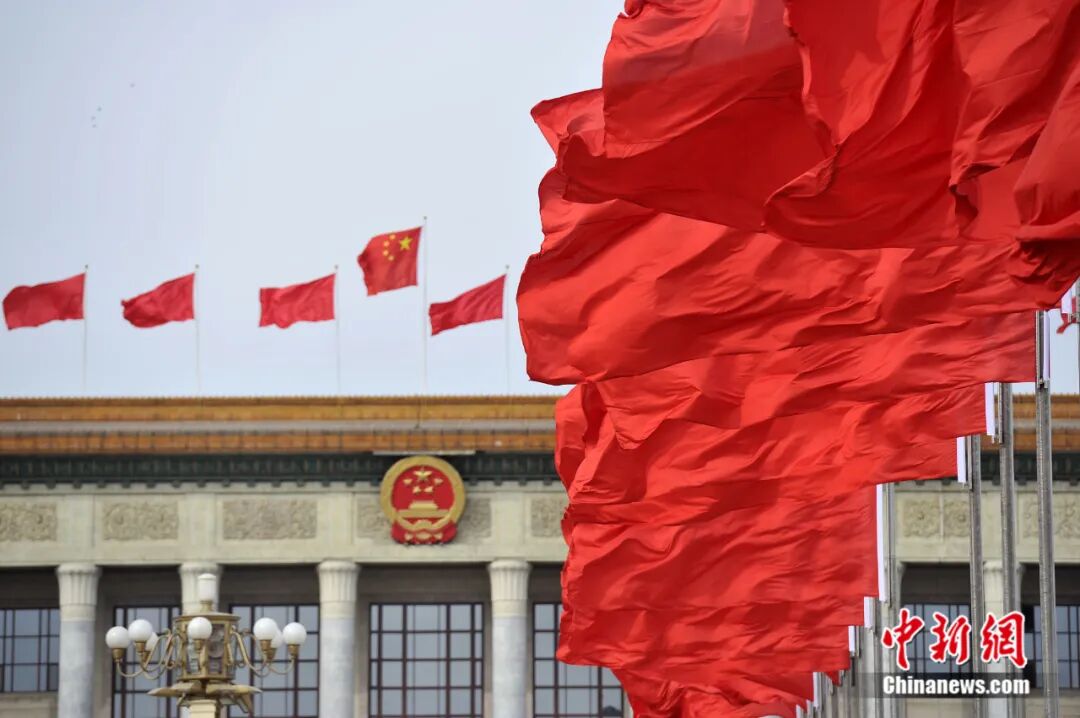
中华人民共和国和汤加王国联合声明(全文)
Xin Hua She· 2025-11-26 08:37
Core Points - The visit of King Tupou VI of Tonga to China from November 21 to 27, 2025, was initiated by an invitation from President Xi Jinping, highlighting the importance of bilateral relations and cooperation under the Belt and Road Initiative [2][3] - Both parties emphasized the significant opportunities for further development in China-Tonga relations, which have progressed over 27 years, aiming to enhance mutual respect and comprehensive strategic partnership [2][3] - Tonga congratulated China on its achievements during the 14th Five-Year Plan and expressed confidence that the 15th Five-Year Plan will provide new opportunities for development, including for Tonga [2] Bilateral Cooperation - The leaders agreed to enhance diplomatic relations through various levels of engagement, including government, legislative, and local exchanges, while sharing governance and development experiences [3] - Both sides reaffirmed their commitment to mutual political trust and respect for each other's core interests, with Tonga reiterating its adherence to the One China principle [3] - The signing of the Economic Partnership Framework Agreement aims to promote mutually beneficial outcomes and increase the presence of Tongan products in the Chinese market [4] Sectoral Collaboration - There is a mutual agreement to expand cooperation in education, healthcare, tourism, sports, youth, media, and local exchanges, with a focus on enhancing people-to-people connections [4] - China will continue to send medical teams to Tonga and support Chinese language education, while also providing scholarships and training opportunities [4] - Both nations agreed to collaborate on ocean-related initiatives, including marine observation, disaster prevention, and blue economy development [4] Climate Change and Global Governance - Both parties recognized climate change as a global challenge and committed to multilateral cooperation in line with the Paris Agreement [5] - China expressed willingness to align with Tonga's energy roadmap and expand cooperation in green and low-carbon initiatives [5] - Tonga supported China's global governance initiatives, emphasizing the need for a fair and just global governance system, and both sides agreed to strengthen communication in international and regional affairs [6]
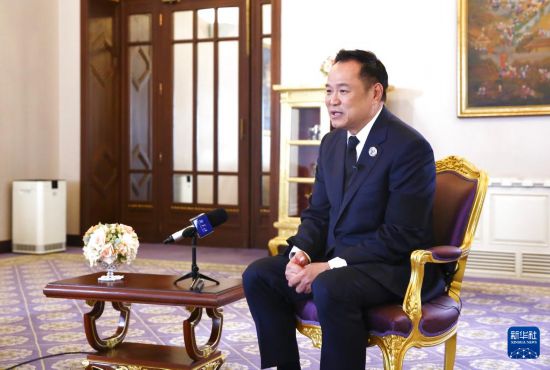
高端访谈丨愿泰中关系永续友好——访泰国总理阿努廷·参威拉军
Xin Hua She· 2025-11-26 06:52
Group 1 - The core message emphasizes the deep-rooted friendship and historical ties between Thailand and China, marking the 50th anniversary of diplomatic relations as a significant milestone [2][3] - Thai Prime Minister Anutin Charnvirakul highlighted the recent state visit of the Thai King to China as a new chapter in bilateral relations, showcasing the mutual respect and friendship between the two nations [2] - The Chinese side has committed to expanding imports of high-quality Thai agricultural products and enhancing cultural exchanges, reflecting a mutually beneficial and forward-looking relationship [2][3] Group 2 - Since taking office in September, Anutin has actively participated in China-related activities, reinforcing the concept of "Thailand and China as one family" and ensuring prompt and sincere communication between the two countries [3] - The cooperation between Thailand and China has yielded fruitful results in trade and cultural sectors, with Thailand receiving support from China in high-speed rail technology and infrastructure development [3] - Anutin expressed interest in exploring further cooperation in technology, particularly in disaster management, logistics, online education, and artificial intelligence, which could benefit the Thai populace [3] Group 3 - Thailand, as the current co-chair of the Lancang-Mekong Cooperation, maintains strong collaborative relationships in various sectors, including industry, energy, and agriculture, contributing to global food security [4] - The Thai government is actively combating cybercrime, particularly online fraud, through close cooperation with domestic and international partners, emphasizing a zero-tolerance policy towards such criminal activities [4] - Anutin expressed heartfelt sentiments about the friendship between the Thai and Chinese peoples, highlighting their cultural and traditional connections and wishing for the continued prosperity of both nations [4]
学习贯彻党的二十届四中全会精神丨“十五五”时期是承前启后、继往开来的重要时期
Ren Min Ri Bao· 2025-11-24 02:23
Core Viewpoint - The "15th Five-Year Plan" period is crucial for achieving basic socialist modernization, serving as a transitional phase that connects past achievements with future goals [1] Group 1: Economic and Social Development - Achieving economic and social development during the "15th Five-Year Plan" is significant for advancing Chinese-style modernization in a phased manner [3] - The plan emphasizes the importance of continuous efforts from the "14th Five-Year Plan" to the "16th Five-Year Plan" to ensure a solid foundation for modernization [3] - The current international environment presents both opportunities and challenges, necessitating a focus on self-reliance and strategic determination [4] Group 2: Adapting to Domestic Changes - The transition from a middle-income to a middle-developed country is a key phase, with economic transformation revealing new characteristics [5] - The domestic market's role is increasingly prominent, with a shift towards optimizing both incremental and stock resources [5] - The aging population and regional demographic shifts will significantly impact economic and social development [5] Group 3: Strengthening Foundations for Modernization - The "15th Five-Year Plan" is a critical period for consolidating and expanding advantages while addressing bottlenecks and weaknesses [6] - The plan aims to leverage China's economic resilience, large market, complete industrial system, and rich talent resources to enhance development [7] - Addressing key bottlenecks in technology, industry, and financial risks is essential for high-quality development [8] Group 4: Ensuring Progress in Modernization - By 2035, achieving a per capita GDP at the level of middle-developed countries is a key indicator of modernization [10] - The focus will be on enhancing quality and efficiency while maintaining reasonable economic growth [10] - The development of a modern industrial system and fostering innovation are critical for achieving strategic goals [11] Group 5: Green Transformation and Sustainability - Green development is a defining characteristic of Chinese-style modernization, with a commitment to peak carbon emissions by 2030 and a reduction of greenhouse gases by 7%-10% by 2035 [13] - The plan aims to integrate carbon reduction with economic growth, promoting a low-carbon circular economy [13] Group 6: Enhancing National Strength - The "15th Five-Year Plan" emphasizes the need to strengthen both hard and soft power, enhancing China's global influence [14] - The plan includes initiatives for international cooperation and participation in global governance [14] Group 7: Development and Security - The integration of development and security is essential, with a focus on ensuring safety in key areas while promoting high-quality development [15] - Strengthening national security capabilities and improving public safety governance are priorities [15]
“十五五”时期在基本实现社会主义现代化进程中具有承前启后的重要地位(学习贯彻党的二十届四中全会精神)
Ren Min Ri Bao· 2025-11-23 22:20
我们党的初心使命是为中国人民谋幸福,为中华民族谋复兴。建党百余年来,党团结带领人民所进行的 一切奋斗,就是为了把我国建设成为现代化强国,让中华民族巍然屹立于世界民族之林。新民主主义革 命时期,经过浴血奋战,实现了民族独立、人民解放,建立了新中国,为现代化建设创造了根本社会条 件。社会主义革命和建设时期,确立了社会主义基本制度,提出努力把我国逐步建设成为一个具有现代 农业、现代工业、现代国防和现代科学技术的社会主义强国。改革开放和社会主义现代化建设新时期, 我们党制定了到21世纪中叶分三步走、基本实现社会主义现代化的发展战略。党的十八大以来,中国特 色社会主义进入新时代,在以习近平同志为核心的党中央坚强领导下,我们全面建成小康社会、实现第 一个百年奋斗目标,迈上了全面建设社会主义现代化国家新征程,正在向第二个百年奋斗目标进军。 "十五五"时期是承前启后、继往开来的重要时期,我们要乘势而上、奋力开创中国式现代化建设新局 面,为基本实现社会主义现代化奠定更加坚实的基础。 (一)做好"十五五"时期经济社会发展工作,对于分阶段有步骤推进中国式现代化意义重大。科学制定 和接续实施五年规划,是我们党治国理政的重要经验,是中 ...
支持非洲现代化合作倡议
Xin Hua She· 2025-11-23 13:39
Core Viewpoint - The "Support for African Modernization Cooperation Initiative" was jointly launched by the governments of China and South Africa during the G20 summit, aiming to assist in the implementation of the African Union's Agenda 2063 and its core visions, while promoting sustainable development in Africa [1][2]. Group 1: Initiative Overview - The initiative emphasizes the importance of modernization as a shared goal and an inalienable right for all nations, calling for international support for Africa's sustainable development [1]. - It highlights China's commitment to global development, referencing President Xi Jinping's previous actions to support African industrialization and the establishment of zero-tariff measures for 53 African countries [2]. Group 2: Cooperation Principles - The initiative calls for adherence to principles such as fairness, openness, people-centered approaches, inclusivity, ecological friendliness, and peace and security in supporting Africa's modernization efforts [4][5]. Group 3: Key Areas of Cooperation - Support for Africa's exploration of modernization paths that align with its unique cultural and developmental needs, advocating for a collaborative approach led by African nations [6]. - Emphasis on enhancing technical assistance to African countries and supporting infrastructure development plans, which are crucial for Africa's integration and industrialization [7]. - Encouragement for international cooperation in green infrastructure and renewable energy projects to ensure sustainable development in Africa [7][8]. - Support for increasing agricultural productivity and health initiatives in Africa, including funding for local pharmaceutical industries and health systems [8][9]. - Promotion of cultural exchange and educational cooperation to foster mutual understanding and respect among civilizations [10][11].
王毅:日本现职领导人竟然公开发出试图武力介入台湾问题的错误信号,讲了不该讲的话,越了不应碰的红线,中方必须予以坚决回击!
Zhong Guo Ji Jin Bao· 2025-11-23 08:22
(原标题:王毅:日本现职领导人竟然公开发出试图武力介入台湾问题的错误信号,讲了不该讲的话, 越了不应碰的红线,中方必须予以坚决回击!) 来源:外交部网站 11月23日,外交部网站发布《王毅在结束对中亚三国访问后接受中国媒体采访》,全文如下: 三、近年来,中国—中亚机制快速发展,请介绍一下合作的主要进展。 王毅:5年前,中国同中亚五国着眼合作需要,顺应时代潮流,共同创立了中国—中亚机制。2023年, 中国—中亚机制升级至元首层级后,先后在中国西安和哈萨克斯坦阿斯塔纳两度成功举行峰会,机制建 设的四梁八柱迅速成型,13个部级合作平台有效运作,机制常设秘书处全面运营,正在呈现出元首引 领、政府推动、各界参与、多轨并行、全面推进的立体多元合作格局。 中国同中亚贸易水平不断攀升,已成为中亚最大贸易伙伴。今年前三季度,中国同中亚五国双边贸易额 接近800亿美元、同比增长15.6%,全年有望突破1000亿美元大关。双方贸易结构正在不断优化,越来 越多的中亚优质产品进入中国市场。 中国同中亚投资规模也在持续扩大。中国成为中亚国家主要投资来源国。截至目前,中国对中亚国家投 资累计超过500亿美元,农业、能源、基础设施等传统领域 ...