
平台经济

Search documents
清华技术创新研究中心报告:平台企业正成为科技创新的重要力量
Sou Hu Cai Jing· 2025-12-24 20:56
Group 1 - The core viewpoint of the report emphasizes that platform enterprises are becoming significant forces in technological innovation, surpassing traditional company forms and driving global technological progress and digital transformation [2][3] - The report highlights that leading platform enterprises, such as the "Seven Sisters" in the U.S., invest approximately $200 billion annually in research and development, showcasing their substantial innovation input [3] - It notes that Chinese platform economy is undergoing a profound transformation from "scale-driven" to "innovation-driven," necessitating a focus on platform enterprises with technological innovation capabilities [3] Group 2 - The case study of ByteDance illustrates its evolution from an information platform to a comprehensive platform integrating "information + transactions + enterprise services + AI," leveraging core technologies like recommendation algorithms and large models [5] - ByteDance's technological products and services have reached 150 countries and regions, influencing various aspects of user interaction and contributing to high-quality economic development and social welfare [5] - Experts at the conference articulated that the core mission of platform enterprises should focus on "strengthening technology" and "practical innovation," ensuring that innovation benefits public health and economic development [6]

省政府常务会议召开
Xin Lang Cai Jing· 2025-12-24 19:51
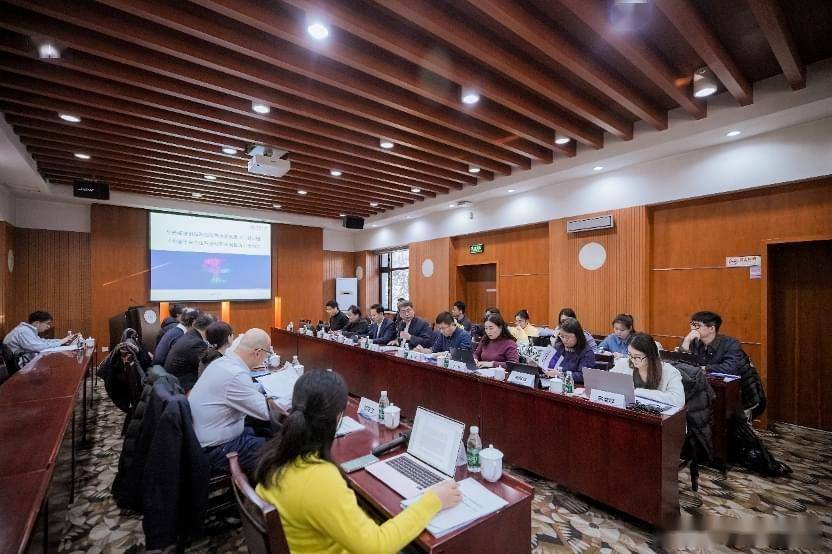
会议审议并原则通过《青海省2025年加快建设交通强国督查反馈问题整改工作方案》《青海省瓦里关全 球大气本底站保护若干规定》《青海省辐射环境监督管理办法》《青海省关于推进职工医保省级统筹实 施意见》。强调,要全面加快交通项目建设,着力补齐短板,为现代化新青海建设提供坚实交通支撑。 要加强瓦里关全球大气本底站保护,以法治手段保障气象探测环境和气象数据质量。要科学有效做好辐 射安全和防护工作,切实保障公众健康和生态环境安全。要全力推动职工医保省级统筹任务落地,不断 健全公平统一、安全规范、可持续的医疗保障体系。 会议强调,要立足青海资源禀赋和比较优势,因地制宜挖掘新场景资源、推动新场景应用,强化科技创 新和产业创新深度融合,加快培育发展新质生产力。要夯实基础设施建设,做优省内民航市场,深化航 网布局等各领域合作,推动全省民航运输事业高质量发展。要持续深化数字青海建设,进一步优化政策 供给、包容审慎监管,推动平台经济创新和健康发展。要坚持以医共体建设为抓手,加快构建城乡一 体、乡村一体的县域整合型医疗卫生服务体系,扎实推进健康青海建设。 本报讯 (记者 石成砚 田得乾) 12月23日,省委副书记、省长罗东川主持召开省 ...
千亿跨境观演市场争夺战,大麦国际 APP 的胜算在哪里?
Xin Lang Cai Jing· 2025-12-24 01:43
Core Insights - The launch of the MAISEAT app by Damai Entertainment marks a significant step in its international expansion within the global performance market, with the stock price rising by 4.6% to HKD 0.91 and a trading volume of HKD 102 million [1][5] Group 1: Market Positioning - The introduction of the MAISEAT app signifies a transition from localized services to global integration in the ticketing platform, addressing high cross-border viewing costs and fragmented experiences in the traditional performance market [3][7] - Damai Entertainment leverages its leading position in the domestic ticketing market to create a unified digital entry point through the MAISEAT app, effectively reducing information search costs and transaction friction for international consumers [3][7] Group 2: Strategic Approach - The dual-engine strategy of "full-platform layout + top-tier IP landing" aims to connect content supply and consumer demand, enhancing the core competitiveness of the performance industry beyond ticket distribution to include control over premium IP resources [3][7] - The focus on securing hosting rights for overseas top artists' tours is crucial, as it grants control over performance scheduling, ticket pricing structures, and derivative rights, allowing for a transition from a "channel provider" to a "content integrator" [3][7] Group 3: Market Trends - The timing of the MAISEAT app's launch aligns with a post-pandemic resurgence in global offline entertainment demand, with the live entertainment market projected to recover to 120% of pre-pandemic levels by 2024 [4][8] - The growing preference for experiential consumption among Generation Z consumers positions cross-border entertainment as a significant aspect of identity and social currency, which the MAISEAT app addresses through localized language interfaces, multi-currency payments, and integrated travel services [4][8] - Supported by Alibaba's ecosystem, the app is expected to leverage existing cross-border service capabilities, creating a "cultural entertainment + travel + payment" ecosystem that establishes a competitive barrier [4][8]

起势强劲,南京迈入“高质量跃升”新周期
Xin Hua Ri Bao· 2025-12-24 00:12
编者按 "十四五"圆满收官,"十五五"新程再启。不久前召开的省委十四届十次全会,深入学习贯彻党的二十届 四中全会精神和习近平总书记对江苏工作重要讲话精神,对未来五年江苏经济社会发展作出系统谋划和 战略部署。坚定在推进中国式现代化中走在前、做示范,奋力谱写"强富美高"新江苏现代化建设新篇 章,8500万江苏儿女正以饱满的热情、实干的姿态,踏上新的征程。新华日报·交汇点新闻今起推出"奋 进'十五五' 同心创伟业"全媒体行动,对话13个设区市主要负责同志,见证并记录各地勇挑大梁、勇开 新局的担当与奋斗。 □ 本报记者 徐晋 季铖 颜芳 冬日暖阳照进南京江北新区生物医药公共服务平台的实验室,科研人员正埋头研发。在这里,千万元级 的精密设备向园区内上百家中小团队敞开共享。工程师轻触屏幕,蛋白质序列数据渐次浮现,仿佛在探 寻生命密码。不远处,驯鹿生物的洁净车间里,全人源CAR-T细胞正在培养箱中悄然生长。窗外楼宇连 绵,1300余家生物医药企业在此扎根、抽枝、结果。 南京,承载着深厚的历史底蕴,更涌动着面向未来的创新活力。站在"十四五"收官与"十五五"启航的交 汇点,如何在传承与创新中书写高质量发展新答卷?本报记者专访南 ...
时报观察|破除定价“黑箱” 保障消费公平
证券时报· 2025-12-22 23:50
Core Viewpoint - The article discusses the recent implementation of the "Internet Platform Pricing Behavior Rules" by various regulatory bodies in China, aimed at addressing consumer grievances related to pricing practices on digital platforms, ensuring consumer rights protection and fair consumption [1][2]. Group 1: Pricing Behavior Regulations - The new rules consist of 29 detailed requirements that define the red lines for pricing behavior on platforms and operators, aiming to protect consumer rights and ensure fair consumption [1]. - The rules extend the principle of "clear pricing" to digital transactions, mandating platforms to clearly display prices, pricing units, and shipping costs, as well as to transparently indicate dynamic pricing and additional services [1][2]. Group 2: Consumer Protection Measures - The regulations specifically address the controversial practice of "automatic renewal," requiring platforms to present related options prominently and provide easy cancellation methods [2]. - The rules prohibit platforms from using data and algorithms to set differentiated prices for the same product or service without consumer awareness, tackling the issue of "big data price discrimination" [2]. Group 3: Regulatory Approach - The new regulations do not adopt a purely prohibitive stance but instead aim to balance market order regulation with the need for innovation in the platform economy, encouraging technological advancements and business model upgrades to enhance service quality [2]. - The effectiveness of these rules will depend on subsequent regulatory enforcement, which is essential for creating a fair and trustworthy market environment conducive to sustainable development in the platform economy [2].

时报观察|破除定价“黑箱” 保障消费公平
Zheng Quan Shi Bao· 2025-12-22 23:47
Core Viewpoint - The introduction of the "Internet Platform Pricing Behavior Rules" aims to address various pricing irregularities in the digital marketplace, enhancing consumer protection and ensuring fair consumption practices [1][2]. Group 1: Pricing Irregularities - Consumers are often charged more for the same services, with long-time users paying an average of 3 yuan more than new users [1]. - Issues such as automatic subscription renewals without prior notice and bundled sales of insurance or service packages with tickets have been highlighted as significant consumer pain points [1]. Group 2: Regulatory Framework - The new rules consist of 29 detailed requirements that set clear boundaries for pricing behaviors of platforms and operators, extending the principle of "clear pricing" to digital transactions [1]. - Platforms are mandated to clearly display pricing, unit costs, and shipping fees, as well as to transparently indicate dynamic pricing and additional services [1]. Group 3: Consumer Rights - The rules emphasize the protection of consumer rights by ensuring that consumers are informed about pricing processes and have the right to make choices without being misled [1][2]. - The regulation specifically prohibits platforms from using data and algorithms to set differential pricing for the same goods or services without consumer awareness [2]. Group 4: Market Environment - The new regulations aim to balance market order with the need for innovation in the platform economy, encouraging technological advancements and business model upgrades to enhance service quality [2]. - The regulatory approach combines oversight with the promotion of sustainable development in the platform economy, ensuring a competitive market environment [2]. Group 5: Implementation and Enforcement - The effectiveness of the new rules will depend on robust enforcement and regulatory follow-up to ensure that consumers benefit from the changes [2]. - A fair and trustworthy market transaction environment is essential for the sustainable development of the platform economy [2].
时报观察 破除定价“黑箱” 保障消费公平
Zheng Quan Shi Bao Wang· 2025-12-22 23:16
Core Viewpoint - The introduction of the "Internet Platform Pricing Behavior Rules" aims to address consumer grievances related to pricing practices on digital platforms, ensuring transparency and fairness in pricing [1][2] Group 1: Pricing Behavior Regulations - The new rules consist of 29 detailed requirements that define pricing behavior boundaries for platforms and operators, establishing a regulatory framework for consumer rights protection [1] - The rules extend the principle of "clear pricing" to digital transactions, mandating platforms to clearly display prices, units of measurement, and shipping costs, while also requiring transparency in dynamic pricing and additional services [1][2] Group 2: Consumer Protection Measures - The regulations specifically target problematic practices such as automatic renewals, requiring platforms to present options for automatic payments and renewals prominently, along with easy cancellation methods [2] - The rules prohibit platforms from using data and algorithms to set differential pricing for the same product or service without consumer awareness, addressing the issue of "big data price discrimination" [2] Group 3: Balancing Regulation and Innovation - The "Behavior Rules" do not adopt a purely prohibitive regulatory approach but instead encourage platforms to innovate and upgrade their business models to enhance service quality for consumers [2] - This regulatory framework aims to purify the market competition environment while allowing sufficient space for the sustainable development of the platform economy [2] Group 4: Implementation and Enforcement - The effectiveness of the new rules relies on robust enforcement and regulatory follow-up to ensure that consumers benefit from the changes [2] - Establishing a fair and trustworthy market transaction environment is crucial for the sustainable development of the platform economy [2]
破除定价“黑箱” 保障消费公平
Xin Lang Cai Jing· 2025-12-22 18:17
值得注意的是,《行为规则》并未陷入"一禁了之"的监管思维,而是在规范市场秩序的同时,兼顾平台经济的创 新发展需求。新规鼓励平台通过技术创新与商业模式升级提升服务质量、惠及广大消费者,这种"放管"结合的监 管思路,既有效净化了市场竞争环境,也为平台经济的健康可持续发展预留了充足空间。 规则的生命力在于执行。要让消费者真正享受到新规带来的红利,后续监管执法必须紧跟上位。只有构建起公 平、可信的市场交易环境,才有利于平台经济实现可持续发展。 同样的外卖,老用户比新用户多付3元;未接到任何提醒,订阅服务悄然自动续费,取消入口却藏踪匿迹;购买景 点门票、车票,一不留神就被搭售的保险、服务包捆绑……这些困扰消费者的互联网平台价格行为乱象,如今迎 来整治。 近日,国家发展改革委、市场监管总局、国家网信办联合发布《互联网平台价格行为规则》,以29条细化要求为 平台及经营者划定价格行为红线,为消费者权益保护和消费公平筑牢制度屏障。 数字化时代,平台购物、外卖点单已成为大众消费常态。随着行业的发展,一些价格行为乱象开始涌现。无论是 大数据杀熟、虚假促销,还是隐蔽式收费,本质上都是平台利用信息不对称优势与技术壁垒,对消费者合法权益 ...

提升干部职工经济理论素养与履职能力
Xin Lang Cai Jing· 2025-12-22 18:17
Core Viewpoint - The training program aims to enhance the economic theoretical literacy and job performance capabilities of staff in Guizhou Free Trade Zone, focusing on the development path of "trade + industry + logistics" [1] Group 1: Training Details - The training was held on December 18, with over 50 participants from various departments and Guizhou Comprehensive Holding Group [1] - The theme of the training was "Economic Basic Knowledge and New Economy," featuring a lecture by Yang Yun, Deputy Director of the Guiyang Statistics Bureau [1] - Key topics covered included industry, trade, platform economy, and statistical regulations, providing comprehensive guidance on economic indicators and statistical methods [1] Group 2: Future Plans - Guizhou Free Trade Zone plans to continue enriching training formats, focusing on open economy, industrial development, and business environment to strengthen learning and training [1] - The initiative aims to further enhance the theoretical literacy and job performance capabilities of the staff, laying a solid talent foundation for high-quality development in Guiyang and Guian [1]
互联网平台不得“亏本卖” 香港科技股估值能否受益?|市场观察
Di Yi Cai Jing· 2025-12-22 06:18
国家发展改革委、市场监管总局、国家网信办12月20日联合发布的《互联网平台价格行为规则》(下称 《规则》)明确要求,不得以低于成本的价格销售商品。 《规则》还明确:"平台经营者、平台内经营者不得违反《中华人民共和国价格法》第十四条第二项规 定,以排挤竞争对手或者独占市场为目的,以低于成本的价格销售商品或者提供服务,扰乱正常的生产 经营秩序,损害国家利益或者其他经营者合法权益。降价处理鲜活商品、季节性商品、积压商品、临期 商品等商品,或者有正当理由降价提供服务的除外。" 港股100研究中心顾问余丰慧向第一财经记者表示,《规则》的发布,对依赖补贴和低价策略吸引用户 的部分互联网平台公司来说,将促使这些企业重新审视定价策略和商业模式,需要转向更加健康可持续 的发展路径,例如提升服务质量和产品差异化。短期内,部分公司的营收增长可能面临一定压力,但长 期来看有利于行业健康发展。 有业内人士认为,这将让当前如火如荼的平台"价格战"快速降温,香港上市的这些互联网平台估值有提 升空间。不过,如何定义"低于成本",需要更明确的标准。预计部分企业将会调整经营策略,受益需要 一定的时间。长期来看,有利于行业发展。 截至12月22日 ...


