数字孪生技术

Search documents
中国联通:多措并举、分秒必争开展防汛救灾工作
Ren Min Wang· 2025-07-30 09:31
Core Viewpoint - The article highlights the proactive measures taken by various branches of China Unicom to ensure communication stability and support disaster relief efforts during severe flooding across multiple regions in China, utilizing advanced technologies such as AI, drones, and satellite communication systems. Group 1: Emergency Response and Resource Allocation - Beijing Unicom activated a level one emergency response, deploying over 320 personnel, 41 vehicles, and 77 sets of emergency equipment to restore communication services [2] - Hebei Unicom upgraded its emergency response to level three, mobilizing 1,368 personnel and 363 vehicles to maintain network operations amid severe weather [4] - Jilin Unicom reported the deployment of 836 personnel and 378 vehicles to restore communication services in affected areas [7] Group 2: Technological Integration in Disaster Management - Hebei Unicom utilized drones for cable installation and high-throughput satellite backpacks for emergency communication, enhancing operational efficiency [5] - The integration of AI and big data analytics by Hebei Unicom allowed for proactive risk assessment and improved disaster response capabilities [5] - Shanghai Unicom developed an AI-based early warning system, "MAZU," to enhance disaster prediction and response [19] Group 3: Communication Services and Customer Support - Beijing Unicom offered a "no suspension" service for users in affected areas, ensuring uninterrupted communication despite unpaid bills [2] - Jilin Unicom provided 150 communication support cards to flood response personnel and sent out over 12 million emergency messages to keep the public informed [7] - Jiangsu Unicom prepared emergency communication equipment and conducted drills to enhance response capabilities for the upcoming typhoon [22] Group 4: Regional Specific Initiatives - Tianjin Unicom deployed 276 personnel and 63 vehicles to restore communication in severely affected areas, ensuring timely transmission of emergency signals [11] - Inner Mongolia Unicom quickly mobilized 395 personnel and 204 vehicles to restore damaged communication facilities, sending out 1.04 million emergency messages [12] - Fujian Unicom prepared for potential typhoon impacts by deploying 627 personnel and 324 vehicles, focusing on safety inspections and emergency readiness [17]


济滨高铁机场隧道贯通
Qi Lu Wan Bao· 2025-07-30 03:49
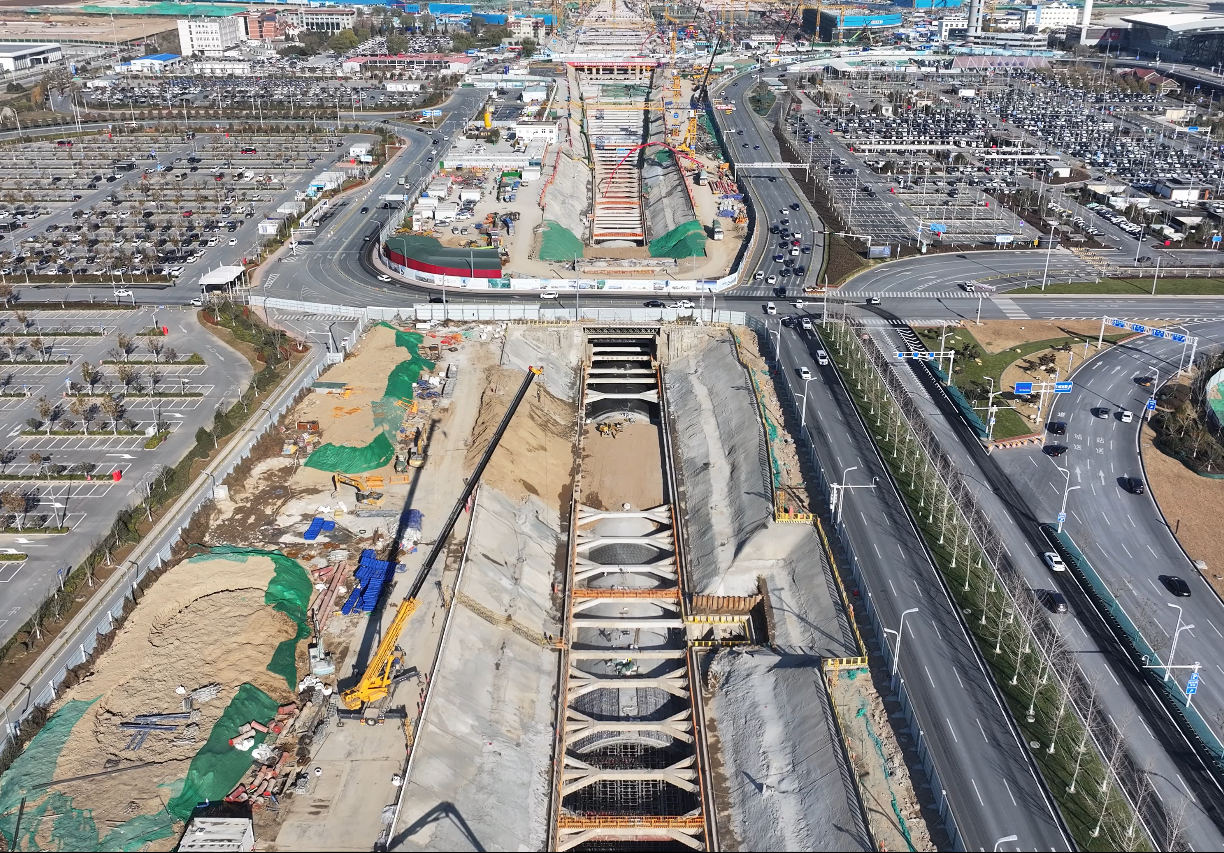
Group 1 - The Jibin High-speed Railway Airport Tunnel, constructed by Shandong Iron Investment Lunan High-speed Railway Co., Ltd. and undertaken by China Railway 10th Bureau, has successfully completed its tunneling, laying a solid foundation for the timely opening of the entire line [2] - The tunnel, located at Jinan Yaoqiang Airport, spans 2710 meters and is the first high-speed railway tunnel in China to be constructed using the open-cut method in a high-water-content soft soil layer, coexisting with the terminal building [5][8] - The maximum excavation depth of the tunnel reaches 19 meters underground, with a maximum width of 55.4 meters, categorizing it as an ultra-long and ultra-wide deep foundation pit, which poses significant construction challenges due to high groundwater levels and soft soil conditions [5][7] Group 2 - The project commenced 9 months later than other sections of the line, with a tight construction schedule and complex working environment [7] - China Railway 10th Bureau implemented advanced technologies such as digital twin technology and BIM combined with three-dimensional geological scanning to address construction challenges, ensuring safety and precision in the excavation process [7] - The Jibin High-speed Railway is a crucial part of the Tianjin-Weifang High-speed Railway corridor and the rapid railway network in Shandong Province, contributing to the national railway network and regional economic development [8]
超图软件20250724
2025-07-25 00:52
Summary of SuperMap Software Conference Call Company Overview - **Company**: SuperMap Software - **Date**: July 24, 2025 Key Points Industry and Market Dynamics - The natural resources and surveying planning business lines have recovered from last year's transformation impact and achieved year-on-year growth, indicating a significant recovery in competitiveness for the company [2][3] - Investment in the water conservancy industry is expected to reach 1.35 trillion yuan in 2024, a 13% increase year-on-year, and is projected to reach 1.5 trillion yuan in 2025, with a growth rate exceeding 10% [2][6] - The proportion of investment in water conservancy information technology is expected to increase, presenting growth opportunities for SuperMap Software [2][6] Business Performance - In the first half of 2025, SuperMap Software achieved record-high performance, turning losses into profits with an expected profit between 8 million and 12 million yuan [3] - The second growth curve business, including water conservancy and military sectors, saw contract signing volumes continue to double in the first half of 2025, indicating accelerated development of emerging businesses [2][4] Technological Advancements - SuperMap Software has a leading advantage in digital twin technology within the water conservancy information sector, supported by its 3DGIS technology and capability to build digital basemaps [2][7] - The company has actively laid out AI technology, establishing the SuperMap AIF technology base and launching the AI.is Agent geospatial intelligent agent, with over a hundred functions developed in remote sensing image processing and other areas [2][12] Strategic Initiatives - The company has upgraded its overseas business strategy, shifting from platform software output to a comprehensive solution approach, with successful orders obtained in Malaysia [4][18] - The organization underwent a transformation that is nearing completion, enhancing efficiency and market competitiveness by integrating sales and R&D [19][20] Future Outlook - The digital twin technology is expected to play a crucial role in various water conservancy projects, with significant investment opportunities arising from national demands for smart management [8][9] - AI technology is anticipated to double in orders by 2025, with the company already achieving the total order volume of 2024 in the first half of 2025 [12][23] Financial Projections - The water conservancy industry orders saw a 100% increase in 2024, with expectations to maintain this growth trend into 2025, particularly in the second half of the year [16][17] - The company aims to maintain a workforce of 2,000 to 2,800 employees while focusing on AI technology development across all product lines [25] Additional Insights - The company has established a unique intelligent laboratory in collaboration with other tech firms to research AI standards and models for the water conservancy sector [10] - The low-altitude economy is identified as a key growth area, with several products already launched and multiple projects underway [21][22] This summary encapsulates the essential insights from the conference call, highlighting the company's strategic direction, market performance, and technological advancements.

渤海最大油气平台青岛造
Qi Lu Wan Bao· 2025-07-22 21:47
Group 1 - The core viewpoint of the articles highlights the successful installation of a large-scale offshore oil and gas platform in the Bohai Sea, which is supported by multiple innovative technologies [2][3] - The center processing platform, part of the Kenli 10-2 oil field development project, is the heaviest and largest offshore platform in the Bohai Sea, with a design weight exceeding 20,000 tons and a footprint equivalent to nearly 15 standard basketball courts [2] - The installation utilized floating support technology, overcoming challenges such as shallow water effects and seasonal monsoon impacts, demonstrating advanced engineering capabilities [3] Group 2 - The project team employed digital twin technology for 3D modeling and simulation, optimizing the installation process and ensuring precise alignment during the operation [3] - As of now, China has completed a total of 50 large offshore platform floatovers, with a maximum floatover capacity of 32,000 tons and a total floatover weight exceeding 600,000 tons, showcasing the country's leading position in this technology [3] - The successful installation not only reflects the "hard power" of Shandong manufacturing but also the ingenuity of Chinese engineers in overcoming engineering challenges [3]


巴掌大的传感器,如何守住动力电池焊接“生命线”?
高工锂电· 2025-07-21 10:37
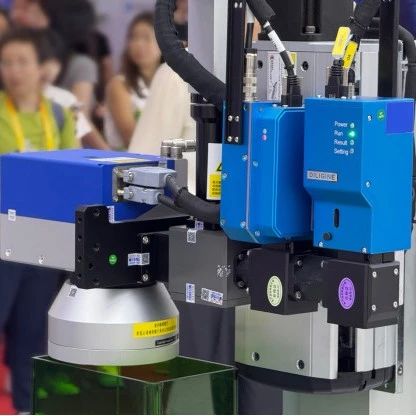
Core Viewpoint - The article highlights the significance of laser welding technology in the precision manufacturing of power batteries, emphasizing the need for comprehensive quality control systems that integrate AI for real-time monitoring and defect detection [1][3][21]. Group 1: Laser Welding Technology - Laser welding is a critical process in the manufacturing of power battery components, where even minor defects can lead to safety hazards [2][3]. - The quality control technology in laser welding is becoming a competitive battleground within the industry [3][10]. - The laser welding online monitoring system showcased by the company at the Chain Expo demonstrates a full-process quality control capability, from pre-welding control to in-welding monitoring and AI decision-making [1][4]. Group 2: Company Innovations - The company presented its laser focus measurement device (LFS) and laser welding defect detection device (WDD) at the Chain Expo, which significantly enhance the yield and stability of the welding process [6][7]. - The LFS achieves a precision of ten micrometers and can adjust the focus in real-time, while the WDD utilizes optoelectronic sensing technology for immediate defect detection and production line correction [8][11]. - The company has developed AI-integrated detection technology that combines optical detection with proprietary AI algorithms, marking a core breakthrough in their patented technology [9][21]. Group 3: AI Integration - The integration of AI in laser welding detection is transitioning from passive detection to proactive prevention, with features like AI Overkill Reduction (AIOR) and AI Fault Diagnosis (AIFA) being implemented in top-tier production lines [15][16]. - AIOR reduces the overkill rate by 50%, allowing previously misclassified good parts to remain in production, thus enhancing efficiency and economic benefits [16]. - AIFA functions as a monitoring system that analyzes quality signal trends to preemptively detect anomalies in processing parameters, enabling real-time adjustments to improve yield [17][19]. Group 4: Industry Impact - The company's advancements reflect a broader trend in the lithium battery manufacturing sector, moving towards a "zero-defect" goal through digital twin technology that creates traceable quality data for each weld point [20][21]. - The development of a comprehensive detection system not only fills a domestic technological gap but also positions the company at an international standard, indicating a shift towards a new era of quality competition in the lithium battery industry [21].
精工铸就“火箭心” 创新育出工匠才——专访全国技术能手何小虎
Ke Ji Ri Bao· 2025-07-18 02:10
Core Viewpoint - The article highlights the importance of precision and responsibility in the manufacturing of rocket engines, emphasizing the role of skilled workers in China's aerospace industry [1][4]. Group 1: Achievements and Innovations - The company has achieved a product precision enhancement to 0.02 mm and resolved 75 production challenges related to rocket engines, alongside filing 25 technical patents [1]. - A significant breakthrough was made in 2016 when a team successfully achieved micron-level precision control in a non-precision environment, with a first trial pass rate of 100% after nearly 50 attempts [3]. Group 2: Skills Development and Training - The company emphasizes a strong focus on talent cultivation, utilizing a "master-apprentice" model to train new employees, which includes hands-on project involvement to foster innovation and problem-solving skills [6][7]. - The establishment of a workshop named after a skilled worker has led to the formation of a talent pool that includes many high-skilled individuals, with over 20 projects completed and 32 invention patents filed in the past two years [7]. Group 3: Future Directions and Educational Integration - The company is exploring digital and intelligent manufacturing technologies, aiming to transition traditional manufacturing from small-batch processing to a more integrated digital and intelligent production model [5]. - There is a call for enhanced vocational education that integrates new production quality development, promoting industry collaboration and a dual-mentor training model to better prepare students for advanced manufacturing roles [8].
辽宁大连亚明汽车部件股份有限公司——技术创新 产品出新
Ren Min Ri Bao· 2025-07-17 02:06
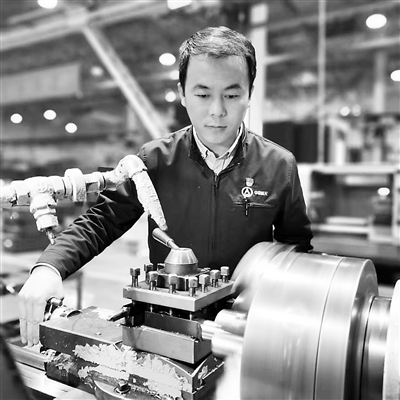
Core Insights - Dalian Yaming Automotive Parts Co., Ltd. is investing 222 million yuan in equipment upgrades and smart factory construction to leverage policy benefits and enhance innovation and smart manufacturing capabilities [1][4]. Group 1: Smart Manufacturing - The company has transformed into a national-level smart manufacturing demonstration factory, achieving interconnectivity and automation in production equipment, significantly improving production efficiency and product quality [2]. - The implementation of digital twin technology has reduced the product development cycle from approximately six months to as short as 15 days, allowing for better adaptation to rapid industry product iterations [2]. Group 2: Innovation and Market Shift - Dalian Yaming has shifted its focus from primarily fuel vehicle components to electric vehicle parts, with sales of new energy vehicle components now accounting for about 70% of total sales, and domestic market sales also representing over 70% [3]. - The company's annual revenue has increased from less than 200 million yuan in 2020 to over 400 million yuan projected for 2024, driven by a commitment to innovation rather than price competition [3]. - The successful mass production of the refrigerant flow channel plate, a key component for enhancing electric vehicle range, was achieved after four years of development, resulting in over a 20% increase in vehicle range when integrated with the company's thermal management system [3]. Group 3: Government Support and Economic Impact - Dalian Yaming has received over 50 million yuan in national and local subsidies for smart manufacturing initiatives, highlighting the supportive policy environment for private enterprises [4]. - The company’s growth reflects broader efforts in Liaoning province to boost private sector confidence, with private enterprises constituting over 96% of the province's business entities and contributing more than half of the tax revenue [4].
万字全文科普:什么是IP?
半导体行业观察· 2025-07-17 00:50
Core Viewpoint - The article emphasizes the critical role of IP providers in the semiconductor industry, particularly in the chip design phase, which is foundational to the entire semiconductor value chain [1][2]. Group 1: Role of IP Providers - IP providers enhance semiconductor capacity and develop innovative solutions, helping companies uncover new opportunities and drive technological advancement [3]. - They offer pre-designed and validated components, reducing the need for companies to develop these components from scratch, thus accelerating time-to-market and improving reliability [3][4]. - IP providers support customization and integration, ensuring seamless integration and optimization across various chip designs [3][4]. - They provide specialized functions essential for modern applications, such as high-speed interfaces, security features, and low-power processing units [3][4]. Group 2: Testing and Validation - Testing and validation are crucial stages in the semiconductor value chain, ensuring product functionality, performance, and reliability before market launch [9]. - Integration testing is essential to verify compatibility and performance of IP modules within the system, requiring comprehensive testing to identify potential conflicts early in the development process [10]. - Functional testing ensures that integrated IP modules perform their designated functions correctly within the system environment, utilizing simulation techniques to detect any anomalies [11]. - Compliance and standard testing are necessary to meet industry standards and ensure interoperability, which is critical for system integration [12][13]. Group 3: Business Models - The semiconductor industry's IP business models are evolving, with a focus on CPU-centric and product portfolio-centric approaches to meet diverse market needs [16][17]. - Customization of IP is increasingly important, allowing companies to achieve product differentiation and meet specific performance, power, and area (PPA) targets [19]. - The demand for customized IP solutions is growing as companies seek to enhance their product specifications and gain competitive advantages in the market [19][20]. Group 4: Market Trends - The semiconductor industry is witnessing trends such as heightened customization, resilience in supply chains, and the rise of generative AI, which are reshaping market dynamics [46][47][49]. - The automotive sector is a significant driver of change, with OEMs focusing on ensuring semiconductor supply chain stability to avoid past shortages [52]. - Geopolitical tensions are influencing semiconductor operations, prompting shifts towards domestic production and diversification of manufacturing locations [53]. Group 5: Future Outlook - IP providers are essential in driving innovation and adapting to new standards within the rapidly evolving semiconductor value chain [54]. - The integration of emerging technologies like AI and quantum computing presents significant opportunities for IP providers to create innovative solutions [54].

黄仁勋来华“吹风”!H20解禁、新GPU来袭,概念股齐“躁动”!
Ge Long Hui· 2025-07-15 06:44
Core Insights - NVIDIA's CEO Jensen Huang announced two significant developments: the H20 chip is set to be shipped to China, and a new chip, the RTX Pro GPU, will be launched [1][7][22] - Following these announcements, various sectors related to NVIDIA, including A-share NVIDIA concepts, computing power leasing, and communication equipment, saw a rise in stock prices [1] Stock Performance - Notable stock movements include: - Zhongji Xuchuang surged over 16% to 174.47 CNY, with a market cap of 193.857 billion CNY and a year-to-date increase of 41.83% [2][3] - Shenghong Technology rose over 13% to 163.78 CNY, with a staggering year-to-date increase of 291.90% [2][3] - Tianfu Communication increased by over 10% to 94.25 CNY, with a market cap of 73.271 billion CNY and a year-to-date increase of 45.22% [2][3] Market Context - NVIDIA's stock in the U.S. rose over 3.5% to 169.83 USD, following its achievement of becoming the first company to reach a market value of 4 trillion USD [4][5] - Since early April, NVIDIA's stock has seen a remarkable increase of over 73% [5] China Market Significance - The U.S. government has approved the export of the H20 chip to China, which had previously been restricted under export controls [8][10] - NVIDIA's market share in China has dropped from a peak of 95% to 50% in recent times, highlighting the importance of regaining this market [11] - Huang emphasized the critical nature of the Chinese market, which is NVIDIA's fourth-largest revenue source, contributing 17.108 billion USD (approximately 123.277 billion CNY) in revenue for the first quarter of 2024, a 66% year-on-year increase [18][19] Future Outlook - Huang stated that the Chinese AI chip market is projected to grow to 50 billion USD, and missing out on this market would be a significant loss for NVIDIA [20] - Analysts are optimistic about NVIDIA's future performance, with Goldman Sachs and Oppenheimer raising their target prices for NVIDIA shares, indicating strong market confidence [23][24][25]
中国数字“智造”为上合国家产业转型贡献智慧
Xin Hua Wang· 2025-07-13 13:43
Group 1 - The core theme of the 2025 Shanghai Cooperation Organization Digital Economy Forum is to explore new cooperation spaces through digital economy [3] - China has built over 30,000 basic-level smart factories and 421 national-level smart manufacturing demonstration factories, with the digital industry achieving a revenue of 8.5 trillion yuan in Q1, a year-on-year growth of 9.4% [3][4] - The digital economy in China is rapidly developing due to its large population, market demand, and diverse scenarios, providing valuable experiences for other countries [3][4] Group 2 - Significant achievements have been made in digital economy cooperation between China and other SCO member countries, such as enhancing Mongolia's railway capacity and reducing transportation costs [4] - The collaboration between Tianjin Cement Industrial Design Institute and Kazakhstan utilizes digital twin technology for real-time monitoring of equipment operations [4] - Twelve digital economy cooperation projects were signed at the forum, covering areas like cross-border e-commerce and smart cities, including a project aimed at aiding Egypt's digital transformation [7]