
门罗主义

Search documents
抓总统、控石油!特朗普为何对委内瑞拉下狠手?
Guo Ji Jin Rong Bao· 2026-01-04 09:00
Core Viewpoint - The U.S. military action against Venezuela, including the capture of President Maduro, marks a significant escalation in U.S. foreign policy and reflects a shift towards a more aggressive stance in the region, particularly regarding Venezuela's oil resources [1][5][10]. Group 1: U.S. Military Action and Political Implications - The U.S. has initiated military action against Venezuela, leading to widespread condemnation from multiple countries, including China and Russia, which view it as a violation of international law and Venezuelan sovereignty [1][7]. - The U.S. government has characterized its actions as necessary for regional security and has indicated a willingness to escalate military involvement if deemed necessary [1][5]. - The Venezuelan government has declared a national emergency in response to the U.S. actions and has called for an urgent meeting of the United Nations Security Council to address the situation [7][11]. Group 2: Energy and Economic Interests - Venezuela possesses the largest proven oil reserves globally, estimated at approximately 300 billion barrels, which is about 17% of the world's total, making it a strategic target for U.S. interests [13][14]. - The U.S. aims to control Venezuela's oil resources, which are crucial for its refining industry, particularly for heavy crude oil that is essential for producing diesel and asphalt [14][15]. - The U.S. military actions are seen as a means to secure energy dominance and enhance U.S. energy security, while also potentially benefiting American oil companies through investments in Venezuela's oil infrastructure [13][16]. Group 3: Market Reactions and Oil Price Implications - The military actions are expected to create short-term volatility in the oil market, with potential price increases due to geopolitical risk premiums [18][19]. - Despite the immediate concerns, analysts suggest that Venezuela's current oil production levels are relatively low, and any supply disruptions may not significantly impact the global oil market in the long term [19][20]. - The future trajectory of oil prices will largely depend on the political stability in Venezuela and the ability of any new regime to restore oil production capacity [20][21].
霸权行径加速美国软实力流失
Xin Lang Cai Jing· 2026-01-04 08:38
作者 袁野 来源:中国青年报客户端 在美国国内,质疑声并未缺席。多家主流媒体和政策观察人士指出,以"反毒""反恐"等理由对他国进行 军事干预,法律依据与战略逻辑均存在明显争议。美国《华盛顿邮报》警告,此举以强硬姿态掩盖外交 资源枯竭,可能使美国在非核心利益区域陷入持久困局。美国《华尔街日报》批评了马杜罗政权,但强 调"强硬不等于有效",担忧美国军事干预冲击能源市场与海外企业利益。美联社等媒体指出,美国公众 对"海外军事冒险"普遍感到厌倦。整体而言,白宫的政策既难获制度背书,也无法赢得道义认同。 欧洲国家普遍与霸道的"山姆大叔"保持距离。在美国对委实施"全面彻底封锁"、强化对委军事围困时, 欧洲多国就在私下协调中避免为美方行动背书,西班牙等国更是明确反对任何未经联合国授权的军事干 预。这种"战略性沉默"实则是对美国单边主义的无声抵制,反映出跨大西洋联盟的深层裂痕。 在广大"全球南方"国家,态度更为鲜明。卡塔尔半岛电视台将美方行动定性为"军事侵略",将其与伊拉 克、利比亚案例并列;拉美媒体如墨西哥《每日报》、阿根廷《号角报》强调,美国的行为使"门罗主 义"从历史幽灵变为现实威胁;非洲与东南亚媒体忧心忡忡地指出,若 ...

特朗普为什么要对委内瑞拉动武?
日经中文网· 2026-01-04 07:50
Core Viewpoint - The article discusses the U.S. government's military actions in Venezuela, focusing on the strategic importance of Venezuela's oil reserves, which are the largest in the world, and the implications for U.S. foreign policy and energy interests [2][5]. Group 1: U.S. Military Actions and Oil Interests - The U.S. military has taken action against Venezuela, with President Trump expressing a strong interest in the country's oil projects, indicating a desire for active involvement [4][6]. - Venezuela's oil reserves are estimated to exceed 300 billion barrels, making it the largest in the world, which has historically attracted U.S. companies like Chevron [5][6]. - The Trump administration's strategy includes the potential overthrow of the Maduro regime to create a pro-U.S. government, thereby facilitating favorable conditions for American oil companies [5][6]. Group 2: Historical Context and Policy Implications - The political landscape in Venezuela shifted significantly after Hugo Chávez's election in 1999, leading to a decrease in foreign investment and oil production due to the government's anti-American stance [5]. - The Trump administration has consistently sought to undermine the Maduro government, citing authoritarian practices and election irregularities, and has implemented sanctions since 2017 [5][6]. - The U.S. national security strategy announced in December 2025 emphasizes a return to Monroe Doctrine principles, focusing on consolidating influence in the Americas while reducing global military interventions [6].
特朗普攻击委内瑞拉给世界带来新火种
日经中文网· 2026-01-04 07:50
Core Viewpoint - The article discusses the implications of U.S. military intervention in Venezuela, highlighting the geopolitical tensions it may create in Latin America and beyond, particularly in relation to oil interests and regional stability [2][5][11]. Group 1: U.S. Military Intervention - The Trump administration's military actions in Venezuela are framed as a means to combat drug trafficking, but they are criticized as a violation of international law by Latin American leaders [3][5]. - Critics argue that U.S. intervention could lead to further instability in the region, with potential for civil war in Venezuela affecting neighboring countries like Colombia [6][7]. Group 2: Regional Reactions - Latin American leaders, including Mexico's President and Brazil's President, have condemned U.S. military actions, viewing them as threats to regional stability and a step towards violence and chaos [5][6]. - The article notes that the Maduro regime in Venezuela lacks legitimacy, with ongoing allegations of electoral fraud and collusion with criminal organizations [5][6]. Group 3: Resource Interests - The U.S. is accused of pursuing military intervention to regain control over Venezuela's vast oil reserves, which are among the largest in the world [7][11]. - The article emphasizes that South America is rich in various resources, including iron, copper, and lithium, which further complicates the geopolitical landscape [7]. Group 4: Historical Context - The article references the Monroe Doctrine, suggesting that the U.S. is attempting to reassert its influence in the Americas while warning against the encroachment of China and Russia [11]. - It highlights the historical context of U.S. military interventions in Latin America, noting that past actions have often led to increased global military tensions [11].
拉美学者谈美突袭委内瑞拉:需警惕被强化的“门罗主义”
Zhong Guo Xin Wen Wang· 2026-01-04 06:18
Core Viewpoint - The large-scale military action by the United States against Venezuela, including the arrest of President Maduro and his wife, has sparked widespread condemnation from the international community, raising concerns about a reinforced "Monroe Doctrine" that could lead to direct interventions across Latin America [1]. Group 1: International Reactions - Latin American scholars warn that the U.S. actions violate fundamental principles of international law and could set a dangerous precedent for military intervention in sovereign nations [1]. - Martín Unzué, a director at the Buenos Aires University, emphasizes that the notion of Venezuelan oil belonging to the U.S. reflects a return to blatant interventionism, driven by corporate greed and the pursuit of wealth [1]. - The military intervention in Venezuela has led to concerns that Mexico and Colombia may be next on the U.S. intervention list, indicating a potential expansion of the Monroe Doctrine [1]. Group 2: Sovereignty Concerns - Fernando Astango, a professor at the University of Santiago, describes the U.S. action as a severe violation of the sovereignty of Venezuela and the broader South American region, characterizing it as a blatant act of aggression against international law and the UN Charter [1]. - The current situation is seen as a real-world demonstration of the "Monroe Doctrine Trump thesis," suggesting that any country opposing U.S. interests could become a target for similar actions in the future [1].
委内瑞拉3000亿桶石油的“诅咒”,连锁反应开始了
Xin Lang Cai Jing· 2026-01-04 05:56
(来源:大猫真探社) 来源:市场资讯 *此图由AI生成 作者| 史大郎&猫哥 来源| 是史大郎&大猫财经Pro 周末最劲爆的大事,是特朗普说,已经抓了委内瑞拉总统马杜罗和他的夫人,一场持续25年的政经大 戏,来到了高潮部分,特朗普为啥对委内瑞拉这个国家这么有执念?这个全世界石油储量最大的国家, 为什么穷得叮当响,通货膨胀率达到惊人的100万%? 从查韦斯到马杜罗,这段历史充满了反抗、理念冲突、腐败、石油、毒品和军事高压,咱们今天来说一 说。 委内瑞拉是南美面积第三大国家,探明石油储量3000亿桶,世界第一,比中东的白头巾还多。 但历史上它也是被殖民了300年的国家,后来虽然独立,但直到1999年,98%的石油工业还是控制在英 美荷三国手里,美国独占50%,政治话语权最大,虽然委内瑞拉常年都是南美最富国家,但这种政经局 面国内的一些年轻人是不接受的,这里面有个狠人,叫查韦斯,26岁就开始推动"玻利瓦尔革命运动", 在政治上反美,在经济上反新自由主义。 他36岁发动政变,毫无悬念地失败了,被判入狱30年。 但查韦斯命好,2年之后遇上大赦出狱了,出来之后继续搞政治,因为有搞政变的历史,人望很高,恰 逢委内瑞拉民族主 ...
特朗普:昨晚有“许多古巴人丧生”
中国能源报· 2026-01-04 05:26
美 军 当 地 时 间 3 日 凌 晨 对 委 内 瑞 拉 发 起 军 事 行 动 后 , 美 国 总 统 特 朗 普 同 日 接 受 《 纽 约 邮 报》独家采访时披露,在美军抓走马杜罗的行动中"许多古巴人丧生"。 以下文章来源于环球网 ,作者姜蔼玲 环球网 . 世界很精彩! 特朗普:美军抓走马杜罗行动中"许多古巴人丧生"。 当天早些时候,特朗普证实,美军对委内瑞拉发动大规模军事打击,抓走马杜罗夫妇,并 暗示古巴可能成为美国的下一个关注点。古巴各界民众3日在美国驻古巴大使馆前的反帝 广场举行集会,强烈谴责美国对委内瑞拉发动军事入侵。 古共中央第一书记、古巴国家主席迪亚斯-卡内尔在集会上严厉谴责美国对委内瑞拉实施 的"国家恐怖主义行径",并要求立即释放委内瑞拉总统马杜罗及其夫人。他表示,美国的 真正企图是攫取委内瑞拉的石油、土地和自然资源。迪亚斯-卡内尔说,美国对委内瑞拉 的打击,是对主权国家的公然侵犯,也是对国际法的不可接受的破坏。他表示,拉丁美洲 不是美国的"后院",这里既不接受、也不承认"门罗主义"。 来源:环球网 End 欢迎分享给你的朋友! "你知道吗?昨晚有很多古巴人失去了生命。许多古巴人丧生了。 ...
第1现场|遭袭后的委内瑞拉:药店排队、油站关闭、民众集会抗议
Xin Lang Cai Jing· 2026-01-04 05:06
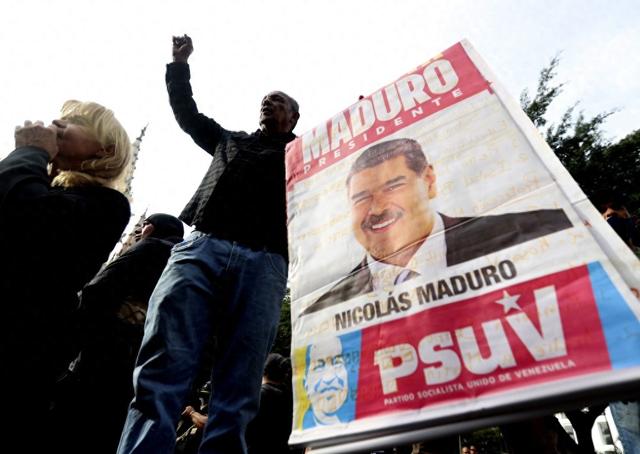
Core Viewpoint - The United States launched a large-scale military operation against Venezuela on January 3, capturing President Maduro and his wife, which has led to significant domestic unrest and international condemnation [1][33]. Group 1: Military Action and Immediate Impact - The military operation occurred at approximately 2 AM local time, targeting the capital Caracas and resulting in the capture of President Maduro [1][33]. - Reports indicate that the U.S. airstrike caused at least 40 deaths, including both civilians and military personnel [5][37]. - The attack led to widespread chaos in Caracas, with explosions reported near the La Carlota airport and smoke rising from multiple locations [5][37]. Group 2: Social and Economic Consequences - Following the military action, Caracas experienced a breakdown in social order, with empty streets and armed personnel patrolling key areas [11][43]. - Many residents queued outside pharmacies for supplies, and several gas stations were forced to close due to the unrest [11][49][50]. - The military strike resulted in the destruction of at least six buildings at the Tiuana military complex, further exacerbating the situation [11][43]. Group 3: Public Response and International Reaction - Venezuelan citizens took to the streets in protest, expressing their opposition to the U.S. intervention and showing support for President Maduro [23][28]. - Internationally, multiple governments and organizations condemned the U.S. military intervention as a violation of international law, urging respect for Venezuela's sovereignty [28][60]. - Cuban officials, including President Díaz-Canel, criticized the U.S. actions as acts of "state terrorism" aimed at seizing Venezuela's resources [31][64].
突袭委内瑞拉:美国从“门罗主义”进入“唐罗主义”
财富FORTUNE· 2026-01-04 04:47
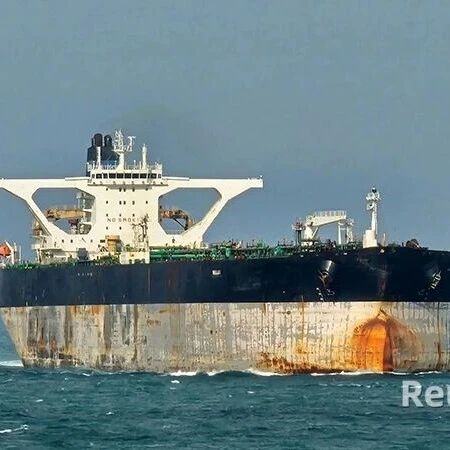
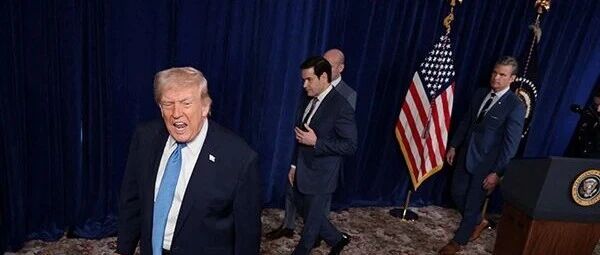
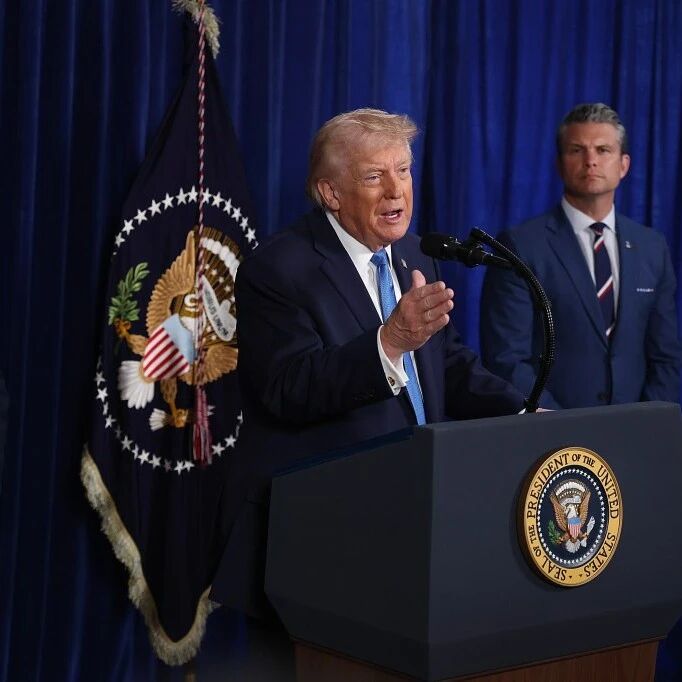
美国总统唐纳德·特朗普证实,针对委内瑞拉的惊人袭击和逮捕领导人尼古拉斯·马杜罗的行动,主要与 该国庞大的石油储量有关,而不仅仅是毒品和移民问题。特朗普声称,美国石油公司将重建委内瑞拉原 油工业,以在经济上补偿美国,并使委内瑞拉人民受益。 "我们将在委内瑞拉的石油领域有所作为。"特朗普说,"我们将从地下开采出巨额财富。" 当地时间周六,特朗普在海湖庄园举行的新闻发布会上表示:"我们将让美国大型石油企业进入委内瑞 拉,投资数十亿美元,修复严重破损的石油基础设施,并开始创造收益。" 一艘油轮在巴霍格兰德炼油厂港口装载原油后,停泊在马拉开波湖。图片来源:GETTY IMAGES 尽管较小规模的收益可能更快实现,但能源分析师强调,真正重建委内瑞拉石油行业并大幅提高出口需 要数年时间,可能接近十年。这将使美国长期深陷委内瑞拉事务。 特朗普没有透露太多细节,但表示,委内瑞拉副总统德尔西·罗德里格斯目前暂时掌权,但"她别无选 择",在举行公平选举或实施权力交接之前,她必须听从白宫的命令。"我们不怕派遣地面部队作 战。"特朗普说。 委内瑞拉拥有全球最大的已探明石油储量,但其石油产量却不到全球总产量的1%,从石油开采的角度 来看 ...

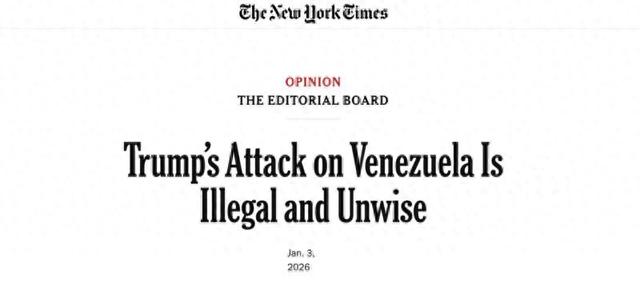
《纽约时报》批特朗普掳走马杜罗:非法且不明智
Xin Lang Cai Jing· 2026-01-04 04:34
Core Viewpoint - The article discusses the recent military action by the U.S. against Venezuela, highlighting the illegality and potential consequences of such actions, particularly the abduction of President Nicolás Maduro, which is viewed as a significant escalation in U.S. foreign policy [1][2]. Summary by Sections Military Action and Justification - The U.S. has deployed a large military presence in the Caribbean, including an aircraft carrier, at least seven other ships, dozens of aircraft, and 15,000 troops, to threaten Venezuela [2]. - The justification for the military action is framed as a response to alleged drug trafficking, but the article argues that Venezuela is not a major producer of drugs like fentanyl, which is a significant issue in the U.S. [3][4]. Historical Context and Lessons - The article references historical failures of U.S. military interventions in countries like Afghanistan, Libya, and Iraq, suggesting that attempts to overthrow even the most despised regimes can lead to worse outcomes [3][4]. - It emphasizes that U.S. interventions in Latin America have historically destabilized countries, citing examples from Chile, Cuba, Guatemala, and Nicaragua [3]. Legal and Political Implications - The article criticizes President Trump's actions as lacking legal justification, noting that he has not sought Congressional approval for military action, which is constitutionally required [5][6]. - It highlights that Trump's administration's rationale for attacking Venezuelan vessels is seen as legally and logically flawed, with many experts disputing the claims of an imminent threat [5][6]. Potential Consequences - The potential for increased violence and instability in Venezuela is significant, with concerns that the removal of Maduro could lead to chaos rather than a peaceful transition of power [7]. - The article warns that further turmoil could disrupt global energy and food markets and exacerbate the refugee crisis in the region [7]. Conclusion - The article concludes that Trump's military actions may lead to more suffering for the Venezuelan people and long-term damage to U.S. global interests, asserting that these actions violate legal standards [7].