供应链

Search documents
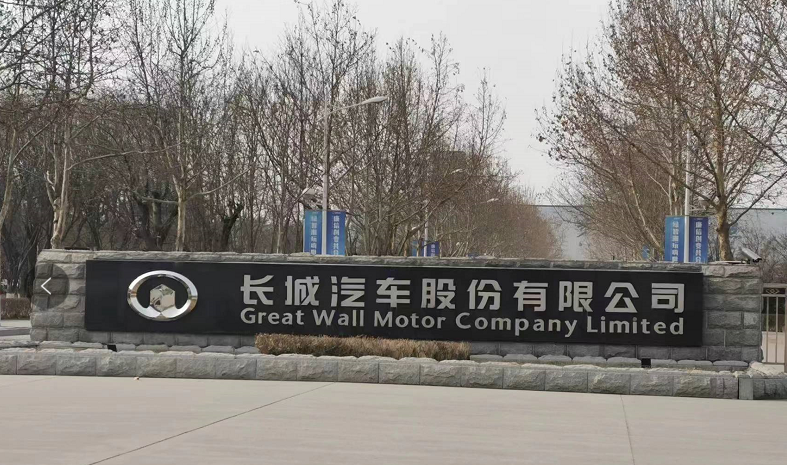
长城汽车上半年实现营收923.35亿元,净利润同比下降10.21%
Ju Chao Zi Xun· 2025-08-30 04:13
Core Viewpoint - Great Wall Motors reported a slight increase in revenue for the first half of 2025, but experienced a decline in net profit, indicating challenges in profitability despite stable sales growth [2][3]. Financial Performance - Total revenue for the first half of 2025 was approximately 92.33 billion yuan, a year-on-year increase of 0.99% [2][3]. - Net profit attributable to shareholders was approximately 6.34 billion yuan, reflecting a year-on-year decrease of 10.21% [2][3]. - Net profit after deducting non-recurring gains and losses was approximately 3.58 billion yuan, down 36.39% year-on-year [2][3]. - Total assets reached approximately 222.13 billion yuan, an increase of 2.02% compared to the previous year [2][3]. - Net assets attributable to shareholders were approximately 84.45 billion yuan, up 6.92% year-on-year [2][3]. Research and Development - The company has established a dual-core R&D model focusing on the Beijing-Tianjin-Hebei and Yangtze River Delta regions, with nine major R&D bases and five software R&D centers [4]. - Great Wall Motors has applied for nearly 50,000 patents, with over 30,000 granted, covering more than 40 countries and regions [4]. Supply Chain Management - The company emphasizes a collaborative and responsible supply chain environment, establishing strategic partnerships with core suppliers to ensure product quality and production stability [4]. - In June, Great Wall Motors committed to standardizing payment terms to within 60 days to support the health of the entire industry chain [4]. Production Layout - The company operates a "dual-wheel drive" production strategy, with a global production layout of "10+3+N" [4]. - Great Wall Motors has ten full-process vehicle production bases in China and three in Thailand and Brazil, along with several KD factories in Ecuador, Malaysia, and Pakistan [4]. Marketing Strategy - The company is transitioning to a "direct + dealership" dual-channel sales model, enhancing digital channel construction [5]. - As of the first half of 2025, the WEY brand has established over 360 retail centers and 50 delivery centers, improving user experience through standardized services [5]. - The overseas sales network covers over 170 countries and regions, with more than 1,400 overseas sales channels [5].


蜜雪集团(2097.HK):营收及利润增速亮眼 多市场多品牌持续打磨向好
Ge Long Hui· 2025-08-30 03:54
Core Viewpoint - The company achieved a revenue of 14.875 billion yuan in H1 2025, representing a year-on-year increase of 39.3%, and a net profit attributable to shareholders of 2.693 billion yuan, up 42.9% year-on-year, showcasing impressive revenue growth and store expansion speed [1][2] Financial Performance - In H1 2025, the company's revenue from goods and equipment sales reached 14.495 billion yuan, a year-on-year increase of 39.6%, while franchise and related service income was 380 million yuan, up 29.8% year-on-year, primarily driven by store network expansion [2] - The gross profit margin for H1 2025 was 31.6%, a decrease of 0.3 percentage points year-on-year, with the gross margin for goods and equipment sales at 30.3%, down 0.2 percentage points year-on-year [2] - As of the end of H1 2025, the company had cash equivalents and time deposits of 176 million yuan, an increase of 58.5% compared to the end of 2024, benefiting from net cash from operating activities and proceeds from public offerings in Hong Kong [2] Store Expansion - The company maintained a rapid expansion momentum, with a total of 53,014 stores by the end of H1 2025, an increase of 9,796 stores compared to the end of H1 2024 [3] - The number of franchisees increased from 19,310 at the end of H1 2024 to 23,404 at the end of H1 2025 [3] Strategic Development - The company is focused on dual-line expansion both domestically and internationally, continuously iterating on multi-category and supply chain capabilities, aiming to build a competitive edge through "supply chain + brand IP + store operations" [4] - The company is deepening its presence in Southeast Asia while exploring new markets, with operational adjustments and optimizations in existing stores in Indonesia and Vietnam [4] - The company plans to focus on three main directions: consolidating domestic advantages while expanding overseas, enhancing infrastructure and operational systems, and strengthening brand building [4]
刘强东杀疯了,京东拿下全国第一,把阿里甩在身后
Sou Hu Cai Jing· 2025-08-29 03:41
Core Viewpoint - JD.com has secured the top position in the "2025 China Private Enterprises Top 500" list, demonstrating its strong market presence and consistent performance over the years [1][3][20]. Group 1: Company Performance - JD.com achieved a total revenue of 1.158 trillion yuan (approximately 1158.81 billion yuan) in 2024, leading the list, followed by Alibaba with 981.77 billion yuan and Hengli Group with 871.52 billion yuan [2][3]. - JD.com has maintained its position as the top private enterprise for four consecutive years, indicating its robust operational strength [3]. - In Q1 2025, JD.com reported a revenue of 301.1 billion yuan, a 15.8% increase year-on-year, marking its highest growth rate in nearly three years [5][13]. - For Q2 2025, JD.com recorded a revenue of 356.7 billion yuan, reflecting a year-on-year growth of 22.4%, and a total revenue of 657.74 billion yuan for the first half of the year, up approximately 20% [16][39]. Group 2: Strategic Initiatives - JD.com has launched several initiatives to enhance its market position, including the introduction of a "New Products" channel on its app and the "Hundred Billion Flow and Hundred Billion Fund" plan aimed at promoting new products [21][23]. - The company is expanding its offline presence with JD MALL and discount supermarkets, with 24 JD MALL stores opened to date, enhancing customer experience through a blend of online and offline services [23][25]. - JD.com is diversifying into new sectors such as food delivery, automotive, and international markets, with significant investments in its new delivery service "JoyExpress" in Saudi Arabia and the acquisition of Ceconomy in Germany for approximately 18.5 billion yuan [32][35]. Group 3: Financial Insights - JD.com's new business segment, which includes food delivery and other ventures, reported a significant operating loss of 14.8 billion yuan in Q2 2025, compared to a loss of 700 million yuan in the same period last year [39][40]. - The CFO of JD.com emphasized that the investments in new businesses are aimed at overcoming growth bottlenecks and will eventually contribute to long-term growth despite short-term profit margin impacts [39].


多领域“硬核”数据传递积极信号 印证经济韧性强、活力足
Yang Shi Wang· 2025-08-29 03:26
Economic Overview - China's economy is showing a steady and positive trend, with various recent data indicating ongoing development [1] Logistics Sector - The total social logistics volume in China exceeded 200 trillion yuan in the first seven months, reaching 201.9 trillion yuan, a year-on-year increase of 5.2% [4] - The logistics demand in high-end manufacturing and green low-carbon sectors is growing robustly, with logistics for units and household goods increasing by 6.2% year-on-year [4] - The logistics industry generated a total revenue of 8.2 trillion yuan in the first seven months, reflecting a year-on-year growth of 4.9% [13] - The growth momentum in the logistics sector is notably stronger in the central and western regions, with the western region's business volume index reaching 52.3% and the central region at 50.9%, both above the national average [13][15] E-commerce and Online Retail - E-commerce logistics is experiencing diversified development, with online retail sales of physical goods increasing by 6.3% year-on-year, outpacing the growth of total retail sales of consumer goods by 1.5 percentage points [15] International Logistics - International logistics is emerging as a new growth point, with cargo and mail transport volume on international routes reaching 38.8 million tons in the first seven months, a year-on-year increase of 21.5% [17] Data Industry - The scale of China's data industry has surpassed 5.8 trillion yuan, with an expected annual growth rate of over 15% from 2025 to 2030 [10] - The data industry shows a tiered distribution, with the eastern region accounting for nearly 70% of the total industry scale, while the central and western regions account for 17.2% and 13.1%, respectively [20] - The Yangtze River Delta region exhibits significant industry clustering, with over 100,000 data enterprises and a scale accounting for 22.6% of the national total [20]

从鱼腥味到美酒香:熊金的商业仁学之路》——记万酒城创始人熊金的共享经济实践
Sou Hu Cai Jing· 2025-08-28 11:46
Core Insights - The article narrates the entrepreneurial journey of Xiong Jin, who transformed from a struggling youth to the founder of a billion-dollar wine business, emphasizing the importance of integrity and supply chain efficiency in his success [1][3][10]. Company Overview - Xiong Jin founded a small factory at the age of 24 and later expanded into a chain of supermarkets in Shandong, eventually pivoting to the wine industry in Shenzhen with a focus on honesty and direct sourcing [1][5]. - The company, Yifeng Wine Industry, has developed a "shared winery" model, allowing individuals to become "winery owners" and participate in profit-sharing [7][14]. Business Model - The "万酒城" (Ten Thousand Wine City) operates on a zero-deposit franchise model, attracting various entrepreneurs, including those from failing businesses, by offering them a chance to pivot into the wine industry [7][14]. - The company has implemented a global direct sourcing system that reduces product circulation costs by 70% compared to traditional marketing channels, significantly lowering prices for consumers [10][14]. Community Engagement - Xiong Jin has established an "emergency fund" system for winery owners facing significant health issues, showcasing a commitment to community welfare [9]. - The company has also initiated a "disaster wine buyback" program, providing financial support to affected winery owners during natural disasters, further enhancing its community-oriented image [9]. Financial Performance - By 2023, the company had expanded to 97 stores with an annual revenue exceeding 1 billion yuan, demonstrating rapid growth and market penetration [3][7]. - The innovative pricing strategy has led to a 17-fold increase in sales for certain products, indicating strong consumer demand and effective market positioning [10]. Customer Experience - The company emphasizes transparency and fairness in pricing, with a commitment to not inflate original prices or impose sales conditions, which has resonated well with consumers [14]. - Customer testimonials highlight the financial benefits of participating in the shared winery model, with individuals reporting significant income increases and improved financial stability [14].
雅视光学(01120.HK)中期综合收入轻微减少2%至5.95亿港元
Ge Long Hui· 2025-08-28 09:12
Core Viewpoint - The company reported a slight decrease in consolidated revenue by 2% to HKD 595 million for the six months ending June 30, 2025, and recorded a loss attributable to shareholders of HKD 15 million, translating to a loss per share of HKD 0.0389 [1] Financial Performance - Consolidated revenue decreased by 2% to HKD 595 million [1] - Loss attributable to shareholders was HKD 15 million compared to a profit of HKD 2.5 million in 2024 [1] - Loss per share was HKD 0.0389, compared to earnings per share of HKD 0.0064 in 2024 [1] Reasons for Loss - The loss was primarily attributed to the impact of U.S. tariff policies disrupting trade between the U.S. and China, which also affected global supply chains [1] - Increased operational costs due to the establishment of production facilities in Vietnam and Malaysia [1] - Significant increases in employee costs, promotional, and exhibition expenses related to the development of eyewear distribution and lens business in China and Southeast Asia [1] - Increased bank loan interest expenses by HKD 2.9 million due to funding for overseas production bases [1]
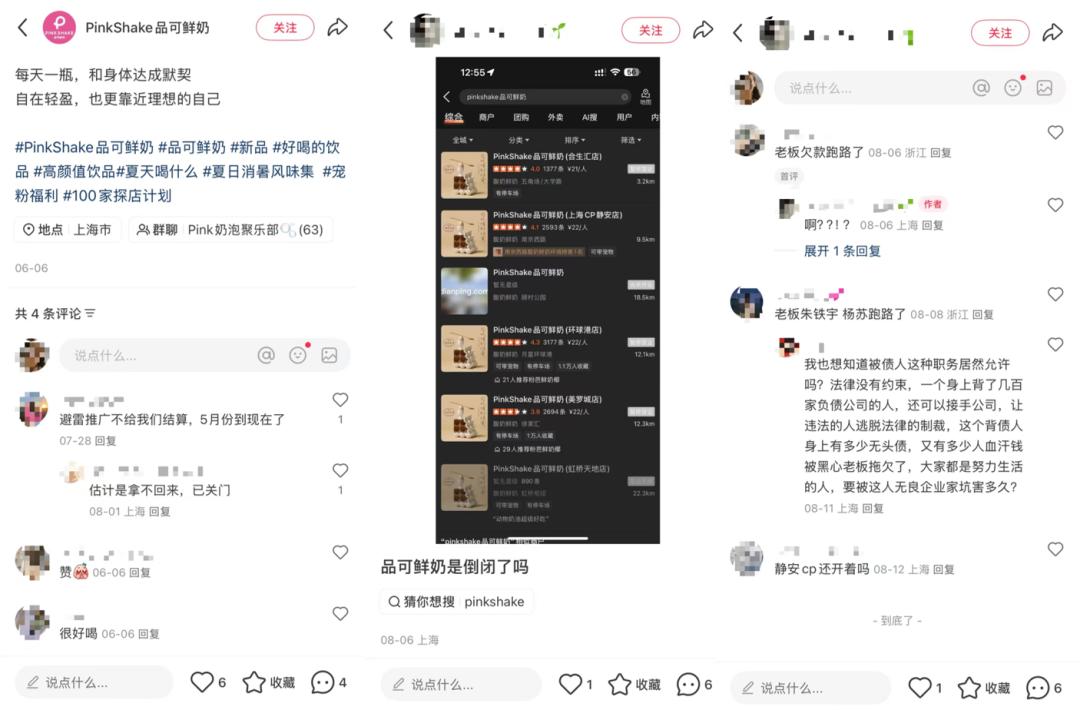
品可鲜奶全线关停,前一周官方账号连发6条招商帖
3 6 Ke· 2025-08-28 02:53
Core Insights - PinkShake, a milk beverage brand that gained attention through its association with Warren Buffett's granddaughter, has abruptly ceased operations, closing all stores and pausing its online services due to unpaid salaries and supplier debts [1][3] - The brand, launched by Shanghai Yaoyao Catering Management Co., had only opened five stores in Shanghai since its debut in June 2022, indicating a slow expansion despite initial popularity [3] Company Overview - PinkShake was positioned as a health-conscious and trendy brand, targeting young professionals in first- and second-tier cities with a product range that included baked goods, milk ice cream, and lactose-free options [3] - The brand's marketing strategy included a strong emphasis on a pink-themed store design and a "girl power" IP image, aiming to differentiate itself in a competitive market [3] Operational Challenges - Reports indicate that the company's actual management has gone missing, with employees facing salary delays exceeding two months and unresolved debts to suppliers and landlords [3][6] - A social media account promoting franchise opportunities was active just before the shutdown, suggesting a lack of transparency and potential misleading practices towards prospective franchisees [4][6] Industry Context - The collapse of PinkShake highlights a broader trend in the industry where brands that fail to focus on supply chain efficiency and operational stability are at risk of failure [6] - In contrast, competitors like Lanxiong Milk and Uniboba are demonstrating strong growth and resilience, emphasizing the importance of supply chain management and operational efficiency in the current market landscape [6][7]
京东开折扣超市,醉翁之意不在酒?
3 6 Ke· 2025-08-27 03:51
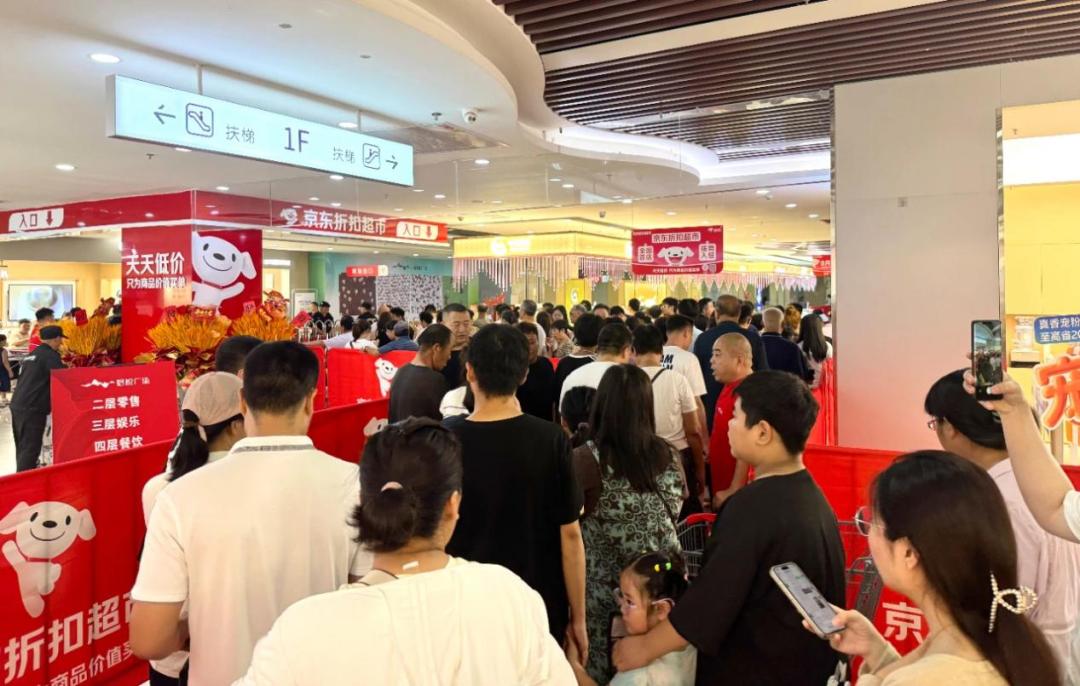
Core Insights - JD.com has officially launched its first discount supermarket, attracting nearly 60,000 visitors on opening day, indicating strong consumer interest in the discount retail sector [1][2] - The discount supermarket model is becoming increasingly crowded, with competitors like Wumart, Meituan, and international players such as Aldi entering the market [1][6] - The competition in the discount sector is driven by the pursuit of cost-effective supply chains, which are essential for maintaining low prices and high product quality [1][13] Company Developments - JD.com's first discount supermarket spans over 5,000 square meters and offers more than 5,000 products, focusing on high-quality, low-priced items [2][4] - The company plans to open four additional stores in Suqian, Jiangsu, by the end of August and a second store in Hebei in September, indicating a rapid expansion strategy [4][8] - JD.com has previously entered the discount market through the acquisition of Huaguan Supermarket, which will be transformed into discount stores by mid-2024 [4][16] Market Trends - The discount retail market is experiencing significant growth, with a projected increase in global discount sales of $6.11 billion and an 8.2% year-on-year growth rate, making it one of the fastest-growing retail channels [8][9] - In China, the hard discount market is expected to exceed 200 billion yuan, with a current penetration rate of only 8%, compared to 31% in Japan and 42% in Germany, suggesting substantial room for growth [8][9] - The shift in consumer behavior towards value-for-money products is driving the popularity of discount supermarkets, as consumers prioritize quality and price over brand loyalty [7][8] Competitive Landscape - Competitors in the discount sector include Wumart's "Wumart Super Value," which has opened multiple stores in Beijing, and Meituan's "Happy Monkey," aiming for a thousand-store scale [6][9] - Aldi, a German discount supermarket chain, is expanding its presence in China, having opened over 70 stores in Shanghai and surrounding areas [6][9] - The competitive advantage in the discount market is increasingly linked to supply chain efficiency, with companies focusing on direct sourcing and reduced SKU counts to lower costs [13][16] Supply Chain Dynamics - The success of discount supermarkets hinges on effective supply chain management, which allows for lower prices without compromising product quality [13][18] - JD.com emphasizes its supply chain capabilities, which include direct sourcing and partnerships with suppliers to enhance product offerings and maintain competitive pricing [15][16] - The ongoing competition for supply chain dominance among major players like JD.com and Meituan is expected to lead to further innovations and strategic moves in the discount retail space [17][18]
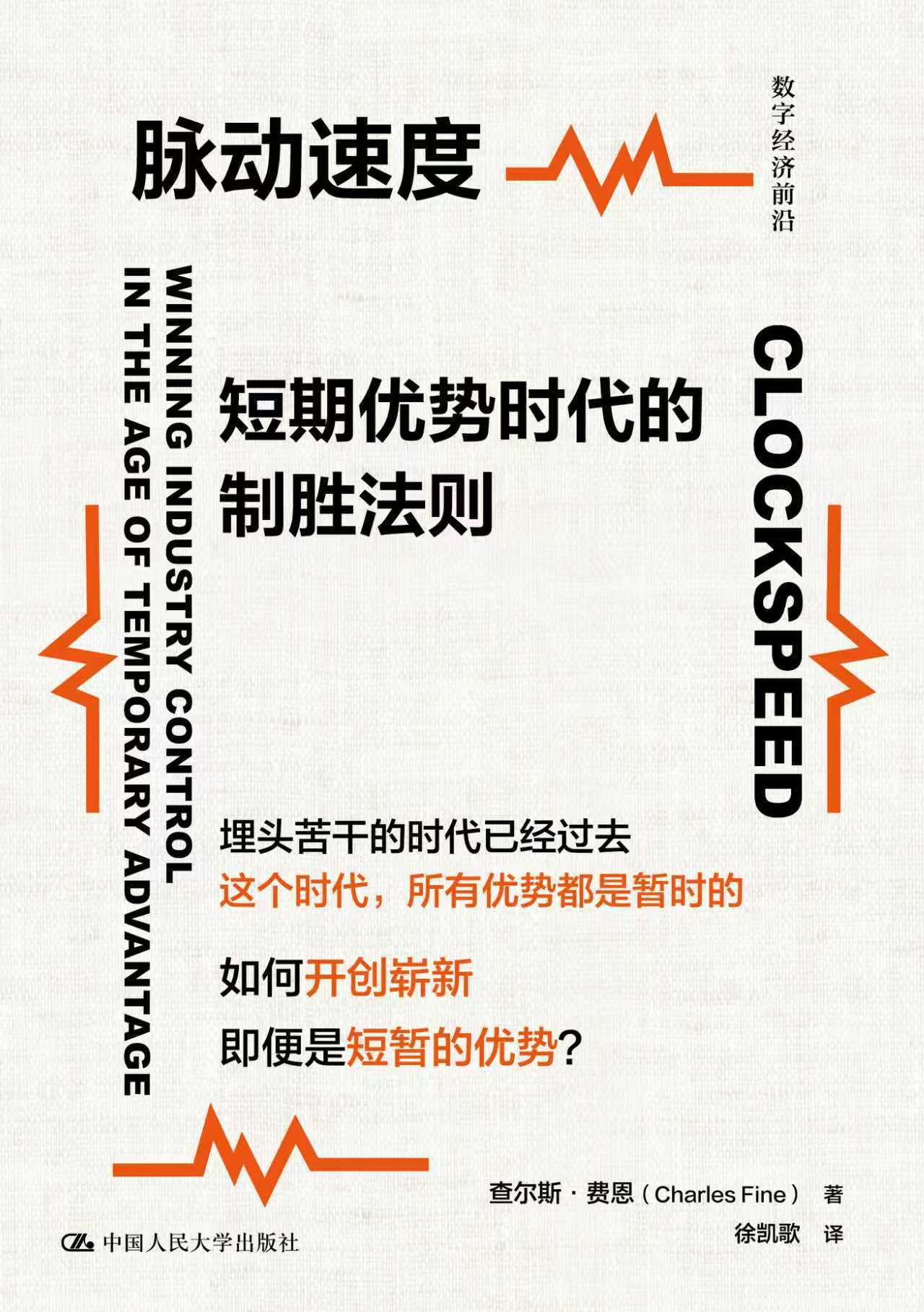
短期优势时代:不懂“脉动速度”,投资如同盲人骑快马
Sou Hu Cai Jing· 2025-08-27 03:42
Group 1 - The core truth of today's investment world is that technological moats are failing, supply chains are critical to a company's survival, and the key metric determining value is "pulsation speed" [1][2] - Dell's stock price surged 269 times in the 1990s due to its innovative supply chain design, which included zero finished goods inventory and direct sales to customers [1][2] - Silicon Graphics, once a leader in 3D graphics technology, faced a dramatic decline due to supply chain failures, highlighting the importance of supply chain resilience [2] Group 2 - The "pulsation speed" framework from MIT analyzes how industries oscillate between vertical integration and horizontal modularity, with the transition speed determined by the industry's pulsation speed [5][7] - Different industries exhibit varying pulsation speeds, with personal computers having a product pulsation speed of less than 6 months, while pharmaceuticals can take over 10 years for new drug development [6][14] - The "whip effect" illustrates how small demand fluctuations can be amplified throughout the supply chain, leading to significant impacts on upstream suppliers [8] Group 3 - The three-dimensional capability chain map helps analyze a company's competitive position within its supply chain and technology ecosystem, focusing on organizational, technological, and capability chains [10][11][12] - Companies must adapt to market changes by managing their resources efficiently, as demonstrated by Dell's just-in-time production model that minimizes inventory cycles [13] - Investment strategies should be tailored based on industry types, such as "fruit fly" industries with rapid iteration cycles and "elephant" industries with stable cash flows [18][20]



越南制造、印度制造?抱歉,你们的命门,仍握在中国供应链手里!
Sou Hu Cai Jing· 2025-08-25 10:27
Core Viewpoint - The migration of factories by major companies like Foxconn, Apple, and Samsung to countries such as Vietnam and India raises concerns about China's status as the "world's factory" and potential hollowing out of its manufacturing sector [1] Group 1: Understanding Factory Migration - Factory relocation does not equate to supply chain relocation; factories are often low-tech assembly lines that can move based on cost changes, while supply chains are complex ecosystems that are difficult to replicate [3] - The concept of "China +1" strategy indicates that China remains a core base for multinational companies, while Southeast Asia serves as backup factories [7] Group 2: Barriers to Supply Chain Migration - The first barrier is China's unique "supplier density," particularly in regions like the Pearl River Delta and Yangtze River Delta, which allows for efficient sourcing of components within a one-hour radius [5] - The second barrier is the stable and robust infrastructure in China, including reliable industrial power supply and advanced logistics systems, which are not easily matched by other countries [5] - The third barrier is the large pool of skilled engineers and industrial workers in China, which takes time to cultivate in other nations [5] Group 3: Implications of Factory Migration - The migration of factories primarily involves low-value assembly processes, while core components and high-end production equipment are still largely imported from China, indicating a "spillover" rather than a complete migration of the supply chain [9] - The overall trend of factory migration reflects China's proactive upgrade of its manufacturing sector, focusing on core technologies and high value-added products rather than competing solely on volume and low prices [9] - The future competitive landscape for China lies in high-tech fields such as chips and large aircraft, marking a transition from a manufacturing power to a manufacturing stronghold [11]