创新驱动发展战略

Search documents
中方谈在役工业机器人存量全球居首:将共享科技发展成果
Zhong Guo Xin Wen Wang· 2025-10-14 09:29
中方谈在役工业机器人存量全球居首:将共享科技发展成果 林剑说,国际机器人联合会此前发布的《2025年世界机器人报告》显示,2024年中国在役工业机器人存 量突破200万台,居全球首位。与此同时,我们也看到中国机器人正在汽车、电子、金属机械、家庭服 务、医疗教育等领域展现出广阔应用前景,逐步从实验室走进工厂生产线和各国百姓家。 本文为转载内容,授权事宜请联系原著作权人 林剑表示,中国机器人量产化、应用场景多元化的背后,是蓬勃的创新动力和不断优化的产业发展环 境,这不仅推动了本土企业快速成长,也带动了国际供应链和相关产业协同发展。当前,中国高新技术 企业已经超过50万家,代表智能制造和数字化领先水平的"灯塔工厂"数量占全球40%以上,居世界第 一,为中国经济注入源源不断的新动能,也为全球科技进步贡献智慧与力量。 他指出,创新是引领发展的第一动力。中国将继续深入实施创新驱动发展战略,以更开放的姿态链接全 球市场,与世界共享中国科技发展成果。(完) 来源:中国新闻网 中新社北京10月14日电 (记者 邢翀 郭超凯)2024年中国在役工业机器人存量居全球首位。中国外交部发 言人林剑14日在例行记者会上表示,中国将继续深 ...

外交部:中国将继续深入实施创新驱动发展战略,以更开放的姿态链接全球市场
Xin Lang Cai Jing· 2025-10-14 07:49
Core Viewpoint - The Chinese robotics industry is rapidly developing and becoming a significant engine for global manufacturing automation, driven by innovation and an improved industrial environment [1] Group 1: Industry Development - China's mass production and diverse application scenarios in robotics are supported by strong innovation and an optimized industrial development environment [1] - The number of high-tech enterprises in China has exceeded 500,000, with "lighthouse factories" representing advanced levels of smart manufacturing and digitalization accounting for over 40% of the global total, ranking first in the world [1] Group 2: Economic Impact - The growth of the robotics industry is not only fostering the rapid development of domestic companies but also promoting the collaborative development of international supply chains and related industries [1] - The advancements in China's robotics sector are injecting continuous new momentum into the economy and contributing to global technological progress [1] Group 3: Future Strategy - China will continue to implement an innovation-driven development strategy and adopt a more open approach to connect with global markets, sharing the achievements of its technological development with the world [1]
以工程纽带紧密联结全球创新力量 2025年世界工程组织联合会全体大会在沪开幕 丁薛祥出席开幕式并致辞
Jie Fang Ri Bao· 2025-10-14 01:36
Core Points - The World Federation of Engineering Organizations (WFEO) General Assembly opened in Shanghai on October 13, 2025, emphasizing the importance of engineering technology as a key driver for human societal development [1][2] - China is committed to deepening international cooperation in engineering technology while achieving significant advancements in its own engineering sector [1][2] Group 1: Engineering Technology Development - The Chinese government aims to implement the United Nations 2030 Sustainable Development Agenda by leveraging engineering expertise and innovation to boost global economic growth and enhance the well-being of people worldwide [2] - Four key suggestions were made to strengthen global engineering partnerships: enhancing open cooperation, focusing on frontier challenges, promoting shared outcomes, and fostering collaborative governance [2][3] Group 2: International Collaboration and Innovation - The event highlighted the importance of modern engineering technology innovation in key areas such as digitalization, intelligence, and sustainability, positioning engineering as a vital driver for new productive forces [3] - The conference theme "Engineering Shapes a Green Future" reflects a collective commitment to fostering a more open, inclusive, and equitable international engineering community [3]
【省科技厅】陕西征集自然科学基础研究计划企业联合基金项目
Shan Xi Ri Bao· 2025-10-12 23:08
省科技厅相关负责人介绍,联合基金的申请不受其他省科技计划限项规定限制,鼓励受资助项目加 快研究进度,及时解决问题,尽快满足产业发展和工程建设需要,提前结题;牵头申报单位应为陕西省 境内注册(登记)的企业、高等学校和科研院所等;为提升联合单位科技创新能力,鼓励申请项目吸收 联合单位科技人员加入项目组,共同研发。(记者:张梅) 10月9日,记者从省科技厅获悉:2026年度陕西省自然科学基础研究计划企业联合基金项目开始征 集。 据了解,为深入实施创新驱动发展战略,充分发挥陕西省自然科学基础研究计划引导作用,拓展基 础研究多元投入渠道,提升企业科技创新能力,省科技厅与中国电建集团西北勘测设计研究院有限公 司、中煤科工西安研究院(集团)有限公司、国网陕西省电力有限公司分别设立"中电建西北院企业联 合基金""中国煤科西安研究院企业联合基金""国网陕西省电力有限公司企业联合基金"。 此次申报计划类别为陕西省自然科学基础研究计划企业联合基金项目。其中,中电建西北院企业联 合基金涉及水电与抽蓄、新能源与新型储能、水利生态与基础设施等领域;中国煤科西安研究院企业联 合基金涉及钻探、物探、水文、地质、煤层气、地热等领域;国网陕西省 ...
和音:跑出创新“加速度”
Sou Hu Cai Jing· 2025-09-30 22:05
Group 1 - The core point of the news is that China has entered the top ten of the Global Innovation Index for the first time, ranking first among 36 upper-middle-income economies, reflecting its rapid innovation growth since 2013, where it has risen 25 places [1] - China's innovation capabilities are bolstered by significant achievements in various fields, including space exploration, telecommunications, and artificial intelligence, showcasing its technological advancements and integration of digital and physical economies [1][2] - The report highlights China's commitment to innovation-driven development, with a projected R&D expenditure exceeding 3.6 trillion yuan in 2024, positioning it as the second-largest in the world, and emphasizing the importance of foundational research funding [2] Group 2 - China's innovation ecosystem is supported by robust policy frameworks and a nurturing environment, which includes tax incentives and government support for enterprises involved in major research projects [2] - The country has established over 160 international scientific cooperation relationships and signed 119 intergovernmental agreements, enhancing its role as a global contributor to innovation [3] - The emphasis on open cooperation and international collaboration is seen as a strategy to enhance China's influence in global innovation networks, encouraging foreign investment and fostering a more inclusive international innovation landscape [3]
跑出创新“加速度”(和音)
Ren Min Ri Bao· 2025-09-30 21:42
Group 1 - The core viewpoint of the news is that China has made significant strides in innovation, ranking in the top ten globally for the first time, and leading among 36 upper-middle-income economies, reflecting its rapid rise in innovation capabilities since 2013 [1] - China has accumulated a total of 25 places in the global innovation index since 2013, showcasing its position as one of the fastest-growing economies in terms of innovation [1] - Major technological achievements in China include the operational normalization of the "Tiangong" space station, the successful lunar sample return of "Chang'e 6," and advancements in 5G communication and Beidou navigation systems [1] Group 2 - The acceleration of China's innovation is supported by robust policy backing and a nurturing environment, with a projected R&D expenditure exceeding 3.6 trillion yuan (approximately 0.5 trillion USD) in 2024, making it the second-largest globally [2] - Basic research funding is set to reach 249.7 billion yuan (approximately 35.5 billion USD), which is crucial for stimulating innovation among various talents [2] - Over 50,000 high-tech enterprises exist in China, with 524 companies from mainland China entering the global top 2000 in industrial R&D investment in 2024 [2] Group 3 - China's innovation is characterized by a strong emphasis on open cooperation, having established scientific cooperation relationships with over 160 countries and regions, and signed 119 intergovernmental science cooperation agreements [3] - The implementation of the "Belt and Road" initiative's science and technology innovation action plan is accelerating collaborative innovation efforts [3] - China's commitment to building a more open and inclusive international innovation network aims to inject new momentum into the global economy and address global challenges [3]
“我在‘十四五’这五年 上市公司在行动”系列报道 | 中国铁建:以“数智铁建”为战略引领,主动拥抱数
Zhong Guo Zheng Quan Bao· 2025-09-29 08:53
Core Viewpoint - China Railway Construction Corporation (CRCC) is actively embracing digital economy opportunities through its "Smart CRCC" strategy, integrating digital technologies into its operations to enhance efficiency, safety, and environmental standards [1][2]. Group 1: Digital Transformation and Innovation - CRCC is implementing a comprehensive digital transformation strategy, shifting from traditional labor-intensive methods to data-driven management, which aims to improve operational efficiency and safety [1][2]. - The company has established a "1+9+N" technology innovation system, focusing on strategic emerging industries and future industries, which includes the establishment of various research institutes to drive innovation [2][4]. - CRCC is concentrating on five new tracks: new infrastructure, new equipment, new materials, new energy, and new services, detailing eight strategic emerging industries and 24 key areas for long-term growth [4]. Group 2: Operational Strategies and Market Adaptation - In response to challenges in the real estate market, CRCC is optimizing resource allocation, enhancing management practices, and focusing on strategic new industries to ensure stable growth [2][3]. - The company is committed to expanding its overseas business, having established a presence in 150 countries and regions, with significant achievements in railway and infrastructure projects [6][7]. - CRCC's overseas operations have evolved from simple construction to a diversified business model that includes investment, operation, and equipment export, enhancing its profitability [7][8]. Group 3: Technological Advancements and Project Examples - CRCC has successfully developed advanced technologies, such as a smart control center for shield tunneling, which allows for real-time monitoring and guidance of tunneling operations [5]. - The company has implemented various digital platforms that streamline processes, such as reducing approval times for construction plans from two hours to eight minutes [5]. - CRCC is actively promoting Chinese standards internationally, facilitating the integration of Chinese technology and practices into global markets [8].


区域创新能力连续9年夺冠背后:广东“创新雨林”的生态密码
Nan Fang Du Shi Bao· 2025-09-29 07:23
Core Insights - The "China Regional Innovation Capability Evaluation Report 2025" indicates that Guangdong ranks first in regional innovation capability for the ninth consecutive year, showcasing its strong performance across various dimensions [1][3]. Summary by Categories Overall Ranking - Guangdong maintains its position as the top region for innovation capability in China, based on 2023 statistical data, with notable strengths in enterprise innovation and innovation environment [1][3]. Innovation Performance - In the five evaluation dimensions, Guangdong excels in enterprise innovation, ranking first nationally, with design capability and technology enhancement also at the top [5]. - The province ranks second in knowledge creation and innovation performance, with a slight decline in the latter compared to the previous year [3][5]. Enterprise Contributions - Approximately 90% of research institutions, personnel, funding, and patent applications in Guangdong originate from enterprises, highlighting their central role in the innovation ecosystem [7]. - Guangdong leads in the number of high-tech enterprises, R&D expenditure intensity, and new product sales revenue, demonstrating a comprehensive advantage from R&D to commercialization [7]. Innovation Environment - The province's innovation environment ranks first nationally, supported by robust infrastructure, market conditions, and financial systems that foster enterprise innovation [7]. Future Strategies - The report emphasizes the need for Guangdong to enhance its foundational research and collaboration with resource-rich regions, while also improving talent and financial support systems [8][9]. - Guangdong aims to solidify its status as an international innovation center by optimizing its research and innovation chain and increasing R&D investment to 4% of GDP within five years [9]. Financial Support - Guangdong has implemented policies to integrate technology and finance, with significant growth in loans to tech enterprises, reaching 3.59 trillion yuan, a 9.85% increase from the beginning of the year [11]. - The province's technology insurance has provided substantial risk coverage, amounting to 3.11 trillion yuan, reflecting a 76% year-on-year growth [11]. Talent Development - The "Million Talents Gathering in Guangdong" initiative has successfully attracted over 1 million graduates to the region, enhancing the talent pool for innovation [11][13].
新发展格局激发新活力
Jing Ji Ri Bao· 2025-09-26 21:57
Core Points - The new development pattern emphasizes domestic circulation as the mainstay while promoting mutual reinforcement between domestic and international circulation, leading to higher quality, efficiency, fairness, sustainability, and security in China's economic development [1] Group 1: Domestic Demand as a Driving Force - China's market is characterized by nearly 50 trillion yuan in consumption, over 50 trillion yuan in investment, and over 20 trillion yuan in imports, making it the most promising market globally [2] - Domestic demand contributed an average of 86.4% to economic growth over the past four years, highlighting its role as the main driver and stabilizing anchor of the economy [2] - The contribution of final consumption to economic growth during the first four years of the 14th Five-Year Plan reached 56.2%, an increase of 8.6 percentage points compared to the previous five-year period [2] Group 2: Investment and Supply Structure Optimization - Investment in high-tech industries has consistently outpaced overall investment growth, with the contribution of investment accumulation to economic growth averaging 30.2% during the first four years of the 14th Five-Year Plan [3] - The focus on enhancing development momentum and improving people's livelihoods has led to significant investment growth in social welfare sectors [3] Group 3: Safety and Innovation - The emphasis on balancing development and safety has led to a strengthened national security system and enhanced capabilities to maintain safety, promoting high-quality development [4] - R&D investment is projected to exceed 3.6 trillion yuan in 2024, with an intensity of 2.68%, surpassing the average level of EU countries [4] - China ranks first globally with 24 innovation clusters in the 2025 Global Top 100 Innovation Clusters ranking by the World Intellectual Property Organization [4] Group 4: Open Economy and International Cooperation - China has expanded its visa-free "circle" and promoted tax refund services, with over 19 million foreign visitors entering the country in the first half of the year, a 30% increase year-on-year [6] - The total value of China's goods trade has remained the highest in the world for eight consecutive years, with exports accounting for over 14% of the global total [6] - China has actively aligned with international high-standard trade rules, reducing foreign investment restrictions and encouraging investment in advanced manufacturing and high-tech sectors [7]
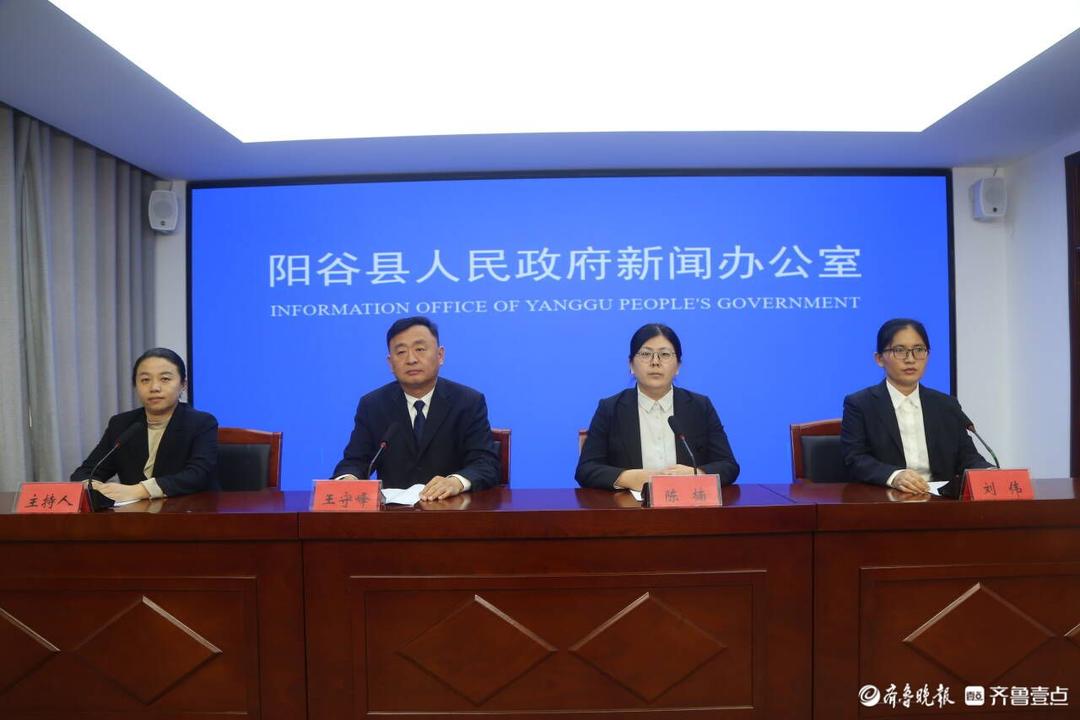
阳谷县积极推动企业自建或与高校院所共建各类科技研发平台
Qi Lu Wan Bao Wang· 2025-09-24 14:26
Core Viewpoint - The construction and development of technology innovation platforms are crucial for accelerating the implementation of innovation-driven development strategies and promoting high-quality economic and social development [1][3]. Group 1: Technology Innovation Platforms - The establishment of technology innovation platforms can effectively integrate and optimize technological resources, enhancing the efficiency and quality of technological innovation [1]. - As of now, the county has established various technology innovation platforms, including 1 National Rubber Additives Engineering Technology Research Center, 1 National Maker Space, 12 provincial-level technology innovation centers, new research institutions, key laboratories, and academicians' workstations, as well as 38 municipal-level key laboratories and technology innovation centers [3]. Group 2: R&D Investment and Corporate Support - The county's technology service center actively guides enterprises to increase R&D investment and encourages them to either build their own or collaborate with universities and research institutions to establish various R&D platforms [3]. - The continuous improvement of the technology innovation system in the county has significantly enhanced the competitive capabilities and development potential of enterprises [3]. Group 3: Future Plans - The technology service center plans to further leverage and explore the county's technological resources, guiding enterprises to strengthen the construction of innovation platforms [3]. - The aim is to accelerate the transformation of technological achievements and provide strong technological support for the county's high-quality economic development [3].