北斗导航

Search documents
全国政协常委周汉民:建议制定中国企业海外投资保护法
21世纪经济报道· 2026-03-05 00:10
Core Viewpoint - The article discusses the challenges and strategies for China's economic growth in the context of global uncertainties, particularly focusing on the "14th Five-Year Plan" and the need for a stable domestic market while addressing external risks [1][5]. Group 1: Global Economic Situation - The ongoing conflict in the Middle East, particularly the U.S.-Israel-Iran tensions, is causing significant volatility in global markets, with Brent crude oil prices exceeding $82 per barrel [4]. - The International Monetary Fund (IMF) predicts a global economic growth rate of around 3% for the year, amidst rising trade protectionism and supply chain uncertainties [4][5]. - China has maintained its position as the world's largest goods trading nation for nine consecutive years and is a major player in foreign investment [5][6]. Group 2: Strategies for Stabilizing Foreign Trade and Investment - China needs to implement clear, timely, and effective strategic and institutional arrangements to stabilize foreign trade and investment [5][6]. - Three key actions are recommended: 1. Continue institutional openness and align with international rules [6]. 2. Optimize the structure of foreign trade by increasing the export share of intermediate and high-value-added products [6]. 3. Establish an overseas investment protection law to safeguard Chinese enterprises venturing abroad [6]. Group 3: Economic Growth in the "14th Five-Year Plan" - The period from 2026 to 2030 is critical for solidifying the foundation for China's modernization, with a focus on achieving qualitative improvements and reasonable quantitative growth [8]. - Policies must be coordinated across fiscal, monetary, and industrial sectors to stabilize market expectations [8][9]. - Emphasis on domestic demand is crucial, with four key areas of focus: upgrading traditional industries, fostering emerging industries, enhancing market-oriented reforms, and promoting regional collaborative development [9]. Group 4: "Chinese People's Economy" Concept - The concept of "Chinese People's Economy" emphasizes not only GDP but also Gross National Income (GNI), reflecting the income generated by Chinese citizens both domestically and abroad [10]. - To further develop this economy, three areas of focus are suggested: 1. Enhance global value creation capabilities through high-tech and high-value service exports [10][11]. 2. Gradually expand foreign direct investment in valuable sectors [11]. 3. Optimize domestic income distribution mechanisms to ensure equitable growth [11]. Group 5: Addressing AI and Technological Impacts - The integration of AI and robotics is reshaping production and employment landscapes, necessitating a focus on talent development and retraining [12][15]. - Companies should invest in employee training to adapt to new technologies, such as drone delivery systems [15]. - A robust social security system is essential to provide a safety net for those affected by technological changes [15].


或套现6692万元,海格通信前董事长拟再减持
Shen Zhen Shang Bao· 2026-02-23 00:36
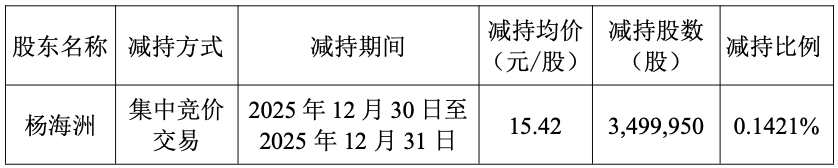
Core Viewpoint - Recently, Haige Communication (002465.SZ) announced that shareholder Yang Haizhou plans to reduce his shareholding in the company, which will not affect the company's control or governance structure [1][2]. Group 1: Shareholding Reduction - Yang Haizhou, holding 24,425,125 shares (approximately 0.9920% of the total share capital after excluding repurchased shares), plans to reduce his holdings by up to 4,000,000 shares (approximately 0.1624%) within three months from the announcement date [1]. - The reason for the reduction is personal financial planning, with shares sourced from pre-IPO holdings and capital reserve conversion [1]. - The estimated cash-out from this reduction, based on the latest share price of 16.73 yuan/share, could be around 66.92 million yuan [1]. Group 2: Completion of Shareholding Reduction - As of January 5, Yang Haizhou completed his share reduction plan, having sold a total of 3,499,950 shares, which is about 0.1421% of the total share capital [2][3]. - The average selling price during this reduction was 15.42 yuan/share [3]. Group 3: Financial Performance - Haige Communication expects a net loss attributable to shareholders of 700 million to 790 million yuan for the year 2025, with a loss of 780 million to 870 million yuan when excluding non-recurring items [5][6]. - The company reported a significant decline in net profit compared to the previous year, which was a profit of 53.14 million yuan [6]. - The losses are attributed to delayed contract signings due to industry adjustments, increased R&D investments of approximately 930 million yuan, and anticipated impairment losses of about 220 million yuan on goodwill and 250 million yuan on receivables [6]. Group 4: Market Performance - As of February 13, Haige Communication's stock price decreased by 2.28%, closing at 16.73 yuan/share, with a total market capitalization of 41.521 billion yuan [7].

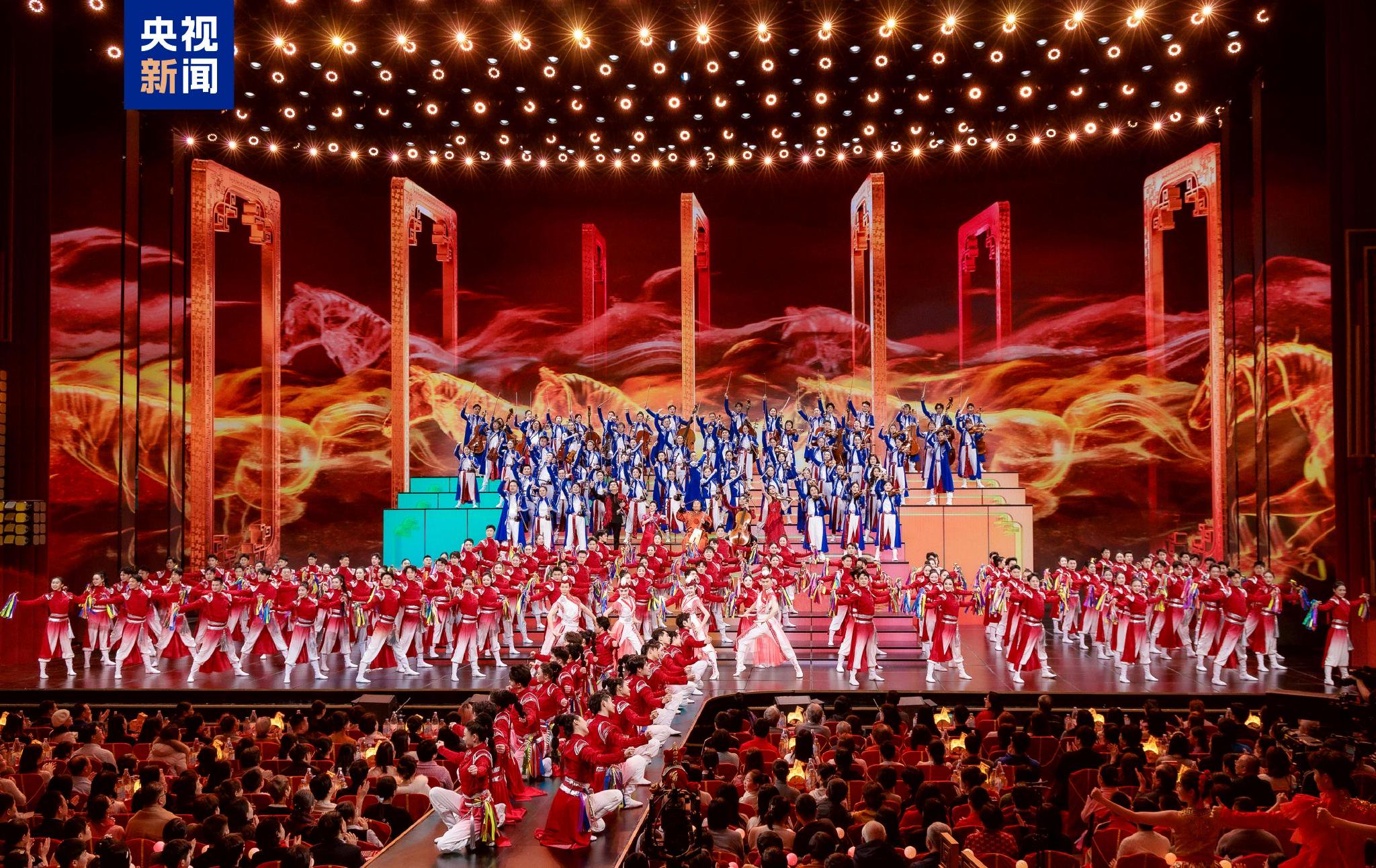
马年央视春晚节目单公布:一共3个小品,没有相声,科技元素突出
Jin Rong Jie· 2026-02-16 10:15
Group 1 - The 2026 Spring Festival Gala will feature a total of 3 skits, 2 comedy short plays, and 1 dialogue program, with no cross-talk performances included [1] - Shen Teng and Ma Li will not collaborate on a skit but will co-star in a microfilm titled "The Night I Remember Most," alongside Galaxy General, a company focused on multi-modal large model general robotics, established in May 2023 [1] - The skit "Grandma's Favorite" will be performed by Cai Ming, Wang Tianfang, and Song Yan Power, a technology company specializing in humanoid robot research and manufacturing, founded in September 2023 in Beijing [1] Group 2 - The gala will prominently feature technological elements, including a song and dance performance titled "Intelligent Manufacturing Future," which incorporates VR glasses, Beidou navigation, and drones [1] - Notable performances include a song by Wang Fei titled "A Moment We Experienced," and a collaboration featuring American singer John Legend, French singer Hélène Rollès, and the Irish group Westlife [1][11] - The martial arts program "Martial BOT" will be presented by Yushu Technology Robotics in collaboration with the Henan Tagou Martial Arts School [1]

总台2026年春晚完成全部五次彩排
Xin Lang Cai Jing· 2026-02-15 22:17
Group 1 - The central theme of the news is the successful completion of the fifth rehearsal for the 2026 Spring Festival Gala, showcasing a variety of performances including creative programs, dance, acrobatics, opera, martial arts, skits, and magic, all contributing to a festive atmosphere [1] - Notable performances include Li Jian's song "Human Resonance," which expresses gratitude for shared experiences, and the duet "No More Worries" by Ren Susu and Mao Buyi, conveying warm greetings of reunion [1] - The skit "Grandma's Favorite" features Cai Ming reuniting with a "robot" after 30 years, highlighting the emotional connection between grandparents and grandchildren [1] Group 2 - The gala includes a micro-musical titled "Every Ray of Light," featuring representatives from the World Skills Competition, showcasing confidence in various professions [2] - The song "Intelligent Manufacturing Future" incorporates elements of cutting-edge technology such as VR glasses and drones, celebrating the transition from "Made in China" to "Intelligent Manufacturing in China" [2] - Four regional venues contribute to the vibrant New Year atmosphere, with each location presenting unique cultural expressions, such as the ice-themed celebration in Harbin and the Huangmei opera in Hefei [2]
二○二六年总台春晚完成全部五次彩排
Xin Lang Cai Jing· 2026-02-15 22:17
Core Viewpoint - The 2026 Spring Festival Gala has completed its fifth rehearsal, showcasing a variety of creative programs including songs, dances, acrobatics, and more, indicating that preparations for the event are fully underway [1] Group 1: Program Highlights - The song "Human Resonance" reflects precious moments of connection among people [1] - "No More Worries" delivers warm greetings for long-awaited reunions through soothing melodies [1] - "The Moment We Experienced" expresses the bonds formed over a century of encounters and shared warmth [1] Group 2: Thematic Performances - The skit "Grandma's Favorite" portrays the emotional connection between grandparents and grandchildren through joyful interactions [1] - The comedic short play "You Must Like" explores the meaningfulness and interest of social media products [1] - The micro-musical "Every Ray of Light" features representatives from the World Skills Competition, showcasing excellence across various professions [1] Group 3: Technological Integration - The song "Creating the Future" incorporates elements of cutting-edge technology such as VR glasses, Beidou navigation, and drones into a futuristic dance performance [1] - "Dreams of Mountains and Seas" pays tribute to the hardworking and dedicated Chinese people, welcoming a new spring filled with joy and achievements [1]
央视2026春晚最新剧透来了!
Xin Lang Cai Jing· 2026-02-15 02:08
Core Viewpoint - The 2026 Spring Festival Gala by China Central Television (CCTV) is set to showcase a variety of performances that highlight themes of connection, warmth, and technological pride, with a focus on both traditional and modern elements [1][2]. Group 1: Performance Highlights - Wang Fei's song "The Moment We Experience" expresses the warmth of human connections over a century [1]. - Cai Ming reunites with a "robot" in the skit "Grandma's Favorite," showcasing the emotional bond between grandparents and grandchildren [1]. - The collaboration between Aaron Kwok and Wang Yibo in the song "Shining and Moving" features dynamic rhythms and street dance, promoting a positive outlook on life [1]. Group 2: Technological Themes - The song "Creating the Future" incorporates elements of cutting-edge technology such as VR glasses, Beidou navigation, and drones, reflecting pride in the transition from "Made in China" to "Intelligent Manufacturing in China" [1].
春晚机器人与蔡明时隔30年续前缘
Xin Lang Cai Jing· 2026-02-15 01:08
Core Viewpoint - The 2026 Spring Festival Gala showcases a variety of performances that celebrate Chinese culture and innovation, emphasizing the pride in "Made in China" and "Intelligent Manufacturing" [1] Group 1: Event Overview - The Central Radio and Television Station successfully completed the fifth rehearsal for the 2026 Spring Festival Gala on February 14, featuring diverse programs including dance, acrobatics, and comedy [1] - The gala aims to create a joyful atmosphere for global Chinese communities to celebrate the New Year together [1] Group 2: Performances and Themes - Notable performances include Li Jian's "Human Resonance," which expresses gratitude for shared experiences, and a duet by John Legend and Hélène Rollès that conveys deep emotions through classic melodies [1] - The gala includes a comedic skit featuring Cai Ming and a magic show that engages the audience, reflecting on the impact of social media [1] Group 3: Cultural Significance - The song "Intelligent Manufacturing" integrates advanced technology elements like VR glasses and drones, highlighting the transition from "Made in China" to "Intelligent Manufacturing" [1] - The performance "Chasing Dreams Across Mountains and Seas" pays tribute to the hardworking spirit of the Chinese people, welcoming a new spring filled with hope and achievement [1] Group 4: Regional Highlights - The gala features regional performances from various locations, showcasing local culture and energy, such as the ice-themed celebration in Harbin and the vibrant atmosphere in Yiwu [1] - Each regional venue contributes to a broader narrative of unity and celebration, reflecting the diverse beauty of Chinese culture [1]

2026年总台春晚完成全部五次彩排
Xin Lang Cai Jing· 2026-02-14 21:56
Core Viewpoint - The 2026 Spring Festival Gala by the Central Radio and Television Station has successfully completed its fifth rehearsal, showcasing a cultural celebration that conveys happiness and togetherness [1] Summary by Categories Performances - The song "Human Resonance" expresses precious moments of connection among people in a vast crowd [1] - The song "No More Worries" delivers warm greetings for long-awaited reunions [1] - The song "Moments We Experienced" reflects on the bonds formed over a century of encounters and shared warmth [1] - The skit "Grandma's Favorite" portrays the emotional connection between grandparents and grandchildren through joyful interactions [1] - The comedic short play "You Must Like It" offers reflections on the meaningfulness of social media products [1] - The micro-musical "Every Ray of Light" features representatives from the World Skills Competition, showcasing excellence across various professions [1] - The song "Creating the Future" incorporates cutting-edge technology elements like VR glasses, Beidou navigation, and drones into a futuristic performance [1] - The song "Dreams of Mountains and Seas" pays tribute to the hardworking and dedicated Chinese people, welcoming a new spring filled with joy and achievements [1]
回家,过年!中央广播电视总台《2026年春节联欢晚会》完成全部五次彩排
Xin Lang Cai Jing· 2026-02-14 17:41
Core Viewpoint - The 2026 Spring Festival Gala, organized by China Central Television, has successfully completed its fifth rehearsal, showcasing a variety of performances that create a festive atmosphere for the global Chinese community to celebrate the New Year together [1] Group 1: Performance Highlights - The gala features a diverse range of programs including creative acts, dance, acrobatics, traditional opera, martial arts, skits, and magic, all contributing to a joyful and celebratory ambiance [1] - Notable performances include Li Jian's song "Human Resonance," which expresses gratitude for shared experiences, and a duet by John Legend and Hélène Rollès that conveys deep affection through classic melodies [3] Group 2: Thematic Elements - The skit "Grandma's Favorite" highlights the warmth of family interactions, while the comedic short play "You Must Like" humorously addresses the impact of social media on young couples [5] - The gala emphasizes themes of vitality and progress, with performances like "Shining and Moving" by Aaron Kwok and Wang Yibo, which energize the audience and celebrate the spirit of the New Year [7] Group 3: Regional Contributions - The event includes four regional venues, each showcasing unique cultural expressions, such as the ice-themed celebration in Harbin and the artistic performances in Yiwu, creating a rich tapestry of Chinese New Year celebrations across the country [7] - The performances also pay tribute to the hardworking individuals across various industries, highlighting the pride in China's transition from manufacturing to intelligent manufacturing [7] Group 4: Event Details - The 2026 Spring Festival Gala is scheduled to air on February 16 at 8 PM, inviting audiences to join in the festive celebrations [8]
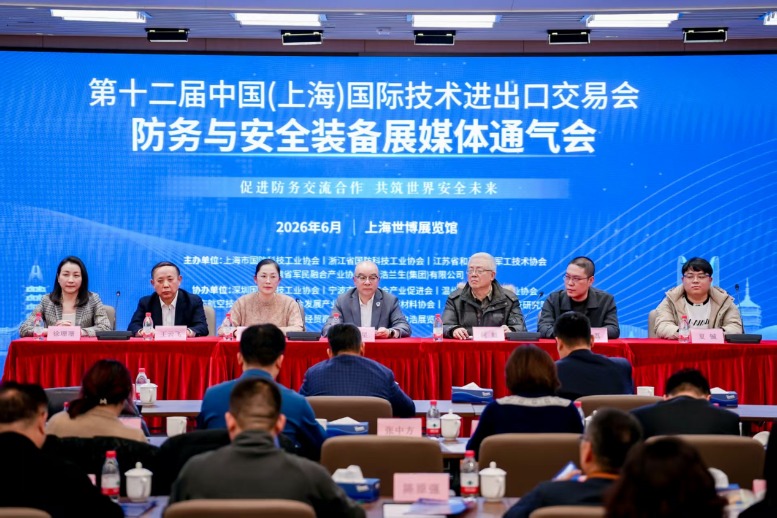
上交会首设防务展 长三角抱团掘金“一带一路”安全装备市场
Zhong Guo Jing Ying Bao· 2026-01-19 15:32
Core Insights - The Shanghai International Technology Import and Export Fair (SITIEF) is evolving to include a new Defense and Security Equipment Exhibition in June 2026, reflecting the growing trend of using technology trade to enhance international security cooperation [2][3][4] Group 1: Event Overview - The SITIEF has been successfully held for eleven sessions since its inception in 2013, becoming a significant platform for innovation resources from nearly 30 countries and regions [2] - The upcoming Defense and Security Equipment Exhibition will feature over 200 leading enterprises and cover an exhibition area of 10,000 square meters [4][5] Group 2: Strategic Goals - The exhibition aims to promote innovation integration, enhance security resilience, and leverage regional advantages to support domestic products and technologies in international markets [6][8] - It will focus on facilitating practical cooperation through precise supply-demand matching and organizing various trade and technology exchange activities [7] Group 3: Industry Trends - The global defense security market is increasingly driven by technology, military-civil integration, and regional collaboration, with the Asia-Pacific region being a rapidly growing market for defense equipment and technology [8] - The exhibition will showcase cutting-edge technologies in aerospace, artificial intelligence, and renewable energy, aligning with the rising demand for intelligent, unmanned, and networked security systems [5][8]