国企改革

Search documents
江苏国企改革板块1月21日跌0.64%,华光环能领跌,主力资金净流入2512.62万元
Sou Hu Cai Jing· 2026-01-21 09:18
Core Viewpoint - The Jiangsu state-owned enterprise reform sector experienced a decline of 0.64% compared to the previous trading day, with Huaguang Huaneng leading the decline [1] Market Performance - On the same day, the Shanghai Composite Index closed at 4116.94, up by 0.08% - The Shenzhen Component Index closed at 14255.12, up by 0.7% [1] Capital Flow - The main capital inflow into the Jiangsu state-owned enterprise reform sector was 25.1262 million yuan, while retail investors saw a net outflow of 129 million yuan - Speculative funds had a net inflow of 103 million yuan [1]


什么是央企?什么是国企?央企和国企有什么区别?央国企有哪些?
Sou Hu Cai Jing· 2026-01-20 16:47
Core Viewpoint - The article discusses the distinctions and roles of state-owned enterprises (SOEs) and central state-owned enterprises (CSOEs) in China, emphasizing their contributions to the economy and their differing management structures [1][3][21]. Group 1: Definitions and Historical Context - SOEs encompass all enterprises funded or controlled by the government, aimed at ensuring economic stability and promoting industrial development [1]. - CSOEs are a subset of SOEs directly managed by the central government, typically larger and more influential, established to support industrialization post-1949 [3][5]. - The establishment of the State-owned Assets Supervision and Administration Commission (SASAC) in 2003 marked a significant point in the management of CSOEs, allowing for more focused oversight [5][10]. Group 2: Management and Operational Differences - CSOEs are fewer in number but are major players in key sectors like oil, electricity, and telecommunications, with assets often exceeding trillions and employing hundreds of thousands [8][10]. - SOEs are managed by local state-owned assets supervision bodies, providing them with more flexibility but generally fewer resources compared to CSOEs [8][12]. - The operational focus of CSOEs includes international competition and strategic national projects, while SOEs concentrate on local innovation and market adaptation [13][21]. Group 3: Financial Performance and Contributions - In 2022, CSOEs generated revenues of 36.3 trillion and profits of 2.5 trillion, significantly contributing to the central government's finances [10]. - Although SOEs may not match the profitability of CSOEs, they play a crucial role in local economies by stabilizing employment and fostering development [13][19]. Group 4: Future Outlook - The article anticipates continued reforms for both CSOEs and SOEs, with a focus on restructuring and integration in emerging industries such as renewable energy and digital economy post-2025 [19][23]. - R&D investments by CSOEs exceed 900 billion, driving innovation, while SOEs aim to enhance efficiency and service delivery [19]. - The boundaries between CSOEs and strong SOEs may blur, with some SOEs potentially upgrading to CSOE status, contributing to China's high-quality development [19][21].
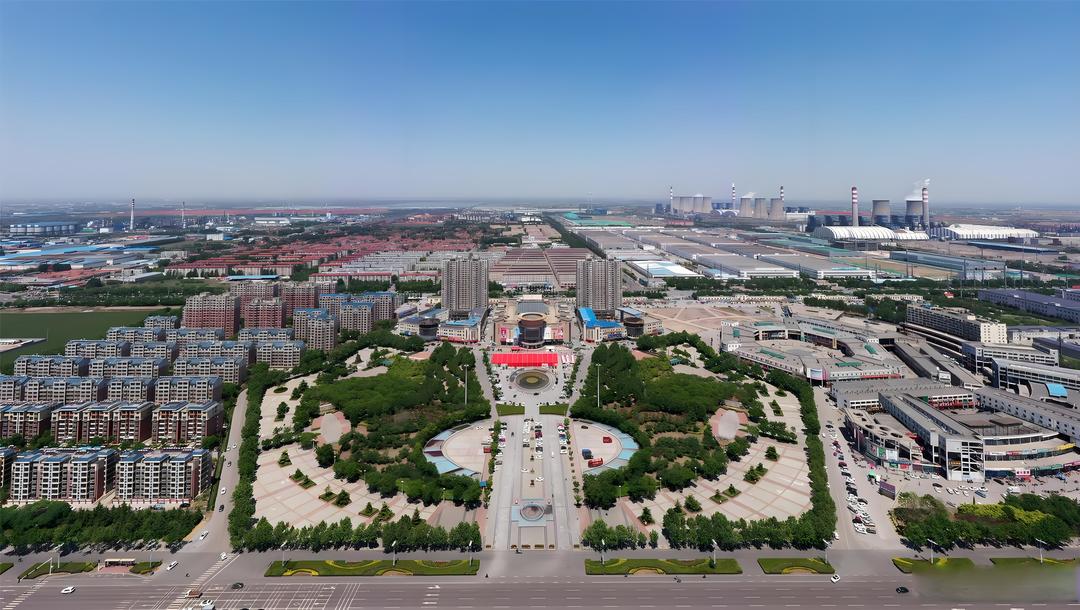
滨州今年国企资产焕新率将达70%以上
Qi Lu Wan Bao· 2026-01-20 09:29
Group 1 - The core focus of the report is on promoting reform and opening up in Binzhou, aiming to enhance vitality and momentum for development [1] - The government plans to implement over 50 reform initiatives and achieve a 70% asset renewal rate in the new round of state-owned enterprise reforms [3] - The city aims to expand foreign trade by adding 260 new foreign trade enterprises and developing new cross-border e-commerce models [3] Group 2 - The report emphasizes the importance of optimizing the business environment by enhancing grassroots government services and implementing a "no disturbance" model for administrative enforcement [3] - There is a commitment to fostering entrepreneurial spirit and supporting entrepreneurs through various platforms and initiatives [4] - The government aims to cultivate a new generation of entrepreneurs and provide comprehensive support to help them succeed [4]
安徽国企改革板块1月20日涨0.96%,颀中科技领涨,主力资金净流出1.02亿元
Sou Hu Cai Jing· 2026-01-20 09:03
Core Viewpoint - The Anhui state-owned enterprise reform sector experienced a rise of 0.96% on January 20, with Qizhong Technology leading the gains, while the Shanghai Composite Index fell by 0.01% and the Shenzhen Component Index decreased by 0.97% [1] Group 1: Market Performance - The Anhui state-owned enterprise reform sector saw a rise of 0.96% on the previous trading day [1] - The Shanghai Composite Index closed at 4113.65, down 0.01% [1] - The Shenzhen Component Index closed at 14155.63, down 0.97% [1] Group 2: Capital Flow - The main funds in the Anhui state-owned enterprise reform sector had a net outflow of 102 million yuan [1] - Retail funds experienced a net inflow of 161 million yuan [1] - Speculative funds had a net outflow of 58.92 million yuan [1]

50亿省级国改母基金招GP | 科促会母基金分会参会机构一周资讯(1.14-1.20)
母基金研究中心· 2026-01-20 04:24
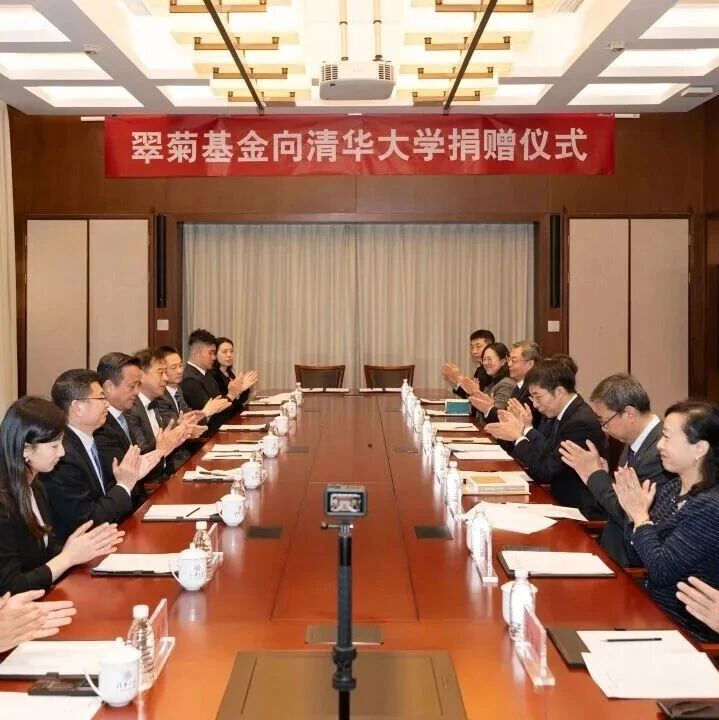
Group 1 - The establishment of the "China International Science and Technology Promotion Association Mother Fund Branch" aims to enhance the role of mother funds in China's capital market and promote the healthy development of the investment industry, particularly the mother fund sector [1][26]. - The Henan Provincial State-owned Enterprise Reform Development Equity Investment Fund, initiated by the Henan Capital Group, has a scale of 5 billion yuan and focuses on investment in key industries and strategic emerging industries within Henan Province [2][4]. - The sub-fund management institutions are required to secure at least 50% of the total fund size in investment intentions, excluding contributions from the mother fund [4]. Group 2 - Coller Capital has successfully raised $17 billion for its largest fund, Coller International Partners IX, which focuses on secondary market transactions in private equity [8][9]. - The fund aims to provide diversified investment opportunities in the private equity secondary market and has already invested over 70% of its capital [9]. - The fund's investor base includes over 250 participants, comprising major pension funds, insurance companies, sovereign wealth funds, and other financial institutions [9]. Group 3 - Guoxin Fund led a financing round for Shize Biotechnology, which specializes in iPSC-derived cell therapies for neurological diseases, highlighting the potential of cell therapy in the biopharmaceutical sector [10][12]. - Shize Biotechnology has received multiple clinical trial approvals from both Chinese and U.S. regulatory authorities, indicating its strong position in the market [12][13]. - The investment from Guoxin Fund is part of a broader strategy to enhance state-owned capital's presence in the biotechnology field, aiming to support high-quality development in cell therapy [14]. Group 4 - Wuhan Haipai Technology has officially opened in the Yangguang Chuanggu Park, focusing on large-scale interactive sports solutions, which adds momentum to the local industry [15][17]. - The company has developed advanced positioning systems and interactive technologies, with a team comprising members from leading tech firms [17]. Group 5 - The launch of the Rui Chi C9, a new smart light truck by Rui Chi Automotive, reflects the rapid development of the new energy commercial vehicle market in Chongqing, with a starting price of 169,900 yuan [20][21]. - Two Rivers Capital has been actively involved in optimizing governance and strategic decision-making for Rui Chi Automotive, ensuring alignment with long-term development goals [21]. Group 6 - The Cui Ju Fund has made a donation to Tsinghua University to support campus infrastructure and talent development, emphasizing the importance of collaboration between educational institutions and social forces [24][25].
中药行业周报:关注基药目录调整最新进展-20260118
Xiangcai Securities· 2026-01-18 12:17
Investment Rating - The industry maintains a "Overweight" rating, suggesting a positive outlook for investment opportunities in the sector [6]. Core Insights - The Chinese medicine sector experienced a decline of 1% last week, with the overall pharmaceutical and biological index down by 0.68%. The only sub-sector to record positive returns was medical services, which rose by 3.29% [2]. - The price-to-earnings (PE) ratio for the Chinese medicine sector is currently at 27.11X, a decrease of 0.28X week-on-week, while the price-to-book (PB) ratio stands at 2.28X, down by 0.02X. These ratios indicate that the sector is within the 28.25% and 5.37% percentiles since 2013, respectively [3]. - The market for traditional Chinese medicine materials is experiencing reduced traffic, with a downward trend expected throughout 2025 due to supply expansion leading to a mismatch in supply and demand. The overall price index for traditional Chinese medicine materials fell by 29.31 points from the beginning to the end of 2025 [4]. - The adjustment of the essential drug list is anticipated to make significant progress in 2026, enhancing the accessibility of grassroots medications and potentially expanding the market rapidly [5]. Summary by Sections Market Performance - The Chinese medicine sector's index closed at 6350.32 points, reflecting a 1% decline last week. In comparison, the chemical pharmaceuticals and biological products sectors also saw declines of 2.4% and 1.21%, respectively [2][12]. Valuation - The current PE ratio for the Chinese medicine sector is 27.11X, with a year-high of 30.26X and a year-low of 24.72X. The PB ratio is 2.28X, with a maximum of 2.52X and a minimum of 2.17X over the past year [3]. Supply Chain Insights - The market for traditional Chinese medicine materials is currently facing a decrease in traffic, with a price index showing a downward trend. The overall price index for 2025 is expected to reflect a decline due to previous overproduction [4]. Policy Developments - The essential drug list has not been updated since 2018, but significant adjustments are expected in 2026, which may enhance the synergy between the essential drug list and medical insurance policies [5]. Investment Recommendations - The report suggests focusing on three main investment themes: price governance, consumption recovery, and state-owned enterprise reform. Companies with strong R&D capabilities and unique products are highlighted as potential investment opportunities [6][10].


国资锚定新质生产力 文科股份重塑国企上市公司价值释放路径
Jin Tou Wang· 2026-01-17 05:40
Core Insights - The article highlights the transformation of state-owned enterprises (SOEs) in China, particularly Guangdong Wenkai Green Technology Co., Ltd., which is leveraging state-owned credit and market mechanisms to unlock significant potential in the green energy sector [1] Business Iteration - The company has shifted from a traditional landscaping business to a "green industry comprehensive service provider," establishing a three-dimensional business system that includes ecological environment, green energy, and innovative services, aligning with national energy strategies during the 14th Five-Year Plan [2] Green Energy Growth - The green energy segment has become a core pillar for profit recovery, with the company focusing on distributed photovoltaics, energy storage, and new energy EPC projects, achieving a signed rooftop photovoltaic project capacity of 130 MW by November 2024, with an expected grid connection of 60 MW by year-end [3] Traditional Business Value Regeneration - The company has upgraded its client structure by moving away from high-risk real estate clients to focus on government platforms and Fortune 500 companies, successfully winning bids in urban renewal and ecological restoration, while also expanding into the Middle East market [4] State-Owned Capital Empowerment - The unique advantage of SOEs lies in their credit premium and resource integration capabilities, with Wenkai benefiting from the platform advantages of its controlling shareholder, Foshan Jianfa, which has a substantial asset scale and strong credit ratings, enhancing the company's financial resilience [5] Resource Coordination - The relocation of Wenkai to Foshan Shunde aims to strengthen business collaboration with Foshan Jianfa, allowing the company to prioritize local industrial park projects and effectively manage debt risks through innovative solutions [6] Forward-Looking Layout - The company is proactively entering cutting-edge fields such as virtual power plants and carbon trading, leveraging state-owned resources to establish long-term growth barriers, aligning with the needs of China's new power system [8] Business Synergy - The integration of ecological restoration and green energy businesses is creating a unique model that mitigates risks from industry fluctuations, providing multiple support for performance growth [9] Value Insights - The transformation of Wenkai offers three key insights for SOEs: strategic alignment with national goals, state capital empowerment for stability, and continuous innovation to expand value boundaries, indicating a potential window for value re-evaluation in SOEs amid energy transition [10]

中国平煤神马集团揭牌 近6000亿元规模能源化工“新航母”启航
Shang Hai Zheng Quan Bao· 2026-01-16 18:40
Core Viewpoint - The establishment of China Pingmei Shenma Group marks a significant milestone in the strategic restructuring of Henan Energy Group and Pingmei Shenma Group, creating a new energy and chemical industry giant with an asset scale of nearly 600 billion yuan and an annual revenue of approximately 300 billion yuan [1][2]. Group 1: Restructuring Overview - The restructuring is the largest competitive enterprise asset restructuring in Henan's history, aimed at resource integration and overcoming industrial development bottlenecks [1][2]. - The merger combines Henan Energy Group's focus on coal and gasification with Pingmei Shenma Group's coal coking industry, creating a complementary industrial structure [1][2]. Group 2: Financial and Operational Details - Post-restructuring, the total assets of China Pingmei Shenma Group reach 590 billion yuan, with a revenue scale of about 300 billion yuan, and it controls five A-share listed companies [2]. - The group has significant market positions in various sectors, including leading quality in main coking coal, nylon 66 salt, and engineering plastics, with coal reserves exceeding 30 billion tons [2]. Group 3: Governance and Strategic Direction - The governance structure of China Pingmei Shenma Group has been established, with key leadership appointments made, including Li Mao as Chairman and Yang Heng as General Manager [3]. - The company will focus on energy and functional materials, emphasizing smart empowerment, green transformation, and integrated innovation, with plans to develop special nylon fibers, hydrogen energy, and new energy storage [4].
中国平煤神马集团揭牌近6000亿元规模能源化工“新航母”启航
Shang Hai Zheng Quan Bao· 2026-01-16 18:34
Core Viewpoint - The establishment of China Pingmei Shenma Group marks a significant milestone in the strategic restructuring of Henan Energy Group and Pingmei Shenma Group, creating a new energy and chemical industry giant with an asset scale of nearly 600 billion yuan and an annual revenue of approximately 300 billion yuan [1][2]. Group 1: Restructuring Overview - The restructuring is the largest competitive enterprise asset restructuring in Henan's history, aimed at resource integration and overcoming industrial development bottlenecks [1][2]. - The merger combines Henan Energy Group's focus on coal and gasification with Pingmei Shenma Group's coal coking industry, creating a complementary industrial structure [1][2]. Group 2: Financial and Structural Details - Post-restructuring, the total assets of China Pingmei Shenma Group reach 590 billion yuan, with a revenue scale of about 300 billion yuan, and it holds controlling stakes in five A-share listed companies [2]. - The group has significant market positions in various sectors, including leading quality in main coking coal, nylon 66 salt, and engineering plastics, with coal reserves exceeding 30 billion tons [2]. Group 3: Governance and Strategic Direction - The governance structure of China Pingmei Shenma Group has been established, with key leadership appointments made, including Li Mao as Chairman and Yang Heng as General Manager [3]. - The company will focus on energy and functional materials, emphasizing smart empowerment, green transformation, and integrated innovation, with plans to develop special nylon fibers, hydrogen energy, and new energy storage [4].
1月16日国企改革(399974)指数跌0.43%,成份股金风科技(002202)领跌
Sou Hu Cai Jing· 2026-01-16 10:16
Group 1 - The core index of state-owned enterprise reform (399974) closed at 1984.5 points, down 0.43%, with a trading volume of 254.11 billion yuan and a turnover rate of 1.24% [1] - Among the constituent stocks, 34 companies saw an increase, with China Resources Microelectronics leading with a 13.04% rise, while 64 companies experienced a decline, with Goldwind Technology leading the drop at 9.99% [1] Group 2 - The net outflow of main funds from the constituent stocks of the state-owned enterprise reform index totaled 5.94 billion yuan, while the net outflow of speculative funds was 430 million yuan [2] - Retail investors contributed a net inflow of 6.37 billion yuan into the constituent stocks [2]