直播带货

Search documents
重庆江津培养青年主播人才:让乡村“长”出自己的美好生活推荐官
Zhong Guo Qing Nian Bao· 2025-09-17 00:02
Core Insights - The initiative "Rural Beautiful Life Recommendation Officer" in Jiangjin District has successfully utilized youth talents to promote local products and culture through social media, resulting in significant engagement and visibility for rural areas [1][7]. Group 1: Training Needs and Strategies - Jiangjin District identified key challenges in rural development, including low awareness of local products and ineffective marketing strategies, leading to a need for targeted training programs [2][3]. - The training program leverages three main youth forces: university students serving as deputy secretaries in village committees, youth scholars participating in social practices, and experiences from previous initiatives [2][3]. - A structured training approach was adopted, focusing on essential skills such as legal knowledge, content planning, and effective marketing techniques for agricultural products [3][4]. Group 2: Training Implementation and Outcomes - The training program is designed in phases, emphasizing practical application and continuous feedback, with a selective recruitment process to ensure committed participants [4][5]. - After the training, participants produced over 60 high-quality short videos, achieving a total view count exceeding 3 million, with several videos gaining over 100,000 views [7][8]. - Continuous support and mentorship will be provided to graduates for a year, ensuring they can apply their skills effectively in rural revitalization efforts [8][9]. Group 3: Long-term Vision and Impact - The ultimate goal of the training is to empower participants to apply their skills in real-world rural revitalization projects, fostering a sustainable talent pool for rural communication and development [9]. - The initiative aims to create a structured talent development system that combines village leaders, young entrepreneurs, and new media professionals to enhance rural marketing and product visibility [9].
5万“坑位费”请大网红带货啤酒,咋就只成交1单?
Xin Hua She· 2025-09-16 12:30
Core Viewpoint - The disparity between the high costs associated with influencer marketing and the actual sales results highlights the deceptive practices within the live-streaming e-commerce industry, raising concerns about the integrity of data presented by influencers and the potential exploitation of small businesses [2][3]. Group 1: Influencer Marketing Issues - A businessman in Heilongjiang paid 50,000 yuan as a "placement fee" to a popular influencer with millions of followers, expecting significant sales, but only one order was completed [2]. - Another case involved a businessman from Henan who was promised a minimum sale of 20,000 pairs of shoes but ended up selling only 58 pairs, which is less than 0.3% of the promised amount [2][3]. - Influencers often evade accountability by claiming that contracts do not guarantee sales, leading to frustration among businesses seeking refunds [3]. Group 2: Data Integrity Concerns - Complaints regarding live-streaming sales have surged, with 402,000 reports received in 2024, marking a 19.3% increase from the previous year, and complaints related to short video platforms rising by 48.8% [3]. - Many small businesses lack the ability to discern the reliability of the data presented by influencers, which can include purchased followers and manipulated view counts [3][5]. - The discrepancy between the impressive data shown before signing contracts and the actual sales results raises questions about the authenticity of the influencers' claims [3]. Group 3: Regulatory and Ethical Considerations - China's e-commerce law prohibits false advertising and data manipulation, emphasizing the need for truthful marketing practices [4]. - The live-streaming industry is urged to enhance data verification processes to ensure that displayed metrics are accurate and reflective of market realities [5]. - Regulatory bodies are called to implement targeted management measures to address industry irregularities and enforce stricter oversight against false advertising and data fraud [6].
5万“坑位费”请大网红带货,咋就只成交1单?
Qi Lu Wan Bao· 2025-09-16 08:12
Core Viewpoint - The article highlights the growing concerns regarding the effectiveness and integrity of influencer marketing in live-streaming sales, particularly focusing on the disparity between promised and actual sales outcomes, leading to dissatisfaction among merchants [1][2][3]. Group 1: Case Studies - A businessman in Heilongjiang paid 50,000 yuan as a "slot fee" to a popular influencer with millions of followers, expecting significant sales, but only one order was completed [1][2]. - Another case involved a merchant in Henan who was promised a minimum sale of 20,000 pairs of shoes but ended up selling only 58 pairs, which is less than 0.3% of the promised amount [2][3]. Group 2: Market Trends - Complaints related to live-streaming sales have surged, with the 12315 platform receiving 402,000 complaints in 2024, marking a 19.3% increase year-on-year, and complaints on short video platforms rising by 48.8% [2]. Group 3: Industry Practices - Many influencers and agencies exploit information asymmetry, leading to misleading data presentations that can deceive small merchants into signing unfavorable contracts [3][4]. - The article emphasizes that some influencers may inflate their follower counts and engagement metrics through artificial means, such as purchasing fake followers or using bots [3][5]. Group 4: Regulatory Environment - China's e-commerce law prohibits false advertising and misleading commercial practices, while the "Network Live Marketing Management Measures" specifically bans data manipulation in live-streaming [4][5]. - There is a call for improved regulatory measures to address industry malpractices, enhance data authenticity, and ensure that live-streaming platforms uphold integrity in their operations [5]. Group 5: Recommendations for Merchants - Merchants are advised to critically assess potential partners beyond just follower counts, focusing on past performance and customer feedback, and to clearly outline key contractual terms to mitigate risks [5].


“三只羊”复播 大小杨哥缺席 客服回应
2 1 Shi Ji Jing Ji Bao Dao· 2025-09-16 04:49
Core Viewpoint - The company "San Zhi Yang" has resumed its live streaming activities after nearly a year of silence, with a focus on engaging with the audience rather than heavy sales pitches [1][4]. Group 1: Resumption of Live Streaming - On September 15, "San Zhi Yang" officially resumed live streaming, with hosts "Zui Ge," "Qiao Mei," and "Lao K" leading the broadcasts in a low-key manner [1]. - The live streams attracted significant viewership, with "Zui Ge" reaching over 100,000 online viewers shortly after starting [1]. - The hosts indicated that the primary goal of the live streams was to reconnect with the audience rather than to focus on selling products [1]. Group 2: Background and Developments - The launch of the "Xiao Yang Zhen Xuan" app in April 2023 marked a shift towards a membership model, offering exclusive benefits for a fee of 99 yuan per year [4][6]. - The app's introduction is seen as a signal of the company's return to the market, despite the previous suspension of its live streaming accounts [6][7]. - Following a significant penalty of 68.95 million yuan for misleading marketing practices, the company has been actively working on compliance and rectification measures [8][9]. Group 3: Compliance and Rectification Efforts - The company has established a comprehensive rectification task force to address various operational aspects, including product selection, quality control, and customer service [9]. - The company has committed to compensating affected consumers, with a total of 27.78 million yuan already paid out in refunds related to previous product issues [8][9].

“三只羊”复播,大小杨哥缺席,客服回应
21世纪经济报道· 2025-09-16 04:43
Core Viewpoint - The company "San Zhi Yang" has resumed its live streaming activities after a year of silence, indicating a potential recovery and strategic shift in its business model, particularly with the launch of its membership-based app "Xiao Yang Zhen Xuan" [1][3][5]. Group 1: Resumption of Live Streaming - On September 15, 2023, "San Zhi Yang" resumed live streaming with its hosts using a matrix format, achieving over 100,000 viewers in the first few minutes [1]. - The hosts indicated that the primary purpose of the live stream was to reconnect with the audience rather than focus on sales [1]. Group 2: Launch of Membership App - In April 2023, "San Zhi Yang" launched the "Xiao Yang Zhen Xuan" app, which operates on a membership model costing 99 yuan per year, offering exclusive discounts and services [2][5]. - The company clarified that the app's launch does not signify a withdrawal from live streaming but aims to enhance product quality and diversify shopping options for consumers [5]. Group 3: Regulatory Issues and Penalties - "San Zhi Yang" faced significant penalties totaling 68.9495 million yuan due to issues related to its live streaming sales, including misleading product origins [6][7]. - The company has been actively working on rectifying these issues, establishing a comprehensive reform team to address various operational aspects [7].

千笔楼丨5万元“坑位费”换来1单成交量,网红带货水分该怎么挤?
Xin Hua Wang· 2025-09-16 02:57
Core Viewpoint - The article highlights the growing concerns regarding the effectiveness and reliability of influencer marketing in live-streaming sales, particularly focusing on the disparity between promised and actual sales outcomes, leading to dissatisfaction among small merchants [2][3][6]. Group 1: Issues Faced by Merchants - Merchants like Mr. Tao and Mr. Xue have experienced significant discrepancies between the sales promised by influencers and the actual sales achieved, with Mr. Tao only selling 1 unit despite a 50,000 yuan "placement fee" and Mr. Xue selling only 58 pairs of shoes against a promised 20,000 pairs [2][3]. - Influencers often evade accountability by claiming that contracts do not guarantee sales, which has led to frustration among merchants seeking refunds [6][9]. Group 2: Data Reliability Concerns - The article points out that many merchants are misled by seemingly impressive data presented by influencers, such as high follower counts and live viewer numbers, which may not reflect genuine engagement or sales [7][9]. - There are allegations that some influencers engage in practices like purchasing fake followers and manipulating live-stream data, which undermines the integrity of the marketing process [10][12]. Group 3: Regulatory and Industry Response - The increase in complaints related to live-streaming sales, with 402,000 reports in 2024, indicates a growing need for regulatory oversight in this sector [6]. - The article calls for improved regulations and enforcement against deceptive practices in influencer marketing, emphasizing the need for platforms to ensure data accuracy and transparency [10][12]. Group 4: Recommendations for Merchants - Merchants are advised to critically evaluate potential influencer partnerships, focusing on past performance and genuine user feedback rather than just follower counts [12]. - It is recommended that merchants clearly outline their rights and obligations in contracts to mitigate risks associated with verbal agreements [12].

千笔楼|5万元“坑位费”换来1单成交量,网红带货水分该怎么挤?
Xin Hua She· 2025-09-16 02:42
Core Viewpoint - The article highlights the growing discontent among small merchants regarding the effectiveness and reliability of influencer marketing, particularly in live streaming sales, where promised sales figures often do not materialize, leading to financial losses for businesses [1][4][6]. Group 1: Case Studies of Merchants - A merchant in Heilongjiang paid 50,000 yuan as a "slot fee" to an influencer with millions of followers, expecting to sell 6,000 to 8,000 units of beer, but only one sale was made [1][4]. - Another merchant from Henan invested 50,000 yuan and prepared over one million yuan worth of inventory based on promises of selling 20,000 pairs of shoes, but only 58 pairs were sold, which is 0.3% of the promised amount [2][6]. Group 2: Complaints and Regulatory Response - Merchants are facing difficulties in obtaining refunds, as influencers' representatives claim that contracts do not guarantee sales volumes, leading to frustration among affected merchants [6][9]. - In 2024, the 12315 platform received 402,000 complaints related to live streaming sales, marking a 19.3% increase from the previous year, with complaints on short video platforms rising by 48.8% [6][10]. Group 3: Issues with Data Integrity - Many merchants are misled by seemingly impressive data presented by influencers, such as high online viewer counts and sales figures, which may not reflect actual performance due to potential data manipulation [7][9]. - The article emphasizes that some influencers may use purchased followers and artificial engagement tactics, leading to a significant disparity between reported and actual sales [7][10]. Group 4: Recommendations for Improvement - The article calls for stricter regulations and oversight in the live streaming e-commerce sector to combat issues like false advertising and data manipulation, urging platforms to ensure data integrity [10][12]. - Merchants are advised to critically evaluate potential influencer partnerships, focusing on past performance and user reviews rather than just follower counts, and to clearly outline contractual terms to protect their interests [12].

网络零售大有潜力可挖
Jing Ji Ri Bao· 2025-09-16 00:04
Group 1 - The core viewpoint highlights the robust growth of e-commerce in China, with online retail sales increasing by 9.2% year-on-year from January to July, marking a new high for the year [1] - The online retail sector is reshaping consumer shopping habits and the retail landscape, driven by technological advancements such as big data and artificial intelligence, which enhance shopping efficiency [1][2] - The number of online shopping users in China has surpassed 900 million, with rural online retail sales growing by 6.4% in the first seven months of the year, indicating a shift in consumption patterns among rural residents [1][2] Group 2 - Policies like trade-in programs have significantly boosted rural consumption, with sales during the "618" shopping festival in county areas increasing by 54%, highlighting a shift towards new consumer goods [2] - The China Chain Store & Franchise Association reported that the top 100 online retail companies achieved a total sales volume of 2.17 trillion yuan, reflecting a year-on-year growth of 13.6% [2] - The ongoing transformation in the online retail market emphasizes the need for high-quality consumer supply and the expansion of new e-commerce models such as live streaming and instant retail [2][3] Group 3 - The increase in online retail activity has raised expectations for logistics efficiency, necessitating improvements in service networks and technology applications to meet diverse consumer needs [3] - There is a focus on enhancing the logistics distribution system, including cold chain logistics and village service stations, to facilitate better access to e-commerce for rural residents [3]
辛巴退网!超级头部带货主播时代落幕
3 6 Ke· 2025-09-13 05:04
Core Insights - Kuaishou's e-commerce GMV reached 1.39 trillion yuan in 2024, with Xinban's company, Xinxuan, targeting an annual GMV of 50 billion yuan, representing approximately 3.6% of Kuaishou's total GMV if achieved [1] - Xinban's recent announcement of stepping back from live streaming has minimal impact on Kuaishou but is critical for Xinxuan, which relies heavily on his leadership [1][2] - The era of top-tier live streamers is fading, raising questions about Xinxuan's future without Xinban's direct involvement [1][2] Group 1: Xinban's Withdrawal and Its Implications - Xinban's exit from the live streaming scene has led to speculation about the reasons behind it, including potential crisis management strategies amid controversies surrounding Xinxuan's products [2] - Despite Xinban's claims of stepping back due to health reasons, rumors of his investigation by authorities have circulated, adding uncertainty to Xinxuan's operations [2][3] - The company has begun layoffs, with reports indicating a significant reduction in workforce, which may affect its operational capacity [3][4] Group 2: Business Operations and Challenges - Xinxuan's self-operated brands contribute approximately 15%-20% of the company's total GMV, with a focus on improving profit margins [6] - The company has diversified into self-operated brands, including sanitary products and food items, but faces challenges in maintaining sales amid negative publicity [5][6] - Xinxuan's reliance on Kuaishou for its primary sales channel poses risks, especially as competition from other platforms and streamers increases [5][10] Group 3: Future Prospects and Competition - The departure of Xinban raises concerns about Xinxuan's ability to sustain its previous sales performance, particularly as other top streamers also face declining sales [11] - The potential for other streamers to capture Xinban's audience adds competitive pressure, with notable figures like "Taiyuan Old Ge" posing a threat due to their high streaming frequency [10][11] - Xinxuan's future hinges on the performance of its remaining key streamers, particularly "Egg" (Dandan), whose sales contributions are significant [9][10]
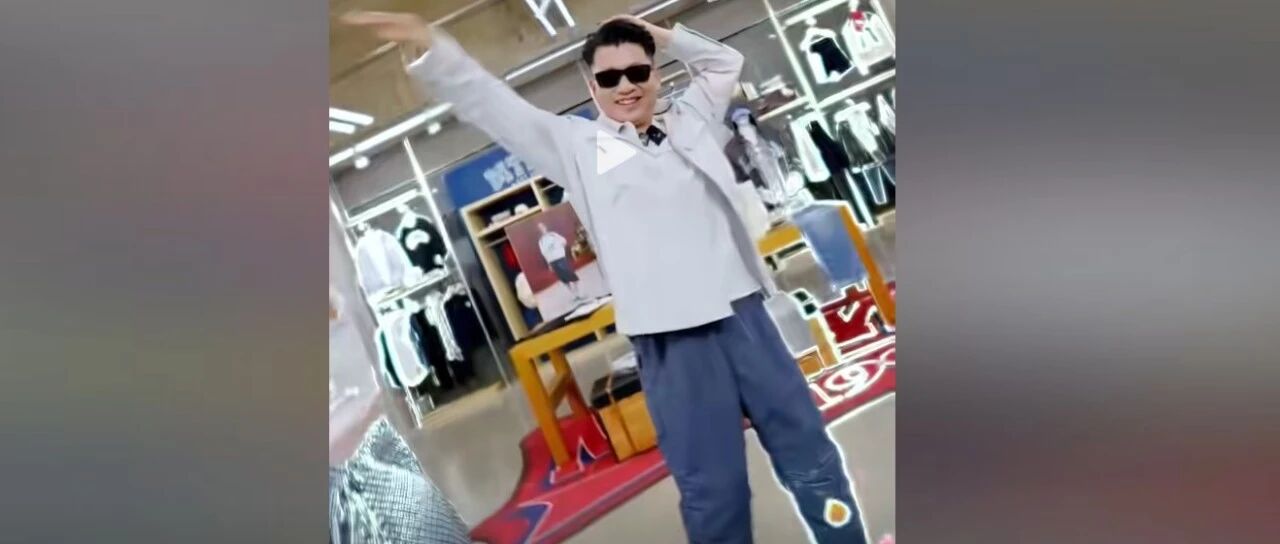
在直播间跳舞的董事长
经济观察报· 2025-09-12 12:39
Core Viewpoint - The chairman of Meibang Apparel, Zhou Chengjian, is attempting to connect with the younger generation despite being at retirement age, as evidenced by his active presence on social media and participation in live streaming events [1][3]. Financial Performance - Meibang Apparel's stock price increased from 1.97 CNY per share to a peak of 2.94 CNY per share, marking a nearly 50% rise since September 1, 2025 [2]. - The company reported a significant decline in revenue, with a 45.23% drop year-on-year to 227 million CNY in the first half of 2025, and a net profit decrease of 87.07% to 9.93 million CNY [7]. - The revenue from men's clothing fell by 30.46% to 114 million CNY, while women's clothing revenue decreased by 23.57% to 62 million CNY [7]. Leadership and Strategy - Zhou Chengjian has returned to lead Meibang Apparel after his daughter, Hu Jiajia, stepped down due to significant losses during her tenure, which saw the company lose 3.2 billion CNY over seven years [6]. - Zhou has embraced social media, particularly Douyin (TikTok), where he has gained 83,000 followers and actively engages with consumers through live streaming [10]. - The chairman aims to reshape the brand's image to appeal to younger consumers by emphasizing youthfulness, trendiness, comfort, and cost-effectiveness [10]. Market Presence - The top five stores by revenue are located primarily in second-tier cities, indicating challenges for the brand in first-tier cities like Beijing and Shanghai [8]. - Zhou's live streaming efforts, including dancing and product demonstrations, are part of a broader strategy to revitalize the brand and engage directly with consumers [12].