
双碳目标

Search documents
深圳国际金融大会聚焦 周延礼:保险业担当安全与发展基石
Nan Fang Du Shi Bao· 2025-11-19 13:58
Core Viewpoint - The "2025 Shenzhen International Financial Conference" emphasizes the role of the insurance industry in building a strong financial nation and supporting the high-level opening of the Greater Bay Area, highlighting the need for the industry to evolve from traditional risk compensation to comprehensive risk management [2][4]. Group 1: Insurance Industry's Role - The insurance industry is crucial in balancing safety and development, serving the real economy, and strengthening social security [2]. - The industry must align closely with national strategies and integrate deeply into the financial innovation of the Greater Bay Area [4]. Group 2: Financial Policy and Innovation - A preliminary financial policy matrix for the Greater Bay Area has been established, with significant reforms and pilot programs set to enhance cross-border financial services [4][5]. - Innovations in cross-border financial connectivity, such as currency bridge settlement and cross-border vehicle insurance, have made significant progress [5]. Group 3: Supporting the Real Economy - The insurance sector needs to accurately meet the demands of the modern industrial system, particularly in critical areas like high-end chips and industrial software [5]. - Customized insurance solutions are being developed to help technology companies mitigate risks associated with rapid technological changes [5]. Group 4: Green Transformation - The insurance industry is focusing on supporting green projects through long-term capital tools and integrating extreme weather risks into coverage [6]. - Insurance funds in Guangdong have reached 37 trillion yuan, with potential for greater impact in green infrastructure [6]. Group 5: Social Security and Risk Management - The industry must address challenges posed by an aging population and new employment models, leveraging digital tools to reduce operational costs [6]. - A proactive regulatory framework is needed to enhance risk identification capabilities, utilizing technology to build disaster databases and improve risk models [6][7]. Group 6: Strategic Opportunities - The insurance sector is encouraged to seize opportunities presented by the "15th Five-Year Plan," positioning itself as a protector of safe development across various sectors [7].

2025第四届风电叶片等复合材料循环再利用产业化发展大会圆满落幕
Zheng Quan Ri Bao Wang· 2025-11-19 12:31
Group 1 - The conference focused on the theme of "green chemical recycling, empowering industrial scale landing," aiming to construct a comprehensive solution for the entire industry chain from decommissioning to resource regeneration [1] - The National Development and Reform Commission has set an ambitious goal for 2035, targeting wind and solar installed capacity to exceed six times that of June 2020, highlighting the importance of recycling and utilization of wind turbine blades as a typical representative of emerging industrial waste [1] - The event featured 15 industry experts discussing the current status, environmental impact, and challenges of fiber composite material waste resources, including topics like zero-carbon park construction and recycling technology [2] Group 2 - Zhang Rongqi, Secretary-General of the China Material Recycling Association, presented a report on the regional distribution and disposal application analysis of the projected 2 million tons of wind turbine blade waste by 2035, along with detailed interpretations of various standards [2] - The recycling industry for wind turbine blades and fiber composite materials is still in its early stages, facing challenges in technology, business models, and downstream applications, necessitating a solid technological foundation and the development of high-value applications [2] - There is a need to shift recycled products from low-value to high-value applications to overcome industry bottlenecks and establish a complete industrial system [2]
这一重大工程,每年可新增约3000万吨碳汇
中国能源报· 2025-11-19 12:23
Core Points - The Qinghai-Tibet Plateau's major ecological protection and restoration projects can annually add approximately 30 million tons of carbon sinks [1] - The plateau currently has an annual carbon surplus exceeding 65 million tons, with its ecological system contributing about 120 to 140 million tons of carbon sinks each year, accounting for 10% to 16% of the national total [1] - The newly developed atmospheric carbon inversion system, "Gongga Model," is the first of its kind in China and has been certified by the "Global Carbon Project" [1] - The carbon sink function of the Qinghai-Tibet Plateau is significantly influenced by changes in water and heat conditions, with enhanced carbon sink functionality observed under warmer and wetter climate conditions [1] - The highest net carbon sink values in the plateau's alpine ecosystem occur at altitudes around 4,000 meters, where taller plant communities can sequester more carbon from the atmosphere [1] - Microorganisms play a crucial role in regulating soil carbon decomposition and stabilization in the Qinghai-Tibet Plateau [1] - Future improvements in the carbon sink function of the plateau can be achieved through enhanced ecological protection and the implementation of ecological civilization strategies [2]

四川全口径外送电量突破1.9万亿千瓦时
Zhong Guo Xin Wen Wang· 2025-11-19 09:25
在硬件设施升级的同时,四川电力交易体系持续完善。"十四五"以来,四川电力交易中心响应全国统一 电力市场建设要求,统筹新能源与常规能源发电,实现水火风光"同台竞技",建立高效供需对接机制。 目前,四川电力现货市场已进入结算试运行阶段,具有水电特色的市场机制日趋成熟,为清洁能源稳定 外送提供坚实机制保障。(完) 来源:中国新闻网 编辑:王永乐 中新网成都11月19日电 (记者 刘忠俊)记者19日从国网四川省电力公司获悉,四川全口径外送电量已突 破1.9万亿千瓦时。目前,该省电网跨区跨省外送能力达6260万千瓦,稳居全国首位。 正在进行最后调试工作的金沙江上游—湖北±800千伏特高压直流输电工程卡麦换流站。刘钦虎 摄 据了解,作为中国西部大开发战略的重要组成部分,"西电东送"是加快新型能源体系建设、促进东西部 协同发展的重大举措。自1998年四川开启省外送电以来,27年间累计向华中、华东等地区外送清洁电 能,相当于替代燃煤约5.7亿吨,减排二氧化碳约10.9亿吨,为全国能源绿色低碳转型、生态环境保护提 供有力支撑,助力"双碳"目标实现。 四川能源资源禀赋优越,自"西电东送"战略实施以来,已逐步建成全国重要清洁能源基 ...

独立储能机遇与产业实操 (闭门分享会)
第一财经· 2025-11-19 05:29
Core Insights - The article discusses the opportunities and operational practices in the independent energy storage market, highlighting the importance of policy support and market dynamics in driving growth [5][6]. Group 1: Market Analysis and Development - The independent energy storage market is driven by national "dual carbon" goals and the construction of a new power system, with policies continuously improving and diversifying revenue models [5]. - China's independent energy storage capacity is rapidly increasing, with cumulative installations expected to exceed 100 GW by 2025 and aim for 180 GW by 2027 [5]. - Revenue models for independent storage include spot trading, ancillary services, and capacity pricing, with regional variations in profitability [5]. - Key challenges include high financing thresholds, long investment return cycles, and frequent provincial policy changes affecting revenue stability [5]. Group 2: Project Selection and Investment Logic - Site selection strategies prioritize areas with favorable grid structures, renewable energy absorption capabilities, and mature policies [5]. - Core operational metrics for equipment include online rate, operational efficiency, depth of charge and discharge, and capacity degradation rate [5]. - Independent storage systems participate in various electricity market transactions, including medium to long-term contracts and ancillary services [5]. Group 3: Market Development Strategies - Successful project development relies on three pillars: investment strategy, technical solutions, and revenue models [6]. - The article outlines market development strategies and pitfalls in different regions, including East China, North China, South China, and Northwest China [6]. - Future directions include deepening electricity market reforms and enhancing operational professionalism to ensure safety and profitability [6]. Group 4: Financing and Risk Management - The financing leasing sector presents both opportunities and challenges for independent energy storage, with a focus on risk management and operational practices [6]. - Statistics on financing leasing companies' investments in independent storage from 2023 to 2025 are provided, highlighting key players in the market [6]. - Innovative financing models such as "City Investment+", F+EPC+F, and cross-border leasing are discussed, along with case studies and lessons learned [6].

聚焦多维度 共赴新未来——2025世界动力电池大会嘉宾精彩观点集萃
中国能源报· 2025-11-19 05:27
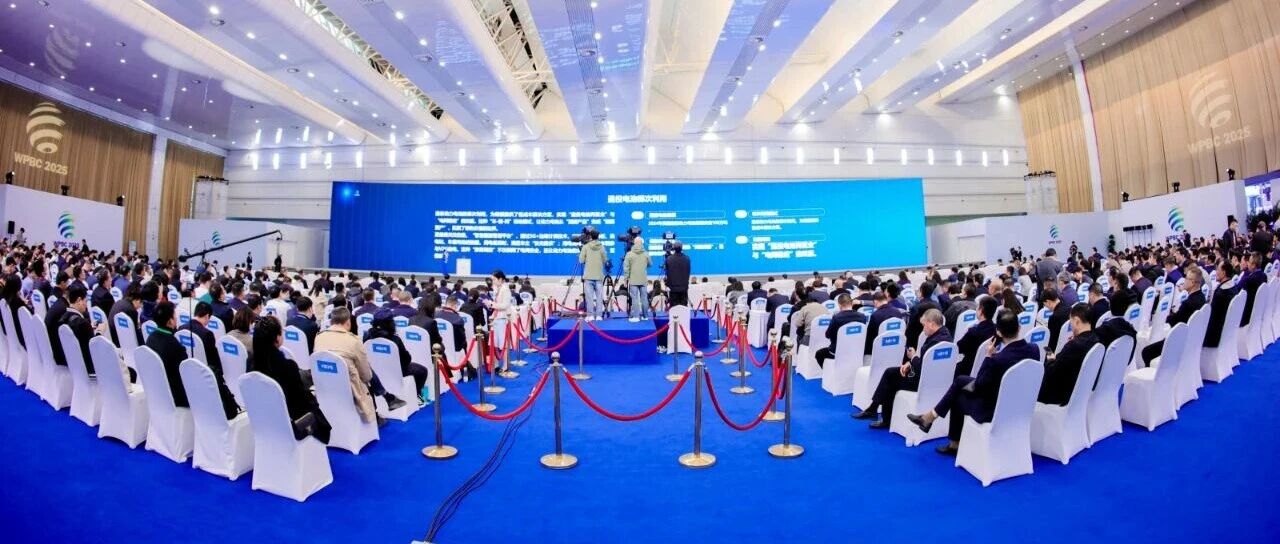
Core Viewpoint - The 2025 World Power Battery Conference held in Yibin, Sichuan, focused on the future of the power battery industry, emphasizing high-quality development through discussions on technology, innovative applications, recycling systems, and safety standards [2]. Group 1: Recycling and Sustainability - Battery recycling is a critical component for resource security and green transformation in the industry, making it a hot topic at the conference. A high-efficiency and green recycling system is deemed essential for the industry to transition towards a circular economy [4]. - Experts highlighted the urgent need for battery recycling, including secondary utilization and raw material regeneration, with advancements in intelligent recycling processes and cost reduction strategies [6]. - The current battery recycling industry faces significant challenges, including low recovery efficiency despite a large number of registered collection points. A shift from a segmented operational model to an integrated approach is necessary for sustainable development [6][7]. Group 2: Technological Innovations - Diverse technological routes and innovative application scenarios are expanding the boundaries of the power battery industry. Companies are focusing on solid-state batteries and other advanced technologies to enhance safety and reliability [9]. - The development of solid-state batteries is progressing, with expectations for commercial viability within the next 3 to 5 years, following breakthroughs in low-temperature performance [9]. - The importance of artificial intelligence and theoretical calculations in accelerating the development of high-performance battery materials was emphasized [9]. Group 3: Application Scenarios - The expansion of battery application scenarios is noteworthy, with companies moving from passenger vehicles to commercial vehicles, electric ships, and electric aircraft. The penetration rate of new energy heavy trucks is at an all-time high [10]. - The economic advantages of battery swapping models in the heavy truck sector were analyzed, with efforts underway to establish a national-level platform for standardization [10]. Group 4: New Energy Storage Market - The new energy storage market is projected to grow rapidly, potentially becoming a trillion-level market. Long-duration energy storage technologies are highlighted as key areas for development [12]. - Energy storage is compared to a "Swiss Army knife" in the new energy system, playing multiple roles essential for the construction of a new power system [12]. - Safety and operational intelligence in energy storage systems are critical for healthy industry development, alongside innovations in battery chemistry and manufacturing processes [12].
中国,全球气候治理可信赖的力量
Ren Min Ri Bao· 2025-11-19 03:44
Core Viewpoint - The 30th Conference of the Parties (COP30) in Belém, Brazil, emphasizes the need for global cooperation to address climate change, accelerate emission reductions, and promote an inclusive and just transition [6][9]. Group 1: Climate Agreements and Actions - The Paris Agreement, reached 10 years ago, has successfully reduced the projected global temperature rise from over 4°C to between 2.1°C and 2.8°C by the end of the century [6]. - China has consistently advocated for multilateralism and has made significant contributions to the implementation of the Paris Agreement, showcasing its commitment to global climate governance [7][17]. - China has set ambitious national contributions, including a target for carbon intensity reduction by 2020 and a commitment to achieve peak carbon emissions before 2030, followed by a goal for carbon neutrality by 2060 [10][11]. Group 2: International Cooperation and Support - China has mobilized over 177 billion RMB for climate change South-South cooperation projects, supporting more than 120 developing countries through training and capacity-building initiatives [14][16]. - The "African Light Belt" project exemplifies China's efforts to provide clean energy solutions to developing nations, significantly improving energy access in countries like São Tomé and Príncipe [14]. - China plays a crucial role in facilitating climate funding negotiations, addressing the funding obligations of developed countries under the Paris Agreement, and providing financial support to developing nations [16]. Group 3: Technological Innovation and Green Transition - China aims to achieve a 19.8% share of non-fossil energy in primary energy consumption by 2024, ahead of its 2030 targets, and has become a leader in renewable energy production and electric vehicle sales [11]. - The establishment of a national carbon trading market covering over 60% of carbon emissions demonstrates China's commitment to innovative solutions for reducing emissions [11]. Group 4: Leadership in Climate Negotiations - China has been instrumental in coordinating negotiations at climate conferences, often serving as a bridge between different parties to facilitate consensus [15][16]. - The country has taken on leadership roles in various negotiation topics, including climate finance and technology transfer, reinforcing its position as a key player in global climate governance [16].

海上风电共链启航
Jing Ji Ri Bao· 2025-11-19 03:42
Core Insights - The article highlights significant advancements in China's offshore wind power technology, marking a transition from nearshore to deep-sea leadership, driven by the "14th Five-Year Plan" and the establishment of a modern industrial chain alliance for offshore wind power [1][2][4]. Industry Development - The offshore wind power industry is crucial for energy security and optimizing energy structure, serving as a key driver for marine productivity and enhancing international competitiveness [2][3]. - China has the largest installed capacity of offshore wind power globally, with a cumulative capacity of 44.61 million kilowatts by September 2023, accounting for over half of the world's total [4][5]. Technological Advancements - The development of large-capacity offshore wind turbines has progressed from 3 MW to 20 MW, with expectations to reach nearly 50 million kilowatts of cumulative installed capacity by the end of 2025 [5]. - The levelized cost of electricity (LCOE) for offshore wind power in China is projected to decrease to $0.056 per kilowatt-hour by the end of 2024, reflecting a 22% reduction from 2023 and a 72% decrease since 2010 [5]. Collaborative Innovation - The establishment of the offshore wind power modern industrial chain alliance aims to address common challenges such as technological bottlenecks and supply chain risks through collaborative research and standardization [1][7]. - The industry is shifting towards multi-energy integration and collaborative development, with new business models emerging, such as "wind and fish" and "offshore energy islands" [6][7]. Future Projections - By 2030, the total installed capacity of offshore wind power in China is expected to reach 200 million kilowatts, with an estimated total investment of approximately 2.6 trillion yuan, driving a total industrial output value exceeding 15 trillion yuan [6][7]. Challenges and Solutions - The offshore wind power sector faces challenges related to market fluctuations and the need for breakthroughs in key technologies, including large turbine reliability and flexible direct current transmission systems [7][8]. - The "2025 Offshore Wind Power Modern Industrial Chain Collaborative Action Conference" has released a technology breakthrough list focusing on critical areas to enhance the industry's capabilities [7][8].

JM-S炉碎煤加压气化工艺技术:为无烟碎煤高效清洁气化提供新路径
Zhong Guo Hua Gong Bao· 2025-11-19 03:06
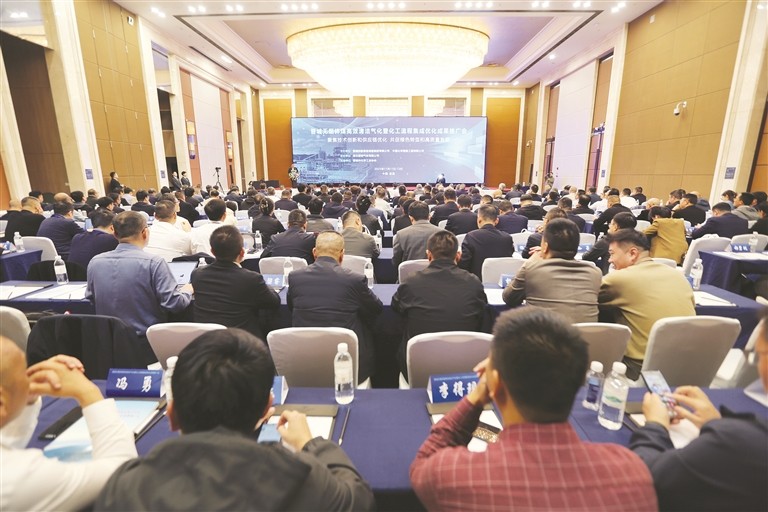
Core Viewpoint - The clean and efficient utilization of coal is a crucial pathway to achieving the "dual carbon" goals, with technological innovation being essential for the green transformation of the coal chemical industry [1][12]. Group 1: Technological Innovation and Development - Jin Energy Holding Equipment Manufacturing Group and China Chemical Saiteng Engineering have successfully developed the JM-S furnace coal gasification technology, which has been applied in the Hubei Jin Energy Gas Company project, demonstrating stable operation and low energy consumption [1][20]. - The JM-S furnace technology has been recognized as a domestic leader in the efficient and clean utilization of smokeless coal, providing a new pathway for its application [1][12]. Group 2: Industry Collaboration and Promotion - A promotional conference was held to discuss the application and development trends of smokeless coal gasification technology, emphasizing the importance of collaboration among industry associations and enterprises [2][8]. - The conference highlighted the innovative value of the JM-S furnace and aimed to facilitate better adoption of this technology within the industry [2][8]. Group 3: Market Trends and Future Outlook - The demand for smokeless coal is declining due to the emergence of new gasification technologies, putting pressure on prices; however, the JM-S furnace technology enhances the economic value of smokeless coal while meeting environmental standards [21]. - The industry is witnessing a shift towards high-value products derived from smokeless coal, such as carbon fibers and graphite electrodes, which are in high demand in sectors like new energy batteries and aerospace [21]. Group 4: Industry Leadership and Standards - The Hubei Jin Energy Gas Company project, utilizing the JM-S technology, has set a new benchmark in the domestic ammonia synthesis industry, achieving significant economic benefits and operational efficiency [20]. - The project has been recognized for its innovative integration of technologies, contributing to the clean and efficient production of ammonia and serving as a model for upgrading older ammonia production facilities [20]. Group 5: Commitment to Sustainable Development - The coal industry is urged to focus on clean and efficient utilization, developing high-value and differentiated products to drive transformation and achieve optimal resource allocation [21]. - The commitment to sustainable practices is seen as essential for building a more environmentally friendly and efficient energy system [21].
山西煤化所联合北大发表最新研究成果
Yang Guang Wang· 2025-11-19 02:50
Core Insights - A significant breakthrough has been achieved in iron-based Fischer-Tropsch synthesis catalysts, achieving CO2 selectivity below 1% and olefin selectivity over 85%, providing a new approach for the clean and efficient utilization of high-carbon resources [1][2] Group 1: Research Findings - The research was conducted by a team from the Shanxi Coal Chemistry Research Institute of the Chinese Academy of Sciences and Professor Martin's team from Peking University, published in the journal Science [1] - Olefins, considered the "cornerstone of the chemical industry," are key raw materials for synthetic fibers, rubber, and plastics, traditionally sourced from petroleum cracking [1] - The study addresses the challenge of traditional iron-based catalysts that generate significant CO2, limiting carbon utilization efficiency and olefin selectivity [1][2] Group 2: Methodology - The research team proposed a trace halogenated alkane co-feeding strategy, utilizing advanced characterization techniques to effectively regulate the catalytic performance at the molecular level [2] - By introducing halogens in the reaction gas at the parts per million level, the team achieved near-zero CO2 emissions and high olefin selectivity without altering the catalyst formulation [2] - This "molecular surgery" strategy reveals the activation-regulation mechanism of halogens in the reaction, providing important theoretical insights into the microscopic reaction pathways of iron-based Fischer-Tropsch catalysts [2] Group 3: Future Directions - The team plans to explore the industrial scaling and long-term stability of the halogen regulation strategy, aiming to promote its application in coal-to-liquid, natural gas conversion, and biomass utilization [2]