万物互联

Search documents
荣耀CEO李健:苹果跟华为互联比较难,但该问题被荣耀解决了
Sou Hu Cai Jing· 2025-06-19 03:25
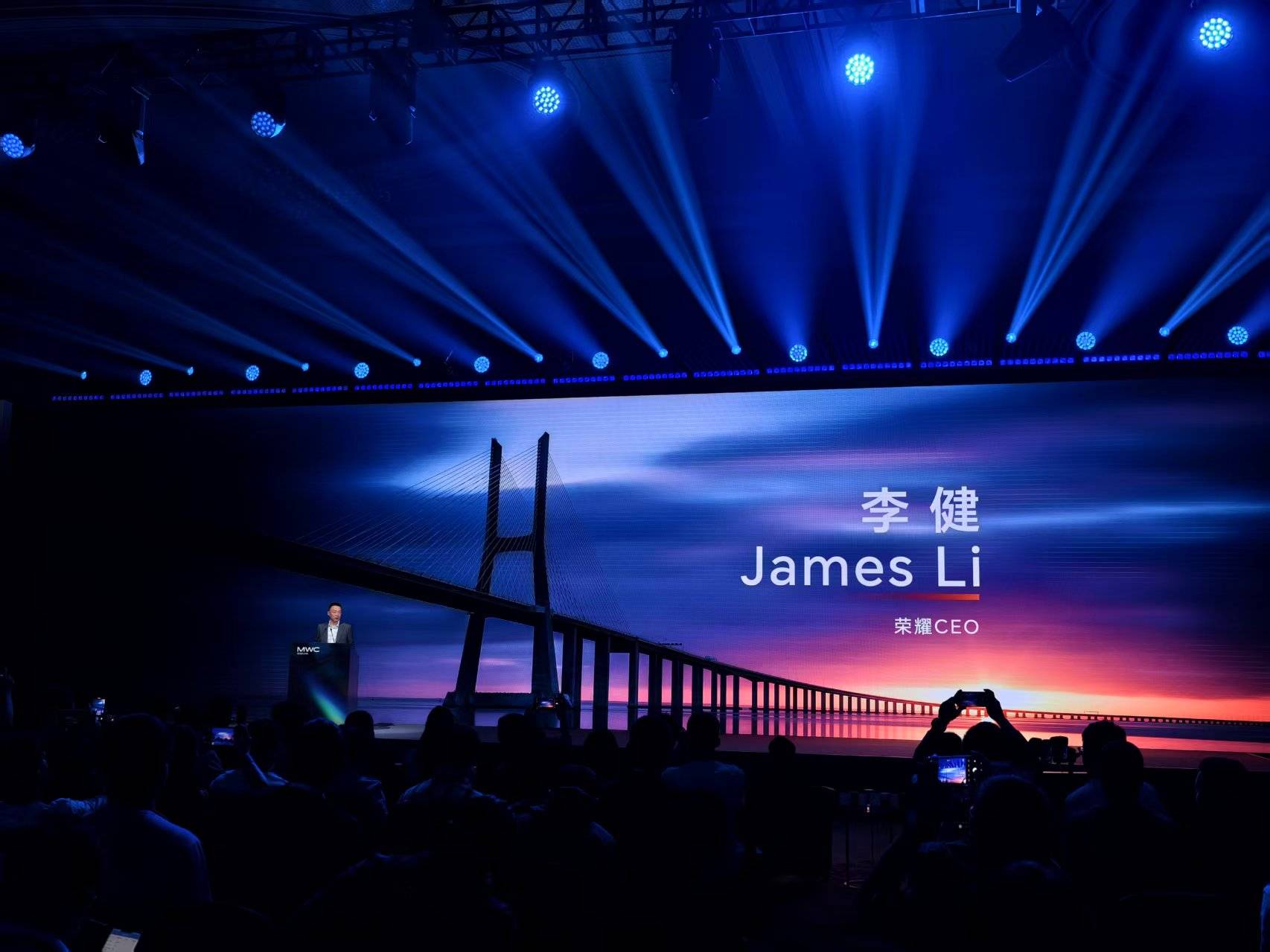
李健表示,苹果跟华为之间的互联比较难,这个问题实际上被荣耀解决了。"荣耀是唯一与华为、苹果设备都能互联互通的品牌。荣耀谁都能连,传啥都 快。" 李健强调,为加速AI落地,实现需求闭环,倡议基于GSMA平台,共建开放的AI终端生态联盟,共同攻克AI落地难题。 此外,李健还官宣将于7月2日发布最新一代AI折叠旗舰荣耀Magic V5,全栈式个人知识库、多智能体协同带来的PC级生产力、全品牌互联互通等都将会落 地到这款手机中。 关于"AGI到底何时到来?如何到来?"这一问题,他认同Sam Altman对AI五个阶段的划分:L1聊天者 → L2推理者 → L3行动者 → L4创新者 → L5组织者, 全球AI行业已达成共识,当前处于从L2到L3发展的过渡阶段,AI正在完成从"思考"到"行动"的关键跨越。 荣耀CEO李健强调,AGI一定是一个长期演进的过程,当务之急是要"让AI能解决问题",只有让AI落地生根,让用户日常使用起来,才能真正释放AI的潜 力。 当前,AI落地尚存在场景、性能等挑战,比如端侧的算力不足和内存偏低,导致难以支撑7B以上的模型和复杂的推理需求,并存在幻觉、隐私和伦理等问 题,用户数据权限、数据加 ...

荣耀CEO李健详解“三叶草”战略,新品Magic V5剑指最强AI折叠旗舰
Feng Huang Wang· 2025-06-19 03:05
为推动这一战略落地,李健强调了打破品牌边界的重要性,并透露荣耀将致力于实现"全栈个人知识 库、全域智能体协同、全品牌终端互联"。他指出,荣耀终端将具备与华为、苹果等不同品牌设备实现 互联互通的能力,旨在为用户提供真正意义上的"万物互联"体验。为了从根本上解决行业协作问题,李 健代表荣耀正式倡议,依托GSMA平台,共建一个开放的AI终端生态联盟,联合AI模型企业、运营商、 终端厂商及互联网公司四方力量,通过技术与商业的深度协同创新,共同应对AI普惠道路上的挑战。 作为该战略的最新实践成果,李健在现场宣布,荣耀新一代AI折叠旗舰荣耀Magic V5将于7月2日正式 发布。据介绍,这款新品将率先落地全栈式个人知识库、由多智能体协同带来的PC级生产力,以及跨 品牌互联等核心AI能力。延续荣耀在折叠屏领域的轻薄优势,荣耀Magic V5的目标是成为全球最轻薄 的折叠屏手机 凤凰网科技讯(作者/于雷)6月19日,荣耀终端有限公司CEO李健今日就加速AI技术落地分享了全新的 战略思考与行业共识。他提出,打通用户体验中的关键闭环是AI真正走进日常生活的核心,并详细介 绍了荣耀的"三叶草"战略。 李健阐述道,荣耀的AI战略旨在 ...
OpenAI GPT-5或夏季发布/京东全职骑手人均收入近1.3万元/亚马逊CEO全员信:AI提效,裁员将至
Sou Hu Cai Jing· 2025-06-19 02:02
Group 1 - OpenAI's CEO Sam Altman announced that GPT-5 is expected to be released sometime in the summer of this year [1][2] - Altman mentioned that GPT-5 will be an integrated model system that combines multiple technologies from OpenAI, including the o3 model [2] - Altman expressed confidence that the best talents at OpenAI have not accepted offers from Meta, despite Meta's aggressive recruitment strategy [3] Group 2 - Huawei's CEO Yu Chengdong highlighted three advantages of the HarmonyOS: privacy protection, all-scenario connectivity, and AI capabilities [4][5][6] - The HarmonyOS aims to provide a unified system for various devices, enhancing interoperability and user experience [5] Group 3 - Elon Musk's xAI is reportedly burning through $1 billion per month, leading to plans for raising $9.3 billion through debt and equity financing [9][10] - xAI's revenue is projected to be significantly lower than competitors like OpenAI, with estimates of $500 million this year and potentially $2 billion next year [10] Group 4 - Audi reaffirmed its commitment to electric mobility, stating that it will continue to produce internal combustion engine vehicles until their product life cycles end, despite earlier plans for full electrification by 2033 [11][12][13] Group 5 - JD.com announced its entry into the hotel industry, launching the "JD Hotel PLUS Membership Program" to provide supply chain services to hotels [52][53] - The program offers participating hotels up to three years of zero commission, aiming to reduce operational costs and enhance service quality [54] Group 6 - Amazon's CEO Andy Jassy predicted that AI will gradually replace some jobs within the company, emphasizing the efficiency gains from AI agents [24][26] - Jassy noted that Amazon is already developing over 1,000 generative AI services and applications [25] Group 7 - MiniMax, a domestic AI startup, is planning to go public in Hong Kong, with a current valuation of approximately $3 billion [16][17] - The company recently launched new models, including the MiniMax-M1 reasoning model and the Hailuo 02 video model [18][43] Group 8 - Midjourney officially launched its video generation model V1, priced at $10 per month, which allows users to create videos based on images [34][35] - The model supports both automatic and manual modes for video creation, with options for low and high dynamic motion [35]


早报|21国发表联合声明,谴责以色列袭击伊朗;广汽埃安回应员工股权风波;特朗普:美国将暂缓对俄罗斯实施制裁;波音787再出状况
虎嗅APP· 2025-06-17 00:11
Group 1 - A joint statement from 21 Arab and Islamic countries condemns Israel's attacks on Iran, emphasizing the need for respect for sovereignty and peaceful dispute resolution [2] - The U.S. President Trump announces a temporary halt on sanctions against Russia to facilitate negotiations, while Russia expresses hope that this pause will not last long [3] - A fireworks explosion in Hunan, China, results in one death, six missing, and nine injuries, with ongoing rescue efforts [4][5] Group 2 - The Central Social Work Department and the Ministry of Housing and Urban-Rural Development in China are promoting measures to address urgent issues faced by new employment groups [6][7] - Gree Titanium responds to the freezing of 1.806 billion shares, attributing it to the previous actual controller's unauthorized guarantees, while assuring that business operations remain normal [8] - OpenAI executives are discussing potential antitrust actions against Microsoft, their main supporter, regarding competitive behavior during their collaboration [15] Group 3 - GAC Aion confirms that its production and operations are normal, refuting rumors about employee stock ownership plans [12] - Huawei's executive explains the HarmonyOS, highlighting its capability to connect hardware and software, with over 1 billion devices currently connected [10][11] - The People's Bank of China plans to issue 30 billion yuan in central bank bills in Hong Kong, with 20 billion yuan maturing this month [20] Group 4 - The China Interbank Market Dealers Association issues a notice to regulate bond underwriting practices, addressing issues like low underwriting fees and market competition [21] - Trump announces a new mobile phone service under his brand, promising value for American consumers and including various support services [26][27][28] - A trade agreement between the U.S. and the U.K. includes quotas on car imports and tariffs on steel and aluminum, aiming to strengthen supply chains in aerospace [29]

2025年鸿蒙生态全场景流量分析报告
艾瑞咨询· 2025-06-15 03:51
Core Insights - The article discusses the evolution of the internet traffic ecosystem and the development trends of the HarmonyOS ecosystem, highlighting the challenges faced by the mobile internet and the transformative potential of HarmonyOS as a key player in the next-generation traffic ecosystem [5][7][19]. Internet Traffic Ecosystem - The mobile internet is experiencing a growth bottleneck, with a compound annual growth rate of only 0.08% in the number of independent devices over the past five years, indicating a saturation of the market and a decline in user dividends [7]. - The current traffic distribution model is limited by ecological fragmentation and technological bottlenecks, necessitating a shift towards a more integrated and efficient traffic ecosystem [10][11]. HarmonyOS Development Trends - HarmonyOS is positioned as a major builder of the next-generation traffic ecosystem, leveraging its distributed architecture to connect multiple devices and provide seamless user experiences across various scenarios [19][22]. - The ecosystem's core capabilities include full-scene coverage across multiple devices and AI-driven efficiency improvements, which enhance user experience and operational efficiency [25][30]. Advantages of HarmonyOS Ecosystem - HarmonyOS has become the third-largest mobile operating system globally, creating a competitive landscape alongside Android and iOS [28]. - The ecosystem serves as a core entry point for the Internet of Things (IoT), facilitating commercial monetization and forming a complete business loop [30]. - The system's lightweight application model and high-level security certifications enhance user trust and experience [34][37]. User Insights - The typical Huawei user is predominantly male, aged 25-45, with a high income and education level, primarily located in tier-one and new tier-one cities [60][62]. - Users exhibit a strong preference for Huawei's own applications, showing higher acceptance of online advertisements and a significant potential for consumption in categories such as automobiles, luxury goods, and 3C products [75][81][87]. Marketing Solutions - The "Whale Harmony Dynamics" platform integrates HarmonyOS resources to enhance marketing effectiveness across various industries, including automotive, luxury goods, and health [96][99][103]. - The platform utilizes AI and big data to create personalized marketing strategies, ensuring efficient customer engagement and conversion [103][105].

从思科到你的企业:如何通过结构优化实现高效管理
商业洞察· 2025-06-13 09:23
Core Viewpoint - The article emphasizes the importance of organizational structure in companies, likening it to the skeletal system of the human body, which provides support and flexibility for business operations. It highlights that organizational structures are not fixed and can evolve over time to meet changing business needs. Group 1: Organizational Structure Functions - Organizational structure clarifies responsibilities and accountability within the organization [2] - It defines roles and responsibilities for individuals [3] Group 2: Cisco Case Study - In May 2022, Cisco's CEO Chuck Robbins announced a sales revenue of $12.8 billion, indicating strong market demand with an 8% year-over-year increase in product orders, reflecting the success of the company's major restructuring plan [5] - Cisco has undergone significant organizational changes throughout its history, with the most recent four changes outlined, including a shift in focus to cloud security and collaboration [6][8] - Cisco's restructuring efforts have been driven by the belief that success stems from outstanding employees, continuous innovation, and a caring corporate culture, as evidenced by its ranking as the top employer in Fortune's 2022 list [8] Group 3: Historical Organizational Changes - Cisco's organizational changes include: - April 1997: Division of products and solutions into three customer segments: large enterprises, small and medium businesses, and service providers [6] - August 2001: Reorganization of business lines to focus on specific technology areas [6] - December 2007: Adoption of a new structure to address growth in emerging markets [8] - December 2012: Launch of a global strategy aimed at leading the Internet of Things over the next decade, which included a workforce reduction of 12,000 employees to reallocate resources [8] Group 4: Organizational Structure Types - Basic hierarchical structures are effective in small organizations with simple decision-making processes [10] - Hierarchical structures can be classified by function, geography, product/service categories, or customer segmentation [12] - Wider management spans indicate a flatter organizational structure, requiring higher managerial capabilities to oversee numerous employees effectively [13]

从思科到你的企业:如何通过结构优化实现高效管理
商业洞察· 2025-06-13 08:35
Core Viewpoint - The article emphasizes the importance of organizational structure in companies, highlighting that it serves as a framework that allows flexibility and adaptability in business operations. It notes that while the human skeletal structure remains constant, a company's organizational structure can evolve over time to meet changing needs [1]. Organizational Functions - The structure of an organization clarifies responsibilities and accountability [2] - It defines roles and responsibilities within the organization [3] Organizational Structure and Team Composition - Establishing an organizational structure involves creating an organizational chart and defining team composition. The marketing department's structure is not fixed, as demonstrated by Cisco's case [4]. Case Study: Cisco's Organizational Changes - In May 2022, Cisco's CEO Chuck Robbins announced a sales revenue of $12.8 billion, with a year-on-year order growth of 8%, indicating the success of the company's major restructuring plan [5] - Cisco's stock price had previously dropped over 11% in August 2020 due to poor performance, prompting a restructuring plan focused on cloud security and collaboration [5] - Cisco has undergone multiple significant organizational changes since its inception, with the most recent four changes outlined as follows: - In April 1997, Cisco divided its products and solutions into three customer segments: large enterprises, small and medium-sized businesses, and service providers [6] - In August 2001, Cisco restructured its business lines to focus on specific technology areas such as access, integration, and core routing [6] - In December 2007, Cisco adopted a new organizational structure to address growth in emerging markets like China, Brazil, and India [8] - In December 2012, Cisco launched a global strategy aimed at leading the "Internet of Everything" over the next decade, which included laying off 12,000 employees to reallocate resources [8] Organizational Structure Diagram - The first systematic organizational structure diagram was created by Daniel C. McCallum in 1855 to improve efficiency in railway construction, highlighting the importance of organizational structure in operational efficiency [9]. Basic Hierarchical Organization - A basic hierarchical organization has a simple structure where each member reports to one person, functioning well in small organizations with straightforward decision-making [10]. Management Span - The management span in a hierarchical organization determines the number of employees reporting to a supervisor, affecting communication and control [11]. - A narrow management span allows for easier communication and control, but as organizations grow, efficiency may decline due to increased layers of management [11]. Classification of Organizational Structure - Organizational structures can be classified by function, geography, product or service categories, or customer segmentation [12].
产业变革迈向“新汽车”时代 中国汽研从行业服务加速向生态引领方向跨越
Zheng Quan Ri Bao Wang· 2025-06-12 02:45
Core Viewpoint - China Automotive Engineering Research Institute Co., Ltd. (China Automotive Research) is celebrating its 60th anniversary and is focusing on its mission to lead the automotive industry and support the construction of a strong automotive nation in the new automotive era [1] Group 1: Company Overview - Founded in March 1965, China Automotive Research was originally named Chongqing Heavy Truck Research Institute and became the first technology service company in the automotive industry to go public in 2012 [2] - The company's assets have grown from millions to billions, with steady increases in revenue and profit, establishing itself as a leading third-party institution in the industry [2] - In 2024, the company achieved a revenue of 4.697 billion yuan, a year-on-year increase of 14.65%, and a net profit of 908 million yuan, up 8.56% year-on-year [2] Group 2: Innovation and Development - China Automotive Research has consistently focused on innovation, increasing R&D investment, and achieving significant breakthroughs, including the development of high-end testing equipment and key components for domestic alternatives [3] - The company has accumulated 1,059 patents and received 285 national and industry-level technology awards, establishing the "China Automotive Research Evaluation" as a trusted standard in the automotive industry [3] - The company has launched a new "117" technology innovation system aimed at transforming from equipment-driven to product-driven development [3] Group 3: Market Strategy and Trends - The automotive industry is undergoing profound changes driven by carbon neutrality and the Internet of Things, with AI leading a new wave of technological innovation [4] - The concept of "new automotive" is defined as data-driven vehicles with self-evolution capabilities, incorporating traditional hardware, smart capabilities, and continuous evolution through AI and big data [4] - China Automotive Research is expanding its market presence, planning to establish bases in East, South, and North China, while also actively exploring international markets [3][4] Group 4: Future Vision - The company aims to transition from industry service to ecological leadership, covering the entire product lifecycle and fostering collaboration across the supply chain [5] - It plans to evolve from a solution provider in the automotive sector to a globally competitive service provider in the transportation industry [5] - The strategic blueprint includes enhancing core capabilities, focusing on digitalization and AI, and building a high-quality professional talent team while expanding global operations [5]

华为新机发布!余承东:绝对对得起那四个字
21世纪经济报道· 2025-06-11 23:26
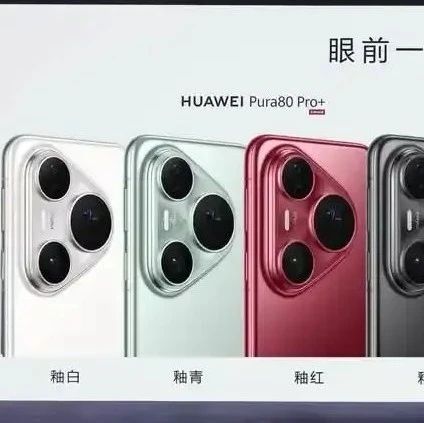
Core Viewpoint - Huawei has successfully established a comprehensive ecosystem with HarmonyOS 5, integrating various devices such as smartphones, smartwatches, tablets, and computers, marking a significant milestone in its ecosystem development [1][9]. Group 1: Product Launch and Features - Huawei launched the Pura 80 series and WATCH 5, both equipped with HarmonyOS 5.1, showcasing the completion of the HarmonyOS ecosystem across multiple device categories [1][2]. - The Pura 80 series includes four models: Pura 80, Pura 80 Pro, Pura 80 Pro+, and Pura 80 Ultra, all featuring advanced imaging capabilities and AI enhancements [3][4]. - The new features of HarmonyOS 5.1 include over 70 innovative functions such as cross-device connectivity and unified account login, enhancing user experience across devices [6][9]. Group 2: Market Performance and Growth - According to Counterpoint Research, Huawei's smartphone sales grew by 28.5% year-on-year in Q1 2025, achieving a market share of 19%, the highest since 2021 [3][11]. - The Pura and Mate series are identified as key growth drivers, particularly in the high-end market segment [3][12]. - HarmonyOS has gained a 19% market share in China by Q4 2024, surpassing Apple's iOS, which holds a 17% share [11]. Group 3: Ecosystem Development - Huawei emphasizes the importance of ecosystem development, which is seen as a critical challenge compared to developing the operating system itself [12][13]. - The company is actively enhancing system capabilities and fostering partnerships across various sectors, including social media, finance, and health, to expand the HarmonyOS ecosystem [12][13]. - Recent updates to popular applications like WeChat and QQ on HarmonyOS reflect ongoing improvements and the growing ecosystem [13].
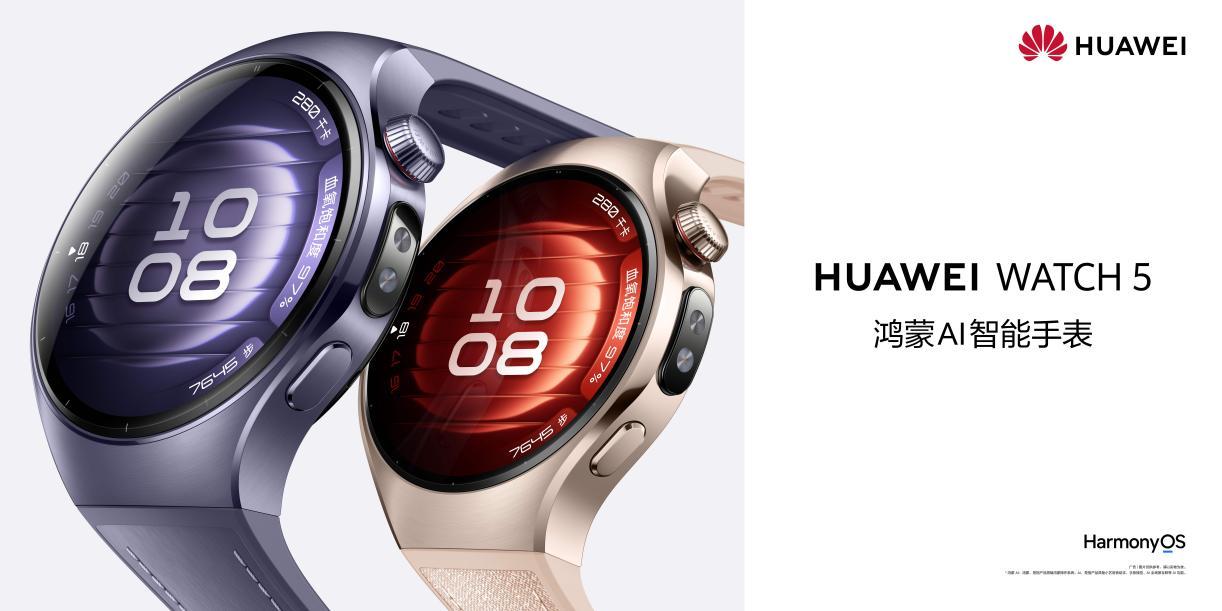
售价2699元起!华为WATCH 5震撼发布,以绝对实力定义智能穿戴新格局
Huan Qiu Wang· 2025-06-11 10:31
Core Viewpoint - Huawei's launch of the WATCH 5 marks a significant advancement in the smart wearable market, showcasing its leadership and innovative capabilities in the industry [1][25]. Group 1: Product Launch and Market Position - Huawei WATCH 5 is the first smartwatch powered by HarmonyOS AI, emphasizing Huawei's dominance in the smart wearable sector [1][12]. - The cumulative shipment of Huawei's wearable devices has surpassed 200 million units, with a projected year-on-year growth rate leading the global market in 2024 [4]. - The WATCH 5's release is expected to disrupt the current market landscape significantly [4]. Group 2: Design and Pricing - The WATCH 5 features a futuristic design with a streamlined aesthetic, available in two sizes: 42mm and 46mm, priced at 2699 yuan and 2799 yuan respectively, with a competitive subsidy bringing the effective price down to 2295 yuan [6][10]. - Eight color options are available, catering to diverse aesthetic preferences, including styles suitable for both men and women [8]. Group 3: Technological Innovations - The WATCH 5 is equipped with a new LTPO 2.0 display, achieving a peak brightness of 3000 nits and an 82.5% screen-to-body ratio, enhancing user experience [10]. - It introduces the X-TAP smart sensor, enabling advanced health monitoring capabilities, including a fingertip blood oxygen measurement feature [19][21]. - The device supports seamless integration with various smart devices, breaking down barriers between hardware and applications [18]. Group 4: Health Monitoring Features - The WATCH 5 offers a non-cuff blood pressure risk screening feature, allowing users to manage their health proactively [24]. - A "micro health check" can be initiated with a simple press, providing a comprehensive report on 17 health indicators within 60 seconds [27].