
美国关税政策

Search documents
全线暴跌,超16万人爆仓
Zheng Quan Shi Bao· 2025-08-02 10:07
Group 1: Currency Market Impact - The US dollar experienced a significant decline, with the dollar index dropping 1.37%, marking the largest decrease since mid-April [1][2] - The dollar fell 2.23% against the Japanese yen and 1.48% against the euro, indicating a broad weakening of the dollar [2][3] Group 2: Employment Data and Economic Outlook - The US added only 73,000 non-farm jobs in July, significantly below the expected 104,000, with previous months' data revised down by a total of 258,000, the largest downward revision since the pandemic [2][3] - Analysts suggest that uncertainty from US tariff policies is negatively impacting business sentiment and contributing to a deteriorating labor market [2] Group 3: Stock Market Reaction - US stock markets faced a sell-off, with the Dow Jones dropping over 500 points (1.23%), the Nasdaq down 2.24%, and the S&P 500 falling 1.6% [3] - Major tech stocks, including Amazon and Meta, saw significant declines, reflecting broader market concerns [3] Group 4: Cryptocurrency Market Response - The cryptocurrency market also faced a downturn, with Ethereum dropping over 5% and total liquidations exceeding $700 million in the past 24 hours [4] - The market saw over 160,000 liquidations, primarily affecting long positions, indicating a strong negative sentiment [4] Group 5: International Trade and Tariff Reactions - The US announced new tariffs ranging from 10% to 41% on various countries, leading to widespread international criticism and concerns about global economic impacts [5][6] - Countries like Germany, Switzerland, and Brazil expressed strong opposition to the tariffs, indicating potential trade negotiations and disputes [6][7]
玉渊谭天:美国关税回旋镖效应初现
news flash· 2025-08-02 03:00
当地时间8月1日,美国股市收盘下跌,市值蒸发逾1万亿美元。这与美国最新发布的关税声明有关,可 以看出美关税政策的一系列影响正在如"回旋镖"逐个出现。回旋镖一:当地时间8月1日,美国总统特朗 普宣布将解雇美国劳工统计局局长埃丽卡.麦肯塔弗。原因在于美国劳工部发布数据显示,美国7月失业 率小幅上升,同时宣布大幅下调5月和6月就业增长数据。这是第一个预示美国经济面临危险的主要经济 指标。回旋镖二:当地时间8月1日下午,美联储理事阿德里亚娜.库格勒意外宣布辞职,有分析称可能 与不理想的就业数据有关。回旋镖三:耶鲁大学预算实验室表示,美国政府最新宣布的关税税率是近一 个世纪以来的最高水平,今年美国普通家庭将由此损失约2400美元。结合周五发布的美国就业数据,这 是美国家庭将在未来几个月面临更加困难经济状况的最新迹象。(玉渊谭天) ...
美联储7月维持利率不变 机构预计9月有望再度降息
Zhong Guo Jing Ying Bao· 2025-08-01 07:20
中经记者 谭志娟 北京报道 就此,国泰海通证券认为,鲍威尔发言强调美联储独立性,态度偏"鹰",导致降息预期收窄,预计降息 预期收窄仍将对美国股债市场产生扰动。 关于9月份是否会降息的问题,鲍威尔在记者会上表示,美联储尚未就9月份货币政策作出决定,这取决 于下一次议息会议前公布的就业和通胀等数据。鲍威尔还称,6月份核心PCE可能同比上升2.7%,关税 正在推高一些商品价格,长期通胀预期与2%一致。他还指出,核心通胀中有30%或40%来自关税。 有迹象显示美国通胀压力有所升温:美国6月CPI同比上涨2.7%,前值为2.4%;核心CPI同比上涨2.9%, 前值为2.8%。整体上看,消费者通胀率升至五个月新高,表明关税的影响正在显现,但也大体符合市 场预期,核心通胀甚至略低于市场预期。 此次议息会议过后,市场对美联储降息的预期明显下调。利率期货隐含的9月降息概率从70%降至 44%,年内降息次数也从1.8次降至1.4次。目前市场认为年内更有可能只降息1次。 美联储7月继续保持"按兵不动"。北京时间7月31日凌晨,美联储宣布,将联邦基金利率区间维持在 4.25%—4.50%不变,符合市场预期。这是自去年12月以来,美联 ...
投行:预计美国GDP增长将放缓
news flash· 2025-07-31 08:13
Core Viewpoint - The growth of the US economy is expected to slow down due to persistent weakness in private consumption and cautious attitudes towards real estate and equipment investment [1] Group 1: Economic Growth - The rebound in GDP growth in the second quarter was primarily due to the reversal of adverse factors related to imports that impacted first-quarter growth [1] - Despite a strong rebound in the second quarter, underlying weaknesses such as a slowdown in domestic demand are being masked [1] - Future growth slowdowns will lead to a downward revision of GDP growth forecasts for 2026 [1] Group 2: Investment and Consumption - Private consumption remains weak, contributing to the anticipated slowdown in economic growth [1] - Cautious attitudes towards real estate and equipment investment are also factors in the expected economic deceleration [1] Group 3: Inventory and Tariff Impact - Significant inventory accumulation in the first quarter led to notable consumption of inventory in the second quarter [1] - The tariff policies implemented by the US are identified as a major cause of economic volatility [1]
日本央行行长植田和男:看到美国关税政策影响下需求激增和反作用的浪潮。我们正处于关税影响将显现的阶段,但不确定何时显现。
news flash· 2025-07-31 06:50
日本央行行长植田和男:看到美国关税政策影响下需求激增和反作用的浪潮。我们正处于关税影响将显 现的阶段,但不确定何时显现。 ...
凌晨重磅!美联储公布→
第一财经· 2025-07-30 23:52
作者 | 第一财经 樊志菁 北京时间7月31日凌晨2点,美联储公布利率决议。 联邦公开市场委员会(FOMC)以9-2的方式决定维持利率区间在4.25%-4.50%不变。美联储主席 鲍威尔表示,可以在等待关税政策是否推高通胀的同时保持利率稳定。他透露,尚未就9月可能的政 策调整"作出任何决定"。受此影响,美股尾盘跳水,美元指数逼近100大关,国际金价走弱。 美联储重申等待关税影响明朗化 决议声明称,尽管净出口的波动影响了数据,但最近的指标表明,经济活动继续以稳健的速度扩张。 失业率仍然很低,劳动力市场状况稳健,通货膨胀率有所上升。 FOMC重申,寻求在长期内实现最大就业率和2%的通货膨胀率。经济前景的不确定性有所增加,委 员会关注其双重任务的双向风险。 美联储主席鲍威尔在会后新闻发布会上表示,今年上半年经济增长有所放缓,但美联储完全有能力应 对潜在的发展。"与去年的2.5%相比,2025年上半年的增长放缓至1.2%。增长放缓主要反映了消 费支出的放缓。"美联储主席表示,"我们认为,目前的货币政策立场使我们能够及时应对潜在的经 济发展。" 2025.07. 31 本文字数:2232,阅读时长大约4分钟 在本次会议 ...

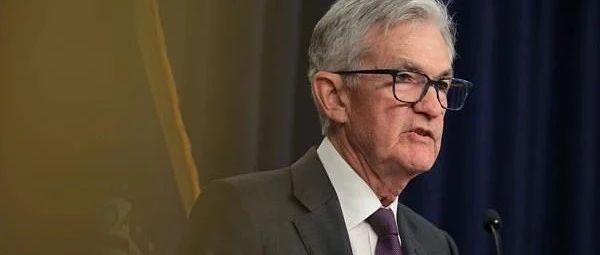
2票反对!美联储按兵不动 9月降息尚存悬念
Di Yi Cai Jing· 2025-07-30 23:40
北京时间7月31日凌晨2点,美联储公布利率决议。 美联储主席鲍威尔在会后新闻发布会上表示,今年上半年经济增长有所放缓,但美联储完全有能力应对 潜在的发展。"与去年的2.5%相比,2025年上半年的增长放缓至1.2%。增长放缓主要反映了消费支出的 放缓。"美联储主席表示,"我们认为,目前的货币政策立场使我们能够及时应对潜在的经济发展。" 谈及关税的影响,美联储主席表示,"更高的关税已经开始体现在一些商品的价格上,但对经济活动和 通货膨胀的总体影响还有待观察。" 联邦公开市场委员会(FOMC)以9-2的方式决定维持利率区间在4.25%-4.50%不变。美联储主席鲍威尔 表示,可以在等待关税政策是否推高通胀的同时保持利率稳定。他透露,尚未就9月可能的政策调整"作 出任何决定"。受此影响,美股尾盘跳水,美元指数逼近100大关,国际金价走弱。 美联储重申等待关税影响明朗化 决议声明称,尽管净出口的波动影响了数据,但最近的指标表明,经济活动继续以稳健的速度扩张。失 业率仍然很低,劳动力市场状况稳健,通货膨胀率有所上升。 FOMC重申,寻求在长期内实现最大就业率和2%的通货膨胀率。经济前景的不确定性有所增加,委员 会关注其 ...
“弱美元”:来到十字路口
2025-07-29 02:10
Summary of Key Points from the Conference Call Industry Overview - The discussion primarily revolves around the **U.S. economy**, **monetary policy**, and the **impact of tariffs** on the dollar's performance in the global market. Core Insights and Arguments 1. **Weak Dollar Performance**: The dollar has weakened significantly in the first half of the year, with the dollar index around 98, influenced by a larger downward revision of U.S. economic growth compared to global growth, Trump's tariff policies, and expectations of Federal Reserve rate cuts [2][4][6]. 2. **Economic Growth Projections**: The IMF revised U.S. economic growth forecasts from 2.7% to 1.8%, while global growth was adjusted from 3.3% to 2.8%. This indicates a more significant impact on the U.S. economy compared to the global economy [2][4]. 3. **Tariff Policy Impact**: Trump's tariffs have had a strong and uncertain impact, particularly following the announcement of reciprocal tariffs in April. However, the negative impact on the U.S. economy is expected to diminish in the second half of the year due to new trade agreements [4][5]. 4. **Federal Reserve's Dilemma**: The Fed faces a dual risk of needing to cut rates due to political pressure while inflation levels do not support rapid cuts. The market anticipates two rate cuts in the second half, but the timing remains uncertain [6][7][17]. 5. **Fiscal Pressure and Dollar Weakness**: High deficit rates typically correlate with a weak dollar. The CBO predicts that interest payments as a percentage of GDP will rise, indicating potential future dollar weakness [7][9]. 6. **Tariff Revenue Projections**: U.S. tariff revenue is expected to reach $250 billion in 2025, with a potential increase of $2.5 trillion over the next decade, which may alleviate some fiscal pressures despite the "Big and Beautiful" plan increasing the deficit [9][17]. 7. **Global Fund Allocation Trends**: There has been a shift in global fund allocation, with a reduction in stock holdings and an expansion in bond holdings. The "American exceptionalism" narrative is reversing, but the dollar's status as a reserve currency remains strong [3][11][14]. 8. **Stablecoin Development**: The development of stablecoins is crucial for maintaining the dollar's reserve status in the cryptocurrency space, with the U.S. government taking steps to ensure its dominance [15]. Other Important but Potentially Overlooked Content 1. **Inflation Monitoring**: Attention is needed on structural pressures within the CPI, as rising inflation could complicate the Fed's decision-making regarding rate cuts [6][7]. 2. **Market Sentiment and Future Trends**: The market sentiment may experience a reversal in the second half of the year, with potential fluctuations in the dollar's value as it navigates between 95 and 100 [18]. 3. **Long-term Fiscal Outlook**: While there are concerns about long-term debt and fiscal health, short-term impacts on the dollar are expected to be manageable due to measures taken by the current administration [17].
美联储7月可能未必降息
21世纪经济报道· 2025-07-29 00:06
作者丨孙长忠(清华大学全球私募股权研究院研究员) 编辑丨陆跃玲 美联储将于7月29日至30日召开货币政策例会。目前市场认为这次会议降息概率接近于0,9月 降息概率也不到60%,主要原因是美国6月CPI数据表明,美国关税的通胀效应有所显现,美 联储仍需观察后续影响,且目前美国就业和经济增长情况总体良好,不必急于降息。然而最 近一系列相关进展表明,美国经济金融状况和内外环境正在发生新的变化,美联储决策的重 点和平衡点也将相应发生变化,本月会议可能未必按市场预期行事。 美联储两位理事沃勒和鲍曼6月表示支持7月降息,主席鲍威尔随后在国会听证会上也没有排 除这一可能性,表示对关税向零售价格的传导小于预期持"完全开放"的态度并将影响美联储 的政策,同时也强调预计美国关税将在6到8月间对价格产生显著影响,表示要等待形势更加 清晰明朗再作决定。也有FOMC其他委员表示关税将会使美国通胀上升,应继续维持现行利率 不变,但最新的形势变化也可能使美联储官员调整想法。 美国关税政策不确定性或将减弱。从美国最近与日本和欧盟达成的协议来看,15%关税具有标 志性意义,因为日本和欧盟对美贸易分量更大(欧盟最大),可视为美国的关税要求底线。 ...
美联储本月会降息吗
2 1 Shi Ji Jing Ji Bao Dao· 2025-07-28 22:25
Group 1: Federal Reserve Policy Outlook - The Federal Reserve's upcoming meeting on July 29-30 is expected to maintain current interest rates, with a near-zero probability of a rate cut in July and less than 60% for September, primarily due to the recent CPI data indicating the inflation effects of tariffs [1] - Recent comments from Fed officials suggest a potential shift in policy considerations, with some members supporting a rate cut while others advocate for maintaining current rates due to rising inflation concerns from tariffs [1][2] - The uncertainty surrounding U.S. tariff policies is diminishing, as recent agreements with Japan and the EU suggest a potential stabilization of tariff levels, which could reduce the Fed's concerns regarding inflation and influence their decision-making [2] Group 2: Inflation Trends - Current inflation levels in the U.S. are not showing significant increases, with the June CPI data indicating a projected PCE inflation growth of 2.5% year-on-year, and core PCE at 2.7% [3] - Research indicates that excluding tariff impacts, U.S. inflation has been close to the Fed's 2% target, suggesting that the inflationary pressure from tariffs may not be as significant as previously thought [3] - If consumers absorb one-third of the new tariffs, a permanent 10% increase in tariffs could raise PCE inflation by 0.3 percentage points this year, but this effect is expected to dissipate by next year [3] Group 3: Employment and Economic Growth - Recent employment data shows signs of weakness, with only 147,000 new jobs added in June, primarily from government sectors, while private sector job growth appears stagnant [4] - The private sector's employment situation is critical for understanding economic momentum, and recent adjustments suggest that previous job growth figures may have been overestimated [4] - Economic indicators such as retail sales and PMI show stability, but sectors sensitive to interest rates, like manufacturing and real estate, are experiencing contraction, indicating a need for potential rate cuts to stimulate consumer spending [4] Group 4: Market Sentiment and Fed Independence - There is growing concern regarding the independence of the Federal Reserve, especially with external pressures from the Trump administration advocating for rate cuts [5] - A rate cut in July could be perceived as yielding to political pressure, while a refusal to cut rates when appropriate could undermine the Fed's independence [5] - The possibility of postponing a rate cut until September is being considered by some FOMC members, reflecting a cautious approach to monetary policy [5]