能源安全

Search documents
中国被称铀资源匮乏,鄂尔多斯发现全球首例铀矿,核电布局提速
Sou Hu Cai Jing· 2026-01-12 17:09
Group 1 - The core point of the article highlights China's significant discovery of a large uranium deposit, challenging previous Western geological theories and marking a pivotal moment in the global energy landscape [1][8] - In 2025, China's geological community announced the discovery of a world-class wind-blown sandstone-type uranium mine in the Ordos Basin, with an estimated resource of 2.88 million tons, valued at approximately 10.26 trillion yuan [3][5] - This discovery not only represents immense wealth but also serves as a direct rebuttal to the Western "granite mineralization theory," which had long dominated geological thinking [6][8] Group 2 - The discovery signifies a shift in global uranium resource distribution, allowing China to break free from resource dependency and redefine its energy security amidst increasing nuclear power demand [8][39] - Following this, another significant find was reported in the Tarim Basin, setting a new record for the world's deepest sandstone-type industrial uranium mineralization, showcasing the effectiveness of China's geological survey system [9] - The journey to this discovery was fraught with challenges, as early foreign assessments deemed China devoid of large uranium deposits, leading to a comprehensive resource blockade against the country [11][13] Group 3 - The article discusses the innovative "National Uranium No. 1" technology developed by China, which utilizes in-situ leaching methods to extract uranium, significantly reducing costs and increasing efficiency [29][31] - This breakthrough in mining technology not only enhances production capacity from hundreds to thousands of tons but also transforms previously undervalued resources into economically viable assets [31][33] - The discovery and subsequent technological advancements underscore the importance of continuous innovation in geology, challenging established norms and opening new avenues for resource extraction [35][37] Group 4 - The newfound uranium resources are expected to increase China's self-sufficiency in uranium supply from 30% to 70% by 2030, enhancing national energy security and reducing reliance on foreign imports [39][41] - The implications extend beyond national security, as the development of nuclear power is aligned with China's carbon reduction goals, providing a clean energy source for future power stations [41][43] - Furthermore, China's expertise and technology in uranium mining can be exported to regions with similar geological conditions, promoting international collaboration and reinforcing China's role as a responsible global player [45][47]



翼辰实业拟收购电力业务权益
Zhi Tong Cai Jing· 2026-01-12 14:45
Core Viewpoint - The company has agreed to acquire an 86.22% stake in Hebei Chenxiang Power Sales Company for RMB 135 million, which will allow it to consolidate the financial performance of the target group into its own financial statements [1][2] Group 1: Acquisition Details - The acquisition is set to be completed on January 12, 2026, and will result in the target group becoming a subsidiary of the company [1] - The target group primarily engages in electricity-related businesses, which aligns with the company's operational needs for stable power supply [1] Group 2: Strategic Importance - The acquisition will enable the company to directly control an authorized power supplier, enhancing the stability and continuity of electricity supply [2] - This move is expected to optimize operational efficiency and compliance, while also diversifying the company's revenue sources through the development of electricity trading and supply businesses [2] Group 3: Financial Implications - The company anticipates that the acquisition will strengthen its financial flexibility due to the stable demand for electricity, which is essential for all social and economic activities [2] - The board believes that the terms of the share transfer agreement are fair and reasonable, aligning with the overall interests of shareholders [2]
翼辰实业(01596.HK)拟1.35亿元收购电力业务权益
Ge Long Hui· 2026-01-12 14:42
Group 1 - The company has entered into a share transfer agreement to acquire 86.22% of Hebei Chenxiang Electricity Sales Co., Ltd. for RMB 135 million, which will allow the company to consolidate the financial performance of the target group into its financial statements [1] - The target company, established in April 2017, primarily engages in electricity trading and has a registered capital of RMB 29,400,000.16 [1] - The acquisition is expected to enhance the company's control over the target group, improve operational efficiency, and ensure stable electricity supply, thereby diversifying and enriching the company's revenue sources in the long term [1] Group 2 - The electricity sector is characterized by stable and strong demand, which is anticipated to enhance the company's financial flexibility following the acquisition [2] - The terms of the share transfer agreement were determined through fair negotiations between the seller and the company, and the board believes that the terms are fair and reasonable, aligning with the overall interests of shareholders [2] - Although the transaction is not part of the company's routine business, it is conducted under general commercial terms and is deemed to be in the best interests of the company and its shareholders [2]
聚焦能源安全!煤炭无人化开采数智技术关键突破,院士天团共商创新大计
Zhong Guo Neng Yuan Wang· 2026-01-12 09:09
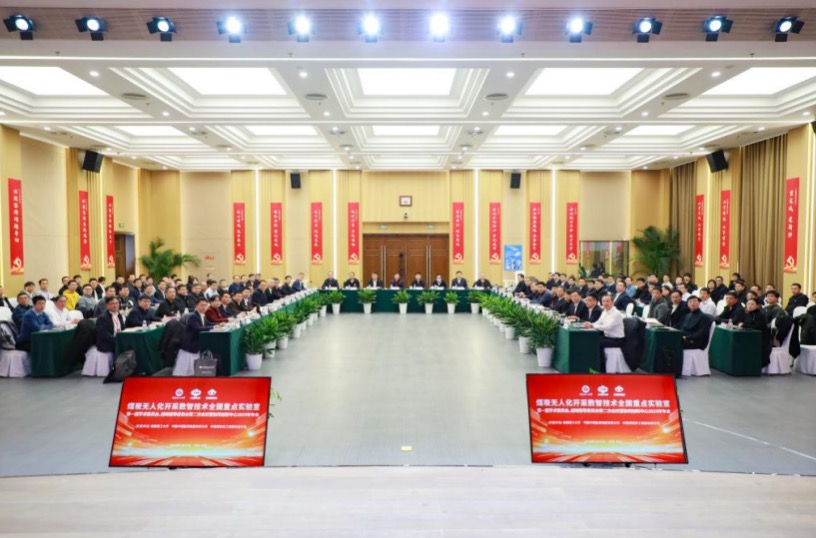
Core Insights - The meeting focused on the innovation and development of intelligent technology for unmanned coal mining, aiming to inject strong momentum into the high-quality development of the industry [1][15]. Group 1: Meeting Overview - The first academic committee and strategic advisory committee meeting of the National Key Laboratory for Intelligent Technology in Unmanned Coal Mining was held in Beijing, gathering leaders, experts, and scholars from various sectors [1][3]. - The meeting emphasized the importance of collaboration among government, industry, and academia to enhance innovation capabilities and transform them into industrial effectiveness [4][5]. Group 2: Key Contributions and Future Directions - The laboratory aims to become a leading source of innovation in unmanned coal mining technology, focusing on national strategic needs and advancing research in three major areas: energy security, deep resource development, and artificial intelligence [4][9]. - The laboratory has achieved significant results in the past year, including ten innovative outcomes, with three being landmark achievements [9][15]. Group 3: Expert Insights - Academicians highlighted the need for deep collaboration between human and machine in the entire process of coal mining, emphasizing the importance of intelligent reconstruction from perception to support [6][7]. - The laboratory's approach to talent cultivation through interdisciplinary training is seen as a solution to the challenges of recruitment and employment in the coal mining sector [6][13]. Group 4: Technological Innovations - The meeting discussed advancements in intelligent mining technologies, including smart sorting techniques that enhance coal quality and support the dual carbon strategy [8][12]. - The laboratory's collaborative model among universities, research institutes, and enterprises is designed to create a seamless connection between fundamental research, technology development, and practical application [7][14]. Group 5: Strategic Goals - The laboratory aims to strengthen its international cooperation and focus on green and low-carbon development, contributing to global coal safety and efficiency [6][7]. - Future plans include enhancing the operational mechanisms of the laboratory and focusing on key research directions to ensure sustainable development and continuous breakthroughs in core technologies [11][15].
零下20度矿井停摆!乌克兰能源部紧急通报:80万人面临断电
Sou Hu Cai Jing· 2026-01-12 06:43
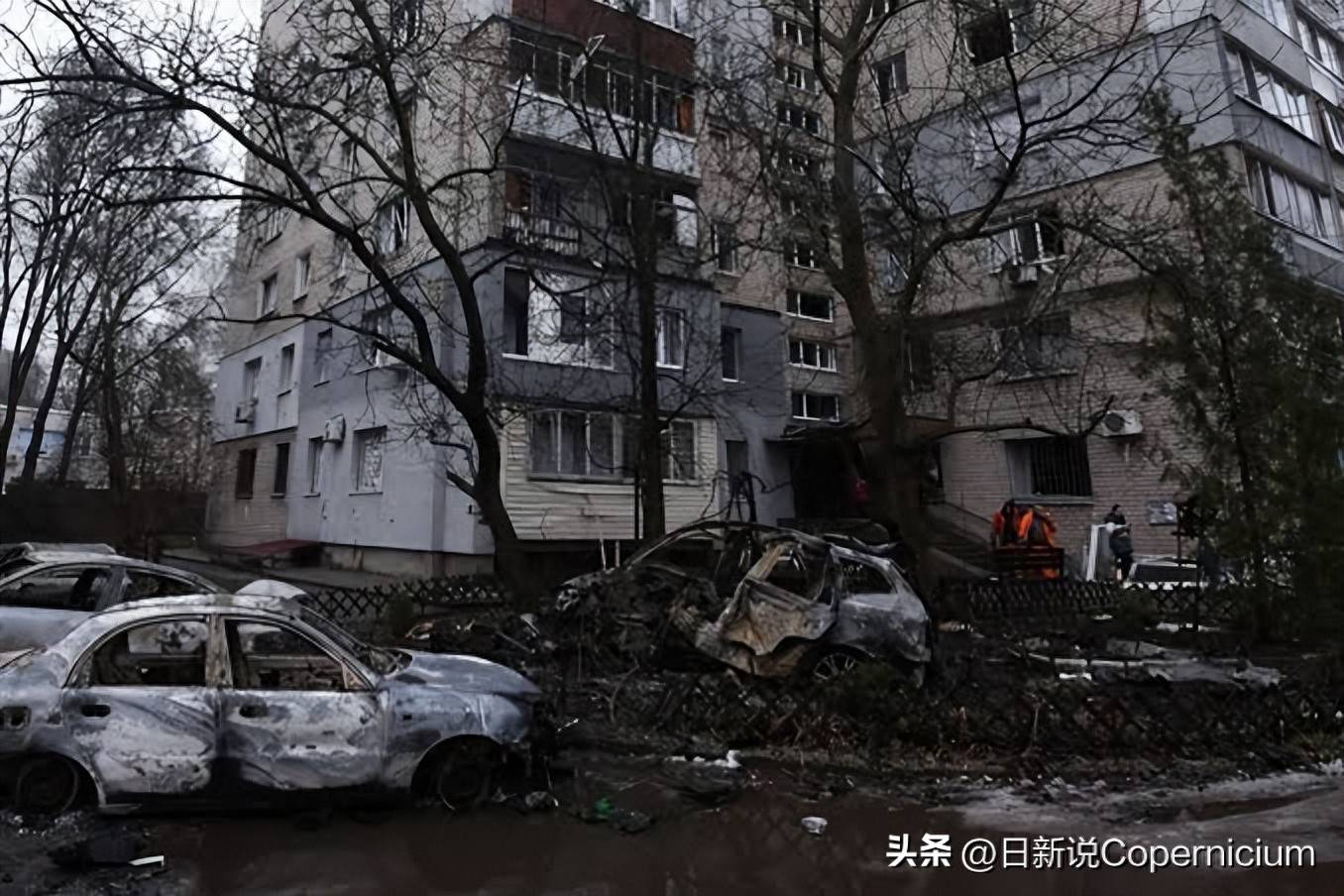
Core Viewpoint - The ongoing conflict and severe weather conditions are significantly impacting Ukraine's energy infrastructure, leading to widespread power outages and increased pressure on essential services [1][9]. Group 1: Energy Infrastructure Impact - Over 90 Russian drones attacked Ukraine, causing complete power outages in the Dnipro and Zaporizhzhia industrial regions [3]. - Approximately 800,000 households in the Dnipro region faced power and heating outages due to the attacks [3]. - Eight coal mines in the Dnipro region were forced to halt operations due to power loss, although all underground miners were safely evacuated [5]. Group 2: Weather Conditions - Meteorological forecasts predict severe cold weather in the coming days, with nighttime temperatures expected to drop to around -20 degrees Celsius [7]. - The combination of precipitation and cold weather may lead to additional power supply interruptions as snow could weigh down power lines [7]. Group 3: Government and Public Response - Ukrainian Prime Minister Yulia Svyrydenko emphasized the ongoing attacks on the energy system and the challenging conditions faced by energy workers [9]. - President Volodymyr Zelensky expressed gratitude to energy workers for their efforts in restoring power and urged the international community to take action against Russia's attacks on Ukraine's energy infrastructure [10]. - Local officials reported that hospitals and other critical facilities had to rely on emergency power sources due to the latest attacks [9].
继委内瑞拉后,下一个目标出现,美想卡中国的脖子,却遇盟友倒戈
Sou Hu Cai Jing· 2026-01-12 06:40
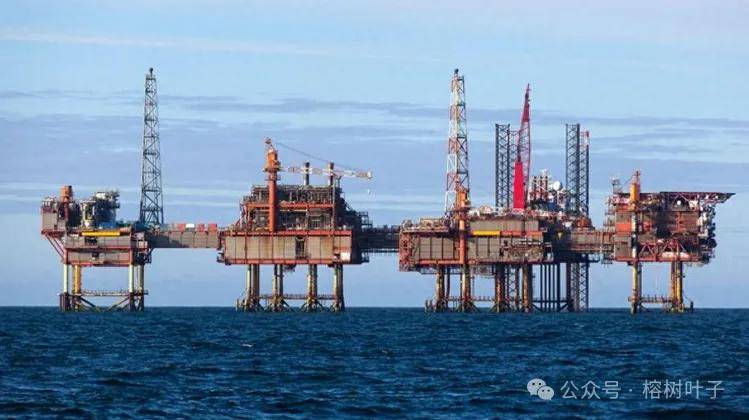
Core Viewpoint - The recent actions of the United States in the energy market indicate a shift in the global energy landscape, with a focus on controlling key resources as a strategic tool in international competition [1] Group 1: U.S. Actions and Global Energy Dynamics - The U.S. has intervened in Venezuela's oil sector and is now focusing on Iran, suggesting that the true objective may extend beyond these countries [1] - Venezuela exports over 740,000 barrels of oil daily to China, highlighting the importance of this supply chain for both nations [1] - The U.S. aims to exert pressure on this supply chain to influence the global energy supply structure [1] Group 2: Canada’s Position and Market Reactions - Canada, in contrast to the U.S., is seeking to deepen energy cooperation with China, indicating a divergence in strategies among traditional allies [3] - Canada possesses significant oil sands resources that can serve as substitutes for Venezuelan oil, complicating the effectiveness of U.S. supply restrictions [3] Group 3: Middle East and Iran's Resilience - Iran holds a crucial position in the international energy landscape and is expected to face increased pressure from the U.S. following Venezuela [5] - The complexity of the Middle East means that any instability could rapidly affect global energy markets, and Iran has developed resilient trade networks under long-term sanctions [5][6] Group 4: Global Energy Security and Market Dynamics - Energy security has evolved into a complex ecosystem rather than a simple game of blockade and counter-blockade, with countries diversifying their energy imports [8] - The U.S. strategy of controlling key resources faces challenges as other suppliers fill gaps and major consuming countries optimize their supply chains [8][10] - The principle of supply following demand remains fundamental, with the largest energy consumer markets exerting strong attraction for resource countries and traders [10] Group 5: Lessons from Current Energy Geopolitics - The ongoing energy competition illustrates that traditional control and blockade strategies may not be effective in the modern interdependent world [12] - True energy security requires a broad and resilient energy network to withstand fluctuations in any single supply node [12]

美国能源巨头在越南发现巨型石油储量,越南成最大赢家还是棋子?
Sou Hu Cai Jing· 2026-01-11 15:22
Group 1 - The discovery of 430 million barrels of oil equivalent at the Hai Su Wang oil field by Murphy Oil is a significant geological success, providing a critical lifeline for Vietnam's energy security as its oil production is projected to plummet from 365,000 barrels per day in 2005 to less than 120,000 barrels per day by 2025 [1][3] - Murphy Oil's involvement represents a "technical takeover" of Vietnam's energy supply chain, as the state-owned Vietnam National Oil and Gas Group has reached its limits in upstream exploration capabilities, with rising water cut in existing fields and production costs nearing the breakeven point of Brent crude [3] - The urgency of Vietnam's energy needs is highlighted by its reliance on high-priced crude oil purchases from international markets before Murphy Oil's new wells come online, which will strain its foreign exchange reserves and exacerbate fiscal deficits [5] Group 2 - The infrastructure in the Kien Giang Basin is outdated and has not been maintained, raising concerns about the reliability of pipelines and platforms, which could lead to significant costs for Vietnam to develop the discovered reserves [5] - The geopolitical implications of Murphy Oil's drilling in the South China Sea are significant, as any shifts in regional political dynamics could render the discovered oil reserves as stranded assets, impacting their economic viability [5][7] - The process from discovery to production in deepwater oil and gas development typically takes 5 to 7 years, which means Vietnam's immediate energy gap needs to be addressed without delay [3]
榛树导弹突袭乌天然气地库,170亿立方米天然气泄露,欧洲这次或面临重大损失!
Sou Hu Cai Jing· 2026-01-11 11:21
Group 1 - The attack on Ukraine's critical gas storage facility in Lviv by Russian forces using the "Zircon" hypersonic missile has significant implications for European energy security, as this facility holds over 17.05 billion cubic meters of gas, accounting for more than half of Ukraine's total storage capacity [1][3] - The missile strike resulted in irreversible damage to the gas storage, leading to substantial gas leakage and economic repercussions for Ukraine and its European neighbors, highlighting the intertwining of military actions and political dynamics in the region [3][4] - The incident underscores the strategic and technological advantages of the "Zircon" missile, which travels at speeds exceeding 10 Mach, rendering most interception systems ineffective, thus raising concerns about Russia's military intentions and capabilities [3][6] Group 2 - The attack has created a psychological impact on European nations, which had relied on Ukrainian gas storage for winter heating and economic stability, forcing countries like Germany and Poland to consider more expensive LNG imports from the U.S. to fill the gap [4][6] - Ukraine's energy independence is severely threatened due to the destruction of its gas storage, potentially leading to domestic unrest and challenges to the government's legitimacy, while also complicating the international response to the ongoing conflict [6][8] - The situation reflects a broader conflict not only between Russia and Ukraine but also between Western nations and Russia, emphasizing the need for diplomatic efforts to mitigate tensions and the evolving complexities of global energy dynamics [8]

霸气!特朗普硬夺5000万桶石油,特朗普转头才发现:中国连一桶都不肯买了
Sou Hu Cai Jing· 2026-01-11 09:43
Core Viewpoint - The article discusses China's response to Venezuela's attempt to raise oil prices amid U.S. maritime blockades, highlighting China's market-driven approach and its ability to refuse unfavorable deals [2][4]. Group 1: China's Oil Supply and Reserves - China's oil reserves have reached a level sufficient to support 90 days of consumption, indicating a significant improvement from previous years [4][9]. - There are currently 82 million barrels of crude oil stored on supertankers in the South China Sea and near Malaysia, equivalent to over a day's global oil consumption [4]. - The diversification of China's oil import sources has reduced reliance on any single region, enhancing energy security [5][6]. Group 2: Market Dynamics and Pricing - Venezuela's attempt to reduce discounts from $15 to $13 per barrel was met with a firm refusal from Chinese buyers, who deemed the price too high [2][5]. - The demand for heavy crude oil suitable for asphalt production has decreased due to a shift in China's domestic policy focus from large-scale infrastructure to industrial upgrading [6][7]. - Increased risks and costs associated with transporting oil from Venezuela due to U.S. sanctions have made the deal less attractive for Chinese buyers [7][9]. Group 3: Strategic Energy Policy - China's energy strategy has evolved over the past two decades, focusing on increasing domestic oil production and building a robust strategic petroleum reserve of 2 billion barrels [9]. - The article emphasizes that the U.S. misjudged China's energy independence and its ability to respond to market conditions, as China can now choose not to engage in unfavorable transactions [9].

站在中国的位置,莫迪终于看清西方的狠毒,决定与美国死磕到底!
Sou Hu Cai Jing· 2026-01-11 07:22
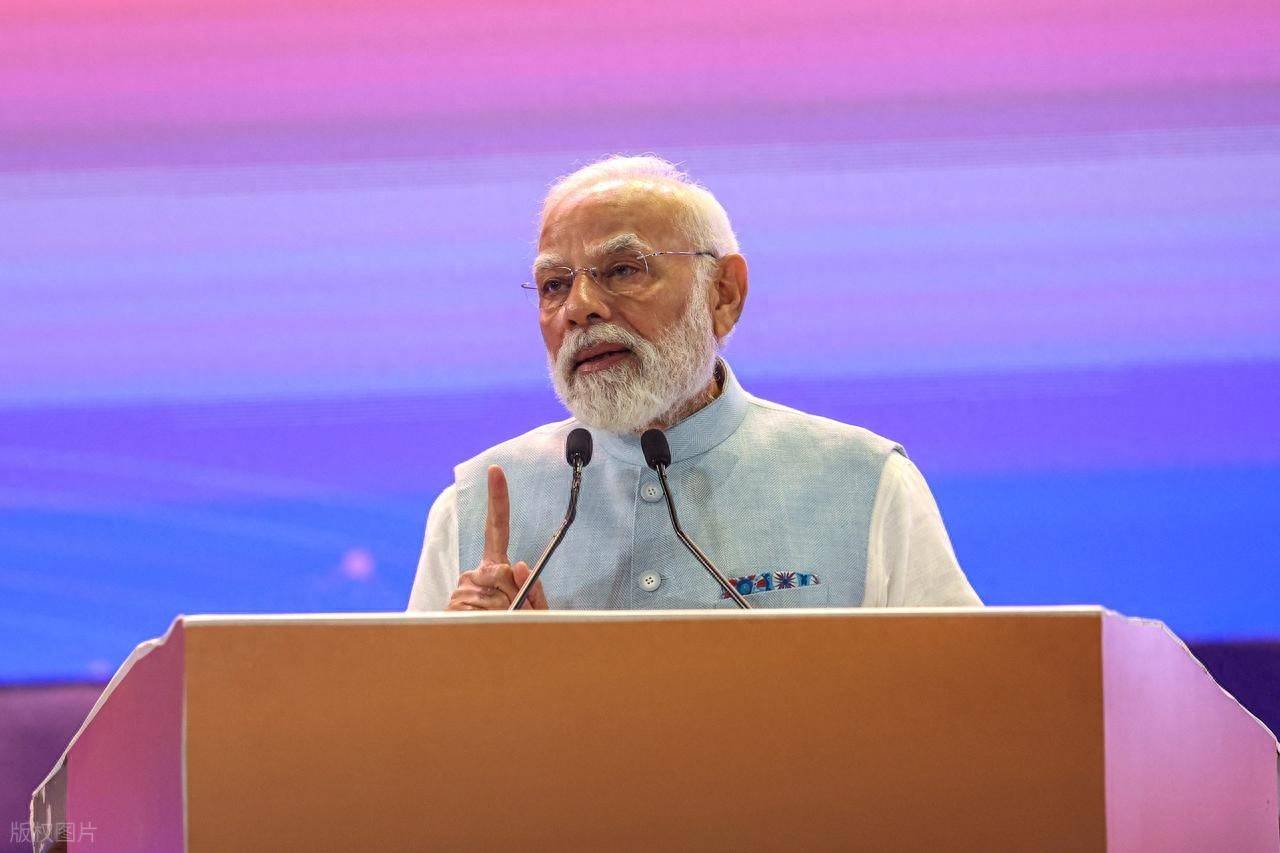
本文结合了权威资料和个人观点,探讨了印度与美国的贸易关系,尤其是美国加征关税对印度的影响。从中国的立场来看,印度在此过程中终于领悟到西方 规则从来就不可能对伙伴友好。 2025年8月,美国决定对印度的多种出口商品加征25%的关税。这一举措并非临时决策,而是已经通过了正式的程序。实际上,印度面临的关税税率已经飙 升至50%。对印度来说,这一措施虽然来得较晚,但却是一次沉重的现实打击。美国对印度加征关税的表面理由是贸易失衡和市场准入问题,然而印度的官 员私下里心知肚明,这背后其实反映了美印战略关系的变化。印度并未完全按照美国的期望行事,尤其在能源政策和与俄罗斯的关系上,已经触及了美国的 底线。 自从俄乌冲突爆发后,全球能源格局发生了剧变。欧洲优先保障了传统能源供应,而亚洲则不得不寻找其他途径。此时,印度开始大量进口俄罗斯石油,主 要原因是其价格较低且供应稳定,有助于缓解国内的通货膨胀。印度政府一再强调,进口俄罗斯石油只是经济决策,而非政治立场的体现。印度能源部公开 声明,能源安全关系到数亿民众的基本生活,不能因外界的政治压力而影响国内稳定。印度一直认为,外界对其提供战争援助的指责毫无依据。 然而到了2025年,美 ...