虚拟电厂

Search documents
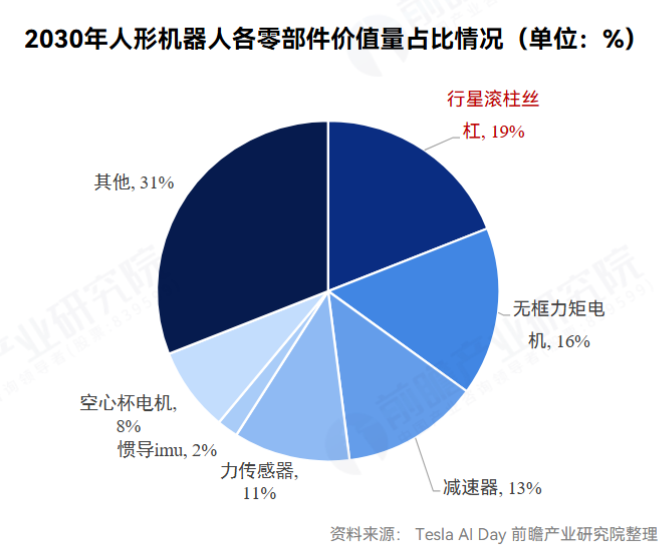
2025年终复盘:储能+虚拟电厂实战进度条
行家说储能· 2025-12-22 10:38
Core Viewpoint - The article emphasizes that the virtual power plant (VPP) sector is entering a significant growth phase, driven by supportive policies and market demand, with a projected market size of approximately 10.2 billion yuan by 2025 [4][7]. Group 1: Policy Support - The virtual power plant has moved beyond the conceptual stage, supported by strong national policy frameworks that set clear quantitative goals and funding mechanisms, indicating a visible market inflection point [4][7]. - Various government departments have introduced policies that position VPPs as new market entities, driving industry development and making them a key focus in local government documents and corporate financial reports [4][7]. Group 2: Market Dynamics - The electricity market is undergoing significant changes, with the gap in electricity supply expected to grow from 2.06 trillion kWh in 2023 to 3.01 trillion kWh by 2029, highlighting the substantial growth potential for VPPs [7]. - The increasing volatility in electricity prices, driven by the integration of renewable energy and the growth of AI data centers, is creating a demand for VPPs to provide flexible regulation capabilities [7]. Group 3: Company Strategies - Ronghe Yuanshu emphasizes the importance of aggregating distributed resources for market participation, developing a comprehensive service model that includes technology, assets, and operations [8]. - Weiheng Intelligent focuses on a hardware-software integrated approach to create sustainable revenue structures, converting existing customers into operational service users [9]. - Star Charging is implementing a "cloud-management-end" integrated model to optimize energy across various channels, having aggregated over 4,700 MW of adjustable load across 19 provinces [9]. - New Juneng aims to connect the electricity market with distributed energy resources, enhancing its role as a flexible resource integrator and trader [10]. Group 4: Technical and Operational Challenges - VPP operators face high entry barriers, requiring compliance with national and local regulatory standards, including obtaining necessary certifications for market participation [12]. - The "four capabilities" (observable, measurable, adjustable, controllable) are essential for VPPs, necessitating significant investment in technology and operational capabilities [15][16]. - The fragmentation of underlying equipment poses challenges for resource aggregation, which companies are addressing through compatibility and resource connection capabilities [16]. Group 5: Financial Performance and Growth - Companies like Ronghe Yuanshu have successfully aggregated approximately 130 MW of capacity and achieved significant operational milestones, including a 35% increase in daily revenue through optimized strategies [21]. - Star Charging projects substantial financial benefits from VPP integration, estimating a total revenue of approximately 2.39 million yuan over ten years for a 1 MWh user-side storage project [23]. - The article highlights that many companies have crossed the "hundreds of megawatts" threshold in capacity aggregation, indicating a shift in focus from feasibility to performance and profitability [24][30].

国电南自涨2.22%,成交额1.70亿元,主力资金净流入543.71万元
Xin Lang Cai Jing· 2025-12-22 05:59
Group 1 - The core viewpoint of the news is that Guodian Nanzi's stock has shown significant performance, with a year-to-date increase of 61.25%, despite a recent decline of 3.55% over the last five trading days [1] - As of December 22, Guodian Nanzi's stock price was 10.61 yuan per share, with a market capitalization of 10.778 billion yuan and a trading volume of 1.70 billion yuan [1] - The company has seen a net inflow of main funds amounting to 5.4371 million yuan, with large orders contributing significantly to the buying and selling activities [1] Group 2 - Guodian Nanzi, established on September 22, 1999, specializes in power transmission and transformation protection, control, and automation systems, among other related services [2] - The company's main business revenue composition includes: grid automation (47.55%), system integration (18.68%), power plant automation (14.99%), and other segments [2] - As of September 30, the number of shareholders increased to 61,900, with an average of 16,334 circulating shares per person, reflecting a decrease of 41.47% [3] Group 3 - For the period from January to September 2025, Guodian Nanzi achieved operating revenue of 6.308 billion yuan, representing a year-on-year growth of 13.89%, and a net profit attributable to shareholders of 211 million yuan, up 100.86% year-on-year [3] - The company has distributed a total of 1.044 billion yuan in dividends since its A-share listing, with 268 million yuan distributed in the last three years [4] - As of September 30, 2025, the second-largest circulating shareholder is Hong Kong Central Clearing Limited, holding 55.7078 million shares, while several funds have adjusted their holdings in the company [4]

分布式储能盈利难题仍待解
中国能源报· 2025-12-22 03:21
Core Viewpoint - The distributed energy storage industry in China is entering a critical period of scale development and breakthrough in business models, driven by rapid growth in installed capacity and the emergence of deep-seated issues such as reliance on single profit models and inadequate safety standards [1][3]. Group 1: Industry Growth and Applications - From 2019 to Q3 2025, China's cumulative installed capacity of distributed energy storage is expected to grow from 570 MW to over 3638 MW, representing an increase of more than five times [3]. - Six main application scenarios have emerged in the distributed energy storage sector: industrial and commercial storage, distributed photovoltaic storage, green electricity direct connection, substation storage, virtual power plants, and charging and swapping stations [3]. - The industrial and commercial storage model is the most mature, primarily generating revenue through time-of-use electricity price arbitrage, with provinces like Jiangsu, Guangdong, and Zhejiang leading in installed capacity due to significant peak-valley price differences [3]. Group 2: Policy and Market Drivers - The rapid development of distributed energy storage is attributed to a dual drive from policy guidance and market mechanisms, with new application scenarios like zero-carbon parks and data centers creating a strong demand for green electricity consumption [5]. - The advancement of electricity market reforms has opened new revenue channels for distributed energy storage, allowing participation in various market transactions such as electricity spot markets and frequency regulation [5]. Group 3: Challenges and Structural Issues - The commercial viability of industrial and commercial storage projects heavily relies on peak-valley price arbitrage, making the industry vulnerable to policy changes [11]. - Key structural challenges include high development costs, safety issues due to a lack of unified standards, and low-price competition leading to inconsistent product quality [12]. - The economic viability of typical 2-hour lithium battery storage projects is projected to decline, with investment recovery periods extending from 5.4 years to 9.1 years due to recent adjustments in peak-valley pricing policies [11]. Group 4: Future Development and Recommendations - The key to overcoming current challenges lies in transforming distributed energy storage from a "policy-driven arbitrage tool" to a "flexible resource with multiple values in the electricity market" [14]. - Future developments are expected to focus on technological advancements, market expansion, and the evolution of business models, with an emphasis on AI for better load and price forecasting [15]. - Recommendations include widening peak-valley price differences, improving demand response mechanisms, and establishing safety standards in the short term, while promoting deeper electricity market reforms and exploring capacity value in the medium to long term [16].
特变电工涨2.10%,成交额12.42亿元,主力资金净流入4556.31万元
Xin Lang Cai Jing· 2025-12-22 02:47
Group 1 - The core viewpoint of the news is that TBEA Co., Ltd. has shown significant stock performance with a year-to-date increase of 78.86%, despite a recent decline of 4.00% over the last five trading days [1] - As of December 22, TBEA's stock price reached 22.34 CNY per share, with a market capitalization of 112.88 billion CNY and a trading volume of 1.24 billion CNY [1] - The company has a diverse revenue structure, with major contributions from electrical equipment products (27.64%), coal products (18.27%), and wire and cable products (16.22%) [1] Group 2 - TBEA operates in the power equipment sector, specifically in the sub-sector of transmission and transformation equipment, and is involved in concepts such as transformers and wind energy [2] - For the period from January to September 2025, TBEA reported a revenue of 72.92 billion CNY, reflecting a year-on-year growth of 0.88%, and a net profit attributable to shareholders of 5.48 billion CNY, which is a 27.62% increase [2] - The company has distributed a total of 15.12 billion CNY in dividends since its A-share listing, with 6.59 billion CNY distributed over the past three years [3]

破解AIDC“能耗巨兽”难题 三大路径浮现新“卖水人”
Zhong Guo Zheng Quan Bao· 2025-12-21 21:59
Core Insights - The rise of Artificial Intelligence Data Centers (AIDC) is creating new energy demands, emphasizing safety, economy, and sustainability in energy supply chains [1][3] - Green energy and carbon reduction are identified as two main pathways to address AIDC energy consumption issues, leading to opportunities for energy solution providers [1][5] Industry Developments - Companies are actively investing in virtual power plants, AIDC power support, and energy storage solutions to adapt to the new energy demands created by AIDC [1][2] - China Energy Construction (601868) has made significant technological breakthroughs in virtual power plants, enhancing system flexibility and reducing operational costs [1] - Yangdian Technology (301012) plans to invest 50 million yuan to establish a subsidiary focused on comprehensive power solutions for data centers and AIDC [1] Energy Storage Innovations - Energy storage is crucial for the stable operation of AIDC, with companies like Haicheng Energy launching lithium-sodium collaborative storage solutions to increase green energy usage [2][6] - Jerry Holdings (002353) is making progress in the data center power generation sector, having signed contracts for generator sales with major AI companies, entering the North American market [2] Energy Demand Projections - According to the International Energy Agency, global data center electricity demand is expected to double by 2030, reaching approximately 945 TWh, with AIDC demand projected to quadruple [3] - The unique energy requirements of AIDC are reshaping the energy industry, necessitating a focus on economic and green energy supply [3][4] Green Energy Transition - The transition to a green energy supply system for AIDC is gaining traction, with significant increases in power consumption per cabinet, from 4-8 kW in traditional data centers to over 100 kW currently, potentially reaching 1 MW in the future [4] - Policies are being implemented to guide the green and low-carbon development of data centers, aiming for an average energy efficiency of 1.5 or lower by 2025 [4] Carbon Reduction Strategies - AIDC's carbon emissions can be reduced by 20% to 40% through the use of green energy and storage technologies compared to traditional energy sources [5] - Innovations in energy transmission and heat recovery systems are being explored to minimize energy losses and improve efficiency [5] Collaborative Energy Management - The concept of "computing-electricity synergy" is emerging, where data centers can optimize power scheduling and improve overall efficiency through AI technologies [7][8] - Major internet companies are utilizing virtual power plant technologies to manage computing resources across multiple data centers based on energy costs and carbon footprints [7][8]
破解AIDC“能耗巨兽”难题三大路径浮现新“卖水人”
Zhong Guo Zheng Quan Bao· 2025-12-21 20:12
Core Insights - The rise of Artificial Intelligence Data Centers (AIDC) is creating new energy demands, emphasizing safety, economy, and sustainability in energy supply chains [1][3] - Green energy and carbon reduction are identified as two main pathways to address AIDC energy consumption issues, leading to opportunities for energy solution providers [1][4] Industry Developments - Companies are actively investing in virtual power plants, AIDC power support, and energy storage solutions to adapt to the new energy demands of AIDC [1][2] - China Energy Construction has made significant technological breakthroughs in virtual power plants, enhancing system flexibility and reducing operational costs [1] - Yangdian Technology plans to invest 50 million yuan to establish a subsidiary focused on comprehensive power solutions for data centers and AIDC [1] Energy Storage Innovations - Energy storage is crucial for the stable operation of AIDC, with companies like Haicheng Energy launching lithium-sodium collaborative storage solutions to increase green energy usage [2] - Jerry Holdings has made progress in the data center power generation sector, signing contracts with global AI giants for generator sales, indicating a move into the North American high-end power market [2] Energy Demand Projections - The International Energy Agency projects that global data center electricity demand will more than double by 2030, reaching approximately 945 terawatt-hours (TWh), with AIDC demand expected to quadruple [3] - AIDC's unique energy requirements are reshaping the energy industry, necessitating higher power density and cooling solutions [2][3] Policy and Regulatory Framework - The Chinese government is increasing guidance on green and low-carbon development for data centers, aiming for an average energy efficiency of 1.5 or lower by the end of 2025 [4] - New policies will require over 80% of green electricity in newly built national hub data centers by 2025, promoting the use of renewable energy [4] Technological Innovations - Companies are exploring direct current power supply solutions to minimize energy losses and transitioning from traditional diesel generators to diverse energy storage solutions [5] - Various energy storage technologies are being developed, including lead-carbon batteries and modular lithium and sodium batteries, focusing on safety and economic viability [6] Collaborative Energy Management - The concept of "compute-power synergy" is emerging, where data centers can optimize power dispatch and improve overall efficiency through AI-driven load scheduling [6][7] - Major internet companies are utilizing virtual power plant technologies to manage computing power across multiple data centers, optimizing based on electricity costs and carbon footprints [7] Future Outlook - The energy reform focus is shifting towards energy consumption, with expectations for the emergence of unicorn companies in virtual power plants and new energy systems during the 14th and 15th Five-Year Plans [8]
工商储又变天?别误读 “取消行政分时电价”
行家说储能· 2025-12-19 14:45
Core Viewpoint - The article discusses the recent changes in China's electricity pricing policy, particularly the cancellation of time-of-use pricing in certain regions, and its implications for the energy storage industry. It emphasizes the need for energy storage companies to adapt to a more market-driven environment rather than relying on fixed price arbitrage models [3][4]. Summary by Sections Policy Changes - The National Development and Reform Commission and the Energy Administration have announced that regions should align peak and valley time-of-use pricing with market transaction prices, effectively removing government-mandated time-of-use pricing for market participants [2][3]. Implications for Energy Storage - The cancellation of fixed peak-valley price arbitrage will challenge traditional revenue models for energy storage companies. However, it opens up opportunities for diversified market revenue streams, including active load management and virtual power plant aggregation [4]. - The shift towards a dual-layer operational framework, combining long-term contracts with spot market adjustments, is seen as a significant development in the energy market [3][4]. Market Dynamics - The changes may favor electricity retail companies due to their existing qualifications, customer bases, and trading capabilities, allowing them to quickly capitalize on market opportunities. Energy storage companies are encouraged to either establish their own retail operations or partner with established retail firms to optimize cash flow and gain industry experience [4]. - The industry is expected to see higher entry standards and enhanced information disclosure and stress testing mechanisms, which will help eliminate inefficient players and promote platforms that excel in digital operations and load management [4]. Upcoming Events - The article mentions an upcoming annual conference on January 8, featuring over 30 leading companies in the energy storage sector, where discussions will focus on the implications of the recent electricity market reforms [5][7].

晶科科技涨2.10%,成交额5.75亿元,主力资金净流出4270.52万元
Xin Lang Cai Jing· 2025-12-19 05:18
Core Viewpoint - JinkoSolar's stock has shown significant volatility and growth, with a year-to-date increase of 39.28% and a recent surge of 15.43% over the past five trading days, indicating strong market interest and potential investment opportunities [1]. Financial Performance - For the period from January to September 2025, JinkoSolar reported a revenue of 3.122 billion yuan, a year-on-year decrease of 19.73%, while the net profit attributable to shareholders increased by 61.82% to 356 million yuan [2]. - The company has distributed a total of 319 million yuan in dividends since its A-share listing, with 161 million yuan distributed over the past three years [3]. Shareholder Information - As of September 30, 2025, JinkoSolar had 130,100 shareholders, an increase of 9.22% from the previous period, with an average of 27,448 circulating shares per shareholder, down by 8.44% [2]. - The top ten circulating shareholders include significant institutional investors, with Hong Kong Central Clearing Limited holding 39.258 million shares, an increase of 6.178 million shares from the previous period [3].

正泰电器涨2.10%,成交额2.55亿元,主力资金净流入134.50万元
Xin Lang Zheng Quan· 2025-12-19 03:24
Core Viewpoint - Zhejiang Chint Electrics Co., Ltd. has shown a significant increase in stock price this year, with a year-to-date rise of 25.68%, despite a slight decline in the last five trading days [1][3]. Group 1: Company Overview - Chint Electrics was established on August 5, 1997, and went public on January 21, 2010. The company specializes in low-voltage electrical equipment, including distribution, terminal, control, and power electronics, as well as solar energy products and EPC engineering [2]. - The main revenue sources for Chint Electrics include solar power station engineering contracting (32.76%), power station operation (18.79%), and terminal electrical products (13.01%) [2]. Group 2: Financial Performance - As of September 30, 2025, Chint Electrics reported a revenue of 46.396 billion yuan, a slight decrease of 0.03% year-on-year, while net profit attributable to shareholders increased by 19.49% to 4.179 billion yuan [3]. - The company has distributed a total of 15.65 billion yuan in dividends since its A-share listing, with 3.319 billion yuan distributed over the past three years [4]. Group 3: Shareholder Information - As of September 30, 2025, the number of shareholders for Chint Electrics was 85,600, a decrease of 3.19% from the previous period, with an average of 25,114 circulating shares per shareholder, an increase of 3.30% [3]. - The third-largest circulating shareholder is Hong Kong Central Clearing Limited, holding 123 million shares, a decrease of 8.4353 million shares from the previous period [4].

新一轮财富分配启动|十五五最具潜力的就业与投资赛道前瞻
Qian Zhan Wang· 2025-12-19 02:18
Core Insights - The article discusses the transformation of China's economy as it transitions from the "14th Five-Year Plan" to the "15th Five-Year Plan," highlighting a shift from quantitative growth to qualitative changes driven by deep technology and societal needs [1][30]. Group 1: Artificial Intelligence - Artificial intelligence is shifting focus from "computational power competition" to "embodied intelligence and vertical penetration," with humanoid robots poised for large-scale deployment [2][4]. - The demand for "vertical domain + AI" talent is increasing, as industries require professionals who understand both AI technology and specific industry knowledge [6]. Group 2: Energy Transition - The energy revolution is entering a "second half," focusing on energy storage and grid stability rather than just power generation [6][7]. - By 2030, China's non-fossil energy consumption is expected to reach 25%, with a total installed capacity of wind and solar power exceeding 1.2-2.4 billion kilowatts [7]. Group 3: Low-altitude Economy - The low-altitude economy is recognized as a new pillar industry, facing challenges in manufacturing technology, market maturity, and infrastructure development [11][12]. - The space information industry is expected to grow significantly, driven by satellite networking and data empowerment, creating demand for various new professional roles [13]. Group 4: 6G Communication - 6G is anticipated to be a central driver of the digital economy, with a projected global market size exceeding 24.4 trillion yuan by 2040, and China expected to be a major market [17]. - The integration of communication, sensing, and computing capabilities in 6G will revolutionize sectors like autonomous driving and industrial internet [19]. Group 5: Quantum Computing - Quantum computing is moving towards practical applications, with a projected market size of $17.689 trillion by 2029, growing at a compound annual growth rate of 32% [20][23]. - There is a significant talent gap in the quantum computing field, particularly for interdisciplinary professionals who can bridge quantum physics and computer science [23]. Group 6: Biomanufacturing and Silver Economy - The aging population is creating a "silver economy" market projected to reach 25 trillion yuan by 2030, with biomanufacturing playing a key role in addressing health needs [24][28]. - Professions related to biomanufacturing and personalized healthcare are expected to expand significantly during the "15th Five-Year Plan" [28]. Group 7: Productive Services Industry - The productive services industry is becoming a core support for manufacturing, with its GDP share expected to rise from 28% to 35% by the end of the "15th Five-Year Plan" [29]. - Key growth areas include high-end technology services, industrial digitalization, and green consulting services, driven by the need for innovation and sustainability [29]. Conclusion and Insights - The article emphasizes the importance of understanding long-term technological and societal trends for investment and career opportunities during the "15th Five-Year Plan" [30][31].