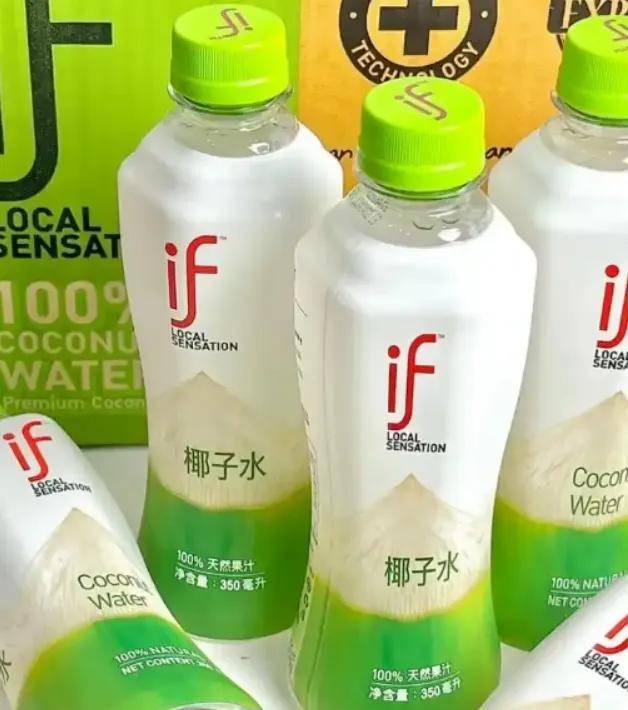
轻资产模式

Search documents
人效碾压拼多多的椰子水上市:46人创11亿营收,钟睒睒「入股」
36氪未来消费· 2025-06-30 15:01
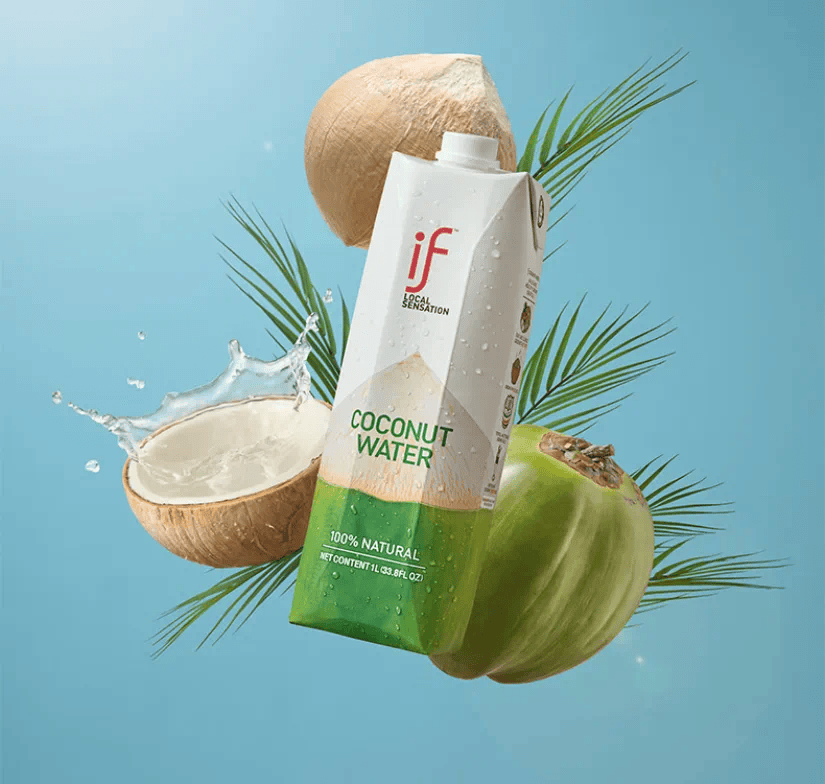
Core Viewpoint - IFBH Limited, the parent company of if coconut water, successfully went public on the Hong Kong Stock Exchange, achieving a market capitalization exceeding 10 billion HKD, showcasing the financial potential of coconut products [4][5]. Group 1: Company Overview - IFBH Limited was founded in 2013 by a Thai entrepreneur and primarily focuses on coconut water, which accounts for 96% of its total revenue [4]. - The company entered the Chinese market in 2017 through e-commerce channels, positioning China as its main growth driver [4]. - For 2024, IFBH is projected to generate revenue of 158 million USD (approximately 1.1 billion RMB), reflecting an 80% year-on-year growth, with 92.4% of this revenue coming from mainland China [4]. Group 2: Market Position and Performance - IFBH holds a market share of approximately 34% in mainland China, significantly outpacing its nearest competitor by over seven times, maintaining the top position for five consecutive years [4]. - The company achieved a record for the fastest approval for a food and beverage IPO in Hong Kong this year, completing the process in just over two months [5]. Group 3: Operational Efficiency - Despite generating over 1 billion RMB in revenue, IFBH operates with only 46 employees, resulting in an impressive revenue per employee of around 25 million RMB [6]. - In comparison, Pinduoduo, known for its operational efficiency, reported a revenue of 393.8 billion RMB with 23,465 employees, yielding a revenue per employee of approximately 16.78 million RMB [7]. Group 4: Investment Interest - During the IPO phase, IFBH was highly sought after by investors, with oversubscription reaching over 2,600 times [8]. - Notable cornerstone investors included Sequoia China, UBS Asset Management, and Jain Global, collectively subscribing approximately 310 million HKD [8]. Group 5: Marketing and Growth Strategy - The company has heavily invested in marketing, with expenditures increasing from 3.66 million USD to 7.36 million USD, representing over 100% growth [17]. - IFBH's marketing strategies include collaborations with popular brands and celebrities, enhancing its visibility and market presence [18]. Group 6: Industry Trends and Challenges - The coconut water market has seen a surge in demand due to its health benefits, particularly as a low-calorie and low-fat beverage option [13]. - However, the company faces challenges from rising raw material costs and increased competition from private label brands in the coconut water segment [22]. - The company must strengthen its supply chain and diversify its product offerings to maintain its competitive edge in the evolving market landscape [24].


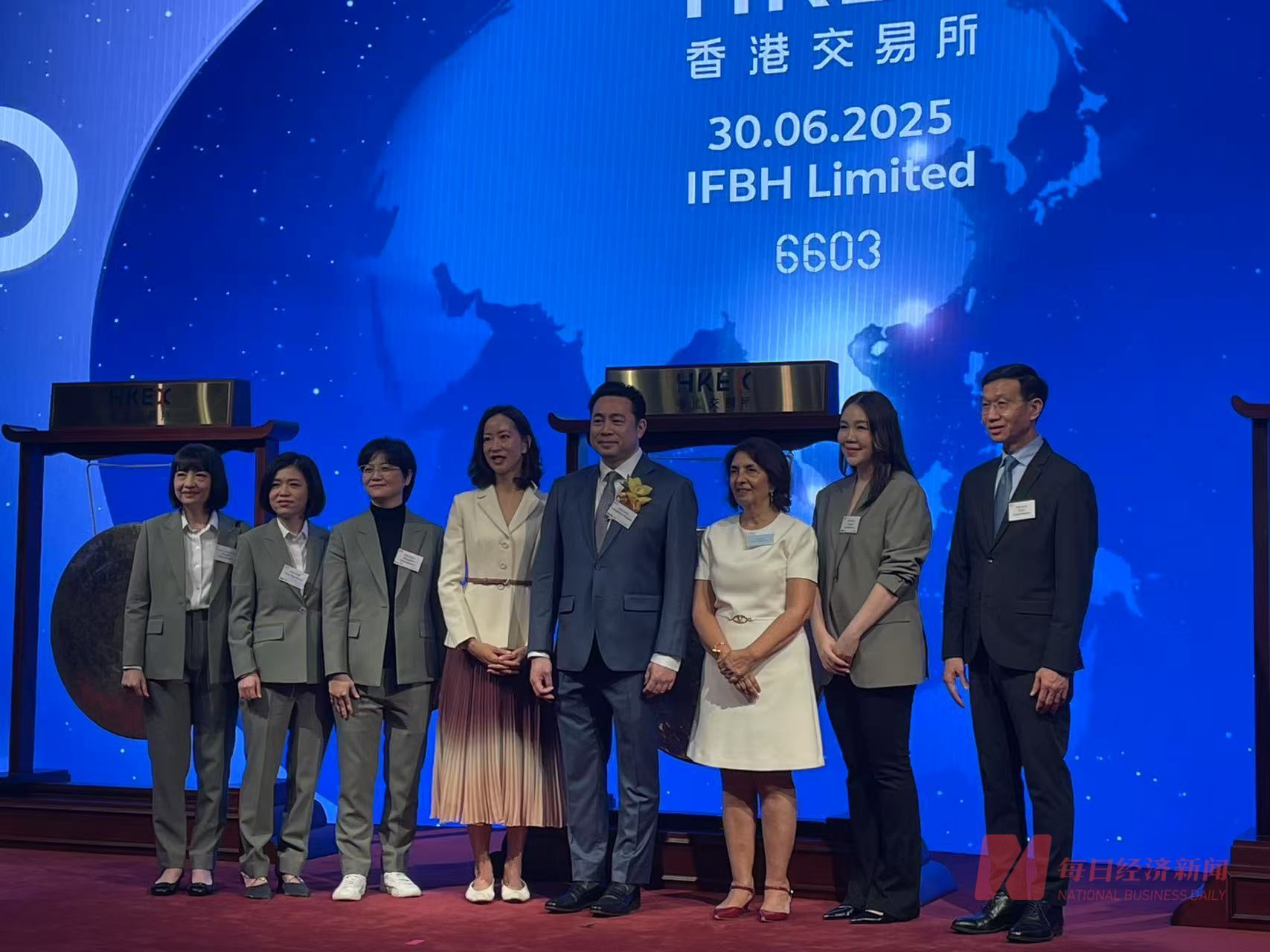
椰子水界“扛把子”IFBH港交所出道,泰国“富二代”创始人上台敲锣 中国内地市场贡献超九成收益
Mei Ri Jing Ji Xin Wen· 2025-06-30 10:52
Core Viewpoint - IFBH, the parent company of "if coconut water," successfully listed on the Hong Kong Stock Exchange, achieving a strong market debut with significant investor interest and a high opening price [1][2] Group 1: Company Overview - IFBH was founded in 2013 and launched its flagship product, if coconut water, in the Chinese mainland market in 2017 [1] - The company is backed by a Thai beverage manufacturer and has a strong market presence in China and Singapore, with plans for further expansion into East Asia and globally [1][2] - The company operates under a light asset model, outsourcing production and packaging to third-party manufacturers, which allows for greater flexibility and scalability [3] Group 2: Financial Performance - IFBH's revenue for 2023 and 2024 is projected to be approximately $87.44 million and $158 million, respectively, with net profits of about $16.75 million and $33.32 million [2] - The company holds a dominant position in the Chinese coconut water market, with an estimated market share of 34% in 2024, significantly outpacing its nearest competitor [2] Group 3: IPO and Fund Utilization - The IPO raised approximately HKD 1.074 billion, with planned allocations of funds including 30% for enhancing warehousing and distribution capabilities, 22% for brand building, and 20% for strategic alliances and acquisitions [4] - The company aims to strengthen its market position in China while expanding into Australia, the Americas, and Southeast Asia [4]
消失的国民女鞋,突然卖到第一
盐财经· 2025-06-30 09:42
Core Viewpoint - Daphne, once on the brink of bankruptcy, has made a remarkable comeback by focusing on online sales and adapting to market trends, achieving significant revenue growth and profitability in recent years [5][8][37]. Financial Performance - In 2024, Daphne reported a revenue of 322.3 million RMB, a 23% increase from 262.6 million RMB in 2023 [6][8]. - The profit attributable to shareholders reached 106.6 million RMB, marking a 71% year-on-year growth [6][8]. - Operating profit increased by 43% to 96.6 million RMB, with an operating margin of 30% [6][8]. - Cash and cash equivalents rose by 30% to 476.2 million RMB, indicating improved liquidity [6][8]. Market Position and Strategy - Daphne has become a leading brand in the online women's shoe market, ranking first in sales on Douyin since February 2023 [5][8]. - The brand has shifted from a traditional retail model to a "light asset" model, focusing on e-commerce and brand licensing [30][37]. - The introduction of the sub-brand Daphne.Lab targets younger consumers and expands the price range, with products priced up to 1,000 RMB [18][49]. Product Development and Consumer Engagement - Daphne has significantly reduced its product launch cycle, now comparable to fast fashion brands like H&M and ZARA [12][20]. - The brand's successful online strategy includes a robust promotional matrix and the establishment of 152 self-broadcast accounts for live selling [17][18]. - The company has diversified its revenue streams, with licensing fees contributing 39.4% of total revenue in 2024 [21][35]. Challenges and Future Outlook - Despite recent successes, Daphne faces challenges in maintaining brand identity and consumer loyalty, as it relies heavily on brand licensing and low-cost alternatives [41][45]. - The company plans to open one or two physical stores for its sub-brand in first-tier cities to enhance brand presence and consumer experience [49][50]. - The long-term sustainability of Daphne's business model remains uncertain, as it must balance online and offline strategies to meet consumer needs [45][48].

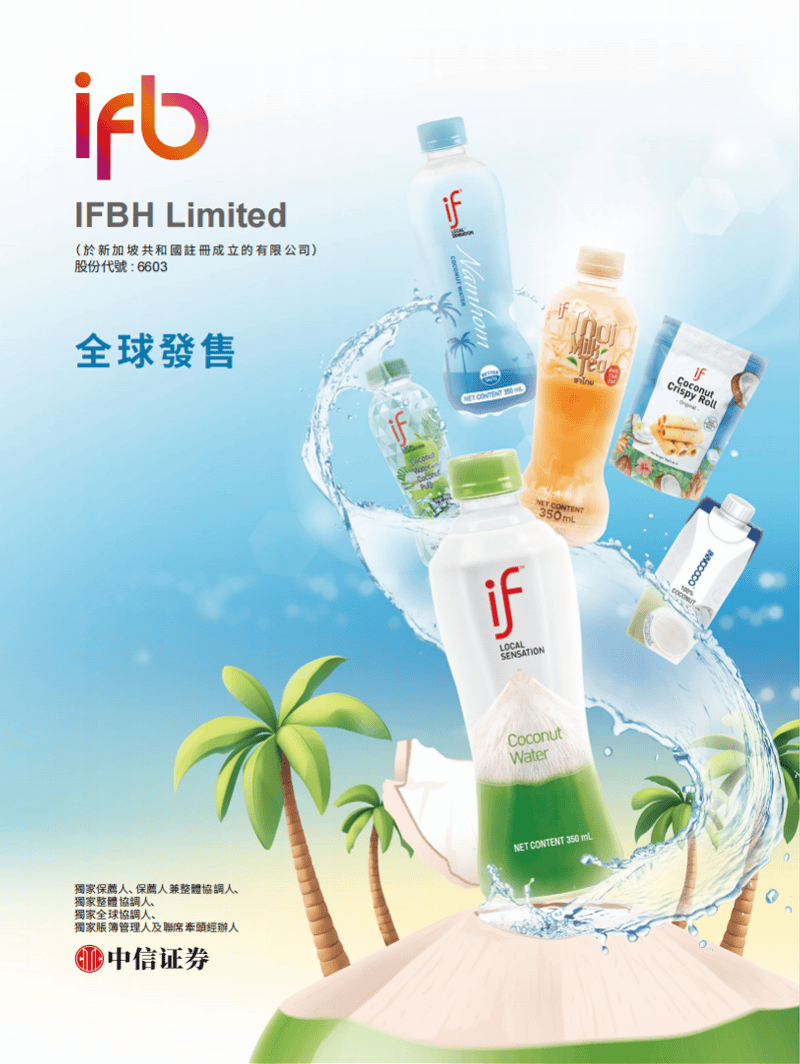
if椰子水母公司在香港上市,产品靠代工生产,员工仅46人
Sou Hu Cai Jing· 2025-06-30 08:40
Core Viewpoint - IFBH Limited, the parent company of the well-known Thai coconut water brand "if," successfully listed on the Hong Kong Stock Exchange with a strong debut, reflecting significant investor interest and market confidence in its growth potential in the coconut water sector, particularly in mainland China [1][3]. Company Overview - IFBH was established in 2013 and is headquartered in Singapore, having been spun off from General Beverage, a Thai beverage manufacturer [1]. - The company's primary brands are "if" and "Innococo," with a focus on the coconut water market [1]. Market Position - IF is the leading coconut water brand in mainland China, holding a market share of approximately 34% in 2024, significantly surpassing its closest competitor by more than seven times [3]. - The mainland Chinese market is IFBH's largest, contributing to its sustained growth and market leadership over the past five years [3]. Financial Performance - For 2024, IFBH's revenue is projected to be approximately $158 million (around 1.158 billion RMB), representing an 80.32% increase from 2023 [4]. - The net profit for 2024 is expected to be around $33 million (approximately 242 million RMB), showing a year-on-year growth of 94.12% [4]. - Revenue from the mainland Chinese market is anticipated to reach $146 million (about 1.069 billion RMB), accounting for 92.4% of total revenue [4]. Revenue Sources - Coconut water is the primary revenue driver for IFBH, with projected revenue of approximately 1.106 billion RMB in 2024, reflecting an 83.7% year-on-year increase and constituting 95.6% of total revenue [4]. Operational Model - IFBH operates a light asset model, relying on outsourcing production to contract manufacturers, which has enabled rapid expansion with a lean workforce of only 46 employees [5][7]. - The company has 12 contract manufacturers located in Thailand, indicating a reliance on a concentrated geographic production base [7]. Supply Chain and Distribution - IFBH's supply chain is heavily dependent on a few distributors, with the top five customers accounting for 97.9% and 97.6% of sales in 2023 and 2024, respectively [7]. - The company does not operate its own warehouses or distribution centers, instead relying on third-party logistics providers for product distribution [7].
南极电商难撕“吊牌之王”标签 2025年Q1延续陷入亏损
Xin Lang Zheng Quan· 2025-06-27 07:23
Core Viewpoint - The article highlights the operational risks faced by Nanji E-commerce, which stem from its over-reliance on a light-asset brand licensing model that has led to declining brand value, revenue instability, and ineffective transformation strategies [1][4]. Group 1: Brand Licensing and Quality Issues - The core crisis of Nanji E-commerce arises from the self-destructive nature of its business model, where rapid expansion through brand licensing has turned into a "poison" that erodes brand vitality [2]. - The lack of quality control has resulted in a high complaint rate for the Nanji brand, with subpar products flooding the market, leading to a decline in consumer trust [2]. - The depreciation of brand value has weakened the foundation of the business model, forcing a reduction in monetization rates as sales decline [2]. Group 2: Revenue Structure and Transformation Challenges - Nanji E-commerce's revenue structure is heavily reliant on mobile internet business, exposing it to significant risks if internet traffic growth plateaus or platform policies tighten [3]. - Attempts to transform into new consumer brands have revealed multiple contradictions, such as shrinking R&D investments juxtaposed with high advertising budgets [3]. - The management changes have led to strategic inconsistencies, complicating the company's efforts to balance low-end licensing cash flow with high-end market ambitions [3]. Group 3: Valuation and Market Concerns - The risks faced by Nanji E-commerce illustrate a textbook case of a light-asset model transitioning from expansion to self-harm, with a deteriorating moat due to poor governance [4]. - The company's high valuation, supported by a single revenue structure, has been exposed as unsustainable amid industry changes [4]. - The article emphasizes the need for Nanji E-commerce to reconstruct its product core, balance its business ecosystem, and rebuild brand credibility to navigate through market challenges [4].

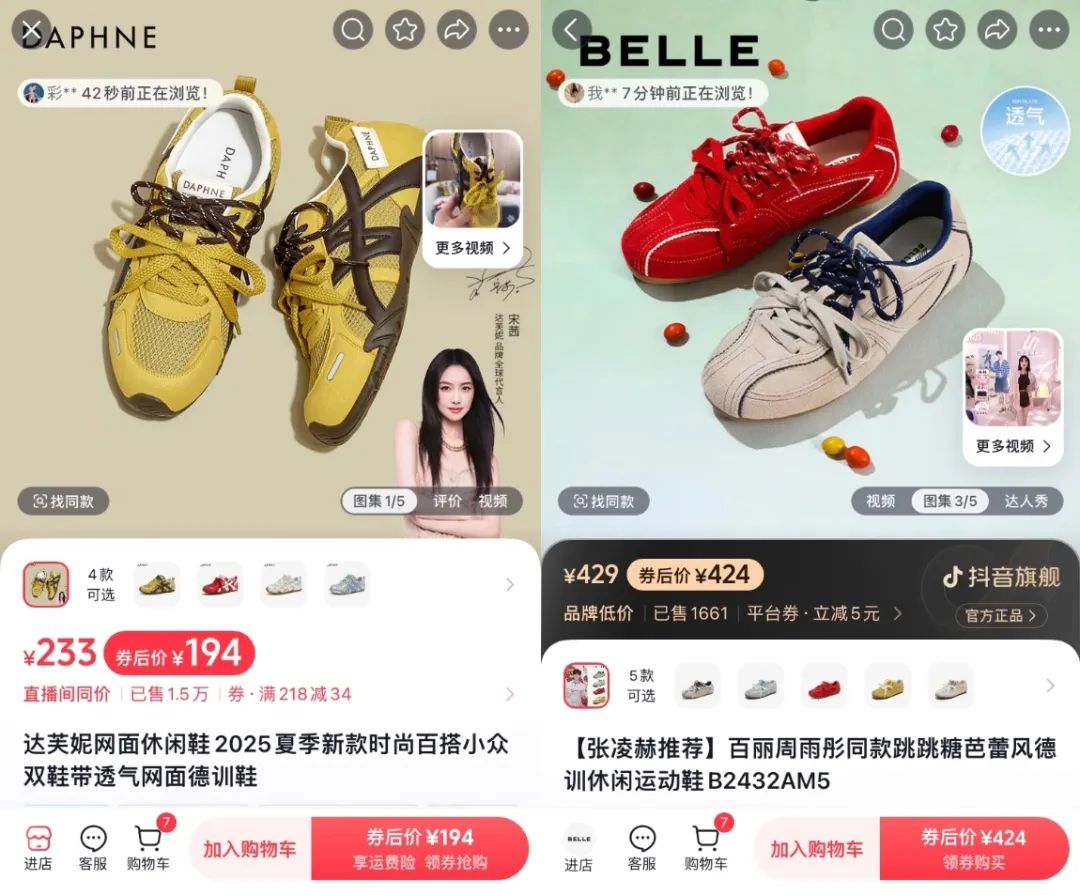
濒临破产的国产女鞋,在抖音杀回TOP 1
3 6 Ke· 2025-06-24 04:30
Core Viewpoint - Daphne, once a dominant player in the offline shoe market, has successfully transitioned to online sales, becoming a popular choice among young consumers and achieving significant sales growth on e-commerce platforms like Tmall and Douyin [3][5][7]. Sales Performance - During the 618 shopping festival, Daphne ranked fifth in Tmall's shoe sales, following major brands like Belle and Crocs [3]. - Over the past year, Daphne has become the top-selling women's shoe brand on major e-commerce platforms, marking a significant recovery from its previous struggles [3][7]. - In Douyin, Daphne has maintained the top position in women's shoe sales for over two years, indicating strong brand recognition and consumer loyalty [4][5]. Financial Recovery - After reaching a peak revenue of approximately 85.68 billion RMB in 2012, Daphne's revenue plummeted to around 0.87 billion RMB by 2021 [15][17]. - The company returned to profitability in 2021, with a revenue increase of 96.8% in 2022, marking three consecutive years of growth [7][15]. Product Strategy - Daphne has shifted its product offerings to align with current trends, focusing on styles like dad shoes and training shoes, while incorporating trendy elements such as lace and two-tone shoelaces [8][10]. - The brand positions itself in the affordable price range of 100-300 RMB, appealing to cost-conscious consumers compared to competitors like Belle, which targets a higher price range [8][10]. Marketing and Operations - Daphne has adapted its marketing strategy on Douyin, transitioning from influencer-driven sales to a focus on brand self-broadcasting, which has increased direct consumer engagement and reduced marketing costs [11][12]. - Approximately 55% of Daphne's revenue on Douyin now comes from brand self-broadcasting, showcasing the effectiveness of this strategy [12]. Business Model Transformation - The company has transitioned to a "light asset" model, significantly reducing its physical store presence by closing 2395 stores in 2019, leaving only 111 stores by 2024 [16][18]. - This model allows Daphne to focus on brand management and product design while outsourcing production and sales to franchisees, thus minimizing inventory risks [16][18]. Future Prospects - Daphne has launched a high-end sub-brand, Daphne.Lab, targeting affluent, young consumers with products priced between 600-1300 RMB, and has seen significant growth in this segment [19][20]. - The brand's marketing efforts, including collaborations with designers and appearances at major events, have further enhanced its visibility and appeal [20].
泰国富二代在中国卖椰子水,46名员工年入11亿,“只是椰子的搬运工”
Sou Hu Cai Jing· 2025-06-20 00:41
Company Overview - IFBH Limited, the parent company of the If coconut water brand, is set to list on the Hong Kong Stock Exchange, having passed the hearing on June 15, 2023, with CITIC Securities as a joint sponsor [2] - The company was founded in 2013 by Pongsakorn Pongsak, who holds a 77.64% stake through General Beverage [2][4] - IFBH operates on a light asset model, focusing on brand development, product innovation, and market promotion while relying on third-party manufacturers and distributors for production and logistics [15][16] Financial Performance - For the fiscal year 2024, IFBH reported revenues of approximately RMB 1.11 billion (USD 158 million) and a net profit of around RMB 233 million (USD 33.3 million), representing year-on-year growth of 80.3% and 98.9%, respectively [12] - Coconut water accounted for 95.6% of the company's revenue in 2024, with sales in China contributing over 92% of total revenue [13] Market Position - IF has been the market leader in the coconut water segment in mainland China for five consecutive years since 2020, with a market share of approximately 34% in 2024 [9][14] - The company also leads the Hong Kong market with a share of about 60% [14] Industry Trends - The coconut water beverage market in Greater China has seen significant growth, expanding from USD 102 million in 2019 to USD 1.093 billion in 2024, with a compound annual growth rate of 60.8% [10] - The competitive landscape is intensifying, with over 50 brands entering the coconut water market, leading to price sensitivity among consumers [21][22] Challenges - IF faces risks of declining market share due to increasing competition and price sensitivity, with projections indicating a potential drop below 25% if a low-cost product line is not introduced by 2025 [3][22] - The company's reliance on a limited number of distributors and manufacturers poses operational risks, as the top five distributors account for 97.6% of sales [17][24]
安东油服20250618
2025-06-19 09:46
Summary of the Conference Call for Antong Oil Services Company Overview - Antong Oil Services is positioned as a global oilfield service company with a diversified business structure, including traditional oilfield technology services, oilfield management services, natural gas utilization, marginal oil and gas development projects, and AI-enabled smart station construction [2][4][18]. Core Business Strategies - The company aims to help global oil companies improve efficiency through technology services and engage in marginal oil and gas resource projects [4]. - The oilfield management service operates on a light asset model, generating stable income without being affected by oil price fluctuations [7]. - The natural gas utilization business is expanding in high-demand markets like the Middle East and Southeast Asia, focusing on infrastructure investment and downstream sales [8][21]. - The marginal oil and gas development projects in Iraq are expected to yield significant returns, with a production-sharing model allowing for a 29.7% share of production after initial investment recovery [9][13]. Financial Performance - The company has maintained positive free cash flow since 2018, with a projected doubling to nearly 1 billion RMB in 2024 [2][12]. - The completion of all dollar bond repayments in January 2025 has alleviated financial constraints, allowing for a dividend policy of distributing 30% of net profits and repurchasing 5%-10% of free cash flow annually [12][36]. International Expansion - Antong's international market revenue is expected to exceed 70% by 2025, with operational headquarters relocated to Dubai and human resources in Egypt [2][11]. - The company has a robust order reserve exceeding 14 billion RMB, three times last year's revenue, indicating strong future growth potential [5][24]. Project Developments - The Iraq oil and gas field project is anticipated to contribute significantly to profits by 2027, with initial production estimates of 10,000 to 20,000 barrels per day [15][19]. - The Makinu oilfield project generates over 100 million USD annually without requiring upfront investment, showcasing a stable revenue stream [5][16]. Technological Advancements - AI technology is being integrated into traditional oilfield operations to enhance efficiency and monitoring capabilities, aligning with global sustainability trends [10][31]. - The company is focusing on developing its light asset model, which emphasizes technology and management over heavy equipment investments [38][40]. Market Position and Competitive Advantage - Antong has established a strong presence in the Iraqi market, leveraging long-term relationships and operational expertise to compete effectively against major international service companies [44][45]. - The company’s unique light asset model differentiates it from traditional oilfield service providers, allowing for a more agile and responsive business approach [43]. Future Growth Plans - Antong has set an ambitious goal of achieving tenfold growth over the next five years, focusing on oilfield development, natural gas, and AI business segments [5][18][22]. - The company is exploring additional opportunities in emerging markets, particularly in marginal oilfield blocks, to enhance asset efficiency and revenue generation [20][21]. Conclusion - Antong Oil Services is strategically positioned for significant growth through its diversified business model, international expansion, and technological innovations, with a strong focus on sustainable practices and efficient resource management.
领展房产基金:高息领舵,展帆资管
HTSC· 2025-06-19 05:10
Investment Rating - The report initiates coverage on Link Real Estate Investment Trust (0823 HK) with a "Buy" rating and a target price of HKD 50.59 [1][8] Core Views - Link REIT is the first listed REIT in Hong Kong, focusing on essential consumer scenarios with a total asset valuation of approximately HKD 225.8 billion. The annualized return for unit holders since listing is 10.9%, highlighting its high yield and stable growth characteristics. Factors such as RMB appreciation, population recovery, Federal Reserve rate cuts, and inclusion in the Stock Connect are expected to drive valuation recovery [1][19][24]. Summary by Sections Investment Highlights - The report emphasizes that the appreciation of the RMB and the recovery of the resident population are likely to boost the Hong Kong retail sector, creating a favorable environment for local retail recovery [2][20]. - The widening dividend yield spread and expectations of interest rate cuts by the Federal Reserve enhance Link REIT's investment appeal, with the current yield spread at 204 basis points, above the historical average of 187 basis points [3][21]. - The potential inclusion in the Stock Connect could attract long-term funds and increase demand for Link REIT, which has a strong focus on essential consumer assets and a robust ability to withstand economic cycles [3][22]. Differentiation from Market Views - The report argues that concerns regarding the Hong Kong retail sector's performance are manageable, with the stock price having corrected approximately 44% from its 2019 peak, indicating that pessimistic expectations are largely priced in. The report suggests that the market has not fully priced in the positive impacts of RMB appreciation, population recovery, and potential Federal Reserve rate cuts [4][23]. Financial Performance and Valuation - The projected distributable amounts for Link REIT for the fiscal years 2026-2028 are HKD 69.08 billion, HKD 69.82 billion, and HKD 70.52 billion, reflecting a slight decline in 2026 followed by modest growth in subsequent years. The report uses a dividend discount model for valuation, arriving at a target price of HKD 50.59 based on a long-term dividend growth rate of 0.5% [5][19].
中国人又喝出一个IPO?这家泰国企业赴港上市仅2个月通过聆讯
Sou Hu Cai Jing· 2025-06-19 04:56
Core Viewpoint - The article highlights the rapid growth and market dominance of IFBH Limited, a Thai coconut water brand, in the Chinese beverage market, showcasing its successful IPO process and competitive advantages in a crowded market [2][4]. Group 1: Market Position and Growth - IFBH has achieved a leading position in the coconut water market in China, with a market share of approximately 34% in 2024, significantly surpassing its closest competitor by over seven times [4]. - The coconut water market in China is experiencing a compound annual growth rate (CAGR) of 60.8% from 2019 to 2024, indicating robust demand and growth potential [4]. - IFBH has maintained its position as the top coconut water brand in Hong Kong since 2016, with a projected market share of around 60% in 2024 [4]. Group 2: Business Model and Operations - IFBH operates with a light asset model, employing only 46 staff members and relying heavily on third-party operations for production, logistics, and distribution [8][9]. - The company sources a significant portion of its supplies from five major suppliers, with procurement amounts reaching approximately $53 million and $97 million in 2023 and 2024, respectively, accounting for over 92% and 96% of total procurement [9]. - The company’s revenue is predominantly generated from the Chinese market, with 97% of its income coming from mainland China and Hong Kong, while international markets contribute only 3% [9].