
能源转型

Search documents
山西省政府与中船集团举行工作会谈
Zheng Quan Shi Bao Wang· 2025-10-13 01:00
Core Viewpoint - The meeting between Shanxi Provincial Government and China Shipbuilding Group focuses on accelerating energy transition and achieving climate change goals, emphasizing collaboration in various sectors to promote mutual development [1] Group 1: Government and Corporate Collaboration - Shanxi Provincial Governor Lu Dongliang and China Shipbuilding Group Chairman Xu Peng attended the working meeting [1] - Both parties discussed measures for energy transition and the implementation of the 2035 national contribution goals related to climate change [1] Group 2: Focus Areas for Cooperation - The collaboration will target energy equipment manufacturing, marine equipment manufacturing, new energy industry chain, new material research and application, and technological innovation [1] - The aim is to plan and advance a series of transformation projects, enhancing the synergy of industrial and supply chains for mutual benefits [1]
“一场增进理解的精彩对话”
Ren Min Ri Bao· 2025-10-12 22:10
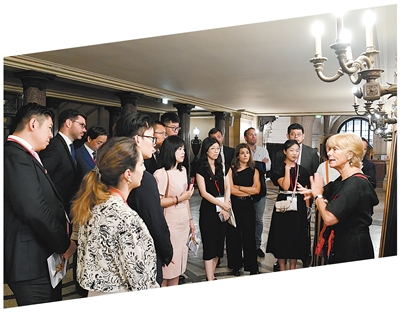
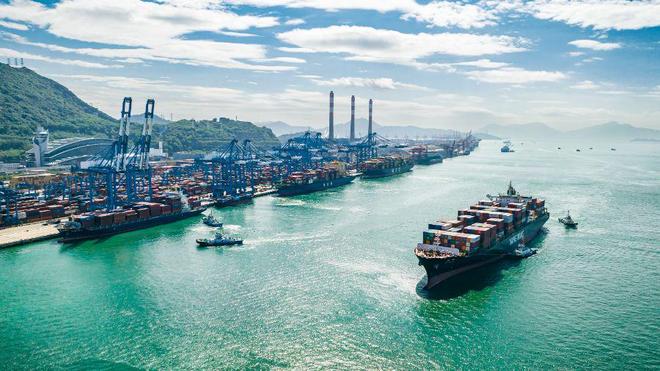
Group 1: Forum Overview - The 9th China-France Youth Leaders Forum was recently held in Paris and Marseille, with over 50 young representatives from both countries participating in discussions on topics such as AI regulation, China-France economic cooperation, and creative design [11] - The forum aimed to enhance mutual understanding and friendship between the youth of both nations, solidifying the public foundation of the comprehensive strategic partnership between China and France [11] Group 2: Artificial Intelligence Discussions - The forum included discussions on how to better integrate artificial intelligence (AI) into social development, emphasizing the need for an inclusive and beneficial AI revolution [11] - A significant focus was placed on the upcoming AI Action Summit in February 2025, where over 60 countries and regions will sign a declaration on developing inclusive and sustainable AI [12] - The development of AI is influenced by geopolitical and economic factors, with notable advancements from China, such as the DeepSeek model, which was trained at a cost of only $6 million [13] Group 3: Maritime and Port Developments - Marseille Fos Port is the second largest port in the Mediterranean and the largest container transport and cruise port in France, with an annual cargo throughput of 80 million tons [15] - The port has seen a steady increase in container traffic from China, with a 12% year-on-year growth in 2024, reaching a total of 1.45 million TEUs [15] - Marseille Fos Port is actively pursuing energy transition initiatives, utilizing clean energy sources and investing approximately €99 million in green transformation projects in 2024 [15] Group 4: Cultural and Creative Exchange - The forum included discussions on the architectural significance of the "Marseille Apartments," designed by Le Corbusier, which reflects modernist principles and has inspired urban planning in various countries, including China [17] - A dialogue on design principles highlighted the similarities between successful brand identities and traditional Chinese aesthetics, suggesting potential for creative collaboration between French and Chinese designers [18] - The forum fostered cross-cultural exchanges, enhancing understanding and cooperation between the youth of both nations [19]

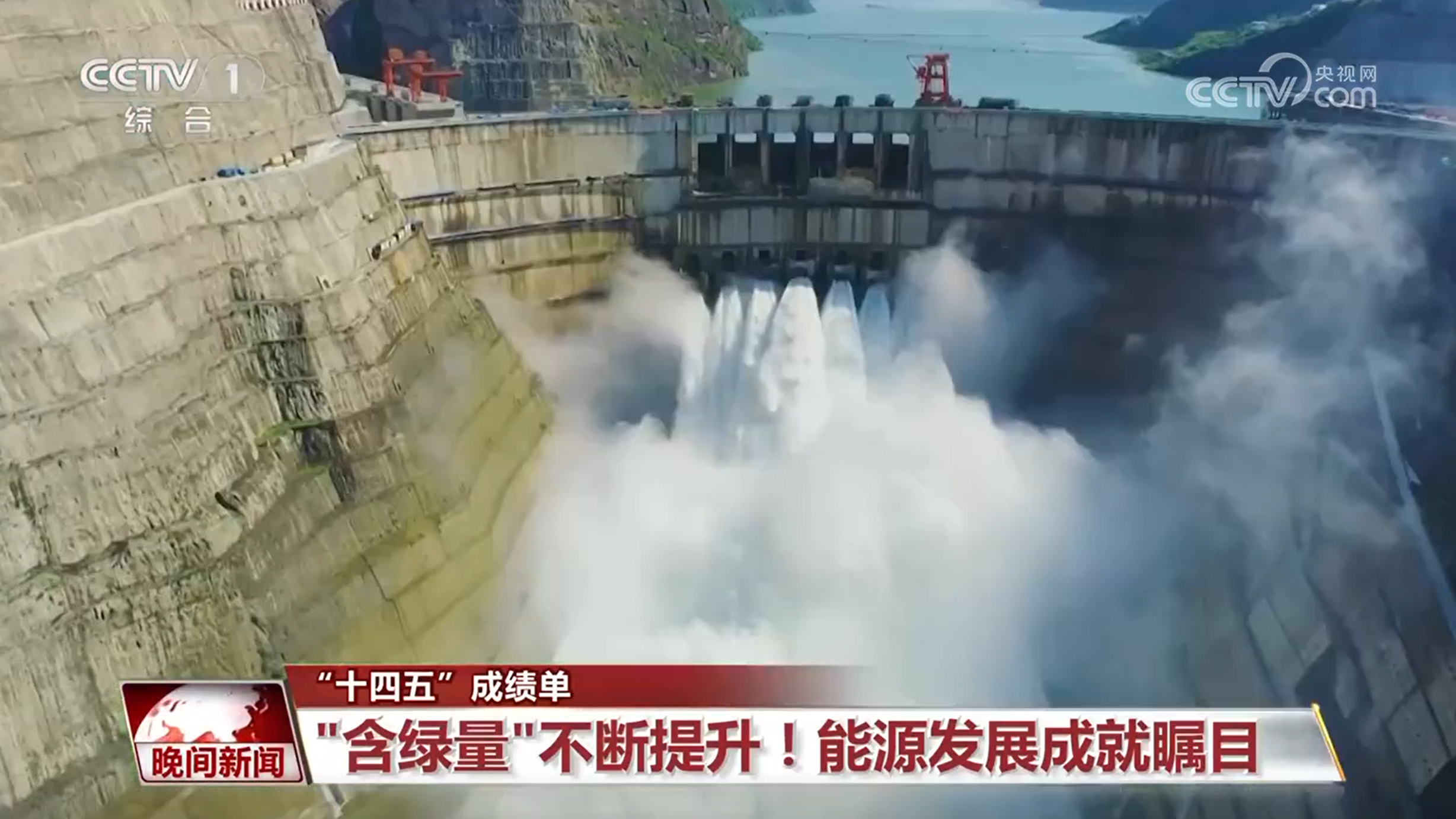
【“十四五”成绩单】“含绿量”不断提升!能源发展成就瞩目
Yang Shi Wang· 2025-10-12 14:59
Core Insights - The "14th Five-Year Plan" emphasizes the importance of energy as the backbone of the economy and daily life, highlighting the significant advancements in renewable energy development in China [1] - The plan aims to build a clean, low-carbon, safe, and efficient energy system, enhancing energy supply security and accelerating the development of non-fossil energy sources [3] Renewable Energy Development - China has established the world's largest and fastest-growing renewable energy system, with new energy storage capacity reaching approximately 95 million kilowatts, a nearly 30-fold increase over five years [3] - The share of renewable energy generation capacity has increased from 40% to around 60% during this period [3] New Energy Infrastructure - The "Shago Desert" has emerged as a new frontier for renewable energy construction, adding over 130 million kilowatts of installed capacity, transforming barren land into an "energy oasis" [5] - Offshore wind power and distributed solar energy have become key drivers of energy transition, contributing to a greener energy consumption pattern [5] Energy Consumption and Supply - During the first four years of the "14th Five-Year Plan," China's energy consumption growth reached 1.5 times the total growth during the "13th Five-Year Plan" [5] - Despite significant demand pressures, China's electricity supply and energy security have remained robust, with a long-term energy self-sufficiency rate stable at over 80% [5] Electric Vehicle Infrastructure - With the continuous growth of electric vehicle ownership, China has built the world's largest electric vehicle charging network, with two charging stations for every five electric vehicles [7] Global Energy Leadership - Over 1.4 billion people's energy security has been effectively guaranteed, with China leading globally in new energy technologies and green low-carbon development [8] - The path towards high-quality energy development in China is expected to broaden significantly in the future [8]
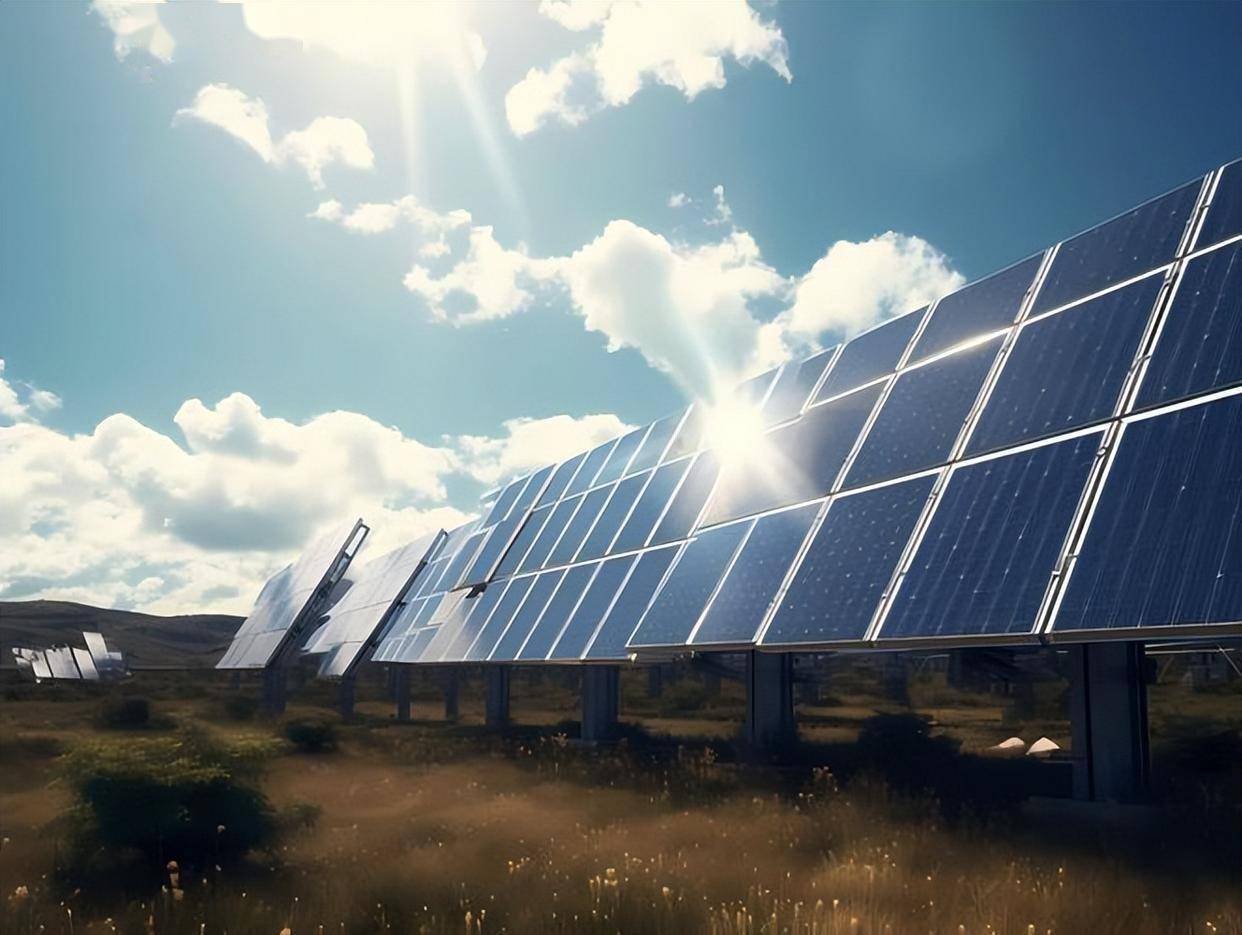
太阳能发电成本暴跌90%反超煤电!煤炭天然气都慌了,成全球最便宜电力
Sou Hu Cai Jing· 2025-10-12 09:22
Core Insights - Solar energy has transformed from being perceived as expensive and reliant on subsidies to becoming the cheapest source of electricity globally, surpassing coal, natural gas, and even wind energy [1][3][4] Cost Reduction and Production - Over the past decade, the cost of solar power has plummeted by nearly 90%, while wind energy costs have decreased by 70%, primarily driven by Chinese companies through large-scale production and technological advancements [4][6] - Global production of photovoltaic (PV) modules is projected to increase from 50 GW in 2015 to 400 GW by 2024, with China dominating over 80% of the global solar PV panel production [6][4] - The unit costs of supporting components like inverters and brackets have also dropped by over 30% due to scale effects, making solar energy viable even in high-latitude countries like the UK [8] Energy Supply and Demand Challenges - The influx of cheap solar power has led to significant oversupply issues, with California experiencing a 30% surplus during peak sunlight hours in summer 2023, resulting in an 8.2% curtailment rate [10] - Similar issues were observed in Qinghai, China, where a 5.1% curtailment rate equated to 12 billion kWh of clean electricity wasted in Q2 2023 [10] Strategic Responses from Western Countries - In response to China's manufacturing dominance, the U.S. and EU have introduced substantial subsidies through the Inflation Reduction Act and the Net Zero Industry Act, respectively, aiming to rebuild domestic clean energy supply chains [13][15] - However, the cost of domestically produced solar components in the EU is 60% higher than imported ones, yet the EU remains committed to achieving 40% self-sufficiency in clean energy technology by 2030 [15] Grid Modernization and Energy Storage - The existing electrical grid, designed for centralized power generation, faces challenges due to the rise of distributed solar generation, necessitating smart grid solutions [17] - Companies like Grid4C in the U.S. are developing AI systems to predict solar generation and grid load, achieving a 92% accuracy in dispatching [17] - Integrated projects in China and Germany have successfully improved solar energy consumption rates through real-time adjustments and regional power sharing [19] Energy Storage Developments - The significant drop in lithium-ion battery prices since 2010 has made energy storage more feasible, with large-scale projects emerging globally [21] - Notable projects include Australia's Hornsdale and China's Ningxia, which can store substantial amounts of green electricity, addressing solar energy's intermittency and stabilizing the grid [23] Economic Viability of Energy Storage - Despite a 110% increase in new energy storage capacity in China in the first half of the year, the average profitability of the sector remains below 8%, posing challenges for sustainable business models [25] China's Dual Role in Energy Transition - China plays a pivotal role in the global energy revolution, contributing one-third of global clean energy investments while also facing challenges in its energy structure, where coal still accounts for 53.2% of primary energy consumption [29][27] - The country is pursuing a unique transition strategy called "incremental replacement," prioritizing renewable energy for new demand while using coal plants to balance renewable energy fluctuations [31] Future Outlook - According to the International Energy Agency, China's wind and solar capacity is expected to reach 3.6 TW by 2030, requiring an annual addition of 250 million kW, a challenging target [33] - The future energy transition will test global capabilities in grid modernization, energy storage commercialization, and supply chain cooperation and competition [33]

中国海洋生产总值首破10万亿,下一步怎么走
21世纪经济报道· 2025-10-12 07:38
Core Viewpoint - The global ocean economy is projected to exceed $3 trillion by 2030, becoming comparable to the world's seventh-largest economy, driven by technological innovations and the transformation of traditional maritime hubs into innovative ocean cities [1][3]. Group 1: Global Ocean Economy - The global ocean economy's value has surpassed $2.5 trillion, with a forecasted increase to $3 trillion by 2030, reflecting a significant growth trajectory [1][3]. - The ocean economy directly creates over 31 million jobs and indirectly supports more than 200 million jobs worldwide [3]. - The expansion of the ocean economy is attributed to the collaborative growth of various sectors, including maritime transport, fisheries, energy, and tourism [3]. Group 2: Ocean City Competitiveness - The "Global Ocean City Competitiveness Index Report (2025)" evaluates cities based on five dimensions: economic vitality, technological innovation, maritime services, international influence, and urban governance [1]. - Traditional maritime hubs like London and Oslo are transitioning towards high-end maritime services, maintaining their global influence despite changes in port throughput [3][4]. - Singapore ranks as the top Asian city due to its efficient governance and comprehensive maritime service industry, while Tokyo and Busan also show strong performance in various dimensions [6][10]. Group 3: China's Ocean Economy - China's ocean production value has surpassed 10 trillion yuan, accounting for 7.8% of GDP, with cities like Shanghai, Shenzhen, and Qingdao leading the charge in the global blue economy competition [2][10]. - Chinese cities are encouraged to shift from being "supply chain participants" to "value chain creators," addressing the current challenges of being large but not strong [15][16]. - The report highlights the need for cities like Shanghai to leverage digital transformation and high-value services, while Shenzhen and Qingdao should focus on integrating research and industry for better innovation outcomes [16][17]. Group 4: Technological Innovation - The report emphasizes that technological innovation is a key variable in the competitiveness of ocean cities, moving beyond traditional maritime capabilities to include deep-sea development, green energy, and smart equipment [7][13]. - The OECD warns that the global ocean economy is at a crossroads, with potential for significant growth through clean technology revolutions [13]. - Cities are encouraged to develop comprehensive systems that integrate economic, technological, governance, and ecological factors to enhance their ocean economy capabilities [13][15].

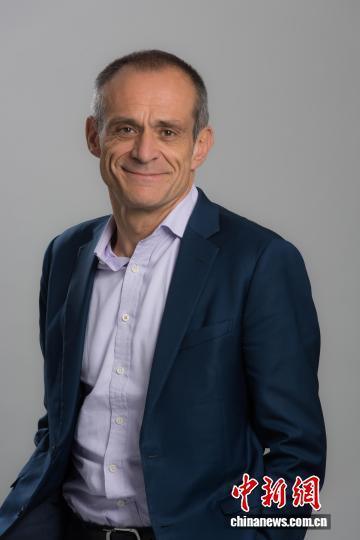
(投资中国)施耐德电气集团董事长赵国华:中国是我们的创新源泉和发展动力
Zhong Guo Xin Wen Wang· 2025-10-12 06:25
Core Insights - China is viewed as a significant source of innovation and development for Schneider Electric, with the country being the company's second-largest market globally and a key R&D hub [3][4]. Group 1: Company Development in China - Schneider Electric has been operating in China for 38 years, establishing itself as a major player in the market [3]. - The company has developed two world-class "lighthouse factories" recognized by the World Economic Forum in China, showcasing its commitment to innovation and efficiency [3]. - The Shanghai Putuo factory has leveraged AI and digital technologies to reduce product development cycles by 63% and increase per capita productivity by 82% [3]. Group 2: Innovation and Market Dynamics - The unique value of Shanghai and the Yangtze River Delta region is highlighted as a representation of China's innovation advantages, combining technology, industry, talent, and international connectivity [3]. - The diverse development landscape in China, with cities like Shanghai being highly developed while other regions are rapidly growing, allows for scalable validation of technologies that can be applied to other emerging economies [5]. Group 3: Energy Sector Transformation - Schneider Electric identifies two key revolutions reshaping the global energy sector: the demand-side revolution and the supply-side revolution, with China leading in both areas [5]. - The company emphasizes its role in bridging the gap between energy demand and supply transformations, providing robust technical support for China's energy transition towards electrification and green, low-carbon production [5].
“十万亿”后,中国海洋经济落子何处?
2 1 Shi Ji Jing Ji Bao Dao· 2025-10-12 01:43
Core Insights - The global ocean economy has surpassed $2.5 trillion and is projected to reach $3 trillion by 2030, comparable to the world's seventh-largest economy [1][4] - The shift in ocean economic strength is moving from traditional port metrics to technology-driven innovations, with breakthroughs in deep-sea exploration, marine renewable energy, and marine biomedicine becoming core competitive advantages [1][4] Ocean Economy Overview - China's ocean production value has exceeded 10 trillion yuan for the first time, accounting for 7.8% of GDP, driven by cities like Shanghai, Shenzhen, and Qingdao [2] - The global ocean economy is expanding due to the collaborative growth of marine transportation, fisheries, energy, and tourism, with over 31 million direct jobs created and over 200 million indirect jobs anticipated [4] Global Ocean City Competitiveness - Traditional shipping centers remain dominant in the global ocean city rankings, with cities like London and Oslo leading in various dimensions such as economic vitality and technological innovation [5][7] - Singapore ranks first in Asia, benefiting from efficient governance and a complete industrial chain in marine engineering [7] Innovation as a Key Variable - The "Global Ocean City Competitiveness Index Report (2025)" offers a new perspective on evaluating ocean cities, emphasizing the transition from traditional maritime hubs to innovative ocean cities [9][12] - Both the LMC report and the new competitiveness index highlight the stability of top-tier ocean cities, with Singapore, London, and Rotterdam consistently leading [9] Strategic Pathways for Chinese Cities - Chinese cities are encouraged to transition from "supply chain participants" to "value chain creators," addressing the current challenges of being large but not strong [15][16] - Shanghai can leverage digital port technologies to enhance high-value services, while cities like Qingdao and Shenzhen should focus on integrating research and industry to foster innovation [16][17] Future Projections - The report predicts that Chinese cities will rise in global rankings, with Shanghai potentially entering the top three, and Qingdao moving closer to the first tier due to advancements in AI and marine technology [18]
今年以来累计涨幅超七成—— 多重因素促白银价格创新高
Jing Ji Ri Bao· 2025-10-11 22:12
就涨幅来看,今年以来,现货黄金价格涨超50%,而白银70%的涨幅比黄金更为强劲。同为贵金属,白 银与黄金共享金融属性,但白银工业属性更强,而黄金则货币属性突出。夏莹莹说:"白银走势明显强 于黄金,主要是白银自身的品种特征差异,尽管贵金属普遍缺乏供给弹性,但相较之下,白银盘子较小 也意味着其波动更大。" 在今年黄金价格震荡上涨的同时,白银近日也迎来了高光时刻。10月9日,现货白银价格盘中突破50美 元/盎司,最高触及51.22美元/盎司,刷新历史最高纪录。南开大学金融学教授田利辉表示,现货白 银价格创下新纪录预示着贵金属市场格局正发生变化,也将影响白银从"工业金属"向"价值储存资产"的 估值变化。 全球最大白银ETF-iShares持仓显示,10月9日白银ETF持仓15452吨,较年初增加逾1000吨,白银中长期 投资需求旺盛。万得数据显示,今年以来现货白银价格累计涨幅超70%。田利辉认为,白银走强不是短 期投机,而是工业需求与投资属性双重驱动的结果。全球能源加速转型,作为重要的工业金属,白银在 新能源、光伏、新能源车等领域的消费持续增长,而人工智能浪潮下半导体等需求也离不开白银的支 持。 中国(香港)金融衍生 ...
国家能源局负责人赴南非出席二十国集团能源转型部长会议
国家能源局· 2025-10-11 09:15
Group 1 - The core viewpoint is that China has significantly advanced the development of clean energy, contributing over half of the global new installed capacity of renewable energy and engaging in green energy cooperation with over 100 countries and regions, which has led to a reduction in global energy transition costs [2] - The meeting adopted a voluntary infrastructure investment action plan for accelerating the promotion of clean cooking solutions, but did not reach a consensus on the joint ministerial communiqué and other technical outcome documents [2] - During the meeting, China engaged in discussions with member countries and international organizations, including South Africa, the EU, Russia, France, Indonesia, Singapore, and the International Renewable Energy Agency [2][3]
美国马里兰州打造垃圾填埋场太阳能项目
Huan Qiu Wang· 2025-10-11 08:14
Core Insights - The article discusses the inauguration of Maryland's first large-scale ground-mounted solar power plant in Baltimore County, which transforms a previously unused landfill site into a green energy asset, contributing to regional energy transition and ecological governance [1][2] Group 1: Project Overview - The solar power plant occupies 213 acres and has a total installed capacity of approximately 7 megawatts, consisting of four large ground-mounted photovoltaic arrays with around 15,000 solar panels [1] - The plant is expected to generate about 8.2 million kilowatt-hours of electricity annually, sufficient to meet the annual electricity needs of 1,150 households in Baltimore County [1] Group 2: Operational Model - The solar power plant is financed and operated by TotalEnergies, a French energy company, while the Baltimore County government secures electricity supply through a long-term Power Purchase Agreement (PPA) [2] - The PPA has a duration of 25 years, with the possibility of extending it to 33 years, ensuring stable access to clean energy at relatively low prices and providing dual protection for the project's long-term operational stability against future electricity market price fluctuations [2]
