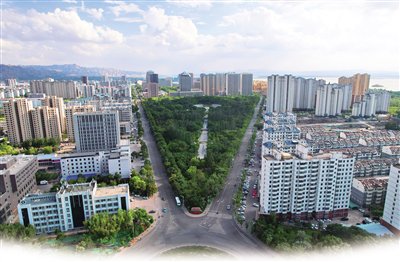
民生保障

Search documents
办好民生实事 为千家万户添福祉
Yang Shi Wang· 2026-01-12 14:34
Group 1 - The core focus of the new year is to enhance people's sense of gain, happiness, and security through various social construction initiatives and policies aimed at improving livelihoods [2] - Tibet has introduced a series of policies to benefit all ethnic groups, including the development of the "Four Good Rural Roads" and the improvement of the logistics system at county, township, and village levels [2] - The cultural industry in Tibet aims to reach a value of 16 billion yuan by 2026, with a target growth rate of 20% year-on-year [2] Group 2 - The focus on "one old and one young" services is emphasized in various regions, with Shanxi launching a two-year action plan to improve childcare service quality and create a "15-minute childcare service circle" [3] - Jilin is leveraging digital reforms to address challenges in elderly care through a "smart elderly care" platform, aiming to integrate resources more efficiently [3] Group 3 - Jiangxi is prioritizing support for individuals facing employment difficulties by including low-cost entrepreneurship support in its top ten livelihood initiatives, with special funds allocated for disabled individuals [4] - Henan plans to implement a recruitment program for 100,000 employment internship positions and aims to create over 1.1 million new urban jobs this year [4] - Guangxi is providing 5 million yuan in employment subsidies to 15 key industrial parks along the border to support recruitment and training efforts [4] - Hunan is collecting public opinions on livelihood issues and has identified ten key initiatives for 2026, covering employment, education, and healthcare [4]

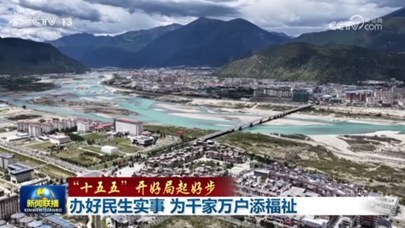
【“十五五”开好局起好步】办好民生实事 为千家万户添福祉
Yang Shi Wang· 2026-01-12 12:23
Group 1 - The core focus for the new year is to enhance public welfare and social construction, ensuring the implementation of various policies to improve the well-being of citizens [1] - Tibet has introduced a series of policies aimed at benefiting all ethnic groups, including the development of rural road infrastructure and a logistics system at the county, township, and village levels [1] - The cultural industry in Tibet aims to reach a value of 16 billion yuan by 2026, with a target growth rate of 20% [1] Group 2 - The emphasis on services for the elderly and children is highlighted as a key area of focus for public welfare initiatives [3] - Shanxi is launching a two-year action plan to improve childcare service quality and create a "15-minute childcare service circle" to meet diverse childcare needs [4] - Jilin is leveraging digital reforms to create a "smart elderly care" platform to address issues related to resource allocation and service matching [4] Group 3 - Jiangxi is prioritizing support for individuals facing employment difficulties, including low-cost entrepreneurship initiatives and financial assistance for disabled individuals [4] - Henan plans to implement a recruitment program for 100,000 employment internship positions, aiming to support rural labor transfer and urban employment [6] - Guangxi is providing 5 million yuan in employment subsidies to 15 key industrial parks along the border to support workforce recruitment and training [6] Group 4 - Hunan is collecting public opinions on welfare issues and has identified ten key initiatives for 2026, covering areas such as employment, education, and healthcare [8]
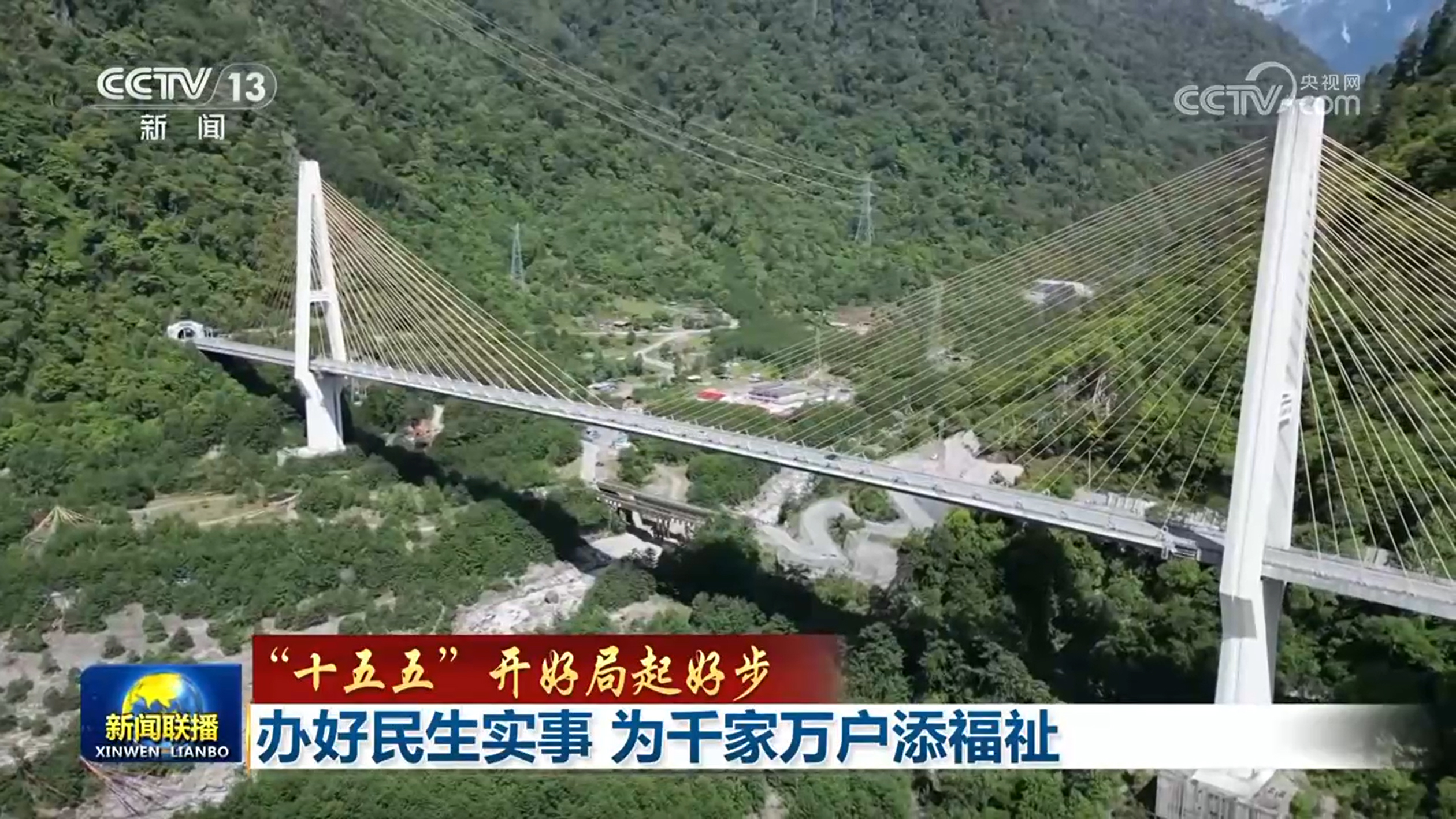
沈阳“工匠杯”竞赛锻造振兴生力军
Xin Lang Cai Jing· 2026-01-11 21:21
Core Insights - The "Craftsman Cup" competition in Shenyang is a significant initiative aimed at enhancing skill development and driving industrial growth, with a focus on aligning skill competitions with the needs of key industrial clusters and supply chains [1][2][6] Group 1: Competition Overview - In 2025, Shenyang will host 29 city-level skill competitions across 66 job categories, with 3,773 participants, alongside 230 district and enterprise competitions involving 77,478 participants [1] - The competition framework includes provincial and national levels, with Shenyang achieving notable success, including 31 first prizes at the provincial level and 8 at the national level [1] Group 2: Industrial Impact - The competition directly supports the upgrade of traditional industries and the cultivation of emerging sectors, injecting vitality into the city's economic development [2] - A specific example includes the data security administrator skills competition, which aligns with the digital economy and has led to significant achievements for participants, enhancing data governance across industries [2] Group 3: Workforce Development - The competition promotes a culture of continuous learning and skill enhancement among workers, facilitating their transformation from "workers" to "craftsmen" [3] - Companies like Guoneng Liaoning Thermal Power Co. and Brilliance BMW have implemented innovative training models through participation in the competition, resulting in improved workforce capabilities and talent reserves [3] Group 4: Community and Social Development - The "Craftsman Cup" extends its influence to rural revitalization and community service, fostering a talent base that supports broader urban development goals [4][5] - Competitions in various sectors, including community service and food safety, have enhanced service delivery and addressed local needs, contributing to the overall well-being of the city [5][6]
【滨州日报评论员文章】重点围绕“八个方面”提质增效
Xin Lang Cai Jing· 2026-01-11 15:08
Core Viewpoint - The main task of this year's economic work is to establish a "1+1388" work framework, focusing on enhancing quality and efficiency in eight key areas: expanding domestic demand, industrial upgrading, innovation-driven development, reform and opening up, coordinated development, green transformation, social welfare, and safety development [1][2][3]. Group 1: Expanding Domestic Demand - Emphasis on tapping into consumer potential, stimulating market vitality, and enhancing investment efficiency to promote demand expansion and quality improvement [1]. - Development of new consumption formats such as rural e-commerce and instant retail to encourage consumer spending [1]. Group 2: Industrial Upgrading - Support for the "5210N" modern industrial cluster to strengthen industrial groups and promote digital transformation [2]. - Focus on high-end traditional industries, large-scale emerging industries, and collaborative future industries to build a modern industrial system centered on advanced manufacturing [2]. Group 3: Innovation-Driven Development - Implementation of a "five-pronged" approach to enhance innovation capabilities and foster high-tech enterprises with significant R&D investment and market share [2]. - Development of production capacity tailored to local conditions and establishment of industry-education integration communities [2]. Group 4: Reform and Opening Up - Commitment to deepening reforms and expanding the open economy to enhance the business environment and stimulate high-quality development [2]. - Planning for new reform initiatives to inject vitality into the economy [2]. Group 5: Coordinated Development - Promotion of urbanization and rural revitalization, enhancing urban quality and strengthening county economies [2]. - Focus on regional integration and coordinated development across different areas [2]. Group 6: Green Transformation - Adherence to "dual carbon" goals and implementation of major national strategies to build a new energy system and promote pollution prevention [2]. - Efforts to create beautiful cities, villages, and rivers as part of a comprehensive green transformation [2]. Group 7: Social Welfare - Prioritization of social welfare to enhance public services and ensure high-quality population development [3]. - Continuous improvement of social security, medical insurance, and low-income support to increase public satisfaction [3]. Group 8: Safety Development - Focus on integrating safety into development and enhancing overall national security awareness [3]. - Strengthening social governance and risk prevention to build a resilient economy and society [3].
民生实事 件件暖心
Xin Lang Cai Jing· 2026-01-10 19:31
Group 1 - The core focus of the articles is on the significant investments and reforms made by the organization to improve living standards and healthcare services for workers and their families [1][2] - Since the beginning of the 14th Five-Year Plan, the organization has invested a total of 448.13 billion yuan, constructing and renovating 5,570 kilometers of pipelines and 366 gas stations and heat exchange stations, while also renovating 614 old urban residential communities, benefiting over 240,000 households [1] - The organization has established 17 integrated medical communities to enhance healthcare services, achieving a stable consultation rate of around 90% within the service area, while reducing the number of patients transferring to external facilities year by year [1] Group 2 - The organization has implemented convenient medical services such as "diagnosis and treatment first, payment later," and has introduced a unified service window and medical card system, significantly improving the patient experience [2] - The organization is advancing the "Road+" model to integrate transportation with industry and tourism, with the G3036 Aksu-Aral Expressway expected to open in June 2026, reducing travel time between Aksu and Aral to one hour and enhancing regional logistics and industrial development [2] - The organization is committed to continuous reforms and practical measures to enhance the quality of life for its workers, aiming to create a warmer and more substantial social welfare system [2]
苏州市政府召开“十五五”《规划纲要(草案)》征求意见座谈会
Su Zhou Ri Bao· 2026-01-10 00:22
Group 1 - The core viewpoint emphasizes the importance of the "15th Five-Year Plan" as a guiding document for Suzhou's economic and social development over the next five years, focusing on achieving socialist modernization [2] - The meeting gathered representatives from various sectors, including technology, education, and economy, who provided positive feedback on the achievements during the "14th Five-Year" period and offered suggestions on areas such as technological innovation, industrial upgrading, and cultural tourism [1] - The mayor highlighted the need for the plan to reflect the actual conditions of Suzhou and the aspirations of the public, aiming for a high-quality development trajectory [1][2] Group 2 - The "15th Five-Year Plan" is seen as a critical period for laying the foundation for socialist modernization and requires a comprehensive approach to setting goals and tasks [2] - The mayor called for a thorough understanding of the spirit of the 20th Central Committee's Fourth Plenary Session and emphasized the importance of aligning with the directives from the provincial and municipal party meetings [2] - The meeting aimed to foster consensus and enhance the plan's foresight and operability to lead high-quality development effectively [2]
锚定开局目标 凝聚奋进合力
Xin Lang Cai Jing· 2026-01-09 16:41
Group 1: Economic Development Strategy - The core focus for 2026 is to ensure a strong start for the "14th Five-Year Plan" with an emphasis on high-quality economic and social development [1] - The Central Economic Work Conference has prioritized eight key tasks, including domestic demand-led growth, innovation-driven development, and reform initiatives [1][2] Group 2: Domestic Demand and Investment - The emphasis on domestic demand aims to build a robust domestic market, with policies targeting both investment and consumption [2] - Measures to stabilize investment include increasing government investment, implementing major engineering projects, and stimulating private investment [2] - Consumption strategies involve optimizing policies for replacing old consumer goods, expanding service consumption, and improving the quality of consumer supply [2] Group 3: Urban Development and Infrastructure - The focus on urban renewal includes implementing a specialized plan for urban updates and conducting city assessments [3] - Key infrastructure projects will include the renovation of gas pipelines and the construction of comprehensive underground utility corridors [3] Group 4: Innovation and Technology - The strategy emphasizes innovation-driven growth, with a focus on fostering new productive forces through technological advancements and industrial upgrades [4] - Specific initiatives include enhancing industrial technology capabilities, supporting emerging industries, and promoting the integration of artificial intelligence [5] Group 5: Data and Digital Economy - The year 2026 is designated as the "Year of Data Element Value Release," focusing on integrating data into economic value creation [6] - Efforts will be made to enhance data flow, promote data technology innovation, and support the development of digital industry clusters [6] Group 6: Reform and Market Dynamics - The reform agenda aims to eliminate systemic barriers to high-quality development, with a focus on creating a unified national market [7] - Financial reforms will enhance market supervision and facilitate cross-border financial services [7] Group 7: Social Welfare and Employment - The strategy includes measures to improve employment and social welfare, focusing on enhancing public services and ensuring stable prices for essential goods [9][10] - Specific actions will target skill development, social insurance coverage, and support for vulnerable groups [10][11]
促经济、稳开局 厦门同安围绕新春惠民惠企服务等六大领域出台27条举措
Sou Hu Cai Jing· 2026-01-09 08:52
Group 1 - The core focus of the news is the release of 27 practical measures by the Tong'an District of Xiamen City aimed at achieving a good start for economic and social development in the first quarter of 2026, emphasizing high-quality development and various initiatives to boost consumption and investment [2] - The measures include a continuation of policies from 2025, such as incentives for tourism during the Spring Festival and support for key sectors to ensure stable growth [2][3] - The district plans to issue consumption vouchers worth 500,000 yuan, focusing on shopping, dining, and cultural activities, and aims to host over 150 cultural and sports events throughout the year to stimulate consumer enthusiasm [4] Group 2 - The measures also emphasize robust livelihood guarantees, including organizing over 30 recruitment events and providing financial incentives to companies hiring new workers to stabilize employment [5] - The core objective of the 27 measures is to enhance the quality and efficiency of the real economy, with a focus on service sectors such as human resources and software development, while also promoting industrial growth and innovation [6] - The district aims to implement a "dual attack" strategy to boost effective investment, targeting a total investment of over 230 billion yuan in project planning and over 1,800 billion yuan in new signed industrial projects for the year [6] Group 3 - To stabilize foreign trade and attract foreign investment, the district supports local enterprises in participating in important domestic and international exhibitions and offers incentives for companies achieving AEO certification [7] - The district is committed to creating a better environment for investment and enhancing services to attract businesses, thereby injecting more vitality into economic development [7]
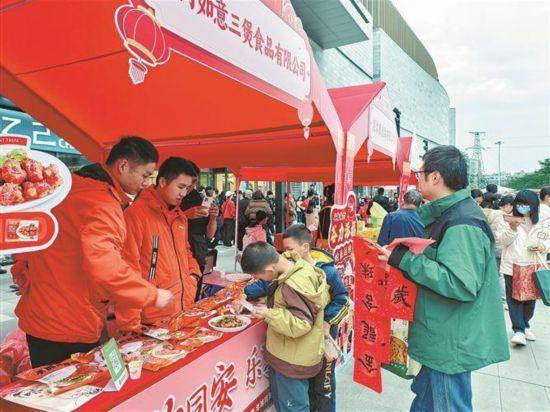
从交通基础的网络完善到城市更新的品质升级,从医疗服务的普惠到教育事业的走心
Nan Jing Ri Bao· 2026-01-08 03:42
Group 1: Urban Development and Infrastructure - The opening of the elevated main line of National Highway 312 between Ningzhen and Qixianghe has improved connectivity between the two areas, reducing travel time by nearly 20 minutes for residents [1] - Nanjing has been selected as one of the first pilot cities for urban renewal during the 14th Five-Year Plan, launching 48 urban renewal pilot projects, enhancing the quality of urban life [2][3] - The city has implemented micro-transformation plans to alleviate traffic congestion, resulting in a 30% decrease in congestion index and a 20% increase in average vehicle speed on key road segments [3] Group 2: Transportation Enhancements - The newly opened 2-kilometer dual six-lane expressway has significantly reduced travel time from 90 minutes to 40 minutes for drivers traveling to Zhenjiang [5] - Nanjing's urban rail transit system has expanded to 524.4 kilometers, adding 129.7 kilometers since the end of the 13th Five-Year Plan, enhancing commuting convenience for residents [6] - The introduction of the "Little Blue Whale" micro-circulation bus brand has improved access to public transportation, addressing the "last mile" issue for residents [6] Group 3: Social Services and Welfare - Nanjing has implemented a high-quality, inclusive elderly care service strategy, achieving 100% coverage of district-level elderly service centers and over 1,400 community care centers [9] - The city has introduced a "zero out-of-pocket" policy for hospitalization expenses related to childbirth, significantly reducing financial burdens for families [10] - The establishment of "Ninghai Shiguangli," an all-age dining facility, exemplifies the city's commitment to enhancing elderly care services [7][8] Group 4: Education Improvements - Nanjing has launched 24 educational projects during the 14th Five-Year Plan, including the installation of air conditioning in all ordinary classrooms, improving the learning environment for students [11][12] - The city has added approximately 120,000 new compulsory education seats and over 40,000 high school seats, facilitating access to quality education [12] - Comprehensive health monitoring and nutritional standards have been established for students, ensuring their well-being and academic performance [12]
在追求美好生活路上阔步而行
Xin Lang Cai Jing· 2026-01-07 18:15
Core Viewpoint - During the "14th Five-Year Plan" period, Wuhai City has focused on a people-centered approach, systematically building a multi-level social security system to improve public services, living conditions, and social governance, resulting in significant improvements in people's livelihoods [5][12]. Public Safety and Social Governance - Wuhai City has achieved a notable decline in crime rates, with criminal cases down by 26.2%, property crimes by 39.1%, and traditional theft and fraud cases by 53.7% [5]. - The city has established standardized community governance centers in all three districts and 20 towns, effectively resolving conflicts and disputes [5]. Education and Health - A total of 101.97 billion yuan has been invested in education, with 181 projects implemented, significantly improving school conditions [5]. - The coverage rate of inclusive kindergartens remains above 97%, with 62.9% of children attending public kindergartens, an increase of nearly 10 percentage points compared to the previous five-year plan [6]. - Wuhai City has built a tight-knit medical group system, with over 2,600 expert visits and 47,000 patient transfers, while also reducing medical costs for residents by 140 million yuan since 2021 [7][11]. Employment and Social Security - The city has created 27,100 new urban jobs over five years, exceeding targets, and has provided job placement for 2,161 individuals through public service positions [8]. - The minimum living guarantee standard has increased by 21.45% since 2020, benefiting over 441,600 people with a total of 380 million yuan distributed [8]. Elderly Care and Community Services - Wuhai City has established a comprehensive elderly care service network, achieving 100% coverage of urban and rural elderly facilities ahead of schedule [9]. - A total of 94 elderly service centers have been built, enhancing the quality of life for the elderly population [9]. Urban Development and Transportation - The city's road network has expanded to 1,151 kilometers, with a density of 65.6 kilometers per 100 square kilometers, significantly above the regional average [10]. - Wuhai Airport has seen a 17.5% increase in passenger throughput, surpassing 800,000 for the first time, with 23 cities now connected by air [10]. Healthcare and Insurance Reforms - The number of people covered by basic medical insurance has increased from 384,600 to 421,500, with a coverage rate of over 95% [11]. - The reimbursement rates for inpatient care under employee and resident insurance have exceeded expectations, benefiting over 322,300 individuals and reducing costs by 11.573 million yuan [11].