5G

Search documents
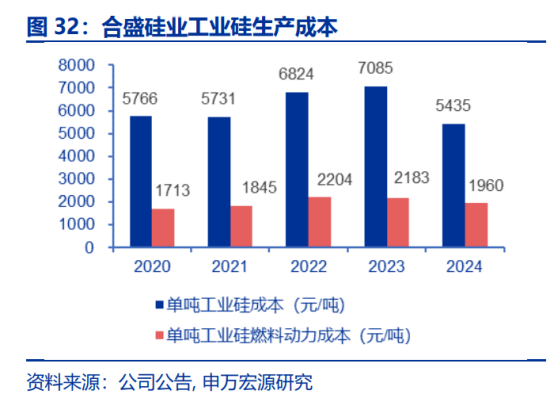
中兴通讯10年投1689亿研发 累盈超600亿海外贡献30%收入
Chang Jiang Shang Bao· 2025-06-16 00:51
Core Viewpoint - The surge of A-share companies listing in Hong Kong is driven by the desire to access international financing and expand into global markets, supported by favorable policies from both the Hong Kong Stock Exchange and mainland China [1][2]. Group 1: A-share Companies Listing in Hong Kong - In the first five months of 2025, Hong Kong IPO fundraising reached 77.68 billion yuan, nearing the total for the entire year of 2024 [1]. - At least 37 A-share companies have listed in Hong Kong this year, indicating a strong trend [1]. - The dual policy benefits from the Hong Kong Stock Exchange's reforms and mainland China's expanded overseas listing channels are facilitating this trend [1]. Group 2: ZTE Corporation Overview - ZTE Corporation, the first A-share company to list on the Hong Kong Stock Exchange, has been a leader in the telecommunications sector since its establishment in 1985 [2][4]. - The company has a significant global presence, operating in over 160 countries and regions, serving more than a quarter of the world's population [6]. Group 3: Financial Performance and R&D Investment - ZTE's overseas revenue accounted for over 30% in both 2023 and 2024, highlighting its successful international market penetration [3][7]. - From 2015 to 2024, ZTE invested a total of 168.87 billion yuan in R&D, with annual investments exceeding 10 billion yuan [9]. - The company has applied for 93,000 patents globally, with approximately 48,000 patents granted, placing it among the top in global patent filings [9]. Group 4: Profitability and Market Position - Since its A-share listing, ZTE has accumulated profits of approximately 60.63 billion yuan and distributed cash dividends totaling 17.14 billion yuan [11]. - The company's net profit for the years 2021 to 2024 showed a consistent upward trend, with figures of 6.81 billion yuan, 8.08 billion yuan, 9.33 billion yuan, and 8.43 billion yuan respectively [10].

英伟达加速欧洲拓展,展望Marvell AI day和上海MWC展
2025-06-15 16:03
Summary of Conference Call Records Industry Overview - The optical module market is experiencing significant demand growth, with the forecast for 800G optical module demand revised from over 30 million units to nearly 40 million units in 2025, driven by increased demand from North American internet and cloud service providers, as well as companies like Oracle and XAAR [1][4] - The demand for 800G optical modules is expected to further increase to nearly 40 million units in 2026, while the demand for 1.6T optical modules is projected to reach 6-7 million units [1][4] Key Companies and Financial Performance - New Yisheng has shown outstanding performance in the optical module sector, rising to the third position in shipment rankings, with net profits comparable to leading manufacturer Xuchuang, although with a gross margin gap of about 15 percentage points [1][5] - Xuchuang is gradually improving its gross margin and net profit through economies of scale and cost reduction measures, while ZTE, as a leading company, is expected to see significant improvements in profitability [1][5] Market Trends and Future Outlook - The communication industry is performing well, ranking third in the Wande index from June to now, primarily driven by the optical module and optical device sectors [2][3] - The upcoming Marvell AI Day and continuous investments from cloud computing companies are expected to catalyze the development of the communication industry [1][6] - The market is increasingly focused on MPO manufacturers such as Taineng Optics, Bochuang Technology, and Shijia Photonics, which are expected to benefit from the ongoing demand for 800G modules [1][7] Upcoming Events - Two significant upcoming events include Marvell's AI Day on June 17, showcasing new technologies in AI infrastructure, and the MWC Shanghai conference from June 28 to 30, focusing on 5G and 6G wireless communication and AI applications [8][9] Notable Technologies and Segments - Passive devices like FPGA and MPU are expected to benefit from CPU advancements, with profit growth projected to reach 2-2.5 billion [1][7] - The penetration rate of silicon optical modules is expected to exceed 50%, benefiting companies like Yuanjing and Shijichangguang Huaxin [1][7][10] - In the transition from 5G to 6G, leading device manufacturers such as Taijing Technology are likely to continue benefiting from the global 5G development wave [10]

共探5G、AI与物联网融合未来,2025MWC上海将启幕
Guo Ji Jin Rong Bao· 2025-06-15 10:42
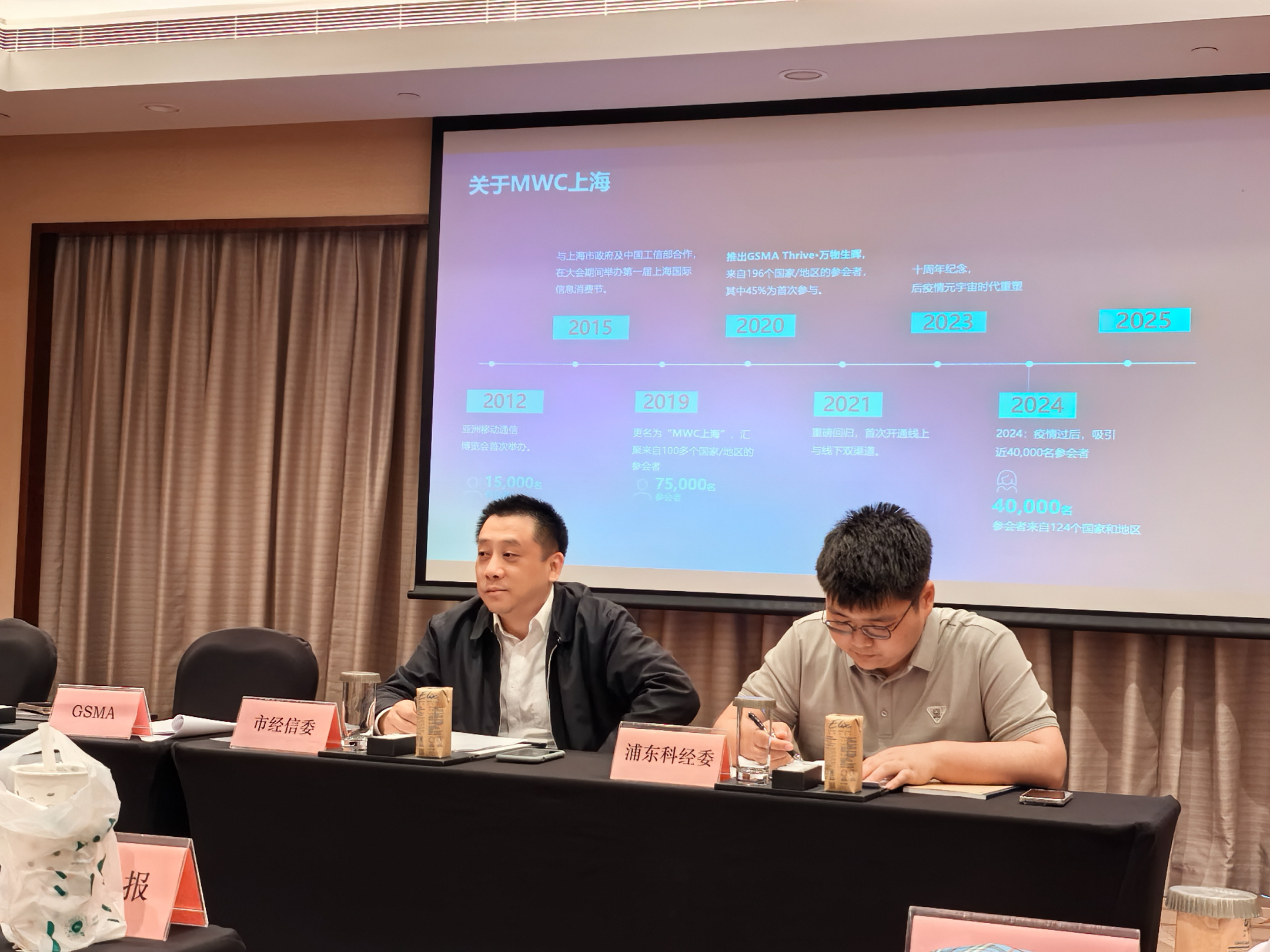
Group 1 - The 2025 Mobile World Congress (MWC Shanghai) will be held from June 18 to 20 at the Shanghai New International Expo Center, focusing on "Opening a New Era of Intelligent Connectivity" [1] - The event will gather global innovative companies and policymakers to discuss the integration of 5G, artificial intelligence, and IoT technologies, showcasing China's leadership in the mobile ecosystem [1][4] - The GSMA's report predicts that by 2030, the mobile industry will contribute over $2 trillion to China's economy and create nearly $11 trillion in global GDP value, with growth rates in the region expected to exceed the global average due to accelerated 5G application [4] Group 2 - Shanghai has established over 84,300 outdoor 5G base stations and 442,600 indoor small stations, with more than 14,000 5G-A 3CC base stations and 1,311 5G industry virtual private networks [4] - The GSMA CEO highlighted Shanghai as a key window for observing China, emphasizing its resource concentration and innovation leadership in mobile communication technology and industry development [4] - The event will feature a series of explorations to expand ecosystems and support tech innovation enterprises, including an ecological matchmaking conference covering popular industry topics [5] Group 3 - The World Robot Contest selection will debut at the event, aimed at nurturing young tech talent and fostering innovation in the robotics field [5] - The Asia Mobile Awards (AMOs) ceremony will take place on June 19, introducing three new awards to recognize innovation in small and medium enterprises, AI, and climate action in mobile innovation [5]

大国总师一席谈|中国移动王晓云:在通信星辰大海中锚定“中国坐标”
Xin Hua She· 2025-06-15 07:28
Core Viewpoint - China Mobile is at the forefront of communication technology development, particularly in the exploration of 5G-A and the upcoming 6G technology, which aims to transform information perception, transmission, storage, intelligent computing, decision-making, and application processes [1][5]. Group 1: Development of TDD Technology - China Mobile has shifted from following global trends to leading with its TDD (Time Division Duplex) technology, which has significant advantages over FDD (Frequency Division Duplex) in terms of spectrum bandwidth and flexibility [1][2]. - The company faced challenges in developing TDD technology due to a lack of precedents and the need for independent exploration in a competitive global market [2][3]. - After ten years of research, China Mobile successfully established a new TDD networking architecture, overcoming issues related to technology maturity and industry readiness, thus proving the feasibility of TDD on a global scale [2][3]. Group 2: Integration of FDD and TDD - To enhance the competitiveness and recognition of TDD technology, China Mobile proposed a strategy for the integration of FDD and TDD, which allows for a more robust global industry ecosystem [3]. - The integration strategy has led to the development of a shared platform for TDD and FDD, enabling cost-effective solutions and meeting diverse frequency networking requirements for operators [3][4]. - As a result, TDD has transitioned from a marginal technology in the 3G era to a dominant technology in the 5G era, showcasing a remarkable evolution [3]. Group 3: 5G and Industry Applications - China Mobile's 5G network has significantly improved operational efficiency across various industries, exemplified by the use of AGV (Automated Guided Vehicles) in manufacturing, which benefits from enhanced data transmission capabilities [4]. - The company has introduced over 50,000 5G+ industry application cases, covering 86 out of 97 major sectors of the national economy, indicating a broad impact of 5G technology [4]. - The transition from 5G to 6G is expected to further enhance connectivity, leading to intelligent interconnectivity across various sectors [5]. Group 4: Future Prospects and Innovations - China Mobile has initiated 6G research since 2018, focusing on developing a technology system that integrates perception, computation, and intelligence [5]. - The establishment of an embodied intelligence industry innovation center aims to align with the new trends of 6G, emphasizing the importance of artificial intelligence and integrated technologies [5]. - Future applications may include holographic interactions in remote meetings, smart factories, and efficient digital twin cities, indicating a significant leap in communication technology [5].

2025年中国光端机行业工作原理、产业链、市场规模、重点企业经营情况及发展趋势研判:通信技术不断发展,光端机市场规模超300亿元[图]
Chan Ye Xin Xi Wang· 2025-06-15 01:34
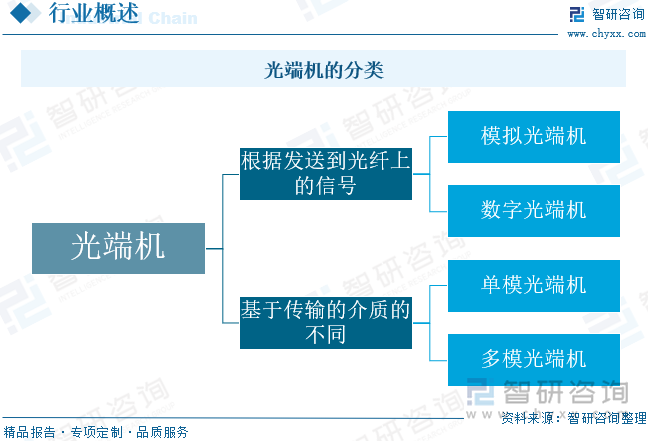
Core Insights - The optical terminal market in China is experiencing steady growth driven by advancements in communication technology and digital transformation, with a market size projected to increase from 9.904 billion yuan in 2016 to 31.895 billion yuan in 2024, representing a compound annual growth rate (CAGR) of 15.74% [1][13]. Industry Overview - Optical terminals, or Optical Network Units (ONUs), are crucial devices in fiber optic networks, converting optical signals to electrical signals and vice versa for data transmission [3][13]. - The demand for optical terminals is rising due to the widespread application of new information technologies such as 5G, IoT, and big data, which require higher bandwidth and transmission quality [1][13]. Industry Development - The development of the optical terminal industry in China has gone through several key stages, including early exploration, international collaboration, and a focus on independent research and development [7][13]. - The industry is now entering a mature phase, with continuous market expansion and technological advancements [7][13]. Industry Chain - The upstream of the optical terminal industry includes key components such as optoelectronic devices, optical fibers, optical components, and integrated circuits, which are essential for signal processing and transmission [9][11]. - The downstream applications of optical terminals span various sectors, including fiber optic communication, video surveillance, smart transportation, and industrial automation [9][11]. Key Companies - Major players in the optical terminal market include Huawei, ZTE, and FiberHome, which leverage their technological strengths and market share to maintain leadership positions [15][18]. - ZTE, a comprehensive communication solution provider, reported a revenue of 121.3 billion yuan in the communications equipment manufacturing sector for 2024 [16]. - Wuhan Microelectronics, focusing on intelligent transportation, reported a revenue of 0.22 billion yuan in Q1 2025 [18]. Industry Trends - The industry is moving towards high-speed, intelligent optical terminals, with 100G/400G products becoming mainstream and the integration of AI algorithms for self-diagnosis and performance optimization [20][21]. - There is a growing demand for industrial-grade optical terminals capable of operating in extreme environments, driven by the development of the industrial internet [21][22]. - The integration of SDN technology is enhancing the smart capabilities of optical terminals, allowing for dynamic resource allocation and remote management [22].

因客户建设节奏放缓,信科移动拟对三大5G募投项目建设期延期至明年底
Ju Chao Zi Xun· 2025-06-14 03:31
Core Viewpoint - The company announced an extension of the implementation deadlines for its fundraising projects related to 5G technology development until December 31, 2026, due to delays in the global 5G industrialization process and evolving customer needs [2]. Group 1: Fundraising Projects - The total amount planned for the initial public offering (IPO) is 400 million yuan, with a net amount of 11.33 million yuan raised beyond the initial target [2]. - The company is adjusting the research and development timelines for several projects in response to the slower pace of 5G network construction by major clients and the longer development cycle for 5G-A technology [2]. Group 2: Specific Projects - **5G Wireless System Product Upgrade and Technology Evolution R&D Project**: As of December 31, 2024, the investment progress is 66.16%. The project has completed the development of products such as 5G multi-band multi-mode base stations, supporting domestic and international client needs. The project will be extended to December 31, 2026, to better align with product technology evolution and client demands [3]. - **5G Industry Private Network and Intelligent Application R&D Project**: As of December 31, 2024, the investment progress is 61.64%. The project has developed 5G private network products that meet the initial construction needs of niche markets. The extension to December 31, 2026, aims to better match the evolving demands of clients in vertical industries [4]. - **5G Integrated Antenna and New Indoor Distribution Equipment R&D Project**: As of December 31, 2024, the investment progress is 72.20%. The project has developed integrated antennas and indoor distribution equipment to meet client needs for 5G network construction. The extension to December 31, 2026, is intended to support the transition to 5G-A and the development of high-quality indoor solutions [5].


American Tower Stock Rises 18.7% YTD: Is it Too Late to Buy?
ZACKS· 2025-06-13 15:26
Core Viewpoint - American Tower (AMT) has shown strong stock performance, rallying 18.7% year-to-date, outperforming its industry peers and the broader market [1][6][9]. Company Strategy - American Tower is strategically repositioning its portfolio by divesting non-core assets in developing markets to focus on developed markets, which is expected to enhance operational efficiency and returns [2][9]. - The company plans to invest over $600 million in expanding its data center footprint in 2025 to capitalize on the growing demand driven by Artificial Intelligence (AI) and other technologies [8][9]. Financial Performance - In the first quarter of 2025, American Tower reported revenue growth across its property and service operations, despite challenges from the Sprint-T-Mobile merger [3][9]. - The company achieved a year-over-year organic tenant billings growth of 4.7%, with total tenant billings rising 5.2% [7]. Market Position - American Tower operates approximately 149,000 communication sites globally, positioning it well to benefit from the increasing demand for wireless connectivity due to next-generation technologies [7]. - The company maintains solid liquidity with $11.7 billion in total liquidity as of March 31, 2025, and has achieved its net leverage target of 5X EBITDA [10]. Dividend Policy - American Tower has resumed a mid-single-digit dividend growth rate of 4.6% in 2025, reflecting its operational strength and commitment to rewarding shareholders [11]. - Over the past five years, the company has increased its dividend 15 times, with an annualized growth rate of 9.07% [11]. Estimate Revisions - The Zacks Consensus Estimate for adjusted funds from operations (AFFO) per share for 2025 and 2026 has seen positive revisions, indicating bullish sentiment [12]. Valuation - American Tower's stock is trading at a forward 12-month price-to-FFO of 20.85X, which is above the REIT industry average of 15.73X [17]. Analyst Recommendations - The average brokerage recommendation for American Tower is 1.40 on a scale of 1 to 5, with 18 out of 24 brokers rating it a "Strong Buy" [21].


上海更多文旅场景引入“智慧大脑”
Xin Hua She· 2025-06-13 14:43
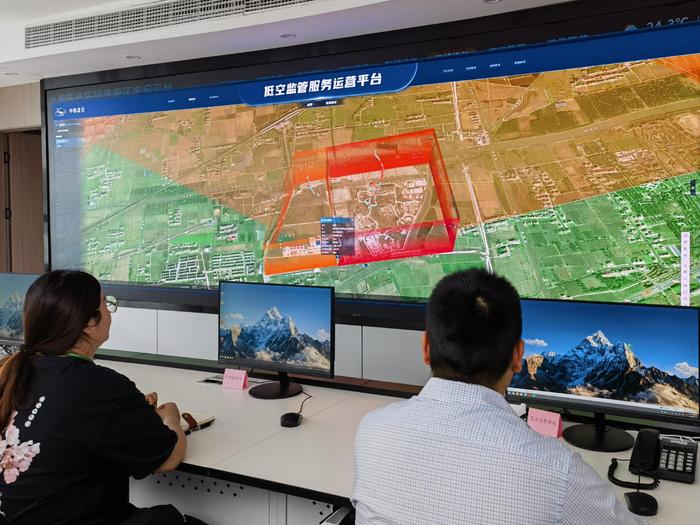
Core Insights - Shanghai is leveraging 5G, 5G-A, gigabit optical networks, AI, and big data to enhance smart cultural tourism development, with the Shanghai LEGO Park set to officially open this summer [1][3] - The Shanghai LEGO Park Resort Command Platform has been launched, integrating a digital ecosystem for real-time management of the park and surrounding areas [1][3] Group 1: Smart Management and Technology Integration - The command platform monitors various operational aspects such as park conditions, traffic, and emergency management, utilizing over 20 data sources including weather and urban management [3][5] - AI technology is employed for real-time video analysis to issue traffic alerts and manage visitor flow during peak times [5][7] Group 2: Visitor Experience and Services - The platform includes an "AI search" feature to assist in locating lost children by analyzing video footage based on physical characteristics [7] - The integration of ticket booking data and services from platforms like Meituan will enhance visitor experience by providing information on park services and traffic [7][8] Group 3: Infrastructure and Future Plans - Shanghai is developing a layered communication network to support smart tourism and urban governance, ensuring high-speed connectivity for visitors [7][8] - The city is accelerating the application of 5G technology in various cultural tourism scenarios, aiming to create benchmark projects in digital culture [8]
信科移动: 关于募投项目延期的公告
Zheng Quan Zhi Xing· 2025-06-13 09:30
Core Viewpoint - The company has decided to extend the implementation deadlines for its fundraising projects related to 5G technology until December 31, 2026, due to delays in project progress and changes in market conditions [1][7][10]. Group 1: Fundraising Overview - The company raised a total of RMB 413,668.75 million from its initial public offering, with a net amount of RMB 401,132.53 million after deducting issuance costs [2]. - The funds have been fully received and are being managed in dedicated accounts as per regulatory requirements [2][3]. Group 2: Project Details - The fundraising projects include "5G Wireless System Product Upgrade and Technology Evolution R&D Project," "5G Industry Private Network and Intelligent Application R&D Project," and "5G Fusion Antenna and New Indoor Distribution Equipment R&D Project" [1][3]. - The total planned investment for these projects is RMB 400,000 million, with an actual excess of RMB 1,132.53 million [3][4]. Group 3: Project Delay Reasons - The delay in project implementation is attributed to the slowdown in 5G network construction by major clients and the longer development cycle for 5G-A technology [7][9]. - As of December 31, 2024, the investment progress for the projects was reported at 66.16%, 61.64%, and 72.20% respectively [8][9]. Group 4: Impact and Compliance - The extension of the project deadlines does not alter the intended use of funds, total investment, or project implementation entities, ensuring no adverse impact on the company's operations or shareholder interests [9][10]. - The company will continue to adhere to relevant regulations and guidelines to ensure effective management of the raised funds [9][10].
合盛硅业多措并举稳定经营,硅基材料行业周期波动下保持战略优势
Zheng Quan Shi Bao Wang· 2025-06-13 03:09
Core Viewpoint - The report by Shenwan Hongyuan highlights the significant cost advantages of the industrial silicon industry in Xinjiang, driven by abundant coal resources and low electricity costs, suggesting a focus on leading companies like Hoshine Silicon Industry [1][2] Group 1: Industrial Silicon - Xinjiang's coal-electric-silicon integrated industry layout enhances the cost advantages for industrial silicon production, with companies like Hoshine Silicon Industry leading the market [2] - Hoshine Silicon Industry is one of the largest and most complete companies in the silicon-based new materials sector, producing industrial silicon, organic silicon, and polysilicon, thus creating synergistic effects [2] - The company has a designed production capacity of 1.22 million tons per year for industrial silicon, with a projected production volume of 1.8714 million tons in 2024, reflecting a year-on-year increase of 38.11% [2] Group 2: Cost Advantages - The company maintains a cost advantage in industrial silicon production due to its self-sufficient power plants and integrated energy layout, which helps reduce production costs [3][5] - The average daily output of some electric arc furnaces has exceeded 70 tons, with the electricity consumption per ton of industrial silicon smelting dropping below 10,000 kWh [5] Group 3: Organic Silicon - The company has an annual production capacity of 1.73 million tons for organic silicon, leading the market with significant growth in its three main products: silicone rubber, silicone oil, and siloxane, with respective year-on-year growth rates of 16.31%, 56.66%, and 5.35% in 2024 [6] - Despite a slight decline in organic silicon product prices, the company benefits from its cost advantages in self-produced industrial silicon, ensuring that the net realizable value of its main organic silicon products remains above production costs [8] Group 4: Carbon Silicon - The company has successfully developed 12-inch conductive silicon carbide (SiC) crystals and is advancing processing technologies, positioning itself to capitalize on the growing demand in the power semiconductor industry [9] - The company plans to issue bonds to support its operations and maintain a strong financial structure, ensuring sufficient liquidity for future growth in industrial silicon, organic silicon, and silicon carbide businesses [10]