
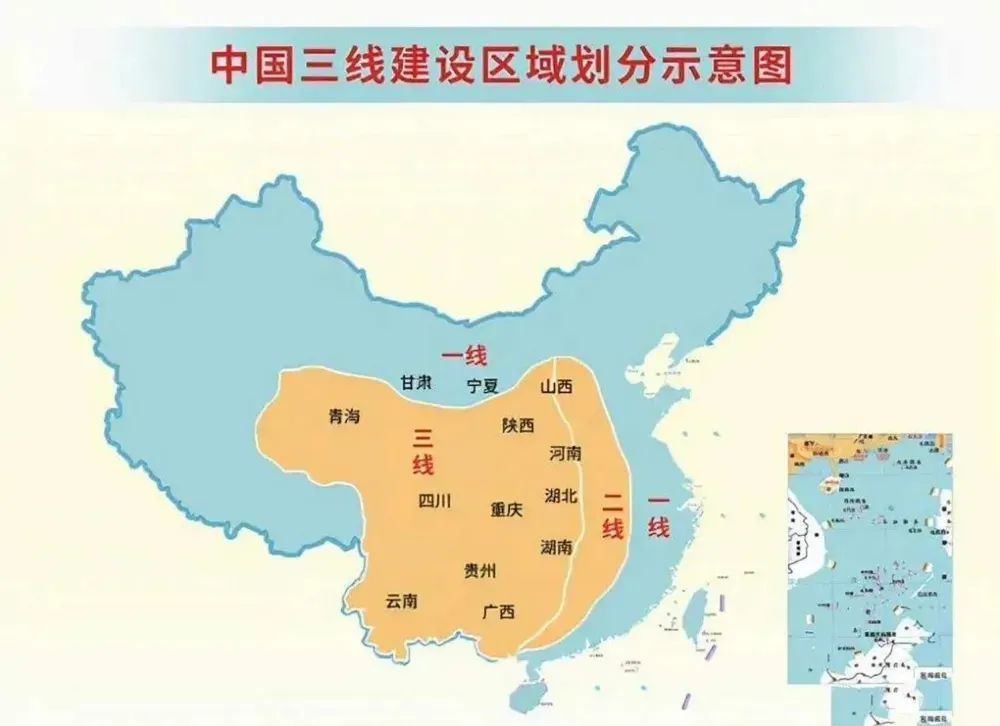
三线建设

Search documents
一场应对“苏军压境、美军封海”的备战,重塑了中国工业命脉
Hu Xiu· 2025-08-20 02:30
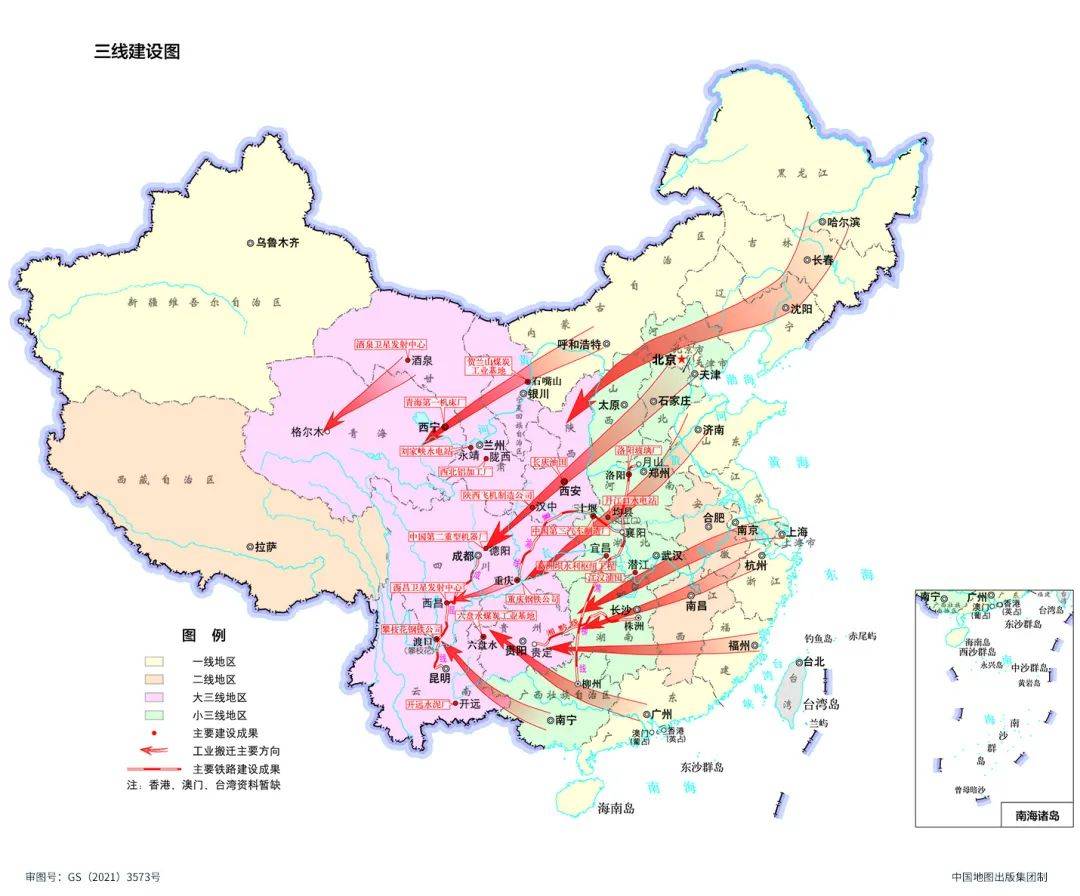
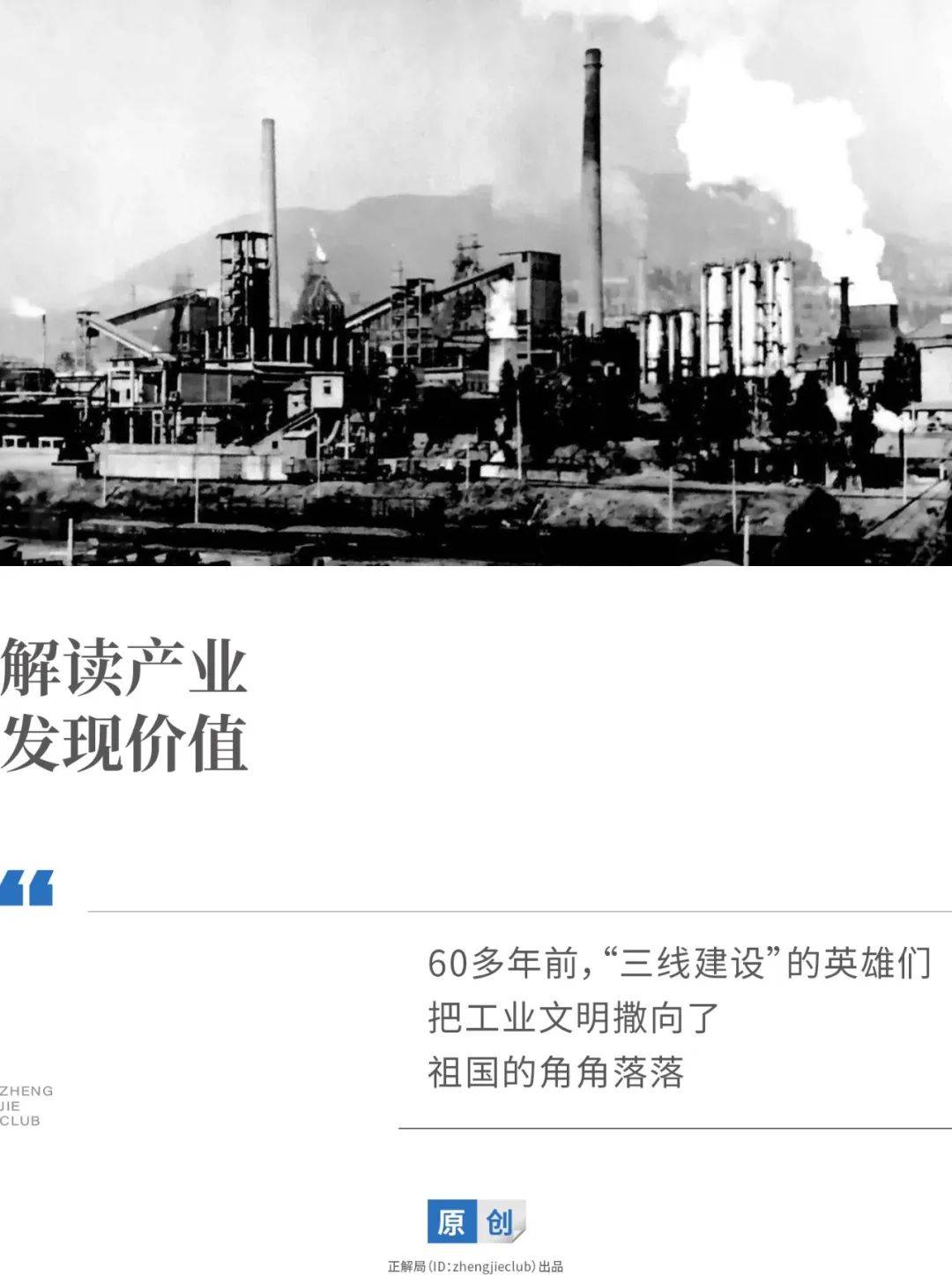
Group 1 - The article discusses the resurgence of great power politics and geography in the context of ongoing global conflicts, emphasizing the need for strategic geographical considerations in national planning [1][5][12] - It highlights the historical significance of China's "Third Line Construction" during the Cold War, which aimed at industrial and military preparedness in less vulnerable inland areas [2][13][20] - The current national strategy aims to optimize production layouts and strengthen strategic hinterland construction, drawing parallels with the historical context of the Third Line Construction [3][36][39] Group 2 - The concept of "strategic hinterland" is defined as regions away from coastal areas, focusing on the development of inland areas to enhance national security and economic resilience [3][12][37] - The article emphasizes the importance of industrial backup and geographical restructuring in the new era, advocating for a balance between openness and the development of inland regions [2][40][41] - It notes that the current strategic hinterland construction must transcend the limitations of the Third Line Construction, incorporating modern industrial systems and ecological considerations [36][39][44] Group 3 - The article points out that the Third Line Construction significantly reshaped China's economic geography, creating a modern industrial system centered on national defense [20][21][23] - It discusses the challenges faced during the Third Line Construction, including inefficiencies and the need for better site selection and layout [31][32][33] - The legacy of the Third Line Construction is seen as a foundation for contemporary strategic hinterland development, with an emphasis on learning from past experiences [47][48]

八栋楼:三线岁月里的生活坐标
Sou Hu Cai Jing· 2025-08-14 09:40
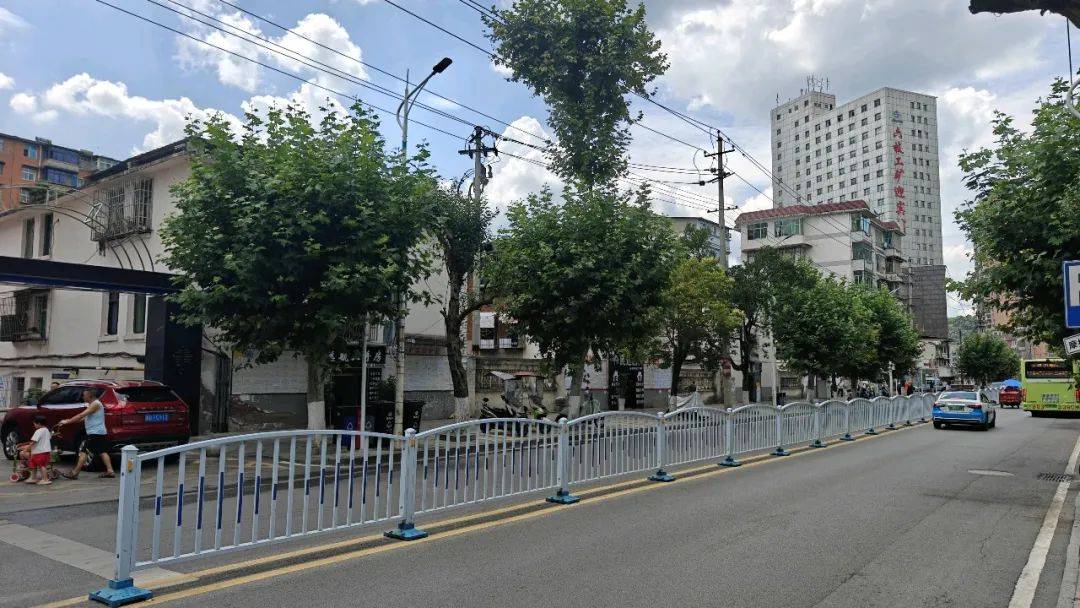
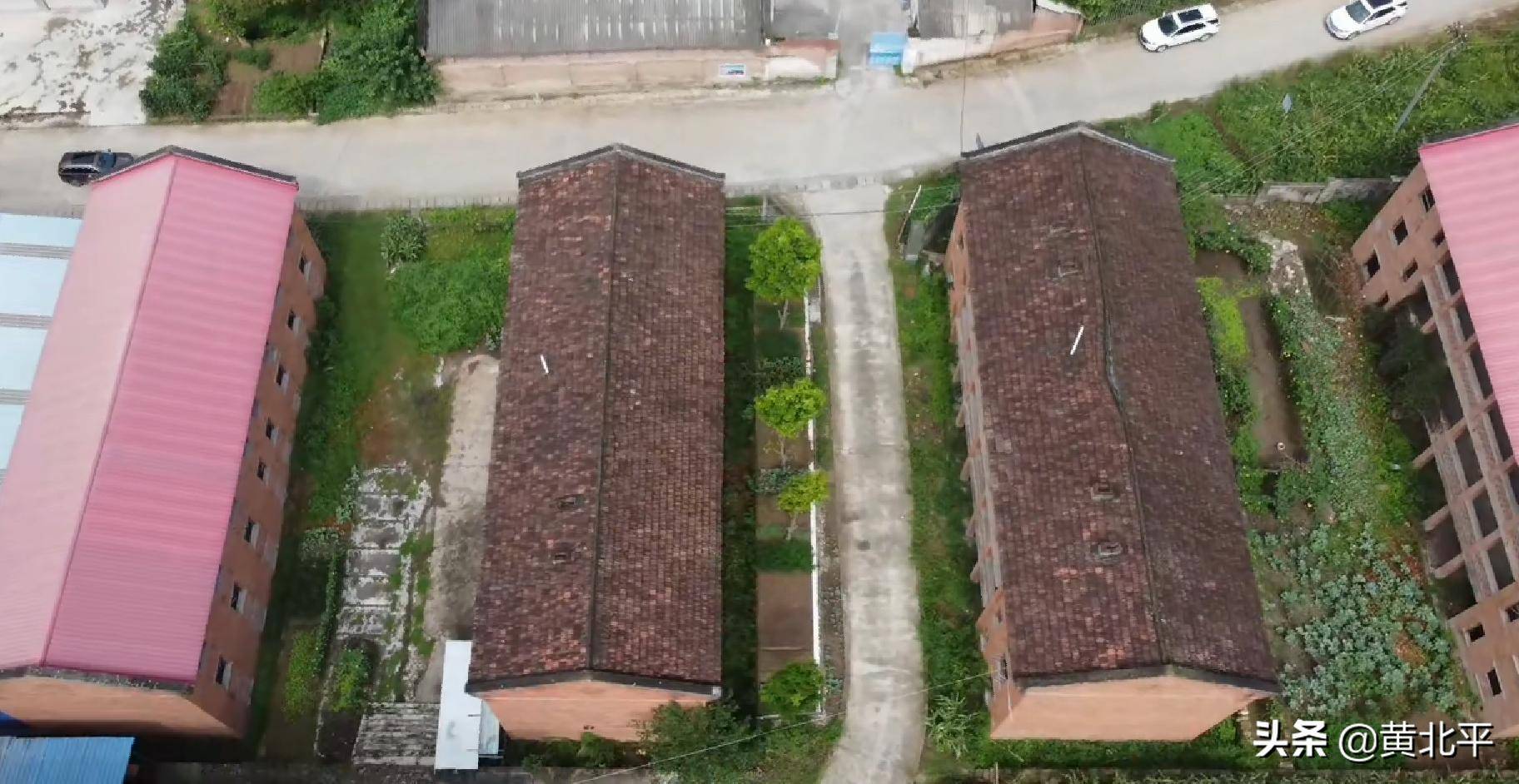
Core Viewpoint - The article reflects on the historical and cultural significance of a group of eight red brick buildings in Liuzhi, which have served as a home for generations of workers and their families, symbolizing community, resilience, and the passage of time [1][3][9]. Group 1: Historical Context - The eight buildings were constructed during the "Third Front" movement in the 1960s and 1970s, housing workers from various regions who contributed to the development of the Liuzhi Mining Bureau [3][4]. - The buildings became a communal living space where families shared resources and experiences, fostering a strong sense of belonging and community [4][6]. Group 2: Current Transformation - Over the years, the buildings have undergone renovations, with updated facilities and a shift in demographics as younger residents move in, bringing new life to the area [6][9]. - Despite changes, the buildings remain a significant landmark in the city, evoking nostalgia and memories for those who lived there [9]. Group 3: Cultural Significance - The article emphasizes the emotional connection that former residents have with the buildings, as they represent not just a physical space but also a collective memory of struggle, achievement, and community [4][9]. - The vibrant daily life around the buildings, characterized by local vendors and community interactions, continues to reflect the spirit of the neighborhood [3][6].
变化超乎想象!10月底,我们相约城市原点,探寻不一样的“三线岁月”……
Sou Hu Cai Jing· 2025-08-07 11:28
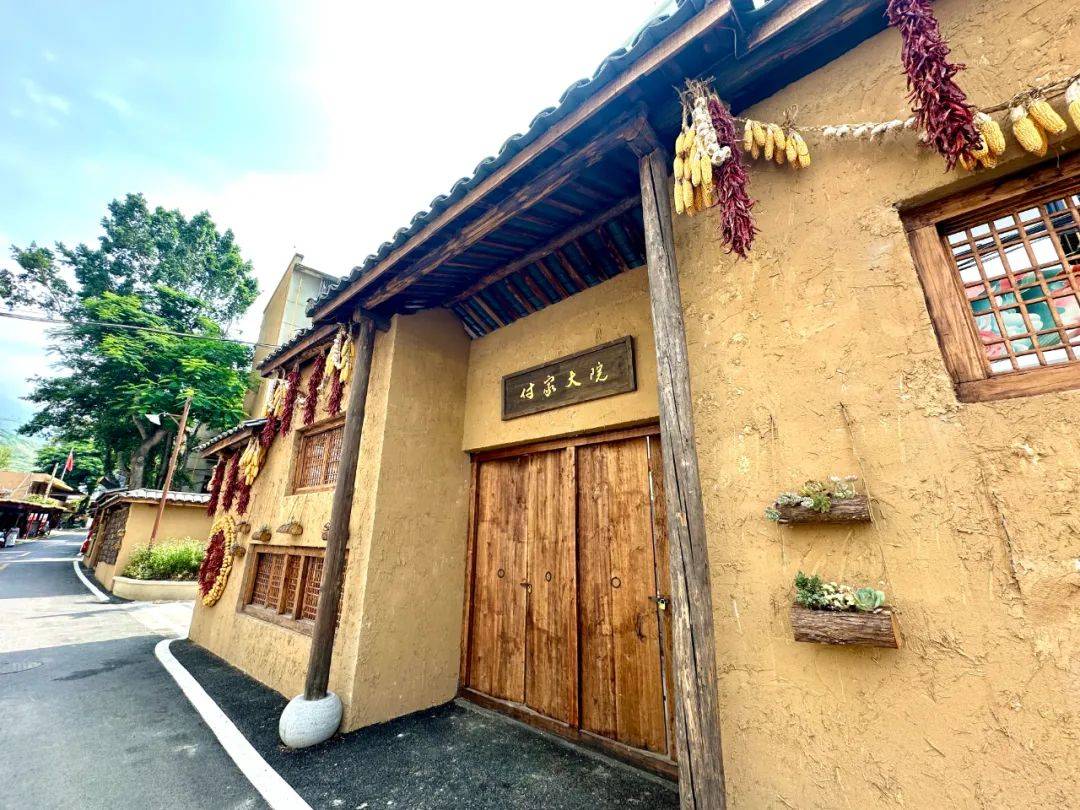
Core Viewpoint - The article highlights the successful completion of the "Urban Origin Infrastructure and Industrial Tourism Cultural Integration Project" in Panzhihua City, which aims to blend historical architecture with modern aesthetics, creating a new cultural landmark for citizens and tourists [5][9]. Group 1: Project Overview - The project is based on 11 historical cultural buildings in the Lanjian Community and aims to create a historical cultural district through renovation [7]. - Key completed works include the restoration of the supply and marketing cooperative, construction of the expert courtyard, two bus station entrances, and the transformation of street building styles, with the final design phase expected to be completed by the end of August [7]. - The entire project is scheduled to begin trial operations by the end of October [7]. Group 2: Cultural Significance - The East District of Panzhihua City is recognized as the main battlefield of the "Third Line Construction," embodying the city's deep industrial cultural memory [9]. - The project aims to deeply explore the history and cultural connotations of steel city development, creating immersive cultural experience spaces [9]. - Planned features include an expert theme exhibition hall, a "How Steel is Made" vanadium-titanium steel theme research hall, and an immersive flight cinema titled "Flying Over Panzhihua" [9].
四川四线小城人均GDP超成都:60多年前,中国一次伟大的产业备份
Sou Hu Cai Jing· 2025-08-05 06:56
Core Insights - Panzhihua has a higher per capita GDP than Chengdu, with figures of 114,300 RMB compared to Chengdu's 109,700 RMB for 2024, making it the highest in Sichuan province [4][6][19] - The city's economic success is attributed to historical factors, particularly the "Third Front" construction initiative during the 1960s, which aimed to relocate key industries to the interior of China for strategic reasons [6][19][30] Historical Context - The "Third Front" construction was initiated in response to geopolitical tensions, with the goal of redistributing industrial capabilities away from vulnerable coastal areas to more secure inland regions [7][9][19] - This initiative led to the establishment of significant industrial bases in Panzhihua, including coal, steel, and military production facilities, which have continued to influence the region's economy [19][24][35] Economic Development - Panzhihua is rich in mineral resources, with 76 types of minerals, including the world's largest reserves of titanium and vanadium, making it a critical area for resource extraction and industrial development [16][30] - The construction of the Chengdu-Kunming Railway (Chengkun Railway) was pivotal, facilitating the transport of resources and products, and was recognized as one of the three great engineering feats of the 20th century [21][24] Educational and Technological Advancements - The "Third Front" construction also involved relocating educational institutions to support industrial development, which has led to the establishment of several key universities that continue to contribute to the region's technological capabilities [25][26][28] - Innovations in metallurgy, particularly in the processing of vanadium-titanium magnetite, were achieved during this period, establishing Panzhihua as a leader in the production of high-strength steel [30][34] Long-term Impact - The legacy of the "Third Front" construction is still evident today, with Panzhihua and surrounding areas continuing to play a significant role in China's industrial landscape, particularly in military and aerospace sectors [35][37] - The investment of over 200 billion RMB in the central and western regions from 1964 to 1980 laid the foundation for the industrialization and economic development of these areas, with over 1,100 large and medium-sized enterprises established [37]
四川四线小城人均GDP超成都
3 6 Ke· 2025-08-05 02:24
Core Insights - The article highlights the economic significance of Panzhihua, a city in Sichuan, which has a higher per capita GDP than the provincial capital Chengdu, indicating its industrial strength and development potential [2][19]. Historical Context - The article discusses the historical context of the "Third Front Construction" initiated in the 1960s due to geopolitical tensions, which aimed to relocate key industries to the interior of China for strategic depth [8][12]. - The Third Front Construction involved the establishment of industrial bases in remote areas, particularly in Sichuan, Guizhou, and Yunnan, to ensure national security and industrial resilience [12][22]. Economic Development - Panzhihua is noted for its rich mineral resources, particularly vanadium and titanium, which are crucial for steel production and have positioned the city as a key player in China's industrial landscape [19][36]. - The construction of the Chengdu-Kunming Railway (Chengkun Railway) was pivotal in facilitating the transportation of resources and products, significantly contributing to the industrial output of the region [25][26]. Industrial Legacy - The article emphasizes that the investments made during the Third Front Construction have had lasting impacts, with many industries and educational institutions established during this period continuing to thrive [31][40]. - The development of Panzhihua's steel industry, particularly through Panzhihua Iron and Steel Group (Pangang), has made it a global leader in vanadium production, showcasing the successful application of advanced metallurgical techniques [36][38]. Educational Impact - The relocation of universities and technical institutions to support the Third Front Construction has contributed to the development of a skilled workforce, which remains integral to the region's industrial capabilities [28][30]. Conclusion - The article concludes that the legacy of the Third Front Construction is still evident today, with Panzhihua and surrounding areas playing a crucial role in China's industrial and technological advancements [40].


四川省广元市国营江陵电缆厂旧址,繁荣与落寞皆因三线企业的搬迁
Sou Hu Cai Jing· 2025-06-29 12:02
Core Viewpoint - The article discusses the historical context and development of the 608 Factory, part of China's "Third Front" construction strategy during the 1960s, highlighting its significance in the establishment of an industrial base in Guangyuan, Sichuan Province [1][5][10]. Group 1: Historical Context - In the 1960s, under the pressure of national defense, Chairman Mao proposed the "Third Front" construction strategy, leading to extensive development in southwestern regions, particularly in Sichuan [1]. - Guangyuan, as a key province for the Third Front, became a hub for numerous projects, leveraging its natural resources and geographical advantages [1][5]. Group 2: Development of 608 Factory - The 608 Factory, also known as Jiangling Cable Factory, was established as part of a larger industrial base focused on electronic products, with a significant workforce and infrastructure planned [5][7]. - The factory was designed to accommodate 3,000 employees, featuring various living and functional areas, although actual occupancy did not reach full capacity [7][8]. Group 3: Workforce and Recruitment - To staff the 608 Factory, the management recruited graduates from universities and accepted veterans and selected workers from local labor pools, emphasizing strict recruitment criteria due to its military background [8][9]. - The factory provided better welfare and material supplies compared to local markets, making it an attractive workplace for many [9]. Group 4: Challenges and Adaptation - The factory faced significant challenges, including a devastating flood in 1979 that caused extensive damage and required a massive cleanup effort by the workers [10]. - With the onset of market reforms in the 1980s, the 608 Factory began transitioning from a planned economy to a market-oriented approach, which improved its profitability but also highlighted operational challenges due to its remote location [10].
职工共建赋能幸福“蔬”果喜丰收
Zhong Guo Xin Wen Wang· 2025-06-26 06:57
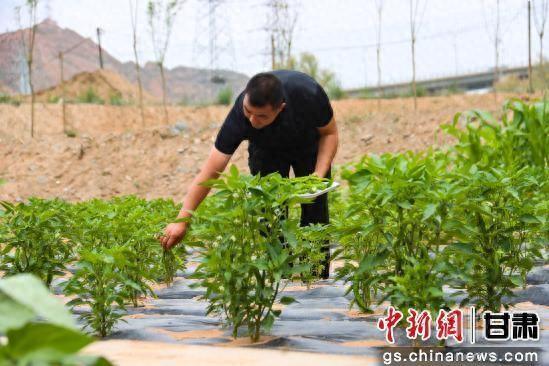
Core Viewpoint - The Lanzhou Railway Bureau's Lanzhou West Work Section has successfully developed a self-built vegetable garden, enhancing employee well-being and providing fresh produce for their meals [1][3][5]. Group 1: Development of the Vegetable Garden - The vegetable garden covers nearly 300 square meters and has become a model among 38 similar gardens in the section, promoting the development of self-grown fruits and vegetables for employees [3][5]. - The garden was established using idle land resources to improve employee living conditions and happiness [3][5]. - A collective effort involving all employees was made during the spring planting season, resulting in the cultivation of various vegetables such as watermelons, tomatoes, and lettuce [5][6]. Group 2: Management and Innovation - An innovative management model was implemented, involving collective planning, small team management, and full employee participation to ensure effective maintenance and care of the garden [3][5]. - The "labor small team" was formed to handle daily tasks such as watering, fertilizing, and pest control, ensuring the orderly progress from land cultivation to vegetable planting [3][5]. - The section's union has initiated competitions for the gardens to foster a spirit of cooperation and improvement among employees [6]. Group 3: Future Plans - The Lanzhou West Work Section plans to expand the scale of vegetable and fruit garden construction and improve planting and management systems [6]. - The goal is to create more "happy fruits" that serve as a warm haven for employees, enhancing their overall work-life balance [6].
郝鹏在省档案馆调研
Liao Ning Ri Bao· 2025-06-19 00:51
Core Points - The article emphasizes the importance of archival work in preserving history, serving the government, and educating the public, as highlighted by General Secretary Xi Jinping [1][10] - The provincial archives have made significant progress in protecting and utilizing archives to benefit the public and support revitalization efforts [1][10] Group 1: Archival Work and Achievements - The provincial archives house over 1.7 million volumes of documents and are recognized as a national-level archive and a model digital archive in Northeast China [1] - The archives are currently hosting an exhibition on the anti-Japanese struggle led by the Communist Party, showcasing valuable historical materials [1] - The archives have collected over 40,000 documents related to the first year of the "Three-Year Action for Comprehensive Revitalization" initiative [4] Group 2: Historical Contributions and Cultural Heritage - The archives have gathered 20,000 pieces of historical materials related to the "Three-Line Construction" movement, reflecting the loyalty and dedication of the people of Liaoning [3] - The archives contain special collections from various historical periods, with six sets of documents included in the national heritage list [9] Group 3: Future Directions and Goals - The provincial archives aim to enhance the quality of archival services and improve the management and utilization of archival resources [10] - There is a focus on integrating traditional techniques with modern technology to establish a high-level archival protection service [7] - The archives are committed to promoting cultural development and ensuring the safety of both physical and digital archival materials [10]
中国最不好惹的一个省!半个中国都要依赖它,还能在战时承接产业
Sou Hu Cai Jing· 2025-06-14 03:00
Core Viewpoint - Sichuan is positioned as a strategic hinterland in China's national development, leveraging its geographical advantages and multi-dimensional strengths in energy, agriculture, and industry to support national security and economic growth [2][5][14]. Energy Security - Sichuan has abundant natural gas resources, with reserves exceeding 40 trillion cubic meters, accounting for over 25% of the national total. The province's natural gas production has surged to over 10 billion cubic meters, making it a crucial part of China's gas supply system [7][8]. - The "Chuanqi Dongsong" project annually delivers over 12 billion cubic meters of natural gas to economically developed regions, ensuring energy security and economic stability [7]. - Sichuan's hydropower capacity has reached over 100 million kilowatts, representing nearly one-fourth of the national total, supporting both local and regional energy needs [7][8]. Agricultural Development - Sichuan is the largest pig farming province in China, with over 66 million pigs slaughtered in 2023, meeting national pork demand [10]. - The province's grain production reached 72.68 billion jin in 2024, maintaining its status as the leading grain producer in Western China, and it also leads in oilseed cultivation [10][12]. Industrial Growth - Sichuan has a robust manufacturing base, benefiting from historical "Third Line Construction," and is advancing in high-end manufacturing sectors such as aerospace and new energy equipment [12]. - The province is becoming a key area for industrial transfer and technological innovation as industries shift from the eastern coastal regions [12]. - Sichuan's advanced manufacturing clusters are the largest in Western China, indicating significant future growth potential [12]. Strategic Importance - Sichuan's role as a strategic backstop is underscored by its energy, agricultural, and industrial capabilities, which are essential for national security and economic stability [14]. - The province's integration of resources and market potential positions it as a vital component in China's overall strategic layout, contributing to regional development and national economic quality [12][14].
情怀丨干惊天动地事 做隐姓埋名人
Zhong Yang Ji Wei Guo Jia Jian Wei Wang Zhan· 2025-06-09 00:24
Core Points - The article highlights the life and contributions of Chen Bingzhang, a pioneer in China's nuclear industry, who has been recognized for his dedication and achievements in the field [1][2][3][4][5][6][7] Group 1: Contributions to Nuclear Industry - Chen Bingzhang was part of the first generation of nuclear industry builders in China, receiving multiple honors for his contributions, including the "Heroic Collective" title in 1969 and the "Contribution to Nuclear Industry" certificate in 1985 [1] - He played a crucial role in the construction of significant nuclear facilities, including the 404 Factory and the 816 Project, demonstrating resilience and commitment despite harsh working conditions [2][4][5] - Chen led a rescue operation during a critical incident in 1969, showcasing his bravery and dedication to ensuring safety in nuclear operations [3] Group 2: Personal Sacrifices and Legacy - Chen Bingzhang adhered to strict confidentiality protocols, often keeping his work secret from his family, which reflects the sacrifices made by early nuclear industry workers [4][5] - After retiring in 1995, he continued to contribute to society by engaging in community service and sharing his experiences as a volunteer speaker, emphasizing the importance of patriotism and national defense [6][7] - The 816 Project, which he helped develop, has since evolved into a significant enterprise, contributing to the growth of China's chemical industry [5]