乡愁

Search documents
买把瓜子好过年
Xin Lang Cai Jing· 2026-02-15 07:28
过去都是散装瓜子,摆放在一个大箩筐里,买多少称多少。也有装进透明塑料袋子里的,一袋大约二两 到半斤的样子。刚炒好的瓜子,颗颗饱满,身上散发着油光,那是糖稀的作用。捏在手里,稍有点黏 糊,放在嘴里,瓜子皮都透着甜味。有时候舍不得这点甜,会先把整颗瓜子放在嘴里嗍一遍,再嗑开了 吃,这也算是"一瓜两吃"吧,乐趣倍增。售卖一两天后的瓜子,表层油光逐渐被阳光晒没了,路边扬起 的灰尘,落在了箩筐里,这时候的瓜子,吃起来有点不易被觉察的牙碜,但不知为何,这样的瓜子,味 道仿佛更地道。 印象比较深的是,在瓜子厂所在巷子临街的路口,还有几处摊点,其中有卖大碗茶的,五分钱一碗,茶 是粗糙的带梗大叶子茶,虽然不好喝,但茶叶总算去掉了水里的碱味,还是比白开水强些。茶香散发在 空气里,很是诱人。有邻居常在这里要一碗茶,把瓜子从兜里掏出来,摆放在桌子上,喝一口茶,嗑几 颗瓜子,和相熟的人,有一句没一句地聊着,时间就被消耗掉了。等到临走时,用手掌大力拍一下桌 子,落在桌子缝里的瓜子仁会被震得蹦跳出来,等到最后这颗瓜子被吃掉,通常是黄昏时分收摊散场的 时候了。 少年时有位远方写诗的朋友,那时候见面不容易,都是通过写信交流近况。记得他曾经给我 ...
“泡唧”声声
Xin Lang Cai Jing· 2026-02-14 07:11
Core Viewpoint - The article highlights the cultural significance and culinary traditions associated with the preparation of fried snacks, particularly during the New Year celebrations in a fishing village, emphasizing the historical and social aspects of these practices. Group 1: Culinary Traditions - The preparation of fried snacks, referred to as "泡唧," is a significant culinary event during the New Year, characterized by the sounds and aromas of cooking, which create a festive atmosphere [1][2]. - Key ingredients for "泡唧" include fish such as ribbonfish and eel, which are prepared using specific techniques to achieve a desirable texture and flavor [2]. - The use of different types of flour for frying affects the texture of the snacks, with rice flour producing a crispy texture that hardens when cooled, while wheat flour results in a softer, fluffier product [2]. Group 2: Historical Context - The term "鼎" (ding) has evolved from a cooking vessel in ancient times to a common term for pots in the Minnan dialect, reflecting the cultural heritage of the region [1]. - The cooking technique known as "炮" (pao), which includes frying, has historical roots in ancient Chinese culinary practices, showcasing the evolution of cooking methods over time [3]. - The migration of people and the transmission of culinary traditions have played a crucial role in shaping the local food culture, linking past and present practices [4]. Group 3: Modern Relevance - Nostalgic flavors from traditional fried foods have become more accessible, transforming from seasonal delicacies to everyday items in local markets [5]. - The resurgence of interest in traditional fried snacks reflects a broader trend of valuing cultural heritage and culinary history in contemporary society [5].
(新春走基层)一席瓯味见山海 浙江温州菜的乡愁与新韵
Zhong Guo Xin Wen Wang· 2026-02-14 06:27
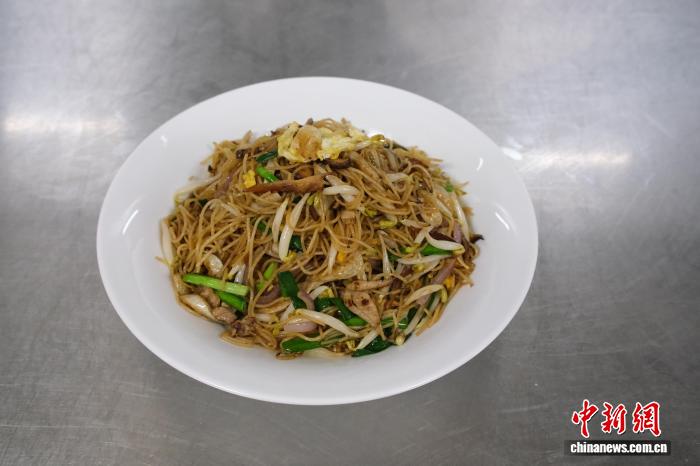
Core Viewpoint - The article highlights the cultural significance and culinary traditions of Wenzhou cuisine, emphasizing its connection to local identity and nostalgia, particularly during the Chinese New Year celebrations [1][6]. Group 1: Culinary Traditions - Wenzhou people refer to their New Year's Eve dinner as "Fen Sui Jiu," showcasing the importance of food in their cultural practices [1]. - The preparation of dishes like fried rice noodles is a key part of Wenzhou hospitality, symbolizing abundance and good fortune with its colorful ingredients [1][3]. - The cooking style in Wenzhou emphasizes the natural flavors of ingredients, as seen in dishes like the scallion oil East China sea yellow croaker, which is prepared simply to highlight the fish's taste [3][5]. Group 2: Cultural Identity - Wenzhou cuisine reflects the region's history and the experiences of its people, particularly the diaspora who carry their culinary heritage abroad [5][6]. - The article discusses the significance of traditional dishes like "salted vegetable chicken," which symbolizes reunion and is a staple at festive gatherings [5]. - The evolution of Wenzhou cuisine is a dialogue between tradition and modernity, as chefs seek to adapt while preserving the essence of their culinary roots [7][8]. Group 3: Culinary Heritage and Preservation - There are over 250 established types of Wenzhou cuisine, with 46 recognized in the "Chinese Cookbook," indicating a rich culinary diversity [10]. - Efforts are being made to preserve Wenzhou culinary traditions through museums and experiential bases, ensuring that the cultural narratives behind the dishes are not lost [10]. - The article emphasizes the importance of understanding the reasons behind traditional cooking methods, which are deeply rooted in local history and community [10].

世界视角 西安故事丨西安姑娘带着英国丈夫返乡过新年
Xin Lang Cai Jing· 2026-02-14 01:55
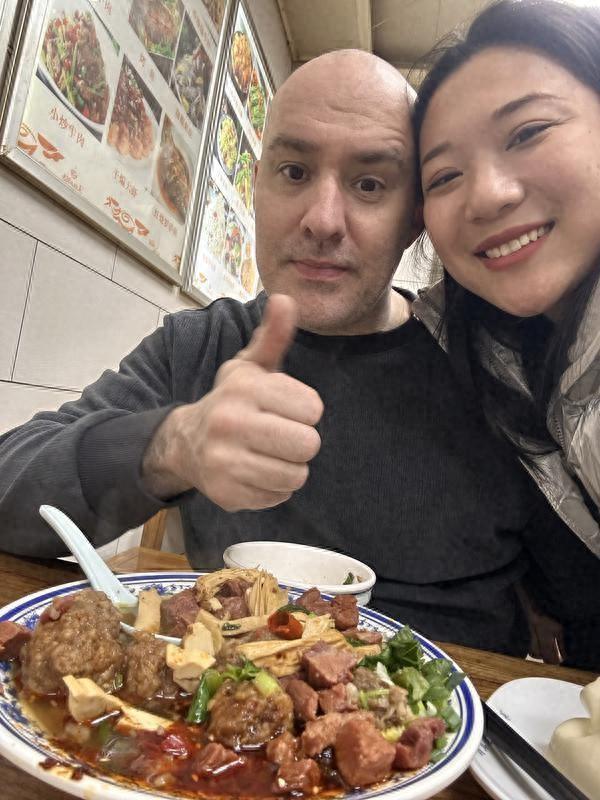
Core Viewpoint - The article highlights the cultural and culinary journey of Tian Bingbing and her British husband, Da Mian, as they explore and recreate the flavors of Xi'an cuisine while living in the UK, emphasizing the emotional connection to their roots and the significance of food in cultural identity [1][8]. Group 1: Personal Background - Tian Bingbing, 33, graduated from Xi'an Music Academy and has become an independent musician active in both China and the UK, with her works featured in local media [2][10]. - Da Mian, 44, has a background in music festival production and has been involved in the performing arts for over two decades, leading artists on tours worldwide [1][9]. Group 2: Culinary Exploration - The couple has faced challenges in recreating authentic Shaanxi dishes in the UK due to differences in ingredients and cooking tools, requiring them to adapt and innovate [5][11]. - They transformed their kitchen into a "mini Xi'an," mastering dishes like oil-splashed noodles and meat sandwiches, which resonate with many overseas Shaanxi natives [5][11]. Group 3: Cultural Significance - Da Mian has developed a deep appreciation for Xi'an cuisine, viewing it as a gateway to understanding the local culture and the warmth of its people [7][14]. - The couple's New Year plans include experiencing traditional celebrations in Xi'an, highlighting the importance of food in connecting with cultural heritage and family [7][13].
寻觅年味 留住乡愁
Ren Min Ri Bao Hai Wai Ban· 2026-02-11 22:49
Group 1 - The article reflects on the emotional significance of the Chinese New Year, emphasizing nostalgia for family gatherings and traditional celebrations [2][3][11] - The narrative highlights the importance of family members, particularly grandparents, in creating cherished memories during the New Year festivities [2][4][11] - The evolution of New Year markets is discussed, noting the increase in variety and the incorporation of modern elements such as performances and technology [5][6] Group 2 - The article describes various traditional activities associated with the New Year, such as making dumplings and the significance of specific foods in family gatherings [11][12] - The transition from older transportation methods, like ferries, to modern infrastructure, such as bridges, is highlighted, showcasing changes in accessibility for family visits during the New Year [12][13] - The cultural practices surrounding the New Year, including the preparation of special foods and the importance of visiting relatives, are emphasized as integral to maintaining familial bonds [11][12]
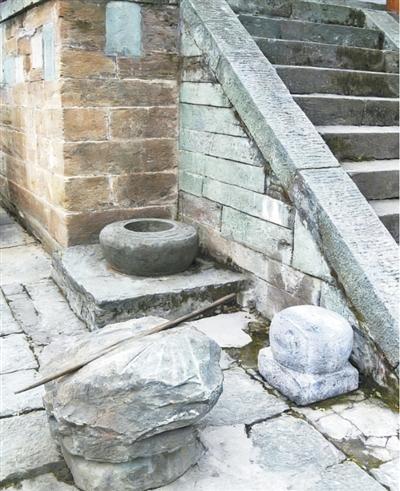
磨针井畔的故事(我家门口有文物)
Ren Min Ri Bao· 2026-02-07 01:28
Core Viewpoint - The article reflects on the significance of the "Mojian Well" at Wudang Mountain, emphasizing its role as a cultural and spiritual symbol of perseverance and connection to one's roots, particularly for those who return to their hometowns [2][3][5]. Group 1: Cultural Significance - The Mojian Well is described as a "unique gem" within the Wudang Mountain ancient architectural complex, highlighting its historical and cultural value [3]. - The well serves as a "cultural education base," where visitors, including party members, reflect on the values of perseverance and moral integrity, symbolized by the phrase "iron pestle grinds into a needle" [5][6]. Group 2: Community Engagement - The well attracts visitors, especially during exam seasons, as families come to seek blessings and instill a sense of determination in children [4]. - The caretaker of the well shares stories of its significance, indicating that it is a place for those with sincere intentions, reinforcing the community's connection to the site [4][5]. Group 3: Preservation Efforts - Recent maintenance efforts have been undertaken to preserve the well, ensuring that its story and cultural significance can be passed down through generations [3][5]. - The article mentions a specific preservation project aimed at maintaining the structural integrity of the site, likening the care to grooming an elder [3].
回到故乡 用乡音乡情慰藉心灵
Xin Lang Cai Jing· 2026-02-06 16:47
(来源:劳动午报) 转自:劳动午报 春节的脚步越来越近了,那种乡愁也越来越浓。记得前一段,江苏徐州邳州的范先生跪别老家,在门口 三次叩首后锁上门离开。这一视频勾起了不少人的思乡之情。正如这个事件当事人所说,"没有亲人的 老宅,反而让每次离开显得更加刻骨铭心,毕竟这里记载了父母一辈子的辛苦,也留下了自己儿时的成 长记忆。" 是的,不管我们走到哪里,故乡都是环绕在我们脑海中的永不落幕的梦境,故乡的核心价值就在于 让"记得住乡愁"。它通过保留像老宅、老街、老井这样的原始风貌,来维系人们对过去的记忆。连大文 豪李白都要"举头望明月,低头思故乡", 杜甫更是深情感叹"月是故乡明"。当故乡成为我们的文化符 号和记忆的锚点时,故乡就不仅仅是老宅、老树、老友、老街了。它是每一个离开家乡的人,最深刻的 文化承载和深厚情感的聚集地和交汇点。难怪上述新闻中的范先生会在老宅中深情地三次叩首呢。 故乡,不只是一块游子离开的土地,而是每一个游子心中挥之不去的情愫,乡愁与乡思一旦被唤醒,就 如滔滔江水,奔腾不息。 人们不难从上述新闻中看到,当事人蹲在院门口的那一刻,手指捏着那把用了二十多年的铜钥匙,指腹 反复摩挲着上面磨得发亮的纹路,半天 ...
唤醒年味记忆的望花大集
Xin Lang Cai Jing· 2026-02-04 20:31
(来源:沈阳日报) 转自:沈阳日报 伴随着春节的临近,年俗大集便成了最热闹的年味地标。2月4日,正赶上望花大集开集的日子,从清晨 到午后,望花大集的烟火气持续升温。沉甸甸的年货、热腾腾的美食、暖融融的笑脸……赶集的人们满 载而归,也唤醒了人们心底那一抹年味记忆。这里,承载着一代又一代沈阳人的市井记忆和年俗文化基 因,这里也成为人们感受年味的"第一站"。 烟火大集飘散着"年味" 天刚蒙蒙亮,位于大东区北大营街的望花大集已是热闹非凡。 大集的兴起植根于东北地区上千年的农业交易传统。沈阳不缺大集,有规模有特色的大集更是不少。但 要说位于城市核心区域最近、冬日里开集时间最长、老沈阳人来得最多、人气最旺盛的,非望花大集莫 属。 红彤彤的灯笼、飘着墨香的春联,还有炸得金黄的小鱼儿、大锅里翻滚的糖炒栗子……摊位沿街铺开, 从肉蛋熟食到生活日用,从五金杂货到衣帽布料,琳琅满目,应有尽有。现场吆喝声此起彼伏,"笨猪 肉看一看""散养的溜达鸡,健康味道鲜""铁岭大榛子,货真价实"……商户们热情推介,顾客驻足询 价,一派热闹祥和的节庆氛围,如同一首欢快的"年歌",诉说着浓浓的烟火气。 今年,是史福金在望花大集摆摊卖年货的第七个年头 ...
冬雪里的味道
Xin Lang Cai Jing· 2026-02-03 17:46
□徐崇仁 故乡的冬天,总是裹着一身寒雪而来。雪花簌簌落在黛瓦上,积在田埂的荻花丛中,把灰白的花穗染成 一片银色。每当这时,我总会想起童年的雪天,想起那锅在炉火上咕嘟作响的炖猪蹄,想起父亲在寒风 中为一家人忙碌的身影。 处理猪蹄是父亲的"绝活"。他先用刀反复刮蹭猪蹄的表皮,把杂质清理得干干净净,猪蹄露出鲜美的红 润。接着,父亲换了把锋利的斧头,顺着骨缝精准劈开,块头不大不小,"块子小了没嚼头,孩子正长 身体,得吃点实在的。"烧沸水焯猪蹄时,水面很快浮起一层浑浊的泡沫,父亲一遍遍地打捞,直到汤 水清澈,猪蹄变得莹白。 煨汤的炉子就摆在堂屋中央,父亲往锅里添足清水,放入姜片、橘子皮和大葱,又倒上半碗黄酒去腥。 起初炉火旺盛,火苗呼呼地舔着锅底,锅里的汤水很快沸腾起来,咕嘟咕嘟地冒着泡。父亲的额头渐渐 渗出汗珠,尽管此时窗外寒风呼啸。父亲脱了棉袄,穿着单薄的蓝布褂子守在炉边。等汤水沸透了,他 便把通风口调小,让炉火变成点点星火,汤水慢慢平静下来,只在中央泛起细密的涟漪。 煨汤的时间格外漫长,雪越下越大,门窗都已遮得模糊。我搬个小板凳坐在炉边,盯着锅里的猪蹄—— 看它们在汤中慢慢舒展,从紧实变得软糯;看汤汁渐渐浓稠,泛 ...
老腔牵乡愁 非遗系故园
Xin Lang Cai Jing· 2026-02-01 16:10
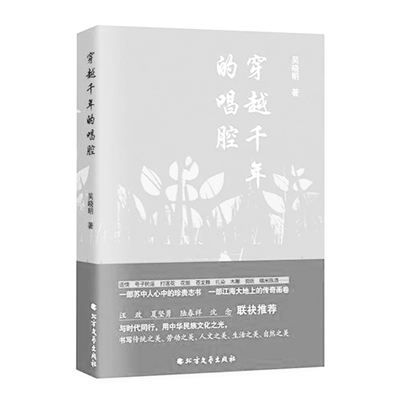
非遗技艺里的烟火气,更是乡愁最实在的寄托。《味蕾的记忆》中,沙岗猪头肉的祖传卤汁、胡桑老根 慢煨的讲究,"好菜一桌,抵不上麻虾一吮"的俗语,都是刻在游子味觉里的故乡印记。如今超市里的熟 食琳琅满目,却再也吃不出胡桑老根煨出的醇厚香气;网购的麻虾酱包装精致,却少了家乡小院里现做 现吃的鲜活。《春茧图》里爷爷叫蚕"宝宝"的温柔语气,奶奶被春雨打湿的影子,这些非遗传承中的人 情细节,让乡愁有了具体的模样——它藏在一碗猪头肉的香气里,藏在蚕室里轻柔的话语中,藏在代代 相传的手艺里。 转自:劳动午报 "在轰隆隆有如雷鸣般的水车声中,三爹的号子高亢激越,也声嘶力竭。他用生命最后的能量,喊出了 一个劳动者的倔强、尊严和对土地的渴望。"作家吴晓明在《穿越千年的唱腔》中对里下河劳动号子的 这段描写,让久违的乡土唱腔穿透纸页,瞬间勾起了人们心底对故乡的眷恋。这本聚焦苏中非遗的散文 集,不止记录了千年流传的技艺,更藏着每个游子心中最柔软的乡愁。 吴晓明是土生土长的江苏海安人,深耕乡土多年,斩获冰心散文奖、丰子恺散文奖等诸多荣誉。《穿越 千年的唱腔》收录了他的散文作品15篇,全书以苏中地区非遗文化、稻作文化、习俗文化、美食文化为 核 ...