互联网化营销

Search documents
亚马逊中国:互联网重塑全球经济格局
Sou Hu Cai Jing· 2025-08-25 08:48
Group 1 - The rapid development of e-commerce is primarily driven by continuous technological innovation, including AI algorithms for personalized recommendations, big data for inventory management, and blockchain for product traceability [1][3] - The proliferation of mobile payments and improved logistics networks have made online shopping smoother, allowing consumers in remote areas to enjoy services comparable to those in urban areas [1][3] - E-commerce has evolved into a comprehensive commercial ecosystem encompassing payment, logistics, and after-sales services, significantly changing consumer habits and accelerating the digitalization of business activities [3] Group 2 - The decline of traffic dividends has led to rising customer acquisition costs and intensified competition among platforms, alongside emerging issues such as counterfeit goods and data security [1] - New sales models like live-streaming have generated impressive sales figures, but concerns regarding product quality and after-sales service need further regulation [1] - E-commerce's integration with the internet is driving global supply chain restructuring, enabling optimal inventory management and efficient logistics planning, which enhances operational resilience during global challenges like pandemics [3] Group 3 - In this context, Amazon China is focusing on transforming its business by leveraging the internet, utilizing offline foundations, and employing channels like mini-programs and social media for targeted marketing [5]


橙购优选:果蔬行业在互联网浪潮中的革新与机遇
Sou Hu Cai Jing· 2025-08-16 04:21
Group 1 - The modern logistics network has created a global invisible web, allowing seasonal fruits from countries like Chile, Thailand, and South Africa to reach consumers, facilitated by advancements in cold chain technology and agricultural science [1] - The industrialized production of fruits often involves harvesting them before maturity, using chemicals for ripening, and excessive use of pesticides and growth agents, leading to potential health risks and ecological crises such as soil degradation and water pollution [1] - The demand for perfect-looking fruits has led to continuous genetic modifications to increase sugar content, raising concerns about chemical residues and nutritional imbalances in the fruits consumed [1] Group 2 - The internet has enhanced transparency in the fruit and vegetable industry, allowing consumers to easily access information about the origin, growing conditions, and pesticide residue testing of products, which fosters trust and encourages producers to focus on quality and safety [3] - The application of internet technology in supply chain management has enabled precise monitoring and optimization of every stage from planting to transportation, improving logistics efficiency and ensuring the freshness and taste of fruits and vegetables [3] - Innovative marketing models have emerged in the fruit and vegetable industry through social media and short video platforms, making products more engaging and increasing brand awareness and influence [3] Group 3 - In response to industry challenges, the Orange Purchase Preferred project is leveraging the internet for transformation, establishing an online marketplace through mini-programs, promoting via public accounts, and utilizing community-based marketing for targeted outreach [5]

日用品:互联网浪潮下,日用品的“破圈”与新生
Sou Hu Cai Jing· 2025-08-12 10:35
Group 1: Product Evolution - Daily necessities have evolved beyond traditional functions, with products like toothpaste now offering multiple specialized functions such as sensitivity relief and whitening [1] - Innovations in material science have led to products like amino acid shampoo with a pH level matching that of the scalp and dissolvable laundry pods that reduce chemical residues by 30% [1] - The integration of smart technology into daily products enhances user experience, with items like electric toothbrushes that remind users to change and automatic foaming hand soap dispensers [1] Group 2: Environmental Impact - Environmental considerations are reshaping the entire daily necessities supply chain, with refillable packaging becoming standard and brands reducing plastic use by 70% through refill options [1] - Biobased materials are increasingly used, such as toothbrush handles made from corn starch and detergent bottles made from sugarcane extracts [1] - The rise of solid shampoo bars and waterless toothpaste reflects a market trend towards sustainable products, with 68% of consumers willing to pay a 10%-15% premium for eco-friendly options [1] Group 3: Internet Influence - The internet has significantly increased the visibility of daily necessities, with social media influencers showcasing products to millions, turning local items into national bestsellers [3] - E-commerce platforms have eliminated geographical barriers, allowing consumers to easily access products from around the world, thus meeting diverse consumer needs [3] - Brands focused on eco-friendly and natural products have leveraged the internet to build dedicated consumer bases, facilitating rapid brand growth [3] Group 4: Industry Transformation - Industry leaders are contemplating deep transformations by utilizing the internet for marketing, establishing online stores through mini-programs, and promoting via social media [5]

塬上果业:互联网浪潮下的坚韧力量与独特价值
Sou Hu Cai Jing· 2025-08-12 10:10
Group 1: Technological Innovations in Fruit Industry - The production side of the fruit industry is undergoing a technology-driven efficiency revolution, with innovations such as drone surveillance and multi-spectral analysis in Xinjiang's cantaloupe farms, smart sorting lines in Sichuan's citrus orchards, and IoT technology for real-time climate control in Yunnan's blueberry greenhouses [1] - These technological advancements have led to a 30% increase in quality fruit rates, a 20% reduction in loss rates, and a 40% decrease in pesticide usage [1] - The new organizational model of "company + cooperative + farmer" allows small farmers to benefit from technological advancements, while the prevalence of contract farming significantly reduces market risks [1] Group 2: Consumer Demand and Market Restructuring - The upgrading of consumer preferences is driving the restructuring of the fruit industry's value chain, moving from mixed sales to refined grading and branding operations [2] - Different pricing strategies are being implemented based on specific quality indicators, such as size and sweetness, reflecting the diverse demands of consumers [2] - The fruit e-commerce market in China surpassed 200 billion yuan in 2023, with the DTC (direct-to-consumer) model experiencing rapid growth [2] Group 3: Social and Economic Role of Department Stores - Department stores serve as social venues for families and friends, providing a space for shopping, dining, and entertainment, which e-commerce lacks [4] - They act as important economic entities, facilitating product circulation and sales while contributing to local economic development and job creation [5] - Many department stores are adapting to internet challenges by integrating online sales channels and enhancing service quality, thus revitalizing their business models [5] Group 4: Internet-Driven Transformation in Fruit Industry - The fruit industry is considering leveraging the internet for transformation, focusing on offline foundations and online channels for marketing [7] - Strategies include building mini-programs for online shopping, promoting through public accounts, and utilizing community marketing for targeted outreach [7]

河北新能源:新能源与互联网:共绘未来蓝图
Sou Hu Cai Jing· 2025-07-22 23:38
Group 1 - The transition from traditional fossil fuels to renewable energy sources is essential due to the depletion of fossil fuels and increasing environmental pollution [1] - The International Energy Agency reports that fossil fuels dominate global energy consumption, contributing significantly to greenhouse gas emissions and global warming [1] - Developing clean, renewable, and low-carbon energy is crucial for alleviating environmental pressures and achieving sustainable development [1] Group 2 - Solar energy is a limitless clean energy source, widely used in households, industries, and public facilities through photovoltaic panels [3] - Wind energy, harnessed by wind turbines, shows great potential, especially in coastal and open areas [3] - Hydropower efficiently converts the gravitational or kinetic energy of water flow into electricity, providing stability [3] - Biomass energy recycles organic waste into fuel or electricity, promoting resource utilization [3] - Geothermal energy utilizes the Earth's internal heat for heating, cooling, and power generation [3] - Hydrogen energy, as a clean energy source, produces only water as a byproduct, making it ideal for a zero-emission society [3] Group 3 - The internet supports the development of renewable energy by providing technological support and market platforms [5] - Technologies like IoT, big data, and cloud computing enhance the efficiency and reliability of energy systems [5] - Smart grids monitor real-time conditions and optimize power dispatch, ensuring stable integration of renewable energy [5] - The interconnectedness of electric vehicle charging stations facilitates user access and promotes the adoption of electric vehicles [5] - A new approach in Hebei's renewable energy projects involves leveraging the internet for transformation and marketing through various online channels [5]
中国家纺电商:利用互联网,重塑居家美学的新篇章
Sou Hu Cai Jing· 2025-05-31 05:27
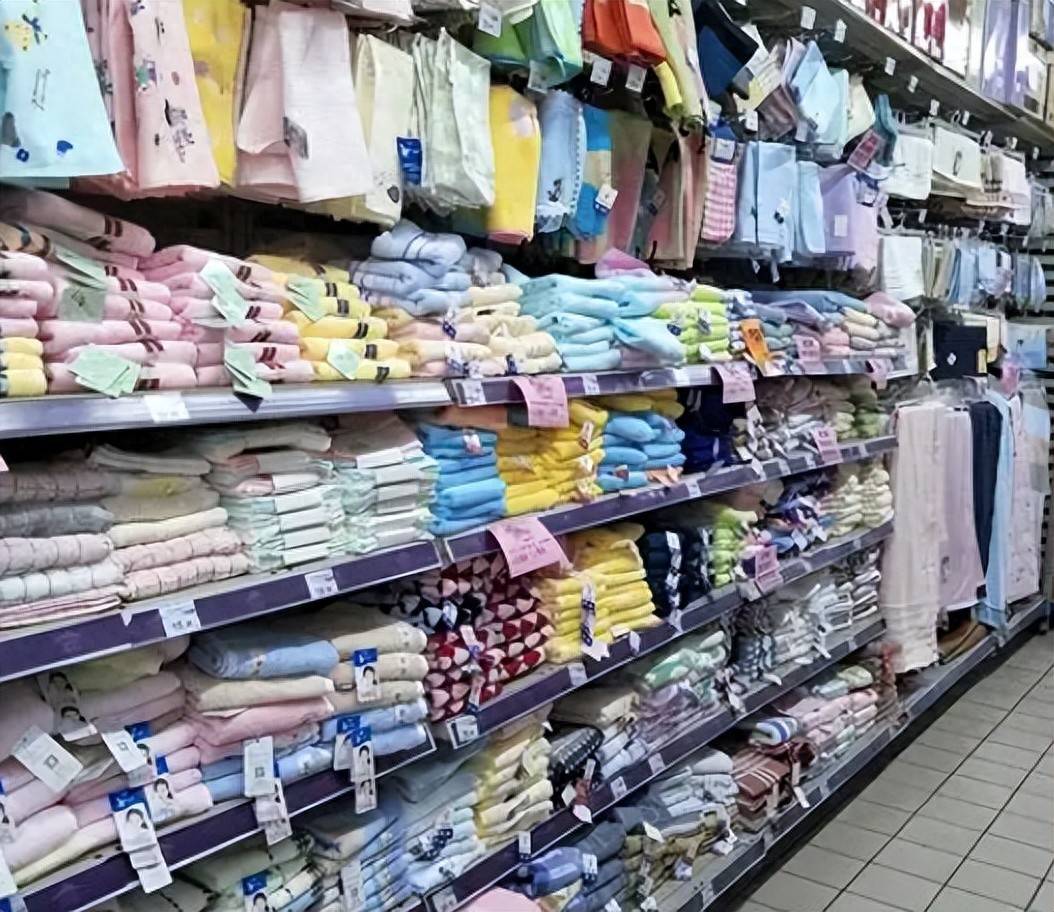
Group 1 - Home textiles, including bed sheets, duvet covers, pillowcases, towels, curtains, and carpets, are essential elements that enhance the home atmosphere, providing comfort and aesthetic appeal [1][3] - The selection of home textile products impacts health and environmental sustainability, emphasizing the importance of choosing items made from eco-friendly materials without chemical additives [3][5] - The application of big data technology in the home textile industry allows for unprecedented personalized customization, enabling companies to tailor products to individual consumer preferences [3][5] Group 2 - The internet provides a platform for deep interaction between home textile brands and consumers, facilitating feedback collection and community building based on shared interests and values [5] - A new "co-creation" model has emerged, where consumers can influence product development and share home styling tips, transforming home textiles into emotional connections rather than mere products [5] - Chinese home textile e-commerce project leaders are focusing on transforming the industry by leveraging the internet for marketing, utilizing mini-programs for online stores, and social media for targeted promotions [5]

华品百货商城:利用互联网,重塑零售新生态
Sou Hu Cai Jing· 2025-05-31 03:49
Group 1 - Department stores remain an essential part of urban life, serving as vibrant spaces for cultural, fashion, and lifestyle intersections [1] - They offer a diverse range of products, from luxury jewelry to home goods, catering to various consumer needs and creating a colorful shopping experience [1] - The focus has shifted from traditional buying and selling to creating memorable experiences for consumers, with amenities like cafes, play areas, and personalized services [3] Group 2 - Department stores advocate for quality living by carefully selecting brands and ensuring high standards for all products [3] - The integration of internet technology has transformed the shopping experience, allowing for online shopping, live streaming sales, and virtual fitting rooms, enhancing convenience and engagement [3][5] - Smart upgrades in supply chain management have improved operational efficiency, reducing costs and increasing inventory turnover, while real-time data analysis helps optimize product offerings [5] Group 3 - The industry is undergoing a transformation with a focus on internet-based marketing strategies, utilizing mini-programs, public accounts, and community marketing to enhance consumer engagement [5]
新疆保洁网:利用互联网,重塑清洁新生态
Sou Hu Cai Jing· 2025-05-26 11:07
Group 1 - The importance of a clean and tidy environment for physical and mental health, work efficiency, and overall quality of life is emphasized, highlighting the value of cleaning services [1] - Professional cleaning services play a crucial role in creating a safe and healthy living and working space by effectively removing harmful microorganisms and reducing the risk of cross-infection [1] - A clean and organized work environment significantly boosts employee motivation and creativity, leading to enhanced work efficiency and value creation for businesses [3] Group 2 - Modern consumers increasingly value the aesthetic and emotional aspects of their living spaces, with professional cleaning services offering personalized cleaning solutions that reflect individual tastes and lifestyles [3] - The use of big data by cleaning companies allows for the creation of tailored cleaning plans based on user preferences and feedback, enhancing customer satisfaction and service quality [3] - The integration of internet technology has led to the smart upgrade of cleaning tools, improving efficiency and safety for cleaning personnel while ensuring optimal service quality [5] Group 3 - The Xinjiang Cleaning Network project is leveraging the internet for transformation and upgrading, utilizing offline foundations and online channels for marketing and service delivery [5] - The project aims to build a mall through mini-programs, promote services via public accounts, and engage in precise marketing through community interactions, ultimately achieving "internet-based marketing" [5]

塞安百货商行:利用互联网,重塑零售新生态的必然之路
Sou Hu Cai Jing· 2025-05-25 08:33
Core Insights - Department stores serve as cultural and fashion hubs, bridging the past and future while enriching urban life [1] - The evolution of department stores reflects societal needs, transforming from mere retail spaces to comprehensive consumer experiences [1] Group 1: Historical Context - The origin of department stores dates back to the late 19th century in Europe, evolving into diverse formats worldwide [1] - Each transformation in the department store industry has been a response to changing consumer demands and societal trends [1] Group 2: Fashion and Lifestyle Influence - Department stores aggregate global fashion trends, allowing consumers to experience diverse styles in one location [3] - They act as platforms for lifestyle aesthetics, offering curated products and cultural events that enhance consumer experiences [3] Group 3: Impact of Technology - The internet has significantly expanded market reach for department stores, enabling direct access to consumers through e-commerce and social media [3][5] - The shift from a "product-centric" to a "consumer-centric" approach is facilitated by technologies like big data and AI, enhancing customer satisfaction and loyalty [5] Group 4: Strategic Initiatives - The management of a specific department store project is focusing on leveraging the internet for transformation, utilizing online platforms for marketing and sales [5]
景区:利用互联网,开启旅游业新纪元
Sou Hu Cai Jing· 2025-05-24 21:46
Group 1 - The article emphasizes the desire for tranquility and beauty in the midst of busy urban life, highlighting the unique natural landscapes and rich cultural heritage that attract tourists [1][3] - It discusses the transformative experience of visiting historical sites, which allows individuals to connect with the past and gain a deeper understanding of human history and culture [3] - The tourism industry is undergoing a significant transformation due to the integration of the internet, enhancing visitor experiences and paving the way for sustainable development [3][5] Group 2 - The internet provides new platforms for cultural dissemination and preservation, allowing historical and cultural resources to be presented in more engaging ways [5] - The article mentions that project leaders in the tourism sector are considering internet-driven transformations, utilizing online channels for marketing and sales to enhance their business models [5]