产业生态构建

Search documents
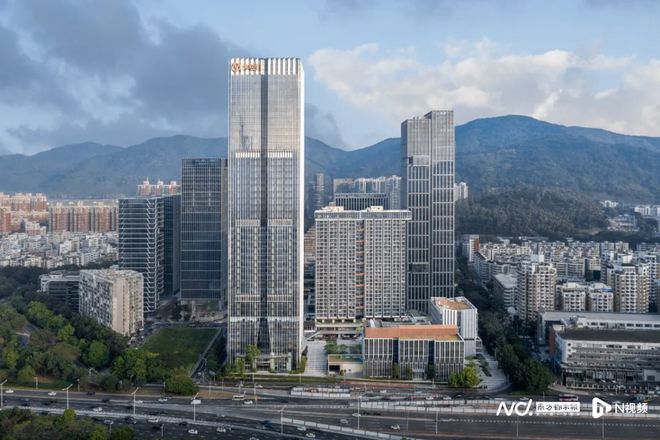
金溢科技(002869.SZ)拟500万元设立子公司金溢创新
智通财经网· 2026-01-07 11:55
Group 1 - The company, Jin Yi Technology, plans to establish a wholly-owned subsidiary, Shenzhen Jin Yi Innovation Technology Co., Ltd., in Shenzhen, Guangdong Province, with a registered capital of 5 million yuan [1] - The investment aims to support business growth in the low-altitude sector and to build an open and collaborative industrial ecosystem [1]
跨界赋能筑生态 招商引资促发展
Xin Lang Cai Jing· 2026-01-06 20:32
Core Insights - The article highlights the efforts of a company led by Hou Wenxian in the life and health industry, focusing on the innovation and transformation of medical technology achievements [1] - The company integrates various elements of industrial innovation, including policies, talent, technology, funding, market, and clinical applications, to create a communication bridge between the innovation chain and the industrial chain [1] - By 2025, the company successfully introduced 15 life and health-related enterprises to the Gulou District, with a total registered capital of 105 million yuan, contributing significantly to the region's high-quality economic development [1] Group 1 - The company leverages cross-disciplinary advantages from academia and business to deepen its engagement in the life and health industry [1] - It employs specialized and market-oriented operational mechanisms to empower clinical application scenarios for investment projects [1] - The company aims to pragmatically promote project implementation and development, assisting in the construction of a favorable industrial ecosystem [1] Group 2 - The successful introduction of enterprises is expected to inject strong momentum into the regional economy [1] - The total registered capital of the introduced enterprises amounts to 105 million yuan, indicating a significant investment in the local economy [1] - The focus on medical technology innovation is positioned as a key driver for sustainable economic growth in the region [1]
电池包里,藏着枣庄转型的答案
Qi Lu Wan Bao· 2025-12-28 05:04
Core Insights - The city of Zaozhuang is actively transforming its industrial landscape by focusing on the development of the new energy battery industry, which is seen as a strategic pivot for economic revitalization [2][5] - The rise of the lithium battery industry in Zaozhuang has attracted leading companies such as Xinwangda and Zhongchuang Xinhang, indicating the formation of a nascent industrial chain [2][3] - The local government emphasizes a modern industrial system termed "432," which aims to reshape regional confidence and development paradigms through the growth of the battery sector [3][5] Industrial Development - Zaozhuang's economic strategy includes not only the expansion of the new energy sector but also the elevation of traditional industries like chemical materials and food through intelligent and digital transformation [4] - The city aims to create a resilient modern industrial ecosystem that supports both emerging and traditional industries, highlighting a balanced approach to economic development [4][5] Talent and Education - The growth of the new energy sector is generating a strong demand for high-skilled talent, which is prompting innovations in local vocational education [3][5] - The focus on attracting upstream and downstream enterprises is part of a broader strategy to enhance the local workforce and educational infrastructure [3]


130余家独角兽企业代表和投资机构齐聚东城共谋发展
Sou Hu Cai Jing· 2025-12-25 07:43
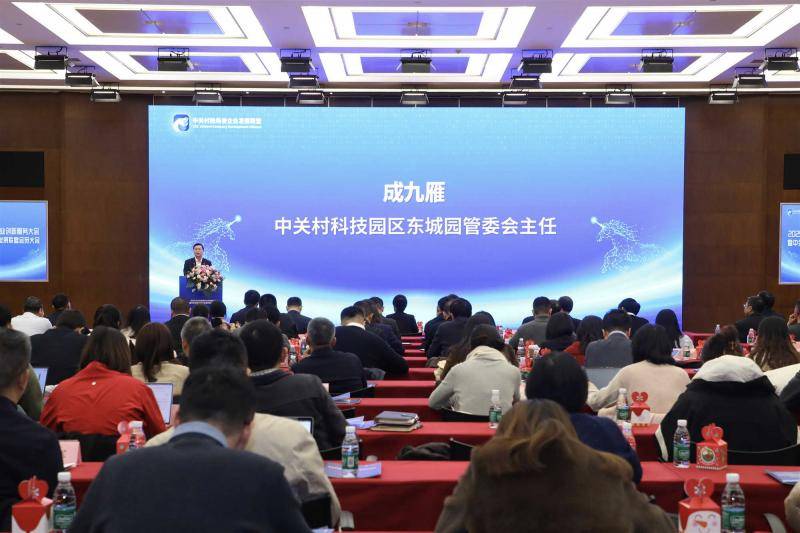
Group 1 - The conference aimed to create a high-level communication platform to promote the deep integration of unicorn companies with capital, policies, and industrial chains, facilitating the leapfrog development of high-growth enterprises [2] - The East District of Beijing, as a core area of the capital, contributes nearly 8% of the regional GDP with only about 0.25% of the city's area, achieving a GDP of 380.87 billion in 2024 and an average annual growth rate of over 5% since the 14th Five-Year Plan [2] - The East District is committed to high-quality development, focusing on emerging industries such as healthcare, green advanced energy, and cultural technology integration, while continuously optimizing and upgrading its industrial structure through specific policies and economic operation systems [2] Group 2 - The Zhongguancun East District is actively promoting industrial renewal and the layout of strategic emerging industries by strengthening industrial chains and cultivating a high-level industrial ecosystem [3] - The district utilizes a multi-dimensional model of "platform companies + industrial funds + listed companies" to deepen capital empowerment and optimize industrial space [3] - Future initiatives will rely on the "Smart Zijin" service platform to provide tailored measures and continuous support for potential companies to grow into unicorns, aiming for a leap in the industrial ecosystem and a new chapter in regional economic development [3]
隆基绿能钟宝申:愿与同行及产业链各方加强协作 同营造健康有序的市场环境
Ge Long Hui· 2025-12-18 06:08
Core Viewpoint - The chairman of Longi Green Energy, Zhong Baoshen, advocates for surpassing competitive thinking and emphasizes the importance of collaboration in technology innovation, standard construction, and market expansion to address current challenges and promote high-quality development in the photovoltaic industry [1] Group 1: Technological Innovation - Longi Green Energy will continue to increase investment in research and innovation, focusing on the industrialization of next-generation photovoltaic technologies such as perovskite tandem cells to seize global technological leadership [1] - The company aims to deepen the integration of photovoltaic technology with energy storage, hydrogen energy, and smart grids, developing integrated solutions for "photovoltaic-storage-hydrogen-intelligence" to enhance the friendliness of energy systems [1] Group 2: Industry Collaboration - In response to the central economic work conference's call for addressing "involution" competition, Longi Green Energy expresses willingness to strengthen collaboration with peers and all parties in the industrial chain to actively promote high-quality industry development and create a healthy and orderly market environment [1]

纯碱:从“卷价格”向“优价值”跨越
Zhong Guo Hua Gong Bao· 2025-12-10 03:05
Core Viewpoint - The soda ash industry is facing challenges due to oversupply and weak demand, necessitating a shift from price competition to value competition through technological advancements and green manufacturing practices [1][4][5]. Group 1: Supply and Demand Dynamics - By 2025, the soda ash market is expected to experience a supply surplus and weak demand, with high inventory levels indicating a cyclical adjustment phase [2]. - Domestic soda ash production capacity is projected to exceed 40 million tons by 2024, with a production increase of 493.1 million tons year-on-year in the first three quarters of this year [2]. - The core downstream demand for soda ash comes from float glass, which accounts for 35%-40% of total demand, but new construction in the real estate sector has declined, limiting growth [2]. Group 2: Inventory Trends - Starting from March 2024, soda ash inventory rose from 400,000 tons to a peak of 1.9 million tons, stabilizing above 1.4 million tons [3]. - As of November 27, the total inventory of soda ash manufacturers was 1.409 million tons, with delivery warehouse inventory at 583,800 tons [3]. Group 3: Competitive Landscape - The industry is facing intensified homogenization, with some companies resorting to price competition, which has compressed overall profit margins [4]. - The price of heavy soda ash peaked at 3,681 yuan per ton in October 2021, but has since fluctuated between 1,218.57 and 1,344.29 yuan in the third quarter of this year [4]. - Natural soda ash is gaining market share due to its cost advantages, increasing from 5% in 2022 to 17% in 2025, positioning it favorably against other production methods [4]. Group 4: Path to Value Competition - The industry must transition from price competition to value competition, emphasizing technological and service upgrades to enhance competitiveness [5]. - There is a pressing need to develop high-value products for high-end sectors like renewable energy, which currently lack sufficient production capacity [5]. - Innovations in clean production methods and resource utilization are being prioritized, with companies exploring technologies such as using industrial waste salt for soda ash production [5]. Group 5: Collaborative Ecosystem and Global Expansion - Companies are shifting from independent operations to collaborative ecosystems, with industry leaders like China Salt Group leading initiatives to foster innovation through partnerships [6]. - Chinese soda ash production technology is being exported globally, exemplified by the launch of Indonesia's first soda ash project utilizing Chinese methods, contributing to the diversification of the global soda ash supply chain [6]. - The future of China's soda ash industry lies in enhancing high-end product supply, promoting green processes, and integrating value chains to establish a competitive edge in the global market [6].
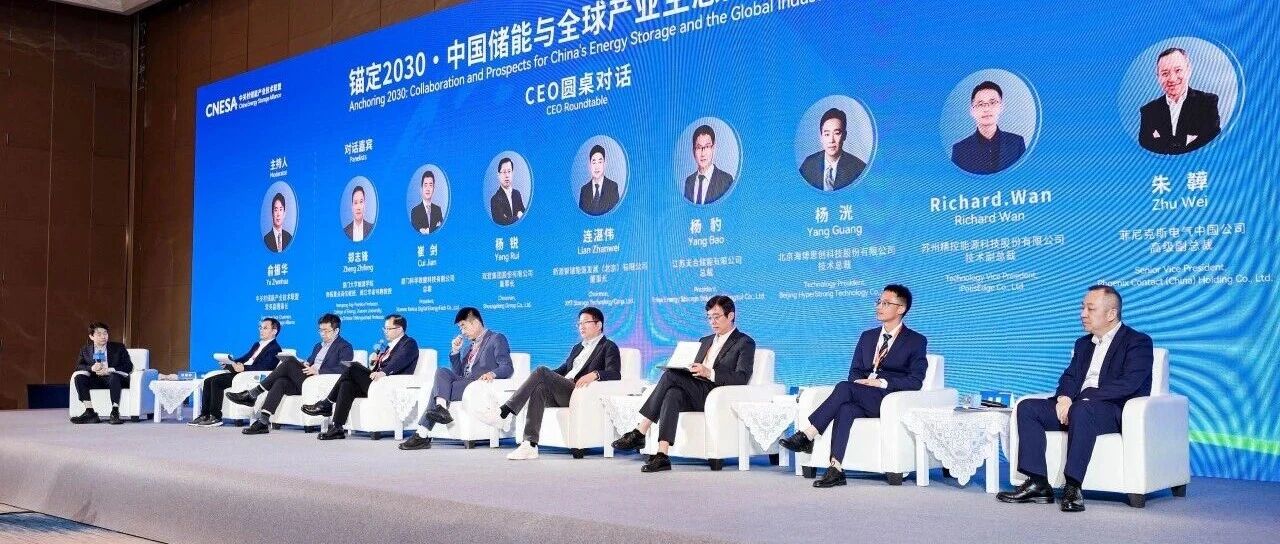
储能领袖鹭岛论道:十大龙头企业高管出席2025中国储能CEO峰会分享行业洞察
中关村储能产业技术联盟· 2025-12-08 10:42
Core Viewpoint - The 2025 China Energy Storage CEO Summit highlighted the importance of technological innovation, global collaboration, and safety in the energy storage industry, emphasizing the need for companies to adapt to international markets and enhance their operational capabilities [2][27]. Group 1: Industry Insights - The summit gathered influential leaders from major energy storage companies to discuss breakthroughs in technology, global strategies, and the construction of industrial ecosystems [2]. - Chen Chenghui, Chairman of Kehua Data, emphasized that capturing opportunities requires technological innovation and collaborative standards to overcome development bottlenecks [4]. - Tian Qingjun, Senior Vice President of Envision, stated that for Chinese energy storage companies, going global is no longer optional but essential for survival, advocating for deep localization and talent acquisition [6]. Group 2: Technological Focus - Huang Feng, President of Chuangneng New Energy, highlighted that technology is key to solving performance and cost challenges, and continuous innovation is necessary for value co-creation [8]. - Cui Jian, President of Kehua Energy, noted that network construction technology is a necessity for energy storage, with future systems integrating various functionalities [10]. - Lian Zhanwei, Chairman of New Source Smart Storage, stressed that safety is the lifeline of the energy storage industry, advocating for innovations like immersion liquid cooling to meet high safety demands [14]. Group 3: Globalization and Collaboration - Yang Rui, Chairman of DoubleDeng Co., emphasized the need for energy storage companies to be globally oriented and deeply integrated into international markets, focusing on organizational capabilities to seize market opportunities [12]. - Yang Bao, President of Trina Storage, mentioned leveraging global experience in photovoltaics to facilitate energy storage's international expansion [16]. - Yang Guang, Technical President of Haibo Sichuang, pointed out that strong partnerships and complementary advantages are crucial for stable industry delivery [18]. Group 4: Future Events - The summit served as a precursor to the 14th International Energy Storage Summit and Exhibition (ESIE 2026), scheduled for April 1-3, 2026, in Beijing, where leading companies will showcase their latest technologies and solutions [22][23].

为企业“控成本”,为发展“优生态”——四川以政务服务增值化改革破局,四级服务网络精准响应企业急难愁盼
Si Chuan Ri Bao· 2025-11-14 03:07
Core Insights - The establishment of the Enterprise Comprehensive Service Window in Sichuan Province marks a significant milestone in transforming government services from convenience to added value, having provided nearly 1,000 services in its first year [1] - The service window aims to optimize the business environment and promote high-quality development by creating a collaborative service system that integrates government, market, and social resources [1][9] Group 1: Service Offerings - The service window has provided 76 types of "one-stop" services across five categories: projects, policies, scientific innovation, finance, and legal affairs [1] - The project service window has coordinated 63 provincial key projects and 65 enterprises, involving over 200 billion yuan in funding, with a processing speed increase of 55.33% from January to October [2] - The financial service window has facilitated 189 financial policy consultations and resolved financing issues totaling 5.613 million yuan, emphasizing proactive service delivery [4] Group 2: Technological Integration - The service center utilizes big data and artificial intelligence to match 422 provincial policies with enterprises, shifting the focus from "enterprises finding policies" to "policies finding enterprises" [2] - The integration of various services into a single platform allows for streamlined processes and improved efficiency in project approvals and financial services [4][9] Group 3: Local Implementation - Local service centers have adopted standardized reforms to simplify complex procedures, enhancing the accessibility of services for businesses [5] - The establishment of a digital platform in Yibin's Sanjiang New Area has registered nearly 17,000 users, facilitating real-time tracking of service requests [6] Group 4: Collaborative Mechanisms - The "1+5+N" service collaboration mechanism aims to create a versatile service team, enhancing communication between enterprises and government officials [7] - The integration of specialized service windows with comprehensive service windows allows for tailored solutions that address specific industry needs [8] Group 5: Reform Implications - The shift in service philosophy from a supply-driven to a demand-driven approach reflects a deeper understanding of enterprise needs, fostering a more supportive business environment [9] - The ongoing reforms are designed to create a responsive and collaborative ecosystem that benefits both enterprises and the government, promoting sustainable industrial development [9]
多行业领域中央企业发出产业协作发展新邀请
Zheng Quan Shi Bao Wang· 2025-11-04 08:37
Group 1: Modern Industrial System - The 20th Central Committee emphasizes building a modern industrial system with advanced manufacturing as the backbone and strengthening the foundation of the real economy [1] - The focus is on promoting collaborative development among large, medium, and small enterprises, and sharing opportunities with countries worldwide [1] Group 2: Energy Sector - The National Energy Group aims to implement the latest directives on building an "energy powerhouse," transitioning towards a strong, green, low-carbon, and market-oriented operation [2] - The group is advancing coal-based new materials and modern coal power industry chains, while also establishing a hydrogen energy alliance to enhance collaboration with global partners [2] Group 3: Information and Communication Industry - The information and communication sector is crucial for integrating the digital economy with the real economy, with major companies like China Telecom, China Unicom, and China Mobile extending their collaborative efforts [2] - China Telecom is promoting integrated innovation across various fields, forming a technology innovation alliance with over 60 enterprises to enhance technical synergy [2] Group 4: Agricultural Supply Chain - COFCO Group has established a global operational network connecting over 140 countries, with an annual operating volume of 18 million tons [3] - The group plans to deepen cooperation in five dimensions, including comprehensive agricultural services, stabilizing grain supply, enhancing global supply chain collaboration, and fostering technological innovation [3] Group 5: Central Enterprise Collaboration - The State-owned Assets Supervision and Administration Commission initiated a collaborative action for central enterprises to enhance industrial chain integration, organizing over 40 matching activities and releasing nearly 10,000 supply-demand lists [4]



梅林企业家故事 陈俊彬与华强:扎根三十年,走向全世界
Nan Fang Du Shi Bao· 2025-10-27 13:38
Core Insights - Shenzhen Huaqiang Group has established itself as a key player in the global electronics supply chain by focusing on continuous innovation and stable development rather than chasing short-term trends [1][3][9] - The company has evolved from a traditional electronic components manufacturer to a comprehensive service platform, playing a crucial role in connecting upstream and downstream industries [5][10] Company Development - Founded in 1994, Shenzhen Huaqiang Group emerged during China's integration into the global trade system, aiming to build a strong foundation and voice for China's electronic components industry [3][5] - The company went public in 1997, marking a significant milestone for China's electronic information industry on the global stage [3][5] - In 2002, Huaqiang launched its online platform, enhancing global information flow and transforming "Huaqiangbei" into a symbol of global electronic trade [3][5] Strategic Evolution - Starting in 2015, the company made significant strides by acquiring firms like Xianghai Electronics and Jieyang Xinke, entering the authorized distribution sector and forming the "Huaqiang Semiconductor Group" [5][10] - In 2019, Huaqiang initiated CVC industry investments, expanding into upstream semiconductor design and high-end manufacturing, transitioning from a manufacturing supporter to an industry enabler [5][10] Leadership and Vision - Chen Junbin, a key figure in the company's growth, has spent over 20 years in various roles, reflecting the company's evolving talent needs and his own development from engineer to management [6][8] - His experiences across different departments have shaped his understanding of the industry and the importance of digital transformation and investment in cutting-edge fields like AI and semiconductors [7][11] Industry Context - The global technology competition landscape is shifting, with the U.S.-China tech rivalry becoming a systemic strategic competition, making the establishment of self-sufficient supply chains crucial for China's manufacturing sector [9][10] - Shenzhen Huaqiang Group plays a pivotal role in this process, serving as a vital hub for connecting domestic and international markets and ensuring the smooth operation of the industry [9][10] Regional Collaboration - The long-standing partnership between Shenzhen Huaqiang Group and the Meilin community exemplifies the positive interaction between enterprises and local governments, contributing to regional economic growth [12][13] - The supportive environment provided by the Meilin government has facilitated Huaqiang's transformation from a local enterprise to a global player in the electronics industry [12][13]