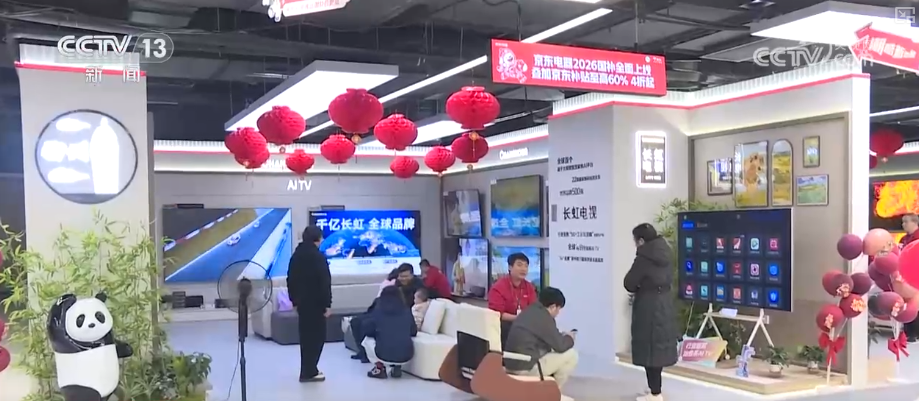
以旧换新补贴政策

Search documents
新一轮消费品以旧换新补贴政策在全国范围内扎实落地 精准激活消费市场
Yang Guang Wang· 2026-01-09 01:33
Group 1 - The "New National Subsidy" policy for replacing old consumer goods such as automobiles, home appliances, and digital products has been officially implemented, leading to a surge in consumer activity in various markets [1][2] - In Hefei, Anhui Province, sales data during the New Year period showed a year-on-year increase of over 200% in appliance sales, indicating a significant boost in overall sales due to the subsidy [2] - The subsidy program targets energy-efficient appliances, with consumers receiving substantial discounts; for example, a refrigerator originally priced at 6,990 yuan can be purchased for over 1,000 yuan less after applying the subsidy [2] Group 2 - The automotive market is experiencing a peak in sales, with consumers actively seeking to replace old vehicles; the new subsidy allows for up to 28,000 yuan in total benefits for scrapping old cars [3][4] - The updated subsidy structure for automobiles now provides a percentage of the new car's price as a subsidy, with a maximum of 20,000 yuan for scrapping and 15,000 yuan for replacement [3] - The new policy encourages consumers to choose greener and more intelligent vehicles, with expectations of a sales peak before the Spring Festival [3][4]
从15.7%增长 看广州元旦假期消费新逻辑
Nan Fang Du Shi Bao· 2026-01-06 23:15
Core Insights - Guangzhou has launched a series of consumer-friendly policies and activities during the New Year holiday, resulting in a 15.7% increase in overall consumption compared to the same period last year [6][10]. Group 1: Consumer Trends - The consumption growth was particularly strong in beverages (110%), communication equipment (85.6%), cosmetics (55.4%), and clothing (18.9%), with the restaurant industry also seeing an 18.9% increase [6]. - The Tianhe Road business district attracted over 2.7 million visitors from January 1 to 3, marking a 25.4% increase year-on-year, with sales up by 22% [12]. - The Beijing Road business district recorded a total foot traffic of 1.765 million, a 37.3% increase compared to the previous year [12]. Group 2: Promotional Activities - Guangzhou's "old-for-new" subsidy policy was initiated on January 1, covering 203 categories of products, including home appliances and automobiles, leading to a surge in consumer activity [10]. - Various promotional events were held across key business districts, such as the "Forest Fantasy Party" at Taikoo Hui and the "Good Dance Theme Party" at K11, enhancing consumer engagement [11]. Group 3: Cultural and Entertainment Events - The INNO Carnival at Haixinsha featured 16 large amusement rides and 108 competitive games, attracting significant visitor interest during the holiday [13]. - The Lingnan Impression Garden's "Lingnan Lantern Festival" showcased traditional performances, contributing to the vibrant night economy [14]. - The Guangzhou Restaurant Wenchang flagship store reopened with a unique "living heritage" Cantonese cuisine museum, enhancing the cultural dining experience [14].


2026“国补”继续升级发放 多地部署最新政策
Yang Shi Xin Wen· 2026-01-06 06:35
Group 1 - The Ministry of Commerce and other departments have issued the "2026 Automobile Trade-in Subsidy Implementation Details," which expands the support scope compared to 2025 and continues to implement subsidies based on a fixed percentage of the new car sales price [1] - Starting from January 1, 2026, consumers in Yunnan Province can apply for the automobile trade-in subsidy, with specific application procedures to be announced later [1] - The subsidy amount will vary based on the price of the new vehicle purchased, meaning higher-priced models will receive larger subsidies [1] Group 2 - In Zhejiang Province, the new round of consumer goods trade-in policies has been implemented, covering multiple sectors including automobiles and digital products, which has increased customer traffic and sales volume in car showrooms [2] - Consumers have reported significant savings, with some estimating a reduction of 10,000 to 20,000 yuan due to the new trade-in policies [2][3] - The home appliance market in Hangzhou has seen a surge in demand for energy-efficient products, indicating a shift towards greener and smarter consumption [2] Group 3 - In Jiangxi Province, the continuation of the trade-in policy has led to a noticeable increase in sales of home appliances, with consumers benefiting from substantial discounts [4][5] - The trade-in policy in Jiangxi covers six categories of products, including refrigerators, washing machines, and televisions, with subsidies available for energy-efficient appliances [6]
“开门红”!“真金白银”惠民带火消费人气 更“新”换“新”释放经济强劲活力
Yang Shi Wang· 2026-01-06 06:10
Group 1 - The Ministry of Commerce and other departments have issued the "Implementation Details for the 2026 Automobile Trade-in Subsidy," which expands the support scope compared to 2025 [3] - The subsidy will be provided based on a fixed percentage of the new car sales price, rather than a fixed amount, potentially increasing the subsidy amount for more expensive vehicles [6] - The subsidy program in Yunnan Province will start on January 1, 2026, allowing consumers to apply for subsidies for eligible vehicle trade-ins and scrappage [5] Group 2 - In Zhejiang Province, a new round of consumer goods trade-in policies has been implemented, covering various sectors including automobiles and digital products, aimed at enhancing consumer spending [7] - The implementation of the trade-in policy has led to increased foot traffic and sales in automotive showrooms, indicating a positive market response [9] - In Jiangxi Province, the trade-in policy for household appliances has been reactivated, with significant consumer interest leading to increased sales, particularly in energy-efficient products [20]
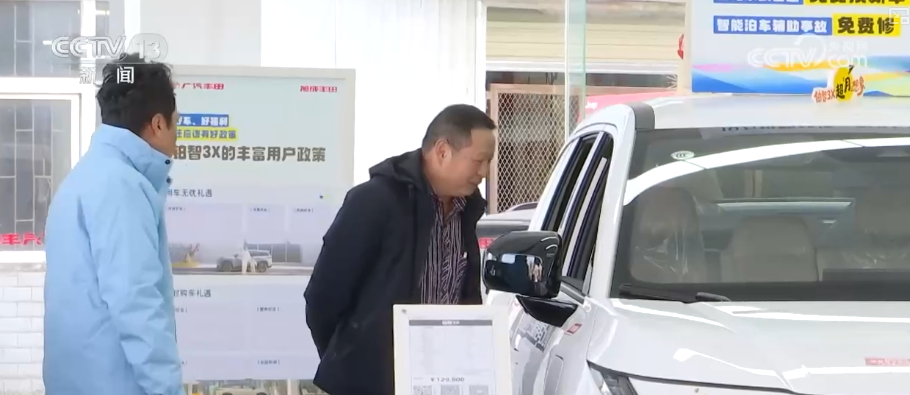
2026“国补”继续升级发放,多地部署最新政策
Yang Shi Xin Wen Ke Hu Duan· 2026-01-06 05:21
Group 1 - The Ministry of Commerce and other departments have issued the "2026 Automobile Trade-in Subsidy Implementation Details," which expands the support scope compared to 2025 and continues to implement subsidies based on a fixed percentage of the new car sales price [1][3] - Starting from January 1, 2026, consumers in Yunnan Province can apply for the automobile trade-in subsidy if they meet the conditions for vehicle scrapping and replacement [3] - The subsidy amount will vary based on the price of the new vehicle purchased, meaning higher-priced vehicles will receive larger subsidies [1] Group 2 - The new round of consumption product trade-in policies in Zhejiang has been implemented, covering multiple sectors including automobiles and digital products, aimed at enhancing consumer spending and upgrading consumption quality [4] - Increased customer traffic and sales volume have been reported in car showrooms in Jinhua, Zhejiang, attributed to the new trade-in policy, with consumers noting significant savings [6] - The trade-in policy has also positively impacted the home appliance market, with many consumers taking advantage of subsidies to purchase energy-efficient products [8][17] Group 3 - In Jiangxi, the continuation of the trade-in policy is expected to precisely release subsidy benefits, stimulating consumer demand for home appliances [11] - The home appliance sector has seen a significant increase in sales, with daily revenues reported to be several times higher since the re-launch of the national subsidy on January 1, 2026 [15]
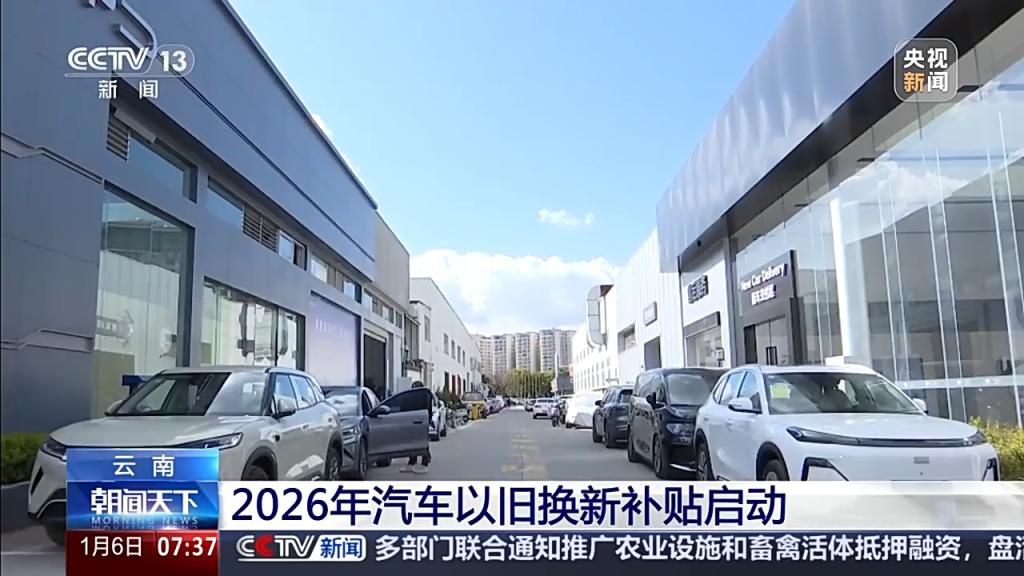
长城汽车20260105
2026-01-05 15:42
Summary of Changan Automobile Conference Call Company Overview - **Company**: Changan Automobile - **Year**: 2025 - **Sales Performance**: Achieved record sales of 2.84 million vehicles, a year-on-year increase of 7.33% [2][3] Key Points Sales and Market Performance - **New Energy Vehicles (NEVs)**: Sold 403,700 units, up 25.44% year-on-year [2][3] - **Overseas Sales**: Cumulative overseas sales reached 506,100 units, a growth of 11.68% [2][3] - **December Sales**: Sold 124,000 new vehicles in December, with overseas sales exceeding 57,000 units, a 39.05% increase [3] Strategic Goals for 2026 - **Overseas Market Target**: Aim to sell 600,000 units, with plans to introduce new models like the Tank 700 and expand into Eurasian markets [2][5] - **Brand Expansion**: Focus on launching products in Mexico, Brazil, South Africa, and Australia, enhancing the Ora brand's presence [5] Domestic Market Strategy - **High-end Strategy**: Focus on the Wei brand for NEVs and Tank SUVs, targeting the market above 200,000 yuan [2][6] - **Product Line Expansion**: Plans to launch over 10 new models in 2025, including those on the D1 and EC platforms [4][6] Product Development and Technology - **D1 Platform**: Will introduce multiple hybrid and electric SUVs, enhancing service capabilities and product competitiveness [6][8] - **Smart Driving Technology**: Aiming to promote smart driving features across different market segments, including the introduction of city NOA functions in the Ora 5 model [11] Financial Outlook - **Profitability**: Expect improved profitability with the launch of new models on the D1 platform, targeting higher average selling prices and profit margins [18][19] Competitive Landscape - **Market Positioning**: Changan aims to differentiate itself through a diverse product lineup and flexible pricing strategies, particularly in the face of competition from other Chinese automakers [28] Future Plans - **New Model Launches**: Plans to introduce a variety of new models from February to March 2026, with a focus on managing inventory before new releases [29] Additional Insights - **Subsidy Policies**: The old-for-new subsidy policy is expected to positively impact sales by enhancing consumer purchasing willingness [12] - **Market Adaptation**: Changan is adapting its strategies to meet the demands of different markets, particularly in Europe, where it plans to introduce a range of vehicles including traditional, HEV, BEV, and PHEV models [26][27] Conclusion Changan Automobile is poised for significant growth in both domestic and international markets, with a strong focus on new energy vehicles, smart technology, and an expanded product lineup to enhance competitiveness and profitability in the coming years.


元旦3天劲增15.7%!这个假期,广州消费全线火爆
2 1 Shi Ji Jing Ji Bao Dao· 2026-01-04 05:56
Group 1 - The core viewpoint of the article highlights the significant increase in consumer activity in Guangzhou during the New Year holiday, driven by various government policies and promotional activities, resulting in a 15.7% year-on-year growth in consumption from January 1 to 3 [1] - Beverage sales surged by 110%, communication equipment by 85.6%, cosmetics by 55.4%, and clothing by 18.9%, with the restaurant industry also experiencing an 18.9% growth [1] - The "old for new" subsidy policy launched on January 1 covers 203 categories of products, including home appliances and automobiles, leading to a consumption boom [1] Group 2 - The "Eat in Guangzhou" dining coupon initiative offers discounts across multiple platforms, encouraging consumer spending and enhancing the synergy between commerce, tourism, and culture [2] - Key shopping districts like Tianhe Road and Beijing Road saw substantial increases in foot traffic, with Tianhe Road attracting over 2.7 million visitors, a 25.4% increase year-on-year, and Beijing Road recording 1.765 million visitors, up 37.3% [3] - The Longcheng and Wanbo shopping districts capitalized on the Longlong tourism resort's popularity, launching various promotional activities that resulted in over 2.069 million visitors during the holiday period, a growth of over 10% [6] Group 3 - The INNO Carnival at Haixinsha offers a full-day entertainment experience with numerous attractions and food options, enhancing consumer engagement during the holiday [6] - The Lingnan Impression Park's "Lingnan Lantern Festival" and the Guangzhou Restaurant's new "living heritage" Cantonese cuisine museum provide unique cultural and dining experiences, attracting significant consumer interest [14][16] - The Guangzhou Firefly Animation Carnival attracted over 200,000 participants, with nearly half being from outside the province, showcasing the event's appeal and the integration of various commercial activities [10]
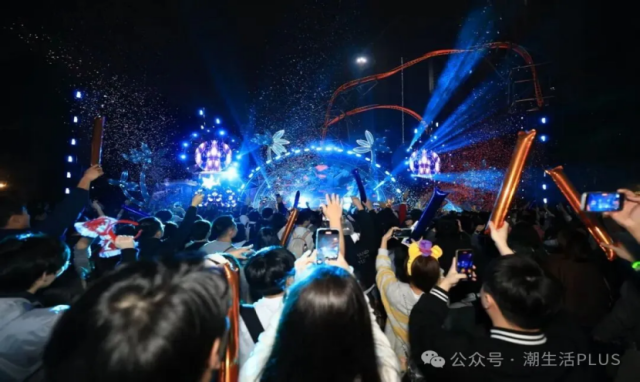
20260103周报:贵金属价格冲高回落,碳酸锂去库放缓价格高位震荡-20260103
Huafu Securities· 2026-01-03 15:09
Investment Rating - The industry maintains a "stronger than the market" rating [6] Core Views - Precious metals prices have retreated due to increased margin requirements and a stronger US dollar, which has suppressed speculative demand [2][14] - Industrial metals, particularly copper, are expected to see price increases supported by government subsidies for old-for-new exchanges, despite current high prices [3][15] - Lithium carbonate prices are expected to remain volatile at high levels due to slowed inventory depletion and moderate demand recovery [4][21] - Rare earth prices are generally strong, while tungsten prices have decreased by 1.1% [4][23] Summary by Sections Precious Metals - Gold prices are limited by a stronger dollar and rising US Treasury yields, with margin requirements for futures contracts being raised to cool speculative activity [2][14] - Key stocks to watch include Zijin Mining, Zhongjin Lingnan, and others in both A-shares and H-shares [2][14] Industrial Metals - The continuation of old-for-new subsidies is expected to stimulate demand for copper and aluminum, with copper prices anticipated to rise despite current high levels [3][15] - Key stocks include Jiangxi Copper, Luoyang Molybdenum, and others [3][15] New Energy Metals - Lithium carbonate prices are expected to remain high due to supply uncertainties and moderate demand recovery, with strategic investment opportunities in lithium stocks [4][21] - Key stocks include Ganfeng Lithium, Tianhua, and others [4][22] Other Minor Metals - Rare earth prices are generally strong, with specific increases in praseodymium and neodymium prices, while tungsten has seen a slight decline [4][23] - Key stocks to monitor include Hunan Gold, China Rare Earth, and others [4][26] Weekly Market Review - The non-ferrous index increased by 0.4%, outperforming the Shanghai and Shenzhen 300 index, with lithium battery materials showing the largest gains [27][28] - Top gainers include Jiangxi Copper and Yinbang [37]
【甘快看】甘肃2026年以旧换新补贴政策正式实施:购车最高可补2万元,单件电器最高补1500元
Xin Lang Cai Jing· 2026-01-03 12:02
需要注意的是,汽车报废类补贴在资格码核销后,还需通过 "全国汽车流通信息管理系统"网站或"汽车 以旧换新"小程序上传相关资料完成最终申领。整个申请过程须确保"甘快办"注册人、商品购买人与补 贴收款人信息一致。 奔流新闻讯(记者 张艾萍 玄丝雨)奔流新闻记者从甘肃省商务厅获悉,甘肃2026消费品以旧换新补贴 政策已于2026年1月1日起正式实施,汽车类最高补2万元;家电类享受15%补贴,单件最高补贴1500 元;数码类享受15%补贴,单件最高补贴500元。 汽车类补贴采取报废与置换两种方式,消费者可任选其一。报废旧车并购买新能源车的,可享受新车售 价12%、最高2万元的补贴;购买燃油车的,补贴标准为新车售价的10%、最高1.5万元。选择置换方式 (即转让本人名下旧车)并购买新车的,购买新能源车可获新车售价8%、最高1.5万元补贴;购买燃油 车可获新车售价6%、最高1.3万元补贴。申请汽车补贴时,消费者需备齐身份证、本人I类银行卡、新旧 车辆相关证明等材料。 家电类补贴覆盖冰箱、洗衣机、电视机、空调、电脑、热水器六类产品,要求产品为一级能效或水效等 级。消费者可按产品最终销售价格的15%享受补贴,单件补贴最高15 ...
“政策补贴+品牌联动+服务创新”惠及百姓乐享“焕”新 政策红利精准激活消费活力
Yang Shi Wang· 2026-01-03 05:21
央视网消息:2026年1月1日起,广西正式启动2026年消费品以旧换新补贴活动。柳州、贵港作为首批上线的城市,消费者在指定商家购买 家电、数码和智能产品可享受补贴直接减免,政策红利精准激活消费活力。 依据国家相关政策,本次以旧换新全国统一覆盖4大领域,包括汽车报废与置换更新、6类家电以旧换新及4类数码智能产品购新。 在柳州一家电家居旗舰店,市民谭先生正带着家人选购电视。得知补贴活动启动,他一早便到店下单了心仪的机型。 其中,个人消费者购买一级能效或水效的冰箱、洗衣机等6类家电,以及单价不超6000元的手机、平板等4类数码和智能产品,可享成交价15% 补贴,每人每类限补1件,家电每件补贴不超过1500元,数码和智能产品每件不超过500元。 元旦假期,四川各地消费市场热度攀升。以旧换新的政策红利叠加节日效应,不断激发消费新活力。 日前,四川省商务厅发布2026年家电以旧换新及数码智能产品购新补贴政策公告。明确6类家电、4类数码和智能产品购新换新可享15%补贴, 全省统一采用"补贴立减"模式。 新政实施后,消费者热情高涨。在成都多家大型家电卖场,咨询选购的人络绎不绝,不少人趁假期与新政叠加,集中升级家中电器。 柳州 ...