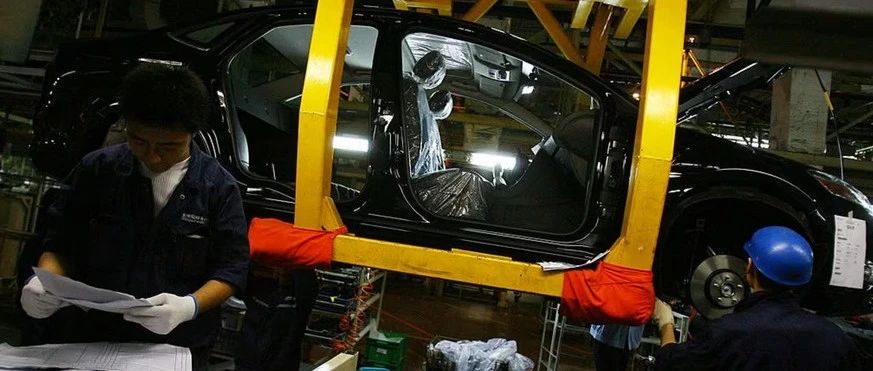
价格承诺

Search documents
中欧电动汽车案迎来关键进展,欧盟对华反补贴税有望取消
经济观察报· 2026-01-13 10:17
Core Viewpoint - Despite the imposition of countervailing duties, the momentum of Chinese automobiles entering the European market remains strong [1]. Group 1: EU-China Electric Vehicle Negotiations - On January 12, the Ministry of Commerce announced progress in negotiations regarding the EU's electric vehicle case, emphasizing mutual respect and the need for price commitment guidance for Chinese exporters [2]. - The EU Commission released guidelines for submitting price commitment applications, allowing eligible Chinese electric vehicle companies to replace countervailing duties with price commitments [2]. - Price commitments involve exporters voluntarily agreeing to sell products at or above a certain price level to mitigate the adverse effects of subsidies [2]. Group 2: Countervailing Duties and Market Projections - In October 2024, the EU Commission concluded its countervailing investigation, deciding to impose a five-year countervailing duty of up to 35.3% on electric vehicles imported from China [3]. - The EU Commission expressed willingness to continue negotiations with China regarding price commitments as an alternative to tariffs [3]. Group 3: Local Production and Market Growth - By April 2025, high-level talks between China and the EU agreed to initiate negotiations on electric vehicle price commitments and explore a minimum import price mechanism to replace tariffs [4]. - Despite countervailing duties, the sales of Chinese automobiles in the EU, UK, and EFTA countries are projected to exceed 700,000 units in 2025, significantly up from 408,000 units in 2024 [4]. - Chinese automakers are advancing local production in Europe, with BYD starting construction of factories in Hungary and Turkey, and GAC Group collaborating with Magna for localized production of the AION V SUV in Austria [4]. - The Spanish government has chosen to abstain from voting on tariffs against Chinese electric vehicles, creating a favorable investment environment for Chinese companies [4]. - The potential of the European market for Chinese automakers, especially in the new energy vehicle sector, is substantial, with a projected 30% year-on-year increase in sales of new energy passenger vehicles in Europe for the period from January to November 2025 [4].


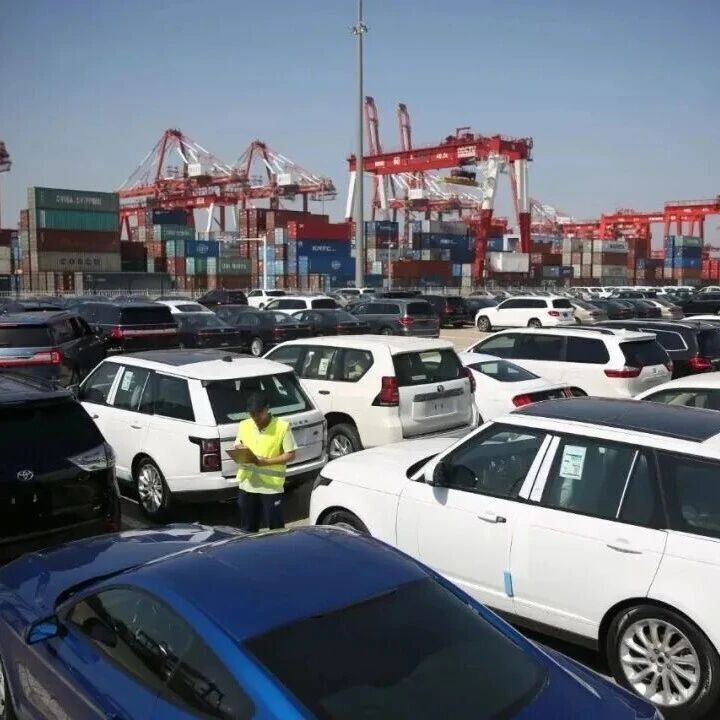
中欧电动汽车案破局,中企迎来价格承诺新考题
Mei Ri Jing Ji Xin Wen· 2026-01-13 10:01
Core Viewpoint - The negotiations between China and the EU regarding the anti-subsidy case for electric vehicles have yielded positive results, allowing Chinese electric vehicle companies to submit price commitment applications to avoid high anti-subsidy taxes [1][2]. Group 1: Negotiation Outcomes - The European Commission has released guidelines for submitting price commitment applications, ensuring a non-discriminatory and objective review process for Chinese companies [1]. - The anti-subsidy tax rates range from 7.8% to 35.3%, and the ability to replace these taxes with price commitments significantly lowers export costs for companies [1]. - The resolution of this dispute reduces the risk of trade friction and supports the collaborative development of the global new energy industry, aligning with both parties' decarbonization goals [1][2]. Group 2: Implications for Chinese Electric Vehicle Companies - Companies must thoroughly understand the details of the new rules to avoid potential risks, such as ensuring pricing does not exceed competitive levels or fall below review standards [3]. - There is a need for targeted optimization of operational processes, including detailed cost accounting for various vehicle models and simplifying sales channels to enhance pricing transparency [3]. - Companies heavily reliant on low-priced models should reconsider their local production strategies to avoid trade barriers and align with EU industrial policies, transitioning from "product export" to "local manufacturing" [3][4]. Group 3: Future Considerations - The EU will review Volkswagen's Chinese subsidiary's import quotas and price commitments by December 2025, which will serve as a reference for other companies [4]. - The introduction of the guidelines marks a new beginning for the electric vehicle industry, emphasizing the need for compliance and adaptation to maintain competitive advantages in the European market [4].

中欧电动汽车案磋商达成积极成果
Cai Jing Wang· 2026-01-13 09:08
Core Viewpoint - The EU-China Electric Vehicle anti-subsidy negotiations have made significant progress, emphasizing that the competitiveness of China's electric vehicle industry stems from continuous technological innovation and market competition, rather than subsidies [1][2]. Group 1: Negotiation Progress - The EU and China have engaged in multiple rounds of negotiations to address the EU's concerns regarding electric vehicles, aiming for a "soft landing" in the anti-subsidy case [1]. - The EU has issued guidance for Chinese exporters on submitting price commitment applications, which will allow them to address concerns in a WTO-compliant manner [1][3]. - The EU-China Chamber of Commerce welcomed the dialogue-driven approach to resolving the electric vehicle case, highlighting its importance for bilateral trade and investment cooperation [1]. Group 2: Price Commitment Framework - The EU has confirmed that it will evaluate price commitment applications based on objective and non-discriminatory principles, adhering to WTO rules [5]. - Two methods for determining minimum prices have been outlined: one based on the CIF price during the investigation period plus the applicable anti-subsidy tax rate, and the other based on the sales price of similar electric vehicles produced within the EU [5]. - Exporters may also make annual export quantity commitments to mitigate cross-subsidy risks, which will further strengthen the response to subsidy damages [5]. Group 3: Impact of Anti-Subsidy Tax - Despite the anti-subsidy tax, the market share of Chinese electric vehicles in the EU has increased from 7% in 2024 to 7.6% in the first eight months of 2025 [8]. - Several Chinese automakers are establishing local production in Europe to avoid tariffs, which will be a significant factor in price commitment negotiations [9]. Group 4: Investment Commitments - Investment commitments in local manufacturing will be positively considered in the evaluation of price commitment proposals, reflecting a broader industrial policy issue rather than just a trade dispute [9]. - Chinese electric vehicle companies have announced various investment and production plans in the EU following the introduction of the anti-subsidy tax, including BYD's establishment of a European headquarters and R&D center in Budapest [9].



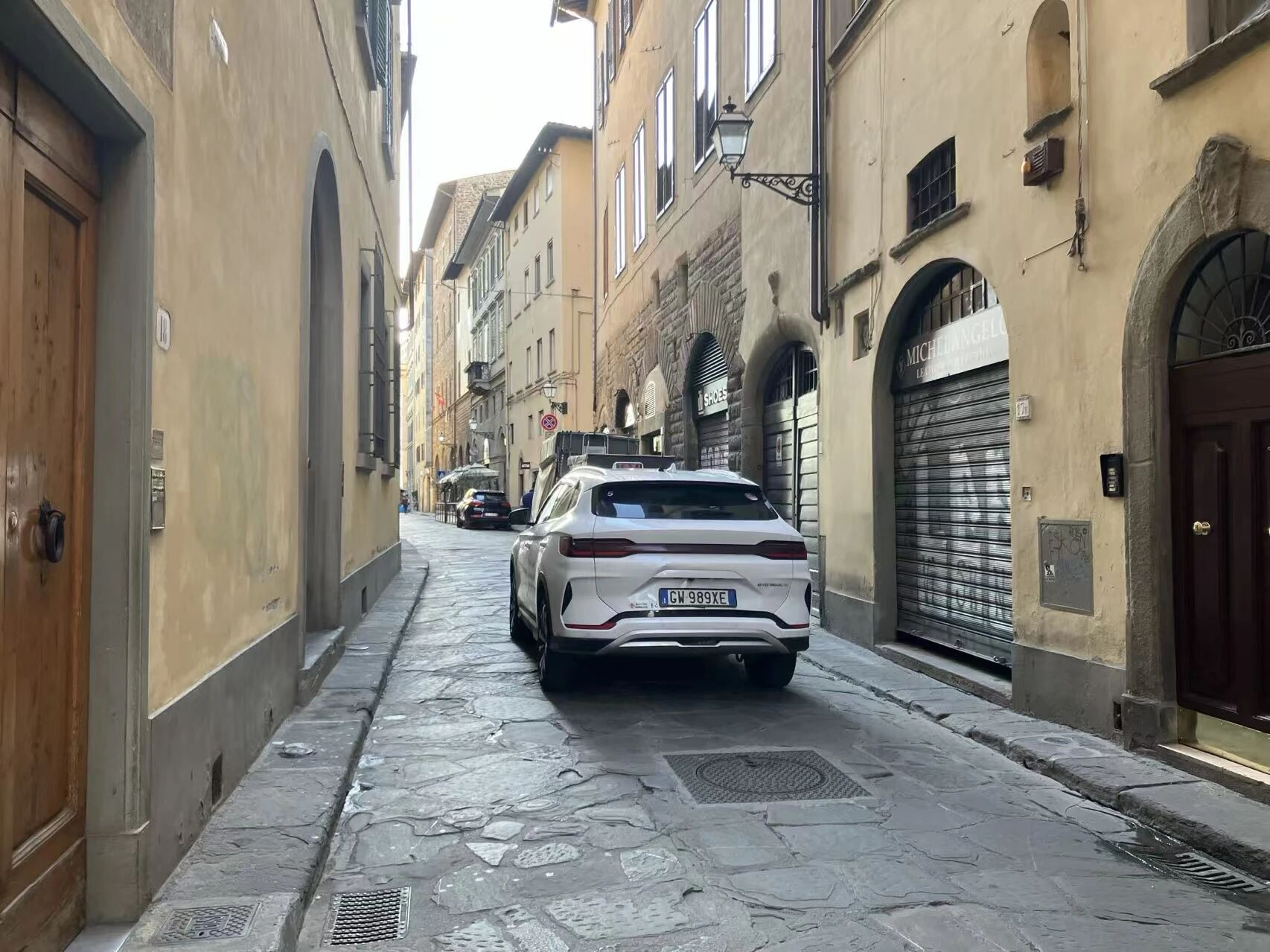
中国电车“价格承诺”代替反补贴关税
数说新能源· 2026-01-13 08:08
Group 1 - The Ministry of Commerce of China announced progress in negotiations regarding electric vehicles (EVs) with the EU, emphasizing the need for general guidance on price commitments for Chinese exporters of battery electric vehicles (BEVs) to the EU [1] - The EU will issue a guidance document for submitting price commitment applications, which does not set a minimum price amount but establishes a framework for calculating the Minimum Import Price (MIP) based on different vehicle models [1] - Two main calculation paths for MIP are outlined: one based on the CIF price during the investigation period plus a margin equivalent to the anti-subsidy tax rate, and the other based on the sales price of similar non-subsidized vehicles produced in the EU, including reasonable profit margins [1] Group 2 - The "price commitment" will replace the previous median 20% anti-subsidy tariff, benefiting Chinese automakers' profitability in Europe, particularly for leading Chinese new energy companies focused on brand and quality [2] - The battery cell procurement by major manufacturers is balancing performance and cost considerations [6] - CATL is experiencing growth in the energy storage market that exceeds that of the power market [9]

中欧电动汽车案迎来关键进展,欧盟对华反补贴税有望取消
Jing Ji Guan Cha Wang· 2026-01-13 04:30
Group 1 - The Ministry of Commerce of China reported on the progress of consultations regarding the EU's electric vehicle case, emphasizing mutual respect and the need for general guidance on price commitments for Chinese exporters of pure electric vehicles [2] - The European Commission has issued guidance for Chinese electric vehicle companies to submit price commitment applications, which could replace high anti-subsidy tariffs if agreements are reached [2] - The price commitment is a voluntary promise by exporters to sell products at or above a specific price level to mitigate the adverse effects of subsidies, potentially allowing for more flexible market access [2] Group 2 - In October 2024, the European Commission concluded its anti-subsidy investigation, imposing a five-year anti-subsidy tax of up to 35.3% on electric vehicles imported from China, while expressing willingness to negotiate price commitments as an alternative [3] - Despite the imposition of anti-subsidy taxes, the sales momentum of Chinese cars in the European market remains strong, with projections indicating sales exceeding 700,000 units in 2025, up from 408,000 units in 2024 [3] - Chinese automakers are advancing local production in Europe, with BYD starting construction of factories in Hungary and Turkey, and GAC Group collaborating with Magna for localized production of the AION V SUV in Austria [3] Group 3 - In November 2025, the Madrid City Government's investment promotion office announced that Spain would abstain from voting on tariffs against Chinese electric vehicles, creating a favorable environment for Chinese investments [4] - The European market presents significant potential for Chinese automakers, particularly in the new energy vehicle sector, with sales of new energy passenger vehicles in Europe projected to reach 3.32 million units from January to November 2025, reflecting a 30% year-on-year increase [4]

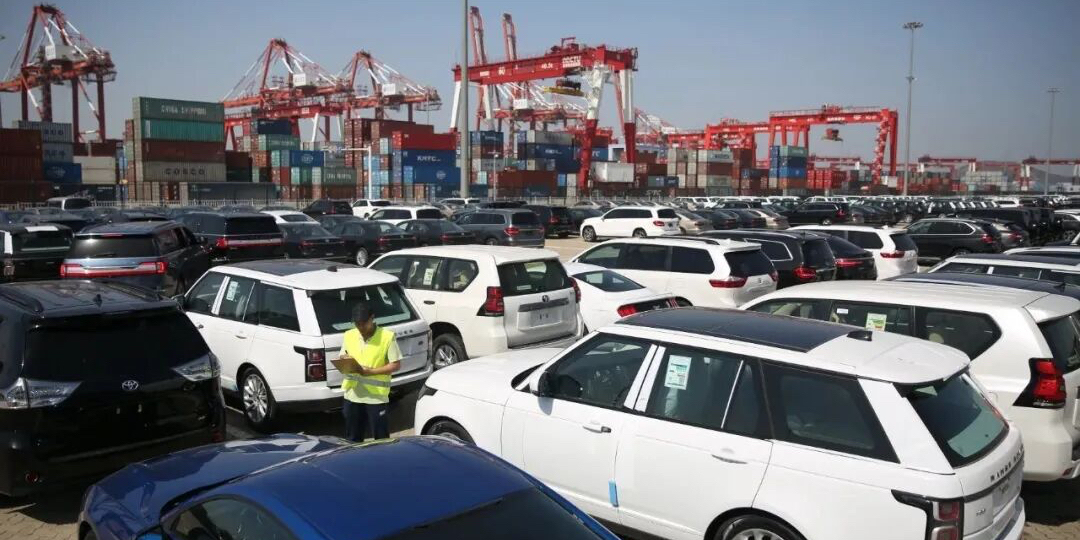
(经济观察)中欧达成重要共识 电动汽车案获进展
Zhong Guo Xin Wen Wang· 2026-01-12 14:03
Group 1 - The core viewpoint of the article is that China and the EU have reached an important consensus regarding electric vehicles, specifically on providing general guidance for Chinese exporters concerning price commitments to address concerns related to the export of pure electric vehicles to the EU [1][2]. - The price commitment will serve as an alternative to the EU's imposition of anti-subsidy tariffs on Chinese electric vehicles, which were initiated in October 2023 and are set to be formally enacted in October 2024 [2]. - The EU has issued guidance documents for submitting price commitment applications, ensuring that all applications will be evaluated under the same legal standards in a non-discriminatory manner [2][3]. Group 2 - This development is expected to enhance cooperation confidence within the Chinese industry, as resolving the EU's anti-subsidy case against Chinese electric vehicles is a common expectation among stakeholders [3]. - The Chinese electric vehicle industry's competitiveness is attributed to continuous technological innovation and cost advantages from market competition, rather than reliance on subsidies [3]. - Experts believe this progress will facilitate long-term cooperation between the Chinese and EU automotive industries, highlighting shared interests in green development and advanced green technologies [3].
马爹利人头马等免征反倾销税;酒业高管密集再调整|观酒周报
2 1 Shi Ji Jing Ji Bao Dao· 2025-07-07 04:45
Group 1: Management Changes in the Alcohol Industry - The alcohol industry has seen a series of high-level management changes since last year, with companies like Yanghe, China Resources Beer, and Jinzhongzi Wine experiencing shifts in leadership, indicating a strong intent from shareholders and investors to boost performance [1] - Jinzhongzi Wine's General Manager He Xiuxia has resigned, and the company is facing significant market share pressure, with 2024 revenue projected to drop to 925 million yuan, a stark contrast to over 2 billion yuan in previous cycles [5] - Yanghe has appointed Gu Yu as the new Party Secretary, replacing Zhang Liandong, who has stepped down amid a challenging period for the white liquor industry [6][7] Group 2: Trade and Regulatory Developments - The Ministry of Commerce has concluded an anti-dumping investigation into EU brandy, determining that dumping margins range from 27.7% to 34.9%, leading to the imposition of anti-dumping duties starting July 5, 2025 [2][3] - A total of 34 EU brandy exporters, including well-known brands like Martell and Hennessy, can avoid these duties by adhering to price commitments approved by Chinese authorities [3] Group 3: Market Trends and Promotions - Taobao Flash Sale has initiated a new subsidy program, investing 50 billion yuan, resulting in a significant increase in orders, particularly in the alcohol sector, with some brands seeing order volumes double [4] - Kuaizi Jiao reported that its high-end "Jian" series products have not performed as expected, with sales and consumer feedback being less favorable compared to older products [10] - Xijiu has launched a promotional campaign offering buy-three-get-one-free deals on various products, indicating a strategy to boost sales through consumer incentives [11]





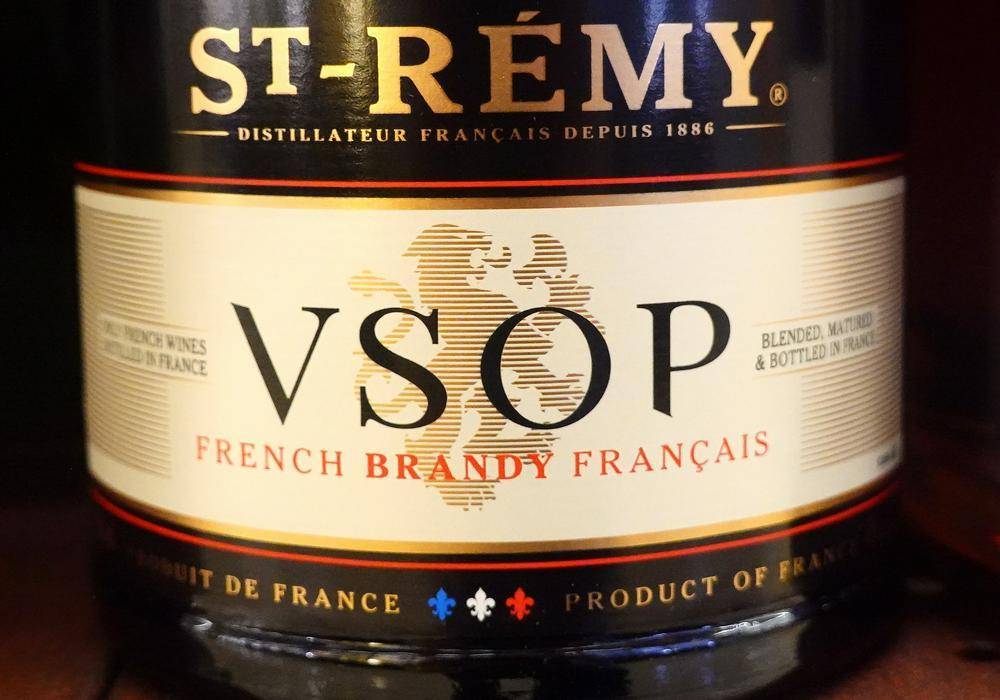
商务部裁定欧盟白兰地存倾销将征反倾销税,马爹利、轩尼诗等因价格承诺免征
Sou Hu Cai Jing· 2025-07-04 11:43
Group 1 - The Ministry of Commerce has made a final ruling on anti-dumping investigations against imported brandy from the EU, confirming that dumping exists and poses a threat to the domestic industry, with dumping margins ranging from 27.7% to 34.9% [2] - Starting from July 5, 2025, anti-dumping duties will be imposed on imported brandy from the EU, but exporters who submit price commitments that comply with Chinese laws may be exempt from these duties [2][3] - A total of 34 EU brandy exporters, including well-known brands like Martell, Hennessy, and Rémy Martin, have submitted price commitments, which, if adhered to, will allow them to avoid anti-dumping taxes [3] Group 2 - The price commitment mechanism allows exporters to voluntarily raise export prices or cease dumping practices, providing a buffer for international trade while protecting domestic industry interests [3] - Market reactions have been positive, with industry insiders indicating that the news could stabilize the cognac import market and reduce uncertainty regarding future price trends [3] - The Ministry of Commerce emphasizes its commitment to resolving trade disputes through dialogue and negotiation, hoping to strengthen communication with the EU to address economic and trade differences [3]
FT中文网精选:在反补贴税和价格承诺之间周旋的中国车企
日经中文网· 2025-06-30 02:45
Group 1 - The core issue of the article revolves around the ongoing negotiations between the EU and China regarding electric vehicle anti-subsidy taxes, which have not yet reached a resolution [4] - Recent positive signs in the negotiations include a statement from the Chinese Ministry of Commerce indicating that discussions on price commitments for electric vehicles have entered the "final stage" [4] - The article highlights that measures such as anti-subsidy taxes and minimum price commitments are not favorable for small electric vehicles, suggesting that these measures could negatively impact all Chinese electric vehicles [3]