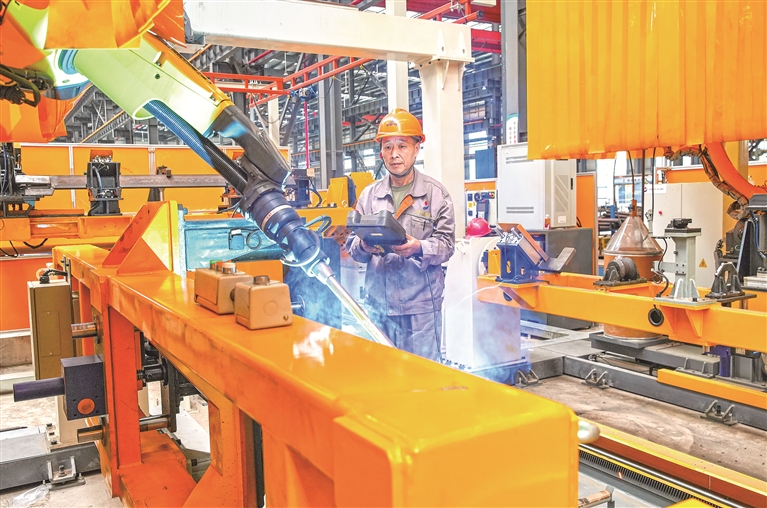
传统产业

Search documents
上海要重点发力现代化产业体系——访上海市宏观经济学会会长、市“十五五”规划专家咨询委员会专家王思政
Jie Fang Ri Bao· 2025-10-29 01:49
Core Insights - The construction of a modern industrial system is a strategic task emphasized in the 20th National Congress, highlighting the importance of advanced manufacturing as the core component [2][3] Group 1: Modern Industrial System - The modern industrial system includes advanced manufacturing, modern agriculture, modern services, and infrastructure, with advanced manufacturing being the most critical [2] - Industrialization is the foundation of modernization, and advanced manufacturing is essential for driving high-quality development and new productive forces [3] Group 2: Role of Different Industries - Traditional industries account for approximately 80% of manufacturing and serve as the foundation for modern industries [4] - Emerging industries are crucial for high-quality development and represent the forefront of technological revolution and industrial transformation [4] - Future industries, driven by cutting-edge technologies, are in their infancy and possess strategic, leading, disruptive, and uncertain characteristics [4] Group 3: Shanghai's Industrial Strategy - Shanghai aims to enhance traditional industries through smart, green, and integrated transformations while expanding emerging industries and seizing opportunities in future industries [5][8] - The city is positioned as a key player in national strategies, responsible for implementing strategic deployments [5] Group 4: Importance of Integration - Integration is a global trend in innovation, moving from differentiation in traditional industries to fusion in the knowledge or digital economy [6] - The smartphone exemplifies fusion innovation, combining multiple functionalities into a single product [6] Group 5: Technology Innovation - High-level technological self-reliance is essential for developing new productive forces, with a focus on the deep integration of technological and industrial innovation [7] - Companies are now seen as the main entities for technological innovation, necessitating a high-level socialist market economy to facilitate this integration [7] Group 6: Development of Industrial Clusters - Shanghai's successful experience includes establishing leading industrial projects that create industrial bases, extend supply chains, and foster industrial ecosystems [8] - The city is developing high-end industrial clusters along the eastern coastal areas, with a focus on advanced manufacturing and emerging industries such as AI, integrated circuits, and biomedicine [8]
工信部部长李乐成:要深入研究新型工业化的动力机制 充分激发发展动力
Zheng Quan Shi Bao· 2025-10-22 02:29
Core Viewpoint - The article emphasizes the need for innovation and reform to drive new industrialization in China, as traditional growth drivers are weakening and new ones are still developing [1] Group 1: Current Industrial Landscape - The current contribution of strategic emerging industries to China's GDP is approximately 13.4%, which is significantly lower compared to the 80% contribution from traditional industries [1] - There are still many challenges that hinder high-quality development in the industrial and information sectors, including bottlenecks, difficulties affecting business vitality, and risks to industrial safety [1] Group 2: Future Directions - The article calls for in-depth research into the mechanisms that drive new industrialization, aiming to identify and resolve existing bottlenecks and fully stimulate development momentum [1]
新基金批量提前结募!增量资金来了
Shang Hai Zheng Quan Bao· 2025-10-19 10:00
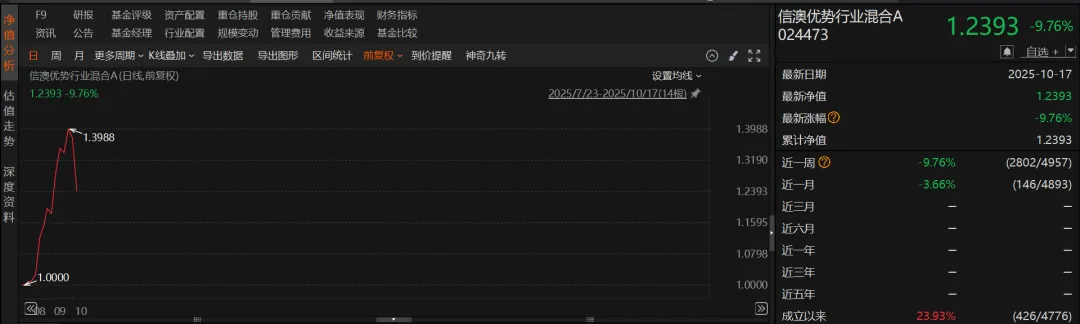
Group 1 - The core viewpoint of the articles highlights a significant acceleration in the fundraising process for new equity funds, with many funds shortening their fundraising periods and some concluding them in as little as one day [1][2] - Since October 9, 10 equity funds have announced early closures of their fundraising, indicating strong investor interest and demand [2] - Fund managers are actively shortening fundraising cycles to establish products quickly, providing investors with tools for market positioning [2] Group 2 - Newly established funds are rapidly building their positions, with several funds launched in the last three months showing significant changes in net value, such as the Xin'ao Advantage Industry Mixed Fund, which has achieved over 23% returns since its inception [3][5] - Other funds, like the Western Gain Resource Xin'Xuan Mixed Fund, have also reported returns exceeding 25% since their establishment [5] - Some funds have seen notable net value changes post-National Day holiday, indicating a responsive market environment [5] Group 3 - Several ETFs are also accelerating their investment strategies, with some achieving high equity investment ratios before their official listing dates [6][7] - For instance, the Chuangjin Hexin CSI State-Owned Enterprises Dividend ETF reached 98.8% equity investment by October 10, shortly before its listing [7] Group 4 - Looking ahead, fund managers express optimism about investment opportunities in AI and technology sectors, viewing them as key growth areas during economic transitions [8] - Traditional industries are also seen as having investment potential, particularly in sectors like banking, non-banking financials, and heavy machinery, where performance improvements are more predictable [9] - The overall sentiment in the Chinese equity market remains positive, with expectations of enhanced liquidity and stable economic growth [9]

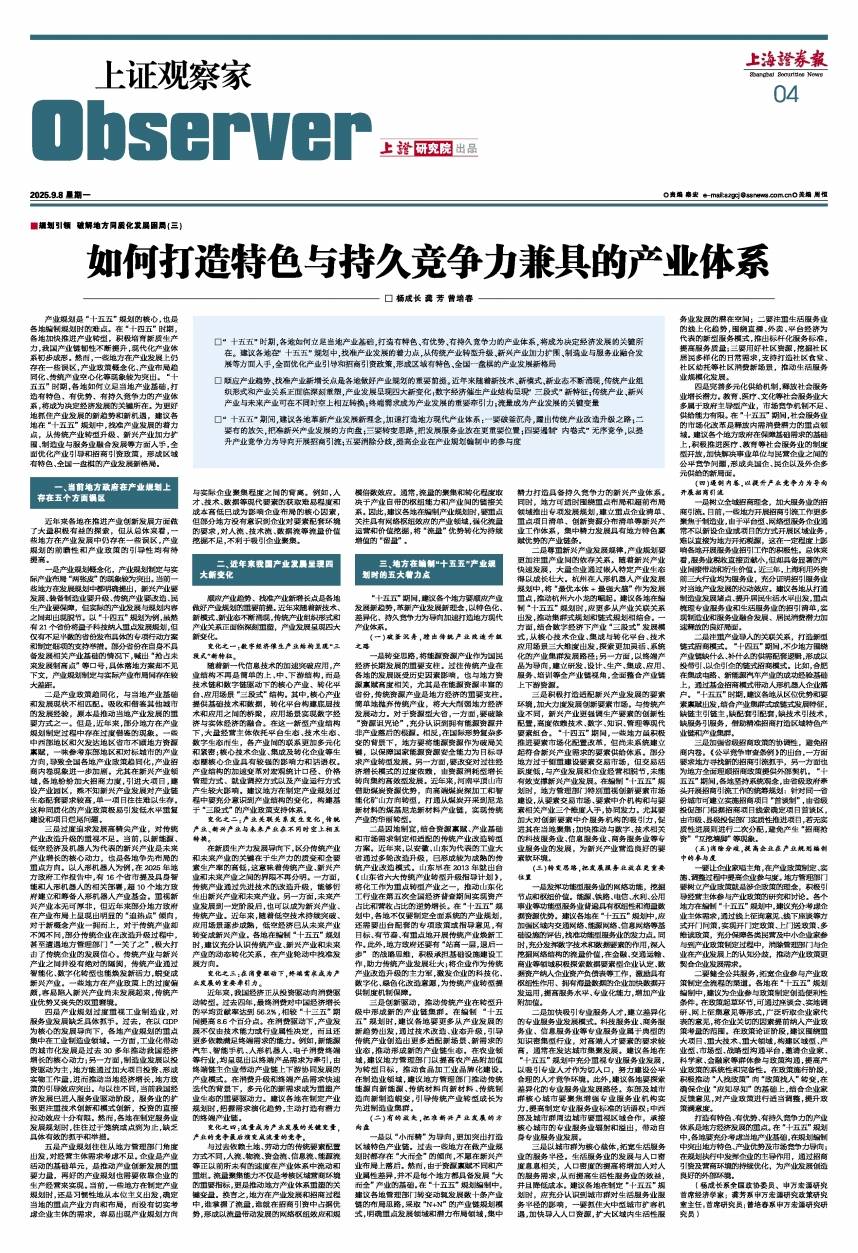
上证观察家 | 如何打造特色与持久竞争力兼具的产业体系
Sou Hu Cai Jing· 2025-09-08 02:27
Core Viewpoint - The "14th Five-Year Plan" period will focus on how local governments can leverage their industrial foundations to create distinctive, advantageous, and sustainable competitive industrial systems, which will be crucial for economic development [1][4]. Group 1: Current Issues in Industrial Planning - Local governments face five main misconceptions in industrial planning, including a disconnect between planning and actual industrial layout, leading to ineffective implementation of policies [5]. - There is a tendency for policy homogenization, where regions overly mimic successful models from other areas without considering their unique resources and conditions, resulting in repetitive low-level construction [6]. - An excessive focus on high-tech industries has led to insufficient attention to the upgrading of traditional industries, which can also transition into new sectors through modernization [7]. - Industrial planning has historically prioritized manufacturing over service sectors, which are now becoming increasingly important in driving economic growth [8]. - Many plans are developed from the perspective of local management, neglecting the needs and input of businesses, which can lead to misalignment between planning and actual industrial activities [9]. Group 2: New Trends in Industrial Development - The rise of the digital economy is reshaping industrial structures into a "three-segment" model, emphasizing the importance of core industries, transformation platforms, and application scenarios [11]. - Traditional, emerging, and future industries are increasingly interchangeable, with traditional sectors capable of evolving into new industries through technological advancements [12]. - Consumer demand is becoming a significant driver of industrial development, with final consumption contributing an average of 56.2% to economic growth, up 8.6 percentage points from the previous five-year period [13]. - Flow has emerged as a critical variable in industrial competition, with the ability to attract and manage various flows (people, goods, capital, information) becoming essential for regional economic development [14]. Group 3: Recommendations for the "14th Five-Year Plan" - Local governments should focus on transforming traditional industries, leveraging existing resources while ensuring sustainable economic growth [16]. - It is essential to tailor transformation strategies to local resource endowments and market demands, as demonstrated by successful models in provinces like Anhui and Shandong [17]. - Innovation should drive the creation of new industrial clusters from traditional sectors, enhancing their adaptability to new market needs [18]. - Emphasizing niche, high-quality industrial chains rather than broad, unfocused development will help regions build sustainable competitive advantages in emerging industries [19]. - The planning process should respect the interdependencies between industries, promoting a cluster-based approach that integrates various sectors [20]. - Developing a supportive environment for emerging industries, particularly in terms of innovative resource allocation, is crucial for their growth [21]. - Service industries should be prioritized, with a focus on enhancing their network functions and attracting specialized talent to improve service quality [22][23]. - A new model for attracting investment should be established, focusing on the interconnections between industries and avoiding competitive redundancy [25][26]. - Increasing business participation in the planning process will ensure that policies align more closely with the needs of the industry [27][28].
新视野 | 统筹好培育新动能和更新旧动能的关系
Zhong Yang Ji Wei Guo Jia Jian Wei Wang Zhan· 2025-06-17 00:07
Group 1 - The core viewpoint emphasizes the importance of balancing the cultivation of new driving forces and the updating of old driving forces in economic development, highlighting the need for innovation-driven strategies to facilitate the transition from traditional to modern industrial systems [2][3][4] - The transformation of new and old driving forces is characterized by a dialectical relationship, where new driving forces, represented by strategic emerging industries like AI and biotechnology, coexist and interact with traditional sectors such as manufacturing and agriculture [3][4] - The current economic landscape shows significant achievements in the development of new productive forces, with the added value of new industries and business models expected to exceed 18% of GDP by 2024, alongside the establishment of nearly 10,000 digital workshops and smart factories [6] Group 2 - Structural contradictions in the transformation process include issues such as the disconnect between technology supply and industrial demand, particularly affecting small and medium-sized enterprises that struggle with innovation due to funding and talent shortages [6][7] - The disparity in industrial structure remains a challenge, with the service sector's share still below the average of 70% in developed countries, indicating a need for further enhancement of strategic emerging industries [7][8] - Regional differences in industrialization stages lead to varied speeds and effects in the transformation of driving forces, with coastal areas being more advanced compared to central and western regions [8][9] Group 3 - The practical path for promoting the smooth transition of new and old driving forces involves innovative allocation of production factors, deep industrial transformation, and systematic reforms to create a dual-driven model of traditional industry upgrading and emerging industry growth [9][10] - Emphasis on creating a technology-industry collaborative leap system is crucial, focusing on core technological breakthroughs and integrating technology with market needs to accelerate industrial upgrades [9][10] - The establishment of a market-oriented mechanism for factor allocation is necessary to enhance the flow of resources and improve the efficiency of production factors, including data as a new production element [10][11]
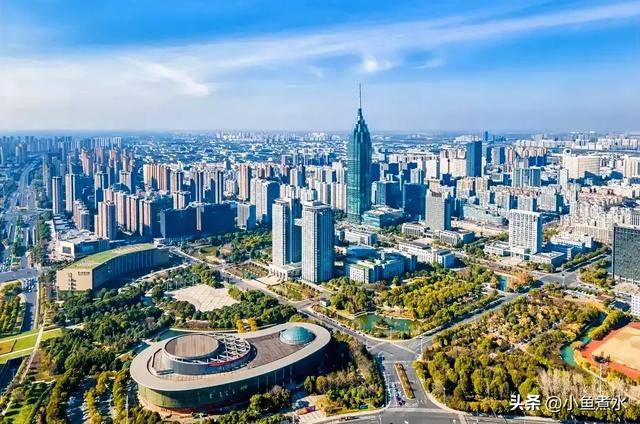
太湖双子星:常州与湖州,为何经济差距如此之大?
Sou Hu Cai Jing· 2025-05-03 09:29
Economic Comparison - Changzhou's GDP is more than 2.5 times that of Huzhou, highlighting a significant economic disparity between the two cities [1][4][6] - Changzhou has become a hub for high-end manufacturing, particularly in new energy and materials, with a notable presence in the electric vehicle sector, contributing to one-third of the national power battery output [4][6] - Huzhou, on the other hand, is primarily known for its labor-intensive industries, such as children's clothing, which, despite high production volumes, contribute less to GDP growth compared to Changzhou's advanced manufacturing [6][4] Transportation and Location - Changzhou's strategic location in the Yangtze River Delta, with excellent transportation links to major cities like Shanghai and Nanjing, has made it an attractive destination for industrial relocation [1][3] - Huzhou's geographical position is less favorable, being isolated from the core areas of the Yangtze River Delta, which has hindered its industrial development and access to transportation until the opening of the Huzhou-Suzhou high-speed railway in 2024 [3][1] Population Dynamics - Historical population losses during the Taiping Rebellion significantly impacted both cities, but Changzhou has recovered to a population of 5.38 million by 2008, while Huzhou only reached 3.4 million by 2022 [7][9] - The larger population in Changzhou has created a more substantial consumer market and labor force, attracting more investments compared to Huzhou, which faces a labor shortage and outmigration of young people [9][7] Policy and Government Support - Changzhou benefits from being a key city in Jiangsu Province, receiving substantial policy support and resources, particularly in innovation and research [10][11] - Huzhou, in contrast, has a weaker presence in Zhejiang Province, facing competition for resources from nearby cities like Hangzhou and Ningbo, resulting in limited policy advantages [11][10] Historical and Cultural Context - Changzhou has a long-standing commercial tradition dating back to the Ming and Qing dynasties, fostering a vibrant entrepreneurial environment that has thrived post-reform [10][11] - Huzhou's historical focus on agriculture and traditional crafts has limited its commercial transformation capabilities, leading to a less dynamic business environment compared to Changzhou [10][11] Future Prospects - Huzhou has opportunities for growth with the new high-speed railway and the development of the South Taihu New Area, aiming to replicate Changzhou's success in high-tech industries [11][10] - The ecological advantages of Huzhou, with a significant portion of quality water sources, may attract high-end talent and investment, contrasting with Changzhou's resource constraints [11][10]