
创始人IP

Search documents
“白酒教父”or“带货网红”,吴向东想当白酒行业的雷军
Sou Hu Cai Jing· 2025-08-09 07:03
Core Viewpoint - The recent performance warning from Zhenjiu Lidu indicates a significant decline in revenue and profit for the first half of 2025, yet the stock price has surprisingly increased, reflecting market optimism about future prospects driven by the founder's marketing efforts [1][2][3]. Group 1: Financial Performance - Zhenjiu Lidu's revenue for the first half of 2025 is projected to be between 2.4 billion to 2.55 billion RMB, representing a decline of 38.3% to 41.9% compared to the previous year [1]. - The net profit is expected to decrease by 23% to 24%, while non-IFRS net profit is anticipated to drop by 39% to 40% [1]. Group 2: Market Reaction - Despite the negative earnings forecast, Zhenjiu Lidu's stock price has risen significantly, indicating a disconnect between market sentiment and financial reality [2]. - Investor optimism may stem from the founder Wu Xiangdong's active engagement on social media, creating a buzz around the brand [4][5]. Group 3: Marketing Strategy - Wu Xiangdong has adopted a "celebrity" approach, utilizing short videos to promote the brand and engage with potential investors and distributors [4][5]. - The introduction of new products, such as the 800 RMB "Dazhen" and the 88 RMB "Niushi" beer, aims to attract attention and expand the distributor network [7][8]. Group 4: Challenges and Competition - The new product pricing may be too high for mass appeal, particularly in a declining consumption environment, raising concerns about scalability [10][12]. - Zhenjiu Lidu's positioning in the mid-to-high-end market faces stiff competition from established brands like Moutai and Wuliangye, which dominate consumer preferences [15][16]. Group 5: Strategic Considerations - The strategy of leveraging a celebrity persona to attract distributors may not be sustainable in the long term, as it risks exhausting the founder's brand equity [24][25]. - The company needs to align its product offerings with market demand, potentially considering lower-priced options to appeal to a broader audience [33][34].


从宗庆后到猫王:创始人IP,是场精致的人设幻觉吗?
3 6 Ke· 2025-07-15 08:36
Group 1 - The core issue raised is whether the personal brand (IP) of founders serves as a solid beacon for their brand or as a potential time bomb due to public scrutiny and personal controversies [1][2] - The article distinguishes between "Persona" (a crafted public image) and "Character" (the true essence of a founder), emphasizing that while Persona can be a fragile illusion, Character is built on genuine values and actions [3][7] - The article highlights the risks associated with a poorly managed Persona, which can lead to a "persona collapse" when discrepancies between public image and personal actions are revealed [6][10] Group 2 - The discussion includes the relevance of personal ethics (private morality) in shaping a founder's IP, noting that in today's environment, the lines between public and private ethics are increasingly blurred [12][13] - The article categorizes the impact of personal ethics issues on a founder's IP into three levels: high relevance (devastating impact), medium relevance (significant brand damage), and low relevance (minor image issues) [14] - Strategies for managing the balance between personal ethics and public image include setting realistic public expectations, embracing authenticity over perfection, and maintaining a clear boundary between personal and public life [15][25] Group 3 - The article outlines three levels of founder IP: the "resentful IP" characterized by uncontrolled personality flaws, the "expert IP" at the crossroads of Persona and Character, and the "leader IP" representing the ultimate victory of true Character [18][19][20] - It emphasizes that successful founders like Lei Jun have built their IP on the foundation of their business achievements rather than creating an empty persona [21][22] Group 4 - The article concludes with three safety rules for founders aiming to build their IP: embrace authenticity, keep personal matters private, and prepare for potential negative exposure [24][26][27]
李佳琦捧红的卸妆冠军,栽在了创始人直播间?
3 6 Ke· 2025-07-07 11:37
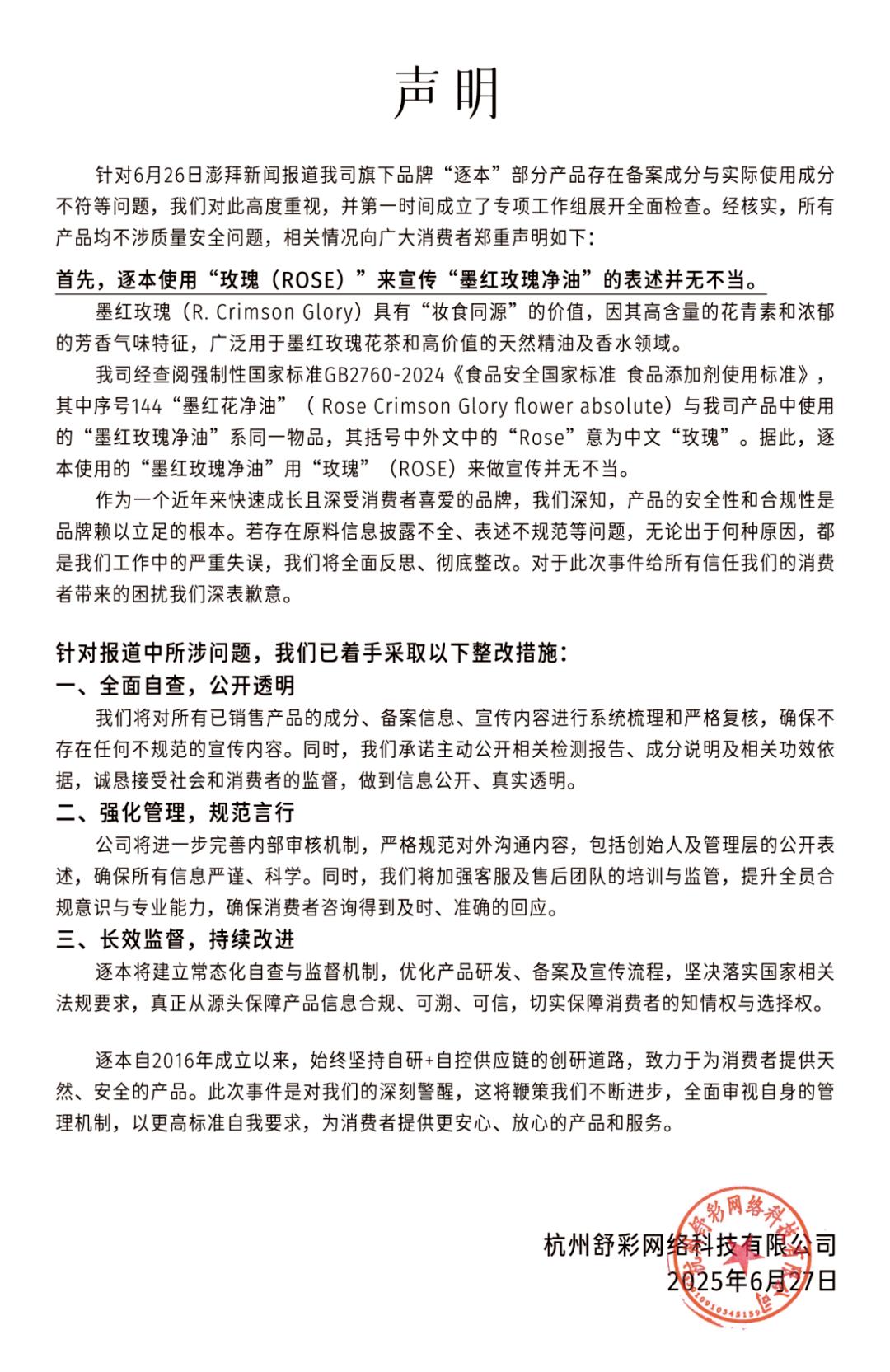
Core Viewpoint - The recent controversy surrounding the brand "Zhubon" highlights significant issues related to product claims, ingredient transparency, and regulatory compliance in the cosmetics industry, particularly in the context of live-stream marketing by founders [1][6][19]. Group 1: Brand Controversy - A consumer complaint was filed against Zhubon, alleging ingredient fraud, regulatory violations, and false efficacy claims, which prompted investigations by various regulatory bodies [1][6]. - The founder's live-stream promotion of products with unverified medical claims exacerbated the situation, leading to immediate product removals from e-commerce platforms [6][10][19]. - The discrepancies between product claims and actual ingredient listings raised consumer trust issues, particularly regarding the misrepresentation of "墨红玫瑰" (Mokhong Rose) [6][10]. Group 2: Regulatory and Compliance Issues - The brand's failure to properly register ingredients and the use of misleading terminology in marketing have exposed gaps in the regulatory framework governing cosmetics [10][19]. - The founder acknowledged the lack of compliance awareness during live-stream promotions, indicating a need for stricter oversight and adherence to regulations [16][19]. - The brand's commitment to rectify these issues includes a comprehensive review of ingredient registrations and the establishment of a long-term supervision mechanism [18][19]. Group 3: Brand Growth and Marketing Strategy - Zhubon experienced rapid growth after successful collaborations with influencers, particularly in live-streaming, which significantly boosted sales [11][13]. - The brand's marketing strategy has shifted towards leveraging the founder's personal brand, which has proven effective but also poses risks related to compliance and consumer trust [15][19]. - Despite recent challenges, Zhubon remains a leading player in the cleansing oil category, with substantial sales figures reported in previous years [13][19].
拆解多个流量平台打法后,为何长期活下去要创造自己的红利?
3 6 Ke· 2025-07-04 09:02
Group 1 - The core focus of brands in 2023 is on platforms like Douyin, Xiaohongshu, and WeChat Video, with significant challenges in managing costs associated with paid traffic and high commission rates [2][4] - Brands are required to deeply assess the roles of different platforms in their growth and to balance their traffic strategies to avoid dependency on a single path [2][4] - A closed-door meeting organized by Langchao New Consumption involved over 20 leading brand founders discussing strategies for navigating the paid traffic era on Douyin, Xiaohongshu, and WeChat Video [2] Group 2 - The complexity of traffic strategies demands a comprehensive operational capability, with a focus on understanding user demographics and innovating products and content [4] - Authenticity is highlighted as a key advantage for founders in building their personal brand, with a recommendation to showcase the true essence of the company to save costs [5][6] - There are two main approaches to developing a founder's personal brand: direct involvement in commercial activities or acting as a product manager to enhance brand visibility [6][8] Group 3 - Douyin serves dual purposes as a branding and sales platform, with its strategy shifting towards advertising revenue, emphasizing the importance of content competition before engaging in paid traffic [9] - The A3 user group analysis is crucial for understanding the effectiveness of traffic investments, with a warning against high costs that may not yield sufficient returns [10] - Xiaohongshu presents significant growth potential, particularly in the fashion category, due to lower return rates and higher average transaction values compared to Douyin [12] Group 4 - The essence of live streaming lies in content and material quality, with profitability being a calculable outcome based on platform performance [14] - Video accounts are characterized by lower price sensitivity and higher transaction values, making them a key focus for investment this year [14] - Brands must create their own traffic advantages by deeply understanding their consumer base and leveraging content strategies to enhance visibility and engagement [15][16]

企业获客类短视频实操指南
Hu Xiu· 2025-06-05 16:04
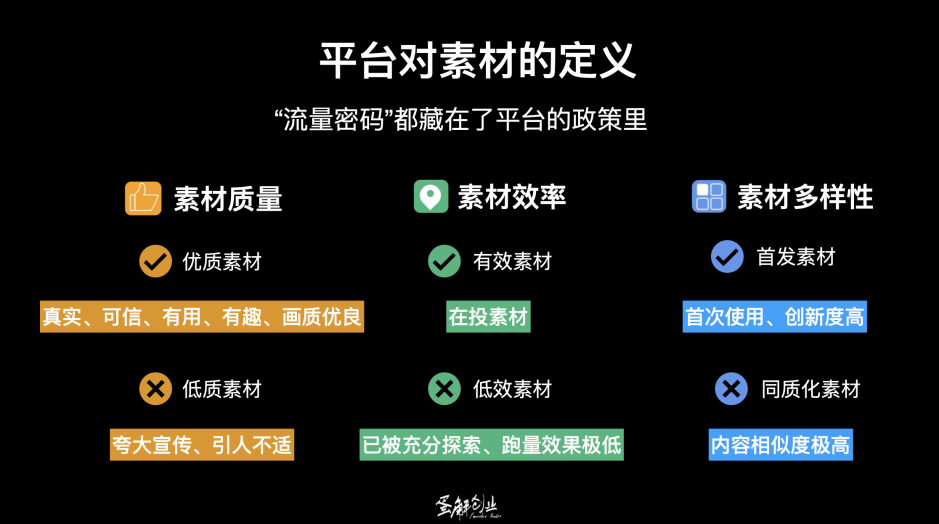
Core Viewpoint - The article discusses the challenges faced by companies in acquiring customers through short videos, emphasizing the need for effective strategies to enhance visibility and conversion rates in a rapidly evolving digital marketing landscape [2][3]. Group 1: Challenges in Short Video Marketing - Companies face three main challenges in short video marketing: lack of traffic after posting videos, difficulty in converting views into customers, and the need for continuous ad spending to maintain conversion rates [4][7]. - The essence of these challenges lies in the inability to create content that attracts organic traffic, the inconsistency in producing high-conversion materials, and the unclear understanding of how to create native content that fits platform ecosystems [7][9][10]. Group 2: Types of Short Video Content - Short video content can be categorized into three types: hard ads (素材), native ads (原生素材), and pure content (纯内容) [6]. - Hard ads focus on direct advertising to achieve user acquisition and sales conversion, characterized by high efficiency and measurable ROI [9]. - Native ads aim to reduce advertising costs while still achieving user acquisition and conversion, often benefiting from additional organic traffic [10]. - Pure content seeks to build a brand's "private domain" by attracting a large number of targeted users without immediate sales goals, focusing instead on user retention and brand image [11]. Group 3: Creating High-Conversion Quality Content - High-quality content is defined by its authenticity, usefulness, and visual appeal, with key performance indicators including click-through rate, completion rate, and conversion rate [12][14]. - The production process should focus on generating attractive and effective materials while avoiding inefficiencies through continuous data review and optimization [13][17]. - Companies are advised to update their content frequently, with a recommendation of 2-4 new materials daily, and to keep hard ads under 35 seconds for optimal completion rates [18]. Group 4: Structuring Short Videos - Successful short videos should follow a three-part structure: an engaging opening (黄金3秒), a compelling middle section (痛点+钩子), and a smooth closing that drives conversion (丝滑转化) [20][21][24]. - The opening should capture attention within the first three seconds, while the middle section should address user pain points and maintain interest [23][32]. - The closing should effectively prompt users to take action, utilizing emotional triggers and social proof to enhance conversion likelihood [41][44]. Group 5: Strategies for Attracting Target Users - Content creation should focus on attracting vertical user groups, with an emphasis on relevant topics that indirectly lead to product interest [45][60]. - Companies should prioritize selecting topics that resonate with their target audience, avoiding blind pursuit of trends [55][56]. - Innovative filming techniques and cross-industry inspiration can enhance content appeal, allowing for a broader reach [59]. Group 6: Platform Selection and Strategy - Understanding the user demographics and engagement strategies of different platforms is crucial for effective short video marketing [66]. - Each platform has distinct user bases and content consumption patterns, necessitating tailored approaches for platforms like Douyin, Kuaishou, WeChat Video, and Xiaohongshu [68][70]. - Companies should consider a multi-platform strategy, ensuring content is optimized for the unique characteristics of each platform [73][76]. Group 7: Continuous Improvement and Practice - Continuous practice, review, and optimization are essential for the success of short video marketing strategies [83]. - Companies with advertising budgets should focus on optimizing their material library and transitioning high-quality hard ads into native ads [80]. - Brands with franchisees should empower them to produce quality content independently, while smaller brands should learn to create native materials to attract users through organic traffic [82].
雷军自曝艰难时刻,创始人IP暂停更新,小米怎么了?
Sou Hu Cai Jing· 2025-05-17 17:35
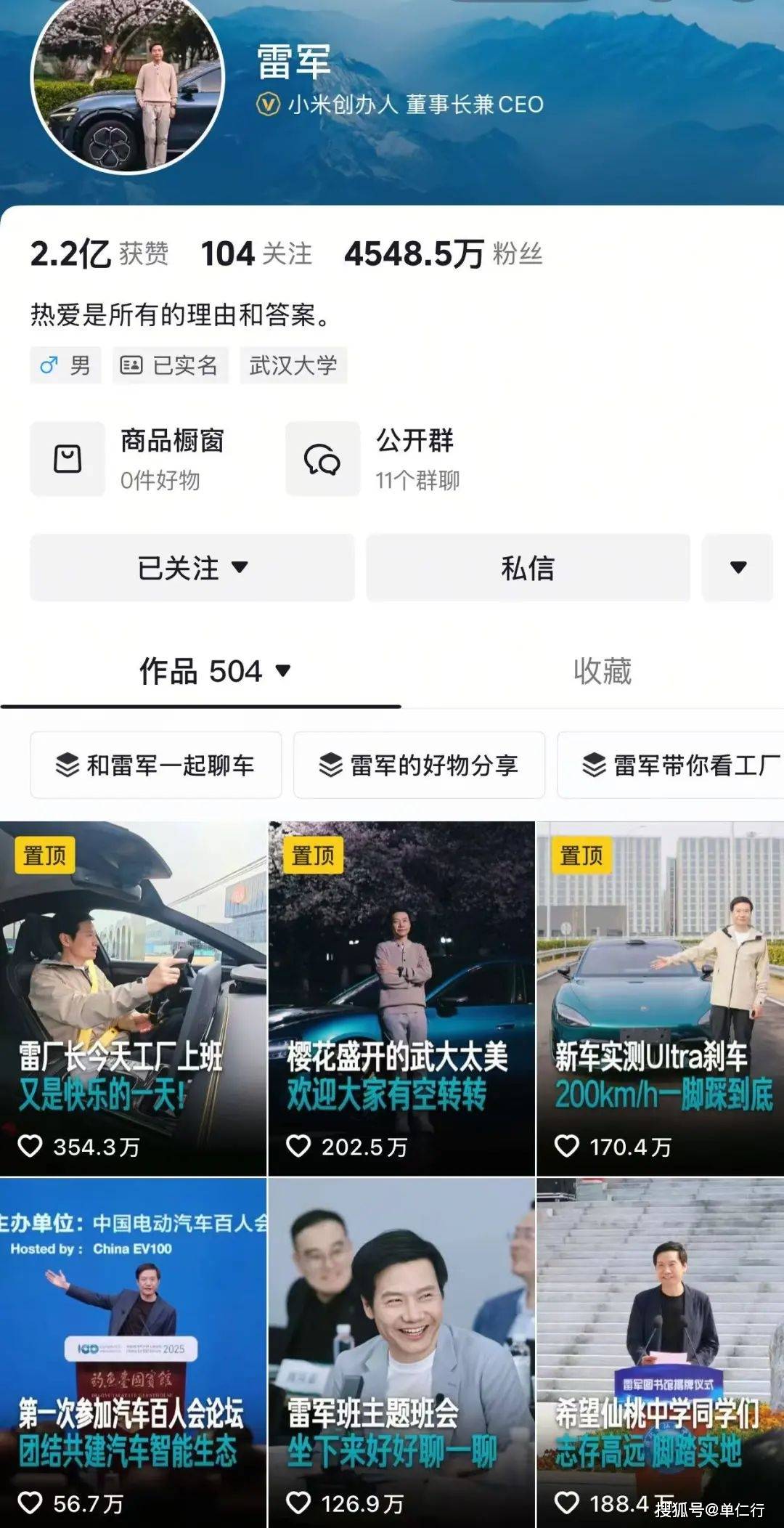
Core Viewpoint - The article discusses the recent challenges faced by Xiaomi and its founder Lei Jun, particularly regarding the company's automotive division and the impact on its brand reputation due to a series of missteps [6][22]. Group 1: Xiaomi's Recent Challenges - Lei Jun's video content on Douyin has been paused for over a month, marking a significant change for a successful founder IP [1]. - In 2024, Lei Jun published 255 videos and held nearly 20 live broadcasts, significantly boosting Xiaomi's visibility and reputation [6]. - The automotive division faced a severe traffic accident in April, leading to a public trust crisis regarding its smart driving systems [6][22]. Group 2: Issues with Su7 Ultra - Xiaomi's handling of the Su7 Ultra's performance features raised concerns, as the introduction of a "ranking mode" limited the car's horsepower, creating dissatisfaction among users [7][9]. - The requirement for users to achieve certain track performance to unlock full power was seen as a high barrier, alienating potential customers [9][22]. - Xiaomi later canceled the "ranking mode," but the damage to user trust had already been done [11]. Group 3: Controversy Over Design Features - The introduction of a dual-channel front hood for the Su7 Ultra sparked controversy, as users discovered it was merely an aesthetic addition rather than a functional improvement [13][19]. - Xiaomi's initial claims about the hood's aerodynamic benefits were contradicted by user experiences, leading to further distrust [17][19]. - The compensation offered to dissatisfied customers, including points redeemable for shopping vouchers, did not satisfy many, prompting demands for refunds [22]. Group 4: Implications for Founder IP - The article emphasizes the importance of consistent internal and external communication for companies relying on founder IP, highlighting the need for clear messaging to avoid brand damage [24][26]. - It stresses that the strength of a founder's personal brand must be supported by the company's product quality and service capabilities to maintain customer loyalty [26]. - Establishing a robust crisis management mechanism is crucial for companies overly dependent on founder IP, ensuring a systematic response to negative events [27][30].
雷军失声,小米失速
Hu Xiu· 2025-05-13 00:03
Core Viewpoint - Xiaomi's automotive division is facing significant challenges following the SU7 incident, which has affected its reputation and other business areas [1][20][45] Group 1: Incident and Response - The SU7 Ultra faced backlash after an OTA update required track performance to unlock its maximum horsepower, leading to customer dissatisfaction and a subsequent retraction of the restriction [5][6] - Customers expressed outrage over the advertised carbon fiber hood, which was found to be merely decorative and not functional as claimed, prompting demands for refunds and legal action [5][6][13] - Xiaomi issued an apology, attributing the issues to "unclear information," but the damage to customer trust was significant [6][20] Group 2: Leadership and Public Perception - CEO Lei Jun's social media activity decreased significantly in April, shifting from personal sharing to more formal announcements, reflecting a change in public engagement strategy [3][15] - The SU7 incident has led to scrutiny of Lei Jun's influence on the brand, as his visibility has been a double-edged sword, benefiting the company until the recent crisis [32][34] - The public's expectation for accountability from Lei Jun has increased, as his prominence in marketing has tied his reputation closely to the company's performance [30][32] Group 3: Market Position and Future Outlook - Despite the current challenges, the SU7 series is expected to remain popular, although production capacity may be a limiting factor [46] - The automotive industry is characterized by high risks, particularly for new entrants like Xiaomi, which must prioritize safety and customer trust in future developments [38][44] - The company is likely to resume its marketing activities and product launches in the latter half of the year, aiming to recover from the recent setbacks [47][48]
