单边制裁

Search documents
俄方坚持与伊朗合作国际银看跌
Jin Tou Wang· 2026-01-16 06:36
Group 1 - International silver is currently trading below $91.66, with a recent opening at $92.38 per ounce and a current price of $90.85, reflecting a decline of 1.65%. The highest price reached was $92.78, while the lowest was $89.49, indicating a bearish short-term trend in the silver market [1]. - Silver has experienced significant volatility over the past two days, with a notable drop in early trading. The price remains above the EMA50, suggesting a stable bullish trend and short-term dominance. Positive signals from the relative strength index and the removal of overbought conditions may allow for further price increases in the near term [4]. Group 2 - Russian Foreign Ministry spokesperson Zakharova stated that Russia does not recognize unilateral sanctions against sovereign nations, viewing them as violations of international law. Russia is committed to long-term cooperation with Iran across various sectors, including energy, and aims to develop trade relations with all interested countries [3]. - Zakharova emphasized that Russia's international cooperation is primarily based on national interests rather than succumbing to threats or intimidation from third-party nations [3].


特朗普对伊朗贸易伙伴加税,俄方回应
Xin Jing Bao· 2026-01-16 03:00
来源 @CCTV国际时讯 据@CCTV国际时讯 1月16日报道,连日来,美国多次威胁军事干涉伊朗局势,还对伊朗实施制裁。1月 15日,俄罗斯外交部发言人扎哈罗娃在回答总台报道员提问时表示,俄罗斯反对任何单边制裁,将继续 同伊朗保持合作。 ...
俄外交部发言人:反对非法单边制裁 将继续同伊朗保持合作
Yang Shi Xin Wen· 2026-01-16 01:57
俄罗斯外交部发言人扎哈罗娃:俄罗斯不承认针对主权国家的单边负面制裁,因为我们认为这是对国际 法的粗暴违反,我们将继续坚持这一立场。俄罗斯与伊朗的经贸合作是互利共赢的,并且不受外部制裁 压力的影响。俄罗斯和伊朗致力于在包括能源在内的多个领域开展长期合作,计划继续与所有有意愿的 国家发展贸易关系,并首先以国家利益为导向而非受第三方国家的威胁与恐吓所左右。 (文章来源:央视新闻) 当地时间15日,俄罗斯外交部发言人扎哈罗娃在回答总台报道员提问时表示,俄罗斯反对任何单边制 裁,将继续同伊朗保持合作。 总台报道员阿列克谢耶娃:美国总统特朗普最近宣称,将对任何与伊朗有商业往来的国家加征25%的关 税。同时,美国正在考虑对伊朗采取强硬措施,包括军事手段。我的问题是,俄罗斯方面如何评价美国 对主权国家使用军事威胁和单边制裁的做法,以及是否计划据此调整与伊朗的合作,例如在能源领域? 连日来,美国方面多次威胁军事干涉伊朗局势,还对伊朗实施制裁。 ...
扎哈罗娃:俄致力于在能源等多个领域与伊朗开展长期合作
Yang Shi Xin Wen· 2026-01-15 15:22
扎哈罗娃表示,贸易和经济合作是有益的,不应受外部制裁压力的影响。俄罗斯致力于在包括能源在内 的多个领域与伊朗开展长期合作,并有意继续与所有感兴趣的国家发展贸易关系。她强调,俄罗斯开展 国际合作首要依据是本国国家利益,而非受第三方国家的威胁或恐吓。 美国总统特朗普12日下午在社交媒体发文称,任何与伊朗有商业往来的国家在与美国进行任何商业往来 时将被加征25%的关税。 当地时间1月15日,俄罗斯外交部发言人扎哈罗娃在当日的简报会上回答总台报道员有关特朗普称任何 与伊朗有商业往来的国家将被加征25%关税时表示,俄罗斯不承认针对主权国家的单边制裁,认为此类 制裁违反了国际法准则。扎哈罗娃强调,俄方将继续坚持这一立场。 (文章来源:央视新闻) ...
美国对伊朗所有贸易伙伴加税25%!对中俄的精准打击!欲锁死伊朗
Sou Hu Cai Jing· 2026-01-13 12:35
Core Viewpoint - The recent unilateral sanctions imposed by the U.S. aim to directly target Iran while also delivering precise strikes against China and Russia, attempting to force global alignment through trade tariffs [1] Trade Data Summary - In 2024, trade between China and Iran is projected to reach $13.37 billion, with China exporting $8.93 billion in essential goods and importing $4.44 billion primarily in energy and minerals [3] - Non-oil trade between China and Iran has also been significant, exceeding $30.4 billion in the first 11 months of 2025, with China being Iran's largest trading partner, accounting for over 30% of its total exports [3] - The trade between Russia and Iran is expected to reach $4.8 billion in 2024, marking a 16.2% year-on-year increase, with an additional 8% growth in the first three quarters of 2025 [3] Impact on China - The 25% tariff will primarily impact China's exports to the U.S., which are mainly machinery and electrical products with an average profit margin of less than 5%, leading to increased export costs [5] - However, China has already initiated currency settlement and "oil-for-infrastructure" models with Iran, mitigating risks associated with dollar transactions [5] - The trade volume between China and Iran represents only 2% of China's total trade with the U.S., allowing China to adjust its supply chain and expand into ASEAN markets to offset potential losses [5] Impact on Russia - The sanctions may accelerate cooperation between Russia and Iran, as their trade is primarily settled in rubles and rials, minimizing the impact of the U.S. dollar system [7] - Both countries are working towards a free trade agreement within the Eurasian Economic Union, aiming to increase their trade volume to $10 billion [7] - The sanctions will not disrupt the energy complementarity between Russia and Iran, as Russia can leverage Iran to access Middle Eastern energy routes while providing nuclear technology and military support to Iran [7] Consequences of U.S. Actions - The sanctions are likely to accelerate the de-dollarization process, with 95% of trade between China and Russia already settled in local currencies, making barter trade and local currency settlements more common among the three countries [7] - The unilateral sanctions may undermine U.S. international credibility, as many countries are likely to reject alignment with U.S. policies, with a Pew survey indicating that over half of the populations in 19 countries lack confidence in U.S. handling of international affairs [7] - The sanctions could lead to increased global oil prices, as Iran exports 1.4 million barrels of oil daily and Russia exports 7.4 million barrels, potentially disrupting global energy supply and exacerbating inflation in the U.S. [9]
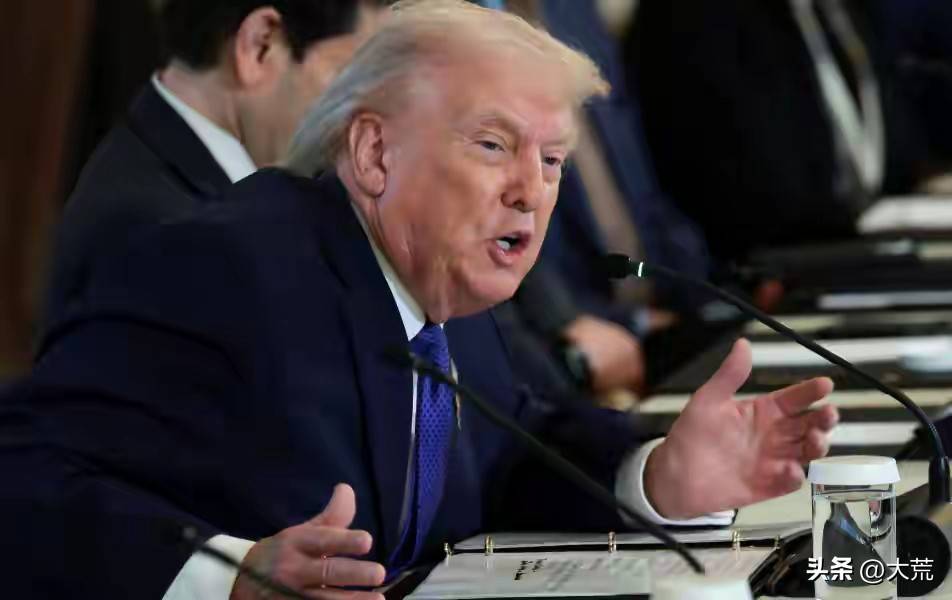
美国对伊朗所有贸易伙伴加税25%,对中俄的精准打击!欲锁死伊朗
Sou Hu Cai Jing· 2026-01-13 07:46
Core Viewpoint - The announcement of a 25% tariff on all countries trading with Iran by the U.S. is aimed at economically isolating Iran, particularly targeting its key trade partners, China and Russia, to achieve a strategic goal of cutting off Iran's external trade [1][3][21]. Group 1: Economic Impact - The tariff represents an escalation of unilateral sanctions to a "global collective punishment," forcing countries to choose between the Iranian and U.S. markets [3][21]. - The sudden announcement bypassed traditional legislative processes, establishing a new trade rule that imposes a 25% fee on any goods entering the U.S. market that are linked to Iran [9][11]. - The complexity of international trade means that many companies may unknowingly have ties to Iran, creating a climate of fear and uncertainty rather than just compliance costs [13][30]. Group 2: Geopolitical Implications - The tariff is not merely a trade issue but a geopolitical maneuver aimed at disrupting the economic arteries of Eurasia, particularly affecting China's westward expansion and Russia's southern access [7][21]. - The relationship between Iran, China, and Russia is evolving, with trade increasingly conducted in local currencies and bypassing the U.S. dollar, indicating a shift away from the traditional dollar-dominated system [23][37]. - The U.S. strategy may backfire, as countries like China and Russia have developed resilience against U.S. sanctions, potentially leading to a parallel trade system that undermines U.S. economic influence [30][38]. Group 3: Market Reactions - The announcement has already caused immediate reactions in global shipping insurance rates, highlighting the swift impact of U.S. policy changes on international markets [5]. - The emergence of a "ghost fleet" of ships operating outside Western insurance systems is a direct response to U.S. sanctions, indicating a shift in how global trade is conducted [25][30]. - The potential for rising oil prices due to supply chain disruptions could lead to renewed inflationary pressures in the U.S., reminiscent of past oil crises [28][30].
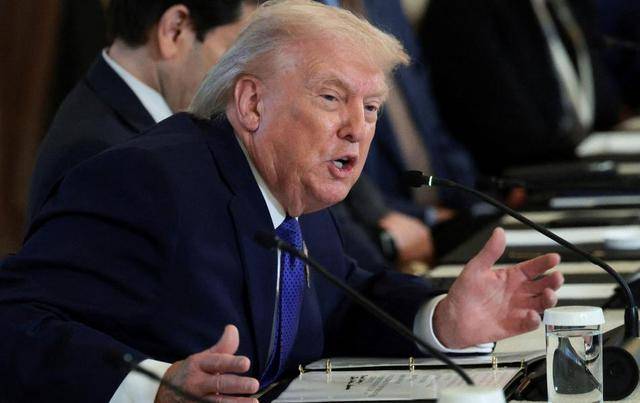
中国开始算总账,特朗普下令停七国买俄油,全面收割正式拉开帷幕
Sou Hu Cai Jing· 2026-01-11 17:46
Core Viewpoint - The Trump administration's legislative action in early 2026 aims to pressure seven countries, including China, India, and Brazil, to cut off oil imports from Russia, reflecting a continuation of the U.S. strategy to contain Russia and reassert dominance in the global energy landscape [1][2]. Group 1: Impact on Brazil - Brazil has become the second-largest importer of Russian diesel, with imports exceeding 7 million tons in 2024, driven by structural demand [4][6]. - Over 20% of Brazil's diesel supply relies on imports, with Russian diesel priced at $0.54 per liter, significantly lower than local refinery prices, impacting transportation costs and inflation [6][8]. - The Brazilian government has expressed opposition to unilateral sanctions, emphasizing that normal international trade should not be politically coerced [7][8]. Group 2: India's Position - India, the third-largest crude oil importer, saw its dependence on Russian oil peak in November 2025, with Russian oil accounting for 35.1% of total imports [11]. - Despite U.S. tariffs of up to 50% on some Indian exports, India has not issued a directive to halt Russian oil imports due to the stability and affordability of Russian oil [12]. - India's strategy reflects a balance between not openly opposing the U.S. while prioritizing its own economic interests, indicating a pragmatic approach to energy security [12][13]. Group 3: China's Response - Following the U.S. sanctions, China firmly opposed unilateral sanctions, asserting that energy cooperation with Russia is a normal trade practice [13][15]. - In 2024, China imported 108.47 million tons of crude oil from Russia, making it the largest supplier, and is advancing projects like the "Power of Siberia" gas pipeline [16][17]. - The deepening energy cooperation between China and Russia includes a shift towards local currency settlements, reducing reliance on the U.S. dollar [20][22]. Group 4: Broader Implications - The U.S. sanctions are perceived as ineffective against the backdrop of the economic interdependence of these nations, which prioritize their own interests over U.S. directives [22][24]. - The geopolitical landscape is shifting towards a multipolar world, where countries are increasingly questioning the fairness of U.S.-led rules and seeking alternative arrangements [24][36]. - The ongoing energy cooperation among China, India, and Brazil represents a challenge to U.S. dominance, as these nations assert their economic sovereignty against external pressures [35][39].
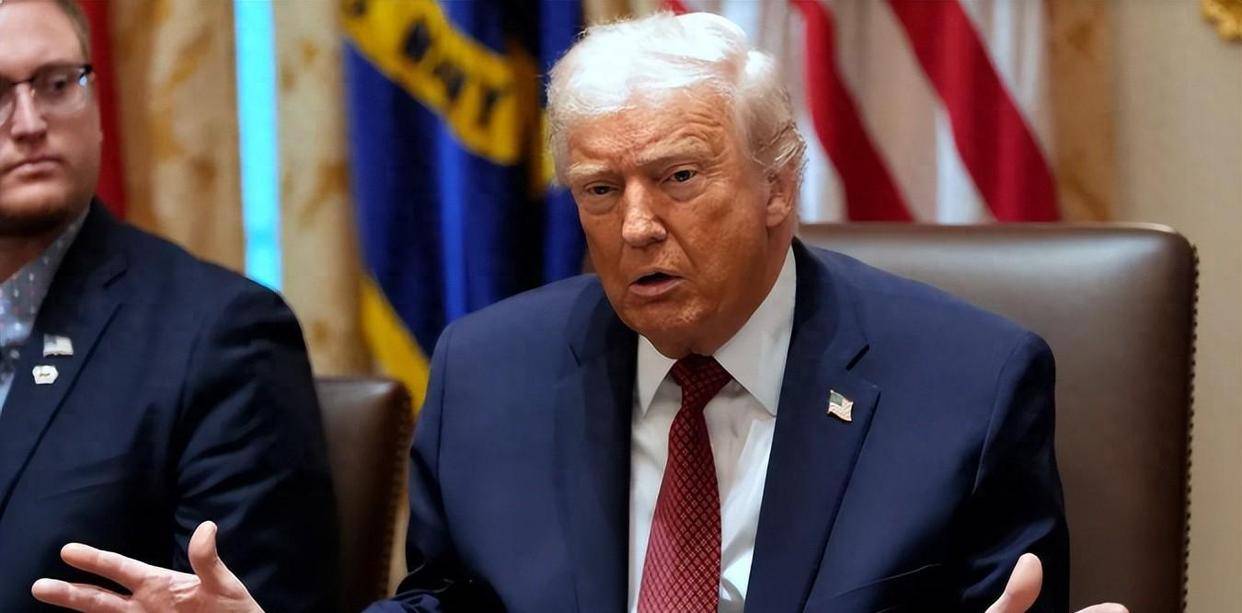
特朗普拍醒了俄罗斯人:就算是出卖了中国,美国也不可能放过他们
Sou Hu Cai Jing· 2026-01-11 08:19
Group 1 - Trump issued an ultimatum to Russia, warning of a 100% tariff on all Russian products if a peace agreement in the Russia-Ukraine conflict is not reached within 50 days, alongside increased secondary sanctions [1] - Russia's economy heavily relies on oil exports, with over 2 million barrels per day exported to China, accounting for over 20% of China's total imports [3] - The imposition of tariffs on Russian oil affected India's stock market, leading to speculation about India's relationship with China in light of potential U.S. concessions [3] Group 2 - By the end of July, Trump shortened the ultimatum deadline and dismissed the significance of talks with Putin, leading to a depreciation of the ruble and market volatility in Russia [5] - Russia's historical lessons from the Yeltsin era have made them skeptical of U.S. promises, questioning whether distancing from China would ensure their security [5] - China's Ministry of Foreign Affairs opposed unilateral sanctions, asserting that energy supply decisions should be made independently, and China continued to strengthen its energy and military cooperation with Central Asia [7] Group 3 - As the ultimatum deadline passed without an agreement, Trump shifted focus to NATO, urging them to stop purchasing Russian oil, while European countries did not respond significantly [7] - Russia felt more secure as U.S. actions appeared aimed at creating chaos in the Eurasian region, leading to a tighter alignment with China [7] - Public opinion in Russia shifted dramatically against Trump, with support dropping from 50% to below 30%, and over 60% believing the U.S. aims to undermine Russia [8]
特朗普通告全球,不许3国购买俄石油,我国第一个表示不服
Sou Hu Cai Jing· 2026-01-10 11:57
Core Viewpoint - The U.S. Senate is moving forward with a bill that would impose severe tariffs, up to 500%, on countries purchasing Russian oil, gas, and uranium, specifically targeting China, India, and Brazil, as a means to pressure these nations to stop funding Russia amid the Ukraine conflict [2][6]. Group 1: U.S. Legislative Actions - Senator Lindsey Graham has indicated that President Trump has approved a strengthened sanctions bill against Russia, which could be voted on in the Senate next week [2]. - The bill aims to leverage tariffs as a tool to exert influence over major economies that continue to engage in energy trade with Russia [2][6]. Group 2: China's Response - China's Ministry of Foreign Affairs has firmly opposed the unilateral sanctions imposed by the U.S., asserting that their energy cooperation with Russia is legitimate and should not be interfered with [2][5]. - The Chinese government emphasizes that energy security is crucial for its economic stability, making it impractical for China to comply with U.S. sanctions that threaten its energy supply [3][5]. Group 3: Economic Implications - China’s energy imports from Russia are significant, with Russian oil constituting a large portion of its energy needs, making the U.S. sanctions a substantial risk for China’s energy security [3][5]. - The trade between China and Russia has increasingly moved towards "de-dollarization," with over 95% of transactions now conducted in local currencies, reducing the impact of U.S. sanctions that rely on the dollar [5][6]. Group 4: Broader Geopolitical Context - The U.S. strategy appears to aim at cutting off Russia's war funding while simultaneously attempting to assert dominance over emerging powers like China and India [6]. - The potential implementation of these tariffs could lead to significant trade confrontations, increased global energy prices, and disruptions in supply chains, ultimately affecting the global economy [6][7].
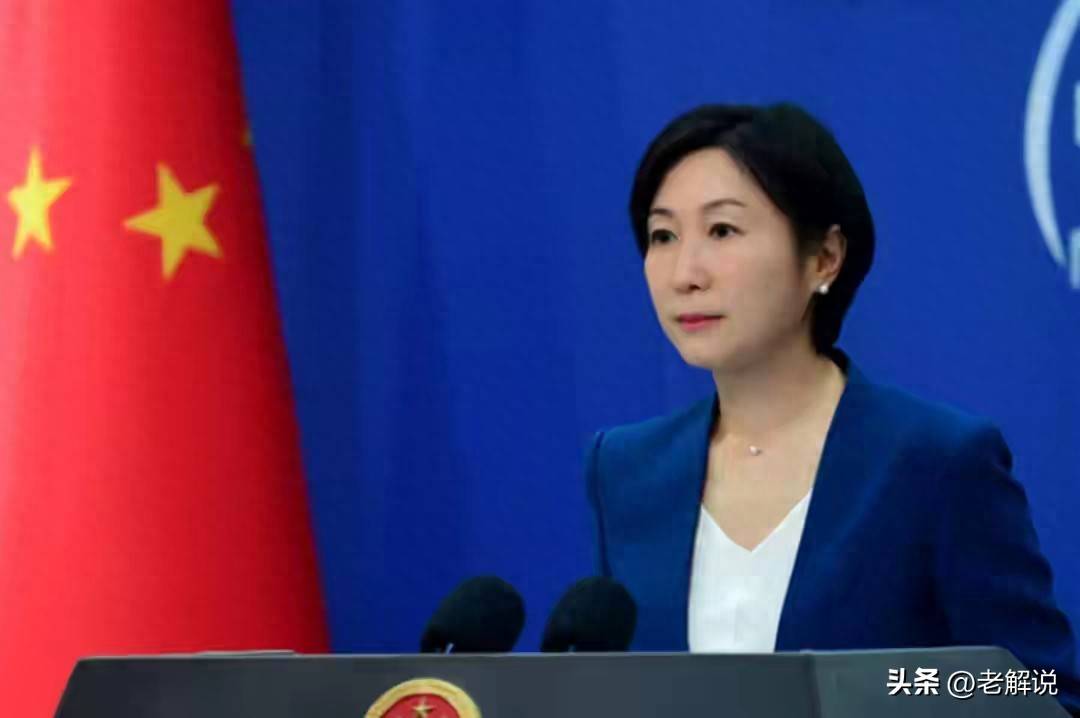
美国要阻止中国等购买俄罗斯石油 中方表态
Zhong Guo Xin Wen Wang· 2026-01-08 09:26
Group 1 - The Chinese Ministry of Foreign Affairs spokesperson Mao Ning stated that China opposes illegal unilateral sanctions [1] - The U.S. Senator Graham mentioned that President Trump approved a bill to strengthen sanctions against Russia, aiming to pressure countries like China, India, and Brazil to stop purchasing Russian oil [1] - China emphasized that its normal economic and energy cooperation with Russia is not aimed at third parties and should not be interfered with or affected [1]