
团圆

Search documents
华侨华人的年夜饭:一桌家乡菜 四海团圆味
Xin Lang Cai Jing· 2026-02-17 04:55
Group 1 - The article highlights the significance of the Chinese New Year's Eve dinner, emphasizing it as a time for family reunion and cultural traditions [1][2][3] - Various Chinese communities around the world prepare traditional dishes that reflect their regional heritage, such as Lanzhou's marinated pork and Shandong's spicy chicken [1][2] - The preparation for the New Year's Eve dinner involves a blend of traditional and local flavors, showcasing the integration of cultural practices in different countries [2][3] Group 2 - The article mentions specific dishes prepared by families, such as the use of lobster and steak in Australia, and the combination of Cantonese and Western cuisine in Los Angeles [2][3] - The act of gathering for the New Year's Eve dinner is portrayed as a cherished tradition that strengthens family bonds and connects individuals to their roots [3]
除夕团圆夜,亿万中华儿女共赴新春之约
Xin Lang Cai Jing· 2026-02-17 02:49
Group 1 - The core theme of the articles revolves around the celebration of reunion during the Chinese New Year, emphasizing the importance of family and community connections [1][2][3][5]. - The articles highlight various traditional and modern ways of celebrating the New Year, including family gatherings, community dinners, and innovative experiences like dining on a cruise ship [5][6][12]. - The significance of technology in bridging distances is noted, with examples of people using Wi-Fi to connect with loved ones while traveling [3][4]. Group 2 - The articles describe the bustling atmosphere in various regions, showcasing local customs and the preparation of traditional foods, which reflect the cultural richness of the New Year celebrations [2][4][6]. - There is a focus on the contributions of individuals working during the holiday, such as delivery personnel and utility workers, who ensure that others can enjoy their celebrations [4][11]. - The narrative includes the agricultural sector's preparations for the upcoming year, indicating a focus on productivity and economic growth in rural areas [8][9].
“菜篮子”撑起“团圆鲜滋味”
Xin Lang Cai Jing· 2026-02-16 19:19
Core Viewpoint - The article highlights the vibrant atmosphere of the Bai Jia Seafood Market in Chengdu during the Lunar New Year, emphasizing the importance of seafood in traditional celebrations and the increased demand for fresh products among consumers [1] Group 1: Market Activity - The Bai Jia International Agricultural Wholesale Market is the largest agricultural distribution center in Southwest China, with a daily seafood distribution volume of approximately 1,600 tons [1] - The market offers a wide variety of seafood, including cost-effective household options and high-end products to meet diverse consumer needs [1] Group 2: Consumer Behavior - Local residents are actively participating in the New Year preparations, with increased foot traffic in the market, leading to a doubling of customer volume for popular seafood items like shrimp [1] - Consumers express a strong cultural connection to seafood, with traditional dishes such as fish being essential for the New Year's Eve dinner, reflecting the significance of these customs in fostering family unity [1]
归乡记 | 时间酿年味,团圆暖人心
Xin Lang Cai Jing· 2026-02-16 17:15
Group 1 - The essence of the New Year celebration is rooted in the concept of family reunion, which is considered sacred and significant by the elder generation [2][5] - The preparation for the New Year, such as writing Spring Festival couplets, is a ritual that embodies respect and tradition, highlighting the importance of family heritage [3][4] - The atmosphere during the New Year’s Eve, characterized by warmth and togetherness, is cherished as a precious time that reflects the value of family bonds [5] Group 2 - The father's experience during the New Year reflects the changes brought by modernization, including the introduction of new products and technologies that alter traditional practices [6][9] - The evolution of communication methods, such as telephone greetings and later the use of VCDs for entertainment, signifies a shift towards a more connected and modern celebration [10][12] - The father's embrace of new traditions, like using a VCD to watch the Spring Festival Gala, contrasts with the grandfather's nostalgia for traditional celebrations [10][21] Group 3 - The current generation experiences the New Year as a blend of traditional and modern practices, with technology facilitating connections across distances [15][16] - The transformation of gift-giving, from physical red envelopes to digital ones, illustrates the adaptation of customs to contemporary lifestyles while maintaining the underlying sentiment [17][18] - The essence of the New Year remains unchanged, focusing on the desire for reunion and good fortune, despite the evolving forms of celebration [22]

万家灯火守岁时 热气腾腾团圆年——全国各地群众欢度马年除夕
Xin Hua She· 2026-02-16 16:16
Group 1 - The core theme of the articles revolves around the celebration of reunion during the Chinese New Year, emphasizing the importance of family and community connections [1][2][3][5]. - Various forms of reunion are highlighted, from traditional family gatherings to innovative community events, showcasing a blend of old and new customs [5][6][11]. - The articles depict the bustling atmosphere of preparations for the New Year, including food preparations and festive activities, reflecting the cultural significance of the holiday [4][6][7]. Group 2 - The logistics and delivery services are experiencing a surge in demand as people send gifts and food items to their loved ones, indicating a shift in consumer behavior towards fresh produce and local specialties [3][4]. - The role of technology in facilitating connections is emphasized, with examples of people using Wi-Fi on flights to send New Year greetings, showcasing the integration of modern communication in traditional celebrations [3]. - The articles also mention the contributions of various sectors, including healthcare and agriculture, in supporting the festive spirit and ensuring community well-being during the holiday season [7][8][10].
灶火暖岁,爷爷奶奶的四道菜
Xin Lang Cai Jing· 2026-02-15 13:47
Core Perspective - The article presents a thematic exploration of the emotional connection to hometowns and family reunions during the Chinese New Year, illustrated through photography, poetry, and the influence of artificial intelligence [1][12]. Group 1: Photography and Emotional Connection - The "Impression of Hometown" theme showcases photography that captures the essence of rural life and the emotional ties to one's roots, particularly during the festive season [1]. - Photographer Mao Huizhen documents everyday life in her hometown, emphasizing the deep connections formed through shared meals and simple moments with family [2][9]. - The photographs reveal the transformation of rural landscapes while preserving the warmth and simplicity of traditional family gatherings [12]. Group 2: Poetry and Reflection - Poet Tu Lijie reflects on the ordinary yet profound moments captured in the photographs, highlighting the beauty of daily life and the emotional resonance of returning home [2][7]. - The poetry encapsulates the nostalgia and warmth associated with family traditions, emphasizing the significance of shared meals as a deeper form of connection than mere words [5][10]. - The poems convey a sense of timelessness and continuity in rural life, contrasting the fast-paced urban environment with the slower, more meaningful rhythms of the countryside [11][8]. Group 3: Role of Artificial Intelligence - The integration of AI in interpreting the photographs and poetry offers a modern perspective on traditional themes, capturing the essence of human emotions and experiences in the digital age [1][12]. - AI-generated insights reflect the enduring nature of familial love and the significance of home-cooked meals, reinforcing the emotional narratives presented in the visual and literary works [12].
(新春走基层)另一种团圆:湖南返乡大学生的“时光”与“守望”
Xin Lang Cai Jing· 2026-02-15 09:32
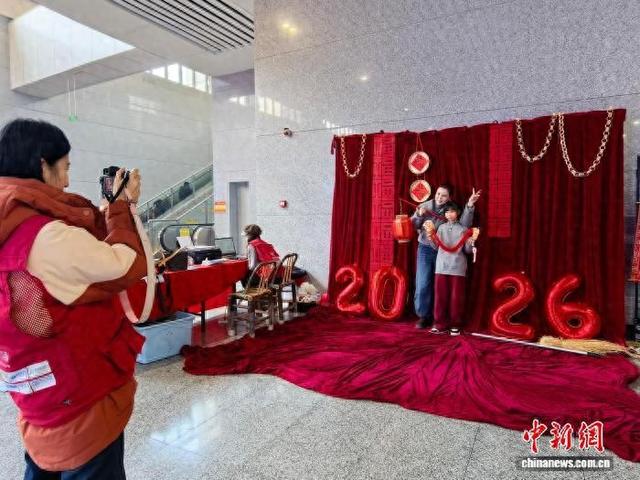
Core Idea - The article highlights a community initiative in Shaoyang, Hunan, where volunteers set up a temporary "Time Photo Studio" at the high-speed train station to provide free family photos for returning travelers during the Spring Festival, emphasizing the importance of capturing moments of reunion and joy [1][2][5]. Group 1: Community Initiative - The "Time Photo Studio" was organized by the Shaoyang Volunteer Association, aiming to create a memorable experience for families reuniting during the holiday season [1][4]. - The initiative is part of a broader public welfare project called "Light of Time Shop," which addresses various community needs, including food, housing, transportation, medical care, education, and entertainment [4]. - The project has served over 19,000 people and won a gold award at the first "Shaoyang Red" volunteer service project competition in December 2025 [4]. Group 2: Volunteer Engagement - The event was coordinated by Zhao Jiale, a college student who conceptualized moving the photo studio to the train station to reach more people [1][5]. - In addition to the photo initiative, returning university students in the area organized a tutoring program for local children, demonstrating a commitment to community support and education [7]. - The tutoring program was well-received, with local students expressing appreciation for the supportive learning environment created by the volunteers [7].
春节越来越近!大集里流淌着中国人对年的欢喜
Xin Lang Cai Jing· 2026-02-14 12:23
Core Viewpoint - The article highlights the significance of the traditional "Daji" market as a vibrant prelude to the Chinese New Year, emphasizing the cultural importance of family reunions and the preparation of festive goods [1] Group 1 - The "Daji" market attracts crowds from all directions, symbolizing the joy and anticipation of the New Year among the Chinese people [1] - The bustling atmosphere of the market serves as a rehearsal for the grand celebration of family reunions during the New Year [1] - The act of purchasing traditional goods, such as Spring Festival couplets and candies, reflects deep-rooted cultural values and the desire for a prosperous year ahead [1]
中国人的年味
Xin Lang Cai Jing· 2026-02-13 17:28
Group 1 - The article highlights the diverse ways of celebrating the New Year across different regions in China, emphasizing the unique cultural practices and culinary traditions that characterize each area [2][3][4]. - In the northern regions, particularly Northeast China, the New Year is marked by hearty meals and family gatherings, with traditional foods like dumplings symbolizing wealth and prosperity [2]. - In Jiangnan, the celebration features sweet dishes such as rice cakes and a rich soup made with preserved meats and bamboo shoots, symbolizing growth and abundance [3]. - In Lingnan, the festivities are vibrant and lively, with flower markets and a focus on auspicious foods like roast pig and chicken, reflecting a desire for good fortune in the coming year [4]. Group 2 - A common thread throughout these celebrations is the theme of "reunion," where the culmination of a year's hard work is celebrated with family, emphasizing the emotional connection and warmth shared during the New Year [5].
下一站,团圆
Ren Min Ri Bao· 2026-02-11 11:42
Group 1 - The core idea emphasizes the importance of family reunions during the Spring Festival, highlighting the emotional connections and cultural significance of returning home [1][2] - The article discusses the evolving forms of reunion, including children bringing their parents to urban areas and individuals returning home early to compensate for past absences, reflecting a vibrant and warm China [1][2] - It notes that the deep-seated desire for reunion is a fundamental emotional anchor for those striving in their endeavors, showcasing the societal progress and institutional support that facilitate these gatherings [2] Group 2 - The article highlights improvements in transportation systems and flexible holiday policies that make long-distance travel for reunions more accessible and convenient [2] - It mentions the ongoing development of public services that enhance the experience of celebrating the New Year away from home, contributing to a stronger sense of security and happiness during reunions [2] - The narrative of Spring Festival travel is portrayed as a continuous story, symbolizing the resilience and warmth of the Chinese people as they navigate their journeys home [2]