
多元化投资

Search documents
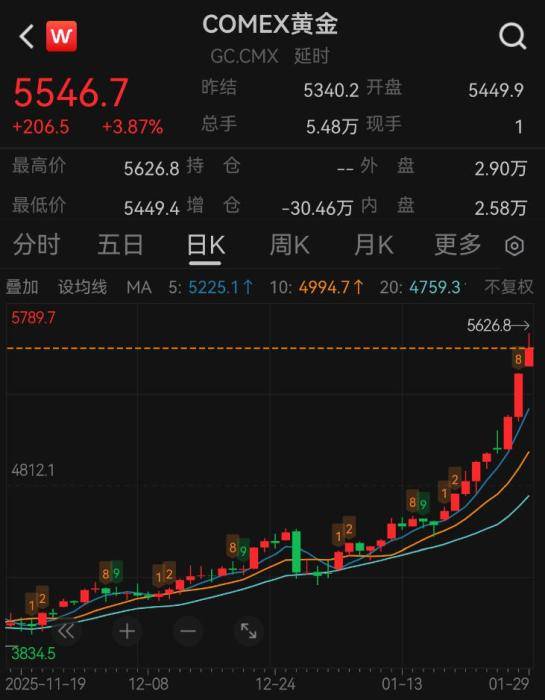
国际金银价格大涨 多重力量叠加推动
Sou Hu Cai Jing· 2026-01-29 07:56
Group 1 - International gold and silver prices have reached record highs, with gold surpassing $5500 per ounce and silver exceeding $119 per ounce [1][3] - Year-to-date, gold prices have increased by over 25%, while silver has surged nearly 65% [3] - The rise in gold prices is attributed to a weak US dollar and investor sell-offs of sovereign bonds and currencies, alongside geopolitical tensions involving the US [3][4] Group 2 - Concerns over Japan's massive fiscal spending have led to significant sell-offs in the Japanese bond market, contributing to a weaker dollar and making precious metals cheaper for buyers [4] - The selection of the next Federal Reserve Chair is expected to be a key factor influencing gold prices this year, with speculation that the new chair may adopt a more dovish stance [4] - The Federal Reserve has maintained its federal funds rate target range at 3.5% to 3.75% following a recent monetary policy meeting [4]

香港金管局:外汇基金有配置黄金 但数量不多
智通财经网· 2026-01-28 11:25
Core Viewpoint - The Hong Kong Monetary Authority (HKMA) is focused on diversifying its foreign exchange fund investments, with an emphasis on long-term returns, including a modest allocation to gold [1] Group 1: Foreign Exchange Fund Diversification - The HKMA president, Eddie Yue, indicated that the foreign exchange fund aims for diversified investments and has a small allocation to gold [1] - Historically, the foreign exchange fund had a high allocation of 85-86% in US dollar assets, which is projected to decrease to 79% by the end of 2024, leaving 21% in non-US dollar assets [1] Group 2: Issuance of Foreign Exchange Fund Notes - The CEO of the HKMA's Foreign Exchange Fund Investment Office, Li Dak-chi, stated that the decision to issue additional foreign exchange fund notes depends on monetary management factors, such as Hong Kong interbank rates and the yield of the foreign exchange fund [1] - The issuance of foreign exchange fund notes is not considered an investment action [1] Group 3: Long-Term Growth Portfolio Performance - Since 2009, the HKMA has been investing in alternative assets through a "Long-Term Growth Portfolio," which has shown stable performance in the first three quarters of 2025 [1] - The annualized internal rate of return for the portfolio from inception until September 2025 is reported at 11.2% [1] - As of September 2025, the total market value of the main asset categories in the portfolio is HKD 579.6 billion, with private equity valued at HKD 420.4 billion and physical assets at HKD 159.2 billion [1]
1月26日国际晨讯丨现货黄金首次突破5000美元/盎司 美联储即将举行2026年首次议息会议
Sou Hu Cai Jing· 2026-01-26 00:47
Market Review - The Nikkei 225 index opened at 53023.28 points, down 1.53% [1] - The Korean Composite Index opened at 4997.54 points, up 0.1% [1] - Spot gold surpassed $5000 per ounce for the first time, increasing by approximately 1% [1] - Spot silver also reached a new high, rising over 2% to a maximum of $106.541 per ounce [1] - On January 23, the US major stock indices closed mixed, with the Dow Jones down 0.58% at 49098.71 points, the S&P 500 up 0.03% at 6915.61 points, and the Nasdaq up 0.28% at 23501.24 points [1] - For the week, the Dow Jones fell 0.52%, the S&P 500 dropped 0.35%, and the Nasdaq decreased by 0.06% [1] - In Europe, major stock indices closed mixed, with the DAX up 0.18% at 24900.71 points, the CAC40 down 0.07% at 8143.05 points, and the FTSE 100 down 0.07% at 10143.44 points [1] - For the week, the DAX fell 1.57%, the CAC40 dropped 1.4%, and the FTSE 100 decreased by 0.9% [1] Upcoming Events - The Federal Reserve is set to hold its first monetary policy meeting of 2026 on January 29, with expectations that it will maintain current rates [2] - Market focus for Tesla's earnings report has shifted from financial data to advancements in Full Self-Driving (FSD) systems, humanoid robots, and Robotaxi technology [2] - Microsoft and Meta will address whether companies are beginning to benefit from AI investments [2] Institutional Insights - Goldman Sachs has raised its 2026 gold price forecast to $5400 per ounce from a previous estimate of $4900 per ounce, citing diversification in private investment as a key factor for gold's upward movement [3] Company News - Nvidia's founder Jensen Huang visited the company's new office in Shanghai, engaging with employees and addressing their concerns [4] - Tesla CEO Elon Musk announced that the FSD system requiring driver supervision is expected to be approved in China as early as next month, aligning closely with its approval timeline in Europe [4] - Amazon plans a second round of layoffs as part of a larger plan to cut approximately 30,000 jobs, with the latest round expected to be similar in scale to the 14,000 white-collar positions cut in October 2025 [4]





高盛观点 | 2026年全球股市展望
高盛GoldmanSachs· 2026-01-23 08:08
Core Viewpoint - Goldman Sachs research indicates that despite a potentially lower stock market increase in 2026 compared to 2025, a global bull market is expected to continue, supported by earnings and economic growth [1][2]. Group 1: Market Outlook - The global economy is anticipated to expand across all regions in 2026, with the Federal Reserve expected to provide further moderate easing [1]. - The S&P 500 index is projected to reach a target price of 7,600, with an expected earnings growth of 12% [1]. - The STOXX 600 index is expected to rise to 625, with a 5% earnings growth [1]. - The TOPIX index is forecasted to reach 3,600, also with a 12% earnings growth [1]. - The MSCI Asia Pacific (excluding Japan) is projected to increase to 825, with a significant earnings growth of 19% [1]. Group 2: Investment Strategy - Diversification was a key theme in 2025 and is expected to continue into 2026, expanding across growth and value factors as well as various industries [1][2]. - The 12-month global forecast predicts a 9% increase in stock prices, with an 11% return rate in USD, primarily driven by earnings [5]. - Investors are encouraged to seek broad regional exposure, including emerging markets, and to combine growth and value stocks while focusing on various sectors [7]. Group 3: Market Dynamics - The stock market experienced a near 20% adjustment from mid-February to April 2025, followed by a rebound, leading to historically high valuations across all regions [2]. - The current market is in an optimistic phase, which typically accompanies rising valuations, indicating potential upside risks to core predictions [6]. - The valuation gap between U.S. stocks and other regions has narrowed, suggesting a more balanced improvement in earnings outside the U.S. [7]. Group 4: Technology Sector Insights - Concerns about a bubble in AI stocks are addressed, with the assertion that the dominance of the tech sector is not solely due to AI but has been supported by strong earnings growth since the financial crisis [8]. - The valuation of the largest five companies in the S&P 500 is not as extreme as during previous bubbles, such as the 2000 tech bubble peak [8].

桥水达利欧警告:特朗普政策可能引发“资本战”
华尔街见闻· 2026-01-21 10:37
Core Viewpoint - Ray Dalio, founder of Bridgewater Associates, warns that President Trump's policies may lead to a "capital war," causing foreign governments and investors to reduce their investments in U.S. assets [2][5] Group 1: Economic and Market Implications - Dalio highlights that escalating trade tensions and increasing fiscal deficits could undermine confidence in U.S. debt, prompting investors to shift towards hard assets like gold [2][6] - He emphasizes the importance of diversification in investment portfolios, recommending that investors allocate 5% to 15% of their portfolios to gold as a key hedge [2][6] - Following Dalio's remarks, gold prices surged, reaching over $4,760 for the first time, reflecting a flight to safety amid fears of a potential tariff war between the U.S. and Europe [2] Group 2: Potential European Responses - Deutsche Bank warns that Europe, holding over $8 trillion in U.S. assets, could "weaponize" capital in response to U.S. tariffs, escalating the conflict beyond mere trade disputes [5][12] - The European Union is considering three levels of response to U.S. tariffs, including postponing trade agreements, imposing tariffs on $108 billion worth of U.S. goods, and activating the Anti-Coercion Instrument (ACI) to counter economic pressure [8][9][10] Group 3: Capital War Risks - Dalio expresses concern that countries holding significant amounts of U.S. dollars and debt may become reluctant to finance U.S. deficits if trust erodes [6][12] - Historical precedents show that economic conflicts can escalate from trade disputes to capital and currency conflicts, leading to a preference for hard currencies over holding each other's debt [6][12] - Deutsche Bank notes that if the ACI is activated, it could lead to regulatory tightening and tax investigations on U.S. assets in Europe, potentially causing asymmetric damage to U.S. businesses [12] Group 4: Market Reactions and Predictions - Market tensions have already emerged, with U.S. stock futures, European markets, and the dollar under pressure, while gold and safe-haven currencies like the Swiss franc and euro have gained [14] - Goldman Sachs estimates that a 10% tariff could reduce the GDP of affected countries by 0.1% to 0.2%, with Germany facing a relatively larger impact [13]


桥水达利欧警告:特朗普政策可能引发“资本战”
Hua Er Jie Jian Wen· 2026-01-20 16:37
Group 1 - Ray Dalio, founder of Bridgewater Associates, warns that President Trump's policies may lead to a reduction in foreign investment in U.S. assets, potentially triggering a "capital war" [1] - Dalio emphasizes the importance of diversification in investment portfolios, recommending an allocation of 5% to 15% in gold as a key hedge against economic uncertainties [1] - On the same day as Dalio's speech, gold prices reached a historic high, surpassing $4,750, reflecting investor movement towards safe-haven assets amid escalating trade tensions [1] Group 2 - Deutsche Bank warns that Europe, as one of the largest holders of U.S. assets with over $8 trillion, could "weaponize" capital, escalating disputes beyond tariffs to a direct conflict affecting U.S. debt [2]
莱克电气:拟1.9亿元参与设立创业投资基金
Ge Long Hui· 2026-01-19 09:50
格隆汇1月19日丨莱克电气(603355.SH)公布,为充分借助专业投资机构的专业资源及其投资管理优势, 把握新兴产业投资机遇,拓展公司多元化投资渠道,进一步提升公司的综合竞争力和盈利能力,公司于 近日与普通合伙人北京睿石成长投资管理有限公司(称"睿石成长")及其他有限合伙人共同签署了《共 青城莱克睿石创业投资合伙企业(有限合伙)之有限合伙协议》(称"《合伙协议》")。合伙企业募集 资金总规模拟为人民币2亿元,其中公司作为有限合伙人以自有资金认缴出资人民币1.9亿元,占认缴出 资总额的95%。 ...

谁踩中了“硬科技”风口?2025年12月银行理财榜单来了
Zhong Guo Zheng Quan Bao· 2026-01-19 08:41
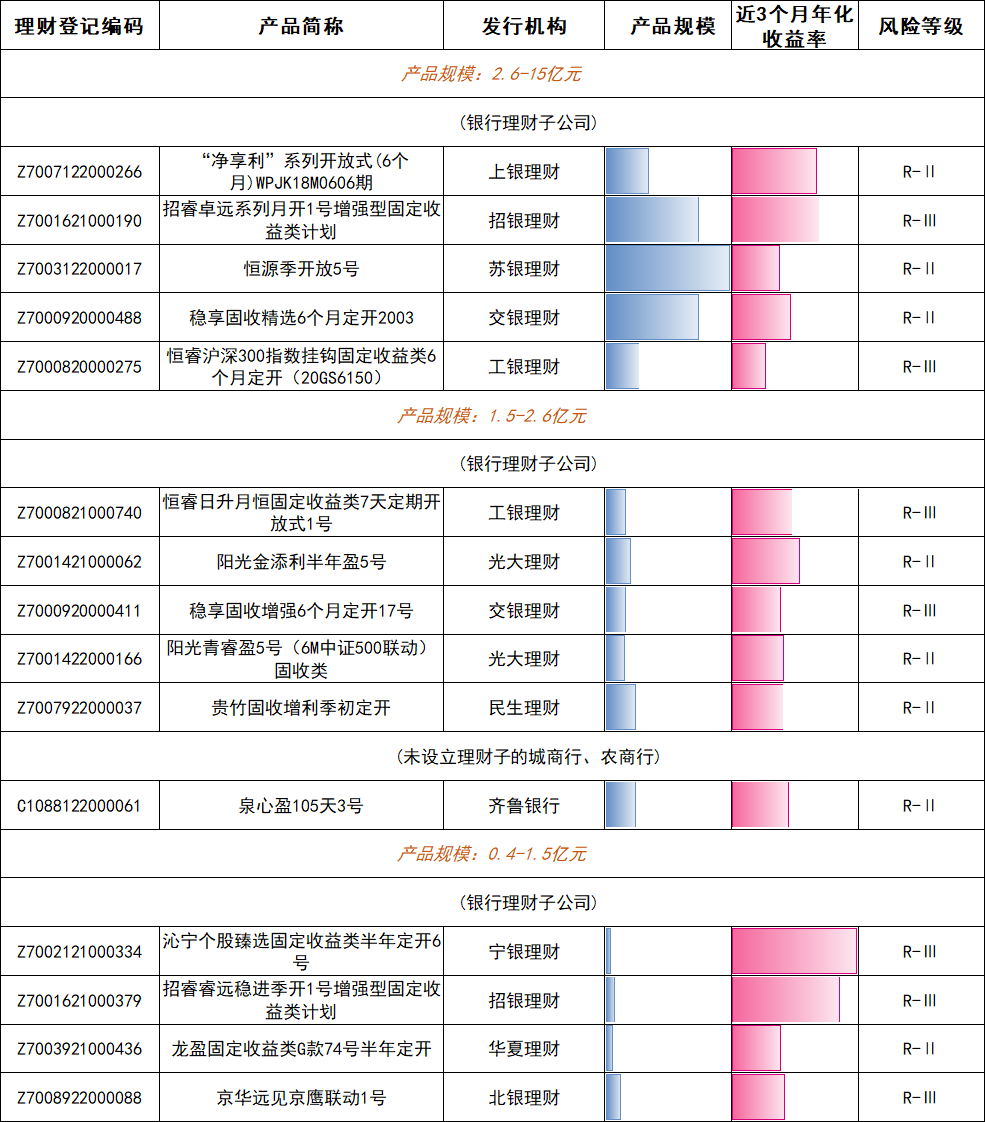
Group 1 - The capital market in December 2025 sees "hard technology" as the biggest trend, with investments focusing on high-growth sectors such as commercial aerospace, military industry, communication equipment, and robotics [1] - There is a clear shift in funding towards sectors with significantly improved fundamentals and low valuations, represented by non-ferrous metals and the chemical industry [1] - The bond market shows a high-level fluctuation in yields, with a slight increase in the 10-year government bond yield by 0.6 basis points to 1.85%, and a notable rise of 8 basis points in the 30-year government bond yield [1] Group 2 - As of the end of December 2025, there are 46,292 bank wealth management products in the market, an increase of 934 from November, with 22,871 being open-ended products [1] - Fixed-income products dominate the market, totaling 39,723, which is an increase of 829 from the previous month [1] - In December, 3,274 new wealth management products were launched, up by 507 from November, with wealth management subsidiaries accounting for 76.94% of the total issuance [1] Group 3 - The overall risk level of the products on the list has significantly increased compared to November, with 40% of products rated at level three (medium risk) and 2.86% at level four (medium-high risk) [12] - The competition among "fixed income plus" wealth management products is intense, with a further decline in retention rates for these products compared to November [13] - The investment strategies of the listed products reflect a dual focus on "growth + cycle," with significant allocations to both high-growth "hard technology" sectors and undervalued cyclical industries [17][18]
加加食品4年亏损6亿元 “无主”状态亟待破局
Zhong Guo Jing Ying Bao· 2026-01-16 20:15
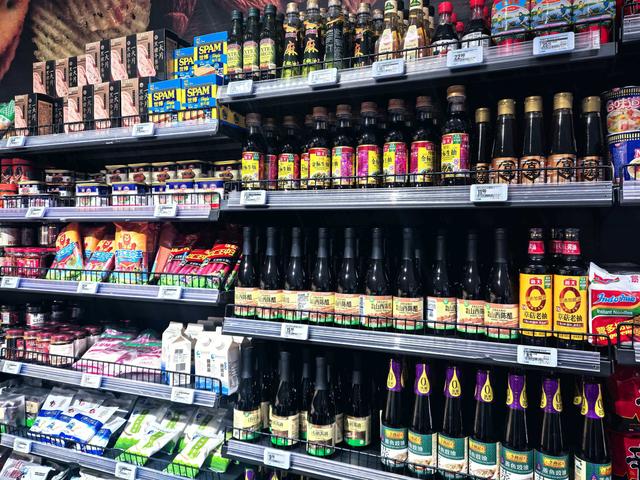
Core Viewpoint - 加加食品 is currently facing significant operational challenges, including a lack of control and governance, resulting in substantial financial losses and a deteriorating market position [3][6][11]. Financial Performance - From 2021 to 2024, 加加食品 incurred cumulative losses of nearly 600 million yuan, with specific annual losses of 80.16 million yuan in 2021, 79.59 million yuan in 2022, 191 million yuan in 2023, and 243 million yuan in 2024 [5]. - In the first half of 2025, the company reported a net profit of 8.35 million yuan, a year-on-year increase of 128.64%, but still faced a net loss of 26.38 million yuan in the first three quarters [5]. Ownership and Control - As of January 2026, 中国东方 holds 23.42% of 加加食品's total shares, becoming the largest shareholder, while the original controlling family, 杨振's family, has been significantly impacted by personal debt issues [3][5]. - The company is currently in a "no owner" state due to the bankruptcy proceedings of 湖南卓越, which previously held a significant stake [6]. Market Position and Competition - 加加食品, once a leading player in the soy sauce market, has seen its market presence diminish, with major competitors like 海天 and 李锦记 dominating the market [11]. - The soy sauce market is highly concentrated, with the top five companies holding a combined market share of 77.48% [11]. Strategic Recommendations - To regain market confidence and improve operational efficiency, 加加食品 should focus on enhancing its core soy sauce products, particularly through health-oriented innovations like reduced-salt options [12]. - The company is advised to leverage its existing production capabilities and brand recognition while exploring new distribution channels, including online platforms and community markets [12].

估值洼地效应显现 高盛看好资金“脱美入欧”
Ge Long Hui A P P· 2026-01-06 11:25
Core Viewpoint - Goldman Sachs strategists believe that European stocks are likely to receive a boost this year as investors seek diversification away from the high valuations and concentrated tech stocks in the U.S. market [1] Group 1: Market Outlook - The Goldman Sachs team, led by Sharon Bell and Peter Oppenheimer, has raised the year-end target for the pan-European Stoxx 600 index to 625 points, indicating a potential upside of approximately 4% from Monday's historical closing high [1] - The report emphasizes the need for diversified investments due to the expensive nature of the U.S. market and its excessive concentration risks [1] Group 2: Investor Behavior - Domestic U.S. investors are concerned about the impact of a weakening dollar and are looking for alternative growth sources from other global regions [1] - European stock market positions remain at low levels following continuous net selling from 2022 to 2024, with 2025 being a year for tentative buying [1] Group 3: Sector Performance - The team anticipates that 2023 will be a strong year for European small-cap stocks, which are expected to benefit from improved economic growth, a stable interest rate environment, increased merger and acquisition activity, a strengthening euro, and declining oil prices [1]