守正创新

Search documents
守正创新 非遗产业“破圈”生长
Xin Lang Cai Jing· 2026-02-09 05:09
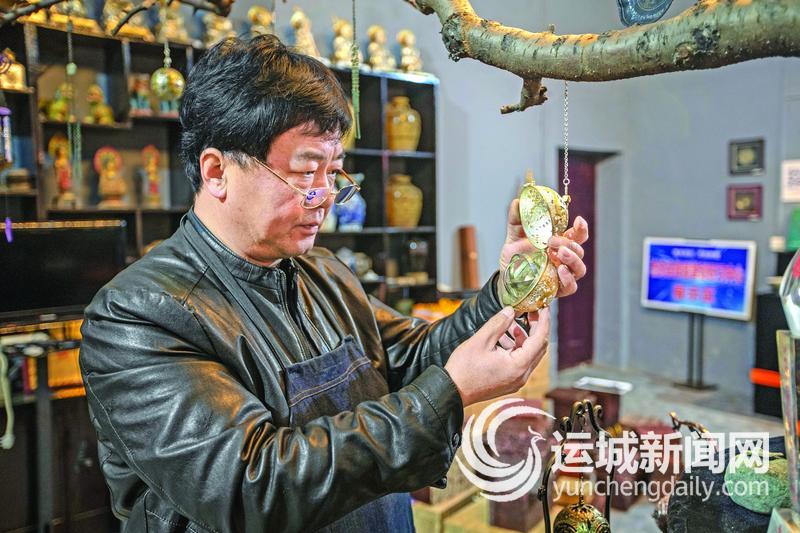
Core Insights - The traditional craftsmanship of gold and silver products in Wudui Village combines innovation with a commitment to cultural heritage, demonstrating that traditional industries can thrive in a modern economy [1][3] Group 1: Craftsmanship and Value Creation - The value of gold and silver craftsmanship lies in the meticulous handwork and the time-intensive processes involved, with some complex pieces taking months to complete, which enhances their uniqueness and scarcity [1] - Wudui Village emphasizes the importance of labor time in pricing, reflecting respect for artisans and rational pricing of scarce resources, allowing them to maintain a competitive edge in a market often driven by price wars [1] Group 2: Market Positioning and Diversification - The success of Wudui Village is attributed to its understanding of market demands, leading to a diverse product matrix that caters to various consumer groups, including cultural relic replicas, religious items, and everyday accessories [2] - This strategic positioning helps overcome the challenges of non-material cultural heritage, allowing gold and silver craftsmanship to penetrate multiple sectors such as consumption, business, and cultural exchange [2] Group 3: Innovation and Development - Wudui Village balances tradition with innovation, expanding product offerings to include various materials and appealing to younger consumers through creative products, while also enhancing distribution channels through immersive experiences and digital platforms [2] - The village's approach to preserving craftsmanship while fostering innovation has resulted in sustained revenue growth, demonstrating the potential for traditional industries to adapt and thrive [2] Group 4: Economic Empowerment through Heritage - The practices in Wudui Village illustrate that intangible cultural heritage can be a valuable asset for economic development, emphasizing the need to integrate traditional skills with modern market strategies for broader impact [3] - More non-material cultural heritage projects should follow the example of Wudui Village by preserving cultural roots, understanding market needs, and embracing innovation to achieve sustainable industrialization [3]
金银流转间 产业焕新颜
Xin Lang Cai Jing· 2026-02-09 05:09
Core Viewpoint - The article highlights the thriving gold and silver craftsmanship industry in Wudui Village, which has a rich history of nearly 200 years, emphasizing the importance of traditional techniques and innovation in driving economic value and market relevance [3][11]. Industry Overview - Wudui Village has developed an industry cluster centered around the intangible cultural heritage of gold and silver craftsmanship, with dozens of enterprises and workshops engaged in this field [3]. - The craftsmanship involves intricate manual processes, with products requiring extensive labor and time, leading to higher prices compared to mass-produced items [3][5]. Market Positioning - The core consumer groups for Wudui's gold and silver products include traditional culture enthusiasts, religious institutions, customized clients, and the general public, leading to a diverse product matrix of high-end customizations and mass-market offerings [6][8]. - The products are categorized into various types, including replicas of historical artifacts, Buddhist-themed items, and lifestyle products, catering to both collectors and everyday consumers [7]. Innovation and Growth - The industry is focused on innovation while preserving traditional techniques, introducing new materials and designs to meet diverse consumer preferences, particularly targeting younger demographics [9]. - Sales channels are diversified, with a strong emphasis on both offline experiences and online platforms, utilizing social media and e-commerce to reach a broader audience [10]. Economic Impact - The gold and silver craftsmanship not only preserves cultural heritage but also serves as a significant economic resource for the village, enhancing the livelihoods of local residents [11].

骐骥驰骋:以“马的精神”开辟中国式现代化新局面
Xin Lang Cai Jing· 2026-02-08 18:30
Core Concept - The article emphasizes the significance of the "spirit of the horse" as a representation of Chinese civilization, highlighting its attributes of resilience, hard work, and collective effort in the context of national development and cultural identity [1][17]. Group 1: Historical Context - The horse has been a companion to humans for over 6,000 years, with archaeological evidence of domesticated horses in China dating back approximately 4,000 to 3,600 years [2]. - Historical texts and practices, such as the governance of horse management in ancient China, illustrate the horse's integral role in the development of Chinese civilization and its military prowess [2]. - The characteristics of the Mongolian horse, such as endurance and loyalty, symbolize the dialogue between nomadic and agricultural cultures in China [2]. Group 2: Cultural Significance - The "spirit of the horse" embodies the essence of Chinese civilization, reflecting values such as perseverance, responsibility, and the pursuit of excellence [3]. - The concept of "self-improvement" and "thick virtue" are central to Chinese culture, with the horse serving as a metaphor for these ideals [3][13]. - The horse's attributes resonate with the collective spirit of the Chinese people, emphasizing unity and collaboration in achieving common goals [9][8]. Group 3: Modern Implications - The "spirit of the horse" is relevant in the context of China's modernization efforts, with the call for innovation and resilience in the face of challenges [4][7]. - The article discusses the importance of cultural self-awareness and the need to integrate the "spirit of the horse" into contemporary practices to foster national unity and progress [18]. - The achievements in various sectors, such as technology and infrastructure, are seen as manifestations of this spirit, showcasing the collective effort and determination of the Chinese people [7][12].
美到舍不得吃!“蒸”出来的非遗藏着最深的年味
Bei Jing Ri Bao Ke Hu Duan· 2026-02-07 04:03
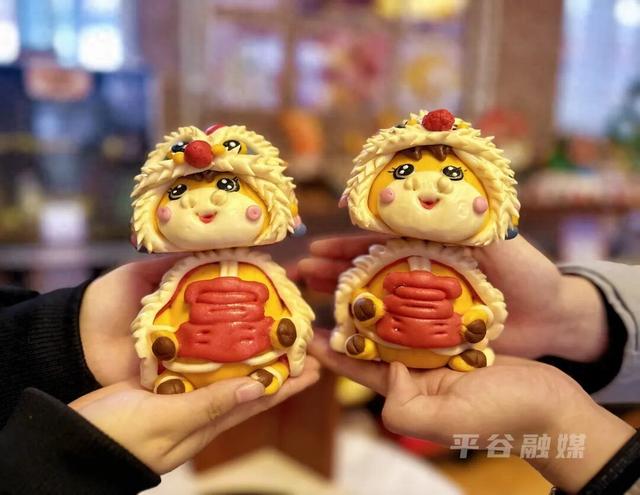
Core Viewpoint - The article highlights the innovative approach of Tong Guohua in the traditional craft of dough figurines, showcasing her successful product "Hongyun Fuli" gift box, which combines traditional artistry with modern consumer appeal [1][10]. Group 1: Product Innovation - The "Hongyun Fuli" gift box features dough figurines that are both visually appealing and practical, designed for easy consumption as snacks [10][11]. - The figurines are crafted with a focus on traditional aesthetics, incorporating a horse motif for the Year of the Horse, and are made with a recipe that retains the soft texture of traditional steamed dough [11]. Group 2: Artistic Techniques - Tong Guohua integrates traditional Chinese painting techniques into her dough figurine creations, resulting in unique designs that are both artistic and meaningful [3]. - Her work is categorized into two series: one focusing on artistic and ornamental dough shapes, and the other on health-oriented dough products that incorporate high-quality ingredients like Pinggu peaches and quinoa [3]. Group 3: Recognition and Community Engagement - Tong Guohua has received multiple accolades, including recognition as a Beijing-level intangible cultural heritage workshop and an expert in the Beijing-Tianjin-Hebei skilled talent pool [8]. - She has established a skills master studio in Pinggu, promoting the craft among students and offering training programs for marginalized groups, thereby enhancing community engagement and skill development [8][14]. Group 4: Future Plans - The company plans to continue developing products that reflect the cultural heritage of Pinggu, focusing on health-oriented dough figurines that can serve as both cultural symbols and sources of income for local artisans [14].
五粮液:凝聚和美力量仰首阔步迈向新时代伟大征程
Sou Hu Cai Jing· 2026-02-06 04:39
Core Viewpoint - The company, Wuliangye Group, reflects on its achievements in 2025 and sets ambitious goals for high-quality development in 2026, emphasizing stability and progress in its operations [2]. Group 1: Achievements in 2025 - The company maintained a strong focus on quality, receiving the "Fifth China Quality Award Nomination" and the highest score in the "EFQM Global Award" [4]. - Wuliangye was included in the first batch of China's consumer goods list by the Ministry of Industry and Information Technology and ranked 216th in the "World Brand 500" list, maintaining a AAA+ rating for brand value strength [4]. - The company achieved international leadership in two wine industry innovations and launched three new yeast strains globally, while also being recognized as the top company in China's light industry food sector [4]. Group 2: Future Goals for 2026 - In 2026, the company aims to focus on three major industry sectors: wine and its supporting industries, advanced manufacturing, and modern services, with a commitment to quality improvement and efficiency [5]. - The company plans to continue enhancing the Wuliangye brand value and promoting Chinese wine culture on a global scale [7].


广西人大代表伍思亭:以微短剧之“新”促非遗“破圈”
Zhong Guo Xin Wen Wang· 2026-02-03 08:52
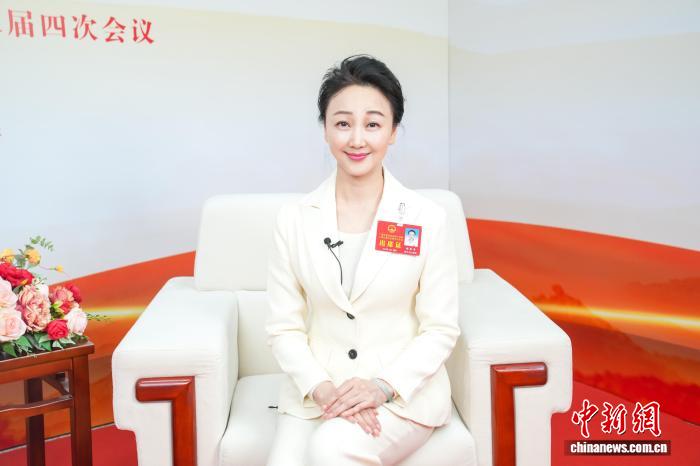
Core Viewpoint - The rise of short videos and micro-dramas presents an opportunity to promote traditional performing arts and intangible cultural heritage, addressing challenges such as aging audiences and fragmented dissemination [3][4]. Group 1: Challenges in Traditional Performing Arts - Traditional opera faces issues of audience aging, fragmented communication, and limited performance settings [3]. - The government report emphasizes the integration of emerging cultural industries like micro-dramas with tourism [3]. Group 2: Opportunities through Micro-Dramas - Micro-dramas can effectively connect with the fragmented consumption habits of younger audiences, offering a "short and quick" format to overcome the "long and slow" nature of traditional opera [3][4]. - The fusion of opera and micro-dramas can create micro-theater experiences that preserve authentic singing styles while allowing audiences to quickly appreciate the charm of traditional arts [4]. Group 3: Technological Empowerment - Utilizing technologies like VR and interactive storytelling can transform audiences from passive viewers to active participants, enhancing the appeal of intangible cultural heritage [4]. - Successful micro-dramas can be converted into cultural tourism IPs, promoting both heritage and local tourism [4]. Group 4: Balancing Tradition and Innovation - The "Three No Principles" have been established to maintain the integrity of traditional opera while innovating its presentation: no alteration of core techniques, no distortion of cultural values, and no catering to vulgar tastes [5]. - Collaboration with platforms like Douyin and Bilibili will ensure that content remains youthful yet tasteful [5].
守正创新“武”出时代感
Xin Lang Cai Jing· 2026-01-30 21:52
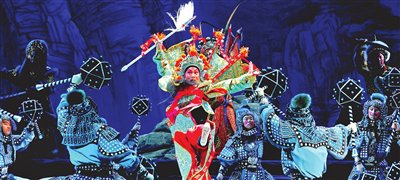
Core Viewpoint - The newly premiered Peking opera "Luan An Zhong Hun" showcases the unique charm of Tianjin's martial arts opera, blending traditional storytelling with modern artistic expression, aiming to revitalize the genre and attract new audiences [3][4] Group 1: Production Details - The opera is based on the story of Song Dynasty general Lu Deng, emphasizing themes of loyalty and heroism [3] - The creative team includes notable figures such as Zhang Youlin as artistic director and Wang Daxing, a successor of the Zhang school of martial arts opera, playing the lead role [3] - The production involved field research in Shanxi to integrate local storytelling with traditional opera elements, enriching character development and plot diversity [3] Group 2: Artistic Expression - The performance merges traditional opera aesthetics with modern stage techniques, creating a visually impactful experience that highlights the vitality of Peking opera [4] - The choreography retains the Zhang school style while introducing innovative visual elements, showcasing the depth of Tianjin's martial arts opera [4] - The music incorporates various Peking opera styles to reflect the characters' emotions, enhancing the overall narrative through song and dance [4] Group 3: Audience Reception and Future Plans - The performance received positive feedback from young audiences, indicating a successful engagement with new viewers [4] - The Tianjin Peking Opera Theatre aims to continue refining the production, aspiring to create a distinctive and profound work that reflects the artistic heritage of Tianjin [4]
代表委员心声丨守正创新 推动中医药事业高质量发展
He Nan Ri Bao· 2026-01-29 23:33
Core Viewpoint - The government work report emphasizes the acceleration of building national medical centers focused on traditional Chinese medicine (TCM), aiming to establish these centers as leading platforms for clinical medicine, talent cultivation, innovation, and the development of the health industry [1] Group 1: National Medical Center Development - The national medical center is a high-level medical platform established by the National Development and Reform Commission, the National Health Commission, and the National Administration of Traditional Chinese Medicine, representing the highest level of medical technology in China [1] - The 14th Five-Year Plan, approved by the 20th Central Committee, highlights the importance of promoting the inheritance and innovation of TCM and the integration of traditional and Western medicine [1] Group 2: High-Quality Development of TCM - The core of TCM development is to maintain integrity while innovating, focusing on building a complete industrial chain to enhance the value of TCM [1] - In the field of major disease prevention and treatment, there is a need to strengthen the collaboration between traditional and Western medicine [1] Group 3: Focus Areas for National Medical Centers - The national medical center (TCM) should concentrate on key areas, tackling major difficult diseases and clinical bottlenecks to achieve national leadership in the treatment of critical and complex conditions [1] - The goal is to produce internationally influential results that promote the high-quality development of TCM [1]
百年工艺承文脉 三代情牵年味长
Xin Lang Cai Jing· 2026-01-29 22:57
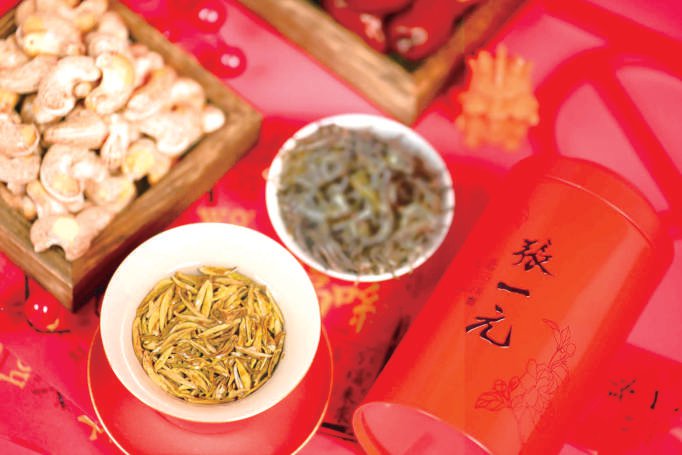
Core Viewpoint - The article highlights the enduring legacy and emotional connection associated with Zhang Yiyuan tea, particularly its jasmine tea, as it continues to bridge generations in Beijing during the festive season [6][12]. Group 1: Brand Heritage and Consumer Connection - Zhang Yiyuan tea has been a staple in Beijing for over a century, symbolizing familial bonds and cultural heritage, especially during the Spring Festival [6][12]. - The brand's jasmine tea is not just a beverage but a nostalgic reminder of past hardships and cherished memories for older generations, as illustrated by the experiences of long-time customers like Mr. Fu [6][7]. - The transition from traditional tea consumption methods to modern packaging and product offerings reflects the brand's commitment to innovation while maintaining its core values [8][12]. Group 2: Product Evolution and Market Adaptation - The introduction of new products like "Longhao" tea and modern tea drinks caters to changing consumer preferences, particularly among younger generations [7][10]. - Zhang Yiyuan has expanded its product line to include various tea types and innovative packaging, such as sealed cans, to enhance freshness and convenience for consumers [8][10]. - The brand's marketing strategies have evolved to engage younger audiences through social media and interactive campaigns, ensuring the traditional tea culture remains relevant [10][12]. Group 3: Generational Consumption Patterns - The article illustrates how different generations enjoy Zhang Yiyuan tea in distinct ways, from traditional brewing methods to modern tea drinks, yet all share a common appreciation for the brand [9][11]. - Younger consumers, like Song Xiaoyu, are embracing new tea formats while still valuing the cultural significance of the brand, showcasing a blend of tradition and modernity [9][10]. - The familial aspect of tea consumption is emphasized, with multiple generations participating in the ritual of purchasing and enjoying Zhang Yiyuan tea together during the festive season [11][12].
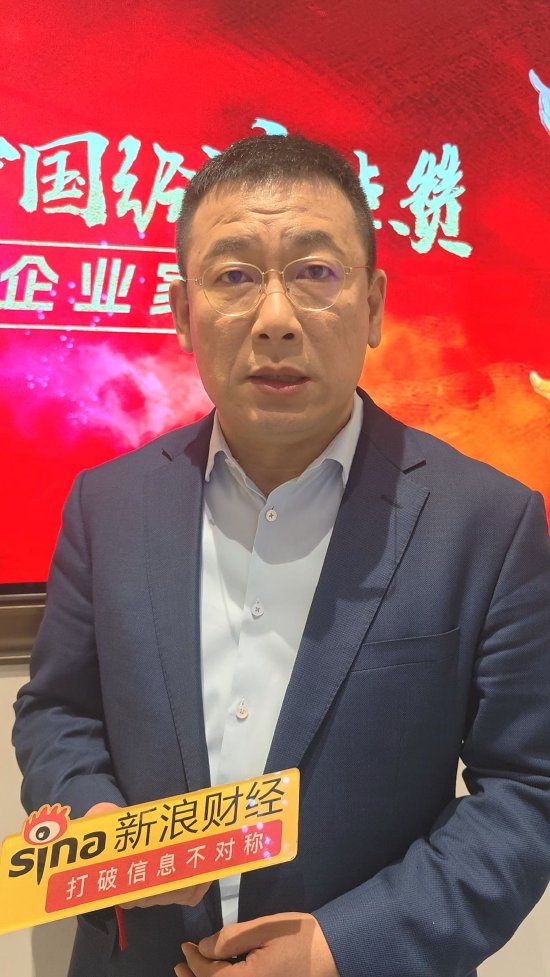
对话全聚德总经理周延龙:什么才是真正的守正创新?
Xin Lang Cai Jing· 2026-01-29 12:23
Core Viewpoint - The event "Praise for China's Economy - Entrepreneur Night" held on January 29 in Beijing highlighted the resilience and innovation of companies amidst market fluctuations in 2025 [1][4]. Group 1: Company Insights - The General Manager of Quanjude Group, Zhou Yanlong, emphasized the importance of adhering to correct business practices despite significant market volatility throughout 2025 [1][4]. - Quanjude Group has focused on integrating cultural commerce, tourism, and exhibitions while continuously launching new scenes and dishes as part of their strategy [1][4]. - The company has acknowledged past experiences, recognizing both successful choices and less suitable directions taken over the last five years, reinforcing their commitment to "guarding innovation" in 2025 [1][4]. Group 2: Market Dynamics - The reshaping of the consumer market has created numerous opportunities for businesses, as highlighted by Zhou Yanlong [1][4]. - Companies are facing pressure from two main sources: the external environment and internal challenges, which they must navigate to maintain momentum [1][4]. - Even in favorable market conditions, it is crucial for companies to sustain pressure as it drives motivation and innovation, which is seen as a key reason for future progress [1][4].