
投贷联动

Search documents
开年,银行股权投资“加速跑”!
Sou Hu Cai Jing· 2026-01-11 10:03
Group 1 - The domestic equity investment market in China is undergoing structural changes, with major institutions like Bank of China allocating 10 billion yuan to key core technology sectors [1] - The "Pudong Innovation Chapter" direct investment fund has been established with a total scale of 500 million yuan, focusing on strategic emerging industries such as artificial intelligence and new energy [1] - The fund's limited partners include strong players like Shanghai Trust and Pacific Insurance Group, enhancing the investment ecosystem [1] Group 2 - Bank of China has launched the "Integrated Cultivation Plan," which aims to support high-level technological self-reliance with a total allocation of 60 billion yuan, including 10 billion yuan for equity investment [2] - The plan will initially pilot in five cities and aims to nurture at least 100 high-quality enterprises with key core technologies [2] - The funding pool combines equity and credit resources to provide comprehensive support throughout the enterprise lifecycle [2] Group 3 - The "Integrated Cultivation Plan" aligns with the 14th Five-Year Plan, focusing on sectors like integrated circuits and artificial intelligence, prioritizing companies involved in national technology projects [3] - The establishment of equity investment companies by banks addresses the financing gap for technology innovation enterprises, which often face limitations in traditional credit support [3] - The plan emphasizes the need for banks to enhance their project discovery and valuation capabilities through specialized operations [3] Group 4 - State-owned banks are actively expanding their "investment-loan linkage" business, providing a comprehensive financial service system for technology enterprises [4] - This approach not only supports the lifecycle of enterprises but also promotes the development of related banking services, enhancing asset yields and increasing non-interest income [4] - The "investment-loan linkage" strategy is seen as a way to address the challenges posed by declining interest margins [4]

告别舒适区,银行从“债主”变身“股东”
Xin Lang Cai Jing· 2026-01-03 12:02
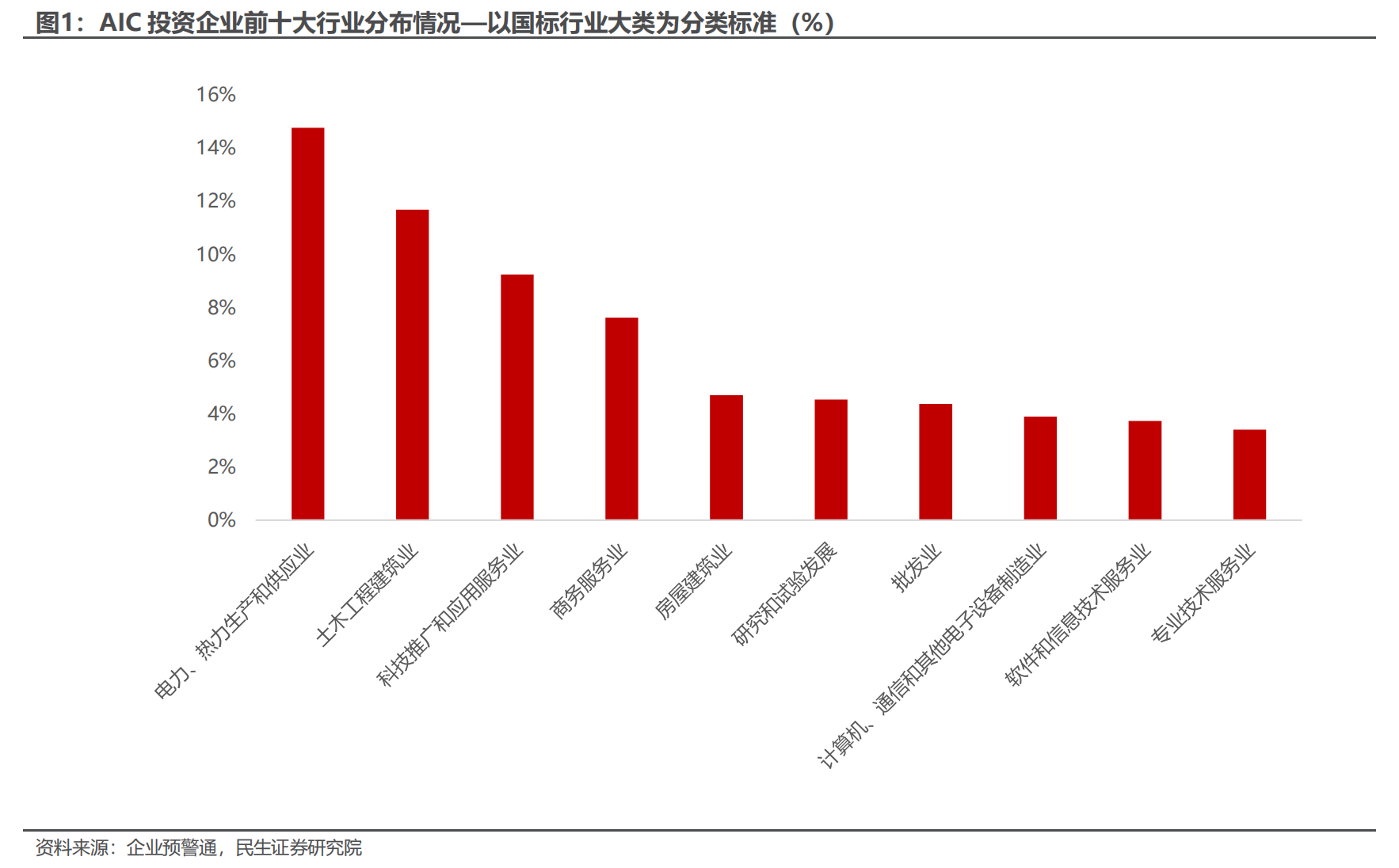
Core Insights - The investment of 500 million yuan by China Merchants Bank's subsidiary, CM Investment, in Deep Blue Automotive marks a significant shift in the banking sector from traditional interest margin earnings to equity investments, reflecting a broader trend in the industry [1][2] Group 1: Investment Trends - CM Investment's acquisition of a 2.42% stake in Deep Blue Automotive is seen as a pioneering move for banks to engage directly in equity investments through Asset Investment Companies (AICs) [1] - The establishment of AICs is viewed as a response to declining net interest margins, which have fallen from approximately 2.5% in 2015 to below 1.8% by 2025, prompting banks to seek new growth avenues [6] - AICs are expected to play a crucial role in supporting the real economy through equity investments, with total registered capital exceeding 100 billion yuan across various banks [2][6] Group 2: Strategic Focus - AICs are concentrating their investments in strategic emerging industries, particularly in sectors like renewable energy, new information technology, and high-end equipment manufacturing, aligning with national policies [8][10] - The investment strategy of AICs emphasizes a diversified approach, with around 80% of holdings below 50% and nearly 40% under 5%, indicating a preference for strategic partnerships rather than outright control [8][9] Group 3: Financial Performance - AICs demonstrate significantly higher profitability, with an average return on assets (ROA) of 3.05% projected for the five major state-owned banks' AICs by the end of 2024, compared to just 0.74% for traditional banking operations [7] - The shift from being creditors to equity holders allows banks to align their interests more closely with the long-term growth of enterprises, enhancing their ability to navigate economic cycles [7][10] Group 4: Market Impact - The rise of AICs is expected to transform the financial landscape, reducing reliance on retail investors and increasing the role of institutional investors, which may lead to greater market stability and efficiency [10][11] - AICs are filling a critical financing gap for innovative, asset-light companies that struggle to secure traditional bank loans, thereby fostering a positive cycle between technology, industry, and finance [10]


创新科技金融服务驱动“科技—产业—金融”良性循环
Guo Ji Jin Rong Bao· 2025-12-31 13:16
Core Insights - The central theme of the news is the emphasis on innovation-driven economic growth in 2026, particularly through the enhancement of technology financial services as a key focus of the Central Economic Work Conference [1] Group 1: Innovation in Financial Services - The core of innovative technology financial services is to establish a virtuous cycle between technology, industry, and finance, ensuring that financial resources are accurately matched to the development needs of hard technology enterprises throughout their lifecycle [2] - In 2025, significant explorations were made in technology financial services, including the launch of the National Venture Capital Guidance Fund, which has reached a scale of one trillion yuan, focusing on seed, startup, and early-stage enterprises [1][2] - The expansion of financial asset investment company (AIC) equity investment trials to 18 cities nationwide aims to guide bank capital to invest early, small, and in hard technology [1][2] Group 2: Financing Mechanisms - The establishment of a knowledge property pledge financing mechanism is crucial, with initiatives such as trial programs for "pre-compensation" loans for light asset technology enterprises to gain more financing support [2][4] - The exploration of innovative financing tools includes the promotion of knowledge property pledge financing, which has shifted from being merely feasible to being more practical, with standardized processes for patent and trademark pledges [3][5] - The introduction of a bond market "technology board" has seen nearly 100 institutions issue over 250 billion yuan in technology innovation bonds within seven months [3] Group 3: Long-term Capital Cultivation - The government is focused on cultivating "patient capital" to guide long-term investments into early and mid-stage hard technology sectors, establishing a closed-loop system for fundraising, investment, management, and exit [9] - The National Venture Capital Guidance Fund is designed with a 20-year duration, directing 70% of its funds towards seed and startup phases, alongside optimizing state-owned capital assessments [9][10] - The capital market is expected to support hard technology enterprises in their IPO processes, with measures to enhance the inclusivity of unprofitable, high-R&D companies [10][11] Group 4: Collaborative Financial Models - The "investment-loan linkage" model encourages collaboration between banks and investment institutions, integrating credit lending with equity investment to share risks and returns [6][7] - The "insurance-investment linkage" model aims to combine insurance with investment to mitigate risks associated with technology financing, enhancing banks' willingness to lend [7][8] - In 2026, the expansion of the "investment-loan linkage" and "insurance-investment linkage" trials will prioritize regions with concentrated technology enterprises and active equity investment [8]
普惠金融“体系化”:从“量增面扩”到“质价双优”
Zhong Guo Jing Ying Bao· 2025-12-31 03:36
Core Insights - The development of inclusive finance in China is showing a positive trend characterized by increased volume, expanded coverage, reduced costs, and improved quality [1] - By the end of Q3 2025, the balance of inclusive loans for small and micro enterprises reached 36.5 trillion yuan, a year-on-year increase of 12.1% [1] - The balance of inclusive agricultural loans reached 14.1 trillion yuan, with an increase of 1.2 trillion yuan since the beginning of the year [1] Group 1: Policy and Regulatory Framework - The National Financial Supervision Administration issued a notice in May 2025 emphasizing reasonable loan pricing and the need for a differentiated supply structure [2] - In June 2025, a joint implementation plan was released, outlining 16 specific measures for the development of inclusive finance over the next five years [2] Group 2: Service System Optimization - The plan includes optimizing the inclusive financial service system by establishing a multi-tiered, widely covered, and differentiated institutional framework [3] - It aims to enhance financial services in rural areas and improve monitoring and guidance for county-level financial services [3] Group 3: Credit System Enhancement - The plan focuses on improving the inclusive credit management system and enhancing the quality of credit services for small and micro enterprises [4] - It emphasizes the need for increased credit support for agriculture and rural areas, as well as for poverty alleviation efforts [4] Group 4: Insurance System Development - The plan calls for the establishment of a specialized management system for inclusive insurance and the development of diverse insurance products tailored to small and micro enterprises [5] - It aims to improve the quality of inclusive insurance services and streamline underwriting processes [5] Group 5: Competitive Landscape and Innovation - The regulatory focus is shifting from mere expansion to a more nuanced and sustainable approach, requiring financial institutions to clarify their roles and paths [6] - Large commercial banks are expected to lead innovation, while local banks should focus on serving small and micro enterprises [6] Group 6: Differentiated Regulation - There is a call for differentiated regulation based on the systemic importance and resource endowments of financial institutions, encouraging small banks to focus on local markets [7] - The emphasis is on supporting innovation in specific areas like technology finance and inclusive finance [7] Group 7: Product and Service Innovation - Financial institutions are encouraged to innovate in products and services to meet diverse financial needs, including promoting investment-loan linkage models [8] - The development of government-backed financing guarantee systems is also highlighted to enhance the capacity of these institutions [8] Group 8: Strategic Focus for Small Banks - Small banks are advised to concentrate on their core responsibilities and avoid a "one-size-fits-all" approach, focusing on quality in credit delivery [9] - They should leverage their local advantages to build unique customer bases and enhance their competitive edge [9]
深蓝汽车完成增资扩股,招商银行AIC投资5亿元
Guan Cha Zhe Wang· 2025-12-30 08:00
Core Viewpoint - Changan Automobile's subsidiary, Deep Blue Automotive Technology Co., Ltd., successfully completed a C-round financing of 6.122 billion yuan, with a notable 500 million yuan investment from the newly established China Merchants Bank Financial Asset Investment Co., Ltd. [1] Group 1: Financing Details - The total financing amount for Deep Blue Automotive reached 6.122 billion yuan, with a significant 500 million yuan investment from China Merchants Bank Financial Asset Investment Co., Ltd. [1] - China Merchants Bank Financial Asset Investment Co., Ltd. is one of the first batch of financial asset investment companies (AIC) approved by the National Financial Supervision Administration, with a registered capital of 15 billion yuan [2]. Group 2: Strategic Implications - The establishment of China Merchants Bank's AIC reflects a broader trend of banks engaging in equity investments, enhancing their role from traditional debt financing to a comprehensive financial service provider [3]. - The investment in Deep Blue Automotive aligns with national policies supporting the development of the new energy vehicle industry and aims to explore innovative service models such as "debt-equity linkage" [4]. Group 3: Company Performance - Deep Blue Automotive reported a revenue of 20.654 billion yuan in the first half of 2025, with a net loss of 553 million yuan, indicating a significant reduction in losses compared to the previous year's total loss of 1.572 billion yuan [5]. - As of June 30, 2025, Deep Blue Automotive's total assets amounted to 26.095 billion yuan, while total liabilities reached 30.141 billion yuan, resulting in a negative equity of approximately 4.046 billion yuan [5].

招商银行旗下AIC出资5亿元参与深蓝汽车增资扩股
Zheng Quan Ri Bao Wang· 2025-12-29 13:29
Core Viewpoint - The direct equity investment by the financial asset investment companies (AIC) of joint-stock banks has made substantial progress, exemplified by the investment of China Merchants Bank's subsidiary in Deep Blue Automotive, indicating a trend of deep integration between financial capital and the real economy [1][2]. Group 1: Investment Details - China Merchants Bank's AIC, established in July 2023, has made its first direct investment in a new energy project by investing 500 million yuan in Deep Blue Automotive, marking a significant operational efficiency in equity investment [2][3]. - The total fundraising for Deep Blue Automotive's capital increase amounts to 6.122 billion yuan, with China Merchants Bank contributing 500 million yuan and Chongqing Yufu Holding Group contributing 2.5 billion yuan, maintaining the shareholding structure post-investment [2]. Group 2: Strategic Implications - The investment aligns with national policies supporting the new energy vehicle industry, aiming to enhance R&D capabilities and innovate core technologies in smart and electric vehicles [4]. - The focus on the new energy vehicle sector is strategic, as the market is experiencing high growth, and Deep Blue Automotive holds a leading position in autonomous driving technology [4]. Group 3: Market Dynamics - The entry of three new AICs from joint-stock banks is expected to inject more "patient capital" into the technology innovation sector, altering the competitive landscape of the AIC market [5]. - Future competitive capabilities for AICs will hinge on industry expertise, risk management, collaborative integration, and long-term value cultivation through post-investment management [6].
成立两年、近亿元融资,上海银行“以投定贷”精准滴灌锂电材料“新星”
第一财经网· 2025-12-27 02:49
臻锂新材主要专注于研发新能源电池关键材料,最终产品应用于新能源电车、储能以及人工智能、机器 人等前沿领域。 臻锂新材创始人、董事长兼总经理李骁博毕业于上海交大机械与动力工程学院,长期从事涂层真空沉积 技术研究。2005年,上海交大成立了涂层技术小组,主要研发高性能、高效率的真空涂层制备技术,李 骁博就是该技术小组的核心成员。 目前,臻锂新材正处于初创期,其主要产品复合集流体已实现中试批量化生产。李骁博说,这个阶段, 企业往往还没有进化出很强的"造血"功能,金融的加持就变得至关重要。"我们既欢迎股权融资,也期 待债权融资,上海银行就是一个很好的债权融资伙伴,他们不仅熟悉我们所处的行业,同时还基于企业 发展阶段给出有针对性的金融服务。"李骁博说。 从中试走向投产的关键力量 2023年,李骁博创立了臻锂新材,主要瞄准锂电池复合集流体和新能源材料研发。事实上,其团队早在 2022年就已经开发出了应用于超薄柔性聚合物基膜的第一代磁控溅射一步干法工艺,不仅提升了镀层致 密性和膜基结合力,还显著降低了成本。2024年,李骁博团队在第一代的基础上研发出了第二代复合集 流体。 位于苏州工业园区的苏州臻锂新材科技有限公司(下称" ...

上海市中小微企业融资畅通系列活动之金融赋能科技型中小企业专场活动成功举办
Xin Lang Cai Jing· 2025-12-26 12:21
Core Insights - The event focused on empowering technology-based small and medium-sized enterprises (SMEs) in Shanghai through financial support and investment opportunities [1][6] - The Shanghai Municipal Financial Office, along with local authorities and investment institutions, aimed to enhance financing channels for SMEs in sectors like integrated circuits, biomedicine, and new materials [1][6] Group 1: Financial Support Policies - The Shanghai Municipal Development and Reform Commission introduced new financial support measures to aid the high-quality development of the real economy, including support for institutional clustering, mergers and acquisitions, and special loan interest subsidies [3][8] - The event highlighted the importance of equity investment paths and key focus areas shared by representatives from investment institutions [3][8] Group 2: Company Presentations and Interactions - Eight companies, including Shanghai Linzhong Electronic Technology Co., Ltd. and Ideal Crystal Extension Semiconductor Equipment (Shanghai) Co., Ltd., presented their projects, showcasing technological innovations, core products, financial status, previous financing, and current funding needs [4][9] - Investment institutions engaged in discussions about various technological applications, including solid-state transformers and atomic layer deposition equipment, emphasizing the importance of core technology advantages and governance structures for SMEs seeking equity investment [4][9] Group 3: Future Directions - The event served as a conclusion to the annual series aimed at facilitating financing for SMEs, exploring new paths for "inclusive finance" and "technology finance" [5][10] - The Shanghai Municipal Financial Office plans to continue providing platforms for trend insights, resource connections, and efficient financial services to support the high-quality development of the real economy [5][10]

光大银行表态“稳步筹划”AIC,此前曾持续探索“投贷联动”
Hua Er Jie Jian Wen· 2025-12-25 05:29
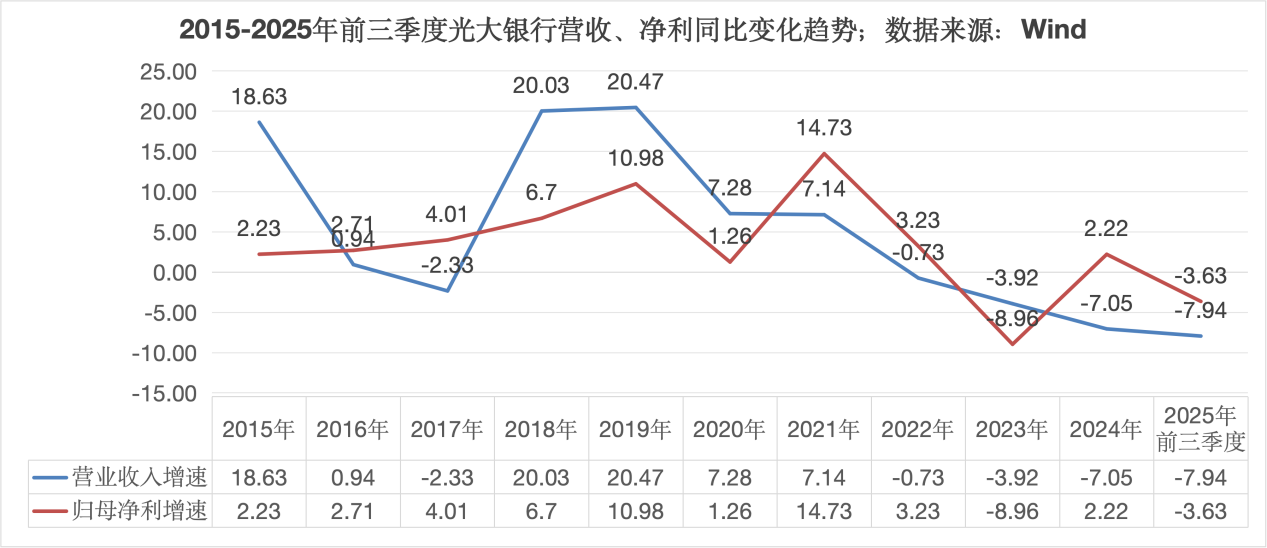
Core Viewpoint - The establishment of Asset Investment Companies (AICs) by banks is expanding, with the potential for increased investment in equity and support for technology-driven enterprises, enhancing service to the real economy [1][2]. Group 1: AIC Establishment and Operations - Everbright Bank is planning to establish an AIC and is in communication with regulatory bodies to advance this initiative [1]. - As of now, eight bank-affiliated AICs are operational, with major banks like China Merchants Bank, Industrial Bank, and CITIC Bank having launched their AICs with registered capital of 15 billion, 10 billion, and 10 billion respectively [1]. - The regulatory support for AICs is set to expand by March 2025, allowing national banks to establish AICs and broadening the scope of equity investment [1]. Group 2: Competitive Advantages of AICs - China Merchants Bank leverages its extensive experience and mature team for equity investments [3]. - Industrial Bank has a rich reserve of project resources, enhancing its ability to integrate production and finance through AICs [5]. - CITIC Bank focuses on group synergy, utilizing its comprehensive financial resources to enhance its investment capabilities [6]. Group 3: Everbright Bank's Strategy and Challenges - Everbright Bank has been exploring equity investment through its Hong Kong subsidiary and has seen success in private equity projects [4][12]. - The bank's loan balance for technology enterprises grew nearly 10% in the first half of 2025, indicating a strong focus on supporting innovation [22]. - Despite challenges such as declining profitability and increased credit impairment provisions, Everbright Bank is committed to transforming into a leading wealth management bank [20][14]. Group 4: Future Prospects and Strategic Importance - The AIC license is expected to fill gaps in Everbright Bank's service offerings, particularly in providing comprehensive financing solutions for technology and startup enterprises [23]. - The bank aims to convert the growth dividends of technology enterprises into products for high-net-worth clients, enhancing its wealth management services [23]. - The leadership structure of the new AIC will be crucial for its future operations, with attention on who will lead the initiative if approved [26].

实业为基 创新为核 江西抚州现代化产业体系加速形成
Jing Ji Ri Bao· 2025-12-24 22:38
Group 1 - The core objective of Fuzhou City is to build a "modern manufacturing strong city" by promoting project construction, technological innovation, and industrial clusters as a three-pronged approach [1] - In the first ten months of the year, the city's industrial added value above designated size grew by 11% year-on-year, maintaining double-digit growth for 28 consecutive months [1] - The five leading industries, including new energy vehicles, advanced manufacturing, new materials, pharmaceuticals and food, smart cultural tourism, and characteristic agriculture and deep processing, saw a year-on-year output growth of 16.5% [1] Group 2 - To strengthen industrial support, Fuzhou High-tech Zone and Donglin New District are accelerating infrastructure construction to concentrate resources on industries [1] - Jiangxi Copper Technology Co., Ltd. has expanded its production capacity from 15,000 tons to a planned total capacity of 70,000 tons since settling in Fuzhou in 2016, achieving large-scale production of 4.5-micron lithium battery copper foil [1] - The city has optimized its industrial financial ecosystem by innovating the "investment-loan linkage" mechanism, injecting 680 million yuan to support key project upgrades, and issuing 400 million yuan in sci-tech bonds [1] Group 3 - Fuzhou has established a dynamic monitoring mechanism for key enterprises and improved the "chain leader system" to implement precise services for each enterprise, ensuring accelerated project construction [1] - The expected growth rate of industrial added value above designated size for the year is projected to remain above 11% [1] - The city is committed to seizing opportunities from the new round of technological revolution and industrial transformation, focusing on enhancing industrial competitiveness [2]