
新兴支柱产业

Search documents
国资央企发力2026年:推进并购重组,谋划新兴产业 研究起草关于推动中央企业培育新兴支柱产业的工作文件
Shang Hai Zheng Quan Bao· 2026-01-28 18:38
Group 1 - The core focus of the State-owned Assets Supervision and Administration Commission (SASAC) is to promote high-quality development of central enterprises by restructuring and integrating state-owned capital, aiming to build more world-class enterprises by 2026 [1][2] - SASAC plans to support the integration of enterprises with strong innovation capabilities, facilitating horizontal and vertical integration within industries to reduce internal competition and enhance efficiency [2][3] - The central enterprises will engage in high-quality mergers and acquisitions to acquire core resources and accelerate the development of strategic emerging industries [2][3] Group 2 - Central enterprises will focus on key sectors such as artificial intelligence, aerospace, and quantum technology, with plans to advance the "AI+" initiative and enhance infrastructure for high-quality development [3][4] - The SASAC is drafting a document to guide central enterprises in cultivating emerging pillar industries, aiming for a leap in the overall layout of state-owned economy [5][6] - The new strategy will likely include a special assessment mechanism for long-term investments in key areas, addressing the conflict between long-term strategies and short-term financial performance [5][6] Group 3 - SASAC emphasizes a differentiated approach to developing strategic emerging industries, focusing on various categories such as leading, growing, and advantageous industries [6] - The commission aims to enhance collaboration across the innovation chain and promote the integration of industry and finance to support the development of a resilient emerging industry ecosystem [6]
地方两会时间开启 谋划2026年稳增长“施工图”
Xin Hua She· 2026-01-28 13:41
地方两会时间开启 谋划2026年稳增长"施工图" 经济参考报记者汪子旭、叶健 强化科技创新支撑引领、构建现代化产业体系也在各地2026年重点工作中居于重要位置。其中,多地重 点提及"科技成果应用转化"。 广东着眼打造具有全球影响力的产业科技创新中心,提出要大力推进新技术、新产品、新业态、新模式 的创新应用,完善首台套首批次首版次应用支持政策。北京强调加快重大科技成果高效转化应用,提升 概念验证、中试孵化等平台服务能力。 值得注意的是,多地重点提及了加快推动人工智能推广应用。浙江省今年的政府工作报告不仅提及"阿 里千问、DeepSeek等通用模型性能全球领先",还提出推动人工智能创新发展,特别是推动场景资源开 放和大规模应用,并明确人工智能核心产业营收增长20%以上。数据显示,2025年浙江省人工智能核心 产业营收6800亿元左右,按此目标计算,2026年将有望超8000亿元。广东也强调加快推进人工智能全域 全时全行业高水平应用,在芯片、算力、算法、数据、应用等领域固本强基、培优增效,加快做强产业 全链条。 "如今,芯片、操作系统、数据库、基础大模型等核心技术,日益成为未来竞争的决定性因素。在研发 投入强度上实 ...
关于金融服务数据开放、人工智能,国资委最新表态|宏观经济
清华金融评论· 2026-01-28 09:10
Core Viewpoint - The State-owned Assets Supervision and Administration Commission (SASAC) of the State Council emphasizes the high-quality development of state-owned enterprises (SOEs) by 2025, focusing on restructuring, innovation, and the cultivation of emerging industries to support China's economic goals [2][3][4]. Group 1: Financial Performance and Growth - By the end of 2025, the total assets of central enterprises are expected to exceed 95 trillion yuan, with a profit of 2.5 trillion yuan and fixed asset investment of 5.1 trillion yuan [3][4]. - The average annual growth rate of central enterprises' total assets during the 14th Five-Year Plan period is 6.9%, with a 44.6% increase in value added compared to the previous five years [4]. - The total profit of central enterprises reached 12.7 trillion yuan, marking a 56.2% increase from the 13th Five-Year Plan period [4]. Group 2: Strategic Initiatives and Restructuring - SASAC plans to solidify the formation of new central enterprises and strategic restructuring, focusing on professional integration and high-quality mergers and acquisitions [3][5]. - The restructuring of central enterprises aims to enhance their roles in strategic security, industry leadership, and public service [6][7]. - The SASAC is also working on a document to promote the cultivation of emerging pillar industries, guiding central enterprises towards significant project investments and breakthroughs in key areas [9][8]. Group 3: Innovation and Emerging Industries - By 2025, revenue from strategic emerging industries of central enterprises is projected to exceed 12 trillion yuan, with an investment of 2.5 trillion yuan, accounting for 41.8% of total investments [9][8]. - The SASAC is focusing on a systematic layout and leapfrog development of emerging industries, with differentiated core tasks for various industry categories [9][8]. - The central enterprises are expected to enhance their investment in artificial intelligence (AI) and related technologies, with a strategic plan for the 15th Five-Year Plan period [11][10]. Group 4: Data Resource Development - There is a commitment to accelerate the opening and development of data resources in key areas such as transportation logistics and financial services [10][11]. - The SASAC aims to create a collaborative ecosystem that integrates industry and technology, enhancing the overall efficiency and competitiveness of central enterprises [11][10].

国务院国资委答每经问:2026年央企要确保增加值持续增长 力争与国家GDP增速相匹配
Mei Ri Jing Ji Xin Wen· 2026-01-28 08:11
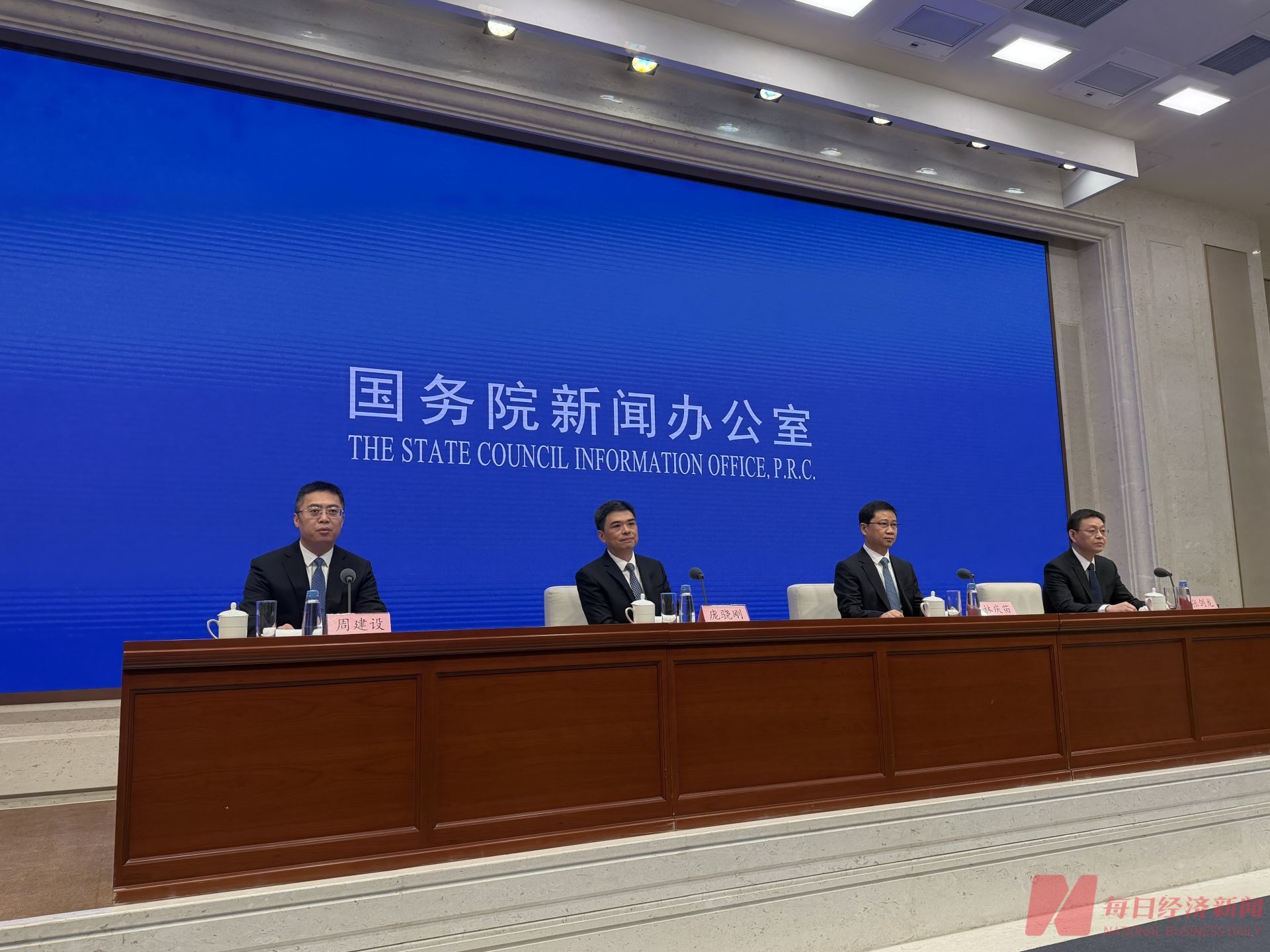
1月28日,国务院新闻办公室举行新闻发布会,请国务院国资委介绍2025年国资央企高质量发展情况。 国务院国资委副主任庞骁刚在现场介绍,截至2025年底,中央企业资产总额突破95万亿元,2025年实现利润总额2.5万亿元,完成固定资产投资5.1万亿元, 上交税费2.5万亿元,有效带动产业链上下游企业融通发展,为我国顺利完成经济社会发展主要目标任务提供了有力支撑。 2026年是"十五五"规划的开局之年,面对新形势新任务,如何进一步推进国资央企高质量发展,为实现"十五五"良好开局发挥作用? 庞骁刚回答《每日经济新闻》记者现场提问时表示,2026年中央企业高质量发展目标是"两个确保、两个力争":确保增加值持续增长,力争与国家GDP增速 相匹配;确保"一利五率"经营指标(利润总额、营业收现率、净资产收益率、研发经费投入强度、全员劳动生产率、资产负债率)稳中向好,力争总体优 化。 另外,强化改革攻坚,不断激发高质量发展活力。按照进一步深化国资国企改革方案的部署,持续完善中国特色现代企业制度,加快建立国有企业履行战略 使命的评价制度,着力优化企业管理运行体系,深化企业三项制度改革,完善国资监管体制机制,加强和改进出资人监督 ...
国务院国资委:研究起草推动央企培育新兴支柱产业工作文件
Zhong Guo Xin Wen Wang· 2026-01-28 08:11
Core Insights - The State-owned Assets Supervision and Administration Commission (SASAC) is drafting a document to promote the cultivation of emerging pillar industries among central enterprises, aiming for leapfrog development in investment projects, leading enterprise cultivation, and optimization of the overall layout of state-owned economy [1][2] - By 2026, SASAC plans to accelerate the layout of emerging industries among central enterprises, emphasizing a new approach of "tiered cultivation and differentiated policies" for various types of industries [1] - The goal is to create a robust and resilient ecosystem for emerging industries through a mechanism that emphasizes "system empowerment and collaborative efforts," focusing on key areas such as industrial technological innovation and project implementation [1] Industry Development - By 2025, the revenue scale of strategic emerging industries among central enterprises is expected to exceed 12 trillion yuan, achieving an annual growth of 1 trillion yuan for three consecutive years [2] - Since the beginning of the 14th Five-Year Plan, central enterprises have invested over 10 trillion yuan in strategic emerging industries, with the investment proportion increasing from 22% to over 40% [2] - The total scale of central enterprise venture capital funds is nearly 100 billion yuan, with a special fund for the development of strategic emerging industries set to raise 51 billion yuan in its first phase, effectively leveraging social capital for long-term investments in hard technology [2] Future Focus Areas - SASAC aims to build a number of emerging pillar industries by creating market-oriented and specialized platforms for state capital operations, with a focus on sectors such as new energy, new energy vehicles, new materials, aerospace, and quantum technology [2] - The commission is also planning ahead for new tracks in areas like embodied intelligence, biomanufacturing, ocean energy, and green shipping, with the goal of establishing globally competitive industrial clusters [2]
国资委发声!事关新央企、重组整合、AI
Zhong Guo Zheng Quan Bao· 2026-01-28 04:53
Core Insights - The State-owned Assets Supervision and Administration Commission (SASAC) is focusing on high-quality development of state-owned enterprises (SOEs) by optimizing the layout and structure of state-owned economies, emphasizing the importance of strategic restructuring and innovation [1][3][6] Group 1: Optimization and Restructuring - Establishing a guiding system for optimizing the layout and structural adjustment of state-owned economies, enhancing management responsibilities, and better implementing the "three concentrations" of state capital [1][2] - Accelerating the optimization of state-owned economic layout and structural adjustments, with a focus on strategic security, public services, and emerging industries [3][8] - Implementing a more precise classification assessment system to clarify the functional positioning of various state-owned enterprises and enhance operational quality [1][2] Group 2: Innovation and Industry Development - Promoting deep integration of technological and industrial innovation, enhancing original innovation systems, and accelerating the transformation of independent innovation results [1][6] - Supporting the cultivation of emerging pillar industries through strategic planning and differentiated core tasks for various industry categories [6][8] - Focusing on the development of artificial intelligence and other key sectors, exploring the establishment of an "AI+" industrial community to enhance investment and data resource optimization [7][8] Group 3: Strategic Goals and Future Directions - Aiming for a systematic layout and leapfrog development of emerging industries, with a focus on creating a competitive modern industrial system [6][8] - Planning for new tracks in embodied intelligence, biomanufacturing, marine energy, and green shipping to enhance the integrity and safety of the industrial system [8] - Strengthening the role of central enterprises in strategic security, industry leadership, and public service through professional integration and high-quality mergers and acquisitions [3][4][5]
2026年广东GDP增长预期目标4.5%至5%
Zhong Guo Xin Wen Wang· 2026-01-26 05:12
Economic Growth and Projections - Guangdong's GDP is expected to grow by 4.5% to 5% year-on-year in 2026, with a target to increase from 11.37 trillion yuan to 14.58 trillion yuan during the 14th Five-Year Plan period [1] - In 2025, Guangdong's GDP grew by 3.9%, maintaining its position as China's largest economy for 37 consecutive years [1] Trade and Investment - The total import and export volume reached 9.5 trillion yuan in 2025, a year-on-year increase of 4.4%, contributing 24.1% to the national growth [1] - Actual foreign investment reached 112.66 billion yuan, up 11.3%, with 36,000 new foreign enterprises established, marking a 38.7% increase [1] Emerging Industries - The drone production in Guangdong increased by 39% in 2025, accounting for 90% of the national output, while industrial robot production rose by 31.2%, making up 40% of the national total [1] - The low-altitude economy is expanding, with the number of take-off and landing facilities increasing to 3,592 and flight operations reaching 20.61 million [1] Infrastructure Development - Guangdong plans to build 2,500 new low-altitude take-off and landing facilities and over 500,000 electric vehicle charging stations to support emerging industries [2] - The province aims to enhance new infrastructure construction to align with the development of emerging and future industries, including autonomous driving and smart transportation [2] Market Expansion - Guangdong will strengthen traditional markets in Europe, America, and Japan while expanding into emerging markets in ASEAN, the Middle East, Africa, and Central Asia [2] - The province intends to establish a long-term trade balance mechanism and increase imports of high-tech products, equipment, and energy resources [2]
财经聚焦丨2026年地方国企改革发展路线图明确
Xin Hua Wang· 2026-01-16 10:22
Group 1 - The core focus of the meeting held by the State-owned Assets Supervision and Administration Commission (SASAC) is to enhance the technological innovation capabilities of state-owned enterprises (SOEs) and deepen the reform of state-owned assets and enterprises [1][3] - Local SOEs are increasingly strengthening technological innovation through various initiatives, such as establishing public welfare funds for research and forming partnerships with educational institutions [1][3] - SASAC emphasizes the need for SOEs to improve their innovation capabilities, particularly in the context of rapid technological changes and shorter industry iteration cycles [1][3] Group 2 - SASAC Director Zhang Yuzhuo highlighted the importance of creating high-value application scenarios and enhancing the procurement of first-time equipment and materials to accelerate the iteration of new technologies and products [3][5] - There is a strong push for optimizing the layout and structure of state-owned enterprises, with examples including the establishment of intelligent coal mines and the development of strategic emerging industries [3][4] - The focus on traditional industries includes promoting high-end, intelligent, and green development, with a particular emphasis on artificial intelligence as a key variable [5][6] Group 3 - The meeting outlined the key tasks for 2026, which include improving the modern enterprise system with Chinese characteristics and clarifying the responsibilities of governance bodies [8] - There is a call for deepening market-oriented operational mechanisms and enhancing the effectiveness of incentive policies for technology-driven enterprises [8][9] - The transformation of organizational structures is encouraged, with a focus on creating agile and efficient innovative organizations to adapt to the knowledge economy [9]

国资委:推动企业通过内生发展、整合并购等方式加力布局新兴支柱产业
Sou Hu Cai Jing· 2026-01-16 02:04
Core Viewpoint - The State-owned Assets Supervision and Administration Commission (SASAC) emphasizes optimizing the layout and structure of state-owned enterprises (SOEs) by 2026, focusing on enhancing traditional industries and developing emerging pillar industries [1] Group 1: Optimization of Traditional Industries - The SASAC aims to strengthen policy guidance in areas such as main business management, investment control, performance evaluation, and state-owned capital operating budgets to accelerate the high-end, intelligent, and green development of traditional industries [1] - There is a particular emphasis on artificial intelligence as a key variable, with support for enterprises to participate in the central government's "AI+" initiative, fostering the creation of high-value scenarios and promoting the development of smart factories [1] Group 2: Development of Emerging Pillar Industries - The SASAC encourages enterprises to align with local industrial policies and regional resource endowments, promoting growth through internal development and mergers and acquisitions [1] - There is a focus on strengthening collaboration with upstream and downstream enterprises in the industrial chain to cultivate new emerging pillar industries that can lead industrial upgrades and seize future development opportunities [1] Group 3: Optimization of Work Mechanisms - The SASAC plans to actively and prudently revitalize existing state-owned assets, leveraging the role of the property market [1] - Continuous reform of state capital investment and operation companies is emphasized to create market-oriented and professional capital operation platforms, enhancing the investment layout of state capital in key areas [1]
“钟才文”接力“钟才平”在人民日报撰文 释放哪些信号?
Zhong Jin Zai Xian· 2026-01-14 00:04
Core Viewpoint - The article emphasizes the significance of the "Five Musts" proposed at the Central Economic Work Conference, which serves as a fundamental guideline for current economic work and aims to enhance China's economic stability and strategic positioning in international competition [1][2]. Summary by Relevant Sections Economic Potential and Policy Framework - The "Five Musts" include fully tapping economic potential, balancing policy support with reform and innovation, ensuring effective regulation, combining investments in physical and human capital, and strengthening internal capabilities to face external challenges [1][2]. - The framework is designed as a closed-loop logic system, with "fully tapping economic potential" as the core goal supported by policy reform, market governance, resource allocation, and risk management [2]. Action Guidelines for Economic Development - The "Five Musts" provide a comprehensive action guide for the beginning of the 14th Five-Year Plan, focusing on solidifying the material foundation for Chinese-style modernization and leveraging the advantages of a vast and internally cyclical economy [3]. - The article highlights the importance of multi-dimensional collaboration to convert economic potential into actual high-quality development outcomes [3]. Key Development Directions - The article identifies three main development directions: boosting consumption and effective investment, integrating technological and industrial innovation, and promoting urban-rural integration and regional coordinated development [4]. - Among these, boosting consumption and effective investment is seen as a critical focus for immediate results, while integrating technological and industrial innovation is expected to provide both short-term breakthroughs and long-term empowerment [4]. Emerging Pillar Industries - The article emphasizes the need to expand new technologies and products in sectors such as intelligent economy, green economy, biological economy, and aerospace economy, which are positioned as emerging pillar industries [5][6]. - This strategic focus aims to cultivate new growth engines that support high-quality development and establish a modern industrial system with global competitiveness [7]. Shift in Industrial Development Strategy - The shift from "cultivating and expanding" to "pillar leading" in the context of emerging industries highlights the importance of scale effects and the ability to drive upgrades across the supply chain [7][8]. - The new approach emphasizes a system-wide perspective on industrial development, integrating technology across various sectors and focusing on high quality and high added value [8].