
新型城镇化战略

Search documents
中国国土经济学会理事长:都市圈、城市群的范围并非越大越好
21世纪经济报道· 2025-10-22 09:15
Core Viewpoint - The article emphasizes the transition of urbanization in China from rapid growth to stable development, focusing on improving the quality of urbanization and the integration of agricultural transfer populations into cities as a key task for the "15th Five-Year Plan" period [1][6][8]. Urbanization and Development - By the end of 2024, China's urbanization rate is expected to reach 67%, indicating that 940 million people will live in urban areas, with a steady improvement in urban carrying capacity [1]. - The shift in urban development is moving from large-scale expansion to enhancing existing urban quality and efficiency [1][6]. Agricultural Transfer Population - The primary task of the new urbanization strategy is to promote the urbanization of agricultural transfer populations, focusing on equal access to public services rather than merely resolving household registration issues [5][9]. - Current challenges include the disparity in public services and social welfare for agricultural transfer populations, leading to difficulties in their integration into urban life [8][9]. Urban Agglomeration and City Group Development - The size of urban agglomerations and city groups should be determined by the connections between cities and their radiation capabilities, rather than aiming for larger sizes [2][14]. - The implementation of approved urban agglomeration plans is crucial, with an emphasis on establishing regional cooperation mechanisms [2][16]. Regional Coordination and Quality Development - The core of regional coordinated development remains consistent, focusing on reducing disparities in GDP, living standards, and public services across regions [6][7]. - The "15th Five-Year Plan" will continue to prioritize high-quality regional development through strategies like urbanization and regional major strategies [6][7]. Urban Structure and Function - The article discusses the need for a balanced development structure among large, medium, and small cities, addressing the "core siphon" effect where large cities attract resources at the expense of surrounding areas [12][13]. - A focus on optimizing spatial layouts and defining the functional roles of different cities is essential for promoting coordinated development [16][17]. Urban Renewal and Infrastructure - Urban renewal is highlighted as a critical aspect of improving urban quality, with plans for upgrading old infrastructure and enhancing living conditions [17][18]. - The article suggests that urban renewal should be guided by planning and address funding challenges to ensure successful implementation [18].

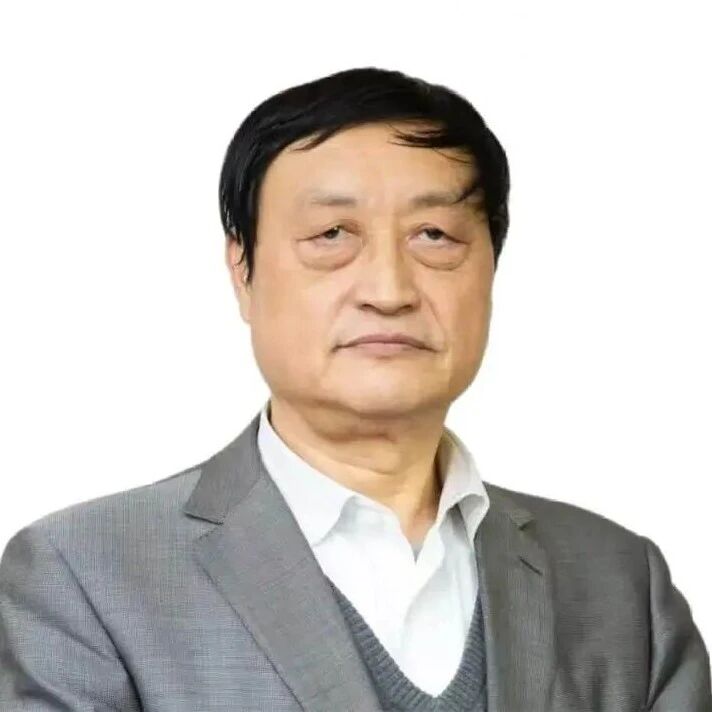
21专访|肖金成:都市圈、城市群的范围并非越大越好
2 1 Shi Ji Jing Ji Bao Dao· 2025-10-21 12:25
Core Viewpoint - The 20th Central Committee of the Communist Party of China is set to review the suggestions for the 15th Five-Year Plan, aiming to outline the blueprint for China's development over the next five years, with a focus on urbanization and regional development [1] Urbanization and Regional Development - During the 14th Five-Year Plan, significant achievements were made in urban construction and regional development, with the urbanization rate expected to reach 67% by the end of 2024, translating to approximately 940 million people living in urban areas [1] - The current phase of urbanization is shifting from rapid growth to stable development, emphasizing quality improvement over quantity expansion [1][3] Key Focus Areas for the 15th Five-Year Plan - The primary task of the new urbanization strategy is to promote the urbanization of the agricultural transfer population, focusing on equal access to public services rather than merely resolving household registration issues [3][7] - The development of metropolitan areas and urban clusters should be based on the connections between cities and their radiating capabilities, with an emphasis on implementing approved metropolitan area plans [3][9] Regional Coordination and Development Strategies - The core of regional coordination development remains consistent, focusing on reducing disparities in GDP per capita, living standards, and public services across regions [3][4] - The new urbanization strategy emphasizes improving the quality of urbanization and enhancing the living conditions of the agricultural transfer population, moving towards a more human-centered approach [4][5] Challenges in Urbanization - The agricultural transfer population faces significant barriers to full integration into urban life, particularly in accessing education, social security, and housing, leading to a situation where it is easier to move to cities than to fully integrate [5][7] - The misconception that household registration is the primary issue in urbanization has led to challenges in providing adequate public services to the agricultural transfer population [6][7] Urban Development Trends - The trend of increasing population movement from rural to urban areas is shifting towards inter-city migration, which should be addressed within the framework of the main functional area strategy rather than the new urbanization strategy [5][8] - The phenomenon of large cities growing larger creates pressure on urban management and exacerbates disparities with surrounding smaller cities, necessitating a shift from a siphoning effect to a radiating effect [8][9] Recommendations for Future Development - To promote coordinated development among large, medium, and small cities, it is essential to enhance transportation networks and establish regional cooperation mechanisms [9][10] - The government and market must collaborate to address the practical issues of metropolitan area planning, including funding and implementation [9][11] Land System Reform - The land system reform during the 14th Five-Year Plan has made progress, particularly in the area of rural land rights, but challenges remain in the pricing and transfer of land use rights [12][13] - Future reforms should focus on the integration of land use rights and the promotion of urban-rural integration, particularly in small towns [14][15] Urban Renewal Initiatives - The focus for urban development is shifting towards high-quality urban renewal, which includes improving living conditions and addressing infrastructure issues [16] - Key actions for urban renewal in the 15th Five-Year Plan should include developing specific urban renewal plans and addressing funding challenges [16]
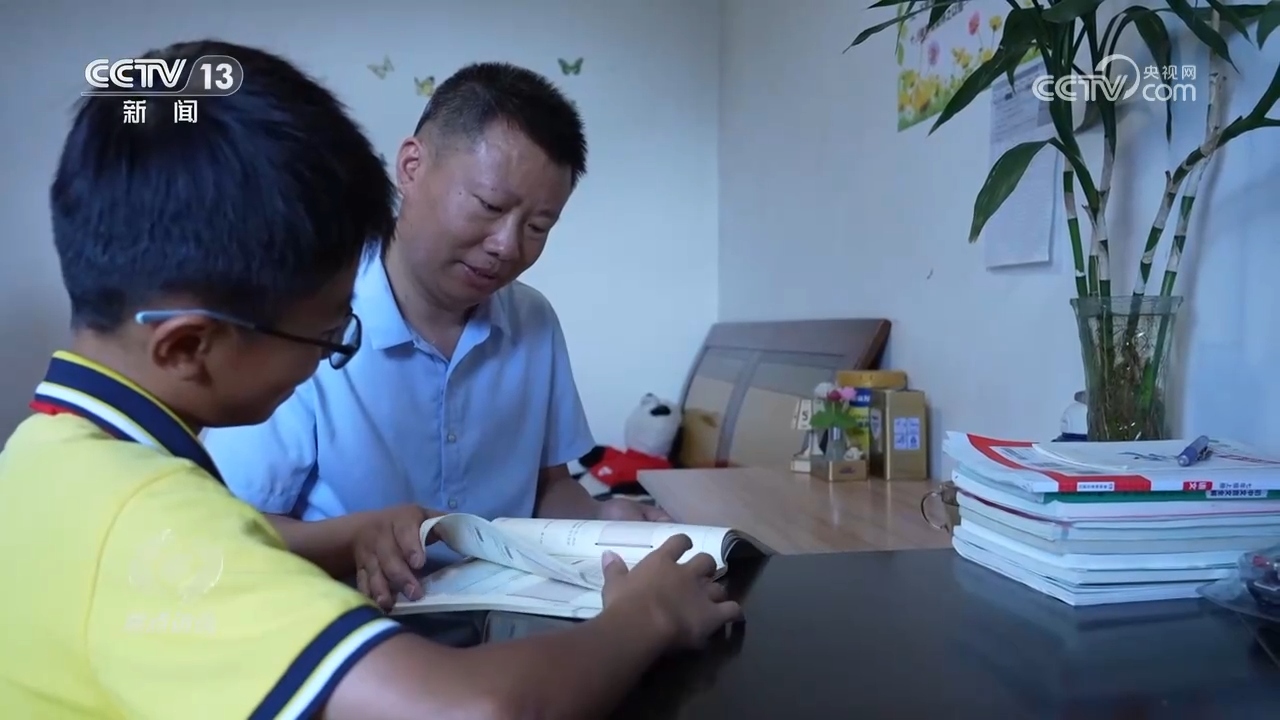
再见,流动儿童学校
21世纪经济报道· 2025-10-11 14:45
Core Viewpoint - The report indicates that by 2025, many schools specifically for migrant children will have completed their historical mission, reflecting significant changes in population and policy conditions over the past 30 years [1][2]. Group 1: Background and Evolution - Migrant children's schools emerged in the early 1990s due to a surge in migrant workers and their children's educational needs, addressing the challenges posed by the "local enrollment" policy [2]. - As of the end of 2024, Shanghai will have only 33 migrant children's schools, with 22 of them ceasing admissions by the 2025 school year [2]. - Beijing retains fewer than 20 migrant children's schools, with the longest-running school completing its mission in 2024 [2]. Group 2: Policy Changes and Impacts - The gradual disappearance of migrant children's schools is linked to the implementation of new urbanization strategies and the promotion of public education [4]. - The 2024 action plan emphasizes the removal of residency restrictions in cities with populations under 3 million, reducing the number of cities with enrollment barriers for migrant children [4]. - The 2001 policy established that local governments should primarily manage migrant children's education, leading to a shift towards public schools [4]. Group 3: Contributions and Innovations - While many migrant children's schools had poor conditions and weak faculty, some attempted educational innovations tailored to the unique characteristics of migrant children [6][7]. - Examples include schools in Shanghai that initiated soccer programs and practical skills courses, demonstrating early adoption of labor education [6][7]. - A few migrant children's schools successfully transformed into licensed institutions, with graduates gaining admission to prestigious universities [6]. Group 4: Current Educational Landscape - Over 97% of migrant children are now enrolled in public or government-subsidized schools, reflecting improved access to education [9]. - Despite progress, challenges remain in aligning secondary education policies with those for compulsory education, particularly regarding residency requirements for enrollment [10]. - The need for a seamless transition from compulsory education to higher education remains a critical issue for the development of migrant children [10].

再见,流动儿童学校
2 1 Shi Ji Jing Ji Bao Dao· 2025-10-11 11:20
Core Viewpoint - The report indicates that by 2025, many schools specifically for migrant children will have completed their historical mission, marking a significant shift in China's education landscape [1][3]. Group 1: Background and Evolution - Migrant children's schools emerged in the early 1990s due to a surge in migrant workers and their children's educational needs, constrained by policies requiring local residency for school enrollment [2]. - Over 30 years, these schools addressed the educational challenges faced by migrant children, but changing demographics and policies have led to a decline in their numbers, with many schools expected to close by 2025 [3][4]. Group 2: Current Status and Future Outlook - As of 2024, Shanghai has only 33 migrant children's schools, with significant closures anticipated in the coming years, while Beijing retains fewer than 20 [3]. - The implementation of new urbanization strategies and the push for equitable public education have contributed to the decline of these schools, with many cities easing residency requirements for education [4]. Group 3: Contributions and Innovations - Despite their challenges, migrant children's schools have made historical contributions to educational equity, although many faced issues like poor conditions and high fees [5]. - Some schools have attempted innovative educational practices, such as integrating sports and vocational training, but these efforts remain fragmented and lack a cohesive model [6][7]. Group 4: Policy and Access - Over 97% of migrant children are now enrolled in public or government-subsidized schools, reflecting improvements in access to education [8]. - However, barriers still exist, such as residency requirements and the need for points-based enrollment systems, which complicate access for many migrant families [8][9]. Group 5: Transition to Secondary Education - The transition from compulsory education to secondary schooling remains a significant concern, with policies not yet fully aligned to support migrant children's continued education in urban areas [9]. - Future efforts must focus on reducing barriers in the transition process and enhancing support systems for migrant children to ensure their educational development [9]. Group 6: Societal Perspective - The need for basic public services, including education for migrant populations, is emphasized as a fundamental right rather than a special privilege [10].
发力优化现代化城市体系,城市竞争力该将如何应变焕新?
Huan Qiu Wang· 2025-09-23 01:32
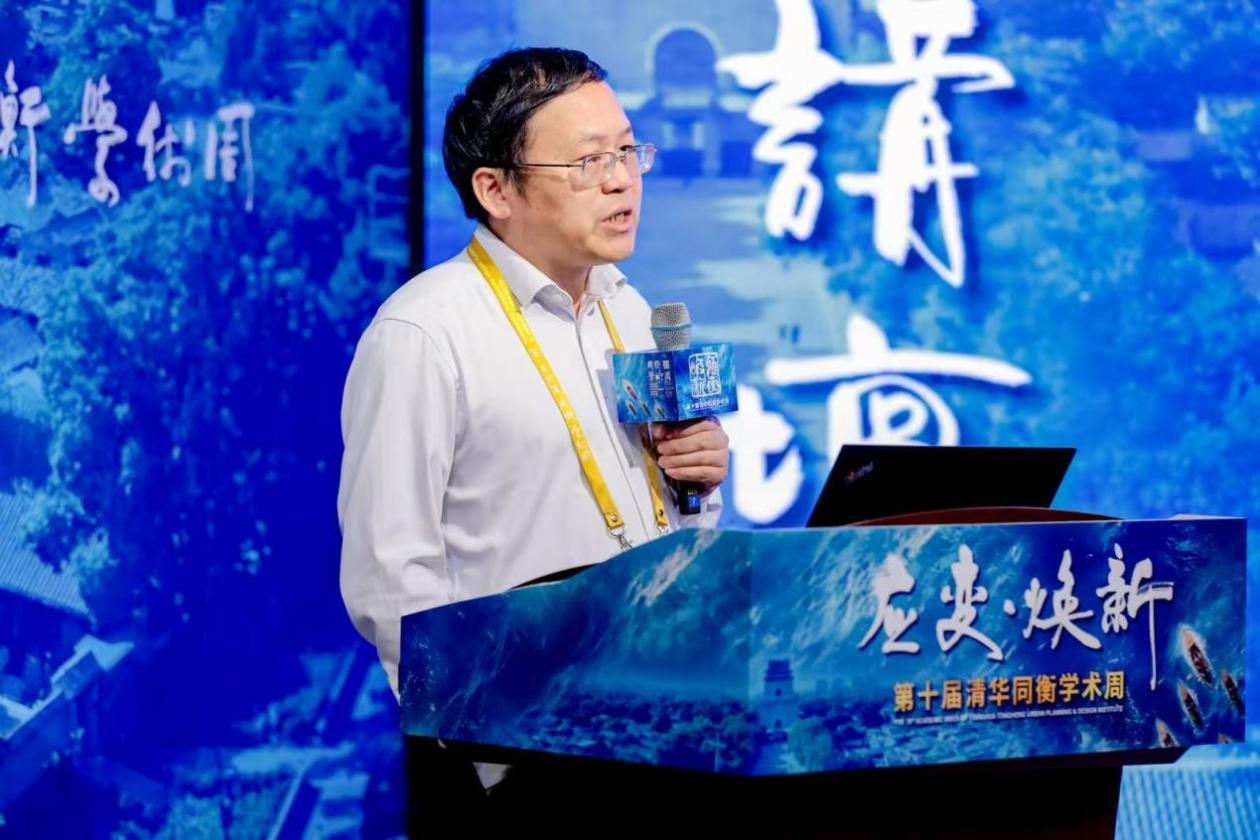
Group 1 - The core viewpoint of the article emphasizes the need for high-quality urban development in China, focusing on the integration of technological, industrial, and urban innovations to meet new economic and social demands [1][3] - The Chinese government has outlined 23 specific measures across 9 areas to promote urban high-quality development, aiming to establish a modernized urban system by 2035 [1][5] - The importance of optimizing the modern urban system is highlighted, which involves sustainable development and the relationship between people and nature at a national scale [3][5] Group 2 - The shift in urban development focus from expansion to quality improvement is noted, with an emphasis on the value judgments and satisfaction levels of the populace [5] - The concept of urban innovation is defined as a systematic practice that integrates various innovative elements such as technology, institutions, culture, and management to enhance competitiveness and quality of life [3] - The Tsinghua Tongheng Academic Week, initiated in 2013, aims to integrate government, industry, academia, and research, becoming a recognized academic brand in the field [7]
到2035年,山西省黄河流域耕地保有量不低于3991.79万亩
Zhong Guo Fa Zhan Wang· 2025-08-28 08:49
Core Viewpoint - The approval of the "Shanxi Province Yellow River Basin Land Spatial Planning (2021-2035)" aims to enhance land spatial security and establish a new development pattern in the region [1][2]. Group 1: Land Use and Protection - By 2035, the arable land in the Yellow River Basin is to be maintained at no less than 39.9179 million acres, with permanent basic farmland protected at no less than 33.2547 million acres [1]. - The ecological protection red line is set to cover no less than 24,400 square kilometers, while urban development boundaries are to be controlled within 3,267.44 square kilometers [1]. Group 2: Development Strategies - The plan emphasizes the construction of a land spatial system that supports a new development pattern, focusing on regional coordinated development strategies and high-quality land development [2]. - It aims to enhance regional competitiveness and integrate with major economic zones such as the Beijing-Tianjin-Hebei region and the Yangtze River Delta [2]. Group 3: Ecological and Agricultural Focus - The plan includes optimizing land use layouts to support diverse agricultural production in the Yellow River Basin and promoting modern organic dry farming [3]. - It emphasizes the systematic protection and restoration of water sources, mountains, forests, grasslands, lakes, and wetlands, treating them as an integrated governance system [3]. Group 4: Infrastructure and Cultural Heritage - The plan calls for strict control over water resource development and the establishment of a modern infrastructure network to enhance disaster resilience [4]. - It aims to promote the protection and utilization of cultural and natural heritage, integrating heritage management into land spatial planning [4].
焦点访谈 | 重磅民生文件公布!各地实现同城同权有哪些新探索
Yang Shi Wang· 2025-07-24 13:35
Core Viewpoint - The recent policy document emphasizes the need for equal access to basic public services for migrant populations, addressing their urgent needs and concerns in urban areas [1][25]. Group 1: Education - The issue of education for children of migrant workers has become a significant concern, with many facing barriers to accessing quality education in new cities [3][5]. - Local governments, such as in Leqing, have implemented policies to ease enrollment for migrant children, allowing them to attend public schools with minimal requirements [7][9]. - The proportion of private school students has decreased significantly, from 16.2% to 4.5%, as public education resources have been expanded [9]. Group 2: Housing - Dongguan has adopted a non-discriminatory approach to rental housing, allowing migrant workers to apply for public rental housing without regard to their household registration [15][21]. - The city has accumulated 96,500 units of rental housing and is developing various types of affordable housing to meet the needs of new residents [21]. - Challenges such as land scarcity and financial constraints have been identified, prompting innovative solutions like using drone technology for land assessment [19][25]. Group 3: Public Services - The implementation of equal access to public services is a gradual process that requires ongoing efforts and improvements [23][25]. - Experts suggest that achieving equal access to public services necessitates better policy coordination between regions and cities, as well as innovative local solutions [25]. - The current standards for basic public services indicate that 62 out of 81 service items have been made available based on residency, with further work needed to address the remaining items [25].
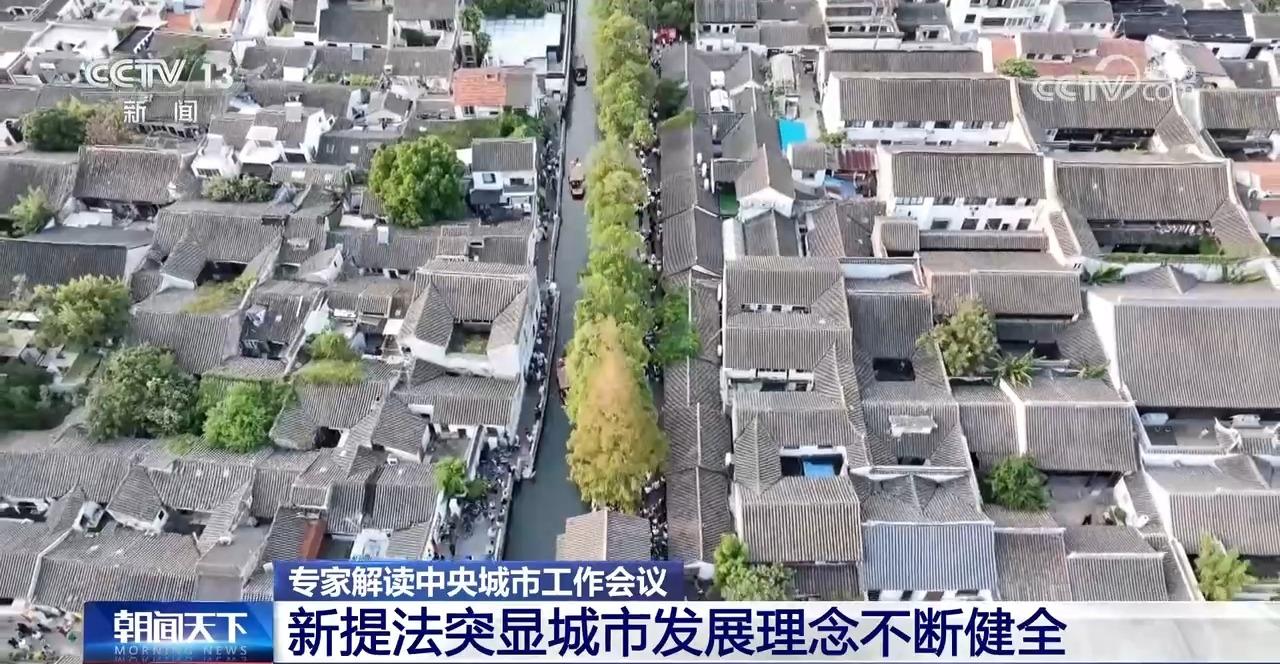
时隔十年再召开 中央城市工作会议新提法如何解读?
Yang Shi Wang· 2025-07-15 22:49
Core Viewpoint - The recent Central Urban Work Conference marks a significant shift in China's urban development philosophy, emphasizing high-quality and connotative development as opposed to previous approaches focused on coordination [1][3]. Group 1: Five Transformations and Focus Areas - The conference outlined five necessary transformations in urban work: adapting to changing circumstances, shifting development concepts to be more people-oriented, changing development methods to be more efficient, focusing on distinctive development, prioritizing governance investment, and enhancing coordination in urban work [3][6]. - Correspondingly, the conference emphasized five areas of greater attention: human-centered approaches, efficient and intensive development, distinctive growth, governance investment, and coordinated methods [3][6]. Group 2: Core Tasks and Implementation - Key tasks identified include optimizing urban systems, advancing urban renewal actions, strengthening historical and cultural preservation, and modernizing urban governance, providing clearer pathways for implementing the five transformations and focus areas [6][8]. - The conference aims to ensure that the new development philosophy takes root in cities, enhancing the convenience, comfort, and overall well-being of residents [8]. Group 3: Goals for Urban Development - The conference introduced a new comprehensive goal for urban construction, aiming to build innovative, livable, beautiful, resilient, civilized, and smart modern cities, which reflects a richer and more comprehensive understanding of urban development compared to previous focuses [10].
易周资讯2025(6.9—6.15)| 关注行业动态,掌握前沿资讯
Sou Hu Cai Jing· 2025-06-16 17:06
Digital Human Resources - The Ministry of Human Resources and Social Security has initiated a pilot program for the management and service reform of professional technical talents, focusing on six areas over two years, including postdoctoral work and vocational qualifications [2] - The third National Skills Competition will be held in Zhengzhou, Henan Province from September 20 to 22, featuring over 3,500 participants and more than 106 competition items, with a significant focus on intelligent manufacturing and digital technology [2] Employment and Labor - Wang Xiaoping emphasized the importance of implementing a new urbanization strategy to promote the transfer of rural labor, proposing six key areas for enhancement, including industry collaboration and skills training [3] Healthcare and Medical Services - The State Council is researching measures to optimize the procurement of drugs and medical supplies, aiming for a more standardized and institutionalized approach to procurement [8] - The National Healthcare Security Administration has issued a guideline for the pricing of urology services, consolidating 421 technical specifications into 108 items [10] - The per capita financial subsidy for urban and rural residents' medical insurance will increase by 30 yuan, reaching 700 yuan per person per year [11] Digital Healthcare - The National Health Commission has revised the standards for the evaluation of tertiary hospitals, enhancing requirements for management and service quality [12] - A joint initiative by 14 ministries aims to address and correct irregularities in the medical procurement and service sectors by 2025 [12] Digital Economy - In May, China's high-tech industry sales revenue grew by 15% year-on-year, indicating a strong growth trend, with significant increases in sectors like industrial robotics [7] - The Ministry of Industry and Information Technology and the Ministry of Civil Affairs are launching pilot projects for intelligent elderly care service robots from 2025 to 2027, focusing on improving the quality of life for the elderly [9]

今年1月至4月全国社会物流总额同比增长5.6% 需求平稳增长
Yang Guang Wang· 2025-06-04 01:36
Group 1 - The total social logistics volume in China from January to April reached 115.3 trillion yuan, with a year-on-year growth of 5.6% [1] - Industrial logistics volume increased by 5.7% year-on-year, with 87.8% of 41 major industries experiencing growth in April [1] - The logistics demand for equipment manufacturing grew by 9.8%, while high-tech manufacturing logistics demand increased by 10% year-on-year [1] Group 2 - The logistics volume for units and residents' goods increased by 5.9% year-on-year, reflecting a slight improvement from the first quarter [2] - The online retail sales of physical goods grew by 5.8% year-on-year, indicating strong vitality in e-commerce consumption [1] - Fixed asset investment in the logistics industry averaged 51.6%, up by 1.9 percentage points compared to the same period last year, with April reaching a three-year high of 53.6% [2]