
智慧城市建设

Search documents
以智慧城市建设推动加快形成新质生产力
Jin Rong Shi Bao· 2026-01-12 03:57
Core Viewpoint - The development of new quality productivity is an intrinsic requirement and important focus for promoting high-quality development in China, with smart city construction serving as a strategic pivot for this transformation [1]. Group 1: Smart City Construction as a Strategic Choice - Smart city construction is a practical carrier that adapts to the transformation of production methods, fundamentally reshaping urban governance through the integration of digital technologies [2]. - The Chinese government has been promoting smart city construction since 2016, emphasizing data-driven and people-centered approaches to optimize governance and resource integration [2]. - Smart cities enhance the efficiency of production factor allocation and are essential for optimizing urban functions and driving productivity growth [3]. Group 2: Goals of Smart City Construction - Smart cities represent a direct integration of advanced productivity, providing an environment for the reconfiguration of key production factors such as technology, capital, talent, and data [3]. - The urbanization rate in China has increased from 17.9% in 1978 to 66.2% in 2023, highlighting the need for smart city initiatives to address challenges like resource efficiency and environmental pressures [3]. - Empirical studies indicate that doubling urban scale can increase total factor productivity by 3.5% to 8%, with smart city initiatives potentially amplifying this effect [3]. Group 3: Government's Role in Smart City Development - Smart city construction is recognized globally as a core pathway for urban modernization, with various international initiatives emphasizing the importance of technology and management innovation [4][5]. - China has over 500 smart city pilot projects covering more than 95% of prefecture-level cities, indicating a strong governmental commitment to enhancing urban governance through digital platforms [5]. - The government plays a crucial role in guiding multi-stakeholder participation, ensuring effective alignment between technological innovation and urban needs [5]. Group 4: Value Orientation of Smart Cities - The concept of a "people's city" aligns with the people-centered philosophy of new quality productivity, emphasizing the active role of citizens in urban governance [6]. - Smart city initiatives have shifted from traditional monitoring models to collaborative governance, involving government, enterprises, and citizens in decision-making processes [6]. - The focus on human-centered values in smart city construction reflects the broader goal of meeting the growing needs of the population for a better quality of life [6]. Group 5: Key Focus Areas for Developing New Quality Productivity - Strengthening technological innovation is essential for enhancing the foundational capabilities of smart cities and fostering strategic emerging industries [7]. - Establishing a comprehensive digital transformation framework is necessary to support the development of smart cities, including investments in new infrastructure and optimizing regulatory arrangements [8]. - Improving urban governance through data-driven models and enhancing public service accessibility are critical for expanding the market for new quality productivity [9]. Group 6: Sustainable Development and Ecological Civilization - Promoting smart environmental practices and green industries is vital for effective resource management and environmental risk mitigation [10]. - Efficient utilization of resources and energy through smart technologies is essential for sustainable urban development [10]. - Encouraging eco-friendly lifestyles through smart city initiatives can enhance public engagement in sustainability efforts [10]. Group 7: Coordinating Development and Integration - Deepening the reform of smart city systems in alignment with national strategies is crucial for balancing new quality productivity and production relationships [11]. - Promoting regional integration and urban-rural development through smart city platforms can facilitate efficient resource allocation and governance [11]. - Establishing a long-term mechanism for public services and social security is necessary to address challenges such as population aging and economic restructuring [11].
中国城市发展研究院:2025城市高质量发展指数综合分析报告
Sou Hu Cai Jing· 2026-01-05 02:12
Core Insights - The report presents a comprehensive analysis of the "2025 China Urban High-Quality Development Index," highlighting the current state of urban development in China based on six core dimensions: innovation, livability, beauty, resilience, civilization, and wisdom [1][10][12]. Group 1: Evaluation Framework - The evaluation framework consists of a three-tier system covering six core dimensions, with a total of 74 specific indicators selected to assess urban development [12][15]. - The index aims to provide a reliable quantitative basis for policy formulation, regional benchmarking, and development assessment, aligning with the strategic goals set by the Central Urban Work Conference [11][12]. Group 2: Assessment Results - The assessment indicates a pattern of "core city traction and overall improvement," with cities like Beijing, Shanghai, Shenzhen, and Hangzhou ranking high due to their advantages in innovation, digital governance, and economic resilience [17][18]. - Most cities have made significant progress in infrastructure, public services, and living environments, but challenges remain in areas such as cultural heritage, livability, and public service supply [17][18]. Group 3: Regional Development Disparities - There are notable regional disparities in development, with eastern cities leading in innovation and resilience, while central cities lag behind the national average across all dimensions [2][20]. - Western cities exhibit strong ecological advantages but face challenges in innovation and smart development, highlighting a clear distinction in strengths and weaknesses across regions [2][20]. Group 4: Dimension-Specific Insights - **Innovation**: Leading cities like Beijing and Shenzhen show strong innovation ecosystems, but there is uneven regional vitality, with non-core cities struggling to connect innovation resources effectively [22][23]. - **Livability**: Cities such as Beijing and Shanghai excel in public service provision, yet face challenges in housing affordability and employment income disparities [28][29]. - **Beauty**: Cities like Shenzhen and Beijing have made significant strides in pollution reduction and green industry development, but the transition to green living remains a challenge [35][36]. - **Resilience**: The resilience of cities is characterized by strong economic and social components, but infrastructure and environmental resilience are relatively weak, indicating a need for improvement [41][42].



青春赶路 岁月有暖(青年观)
Ren Min Ri Bao· 2026-01-04 06:41
Group 1 - The core message emphasizes the importance of youth taking responsibility and actively participating in their communities and fields, showcasing their growth through action and perseverance [2][3] - Youth are increasingly involved in agricultural innovation and technology, with examples of university students working closely with farmers to implement sustainable practices and researchers making significant breakthroughs in quantum physics [2] - Various supportive measures are being implemented by cities to empower youth, including tax incentives for entrepreneurs, childcare support, and community resources for new employment groups, which serve as a solid foundation for their aspirations [3] Group 2 - The "14th Five-Year Plan" highlights the need for creating new job opportunities and facilitating talent exchange between educational institutions and enterprises, which will inject momentum into youth development [3] - Emerging fields such as renewable energy, intelligent technology, and the aging economy present new opportunities for youth, requiring both individual initiative and societal support to ensure equitable access and fair opportunities [3][4] - The narrative encourages a mutual relationship between youth and society, where both parties contribute to each other's success, ultimately crafting a shared story of progress in a rapidly changing era [4]
青春赶路 岁月有暖
Xin Lang Cai Jing· 2026-01-04 06:35
Group 1 - The core message emphasizes the importance of youth taking responsibility and actively participating in their communities and fields, showcasing their growth through various challenges and experiences [1][2] - Youth engagement in agriculture and technology is highlighted, with examples of university students working alongside farmers and researchers making significant discoveries in quantum physics, demonstrating practical applications of their knowledge [2] - The concept of "youth-friendly" initiatives is introduced, where cities implement policies to support young people's work and life, including tax incentives for entrepreneurs and childcare support, creating a conducive environment for youth development [3] Group 2 - The article discusses the mutual relationship between youth and society, where young individuals take on responsibilities while society provides support, as seen in various government initiatives aimed at enhancing job opportunities and work-life balance for youth [3][4] - New fields and opportunities are emerging, such as renewable energy and smart city development, which require youth to explore and innovate, while society must ensure fair access and equal opportunities [3] - The narrative encourages young people to align their skills with societal needs, fostering a collaborative environment where both youth and society can thrive together [4]
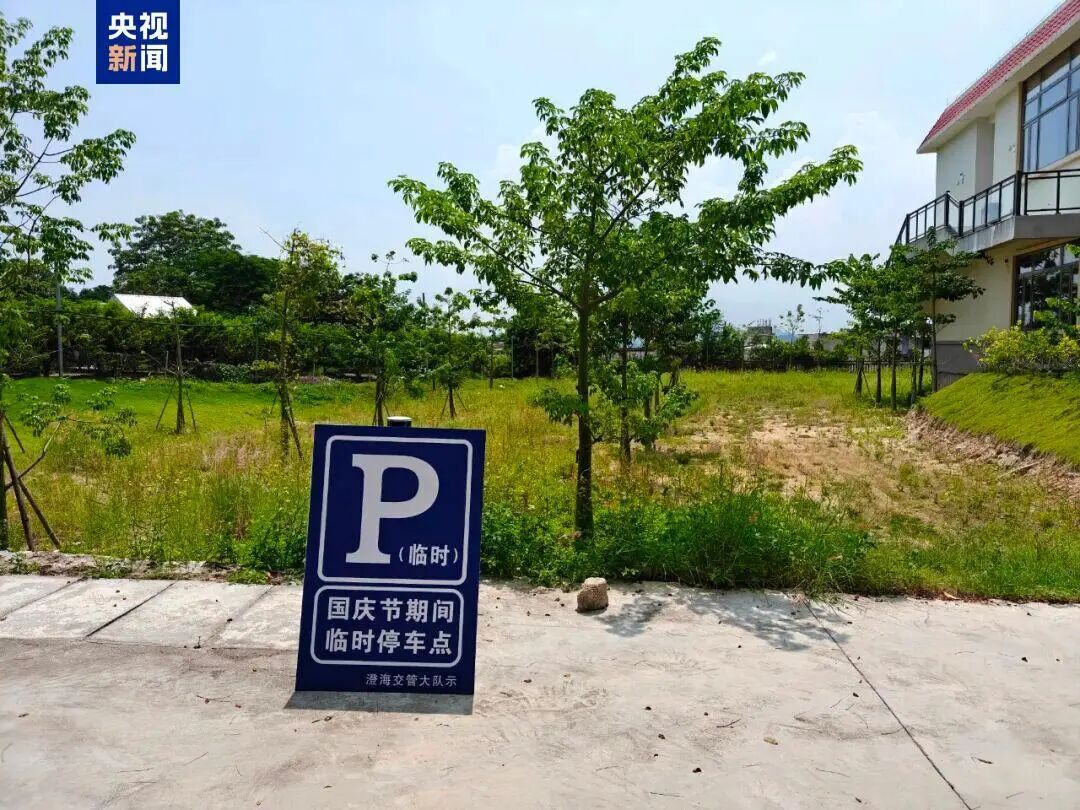
元旦多地机关单位再次开放停车场!是“松弛感”,也是最好的“城市名片”
Xin Lang Cai Jing· 2026-01-02 09:14
Group 1 - The core idea of the article is the increasing trend of opening government parking lots to the public during holidays, enhancing convenience for citizens and tourists [1][3] - Various cities, including Suzhou, Anhui Anqing, and Hangzhou, have announced the opening of internal parking lots, providing thousands of parking spaces for free [1] - The initiative is seen as a cost-effective way to alleviate parking difficulties during peak times, with many cities expanding the scope of services to include restrooms and cafeterias [1] Group 2 - Beijing is leading the way by advocating for state-owned enterprises to open their parking lots for paid, off-peak use, aiming to add over 10,000 shared parking spaces in 2024 [3] - The introduction of third-party management for these parking spaces aims to streamline the parking experience for residents, balancing order and accessibility [3] - The initiative addresses resource misallocation issues and reflects a shift in urban governance from management to service, enhancing the livability and vibrancy of urban life [3][4] Group 3 - The opening of government parking lots is not just a customer-friendly move but also a necessary step for urban development [4] - With the advancement of smart city initiatives, there is potential for better utilization of public spaces through data analysis and intelligent resource management [4]
功能型无人车“领跑”,深圳智慧城市建设提速
Nan Fang Du Shi Bao· 2025-12-21 05:27
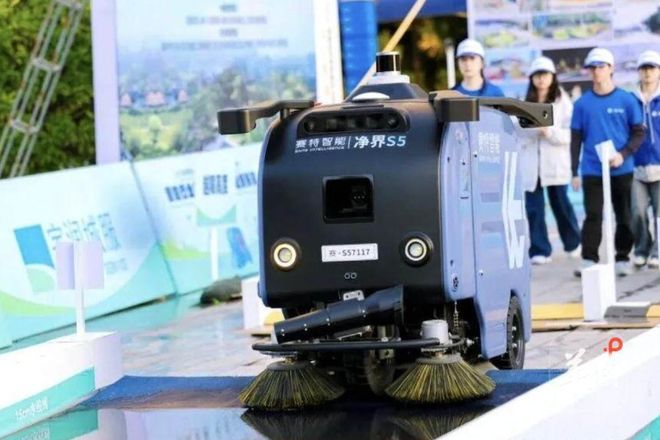
Core Insights - The article highlights the rapid development and commercialization of autonomous delivery vehicles in Shenzhen, which have become integral to the last-mile logistics supply chain, with a total of 1,218 units deployed, the highest among first-tier cities in China [2] - The autonomous vehicles have covered 1,594 routes, achieving over 5,500 kilometers in total distance, and completing approximately 1.29 million delivery orders monthly, generating direct commercial value exceeding 10 million yuan [2] - The growth of the autonomous delivery sector in Shenzhen is attributed to the collaboration between the market, government, and enterprises, addressing the increasing demand for efficient delivery solutions amid the rise of e-commerce and instant retail [2] Market Demand and Operational Efficiency - Fresh produce delivery accounts for about 20% of the autonomous delivery orders, meeting the high-demand for "30-minute delivery" even during adverse weather conditions, ensuring reliable delivery of essential goods [3] - The autonomous vehicles are equipped with dual-redundancy perception systems, allowing them to operate continuously even in rainy conditions, which is crucial for maintaining service reliability [3] Government Support and Regulatory Framework - The Shenzhen government has played a vital role in the rapid development of the autonomous vehicle industry by creating a supportive regulatory environment that balances market exploration with safety [4] - The launch of the first functional autonomous vehicle management service platform in July 2025 will enable comprehensive digital management from road approval to remote rescue [4] - Shenzhen has implemented a cautious approach to road rights, ensuring that each route is thoroughly evaluated for safety before being opened [4] Technological Advancements - Key technological breakthroughs, such as L4-level autonomous driving and dual-redundancy perception systems, have enabled the vehicles to navigate complex road conditions and avoid obstacles effectively [5] - The reduction in core component costs and increased application scale have made the monthly operating costs of some autonomous vehicles significantly lower than traditional logistics vehicles, facilitating their widespread adoption [5] Industry Transformation and Urban Impact - The rise of autonomous delivery is transforming the logistics industry from labor-intensive to technology-intensive, creating over 10 million yuan in direct commercial value and fostering the development of related sectors like smart hardware and algorithm research [5] - The deployment of autonomous vehicles is alleviating the workload of delivery personnel and enhancing the quality of life for residents through more efficient delivery services [5] - Innovative models such as "shared stations" and "multi-chain integration" are optimizing urban resource allocation and providing valuable examples for smart city development [5] - The establishment of a collaborative system involving "drones + autonomous trucks + autonomous delivery vehicles" will further expand the application scenarios of autonomous delivery in urban services [5]
从“给优惠”到“给机会” 北京丰台以场景清单邀企业共同“解题”
Xin Lang Cai Jing· 2025-12-19 20:27
Core Viewpoint - The article discusses how Fengtai District in Beijing is transforming macro strategies into micro practices through the release of a "City Scene Opportunity List" with a total investment of 1.18 billion yuan, aimed at fostering innovation and collaboration between government and enterprises [2][6]. Group 1: City Scene Opportunity List - Fengtai District has launched a "City Scene Opportunity List" with a total investment scale of 1.18 billion yuan, covering 84 specific needs [2][7]. - The list includes 38 implementation scenarios and 46 reserve scenarios, focusing on key areas such as digital government services, urban construction, and ecological environment governance [7][10]. - The initiative has already attracted over 700 million yuan in social capital investment, demonstrating a shift from providing policies to offering real opportunities for enterprises [4][6]. Group 2: Technological Integration and Innovation - The collaboration between Fanghua Li and Senlikang Technology exemplifies how urban assets can be revitalized through technology, particularly in the field of smart elderly care [4]. - The "smart elderly care robot" project led by Senlikang Technology was selected as part of the first batch of pilot projects for intelligent elderly care service robots [3]. - Fengtai District's approach emphasizes the importance of real urban needs in driving technological innovation and creating a platform for new technologies and products [2][4]. Group 3: Government's Role and Support - The government is transitioning from being a policy maker to an innovation collaborator, providing real urban demands to co-create solutions with enterprises [6]. - The recent "Implementation Opinions" issued by the State Council aims to leverage China's large-scale market advantages to promote the open application of scene resources [5]. - Fengtai District is actively collecting and organizing demand lists from both government and enterprises to facilitate the application of new technologies in digital economy, artificial intelligence, and biotechnology [5][10]. Group 4: Financial Support and Ecosystem Development - Financial institutions are actively participating in the scene supply and demand exchange, providing on-site financial consulting and resource matching services [10]. - Customized financial support is being offered to technology enterprises in Fengtai District, with successful cases of significant loans being issued to support technology development and market expansion [10]. - The "opportunity list" serves as a bridge for new technologies to transition from laboratory to industrial application, fostering a model of demand-driven and scene-validated innovation [10][11].

国鸿科技突发公告:实控人、董事长逝世!几天前还主持董事会
Mei Ri Jing Ji Xin Wen· 2025-12-17 22:54
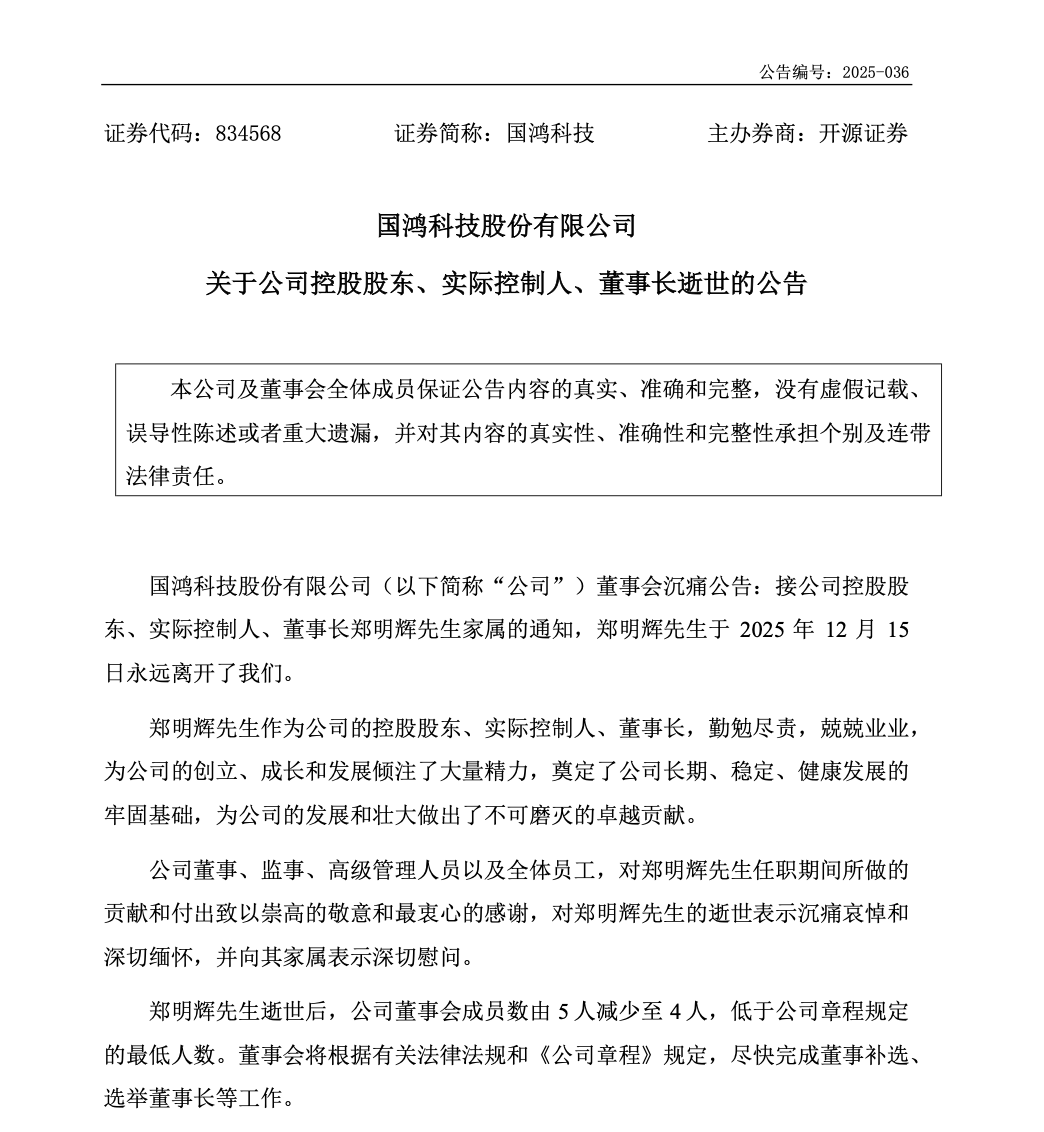
Group 1 - Zheng Minghui, the chairman and controlling shareholder of Guohong Technology, passed away, leading to a reduction in the board members from 5 to 4, below the minimum required by the company's articles of association [2][5] - The company expressed deep condolences and gratitude for Zheng Minghui's contributions to its establishment, growth, and development, highlighting his dedication and efforts in laying a solid foundation for the company's long-term stability [2][5] - Guohong Technology, founded in 1997, specializes in smart city construction services, focusing on a 3D digital comprehensive security platform, smart government and big data application services, and innovative internet technology for smart education and healthcare [5] Group 2 - Following Zheng Minghui's death, the company will promptly conduct board member elections and appoint a new chairman, ensuring that the management team continues to operate normally without affecting business activities [5] - The company's official website has been changed to black and white as a sign of mourning [3]
系统推进城市全域数字化转型
Xin Hua Ri Bao· 2025-12-15 21:38
Core Viewpoint - The construction of smart cities is a crucial part of advancing the digital China strategy, as highlighted by the recent release of the "Action Plan for Deepening Smart City Development and Promoting Comprehensive Digital Transformation" [1] Group 1: Smart City Development in Jiangsu - Jiangsu aims to lead in smart city development by implementing national strategies and utilizing digital means to enhance urban governance [2] - The province has established a "five-in-one" framework for comprehensive digital transformation, covering key areas such as social management, public services, and ecological protection [2] - A government cloud system has been formed, supporting over 7,900 non-confidential government systems and enabling cross-level collaboration for 30 services [2] Group 2: Challenges in Smart City Construction - The fragmentation of platform construction limits governance efficiency, with multiple independent applications leading to an "APP wall" phenomenon [3] - There are shortcomings in the public data sharing system, including non-standardized data and inadequate circulation mechanisms [3] - Certain groups, such as the elderly and disabled, face "digital exclusion," indicating a disconnect between governance logic and technology application [3] Group 3: Strategic Recommendations for Smart City Governance - Emphasizing top-level design is essential for guiding urban governance direction and breaking down "data silos" [4] - Establishing a cross-level coordination mechanism is necessary to ensure smooth flow of policy directives, data resources, and financial support [4] - Implementing innovative mechanisms for smart city governance can stimulate internal motivation for digital governance and enhance performance evaluation systems [4] Group 4: Data Integration and Urban Responsiveness - Data is identified as the "blood" of smart city development, crucial for driving precise governance and efficient services [5] - A unified, secure, and efficient data resource system is needed, focusing on application scenarios like traffic management and public health [5] - Clear data security responsibilities and a comprehensive data governance mechanism are essential for protecting public network security [5] Group 5: Multi-Stakeholder Collaboration - A collaborative governance network involving government, market, and society is vital for enhancing smart city services [6] - Creating an inclusive service system that addresses the needs of marginalized groups is a priority [6] - Establishing a feedback mechanism for public participation can improve service delivery and governance effectiveness [6] Group 6: Technological Support for Smart Cities - Digital technology serves as the "nerve center" for smart city governance, with the integration of platforms directly affecting data flow and decision-making accuracy [7] - Building a unified digital foundation and enhancing the integration of various technologies are necessary for effective governance [7] - Developing an urban AI platform and a comprehensive IoT sensing system can facilitate real-time monitoring and intelligent analysis of urban operations [7]
中国国家数据局、重庆市人民政府与新加坡资讯通信媒体发展局签署合作备忘录
Zheng Quan Shi Bao Wang· 2025-12-15 11:01
Core Viewpoint - The signing of the memorandum aims to enhance cooperation between China and Singapore in building a digital land-sea new corridor, focusing on digital transformation to create a future-oriented smart economic corridor [1] Group 1: Digital Connectivity - The three parties will focus on digital connectivity, promoting the cross-border secure and orderly flow of data through the interconnection and cooperation of digital infrastructure under a framework of digital rules [1] - The goal is to explore the construction of an efficient, convenient, and secure digital channel [1] Group 2: Digital Technology and Innovation - There will be encouragement and support for joint research and application cooperation between enterprises and research institutions in both countries in areas such as artificial intelligence, blockchain, and big data [1] - The collaboration will also include sharing experiences and achievements in smart city construction [1] Group 3: Digital Talent Exchange and Training - The memorandum includes plans for strengthening the training of professional talents in the digital field through seminars, skill certification, and talent exchange programs [1] - This initiative aims to provide solid talent support for the development of the digital economy [1]