特朗普推论

Search documents
英国卫报:“赤裸裸的帝国主义”:特朗普干预委内瑞拉标志着美国重蹈覆辙
美股IPO· 2026-01-04 16:03
Core Viewpoint - The article discusses the historical context and implications of the recent U.S. military intervention in Venezuela, highlighting it as a continuation of a long-standing pattern of American imperialism in Latin America, marking a significant shift in U.S. foreign policy under the Trump administration [1][2][5]. Historical Context - The U.S. has a history of intervening in Latin America, often through military means, to assert its dominance, with the most recent action being the direct military attack on Venezuela, which is unprecedented in South America [1][2][5]. - The article draws parallels between the current situation and past interventions, notably the 1989 invasion of Panama to capture Manuel Noriega, emphasizing the consistency of U.S. actions in the region [2][5]. Policy Shift - The Trump administration's new national security strategy explicitly calls for an expansion of U.S. military presence in Latin America, reflecting a return to the Monroe Doctrine's principles, which advocate for U.S. influence in the region [5][6]. - Scholars note that the recent military action signifies a major change in U.S. diplomatic and defense policy, with implications for future interventions [5][6]. Examples of Past Interventions - The article lists several historical interventions by the U.S. in Latin America, including: - The 1847 invasion of Mexico, resulting in the loss of 55% of Mexican territory [9]. - The U.S. control over Cuba following the Spanish-American War and subsequent occupations [12]. - The 1915 invasion of Haiti, where the U.S. controlled key governmental functions until 1934 [15]. - The 1989 invasion of Panama, which resulted in significant civilian casualties and political upheaval [20]. Consequences of Interventions - Historical interventions have rarely led to lasting peace or stability, often resulting in power struggles and long-term governance issues in the affected countries [21][22]. - The article suggests that the pattern of U.S. intervention tends to create more complex political landscapes rather than resolving conflicts [21][22].

《纽约时报》社论:特朗普对委内瑞拉的攻击是非法的,也是不明智的
美股IPO· 2026-01-04 16:03
Core Viewpoint - The article argues that President Trump's military actions against Venezuela are illegal and unwise, drawing parallels to past U.S. interventions that have led to instability rather than resolution [1][4][5]. Summary by Sections Military Deployment and Actions - Trump has deployed a significant military presence in the Caribbean, including an aircraft carrier, at least seven other ships, dozens of aircraft, and 15,000 troops, to threaten Venezuela [1]. - The recent arrest of Venezuelan President Nicolás Maduro is described as a major escalation in Trump's military actions [2]. Historical Context and Lessons - The article highlights that U.S. attempts to overthrow even the most despised regimes often worsen the situation, citing failures in Afghanistan, Libya, and Iraq [2][4]. - It emphasizes that past U.S. interventions in Latin America have led to chaos in countries like Chile, Cuba, Guatemala, and Nicaragua [2]. Legal and Constitutional Issues - Trump's actions lack constitutional justification, as he has not sought Congressional approval, which is required for military action [3][5]. - The article critiques the rationale of combating "drug terrorists," arguing that Venezuela is not a major producer of drugs contributing to the U.S. opioid crisis [3]. International Law Violations - The military actions against Venezuelan vessels are described as violations of international law, particularly regarding extrajudicial killings [6]. - The article notes that the U.S. has acted without international legitimacy or legal authorization, potentially emboldening authoritarian regimes elsewhere [4][6]. Potential Consequences - The article warns that the situation in Venezuela could worsen, with increased violence from groups like the ELN and potential disruptions to global energy and food markets [7][8]. - It expresses concern that Trump's aggressive stance may lead to greater suffering for the Venezuelan people and long-term damage to U.S. interests globally [8].
特朗普:“门罗主义”应改为“唐罗主义”
Xin Lang Cai Jing· 2026-01-04 12:36
Core Viewpoint - The article discusses President Trump's assertion that "Monroe Doctrine" should now be referred to as "Trump Doctrine" following the U.S. military's forceful capture of Venezuelan President Maduro and his wife, indicating a shift in U.S. foreign policy towards Latin America [1][3]. Group 1: U.S. Foreign Policy Shift - Trump claims that Venezuela's actions violate core U.S. diplomatic principles dating back over two centuries, suggesting a significant evolution from the original Monroe Doctrine to what he terms "Trump Doctrine" [1][3]. - The Monroe Doctrine, established in 1823, has historically been a cornerstone of U.S. foreign policy in Latin America, warning European nations against interference in the Americas, but has faced criticism for being used as a pretext for intervention [1][3]. Group 2: Policy Proposals and Strategic Focus - Trump has proposed several policy initiatives, including reclaiming control of the Panama Canal, acquiring Greenland, making Canada the 51st state, and prioritizing the Western Hemisphere in U.S. national security [2][4]. - The upcoming U.S. National Security Strategy, set to be released in December 2025, will base its stance on the Western Hemisphere on the Monroe Doctrine, aiming to "reaffirm and strengthen" this principle to restore U.S. hegemony [2][4]. Group 3: Implications of Actions - The Economist comments that the forceful capture of Maduro and the attempt to control Venezuela's oil resources represent an unusual manifestation of "Trump Doctrine," with the ultimate goal of asserting control over the Western Hemisphere [2][4]. - Alexander Gray, a former member of the National Security Council during Trump's first term, indicates that U.S. intervention in Venezuela signals a more aggressive approach towards Latin America [2][4].
《纽约时报》批特朗普掳走马杜罗:非法且不明智
Xin Lang Cai Jing· 2026-01-04 04:34
Core Viewpoint - The article discusses the recent military action by the U.S. against Venezuela, highlighting the illegality and potential consequences of such actions, particularly the abduction of President Nicolás Maduro, which is viewed as a significant escalation in U.S. foreign policy [1][2]. Summary by Sections Military Action and Justification - The U.S. has deployed a large military presence in the Caribbean, including an aircraft carrier, at least seven other ships, dozens of aircraft, and 15,000 troops, to threaten Venezuela [2]. - The justification for the military action is framed as a response to alleged drug trafficking, but the article argues that Venezuela is not a major producer of drugs like fentanyl, which is a significant issue in the U.S. [3][4]. Historical Context and Lessons - The article references historical failures of U.S. military interventions in countries like Afghanistan, Libya, and Iraq, suggesting that attempts to overthrow even the most despised regimes can lead to worse outcomes [3][4]. - It emphasizes that U.S. interventions in Latin America have historically destabilized countries, citing examples from Chile, Cuba, Guatemala, and Nicaragua [3]. Legal and Political Implications - The article criticizes President Trump's actions as lacking legal justification, noting that he has not sought Congressional approval for military action, which is constitutionally required [5][6]. - It highlights that Trump's administration's rationale for attacking Venezuelan vessels is seen as legally and logically flawed, with many experts disputing the claims of an imminent threat [5][6]. Potential Consequences - The potential for increased violence and instability in Venezuela is significant, with concerns that the removal of Maduro could lead to chaos rather than a peaceful transition of power [7]. - The article warns that further turmoil could disrupt global energy and food markets and exacerbate the refugee crisis in the region [7]. Conclusion - The article concludes that Trump's military actions may lead to more suffering for the Venezuelan people and long-term damage to U.S. global interests, asserting that these actions violate legal standards [7].
美国最新战略曝光!特朗普为聚焦对我们遏制,竟收缩全球布局转向西半球,国际局势要变天?
Sou Hu Cai Jing· 2025-12-28 18:07
Core Viewpoint - The U.S. is shifting its global strategy, moving away from being a global leader and adopting a more isolationist approach, as articulated in the National Security Strategy report released on December 9, 2025, which states, "The U.S. is no longer the Atlas supporting the world" [1][7] Group 1: Tariff Policy and Economic Impact - On April 2, 2025, President Trump announced a "Liberation Day," imposing a 10% baseline tariff on imports from most countries, with higher tariffs for those with trade deficits, particularly targeting China with tariffs as high as 60% [3][4] - The tariffs are intended to create a "physical decoupling" from China, affecting global supply chains and leading to significant price increases for American consumers [4][5] - The global stock market reacted sharply to the announcement, indicating a potential "indiscriminate attack" on the existing global trade system [3] Group 2: Strategic Shift in U.S. Foreign Policy - The National Security Strategy introduced the "Trump Doctrine," which emphasizes U.S. dominance in the Western Hemisphere and a strategic retreat from global engagement, particularly in Eurasia [7][9] - The U.S. is focusing on strengthening its control over the Americas, including renegotiating control over the Panama Canal and deploying advanced missile defense systems domestically [7] Group 3: Reactions from Global Leaders - European leaders expressed strong concerns over the U.S. shift, with calls for increased European defense capabilities to address geopolitical risks [9][11] - In Asia, the U.S. is adopting an "outsourcing defense" strategy, requiring allies like Japan and South Korea to bear more military costs and enhance their military presence [9][11] Group 4: Economic Consequences and Global Responses - The IMF projected that the global tariffs initiated in April 2025 could lead to a cumulative loss of over $1.5 trillion in global GDP over three years, with small economies being the most affected [13] - European nations are accelerating defense initiatives, including a proposed "European Army" and significant investments in military capabilities [13] - In Asia, countries are emphasizing the need to maintain stable supply chains and oppose trade protectionism, as evidenced by a joint statement from RCEP members [15]
韩笑鹏:这是对洪都拉斯的公开侮辱
Xin Lang Cai Jing· 2025-12-26 05:40
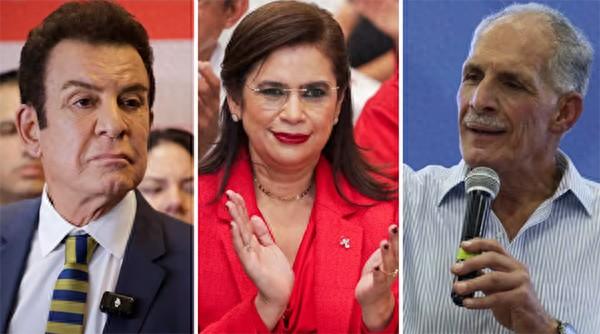
Core Viewpoint - The article discusses the recent presidential election in Honduras, highlighting the controversial election of Nasry Asfura, who won with a narrow margin of 0.74% over his opponent, Salvador Nasralla. The election is portrayed as heavily influenced by U.S. interests, particularly under the Trump administration, which is accused of manipulating the political landscape in Honduras for its own geopolitical gains [1][2][20]. Group 1: Election Results and Context - Nasry Asfura, representing the right-wing National Party, won the presidential election with a vote share of 40.27%, while his opponent Salvador Nasralla received 39.53%, a difference of approximately 28,000 votes [1]. - The election process was marred by significant delays and controversies, including accusations of U.S. interference and manipulation [1][2]. Group 2: U.S. Influence and Political Manipulation - The article emphasizes the role of the U.S. in Honduran politics, suggesting that Asfura's victory was largely due to American backing, particularly from Trump, who is depicted as using Honduras as a pawn in a larger geopolitical strategy [2][8][20]. - The release of former President Juan Hernández, who was convicted of drug trafficking, just before the election is highlighted as a strategic move to bolster Asfura's campaign [4][5][7]. Group 3: Broader Implications for Latin America - The situation in Honduras is presented as a microcosm of broader trends in Latin America, where U.S. influence is seen as undermining democratic processes and sovereignty [2][8][20]. - The article draws parallels between historical U.S. interventions in Latin America and current events, suggesting that the region remains under the thumb of American geopolitical interests [18][20]. Group 4: Taiwan's Position - The article notes that both Asfura and Nasralla promised to sever ties with China and restore relations with Taiwan, indicating Taiwan's role as a player in this geopolitical game [13][14]. - The relationship between Honduras and Taiwan is characterized as one of political maneuvering rather than genuine partnership, with Taiwan being used as a tool against China [15][16].
美国频频拦截扣留油轮 委内瑞拉出台“反海盗法”
Xin Lang Cai Jing· 2025-12-24 18:49
Group 1 - Venezuela has enacted a "Counter-Piracy Law" to protect its sovereignty and freedom of navigation in response to the U.S. intercepting oil tankers in international waters [1][7] - The law imposes penalties of up to 20 years in prison for those involved in piracy, blockades, or other illegal international actions [1] - The Venezuelan National Assembly's chairman stated that the law provides legal protection for the country's trade and sovereignty interests [1] Group 2 - Oil exports are a crucial economic pillar for Venezuela, and the country condemns U.S. actions as acts of piracy [2] - The U.S. aims to deprive Venezuelan President Maduro of resources through sanctions, as oil is considered the government's main economic lifeline [2] - Venezuela's UN representative accused the U.S. of being a power that operates outside international law [2] Group 3 - The U.S. claims that the Venezuelan government poses an unusual threat to peace and stability in the Western Hemisphere [3] - The U.S. has labeled the Venezuelan government and its associates as terrorist organizations, which Venezuela denies [3] - Venezuela's representative described U.S. actions as the largest act of extortion in history, aimed at benefiting U.S. oil companies [3] Group 4 - Russia condemned U.S. actions as illegal aggression and highlighted the threat posed to the entire Latin American region [4] - The U.S. National Security Strategy indicates a commitment to maintaining dominance in the Western Hemisphere and increasing military presence in Latin America [4] - The U.S. has been deploying military assets under the pretext of anti-drug operations near Venezuela [6] Group 5 - The U.S. has increased its military presence in the Caribbean, deploying special operations aircraft and personnel to exert pressure on the Venezuelan government [6] - Reports indicate that at least 10 CV-22 Osprey aircraft have been sent to the Caribbean, along with military personnel and equipment [6] - The U.S. has threatened military action against Venezuela, with President Trump suggesting the possibility of ground operations against drug traffickers [6]
美国频频拦截扣留油轮 委内瑞拉出台“反海盗法”
Xin Hua She· 2025-12-24 11:06
Core Viewpoint - Venezuela has enacted a "Counter-Piracy Law" to protect its sovereignty and freedom of navigation in response to the U.S. intercepting and detaining oil tankers in international waters [1][2]. Group 1: Legislative Actions - The Venezuelan National Assembly unanimously passed a law on December 23, 2023, aimed at protecting navigation and trade from piracy and other illegal international actions, imposing penalties of up to 20 years in prison for those involved in such activities [2]. - The law is intended to provide legal protection for Venezuela's navigation freedom, trade, and sovereign interests [2]. Group 2: U.S. Actions and Responses - The U.S. has increased military presence in the Caribbean, including aircraft carrier strike groups, and has conducted multiple operations against alleged drug trafficking vessels linked to Venezuela, resulting in numerous casualties [2]. - The U.S. claims that the Venezuelan government supports drug trafficking organizations, which justifies its military actions and sanctions against Venezuela [2]. Group 3: International Reactions - During an emergency meeting of the UN Security Council, the U.S. representative labeled Venezuela as an "unusual threat," while representatives from Venezuela and Russia accused the U.S. of aggression and extortion [1][3]. - Russia condemned the U.S. actions as illegal blockades and a clear act of aggression, asserting that such actions threaten the entire Latin American region [4].
美国对委内瑞拉施压的两个目的:石油与政权更迭
财富FORTUNE· 2025-12-22 13:29
Core Viewpoint - The article discusses the increasing U.S. military intervention in Venezuela, particularly in relation to its vast oil reserves, and how this aligns with Trump's national security strategy to exert greater influence in South America, which is becoming a key driver of global oil production [1][2]. Group 1: U.S. Intervention and Oil Politics - The U.S. has been actively intervening in Venezuela under the pretext of combating drug trafficking and illegal immigration, with military actions resulting in significant casualties [1][6]. - Venezuela possesses the largest proven oil reserves globally, yet its production has plummeted from nearly 4 million barrels per day in 2000 to approximately 960,000 barrels per day currently due to mismanagement and sanctions [5][6]. - Trump's administration aims to control oil supply to lower prices, reducing reliance on OPEC, and potentially increasing U.S. influence in the region [2][3]. Group 2: Corporate Involvement - Chevron is the only U.S. oil producer operating in Venezuela, producing about 25% of the country's oil, and has received a new restrictive license to continue operations despite sanctions [8]. - The geopolitical environment is challenging, but Chevron's CEO emphasizes the long-term potential of Venezuela's rich geological resources and the company's commitment to the local economy [8]. Group 3: Geopolitical Implications - The article highlights that U.S. actions in Venezuela are influenced by hawkish Republican politicians and local opposition to Maduro, advocating for greater military intervention [9]. - The potential for U.S. companies to profit from Venezuelan oil resources is a significant argument for intervention, with the expectation that a regime change could unlock this potential [9].

从门罗主义的特朗普推论看美国外交
日经中文网· 2025-12-11 07:45
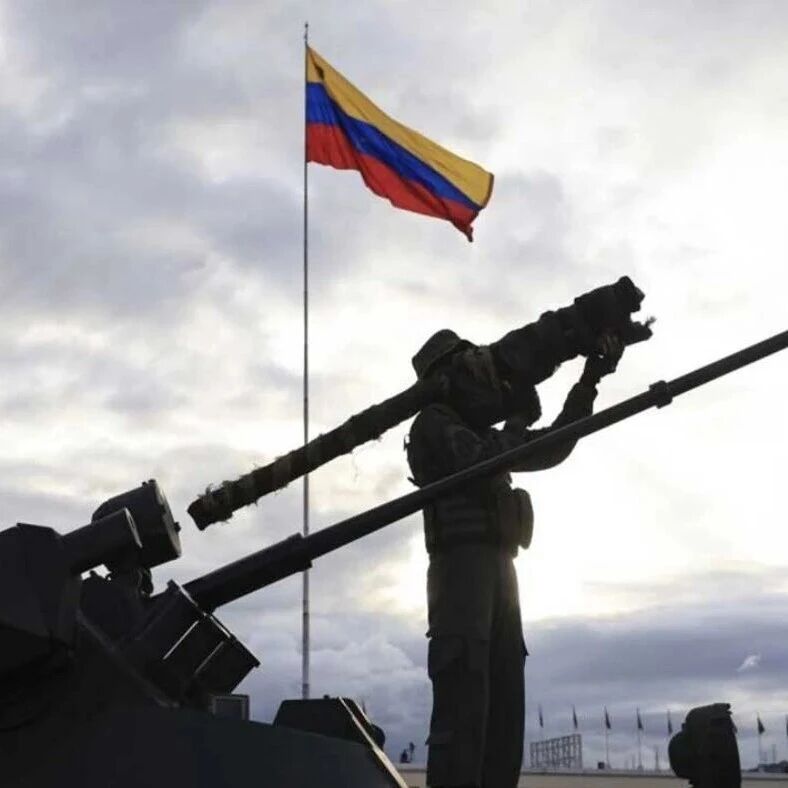
Core Viewpoint - The article discusses the implications of the new U.S. National Security Strategy (NSS) under the Trump administration, highlighting a focus on the Western Hemisphere and a critical stance towards Europe while seeking to rebuild strategic stability with Russia [1][6]. Group 1: U.S. National Security Strategy - The NSS emphasizes the "Trump Corollary" which aims to prevent foreign competitors from deploying military forces in the Western Hemisphere, asserting U.S. leadership in the region [3][4]. - The strategy reflects a historical precedent set by the Monroe Doctrine, which rejected European interference in the Americas, and is seen as a justification for U.S. intervention in its sphere of influence [4][5]. Group 2: Relations with Europe and Russia - The NSS expresses uncertainty about Europe's reliability as an ally, criticizing its immigration policies and suggesting a more adversarial stance towards European nations [6]. - In contrast, the strategy indicates a desire to rebuild strategic stability with Russia, despite minimal references to military threats from China [5][6]. Group 3: Broader Implications - The article suggests that the "Trump Corollary" is not merely a return to isolationism but a strategic redefinition of U.S. foreign policy aimed at national interests, exemplified by the use of tariffs in trade negotiations [5]. - The intertwining of U.S. security strategy with cultural wars reflects a deeper ideological divide, with significant implications for future U.S. foreign policy beyond the current administration [6].