
白酒行业复苏

Search documents
飞天茅台,四连涨!
Zhong Guo Zheng Quan Bao· 2026-02-08 11:00
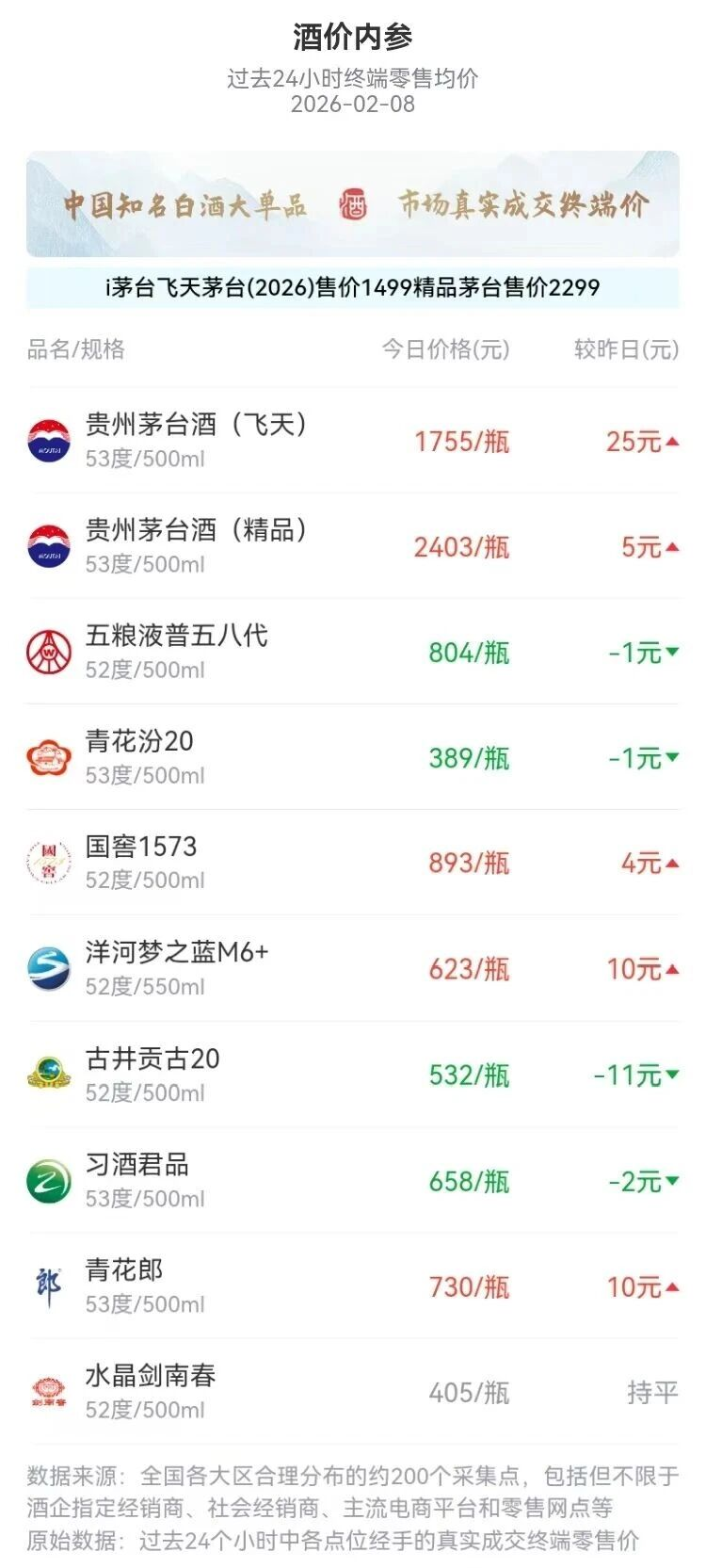
分析人士认为,这波价格上行主要由飞天茅台等头部产品带动,而部分中腰部产品价格则出现小幅回调, 市场分化格局依然明显。 春节市场现分化 2月8日,贵州茅台飞天酒大幅上涨25元/瓶,实现价格四连涨,延续春节前需求支撑的强势表现;洋河梦之 蓝M6+和青花郎均上涨10元/瓶;精品茅台上涨5元/瓶,突破2400元关口;国窖1573小幅上涨4元/瓶。古井 贡古20下调11元/瓶;习酒君品回落2元/瓶;五粮液普五八代与青花汾20均小幅下调1元/瓶;水晶剑南春价 格保持稳定,与前一日持平。 春节假期临近,白酒市场终端零售价格正显现出回暖迹象。 "酒价内参"2月8日发布的数据显示,中国白酒市场十大单品的整体打包售价达到9192元,较前一日上涨39 元,创2026年以来新高。贵州茅台飞天酒上涨25元/瓶,实现价格四连涨。 尽管高端酒价格有所提振,但白酒市场的整体动销感受并不均衡。北京朝阳区某渠道商对记者表示:"最 近飞天(茅台)确实'走得快',问的人多,货也紧俏,价格自然就上去了。但次高端价格带的酒,问的人 相对少,价格也不太稳得住。"他表示,今年节前备货更谨慎,主要精力都放在周转快、有确定需求的一 线品牌上。 这种感受,与整体 ...


太刺激!开年就暴涨的牛股,从跌停拉涨停!什么情况?
Mei Ri Shang Bao· 2026-02-06 15:05
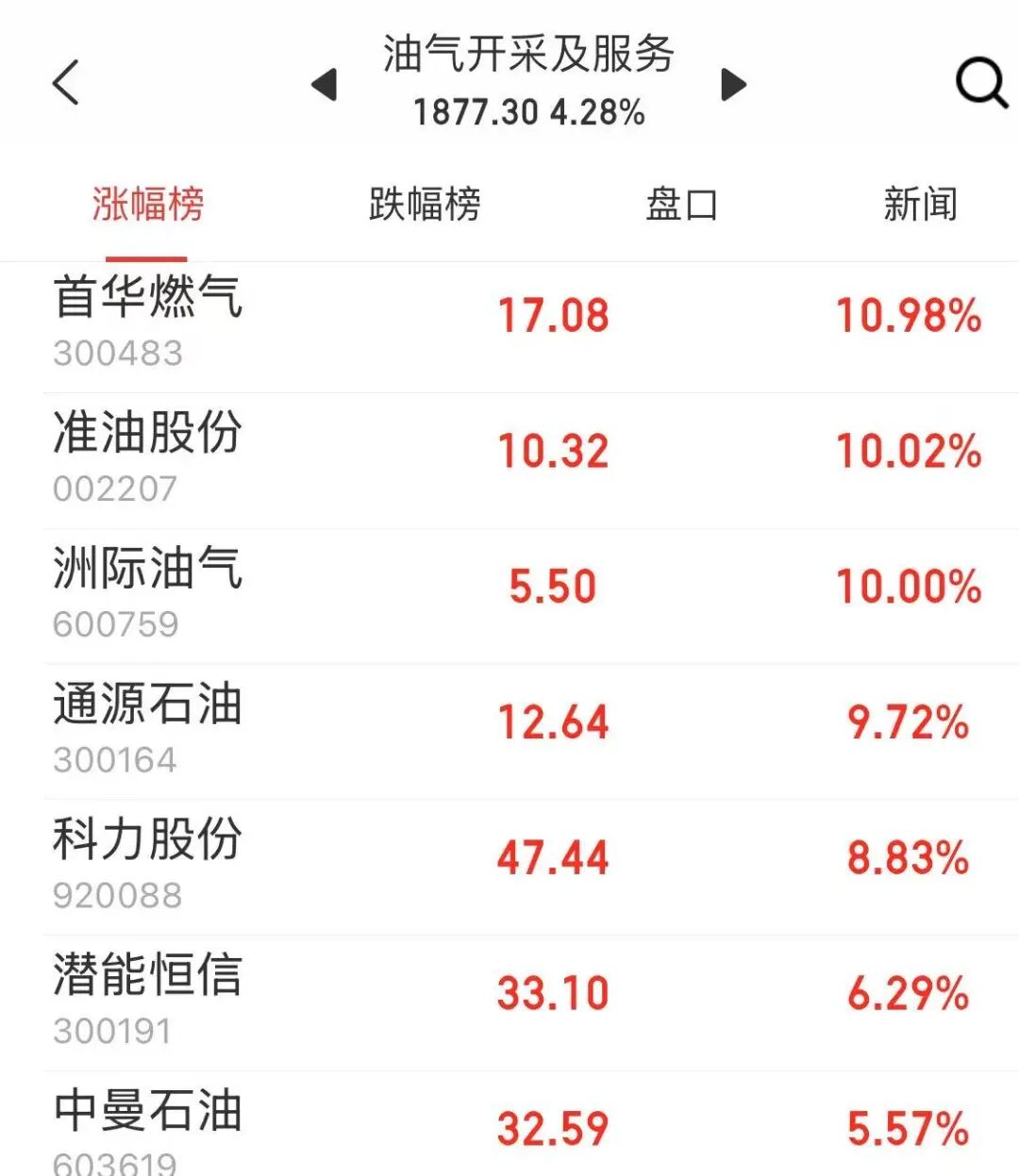
2月6日,A股三大指数调整之际,油气、化工板块却逆势走强。截至收盘,上证指数跌0.25%,深证成指跌0.33%,创业板指跌0.73%。 今天,油气开采与服务板块指数大涨逾4%,位列A股板块涨幅第一,而昨日刚创下"四连阳"的白酒板块却大跌,成了跌幅第一的板块。 "地天板"!百亿牛股突发 今日,油气股回暖,洲际油气(600759)、准油股份(002207)涨停,另有多只个股大涨。 | | 油气开采及服务 | | | | --- | --- | --- | --- | | | 1877.30 4.28% | | | | 涨幅榜 | 跌幅榜 | 盘口 | 新闻 | | 首华燃气 | 17.08 | | 10.98% | | 300483 | | | | | 准油股份 | 10.32 | | 10.02% | | 002207 | | | | | 洲际油气 | 5.50 | | 10.00% | | 600759 | | | | | 通源石油 | 12.64 | | 9.72% | | 300164 | | | | | 科力股份 | 47.44 | | 8.83% | | 920088 | | | | | 潜能恒信 | ...

机构看多贵州茅台再涨1000元
Di Yi Cai Jing· 2026-02-04 23:05
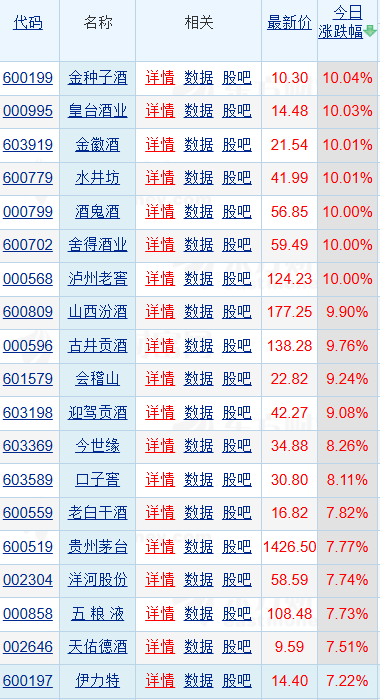
自去年四季度遭遇机构减持、估值承压以来,白酒板块持续低位盘整。近期以贵州茅台为首的头部酒企 呈现股价与批发价同步回暖态势,尤其是飞天茅台批价自年初低点持续回升,同时,地产行业景气转 暖,市场资金存在高低切换的需求,这些因素共同支撑近期白酒板块的反弹行情。 市场分歧随之加剧:这究竟是白酒长期下跌通道中的技术性反弹,还是行业基本面触底、周期拐点渐近 的真正信号? 股价回暖的背后:批价反弹、宏观暖风与资金轮动 2月4日,白酒股继续反弹,贵州茅台高开高走,收报1525元,涨3.4%,这是该公司股价自2025年9月15 日以来首次重回1500元。 贵州茅台此轮股价反弹并非孤立现象,1月末以来,山西汾酒(600809.SH)、泸州老窖 (000568.SZ)、酒鬼酒(000799.SZ)、水井坊(600779.SH)等白酒股涨幅均超过10%。中证白酒指 数在1月28日阶段性见底后,目前已累计反弹10.27%,跑赢主要股指。 业内认为,消费旺季、宏观暖风、资金高低切换等多项因素催化这轮白酒股集体上涨。首先,茅台批价 的全线回暖是直接催化剂。近期,飞天茅台批发价逐步脱离前期低点,在春节前消费旺季推动下,酒价 呈现上涨趋势。 ...
如何看待当前白酒板块
2026-01-30 03:11
如何看待当前白酒板块?20260129 摘要 近期白酒行业出现了大幅上涨的现象,背后的原因是什么? 白酒行业近期的大幅上涨主要有以下几个原因。首先,前期白酒板块跌幅较大, 筹码相对干净。其次,从基本面来看,茅台的批发价格逐步企稳,目前已超过 1,600 元,并且渠道反馈显示春节期间茅台有望实现正增长,这比之前预期的 双位数下滑要好得多。这一变化反映了茅台通过一系列改革,包括以价换量策 略,提高了产品性价比,从而激发了消费者需求。此外,茅台在 i 茅台平台上 的投放量增加,也进一步促进了需求增长。其他白酒公司如五粮液等则没有明 显的基本面改善迹象。 对于未来白酒市场的发展趋势和投资建议是什么? 从长期来看,我们认为茅台具有配置价值。其品牌力强,通过高性价比产品激 发需求,即使白酒行业整体量下滑,其市场份额仍能提升,实现稳健增长。目 前股息率超过 4%,企业也在持续回购股票。因此,对于追求绝对收益的资金 高端白酒如飞天茅台激发消费升级需求,高净值人群需求较好,100 元 以下及 100-300 元区间白酒未见明显上行,其他品牌处于下行趋缓阶段。 茅台品牌力强,市场化改革积极,春节价格低点已探明,后续价格不受 系统 ...
白酒狂欢!泸州老窖等8股涨停,贵州茅台涨近8%飞天批价突破1600元,券商看好底部配置机会
Jin Rong Jie· 2026-01-29 06:23
Group 1 - The core logic behind the current market speculation on the liquor sector is the positive expectations for sales during the upcoming Spring Festival and the highlighted value of industry bottom configurations [2][4] - As the Spring Festival approaches, traditional consumption scenarios for liquor are recovering, and institutional research reports are optimistic about the industry's recovery trend, leading to capital inflows into undervalued liquor stocks [2][4] - Various local regions have introduced supportive policies, reinforcing market confidence in the long-term development of the liquor industry [2][4] Group 2 - Some Moutai distributors have sold out their quotas for January and February, driven by pre-holiday stocking and Moutai's volume control strategy, which may lead to price increases [3] - The price of Moutai has seen a rise, with the original box price increasing by 20 yuan to 1610 yuan per bottle, while the price for loose bottles remains around 1570 yuan [3] - Citic Securities reports that the liquor industry is set to enter a marketing phase for the Spring Festival, focusing on market cultivation and consumer education to promote sales [4] Group 3 - High-end liquor brands are expected to benefit from the recovery of consumption scenarios such as business banquets and gift-giving during the Spring Festival, leading to a rebound in wholesale prices and sales [5] - Regional liquor companies are leveraging local market advantages and adjusting channel strategies to break through in a competitive environment, with some launching affordable products to meet consumer demand [5] - Service providers in liquor production areas are likely to see growth opportunities as regions promote digital transformation and cultural integration, enhancing production efficiency and brand value [5]


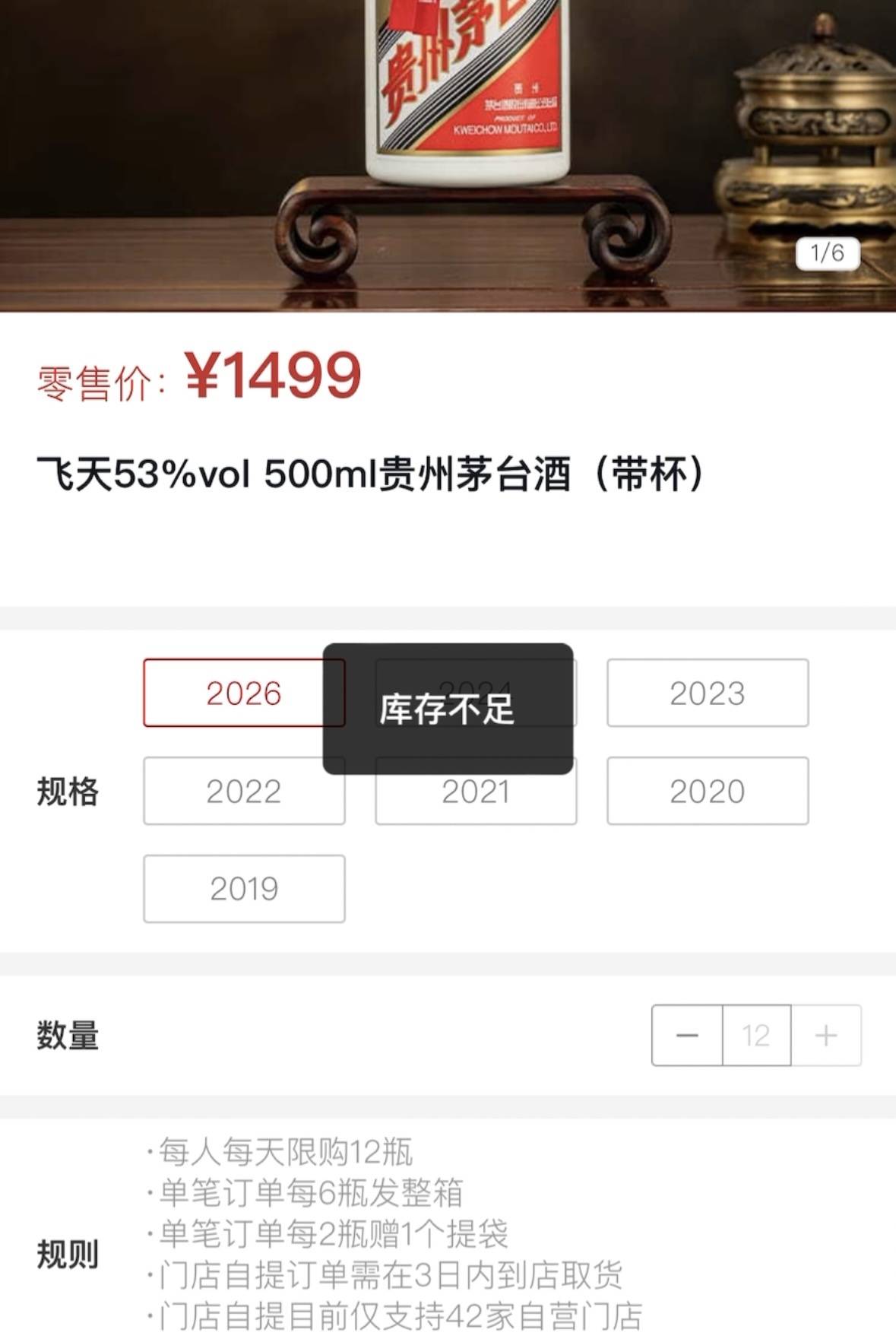
阶段性企稳?飞天茅台价格普涨 经销商称“过节需求出货量大”
Xin Lang Cai Jing· 2026-01-29 00:20
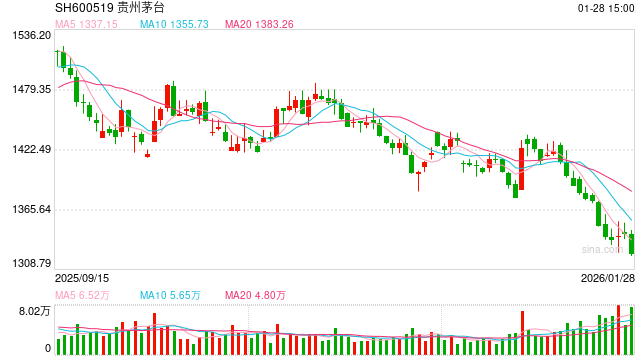
Core Viewpoint - The prices of Feitian Moutai and Zodiac Moutai have been rising, with the 25-year Feitian Moutai bottle price returning to 1600 yuan, driven by seasonal demand and company policies to stabilize prices [2][11]. Price Trends - As of January 28, 2026, the wholesale prices for various Moutai products have increased, with the 26-year Feitian Moutai original box priced at 1590 yuan (up 35 yuan) and the 25-year Feitian Moutai original box at 1600 yuan (up 35 yuan) [2][12]. - The 23-year and 24-year Feitian Moutai also saw price increases, indicating a general upward trend in Moutai pricing [11][12]. Market Dynamics - The price increase is attributed to Moutai's proactive measures to control supply and stabilize prices, combined with heightened demand during the festive season [5][14]. - Retail prices for Feitian Moutai have risen to around 1700 yuan per bottle, with reports of significant sales volume due to pre-holiday demand [5][13]. Consumer Behavior - There are reports of shortages for Zodiac Moutai, with some retailers advising consumers to purchase quickly due to anticipated price increases before the holiday [5][13]. - Consumers have expressed concerns over delayed deliveries from the iMoutai platform, prompting the company to expand its shipping locations to improve logistics [15]. Stock Performance - Despite the rising prices of Moutai products, the stock price of Kweichow Moutai (600519.SH) has been underperforming, with a decline of 3.88% year-to-date and a notable drop of over 6% during a nine-day streak of losses [16][17]. - Analysts suggest that the white liquor industry may stabilize and recover, with expectations for steady sales during the upcoming Spring Festival [16].
茅台自营商城上线原价飞天 ,网友:根本抢不到|消费新浪潮
Sou Hu Cai Jing· 2026-01-01 17:11
Core Insights - The launch of the 2026 Flying Moutai on January 1, 2026, was met with overwhelming demand, with consumers reporting that the product sold out within seconds [1][5] - The iMoutai app has undergone a significant update, consolidating purchasing options into a unified "iBuy" portal, allowing users to buy all available products directly [5] - The pricing strategy aims to stabilize the market by providing consumers access to core products at official prices, thereby reducing speculation and encouraging rational consumption [6] Company Strategy - Moutai's approach reflects a shift from a production-driven sales model to a consumer-driven one, emphasizing direct service to consumers and adapting to market demands [6] - The company is implementing a daily limited release of affordable Moutai to send clear pricing signals to the market, aiming to suppress speculation and stabilize consumer expectations [6] Industry Context - The white liquor industry is currently facing challenges, including declining sales and profits, with major companies reporting year-on-year revenue and net profit declines [7] - The industry is experiencing a structural shift, with high-end liquor expected to recover first due to its social and gifting attributes, while mid-range and mass-market segments will face more competition and slower recovery [8] - Analysts suggest that companies should innovate new channels and enhance brand narratives to capture new consumer segments and improve market positioning [8]
在至暗时刻,吴向东正在成为中国白酒的一道光
Ge Long Hui· 2025-12-24 02:46
Core Viewpoint - The Chinese liquor industry is currently facing significant challenges, with many industry players adopting a pessimistic outlook. However, Wu Xiangdong's proactive approach is seen as a beacon of hope, encouraging others to take action and believe in the industry's potential for recovery [1][6][24]. Group 1: Industry Sentiment - The Chinese liquor industry is experiencing a downturn, leading to a collective silence among industry players, often referred to as "ten thousand horses silent" [4][5]. - Many in the industry have adopted a defensive mindset, focusing on survival rather than innovation, with three typical attitudes emerging: prioritizing safety, avoiding risks, and using the industry's struggles as an excuse for inaction [5][6]. - The prevailing sentiment of "the liquor industry is failing" has led to a halt in proactive discussions and actions, with many losing faith in the industry's future [6][20]. Group 2: Wu Xiangdong's Actions - Wu Xiangdong is recognized as a significant figure in the industry, taking bold steps during this downturn, including organizing the "Ten Thousand Merchants Alliance" to restore order and encourage action among distributors [7][12]. - He emphasizes the long-term value of Chinese liquor, advocating for its cultural significance and potential for revival, which is crucial in a time of self-doubt within the industry [15][16]. - Wu's willingness to engage directly with the public and industry stakeholders through various media channels is seen as a rare and effective strategy to rebuild trust and communication [18][19]. Group 3: Contribution to the Industry - Wu Xiangdong's contributions are not about single-handedly saving the industry but rather about instilling hope and encouraging collective action among industry players [24][26]. - His approach includes being vocal about the industry's direction, actively organizing efforts to rebuild relationships, and embracing innovation despite the risks involved [25][26]. - The industry requires a foundational spirit of resilience and belief in its potential for recovery, which Wu embodies through his actions and leadership [26][30].

【大涨解读】白酒:茅台控量+政策催化密集,机构称行业底部配置价值凸显,看好修复行情
Xuan Gu Bao· 2025-12-15 02:21
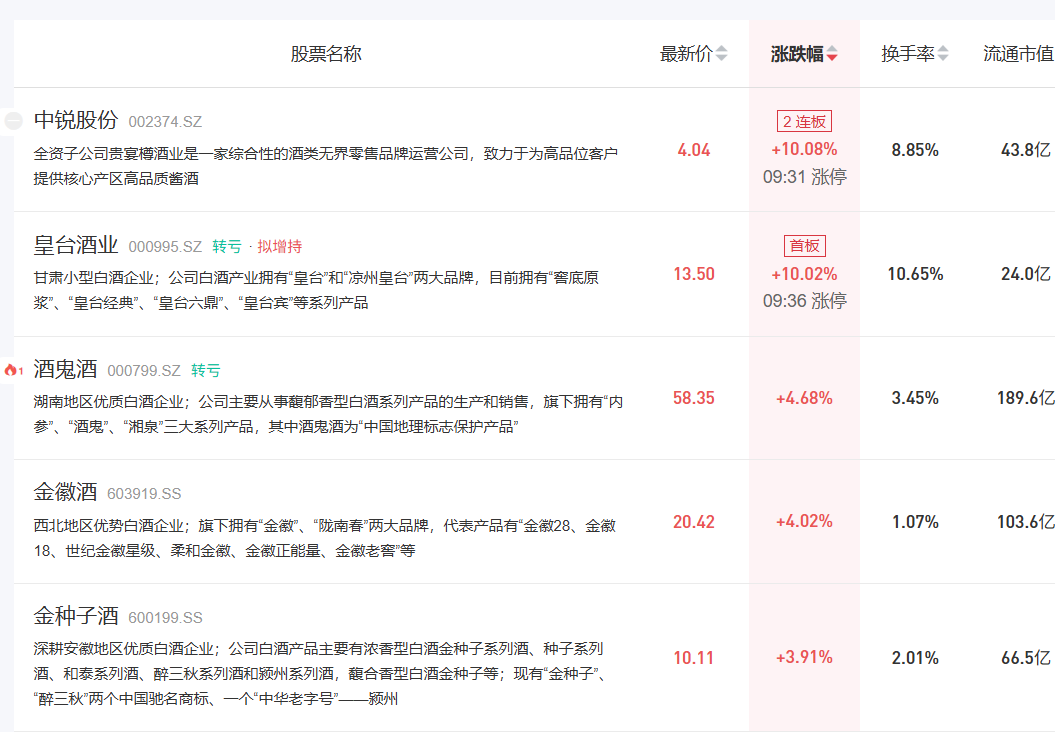
Core Viewpoint - The liquor sector is experiencing a partial rally, with notable gains in various companies, indicating a potential recovery in the market [1]. Group 1: Stock Performance - Zhongrui Co., Ltd. (002374.SZ) achieved a consecutive two-day increase, with a price of 4.04 and a rise of 10.08%, reaching a market cap of 4.38 billion [2]. - Huangtai Liquor Industry (000995.SZ) saw its stock hit the limit up, with a price of 13.50 and an increase of 10.02%, resulting in a market cap of 2.4 billion [2]. - Jiugui Liquor (000799.SZ) reported a price of 58.35, up by 4.68%, with a market cap of 18.96 billion [2]. - Jinhui Liquor (603919.SS) recorded a price of 20.42, increasing by 4.02%, with a market cap of 10.36 billion [2]. - Jinzongzi Liquor (600199.SS) had a price of 10.11, up by 3.91%, with a market cap of 6.65 billion [2]. Group 2: Industry Drivers - Guizhou Moutai announced a volume control policy, halting product distribution to dealers until January 1, 2026, and plans to significantly reduce non-standard product quotas in the medium to long term [3]. - The price of Feitian Moutai has been rising, with the highest price for loose bottles reaching 1580 yuan and original boxes exceeding 1600 yuan, marking a daily increase of 40-80 yuan [4]. - The Central Economic Work Conference emphasized fostering domestic demand and removing unreasonable restrictions in the consumption sector [5]. - Leading liquor companies are implementing supply-side control measures, with Wuliangye offering price concessions to stabilize terminal prices, while Yanghe and Shanxi Fenjiu have paused some product supplies to control volume and maintain prices [6]. Group 3: Institutional Insights - The liquor industry is in a challenging phase, with the China Securities White Liquor Index at a PE ratio of 18.85, close to a 10-year low, indicating a potential investment opportunity in leading companies [7]. - Moutai's clear volume and price control strategy aims to alleviate pressure on wholesale prices and focus on core products, while also enhancing channel profitability [7]. - In a weak demand environment, actions from leading liquor companies are crucial catalysts for market recovery, with inventory levels decreasing and consumer confidence improving [7].
皇台酒业控股股东左手矿业大赚右手再抛增持计划,是押注白酒行业复苏还是另有所图?
Mei Ri Jing Ji Xin Wen· 2025-11-19 08:26
Core Viewpoint - Gansu Shengda Group's recent plan to increase its stake in Huangtai Liquor has attracted market attention, indicating a potential bet on the recovery of the liquor industry despite the company's ongoing performance challenges [1][2][6] Group 1: Shareholding Structure - Gansu Shengda plans to increase its stake in Huangtai Liquor by an amount between 70 million to 140 million yuan, which could result in an increase of over 5.6% in shareholding [2] - The proportion of shares held by the top ten circulating shareholders has risen from 35.21% to 42.92% within six months, indicating a significant concentration of ownership [2][3] - The number of shareholders has decreased from over 50,000 to 34,500, a decline of over 30%, suggesting a consolidation of shares [3] Group 2: Financial Performance - Huangtai Liquor reported a revenue of 87.08 million yuan for the first three quarters of 2025, a year-on-year decline of 23.25%, with a net loss of 7.14 million yuan [3][6] - Since Gansu Shengda took control in 2019, Huangtai Liquor has accumulated a net profit of approximately -804,000 yuan, with no cash dividends issued [3][6] Group 3: Market Context - The liquor industry is currently facing significant pressure, with a reported 7% decline in total revenue among 19 listed companies in the first three quarters of 2025, while only Moutai and Fenjiu showed growth [6][7] - Regional liquor companies are experiencing challenges such as high inventory, price inversions, and consumption differentiation, leading to a "growth without profit" dilemma [7] - Despite the pressures, some analysts believe that the liquor sector may present strategic investment opportunities, suggesting that if demand improves, the industry could return to a phase of valuation and performance recovery [7]
