税收征管

Search documents
苏州市人大常委会调研税收和经济运行情况
Su Zhou Ri Bao· 2025-10-23 01:21
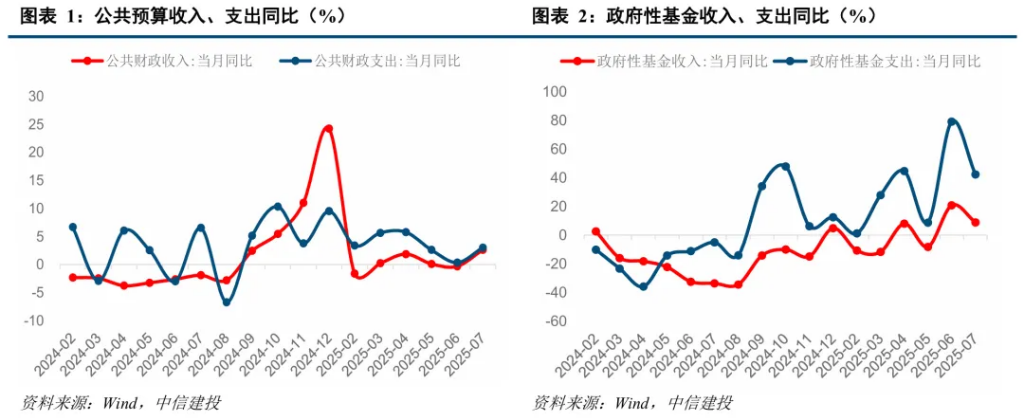
Core Insights - The city is focusing on enhancing tax revenue and economic performance through improved tax services and management [1] Group 1: Tax Revenue and Economic Development - The city aims to leverage tax functions to actively support economic and social development [1] - There is an emphasis on legal tax collection, strengthening tax administration, and improving the quality of tax revenue [1] - The city is committed to maintaining a fair tax order while enhancing taxpayer services [1] Group 2: Taxpayer Services and Efficiency - The service philosophy centers on taxpayers and fee payers, with ongoing reforms to simplify tax processes and improve efficiency [1] - Implementation of various tax incentives is aimed at better serving small and private enterprises to stimulate market vitality [1] - Tax authorities are encouraged to accept supervision from representatives and the public, ensuring responsiveness to legislative suggestions [1]
专访李华:个税改革应重点加强对全球所得的监控
Jing Ji Guan Cha Bao· 2025-10-10 13:19
Core Points - The Chinese government aims to improve the personal income tax system by gradually establishing a combined comprehensive and classified tax system, focusing on regulating income distribution and protecting legitimate income [1][2][3] - The current personal income tax threshold has not been adjusted since 2018, and there are ongoing discussions about increasing the threshold to alleviate the tax burden on middle-income groups [2][3][4] - The personal income tax system is seen as a tool for promoting social equity by adjusting the tax burden based on income levels, with high-income earners contributing a significant portion of tax revenue [3][5] Tax System Overview - The personal income tax system includes various income categories, with recent updates expanding the classification from four to nine types, enhancing the management of income sources [2][3] - The majority of personal income tax revenue comes from wage and salary income, which constitutes 64% of total personal income tax revenue [2] Recent Developments - Proposals have been made to increase the basic deduction standard to 10,000 yuan per month, which would significantly impact tax liabilities for individuals in high-cost areas [2][3] - The government is focusing on improving the tax deduction system, which now includes various personal expenditures such as education, medical expenses, and housing costs [2][3] Challenges and Considerations - There are structural challenges in the tax system, particularly in regulating non-wage income and ensuring equitable tax treatment for flexible employment and new economic sectors [8][9] - The disparity in tax rates between personal income tax (up to 45%) and corporate income tax (25%) has led to tax avoidance strategies, prompting discussions on potential reforms [14][15] Future Directions - Future reforms may include adjusting the personal income tax threshold based on economic indicators like CPI and median wages to ensure it reflects living costs [10][11] - The introduction of a progressive deduction system based on income levels is suggested to enhance fairness in the tax system [12][13]
专访李华:个税改革应重点加强对全球所得的监控
经济观察报· 2025-10-10 13:11
Core Viewpoint - The article emphasizes the importance of personal income tax and its threshold as a key element in determining taxpayers' pre-tax deductions, which directly impacts their economic burden and is a focal point for public concern [2][4][6]. Policy Context - The Chinese government aims to improve the personal income tax system by gradually establishing a combined comprehensive and classified tax system, as highlighted in various party congress reports [2][3]. - The 2025 National People's Congress is expected to see proposals for increasing the personal income tax threshold or enhancing deductions, particularly in high-cost areas like Beijing, Shanghai, Guangzhou, and Shenzhen [3][4]. Current Tax Structure - The current personal income tax threshold has remained unchanged since 2018, set at 5,000 yuan per month, with 64% of personal income tax revenue derived from wage and salary income, effectively making it a "salary tax" [3][4]. - The classification of income for tax purposes has been expanded from four categories to nine, including new categories such as business income and capital gains, to enhance revenue management [3][4]. Tax Deductions and Fairness - The special additional deductions for personal income tax have been continuously improved, covering various living expenses such as education, medical care, and housing [4][5]. - The tax system aims to reduce income disparity through differentiated tax burdens, ensuring that high-income earners contribute a larger share of taxes while lower-income individuals may not pay taxes at all [4][5][9]. Challenges in Tax Administration - There are significant challenges in regulating non-wage income compared to wage income, leading to potential inequities in tax burdens [10][11]. - The current system struggles to adequately cover flexible employment and new economic sectors, resulting in mismatches in tax policy application [10][11]. Future Directions - Future reforms may focus on increasing the threshold for personal income tax and optimizing the tax structure to ensure sustainability while promoting fairness [12][14]. - The introduction of a progressive deduction system based on income levels could help address disparities and enhance the equity of the tax system [15][14].


涉税信息报送新规剑指平台“内卷” 10月起实施
Zhong Guo Jing Ji Wang· 2025-09-26 00:37
Core Viewpoint - The implementation of the "Regulations on Tax Information Reporting by Internet Platform Enterprises" aims to enhance the compliance and transparency of online businesses, ensuring fair competition and tax equity in the platform economy [1][2][3]. Group 1: Regulatory Requirements - Starting from October 1, 2023, internet platform enterprises are required to report identity and income information of operators and employees for the first time [1]. - Platform operators must legally register their business entities and comply with tax declaration requirements to avoid market disorder and protect consumer rights [1][2]. - Individuals engaging in online transactions with annual sales exceeding 100,000 yuan must register as business entities, and platforms have the obligation to remind operators of this requirement [2]. Group 2: Tax Compliance and Reporting - Platform operators and employees are required to accurately report all sales income from various platforms and channels, adhering to tax declaration deadlines [3]. - There is a risk of tax evasion through practices such as splitting income across multiple entities, which the new regulations aim to prevent [3]. - The tax authorities will compare reported information with the data submitted by platforms to identify discrepancies and enforce penalties for false declarations [3][4]. Group 3: Addressing Illegal Activities - The regulations are designed to combat illegal activities such as fake platforms and fraudulent invoicing, which undermine fair competition and tax order [3][4]. - Recent cases have shown that some platforms collude with high-income individuals to disguise their income, which the new rules aim to address by increasing transparency [4]. - Regular reporting of tax information by platform enterprises will help prevent illegal fundraising and promote tax fairness between online and offline businesses [4].
《互联网平台企业涉税信息报送规定》落地实施 税务部门提醒防范违法违规
Zheng Quan Shi Bao Wang· 2025-09-25 05:47
平台经济具有虚拟化、跨区域化和分散化的特征,给传统的税收征管带来了挑战。记者了解到,个别平 台内经营者存在侥幸心理,即使办理了市场主体登记,也不到税务机关办理纳税申报或者进行虚假申 报,既造成国家税款流失,也容易造成商户与商户之间、线上与线下之间的不公平竞争。 今年10月1日起,按照国务院发布的《互联网平台企业涉税信息报送规定》(下称《规定》)有关要 求,互联网平台企业将首次正式报送平台内经营者和从业人员的身份信息、收入信息。 9月25日,记者从国家税务总局了解到,经过前期的宣传辅导、系统调试等工作,目前税务部门和各大 平台围绕涉税信息首次报送的相关准备工作已经基本完成。 《规定》及税务部门配套公告的落地实施,将有力推动平台经济规范健康发展,促进线上线下税收公 平、竞争公平,有效遏制平台"内卷",更好服务全国统一大市场建设。 平台内经营者需依法办理市场主体登记 记者了解到,目前有的平台内经营者实际开展了互联网销售业务,但并未按规定办理市场主体登记,也 未依法进行纳税申报,既逃避市监、税务等部门管理,又滋生了产品质量差、消费者维权难等问题,扰 乱了正常市场秩序。按照《电子商务法》规定,除个人销售自产农副产品、家 ...
中共国家税务总局委员会关于二十届中央第三轮巡视整改进展情况的通报
Zhong Yang Ji Wei Guo Jia Jian Wei Wang Zhan· 2025-09-22 10:37
Group 1 - The Central Inspection Team conducted a routine inspection of the State Taxation Administration from April 15 to July 20, 2024, and provided feedback on October 21, 2024 [1][2] - The State Taxation Administration's Party Committee has taken the inspection feedback seriously, emphasizing the importance of rectification and political responsibility [2][3] - A leadership group was established to oversee the rectification process, with the Party Secretary taking primary responsibility for key measures [3][4] Group 2 - The State Taxation Administration is focusing on addressing key issues identified in the inspection, including improving tax collection and management [6][7] - Specific measures include enhancing the effectiveness of tax audits and addressing issues related to illegal tax practices [7][8] - The administration is also working on improving the management of social security fees and non-tax revenues, ensuring better coordination among departments [8][9] Group 3 - The administration is committed to implementing tax reduction and exemption policies accurately, ensuring that eligible taxpayers receive benefits [10][11] - Efforts are being made to combat tax-related corruption and improve the integrity of the tax system through comprehensive governance measures [11][12] - The administration is enhancing its cadre training and selection processes to ensure a competent workforce [13][14] Group 4 - The State Taxation Administration is focused on long-term rectification efforts, particularly in areas highlighted by the inspection, such as tax collection and management [15][16] - The administration is also working on improving the regulatory framework for social security fees and non-tax revenues [17][18] - Continuous efforts are being made to strengthen the overall governance of the tax system and address systemic issues [19][20] Group 5 - Future plans include integrating rectification efforts into daily operations and aligning them with broader economic goals [20][21] - The administration aims to establish a long-term mechanism for addressing recurring issues and enhancing the quality of tax services [21]
粤澳深度合作 促进共建“一带一路”国家税收征管能力共同提升
Sou Hu Cai Jing· 2025-09-11 11:14
Core Insights - The "Belt and Road" Taxation Academy in Macau (Hengqin Campus) has successfully enhanced tax cooperation and management capabilities between China and Portuguese-speaking countries over its first year [1][2] - The sixth "Belt and Road" Tax Administration Cooperation Forum was held, showcasing China's initiative in building a multilateral tax cooperation platform [1] - The Hengqin Campus has trained 78 tax officials from nine Portuguese-speaking countries, leveraging the unique resources of the Guangdong-Hong Kong-Macao Greater Bay Area [1] Group 1 - The Hengqin Campus aims to create a knowledge-sharing platform and talent cultivation hub connecting China and Portuguese-speaking countries [1] - The training programs focus on improving tax administration capabilities and fostering collaboration among developing countries [2] - The campus features innovative tax services, including AI applications and electronic tax services, providing immersive experiences for participants [2] Group 2 - A comprehensive tax guide covering nine Portuguese-speaking countries has been developed to assist Chinese enterprises in their overseas investments [2] - The tax cooperation office will continue to enhance collaboration networks with Portuguese-speaking countries to build a fair and efficient modern tax governance system [3] - The initiative aims to promote the "Tax Road Pass - Guangdong Connects the World" brand through quality tax knowledge products [3]
中信建投:财税异动,发生了什么?
Xuan Gu Bao· 2025-08-20 11:42
Core Insights - July fiscal data shows significant highlights, with tax revenue growth returning to positive territory and expenditures improving due to increased income [1] - Major tax categories such as corporate income tax, personal income tax, and consumption tax exhibited varying degrees of upward elasticity in July [1] - The improvement in public budget expenditures is directly linked to the recovery in tax revenue, with a focus on social security, employment, and health care [1] Group 1: Public Budget Performance - From January to July, the national general public budget revenue reached 1,358.39 billion yuan, a year-on-year increase of 0.1%, while expenditures totaled 1,607.37 billion yuan, up 3.4% [2] - In July, general public budget revenue increased by 2.7%, marking the highest growth rate of the year, with tax revenue rising by 5.0% [4] - General public budget expenditures improved by 3.0% in July, driven by the increase in revenue, indicating a potential for accelerated spending despite revenue constraints [4] Group 2: Tax Revenue Structure - The second-largest tax category, corporate income tax, saw a growth rate of 6.4%, an increase of 3.6 percentage points [8] - Personal income tax experienced a significant growth of 13.9%, up 7.2 percentage points, attributed to increased cumulative income and stricter tax collection measures [9] - Consumption tax recorded a growth of 5.4%, rebounding by 3.4 percentage points, primarily driven by improvements in sales of tobacco and alcohol [10] Group 3: Government Fund Budget - National government fund budget revenue reached 23.12 billion yuan, a year-on-year decrease of 0.7%, while expenditures rose to 54.29 billion yuan, up 31.7% [3] - In July, government fund revenue growth slowed to 8.9%, significantly impacted by declining land transfer income [5] - Land transfer income increased by 7.2%, but the growth rate fell by approximately 15 percentage points, indicating ongoing weakness in the land and real estate market [13] Group 4: Fiscal Expenditure Trends - Fiscal expenditure showed broad support across various sectors, particularly in social security and health care, which grew by 13.1% and 14.2%, respectively [16] - Technology-related expenditures decreased by 30.5%, reflecting a shift in policy direction and a reduction in redundant construction projects [16] - The overall trend indicates a focus on essential social needs rather than unnecessary infrastructure spending [1][16]

财政专题分析报告:财政数据背后的宏观线索
SINOLINK SECURITIES· 2025-07-29 15:17
Group 1: Tax Revenue Insights - Personal income tax (PIT) increased by 8% year-on-year in the first half of the year, despite overall tax revenue declining by 1.2%[3] - Value-added tax (VAT) grew by 2.8%, while corporate income tax (CIT) saw a decline of 1.9%[7] - Non-tax revenue turned negative, with a 3.7% year-on-year decrease in June, primarily due to reduced contributions from state-owned assets and improved business environment leading to lower fees and penalties[28] Group 2: Fiscal Expenditure and Investment Trends - General fiscal expenditure rose by 17.6% year-on-year in June, significantly up from 5.3% for infrastructure investment, which fell by 3.9% compared to the previous month[4] - The acceleration in fiscal spending is largely attributed to a one-time injection of special bonds into commercial banks, with actual growth being slower when excluding this factor[34] - Special bonds are increasingly being used for debt repayment, with 46.7% of newly issued bonds in July allocated for this purpose, compared to only 41.7% for project construction[51] Group 3: Future Fiscal Outlook - The fiscal revenue and expenditure are expected to face pressure in the second half, with projected year-on-year growth rates of -4.5% for revenue and 1.5% for expenditure[5] - The anticipated budget gap for the year is estimated at 516.6 billion yuan for revenue and 547.2 billion yuan for expenditure, with limited necessity for additional deficits[5] - The government plans to utilize fiscal reserves, including the budget stabilization fund and profits from central financial enterprises, to cover a projected 120 billion yuan shortfall due to new subsidies[69]
跨境投资如何补税?税率20%,当年盈亏相抵?详解来了
券商中国· 2025-06-30 05:18
Core Viewpoint - The article discusses the increasing awareness and compliance of individual investors in China regarding tax obligations on overseas investment income, particularly in U.S. stocks and bonds, highlighting the complexities and challenges in the current tax reporting system [2][5][7]. Group 1: Tax Compliance and Reporting - An individual investor reported paying nearly 600,000 RMB in taxes, including approximately 480,000 RMB in comprehensive income tax and 110,000 RMB in late fees, with an estimated tax rate of 20% [2]. - The tax obligations for Chinese residents include not only capital gains from stock trading but also interest and dividends from overseas investments, necessitating accurate self-reporting to avoid discrepancies with tax authorities [4][5]. - There is a growing trend of inquiries from clients regarding the tax obligations on overseas income, indicating increased pressure on investors to comply with tax regulations [5]. Group 2: Challenges in Tax Reporting - The current tax reporting system faces challenges due to the predominance of retail investors in China, who often have multiple accounts and face difficulties in data consolidation for tax reporting [6]. - The existing foreign exchange management system complicates the repatriation of overseas investment income, leading to situations where investors may struggle to pay taxes on domestic income [6]. - Tax experts emphasize the need for professional tax services to assist investors in navigating the complexities of cross-border tax obligations, as many individuals lack the expertise to manage their tax filings effectively [7]. Group 3: Future Tax Management Trends - There is an expectation for a more systematic and legal approach to tax management in China, with ongoing efforts to refine relevant laws and regulations [5]. - The potential use of AI and advanced technology is suggested to streamline the tax reporting process for cross-border investments, addressing the needs of taxpayers [8].