
稳岗扩容提质行动

Search documents
把促进物价合理回升作为货币政策的重要考量!发改委,最新发声
证券时报· 2026-01-20 06:31
Core Viewpoint - The article discusses the implementation of the central economic work conference's spirit and the measures to promote a good start for the "14th Five-Year Plan" [1] Group 1: Economic Policy and Price Control - The National Development and Reform Commission (NDRC) emphasizes the importance of promoting a reasonable recovery of prices as a key goal of macroeconomic regulation [2] - A more proactive fiscal policy and moderately loose monetary policy will be implemented to foster a positive interaction between economic growth and price recovery [2] - Structural policies will focus on boosting consumption, increasing urban and rural residents' income, and optimizing the implementation of "two new" policies [2][3] Group 2: Market Regulation and Competition - The NDRC aims to enhance market vitality by addressing "involution" competition and shifting from "price competition" to "value competition" [3] - There will be a focus on improving market access, fair competition, and capacity exit mechanisms to regulate prices in key industries [3] - The NDRC plans to standardize local economic promotion behaviors and strengthen the market's survival of the fittest mechanism [3] Group 3: High-Tech Industry Development - The NDRC is planning to advance several significant projects in high-tech industries during the "14th Five-Year Plan" period, with a focus on innovation and integration of technology, products, and talent [4] - By 2025, the digital economy's added value is expected to reach 49 trillion yuan, accounting for approximately 35% of GDP [4] Group 4: Policy Support and Reform - The NDRC is working on a plan to enhance the effectiveness of the "two new" policies by optimizing support ranges, subsidy standards, and implementation mechanisms [6] - There will be a focus on reducing investment thresholds for project applications and increasing support for small and medium-sized enterprises [6] - The NDRC will also develop a list of actions that hinder the construction of a unified national market and a list of encouraged and prohibited investment behaviors [7] Group 5: Coordination of Policies - The NDRC emphasizes the need for coordination between reform and various policies, including fiscal, financial, consumption, investment, industrial, and innovation policies [8] - The focus will be on enhancing the synergy between policy support and reform innovation to address intertwined cyclical, structural, and institutional issues in economic development [8] Group 6: Regional Development Strategies - The NDRC highlights the significant potential of the central and western regions in supporting stable economic growth [10] - The commission plans to continue promoting strategies for the western development and the rise of the central region, transforming potential advantages into economic benefits [10]

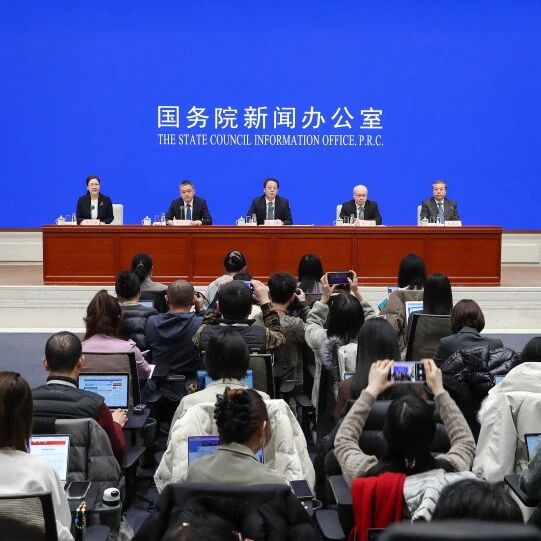
把促进物价回升作为货币政策的重要考量!国家发改委最新发声
券商中国· 2026-01-20 04:13
Core Viewpoint - The Chinese government is focusing on implementing proactive fiscal and monetary policies to stimulate economic growth and price recovery, addressing the current imbalance between supply and demand in the economy [2][3][5]. Group 1: Economic Policies and Strategies - The National Development and Reform Commission (NDRC) plans to implement a more proactive fiscal policy and moderately loose monetary policy, emphasizing the importance of price recovery in monetary policy considerations [2]. - A strategic plan for expanding domestic demand from 2026 to 2030 is being developed to adapt to the upgrading of demand structure in China, aiming to create new demand through new supply [3]. - The NDRC is working on significant high-tech industry projects during the 14th Five-Year Plan period, with expectations for the digital economy's added value to reach 49 trillion yuan by 2025, accounting for approximately 35% of GDP [4]. Group 2: Economic Development Goals - By 2025, the main economic and social development goals are expected to be achieved, showcasing resilience in development and improved living standards [5]. - The urbanization rate is projected to reach 67.89% by the end of the year, an increase of 0.89 percentage points from the previous year [5]. Group 3: Policy Implementation and Support - The NDRC is enhancing the "Two New" policies, with an initial allocation of 62.5 billion yuan in special bonds to support these initiatives, aiming to lower investment thresholds for small and medium-sized enterprises [6][7]. - There will be a focus on standardizing local economic promotion behaviors and enhancing market competition mechanisms to ensure a dynamic balance in supply and demand [8][9]. Group 4: Market Regulation and Coordination - The NDRC is set to develop a list of actions that hinder the establishment of a unified national market and a list of encouraged and prohibited actions for investment promotion [10]. - There is an emphasis on coordinating reforms with fiscal, financial, consumption, investment, industrial, and innovation policies to address intertwined cyclical, structural, and institutional issues in the economy [11]. Group 5: Regional Development Initiatives - The NDRC is committed to advancing strategies for the development of the western regions and the rise of central regions, recognizing their potential to support stable economic growth [13][14].
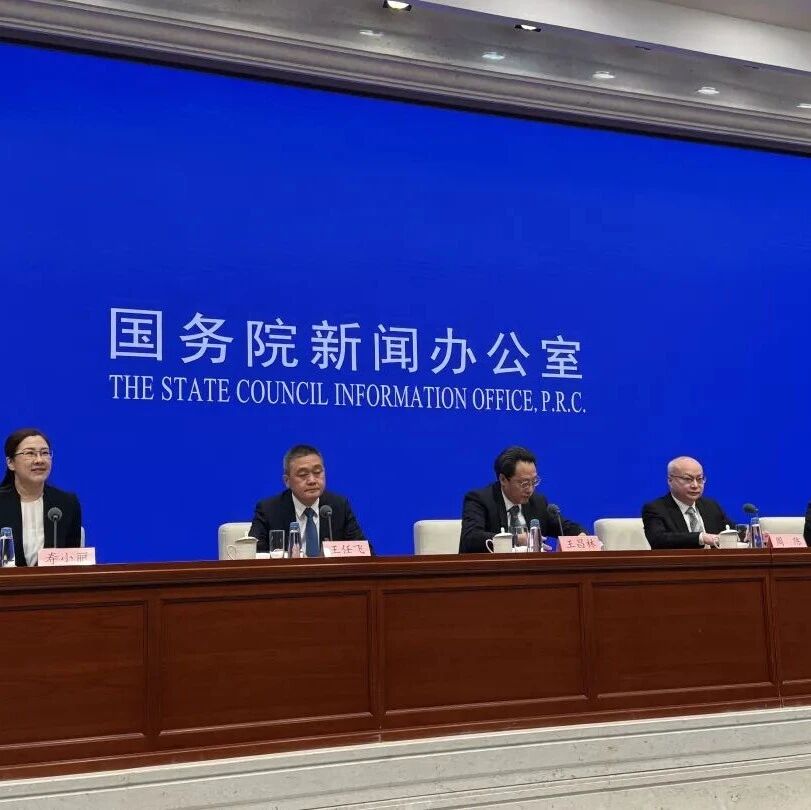
国家发改委:正在研究制定稳岗扩容提质行动和城乡居民增收计划,增强居民消费能力
Mei Ri Jing Ji Xin Wen· 2026-01-20 03:09
Core Viewpoint - The enhancement of consumer income is crucial for boosting domestic demand, as emphasized by the National Development and Reform Commission (NDRC) during a press conference [1] Group 1: Consumer Income and Domestic Demand - The NDRC is focusing on three key areas to improve consumer income and stimulate consumption [1] - The first area involves closely integrating livelihood improvement and consumption promotion, with plans to develop actions for stabilizing jobs and increasing urban and rural residents' income [1] Group 2: Investment Strategies - The second area emphasizes the combination of investment in physical assets and human capital, aiming to improve investment efficiency and promote mutual empowerment between material and human capital [1] - The third area focuses on the integration of policy support and reform innovation to enhance overall effectiveness [1]
新华社快讯:国家发展改革委表示有关方面正在研究制定稳岗扩容提质行动和城乡居民增收计划
Xin Hua Wang· 2026-01-20 03:08
Core Viewpoint - The National Development and Reform Commission is formulating plans to enhance employment stability and increase income for urban and rural residents, aiming to boost consumer spending and optimize consumption upgrades [1] Group 1: Employment and Income Plans - The government is researching and developing a "Stabilizing Jobs and Expanding Capacity" action plan [1] - There is a focus on increasing income for urban and rural residents to enhance their consumption capacity [1] Group 2: Service Industry Initiatives - This year, the government will implement actions to expand and improve the service industry [1] - A series of high-quality policies will be introduced to support these initiatives [1]
国家发改委:有关方面正在研究制定稳岗扩容提质行动和城乡居民增收计划
Jing Ji Guan Cha Wang· 2026-01-20 03:05
Core Viewpoint - The article emphasizes the importance of enhancing consumer income as a key aspect of boosting domestic demand, in line with the directives from the Central Economic Work Conference [1] Group 1: Policy Initiatives - The National Development and Reform Commission (NDRC) is focusing on three key areas to implement the Central Economic Work Conference's directives [1] - The first area involves closely integrating livelihood improvement and consumption promotion, with plans to develop actions for stabilizing jobs and increasing urban and rural residents' income to enhance consumer capacity [1] - The second area focuses on the integration of investment in physical assets and human capital, aiming to improve investment efficiency and promote mutual empowerment between material and human capital [1] - The third area emphasizes the integration of policy support and reform innovation [1]
发改委:有关方面正在研究制定稳岗扩容提质行动和城乡居民增收计划
Zheng Quan Shi Bao· 2026-01-20 02:57
Group 1 - The core viewpoint of the article emphasizes the importance of enhancing consumer income to boost domestic demand, as outlined in the Central Economic Work Conference [1] Group 2 - The National Development and Reform Commission (NDRC) is focusing on three key areas to implement the Central Economic Work Conference's directives: 1. Combining livelihood improvement with consumption promotion, with plans to develop actions for job stability and income growth for urban and rural residents to enhance consumer capacity [1] 2. Integrating investment in physical assets with investment in human capital to improve investment efficiency and promote mutual empowerment of material and human capital [1] 3. Aligning policy support with reform and innovation to drive economic growth [1]
中经评论:以最大努力抓好就业这个“最大民生”
Jing Ji Ri Bao· 2025-12-26 00:03
Core Insights - The employment situation in China has shown significant improvement, with 12.1 million new urban jobs created from January to November, surpassing the annual target, and the urban survey unemployment rate averaging 5.2%, below the 5.5% control target [1] Group 1: Employment Stability - Employment is prioritized as the largest aspect of people's livelihoods, with stable employment directly correlating to maintaining the livelihood baseline and development confidence [1] - The central government has placed a strong emphasis on stabilizing employment as part of its broader economic strategy, implementing coordinated fiscal, monetary, industrial, and employment policies to ensure basic stability in employment [1] Group 2: Structural Challenges - Despite overall stability, there are significant structural contradictions in the employment sector, characterized by strong supply and weak demand [2] - The strong supply is evident in the large number of over 10 million college graduates and nearly 300 million migrant workers each year, posing challenges in stabilizing existing jobs and expanding new ones [1][2] - The weak demand reflects a mismatch between the quality and stability of job growth and the expectations of laborers, with traditional industries and small businesses being cautious in expanding job opportunities [1][2] Group 3: Policy Directions - The central economic work conference has outlined a direction for employment policies, emphasizing the need for actions to stabilize jobs, expand capacity, and improve quality [2] - Key strategies include stabilizing business operations to ensure job retention, enhancing support for small and micro enterprises, and creating a stable and predictable business environment to boost hiring confidence [2][3] Group 4: Expanding Employment Opportunities - There is a focus on developing new economic sectors such as the digital economy, green economy, and silver economy to create more job opportunities [3] - The service sector is highlighted as a significant employment reservoir, with increased policy support for labor-intensive industries like construction and hospitality [3] - The scale of flexible employment has exceeded 200 million, indicating that new employment forms are becoming vital channels for income generation [3] Group 5: Improving Job Quality - Addressing structural contradictions requires aligning human capital with industry upgrades, focusing on resolving the issue of "having jobs but no workers" [3] - There is a call for profound reforms in vocational education and skills training to better match industry needs and reduce the gap between education and employment [3] - Enhancing public employment services and utilizing big data to improve job matching efficiency is essential for supporting key groups in finding employment [3] Group 6: Interconnected Strategies - The strategies of stabilizing jobs, expanding capacity, and improving quality are interconnected, with job stability serving as the foundation, expansion as the key, and quality improvement as the direction [4] - The employment pressure is expected to rise next year, necessitating a continued prioritization of employment stability and effective implementation of the outlined actions [4]
以最大努力抓好就业这个“最大民生”
Jing Ji Ri Bao· 2025-12-25 22:04
Group 1 - The central government prioritizes employment stability as part of its broader economic strategy, implementing coordinated fiscal, monetary, industrial, and employment policies to ensure basic stability in the job market [1][2] - From January to November, 12.1 million new urban jobs were created, surpassing the annual target, with an average urban survey unemployment rate of 5.2%, below the 5.5% control target, indicating the effectiveness of employment-first policies [1][2] - The employment landscape faces structural challenges, with a strong supply of labor (over 10 million college graduates and nearly 300 million migrant workers annually) but weak demand for high-quality, stable jobs that meet worker expectations [2][4] Group 2 - Stabilizing employment relies on maintaining the viability of business entities, particularly small and medium-sized enterprises (SMEs) and individual businesses, which require support to enhance their risk resilience and hiring capabilities [3][4] - Expanding employment opportunities is crucial, with a focus on developing new economic sectors such as the digital economy, green economy, and services, while also supporting labor-intensive industries like construction and hospitality [3][4] - Improving job quality is essential to address structural mismatches in the labor market, necessitating reforms in vocational education and training to align more closely with industry needs and enhance skill development for existing workers [4]
甘肃接续结对帮扶工程:倾情倾力解决特困家庭操心事
Xin Lang Cai Jing· 2025-12-24 06:29
Group 1 - The core initiative "Pairing Assistance · Loving Gansu" aims to address the concerns of impoverished families during the "14th Five-Year Plan" period, ensuring they feel the support of the government and officials [1] - Gansu will continue to promote care for orphans, ensuring they receive proper upbringing, emotional support, assistance in difficulties, and educational opportunities [1] - The province will enhance support for severely disabled individuals, improving rehabilitation quality and promoting employment and entrepreneurship to ensure a dignified life for them [1] Group 2 - Employment is highlighted as the biggest livelihood issue, with Gansu planning to create more job opportunities for graduates, migrant workers, and veterans through investment attraction and job expansion [3] - The province aims to foster a strong entrepreneurial environment, planning to conduct approximately 1.35 million government-subsidized skill training sessions over the next five years to promote entrepreneurship and income growth [3] - Gansu will focus on improving education quality across all levels, including early childhood, compulsory, and higher education, with initiatives like the "County Middle School Revitalization" project to ensure accessible quality education [3][4] Group 3 - The "14th Five-Year Plan" will prioritize health development, aiming to provide balanced medical resources and improve life expectancy and health levels among the population [4] - Initiatives will include the implementation of a strong healthcare foundation project to enhance the distribution of quality medical resources and establish integrated medical systems to reduce patient wait times and improve access to healthcare services [4]

实施稳岗扩容提质行动促进更充分更高质量就业
Xin Lang Cai Jing· 2025-12-21 17:39
Core Viewpoint - The implementation of the "Stabilizing Jobs, Expanding Capacity, and Improving Quality" initiative is essential for maintaining employment stability, expanding job opportunities, and enhancing job quality, which will ultimately support economic and social development [1][4]. Group 1: Stabilizing Employment - Stabilizing existing job positions is fundamental to maintaining overall employment stability, ensuring that workers have a reliable source of income and stable living conditions [2]. - A mechanism to respond to large-scale layoffs in companies will be established to monitor their operational status and provide timely policy support [2]. - Emphasis will be placed on reducing the burden on employers through policies such as job retention subsidies and employment guarantees, particularly for labor-intensive industries [2]. Group 2: Expanding Employment Opportunities - Expanding job capacity is crucial, especially with the anticipated record number of 12.7 million college graduates and significant numbers of migrant workers and veterans seeking employment [3]. - New business models such as food delivery, ride-hailing, and live-streaming commerce are emerging as vital contributors to economic vitality and job creation [3]. - The initiative will promote the development of new industries and modern service sectors, enhancing job opportunities through industrial upgrades and technological innovation [3]. Group 3: Improving Job Quality - Improving job quality is a core focus, shifting the emphasis from merely having jobs to ensuring that jobs are of high quality [4]. - There is a pressing need to enhance the employment capabilities of skilled workers, with over 72 million high-skilled individuals in the workforce [4]. - Strengthening vocational training and aligning skills with market demands will be prioritized to address structural employment challenges and improve job quality [4].