美国霸权衰落

Search documents
拜登预言成真,让特朗普干完这4年,美国或许成为“世界老二”?
Sou Hu Cai Jing· 2025-10-19 06:52
Economic Impact - The return of Trump has led to a significant escalation in tariffs, including a 10% global baseline tariff and an outrageous 125% tariff on Chinese goods, which has resulted in increased costs for American consumers, with an estimated additional $3,000 in living expenses for an average family from 2024 to 2025 [3][5] - The U.S. stock market has reacted negatively, with the S&P 500 dropping by 11% and the Nasdaq falling by 16% in the first quarter of 2025, while the Atlanta Federal Reserve predicts a nearly 3% contraction in the U.S. economy [5][19] - The economic policies under Trump have led to a situation described as "Trump recession," with significant job losses and supply chain disruptions affecting various sectors, including automotive and agriculture [5][19] Global Relations - The U.S. has seen a decline in its global leadership, with allies like the EU and Canada implementing counter-tariffs and moving towards greater economic independence, as evidenced by the EU's "Ready for 2030" white paper [10][12] - Trust in the U.S. has diminished significantly, with a Pew Research Center poll indicating a sharp decline in positive perceptions of the U.S. among citizens of 19 major countries, particularly in Canada where 73% of respondents expressed negative views [9][12] - The U.S. is experiencing a shift towards a multipolar world, with countries like Saudi Arabia beginning to settle oil transactions in yuan, indicating a move away from the dollar [7][21] Domestic Policy - Trump's domestic policies have led to significant government downsizing, resulting in labor shortages in critical sectors such as agriculture and construction, exacerbated by tightened immigration policies [14][16] - The political landscape has become increasingly polarized, with concerns about the erosion of democratic institutions and the rule of law, as Trump has been criticized for undermining the judicial system [16][18] - The internal divisions within the U.S. society are deepening, with issues of racial and class conflict becoming more pronounced under Trump's administration, raising questions about the country's ability to maintain its international leadership [16][19]

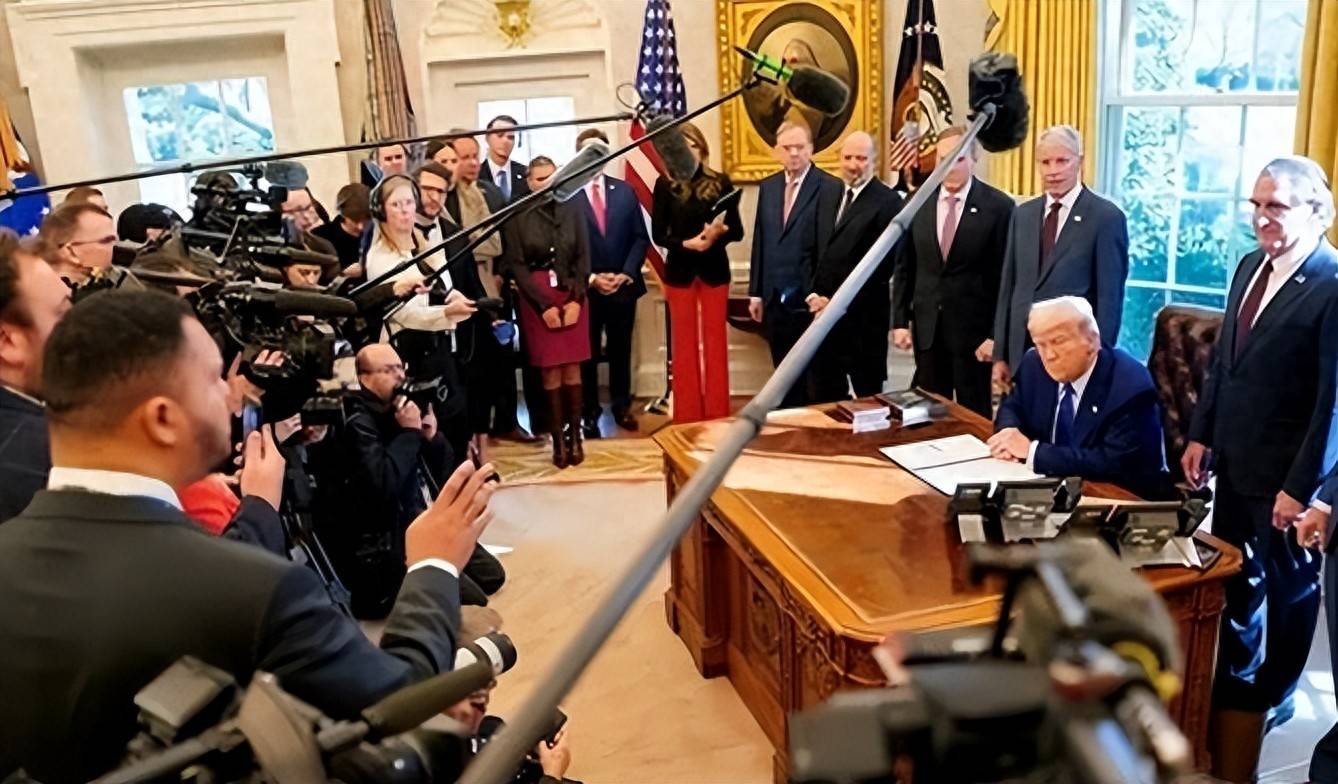
特朗普称将从韩国获得3500亿预付款,韩高层打脸特朗普:真搞不定
Sou Hu Cai Jing· 2025-09-29 04:22
Group 1 - The core issue revolves around the U.S. demanding a prepayment of $350 billion from South Korea, which has been denied by South Korean officials, highlighting the unsustainable nature of such a payment [2][4] - The U.S. proposal includes a profit-sharing scheme where both countries would initially split profits 50/50, but after cost recovery, the U.S. would take 90% of the profits, leaving South Korea with only 10% [4] - South Korea's current foreign reserves are approximately $410 billion, and a one-time payment of $350 billion would nearly deplete these reserves, raising concerns about a potential financial crisis similar to that of 1997 [6] Group 2 - Analysts suggest that the U.S. is exhibiting a bullying diplomatic strategy, showing more restraint with larger powers like China while exerting pressure on allies like South Korea [7] - The situation reflects a growing trend of U.S. unilateralism, disregarding the interests of allies, as seen in its policies towards Ukraine and now South Korea [8] - Observers note that South Korea may be forced to compromise due to its reliance on military security and economic ties with the U.S., potentially leading to unfavorable terms [9][10]
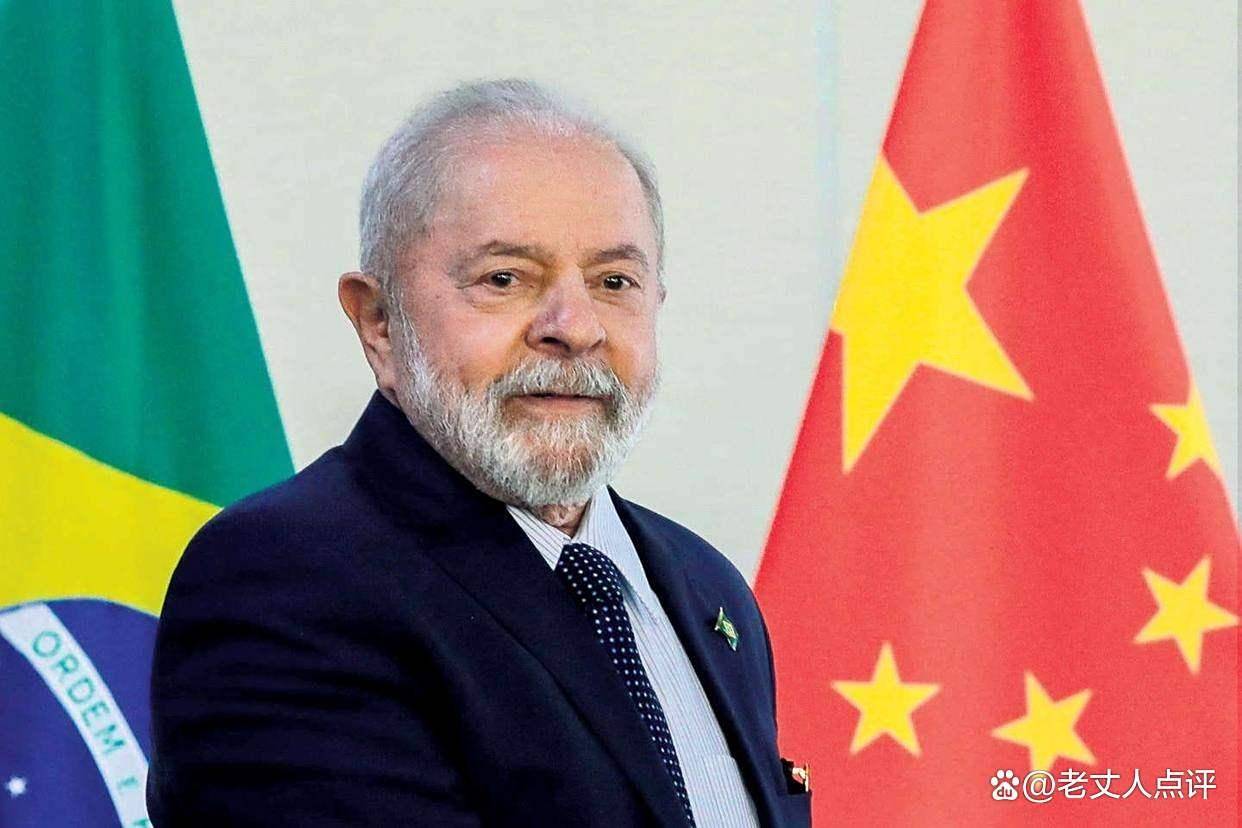
特朗普捅马蜂窝,11国加入战局美国遭围攻,认定咱们是唯一赢家
Sou Hu Cai Jing· 2025-08-12 23:20
Core Argument - The article argues that Trump's tariff policy, while seemingly beneficial in the short term, ultimately sows the seeds of America's decline in global hegemony, leading to a loss of trust among allies and a strengthening of adversaries [1][4]. Group 1: Impact on Allies - Trump's tariff policy has resulted in a complete breakdown of trust among allies, with countries like the EU and Japan feeling betrayed and seeking more reliable partnerships, such as with China [10]. - The once steadfast allies are now distancing themselves from the U.S., which has led to a significant erosion of loyalty and trust [3][10]. - The actions taken by the Trump administration have pushed allies towards alternative alliances, marking a shift in global cooperation dynamics [10]. Group 2: Response from Adversaries - In response to U.S. trade policies, BRICS nations (Brazil, Russia, India, China, South Africa, and others) are uniting to form a counterforce against American hegemony, indicating a profound shift in the global power structure [3][5]. - Brazilian President Lula's strong stance against U.S. tariffs exemplifies the growing resistance among emerging markets, as they seek to challenge U.S. dominance [3][5]. Group 3: Historical Parallels - The article draws parallels between Trump's tariff policies and Argentina's protectionist measures under President Perón, which initially appeared successful but ultimately led to economic decline [12]. - Historical lessons suggest that isolationism and protectionism can accelerate decline, as seen in the case of Argentina, which serves as a cautionary tale for current U.S. policies [4][12].
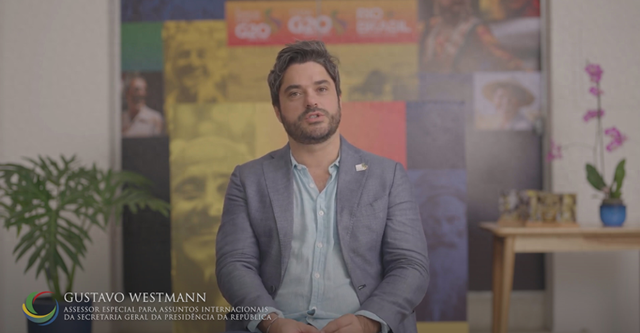
韦斯特曼:特朗普只会加速美国霸权衰落,任何外国都不应干预巴西内政
Guan Cha Zhe Wang· 2025-07-17 00:54
Core Viewpoint - The recent imposition of a 50% tariff by the U.S. on Brazil is seen as politically motivated and contrary to the current global order, prompting Brazil to focus on diplomatic negotiations and potential reciprocal measures rather than outright retaliation [1][29][30]. Group 1: U.S. Tariff Impact on Brazil - The U.S. tariff is partly motivated by the prosecution of former President Bolsonaro, which Brazil views as an interference in its domestic affairs [1][30]. - Brazil is preparing to implement equivalent tariffs on U.S. products as a form of reciprocal measure [4][31]. - The Brazilian government emphasizes the importance of maintaining a rational approach to foreign policy while expressing dissatisfaction with U.S. actions [6][34]. Group 2: Brazil's Diplomatic Strategy - Brazil aims to diversify its partnerships, with China playing a significant role in this strategy [4][31]. - The country plans to take the tariff issue to multilateral institutions like the WTO to seek a resolution [4][31]. - Brazil's leadership under President Lula is characterized by a commitment to dialogue and peaceful conflict resolution, positioning the country as a mediator in international disputes [16][47]. Group 3: BRICS and Global Influence - The U.S. tariffs are perceived as a sign of the growing influence of BRICS nations, which Brazil views positively as a validation of their efforts to create an alternative global order [36][37]. - Brazil believes that the tariffs will not undermine BRICS solidarity but rather strengthen political and commercial ties among member countries [36][37]. - The recent BRICS summit resulted in several declarations on key global issues, reflecting the group's commitment to addressing contemporary challenges [40][41]. Group 4: China-Brazil Relations - The potential construction of a railway linking Peru's Chancay port to Brazil's east coast is seen as a significant opportunity to enhance bilateral relations, although it is still in the feasibility study phase [43][44]. - Brazil's trade with China is substantial, but there is a need to improve the quality of trade, particularly in high-tech products [43][44]. - The Brazilian government supports closer cooperation with China, especially in infrastructure projects that could benefit both economies [45][46]. Group 5: Brazil's Role in Global Peace Efforts - Brazil is positioning itself as a mediator in global conflicts, leveraging its tradition of peaceful conflict resolution and diplomatic engagement [16][47]. - The country is actively working with China on peace initiatives related to the Ukraine conflict, although significant progress has yet to be made [50]. - Brazil condemns the violence in Palestine and seeks to address the humanitarian crisis, emphasizing its role as a responsible global actor [51][52].
美元失势、导弹破防、特朗普急眼?五一全球变局背后的三大信号
Sou Hu Cai Jing· 2025-05-06 08:49
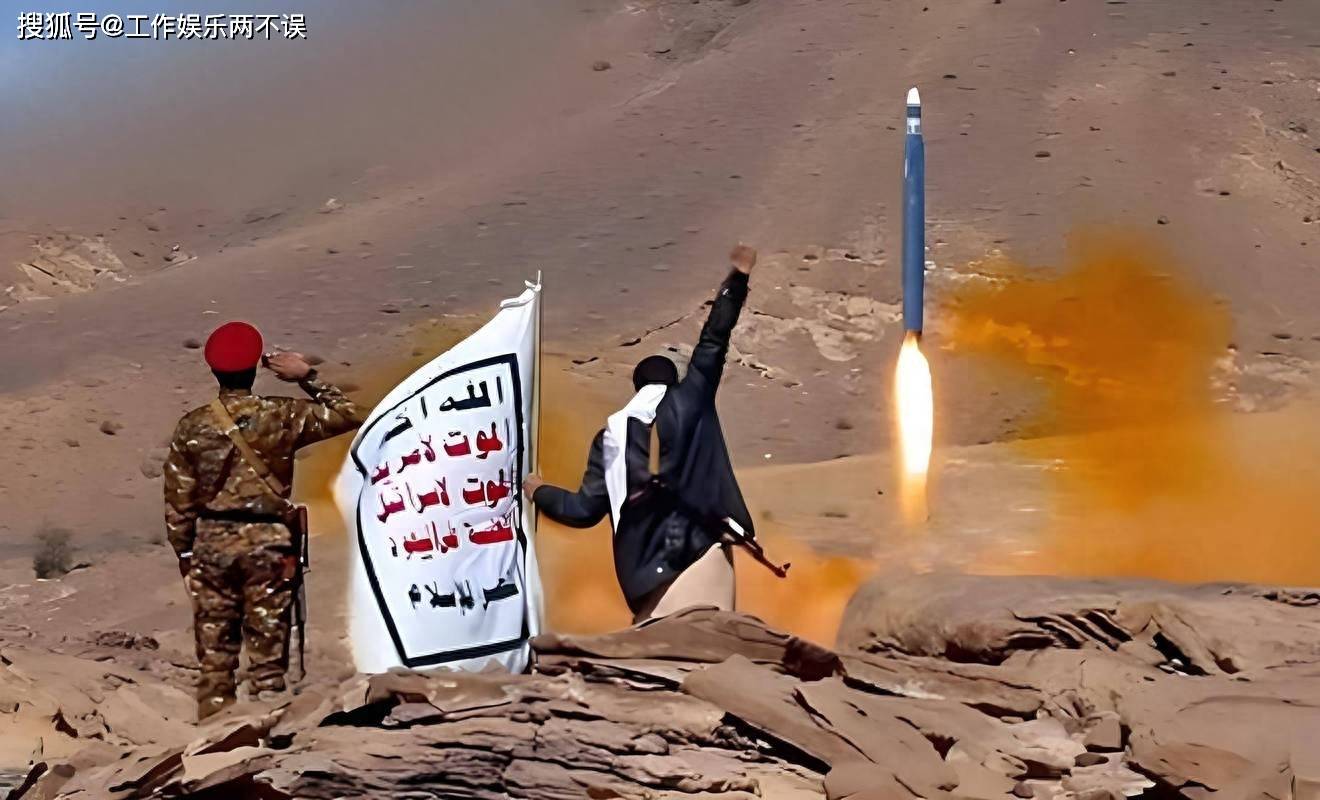
Group 1: Currency Dynamics - The offshore RMB against the USD surged over 400 points, reaching a new high for the year, positively impacting A-shares [2] - Despite Trump's threats of imposing a 60% tariff on Chinese goods, global capital continues to flow into China, indicating a weakening of USD hegemony [2] - The popularity of Chinese culture and products is evident, with TikTok's ChinaTravel topic surpassing 700 million views, showcasing China's global influence [2] Group 2: Military Developments - The Houthi forces demonstrated the vulnerability of the US-Israeli defense systems by successfully striking Israel with a hypersonic missile, creating a significant impact [4] - The US military's response to the Houthi blockade of the Red Sea was marked by the sudden withdrawal of the USS Eisenhower, highlighting operational challenges [4] Group 3: Geopolitical Shifts - Trump's recent comments about using military force to seize Greenland reflect the anxiety surrounding the decline of US hegemony, as evidenced by the strengthening of Houthi forces [6] - The completion of China's third aircraft carrier and the use of RMB for oil transactions by Middle Eastern countries signify a shift in the international order [6] Group 4: Opportunities for China - The current global changes are seen as a result of multiple factors, with China leveraging cultural diplomacy and digital currency to enhance its international standing [8] - The advancements in military technology by the Chinese military are reshaping the strategic landscape, indicating a potential shift in power dynamics [8] - The acceleration of RMB internationalization and the cultural tourism boom during the recent holiday reflect a broader trend towards national rejuvenation for China [8]
专访复旦大学吴心伯:特朗普政府“百日大考”不及格,或加速美国霸权衰落
21世纪经济报道· 2025-05-02 00:22
Group 1 - The article discusses the low approval rating of President Trump's administration, which stands at 39%, marking the lowest in 80 years for a president's first 100 days in office [1][6][7] - The article highlights that Trump's domestic policies, particularly the "reciprocal tariffs," have led to significant economic and social issues, causing dissatisfaction among the public and businesses [2][7] - Trump's foreign policy is criticized for oversimplifying international conflicts and failing to deliver on promises, such as resolving the Russia-Ukraine conflict within 24 hours [2][8] Group 2 - The article notes that Trump's administration has withdrawn from several international agreements, including the Paris Agreement and the World Health Organization, which may weaken the U.S.'s global leadership [10][11] - The article suggests that the U.S. is experiencing a strategic contraction in its foreign policy, focusing more on domestic issues and reducing its involvement in multilateral systems [3][11] - The article indicates that the relationship between the U.S. and Europe is deteriorating, with European nations seeking greater strategic autonomy in security matters [12][13] Group 3 - The article discusses the impact of Trump's tariff policies, which have faced backlash and led to market volatility, ultimately undermining investor confidence [17][18] - It is mentioned that Trump's attempts to curb China's technological rise through tariffs may only temporarily slow progress, as these measures could inadvertently accelerate China's innovation efforts [20] - The article concludes that the U.S. is entering a more multipolar world, with its hegemonic status being challenged, particularly in economic terms [19]
这位大佬称,特朗普高关税“撑不过三个月”,为什么?
Sou Hu Cai Jing· 2025-04-27 00:01
Group 1 - Mahathir criticizes the high tariff policy of the Trump administration, predicting it will not last more than three months due to rising living costs leading to widespread protests among the American populace [1][4] - The U.S. economy's deep reliance on global supply chains is highlighted, with Mahathir noting that the country has "almost no domestic products," leading to a hollowing out of local manufacturing [3][4] - The imposition of high tariffs could result in significant price increases for American consumers, particularly for products like the iPhone, which relies heavily on overseas production [3][4] Group 2 - The anticipated nationwide protests in the U.S. in April 2025 are linked to rising prices, stock market declines, and shrinking retirement funds, reflecting the real impact of the trade war on American citizens [4][6] - Mahathir argues that the Trump administration's tariffs may backfire, creating three major challenges: overcoming cost disadvantages, increasing inflation, and the risk of global supply chain disruptions [4][6] - The U.S. stock market has already seen a significant decline, with a loss of $6.6 trillion in market value due to the tariff policies, indicating the immediate economic repercussions [4][6] Group 3 - Despite widespread protests, Trump maintains a high approval rating among Republican voters, and there is no unified opposition within the party against the tariff policies [6][7] - The slow response of the government to the negative economic impacts of tariffs is noted, with decision-making processes being influenced by public opinion and lobbying from interest groups [6][7] - Mahathir's critique reflects a broader concern about the decline of American hegemony and the potential ineffectiveness of unilateral pressure on China in trade negotiations [6][7] Group 4 - The conflict between globalization and protectionism is underscored, with Mahathir's predictions highlighting the structural contradictions within the U.S. economy [9] - The Trump administration faces a "triple paradox" involving insufficient domestic production, rising inflation pressures, and the political divide between populist movements and elite consensus [9] - The challenge for the Trump administration lies not only in the potential repeal of tariffs but in finding a way to exit the economic conflict without triggering a systemic crisis [9]