考古研究

Search documents
考古新发现!西安发现2座汉墓6座唐墓
Yang Shi Xin Wen· 2025-10-10 06:08
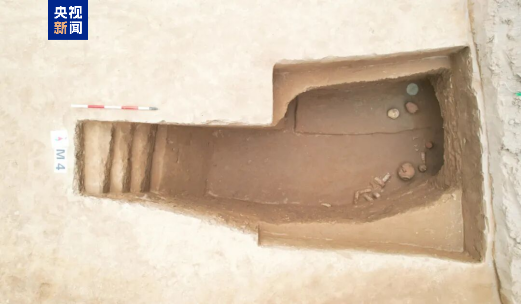
Core Insights - The archaeological excavation conducted by the Fenghao team of the Chinese Academy of Social Sciences in September 2025 revealed significant findings in the Xi'an area, including 8 tombs, 1 ash pit, and 2 pits, indicating a rich historical context from the late Western Han to the Tang Dynasty [1][3] Group 1 - The excavation site is located 1.3 kilometers southwest of the Western Zhou capital site of Haojing, highlighting its importance in the study of the urban system of the Western Zhou Dynasty [3] - Among the 8 tombs uncovered, there are 2 from the Han Dynasty and 6 from the Tang Dynasty, providing valuable data for archaeological research in the Fenghao area [1][3] - The construction project had already excavated the foundation pit to a depth of 3 meters before the archaeological work commenced, indicating the potential for further discoveries in the area [1]

这座古陶瓷基因库,为何是许多考古人的心之所向?
Ren Min Ri Bao· 2025-10-03 02:37
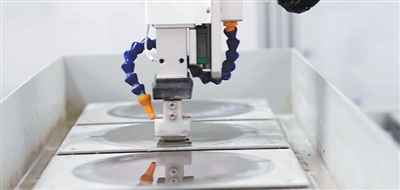
Core Insights - The establishment of the ancient ceramic gene bank in Jingdezhen aims to standardize the identification and research of ancient ceramics, providing a solid foundation for academic studies and artifact authentication [1][2] Group 1: Background and Purpose - Jingdezhen, known as the "Porcelain Capital," has a rich history of ceramic production, with over 20 million kiln relics unearthed since the late 1970s, forming the basis for the gene bank's authoritative data [1] - The gene bank was created to utilize technological methods to extract information from ancient ceramics, with applications in restoring ancient societies, ancient craftsmanship, and contemporary cultural tourism [2] Group 2: Technological Collaboration and Data Collection - In June 2022, the Jingdezhen Ancient Ceramic Gene Bank collaborated with institutions like Tsinghua University and the Palace Museum to develop a knowledge graph database and 3D digital models of typical ceramic specimens [2] - The gene bank has completed the collection of over 3,000 selected samples, encompassing nearly 1.2 million pieces of ancient ceramic genetic information [2] Group 3: Practical Applications and Research Support - The gene bank has assisted in authenticating ancient ceramics, exemplified by a case where a Dutch collector identified a late Qing dynasty piece through data comparison with 17 selected ancient ceramic samples [4] - Recent collaborations with Peking University have enabled advanced research on blue-and-white porcelain from the Yuan to Qing dynasties, utilizing cutting-edge submicron technology [4] Group 4: Cultural and Creative Development - The gene bank has facilitated the reproduction of significant historical artifacts, such as the Ming Yongle blue-and-white cup, by providing detailed data to ceramic workshops [5] - The open-access nature of the gene bank allows for broader public participation in creative transformation and innovation, revitalizing ancient ceramics for modern applications [5]
发现80周年,琉璃河遗址考古研究联盟成立
Xin Jing Bao· 2025-09-23 04:06
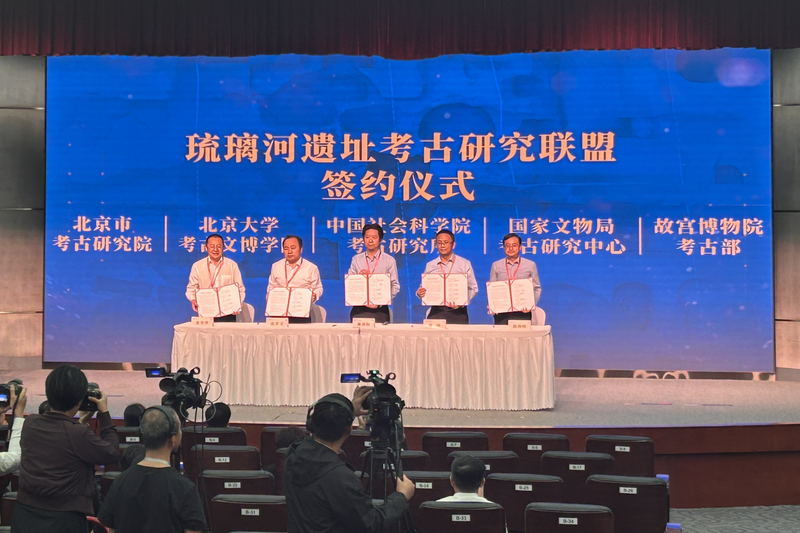
Core Viewpoint - The establishment of the "Liulihe Site Archaeological Research Alliance" aims to enhance archaeological research, protection, and value interpretation of the Liulihe site, a significant archaeological site from the Western Zhou period in the Beijing-Tianjin-Hebei region [1][6]. Group 1: Alliance Formation - The alliance was initiated by several key institutions, including the Beijing Archaeological Research Institute and the Palace Museum, to integrate resources and promote collaborative archaeological efforts [1][6]. - The agreement emphasizes principles of resource sharing, complementary advantages, collaborative innovation, and mutual benefits among the member institutions [6][8]. Group 2: Historical Significance of Liulihe Site - The Liulihe site is crucial for understanding early urban development in Beijing, the history and culture of the Yan state, and cultural exchanges between the north and south [3]. - The site has a rich excavation history, with significant findings from various periods, including large-scale excavations from 1972 to 1977 and 1980 to 1986, confirming its status as the early capital of the Yan state [3][5]. Group 3: Research and Collaboration Focus - The alliance will focus on joint archaeological excavations and research, utilizing multidisciplinary approaches to deepen understanding of the site's cultural significance and historical evolution [6][7]. - There will be an emphasis on technological archaeology and artifact preservation, leveraging advanced facilities and techniques from member institutions [6][7]. Group 4: Knowledge Dissemination and Talent Development - The alliance aims to promote the transformation of research outcomes into public knowledge through academic publications, exhibitions, and public archaeology activities [6][8]. - A talent exchange and training mechanism will be established to cultivate high-level archaeological professionals through joint guidance and fieldwork [7][8].
青海秦代石刻官方鉴定为真!每经记者第一时间采访古文字学家,详解鉴定过程、深远意义和未来谋划
Mei Ri Jing Ji Xin Wen· 2025-09-16 11:15
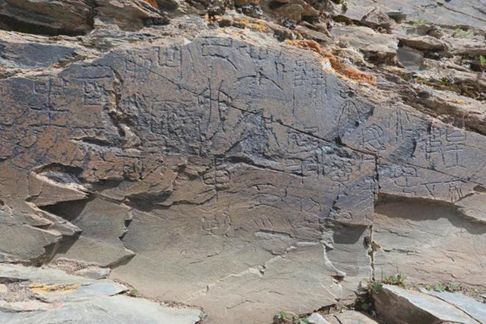
Core Points - The "Kunlun Inscription" has been officially recognized as a relic from the Qin Dynasty, named "Gari Tang Qin Inscription," located in Mado County, Qinghai Province, which has sparked widespread discussion and research [1][2] - The inscription consists of 12 lines and 36 characters, primarily in Qin seal script, and its recognition enhances the historical and cultural significance of the region [1][2][4] Group 1: Official Recognition and Historical Significance - The National Cultural Heritage Administration confirmed the inscription's age through interdisciplinary expert verification, marking it as the only known Qin inscription at a high altitude [2][17] - The inscription provides credible historical material that expands the understanding of Qin Emperor Qin Shi Huang's quest for immortality and the geographical scope of such activities to the Tibetan Plateau [2][18] - The recognition is expected to elevate Mado County's cultural profile and connect it with other historical sites in the area [2][25] Group 2: Expert Analysis and Archaeological Importance - Experts have validated the inscription's content and style, confirming it as a significant artifact for the study of Qin characters and culture [20][23] - The inscription's discovery suggests that human activity in the region dates back to the Qin Dynasty, opening new avenues for archaeological exploration in high-altitude areas [24][28] - The inscription's content aligns with historical records, indicating a broader national scope for the emperor's search for medicinal herbs [18][20] Group 3: Preservation and Future Plans - The local government has initiated protective measures for the inscription, including the establishment of temporary barriers and plans for further archaeological investigations [25][27] - Funding has been allocated for the inscription's protection, emphasizing the importance of safeguarding this cultural heritage [25][28] - Future efforts will focus on integrating the inscription with surrounding historical sites to enhance cultural tourism while balancing ecological preservation [27][28]
揭开雄安深厚的历史底蕴“长安二千三百里——雄安古州城遗址考古成果展”在中国考古博物馆开展
Zhong Yang Ji Wei Guo Jia Jian Wei Wang Zhan· 2025-08-15 00:27
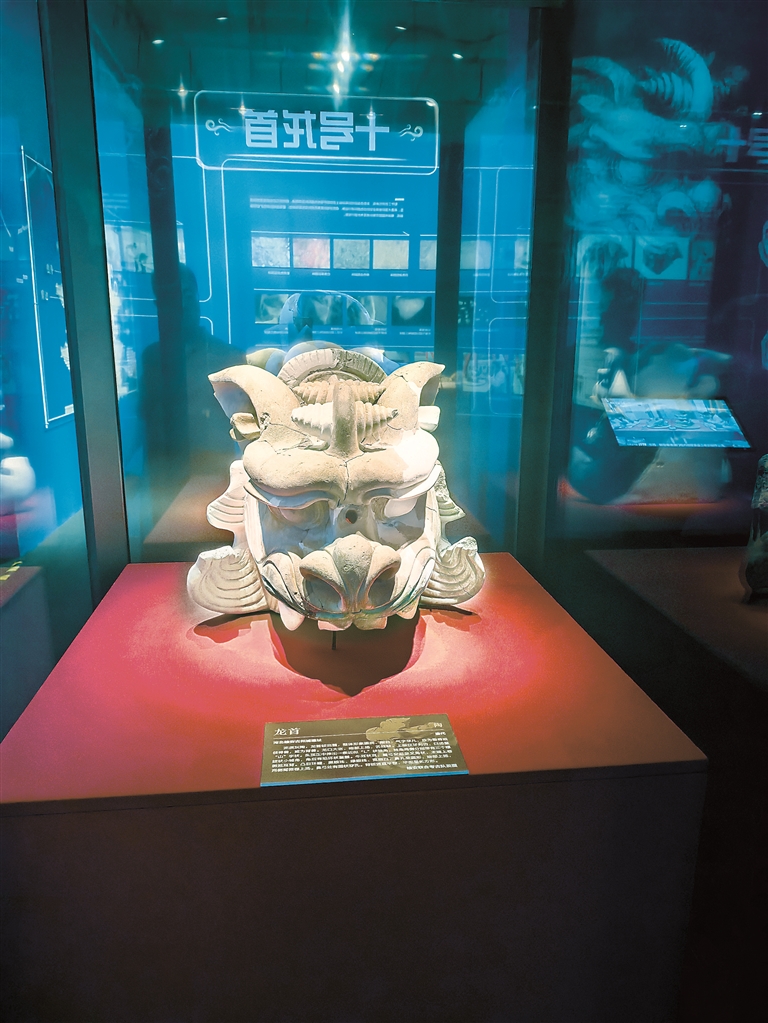
Core Insights - The archaeological exhibition "Chang'an 2300 Miles - Archaeological Achievements of Xiong'an Ancient State" showcases significant findings from the Xiong'an Ancient State site, emphasizing its historical importance in Chinese civilization [7][8][10] - The exhibition features rare artifacts, including a Tang Dynasty dragon head and a "Duxiang Dingli" ceramic measure, which provide evidence of the site's historical significance as the administrative center during the Han Dynasty [9][11] Archaeological Findings - The Xiong'an Ancient State site, known as the ancient city of Mo, has revealed a rich history spanning over 2000 years, with remnants of city walls still visible today [10][12] - The excavation has covered over 300,000 square meters, uncovering dual city layouts and establishing a timeline for the Han, Tang, and Five Dynasties periods [8][10] - The "Duxiang Dingli" ceramic measure, discovered in 2021, has a volume of 2067 milliliters, equivalent to a "dou" (ten sheng), confirming the site's role as the Han County seat [9][10] Cultural Significance - The exhibition highlights the cultural exchange and continuity between Chang'an and Mo, showcasing artifacts that reflect the openness and inclusivity of Chinese civilization [15][16] - The dragon heads, restored using advanced technology, represent a significant artistic achievement of the Tang Dynasty and are among the few surviving examples of their kind [11][12] - The findings underscore the importance of the Xiong'an region in the historical narrative of Chinese governance and cultural development [17]
文化中国行丨这座博物馆像一部西南“百科全书” 里面有些啥宝藏?
Yang Shi Wang· 2025-07-25 16:08
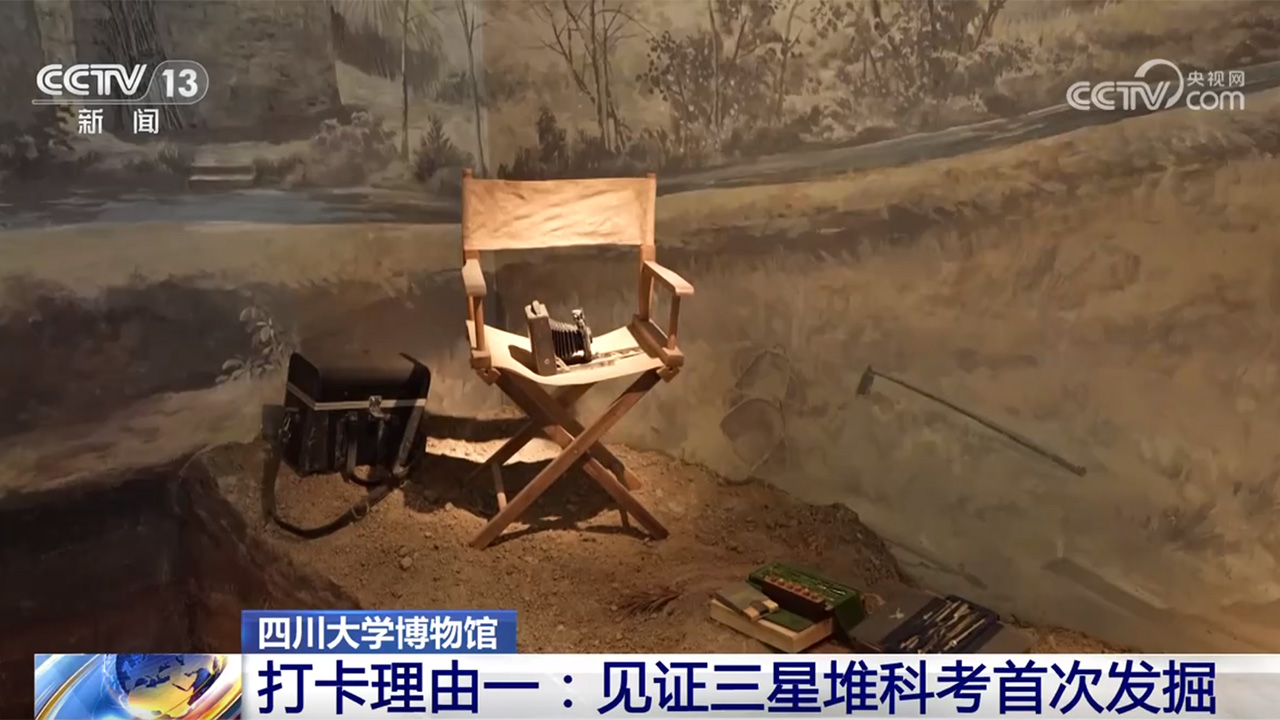
Core Viewpoint - The Sichuan University Museum, known as the "Gene Bank of Bashu Civilization," is a significant cultural institution in Southwest China, celebrating its 111th anniversary this year and housing over 80,000 unique artifacts and a million rare biological specimens [1][4]. Group 1: Historical Significance - The museum's predecessor, the Huaxi University Museum, conducted the first scientific excavation of the Sanxingdui site in 1934, marking a pivotal moment in archaeological history [2][15]. - The museum serves as a comprehensive repository of knowledge about the history, culture, and natural sciences of the Southwest region, akin to an "encyclopedia" of the area [4][15]. Group 2: Notable Exhibits - The museum features a complete set of shadow puppetry equipment from the 1930s, showcasing the vibrant cultural life of Chengdu during the late Qing and Republican periods [5]. - A Tang Dynasty statue of a Bodhisattva, despite missing arms, is highlighted for its artistic value and the story of its recovery after a flood in 1947 [10]. - The museum's collection includes a unique wedding sedan chair from the Republican era, known for its intricate craftsmanship and cultural significance [12]. - A rare collaborative landscape painting by Yuan Dynasty artists Huang Gongwang and Wang Meng is noted as a significant piece in the museum's collection [14]. Group 3: Cultural and Educational Activities - The museum offers a variety of engaging educational and cultural activities during the summer, aimed at making the museum a dynamic space for public interaction and learning [8]. - The museum's collections and activities reflect a commitment to interdisciplinary research across archaeology, anthropology, and history, contributing to a deeper understanding of the region's heritage [15][19].
跟着总书记探寻中华文明|四千八百年前的“神秘符号”
Xin Hua She· 2025-06-28 12:15
Group 1 - The discovery of a large pottery vessel from the Neolithic era, approximately 4800 years old, at the Weichi Temple site in Anhui, features mysterious symbols that may represent the early forms of Chinese characters [1][2] - The excavation of the Weichi Temple site began in 1992, leading to the unearthing of nine similar pottery vessels with various engraved symbols, including representations of the sun, moon, and mountains [2] - The pottery vessels from different regions, such as the one found in Shandong's Linyang River site, show remarkable consistency in shape, thickness, and engraving techniques, indicating a shared cultural heritage [3] Group 2 - The Chinese government emphasizes the importance of projects like "Comprehensive Research on the Origins and Early Development of Chinese Civilization" and "Archaeological China" to further explore and explain the origins of Chinese civilization [3] - The evolution of ceramics from ancient to modern times reflects the continuous development of Chinese culture, with contemporary advancements in ceramic production showcasing the integration of industrialization and intelligence [3]

北京何以实证三千余年建城史?中国考古博物馆“五一”讲座揭秘
Zhong Guo Xin Wen Wang· 2025-05-01 11:41
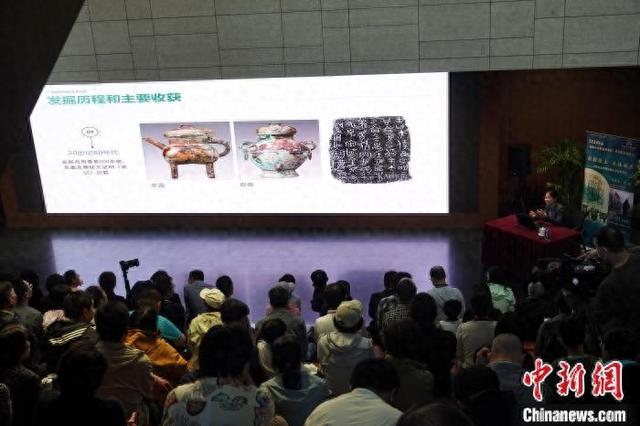
Core Viewpoint - The China Archaeological Museum is hosting a special event during the May Day holiday, featuring a series of academic lectures on the "Top Ten Archaeological Discoveries of 2024," which has garnered significant attention from both academia and the public [1]. Group 1: Archaeological Discoveries - The "Taibao Yongyan" inscription discovered at the Liuli River site provides the earliest physical evidence of Beijing's over 3,000-year history of city building, highlighting the unique value in the study of urban history [1]. - The discovery of the Yan Hou family tombs at the Liuli River site fills a crucial gap in the composition of Western Zhou tombs, supporting the site's identification as the capital of the Yan state and offering invaluable archaeological materials for understanding the history of the Yan state during the Western Zhou period [2]. - The Liuli River site has revealed a dual city wall structure, marking the first time such a structure has been identified in a Western Zhou feudal state, suggesting the city could cover an area of up to one million square meters [4]. Group 2: Historical Significance - The Liuli River site is currently the only known Western Zhou feudal state site that has uncovered multiple city walls, large buildings, complete burial areas, city-building inscriptions, and oracle bones, extending the historical timeline of Beijing's city-building to over 3,000 years [5]. - The artifacts unearthed at the site reflect a complex cultural interaction, showcasing influences from the Zhou, Shang, and local northern grassland cultures, thereby enriching the historical narrative of the Yan culture [6]. - Environmental, botanical, and industrial archaeology methods have been employed to vividly reconstruct ancient production and lifestyle practices, bringing historical scenes to life [7]. Group 3: Special Activities - The China Archaeological Museum is open from May 1 to May 5, featuring academic lectures and documentary screenings as part of its special activities to promote traditional Chinese culture [11].