能源冲击

Search documents
"Significant Risk" Remains in Crude Oil & Natural Gas Volatility
Youtube· 2026-03-11 15:00
Core Viewpoint - The International Energy Agency (IEA) has confirmed a record release of 400 million barrels from reserves, but this is expected to have minimal long-term impact on oil prices due to ongoing geopolitical tensions and production losses in the Middle East [2][5][12]. Oil Market Dynamics - The 400 million barrel release is the upper limit of what was proposed and is expected to provide coverage for approximately 60 to 66 days under ideal conditions, but this may be reduced due to recent disruptions, including drone attacks on reserve tanks in Oman [3][5][6]. - Current production losses from the Middle East are estimated at 6.1 million barrels per day, contributing to market volatility [5]. - The market has already priced in the short-term effects of the IEA's announcement, but the potential for a resolution to ongoing conflicts is uncertain, which could lead to a short-lived rally in oil prices [7][14]. Geopolitical Factors - Recent comments from President Trump regarding military targets in Iran have added to market volatility, with traders noting a significant amount of mixed messaging from government officials [3][9][11]. - Escalating tensions in the Strait of Hormuz and attacks on shipping vessels are contributing to the perception of risk in the oil market, which may not be fully reflected in current pricing [8][14]. Broader Economic Implications - The energy shock is affecting oil-importing countries in Asia, leading to measures such as reduced working hours and increased carpooling to mitigate rising costs [17]. - The liquefied natural gas (LNG) market is also under pressure, with the IEA's actions not alleviating supply concerns, particularly as Qatar may reduce production significantly [19]. - The chemical manufacturing sector is at risk due to potential shortages of essential inputs, which could lead to increased prices for various commodities [21].


As Oil Prices Spike, G-7 Leaders Consider Releasing Reserves
Youtube· 2026-03-09 19:44
Core Insights - Oil prices have surged past $110 a barrel, marking significant volatility in the US futures market [1] - The average gasoline price has increased by approximately 48 cents per gallon, while diesel prices have risen by 89 cents per gallon [2] - Geopolitical conflicts, particularly in the Middle East, have historically influenced oil prices, with current disruptions affecting around 20 million barrels a day through the Strait of Hormuz [3] Industry Impact - Major economies are contemplating the release of strategic oil reserves to mitigate price increases, with the US having reserves along the Gulf Coast [3][4] - The energy shock is exerting considerable pressure on US consumers and businesses, raising concerns about potential recession risks linked to oil, gas, and diesel prices [5] - Global stock markets are experiencing declines as a direct consequence of the oil price shock, highlighting the interconnectedness of energy prices and economic stability [5]
霍尔木兹海峡卡住的还有芯片!
国芯网· 2026-03-06 14:25AI Processing
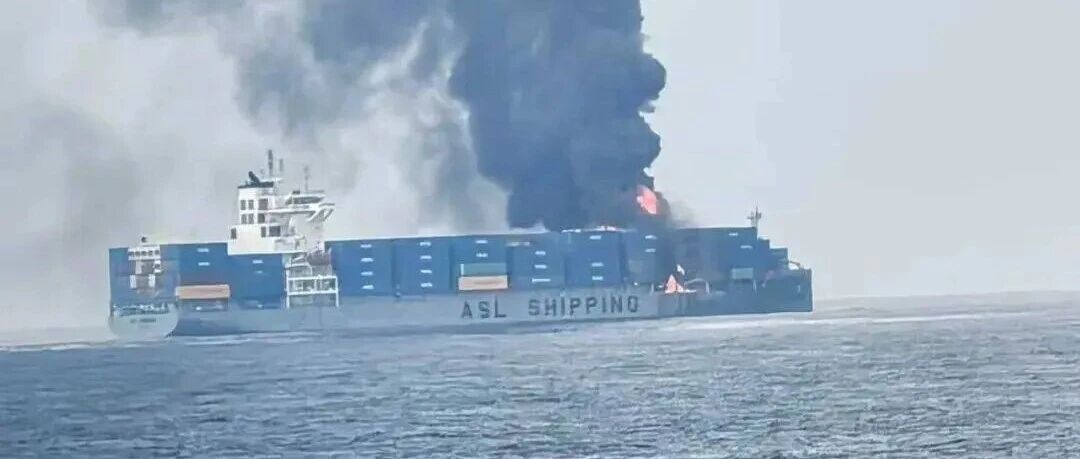
国芯网[原:中国半导体论坛] 振兴国产半导体产业! 不拘中国、 放眼世界 ! 关注 世界半导体论坛 ↓ ↓ ↓ 近日,美伊冲突引爆霍尔木兹海峡危机,全球芯片产业链正面临一场被严重低估的能源冲击。全球逾半数存储芯片产自韩国、七成先进逻辑芯片产自中国 台湾,两地对卡塔尔LNG高度依赖。目前韩国储备仅剩不足两个月,四月或成供应断崖关键节点,对于电力消耗巨大的芯片晶圆厂而言,将是直接的生 产威胁。 美伊冲突引发的霍尔木兹海峡危机,正在将全球科技产业链拖入一场意料之外的能源冲击。这条承载全球石油贸易命脉的海峡,同时也是支撑全球芯片制 造的天然气供应通道——而这一隐性风险,尚未被市场充分定价。 周五,据彭博社专栏文章,全球超过一半的DRAM和NAND存储芯片在韩国生产,全球约70%的先进逻辑芯片在中国台湾生产。这两个芯片制造重镇,对 卡塔尔LNG依赖程度较高。 据央视新闻,当地时间3月5日上午,伊朗伊斯兰革命卫队发表声明称,当天凌晨,一艘美国油轮在波斯湾北部被其海军发射的导弹击中,目前该油轮仍在 起火燃烧。声明还称,美国、以色列以及欧洲国家及其支持者所属的军用和商用船只,均严禁在该海域通行,一旦被发现,将遭到打击。 与此 ...
霍尔木兹海峡卡住的不只是“原油”,或许还有“芯片”
是说芯语· 2026-03-06 03:24
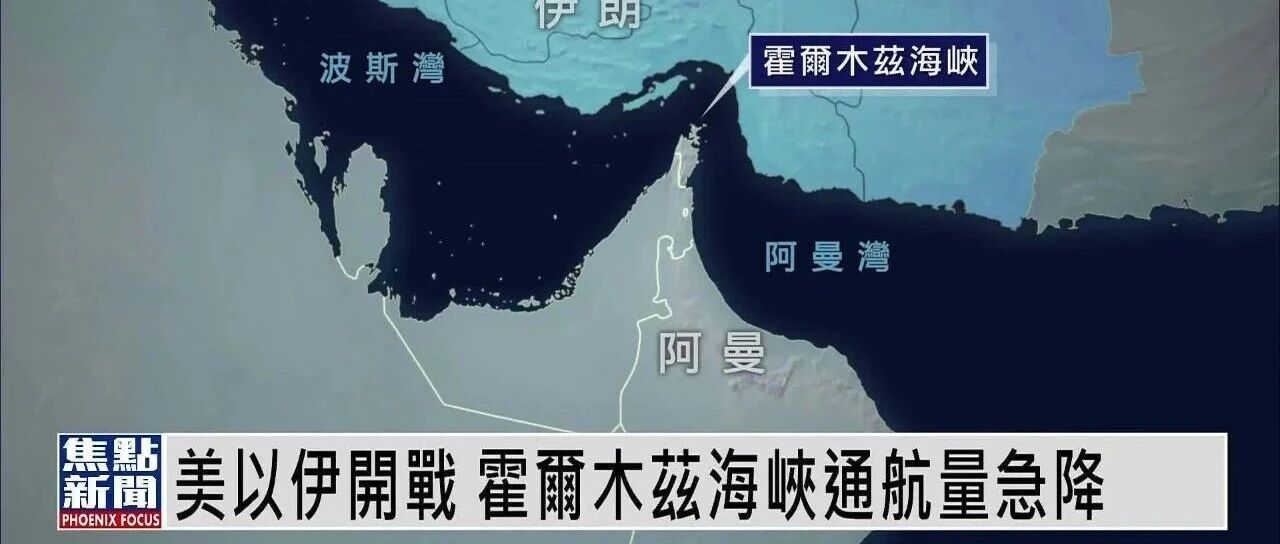
Core Viewpoint - The crisis in the Strait of Hormuz, triggered by the US-Iran conflict, poses an unexpected energy shock to the global technology supply chain, particularly affecting chip manufacturing due to high reliance on Qatari LNG [1]. Group 1: Impact on Chip Manufacturing - Over half of the global DRAM and NAND storage chips are produced in South Korea, while about 70% of advanced logic chips are manufactured in Taiwan, both of which are highly dependent on Qatari LNG [3]. - Samsung Electronics and SK Hynix together account for approximately 40% of the Kospi index, while TSMC alone represents 45% of the Taiwan Weighted Index [3]. Group 2: Energy Supply Concerns - Qatar's Ras Laffan LNG facility has announced a production halt due to military attacks, which supplies about 20% of the global LNG market, leading to significant sell-offs in Asian energy-related stocks [1]. - South Korea's LNG reserves can only support less than two months of import demand, raising concerns about power supply if the Strait remains blocked [4]. Group 3: Market Reactions and Alternatives - The Kospi index fell by 12% in a single day, marking its largest daily drop in history, while the Taiwan Weighted Index decreased by 4.4% on the same day [1][2]. - The South Korean government is urgently seeking alternative LNG supplies, with Australia and the US potentially increasing their market share through flexible contract terms [7].
霍尔木兹海峡卡住的不只是“原油”,或许还有“芯片”
华尔街见闻· 2026-03-06 03:14
Core Viewpoint - The crisis in the Strait of Hormuz, triggered by the US-Iran conflict, is unexpectedly impacting the global technology supply chain through energy disruptions [1] Group 1: Impact on Chip Manufacturing - The Strait of Hormuz is crucial not only for global oil trade but also for the natural gas supply that supports chip manufacturing [2] - Over half of the world's DRAM and NAND storage chips are produced in South Korea, while about 70% of advanced logic chips are manufactured in Taiwan, both of which heavily rely on Qatari LNG [6][7] - The recent military actions have led to the shutdown of Qatar's Ras Laffan gas plant, which supplies about 20% of global LNG, causing significant market reactions [4] Group 2: Market Reactions and Vulnerabilities - The shutdown of the gas plant has resulted in severe sell-offs in Asian energy-related stock markets, with the South Korean KOSPI index dropping 12% in a single day, marking its largest daily decline in history [4][5] - The stock market volatility reflects the unusual vulnerability of these regions in the current crisis [5] Group 3: LNG Supply Concerns - South Korea's LNG reserves are critically low, sufficient for less than two months of import needs, raising concerns about power supply if disruptions continue [9] - The semiconductor manufacturing sector, which consumes significant electricity, faces direct production threats due to potential power shortages [10] - In contrast, the EU has a more substantial buffer with LNG reserves covering about one-third of its annual consumption [11] Group 4: Alternative Supply Strategies - The South Korean government is urgently seeking alternative LNG supplies, with the spot market still available but at significantly higher prices [12] - Australia and the US, as top LNG exporters, may take this opportunity to expand spot sales and capture market share [13]
特朗普没有“速战速决”!全球市场直面“伊朗冲击”,焦点是“持续时间”(附投资策略)
美股IPO· 2026-03-02 03:48
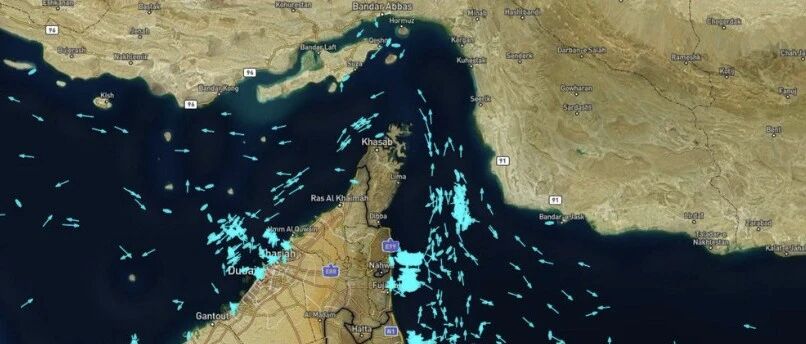
Group 1 - The core viewpoint of the article emphasizes that the shipping decline in the Strait of Hormuz is due to traders' proactive risk avoidance rather than a physical blockade, and a surge in oil prices seems inevitable [1][4][6] - Goldman Sachs warns that if the conflict evolves into a prolonged situation similar to 2022, high fiscal spending combined with energy inflation will force the Federal Reserve to maintain high interest rates amid declining growth [1][10] - The current macroeconomic environment bears striking similarities to the early stages of the 2022 Russia-Ukraine conflict, raising concerns about persistent inflation and its impact on monetary policy [8][10][19] Group 2 - The shipping volume in the Strait of Hormuz has significantly decreased, but some oil tankers continue to pass safely, indicating that the situation is more about market-induced pauses rather than an outright closure [5][6] - Goldman Sachs highlights that the duration of the conflict will determine asset pricing, with a focus on the potential for a "sustained disruption" in oil supply rather than a temporary spike [8][11] - The report suggests that if the market perceives a higher probability of prolonged conflict, volatility may increase, impacting trading strategies and leading to higher interest rate fluctuations [17][19] Group 3 - In terms of asset classes, Goldman Sachs predicts that cyclical sectors, particularly consumer-facing industries and industrial oil consumers, may face pressure, while energy producers could perform relatively better [15][16] - The report indicates that in the foreign exchange market, the US dollar and Japanese yen may become preferred safe-haven assets amid rising oil prices and negative supply shocks [16] - The analysis also points out that a 10% increase in oil prices typically raises the 2-year breakeven inflation rate by 15-20 basis points, while the impact on nominal rates is smaller [16]