
质量管理体系

Search documents
李宁验厂不符合项
Sou Hu Cai Jing· 2025-10-18 04:17
Core Insights - The article discusses the common issue of non-compliance in factory audits for companies like Li Ning, emphasizing the importance of understanding and improving upon these non-compliance items [1][3] Group 1: Quality Management System - Quality management is a core aspect of factory audits, with common non-compliance issues including incomplete documentation and process control gaps [3] - Factories are encouraged to establish and strictly implement a comprehensive quality management system, including regular audits of documentation and employee training [3] Group 2: Work Environment and Safety Measures - The audit checks for compliance with safety measures such as fire safety equipment, emergency lighting, and evacuation routes [5] - Factories should conduct regular safety self-inspections and develop clear emergency plans, including employee drills [5] Group 3: Employee Rights and Benefits - Non-compliance may arise from inaccurate work hour records and inadequate overtime compensation [6] - Factories need to improve human resource management systems to ensure compliance with labor regulations and establish communication channels to address employee needs [8] Group 4: Environmental Management Requirements - Environmental management is increasingly important, with non-compliance issues including improper waste disposal and excessive energy consumption [9] - Factories should create environmental management plans with clear targets and regularly monitor compliance to reduce operational costs [9] Group 5: Supply Chain Transparency and Traceability - Transparency and traceability in the supply chain are critical, with non-compliance arising from incomplete supplier lists and unclear raw material sources [10] - Factories should establish robust supply chain management systems and enhance communication with suppliers to ensure compliance [10] Group 6: Professional Consultation - Many companies seek assistance from professional consulting firms to address audit non-compliance issues, with firms like Shanghai Chaowang Enterprise Management Consulting Co., Ltd. offering valuable guidance [11] - Engaging a consulting firm should be based on a careful evaluation of their expertise and service offerings [11] Group 7: Continuous Improvement - Non-compliance items should be viewed as starting points for improvement rather than endpoints, allowing factories to enhance their management capabilities and competitiveness [11]



全链条质控筑牢发展根基 以质量拓市场创价值
Zhong Guo Zheng Quan Bao· 2025-09-28 20:45
Core Viewpoint - The company emphasizes the importance of quality as the foundation of its operations and is committed to enhancing its quality management systems to drive market expansion and value creation [1][4]. Group 1: Quality Management Initiatives - The company has established a comprehensive quality control system that spans from raw material procurement to product delivery, ensuring a closed-loop quality management process [1][4]. - A special audit team has been formed to conduct in-depth on-site audits of 25 key raw material suppliers across 13 provinces, focusing on critical aspects such as raw material traceability and production processes [2]. - The company has set up a drug safety monitoring department to proactively track and manage product quality issues, transitioning from a reactive to a proactive approach [2][3]. Group 2: Compliance and Certifications - The company successfully passed a surprise inspection by the FDA with a "zero defect" score, demonstrating its commitment to maintaining high-quality standards [2][3]. - The raw material products have received multiple certifications, including BRC and ISO22000, and are exported to over 100 countries and regions [3]. - The company has achieved a 100% pass rate for audits conducted by domestic and international clients in its raw material production facilities [3]. Group 3: Cultural and Operational Enhancements - The company is fostering a culture of quality among all employees, emphasizing that quality awareness and professional capability are core competitive advantages [3][4]. - A "simulated flight inspection" mechanism has been established to conduct regular internal audits based on GMP standards, identifying system vulnerabilities and optimizing management processes [4]. - The company is committed to a "zero tolerance" policy regarding drug quality, reinforcing the idea that every product must meet the highest standards to ensure public health [4].

青岛啤酒亮相中国质量(南京)大会以百年匠心传时代新声
Zhong Guo Zhi Liang Xin Wen Wang· 2025-09-23 06:39
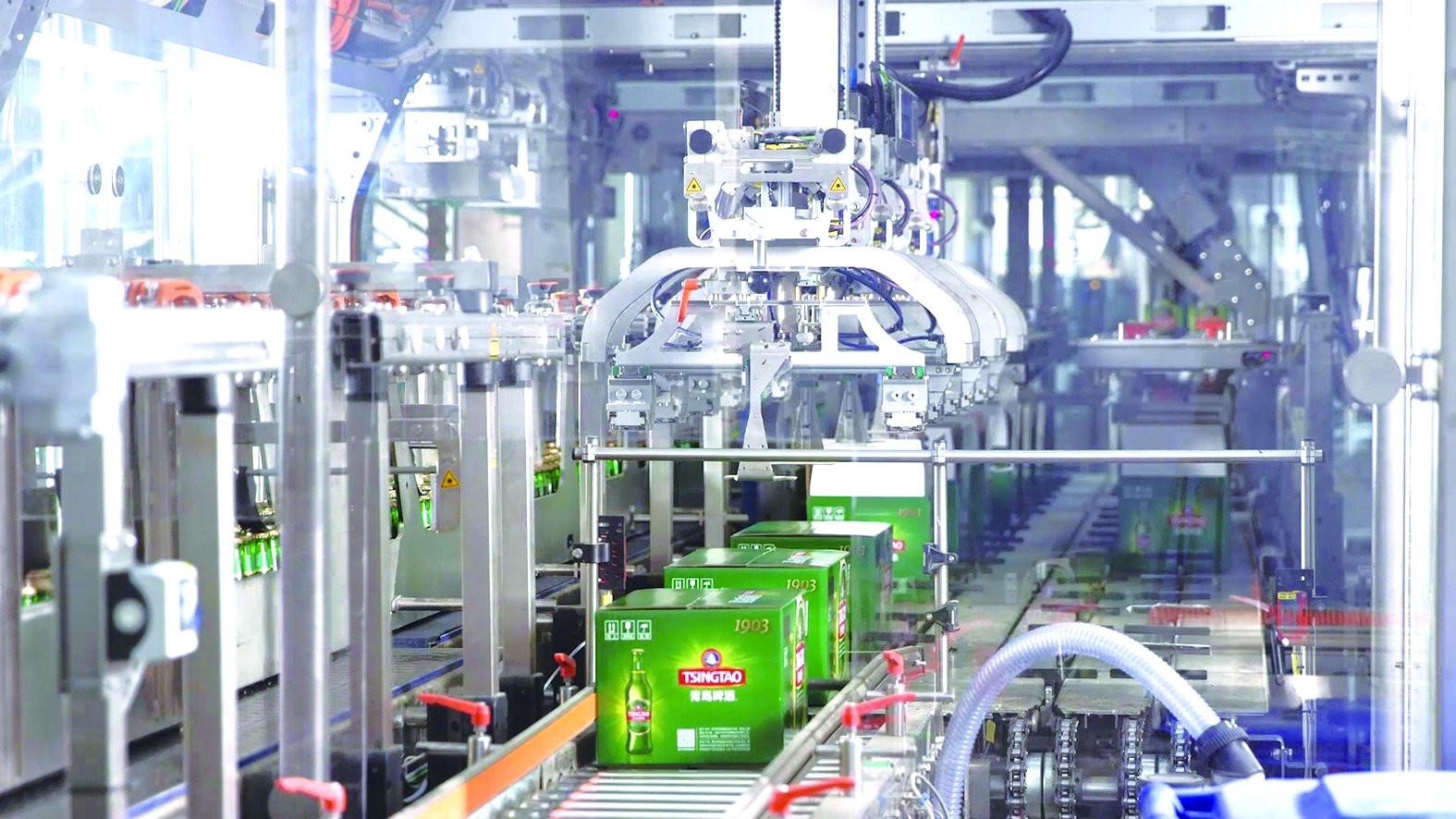
Core Viewpoint - Qingdao Beer, a century-old brand, emphasizes the importance of quality management and innovation to drive high-quality development and enhance consumer experience [1][2]. Group 1: Quality Management and Innovation - Qingdao Beer has established the largest dedicated malt factory in the beer industry and created a "barley fingerprint database" to enhance the quality of its products [2]. - The company has received four national science and technology progress awards, being the only beer company to achieve this recognition [2]. - Qingdao Beer integrates traditional craftsmanship with advanced smart manufacturing and lean production to ensure consistent high-quality products [2]. Group 2: Product and Experience Innovation - The company has developed a product matrix with over 100 differentiated new products across nine series, leading the industry in new product launches and sales revenue [4]. - Qingdao Beer implements a "full lifecycle, full process coverage" quality data management system, allowing for transparent traceability of over 1,800 quality monitoring points [3]. - The company has created immersive experience venues such as TSINGTAO 1903 bars and craft beer gardens to enhance consumer engagement and experience [4]. Group 3: Market Presence and Brand Development - Qingdao Beer exports to over 120 countries, promoting the "Chinese quality" image on the international stage [4]. - The company has been recognized as the first "sustainable lighthouse factory" in the global food and beverage industry, showcasing its commitment to sustainability [2]. - Qingdao Beer has been featured prominently in national quality events, reinforcing its role as a representative of the beverage industry [1].
青啤行业唯一受邀亮相中国质量大会 百年匠心传时代新声
Zhong Guo Xin Wen Wang· 2025-09-19 07:11
Group 1 - The 48th National Quality Month is celebrated in September, highlighting the importance of quality in various industries [1] - The 6th China Quality Conference was held in Nanjing on September 16-17, focusing on "Quality: Empowering New Productive Forces" [3] - Tsingtao Brewery, a century-old brand, was the only invited enterprise from the industry to attend the conference and delivered a closing speech on innovative quality management systems [3] Group 2 - Tsingtao Brewery has established itself as a globally recognized Chinese brand, emphasizing technological innovation to enhance its quality management system [4] - The company has built the largest dedicated malt factory in the beer industry and developed a "barley fingerprint database" to improve quality [7] - Tsingtao Brewery has received four National Science and Technology Progress Awards, being the only brewery to achieve this recognition [7] Group 3 - The company implements comprehensive quality data management covering the entire product lifecycle and process, with over 1,800 quality monitoring checkpoints [9] - Tsingtao Brewery has integrated traditional craftsmanship with advanced smart manufacturing and lean production to ensure high-quality products [7] Group 4 - The company has launched over 100 new products across nine series, leading the industry in new product launches and sales revenue [14] - Tsingtao Brewery is expanding its market presence globally, exporting to over 120 countries and enhancing its brand image as a symbol of "Chinese quality" [14] - The company is also focusing on creating immersive consumer experiences through various initiatives, such as Tsingtao 1903 bars and craft beer gardens [14]
深圳企业ISO 9001认证申办:条件解读与经验分享
Sou Hu Cai Jing· 2025-09-05 09:42
Core Viewpoint - Companies in Shenzhen aim to enhance their management levels and market competitiveness by obtaining ISO 9001 certification Group 1: Requirements for ISO 9001 Certification - Companies must have independent legal status and be registered in Shenzhen with a valid business license, which reflects their ability to bear civil responsibilities [2] - Companies need to engage in actual production or service activities, demonstrating a complete process from raw material procurement to product delivery [4] - A documented quality management system must be established according to ISO 9001 standards, including quality manuals and operational guidelines [5] - The quality management system must be effectively operational for at least three months before applying for certification [6] Group 2: Implementation Process - Companies should prepare by training relevant personnel on ISO 9001 standards and forming a dedicated team to develop and implement the quality management system [9] - During the operation of the quality management system, companies may identify and address issues, such as improving raw material inspection processes to prevent non-conforming materials from entering production [11] - After three months of effective operation, companies can submit their certification application, which will be followed by a comprehensive audit by the certification body [12] Group 3: Benefits of Certification - Obtaining ISO 9001 certification significantly enhances a company's market competitiveness, leading to increased customer trust and collaboration agreements [14] - The internal management level improves, resulting in higher production efficiency and product quality [14]
池州昀冢获CNAS国家认可实验室认证
Zhong Zheng Wang· 2025-07-22 06:11
Core Viewpoint - Suzhou Yunzhu Technology Co., Ltd. has achieved a significant milestone by obtaining the CNAS national laboratory certification for its subsidiary, Chizhou Yunzhu Electronics Technology Co., Ltd. testing center, indicating that it meets international standards in quality management, product testing capabilities, and technical research and development [1][2] Group 1 - The Chizhou Yunzhu testing center was established in 2023 and has prioritized quality control and testing capabilities from the outset [1] - The CNAS certification signifies that the testing reports issued by the Chizhou Yunzhu testing center will be recognized globally, enhancing its international credibility [1] - The CNAS (China National Accreditation Service for Conformity Assessment) is responsible for the recognition of certification bodies, laboratories, and inspection agencies in China, and its recognition system is mutually acknowledged by the International Laboratory Accreditation Cooperation (ILAC) [1] Group 2 - During the certification preparation phase, the testing center established a comprehensive quality management system in accordance with CNAS-CL01:2018 and other relevant standards, ensuring the accuracy, reliability, independence, and impartiality of every test and data [2] - The company plans to use this certification as an opportunity to enhance its quality management system, strengthen technological innovation and talent development, expand testing fields, increase testing projects, and improve testing capabilities [2] - The goal is to provide scientific, accurate, impartial, and timely testing results, contributing to the rapid development of the national electronic ceramics industry [2]

企业在体系管理的过程中,如何发现质量改进的机会
Sou Hu Cai Jing· 2025-05-22 06:20
Core Insights - The article emphasizes the importance of identifying quality improvement opportunities within organizations, which primarily stem from internal processes and feedback from customers and other stakeholders [1][2]. Group 1: Sources of Information for Quality Improvement - The two main sources of information for quality improvement are internal measurements and analyses during product realization, and feedback from customers and stakeholders regarding product and service satisfaction [2]. - Internal personnel play a crucial role in quality management systems, especially in knowledge-intensive, technology-intensive, and capital-intensive organizations [4]. - Measurement and monitoring activities are essential for self-checking, self-supervision, and self-improvement within quality management systems [4]. Group 2: Measurement and Monitoring - Organizations must collect and analyze data related to product quality characteristics, including not only final products but also procurement and intermediate products [5]. - Market analysis includes various factors such as technology, competitor performance, market opportunities, and customer feedback [6]. - Financial measurements involve analyzing costs related to quality prevention, internal and external failures, and lifecycle costs [8]. Group 3: Quality Management Records - Quality records are vital for identifying quality improvement opportunities and supporting the improvement process [9]. - Non-conformance reports provide data for summarizing experiences and analyzing improvement activities [10]. - Internal audit reports help organizations assess the effectiveness of their quality management systems and identify areas for improvement [11]. Group 4: Management Review Outputs - Management reviews are conducted to evaluate the suitability, adequacy, and effectiveness of the quality management system [19]. - Continuous suitability involves adapting to changes in external environments, organizational requirements, and product/process changes [20][21]. - Continuous adequacy requires ongoing improvement activities across the quality management system to meet organizational goals [22]. Group 5: Customer and Stakeholder Information - Information related to customers includes feedback, complaints, and satisfaction surveys, which are crucial for quality management [30]. - Organizations should establish effective internal monitoring mechanisms for collecting, analyzing, and utilizing information from various sources, including competitors and regulatory changes [29].

参与质量认证提升行动的小微企业去年销售额平均增长14.2% “质量认证工具箱”如何帮扶小微企业?(政策解读)
Ren Min Ri Bao· 2025-05-16 22:02
Core Insights - The "Quality Certification Improvement Action" for small and micro enterprises has led to an average annual revenue growth of 9.7%, sales growth of 14.2%, profit margin increase of 8.0%, and a reduction in quality costs by 5.8% [1] Group 1: Quality Improvement Initiatives - Small and micro enterprises face common quality challenges, particularly in welding processes, which can affect stability and safety [1] - The introduction of automated production lines has helped address these challenges, improving quality and efficiency [1] - Over 70 automotive maintenance enterprises in Yingkou have achieved ISO9001 certification, enhancing product quality to international standards [2] Group 2: Support and Training - The "Quality Certification Toolbox" provides tailored support to small and micro enterprises, helping them address quality issues and improve management practices [2] - A total of 3.8 million quality issues have been resolved through targeted assistance, with 64,900 enterprises receiving free training [2] - There is a need for more precise understanding of the quality challenges faced by small enterprises to enhance personalized certification services [2] Group 3: Industry Chain Collaboration - The establishment of a "High-Performance Electric Spindle Joint Technology Innovation Center" has improved the domestic production rate of key components in the high-end CNC machine tool industry from 50% to 95% [3] - The role of "chain leader" enterprises is crucial in enhancing quality management across the supply chain [3] - Collaborative efforts among industry players have led to significant improvements in product reliability and reduced return rates [3] Group 4: Financing Support - Quality certification can enhance financing opportunities for small enterprises, as demonstrated by the "Certification Loan" program that provided 5 million yuan to a company in need [6] - The "Yuzhi Loan" initiative has facilitated 515 credit transactions totaling 1.665 billion yuan for participating enterprises [6] - A total of 253 "Certification + Finance" support policies have been implemented, providing 60.85 billion yuan in credit support across various regions [6] Group 5: Recommendations for Improvement - There is a call for integrating quality certification results into the comprehensive evaluation of small enterprises' credit status to enhance financing accessibility [7] - The establishment of a robust system for recognizing quality certification results is essential for improving the overall quality management capabilities of small enterprises [7] Group 6: Quality Certification Toolbox - The "Quality Certification Toolbox" is designed to assist enterprises in establishing quality management systems and optimizing processes [8] - This toolbox aims to transform policy measures into actionable quality management practices for small and micro enterprises [9] - The initiative promotes a shift from passive compliance to proactive quality enhancement among small enterprises [9]
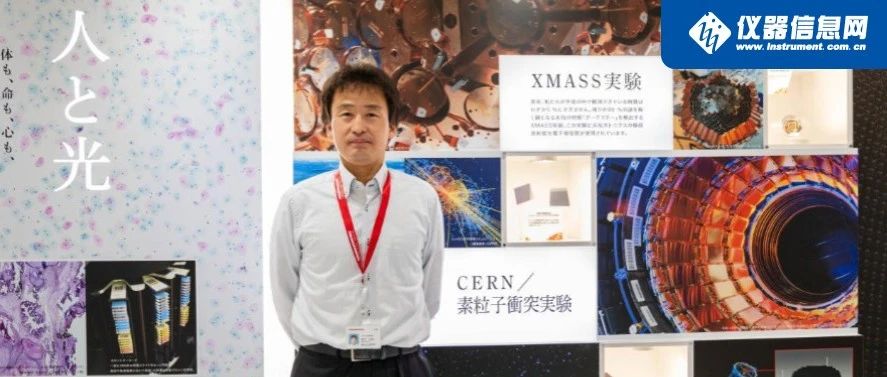
“在中国,为中国”:一位追“光”者的二十三年行思录——访滨松固体事业部亚洲区销售经理倉田正樹
仪器信息网· 2025-05-16 07:36
Core Viewpoint - Hamamatsu Photonics has successfully established a deep localization strategy in China, focusing on technological innovation and customer trust to contribute to the development of the Chinese medical industry [2][4][19]. Group 1: Company Background and Market Entry - Hamamatsu's journey in China began in the 1980s, with the establishment of Beijing Hamamatsu Photon Technology Co., Ltd. in 1988, marking its first step into the Chinese market [4][6]. - The establishment of Hamamatsu Photonics Trading (China) Co., Ltd. in 2011 represented a new phase in the company's strategy in China [4]. Group 2: Localization Strategy - The company has adopted a "In China, For China" localization strategy, which includes establishing branches in major cities and setting up laboratories to meet local demands [6]. - Hamamatsu employs a localized management model, with Chinese nationals in leadership roles, allowing for better understanding and responsiveness to local market needs [6][19]. Group 3: Product Development and Quality Management - The company has developed a production line capable of producing 400,000 photomultiplier tubes annually, with sales growing from 180 million yuan to approaching 2 billion yuan [6]. - Hamamatsu emphasizes quality management through a comprehensive ISO quality management system and a culture that prioritizes product quality as a life-critical aspect [13][15]. Group 4: Key Collaborations and Innovations - A significant milestone was the collaboration with Neusoft in 1997 to develop the first domestically produced CT scanner, the CT-C2000, ending China's reliance on imported CT technology [7][10]. - The company has continuously innovated, such as using new ceramic scintillator technology to meet advanced performance requirements while addressing environmental concerns [10]. Group 5: Future Outlook - The company sees significant growth potential in the medical diagnostics market, driven by increasing health awareness among the Chinese population [16]. - Hamamatsu is also exploring opportunities in intelligent transportation, particularly in the fields of autonomous driving and electric vehicles, leveraging its sensor technology [17][18].
特宝生物: 特宝生物:对会计师事务所2024年度履职情况评估报告
Zheng Quan Zhi Xing· 2025-03-27 12:27
Core Viewpoint - The evaluation report assesses the performance of Rongcheng Accounting Firm for the 2024 fiscal year, highlighting its qualifications, operational records, resource allocation, quality management, audit work plans, information security management, and risk-bearing capacity [1][2][3][4][5][6][7][8] Group 1: Qualifications - Rongcheng Accounting Firm, established in 1988 and restructured in 2013, is one of the earliest firms authorized to provide securities services in China, with 212 partners and 1,552 registered accountants as of December 31, 2024 [1] - The firm has a significant number of professionals experienced in auditing, with 781 accountants having signed securities service audit reports [1] Group 2: Operational Records - In 2023, Rongcheng's total revenue was 287.22 million yuan, with audit business revenue at 274.87 million yuan and securities and futures business revenue at 149.86 million yuan [2] - The firm audited 394 listed companies in 2023, with total audit fees amounting to 48.84 million yuan, primarily serving clients in manufacturing and information technology sectors [2] Group 3: Resource Allocation - The firm has a dedicated audit team with members experienced in auditing listed companies and state-owned enterprises, particularly in the pharmaceutical industry [3] - A comprehensive support system is in place, including experts in various fields such as tax, risk management, and sustainable development [3] Group 4: Quality Management - Rongcheng has established a quality management system that includes consultation procedures, mechanisms for resolving professional disagreements, and internal quality reviews [5][6] - The firm has not identified any quality management defects in the past year, indicating effective execution of quality management measures [6] Group 5: Audit Work Plan - The audit work plan for 2024 focuses on key areas such as revenue recognition, sales expenses, and accounts receivable credit losses, ensuring compliance with the company's reporting timeline [6] Group 6: Information Security Management - The firm has defined responsibilities for information security management in its contract, implementing systematic controls for document management and confidentiality [6] Group 7: Risk-Bearing Capacity - Rongcheng has purchased professional liability insurance with a cumulative compensation limit of no less than 200 million yuan, demonstrating its commitment to investor protection [7] - The firm is currently involved in a civil lawsuit related to securities false statements, which is under appeal [8]
