跨界布局

Search documents
下沉市场助青岛啤酒业绩反弹
Xin Lang Cai Jing· 2025-08-28 07:59
Core Viewpoint - Qingdao Beer achieved a turnaround in the first half of 2025, with revenue of 20.49 billion yuan, a year-on-year increase of 2.1%, and a net profit of 3.9 billion yuan, up 7.2% year-on-year, marking a historical high for net profit [1][3]. Industry Overview - The beer industry is currently undergoing a contraction phase, with a 0.3% year-on-year decline in production among major domestic breweries in the first half of 2025 [1]. - Qingdao Beer experienced a decline in both sales and revenue in 2024, marking one of only four years of revenue decline in nearly 30 years since its listing [1]. Company Performance - In the first half of 2025, Qingdao Beer sold 4.732 million kiloliters of products, a 2.3% increase year-on-year, with a calculated price per ton exceeding 4,300 yuan [3]. - The gross profit margin for Qingdao Beer in the first half of 2025 was 43.70%, an increase of 2.09 percentage points year-on-year, with the second quarter gross margin reaching 45.84% [5]. Strategic Initiatives - The company is focusing on high-end product sales, with the main brand achieving a 3.9% increase in sales volume, and mid-to-high-end products seeing a 5.1% increase [5]. - Qingdao Beer is expanding its sales channels through instant retail, with expected transaction volume on Meituan exceeding 1.5 billion yuan in 2025, and has opened 1,000 "Qingdao Beer Fresh Delivery" stores nationwide [7]. Market Expansion - The company is diversifying its product line by acquiring Jimo Yellow Wine for 665 million yuan, aiming to complement its beer offerings and enhance market competitiveness [10][11]. - The seasonal nature of alcohol sales is acknowledged, with beer being popular in summer and yellow wine in autumn and winter, creating a complementary sales effect [11]. Marketing Strategies - Qingdao Beer is shifting its marketing approach to focus on lifestyle branding, exemplified by its sponsorship of the Chinese Super League, which has increased brand exposure at sports events [10]. - The company is targeting younger consumers, with celebrity endorsements and innovative marketing strategies to adapt to changing consumer preferences [14]. Challenges Ahead - Despite positive performance in the first half of 2025, concerns remain regarding the return on investment from the yellow wine segment and the historical losses during the fourth quarter, which have been a recurring issue for the company [16].


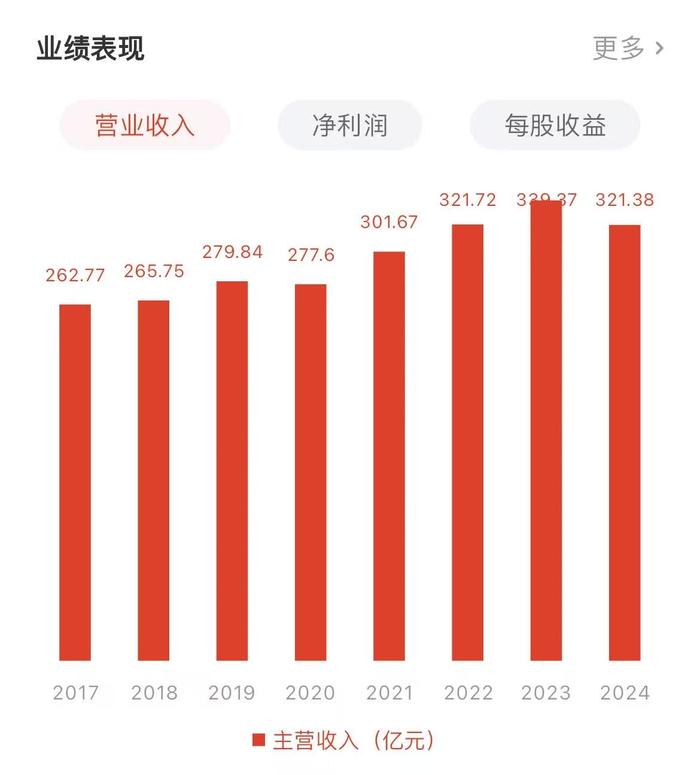
「一城一酒」关键增长区域“失守”,重庆啤酒业绩持续低迷,跨界对冲主业颓势
Hua Xia Shi Bao· 2025-08-15 11:56
Core Viewpoint - Chongqing Brewery's performance continues to decline, with a 0.24% decrease in revenue and a 4.03% decrease in net profit in the first half of 2025, indicating ongoing struggles after a year of poor performance [2][3] Financial Performance - In the first half of 2025, Chongqing Brewery achieved revenue of 8.839 billion yuan and net profit of 865 million yuan, both showing a downward trend compared to the previous year [2] - The company experienced a significant drop in revenue and net profit in 2024, with net profit decreasing by 16.61% [3] - Despite the decline in revenue and net profit, sales volume increased by 0.95% to 1.8008 million kiloliters in the first half of 2025 [3] Product Segmentation - Revenue from high-end products accounted for 59.6% of total revenue, while mainstream products contributed 35.6% and economy products only 2.2% [4] - Mainstream product revenue decreased by 0.92% to 3.145 billion yuan in the first half of 2025, marking the only decline among the three product categories [4] - High-end product revenue showed negligible growth of 0.04%, indicating a slowdown in growth for both mainstream and high-end products since 2024 [4][5] Regional Performance - The South region, a key growth area for Chongqing Brewery, saw a revenue decline of 1.47% in the first half of 2025, the most significant drop among the three core sales regions [6] - The South region had previously been a strong performer, with revenue growth exceeding 13% in 2022 and 2023, but is now facing increased competition from brands like Zhujiang and Qingdao [6] Strategic Actions - In response to declining performance, Chongqing Brewery announced a 600 million yuan capital increase for its subsidiary, Carlsberg Chongqing Brewery, to enhance its market competitiveness [7] - The company is also diversifying its product offerings by launching non-beer products such as fruit-flavored soda and energy drinks to adapt to market changes and consumer preferences [8][9]

扣非净利连亏九年!这家公司再度筹划“易主”
IPO日报· 2025-08-12 12:13
Core Viewpoint - The company *ST Huaron (600421.SH) is undergoing a potential change in control due to the planned share transfer by its major shareholders, Zhejiang Hengshun and Shanghai Tianji, which may lead to a shift in ownership [1][6]. Financial Performance - The company has reported continuous net profit losses for four consecutive years from 2021 to 2024, with losses of -8.86 million, -6.49 million, -8.28 million, and -4.68 million, totaling over 28 million [7]. - The company's non-recurring net profit has been in the red for nine consecutive years from 2016 to 2024, accumulating losses exceeding 60 million [8]. - In 2024, the company's revenue was only 117 million, with actual revenue after excluding unrelated income being 112 million [10]. Shareholder Structure - As of Q1 2025, Zhejiang Hengshun and Shanghai Tianji hold 19.50% and 12.46% of *ST Huaron's shares, respectively, giving them a combined voting power of 31.96%, under the actual control of Lou Yongliang, chairman of Zhongtian Holdings Group [6]. Business Strategy and Challenges - In response to the delisting risk, *ST Huaron is attempting to pivot its business by expanding into the wind power mixed tower mold market through its subsidiary, Zhejiang Zhuangchen [11]. - The annual report indicates that Zhejiang Zhuangchen contributed 100% of the company's total revenue in 2024 [12]. - Despite these efforts, the company is still facing challenges, with expected net losses of 2.7 million to 4 million in the first half of 2025, primarily due to low gross margins from Zhejiang Zhuangchen and investments in a new computing subsidiary [14]. Control Change Attempts - This is the second time within a year that *ST Huaron is planning a change in control, having previously attempted to do so in November 2022 and February 2023, both of which were terminated shortly after announcement [3][18]. - The current share transfer involves a deal with Hainan Bocheng Huineng Technology Center, with an estimated transaction value of approximately 325 million based on pre-suspension market capitalization [19]. New Investor Profile - The actual controller of Hainan Bocheng, Lin Mushun, is an investor with a PhD in finance from Xiamen University, primarily involved in the education sector, managing over 180,000 students across 26 vocational colleges [20].


“童装第一股”安奈儿连亏5年后 创始人计划出让控股权
Zhong Guo Jing Ying Bao· 2025-06-09 10:15
Core Viewpoint - The founder couple of Anner, known as the "first stock of children's clothing," is planning to transfer 13.03% of their shares, relinquishing control of the company amid continuous losses over the past five years totaling over 500 million yuan [2][11]. Company Overview - Anner has experienced five consecutive years of losses, with total losses exceeding 500 million yuan, and has not successfully completed any mergers or acquisitions during this period [2][11]. - The company's revenue peaked at 1.327 billion yuan in 2019 but has since declined to 639 million yuan in 2024 [11]. - The founders' shareholding has decreased from 59.59% at the time of the company's IPO in 2017 to 27.38% after recent share transfers [3][5]. Shareholding Changes - The founders plan to transfer control to an investment management company, with the specific details of the transfer yet to be finalized [2][3]. - The couple has previously engaged in multiple share reductions, cashing out over 550 million yuan through various transactions [5][6]. Market Position and Competition - Anner is not considered a leader in the children's clothing market, with competitors like Semir and Anta achieving revenues exceeding 10 billion yuan [11][12]. - The company has faced significant challenges in expanding its store network, closing more stores than it opened in 2024 [12]. Strategic Insights - Analysts suggest that the new ownership could bring opportunities for growth, but the company must address its weaknesses in market positioning, channel expansion, and product innovation to compete effectively [13][14]. - The children's clothing market in China is projected to grow to 276.8 billion yuan by 2025, indicating potential for brands like Anner to capture market share if they adapt strategically [14].

三只松鼠业绩变脸,港股IPO能否成救命稻草?
Sou Hu Cai Jing· 2025-05-27 14:42
Core Viewpoint - The company, once hailed as the "national snack first stock," is now facing unprecedented challenges despite its efforts to prepare for a Hong Kong IPO, which may be a desperate attempt to cover its declining performance and seek short-term financial support [1] Financial Performance - In 2024, the company achieved revenue and net profit growth, but this trend did not continue into 2025, with Q1 financial reports showing a significant net profit decline of 22.65% year-on-year and a non-recurring net profit drop of 38.31%, indicating a clear "revenue growth without profit" phenomenon [3][4] - Sales and management expenses surged, with sales expenses reaching 695 million yuan, a year-on-year increase of 17.24%, further eroding profit margins [3] - Operating cash flow decreased sharply, raising market concerns about the company's cash flow and financial stability [3] Seasonal Performance - The company has reported negative net profits in the second quarter for three consecutive years, with figures of -79.33 million yuan in 2022, -38.08 million yuan in 2023, and -18.58 million yuan in 2024, highlighting significant seasonal fluctuations in business performance [4] International Market Challenges - Since 2018, the company has attempted to expand into overseas markets, but by 2024, international revenue was only 696,800 yuan, accounting for a mere 0.01% of total revenue, raising doubts about the authenticity of its globalization strategy [5] - The company's new sub-brands, such as "Little Deer Blue" and "Raised a Hairy Child," have not performed well in the market, with "Little Deer Blue" generating 794 million yuan in revenue but showing a declining share of total revenue [5] Strategic Challenges - The company's founder has set an ambitious revenue target of 20 billion yuan by 2026, but the current market environment makes this goal seem distant [6] - The company faces intense competition in the offline market, particularly against merged competitors, making expansion efforts challenging [6] - Price wars in the snack industry are compressing profit margins, and maintaining competitiveness will require significant costs, further straining profitability [6]