
轻资产扩张

Search documents
港企瑞安盈利承压 罗康瑞:维持盈利不易,市场还在筑底中
Xin Jing Bao· 2025-08-29 07:55
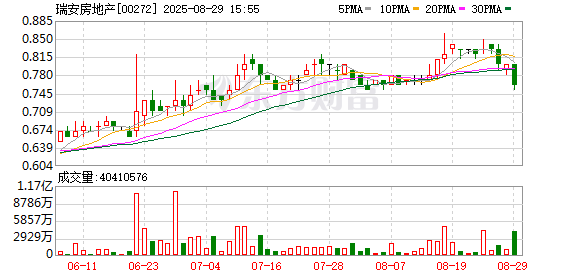
Core Viewpoint - The real estate industry is still undergoing adjustments, with many uncertainties remaining in the market. Despite these challenges, the company managed to maintain profitability in the first half of the year, which is commendable [2] Financial Performance - In the first half of 2025, the company reported revenue of 2.074 billion yuan, unchanged year-on-year, and a profit of 81 million yuan, down 56% year-on-year. Shareholders' profit was 51 million yuan. Excluding the impact of fair value impairment of investment properties, core profit increased by 144% to 263 million yuan. Contracted property sales amounted to 3.473 billion yuan, a year-on-year increase of 457% [2][3][7] Market Strategy - The company remains optimistic about the Shanghai real estate market and plans to continue focusing on first-tier cities, particularly Shanghai, while adhering to a cautious investment approach to maintain financial stability [2][3] - The company has identified a total sales amount of 17.521 billion yuan that is pending delivery and will be recognized in the second half of 2025 and beyond [3] Asset Expansion - As of the end of the first half of the year, the company had a total land reserve of 7.8 million square meters, including 5.7 million square meters available for lease and sale, and 2.1 million square meters for other facilities [4] - The company is pursuing a "light asset expansion" strategy, seeking external capital and strategic partners to expand its business scale and land reserves while ensuring sustainable development [5][6] Project Development - The company has added three new light asset projects in the first half of the year, including a partnership with Tianan Group for a residential and commercial land acquisition project [5] - The company is also collaborating with the Shanghai Fengxian District government on a project that includes approximately 326,000 square meters of residential and 95,000 square meters of commercial space, holding a 5% stake in the project [6] Market Outlook - The company acknowledges that profitability is challenging, with a significant decrease in profit primarily due to fair value impairment and losses from joint ventures. The management anticipates that the real estate market is in a bottoming process, which will take time to restore market confidence [7] - The management views recent regulatory policies as precise adjustments that could stimulate potential demand, particularly benefiting sales of residential properties outside the outer ring of Shanghai [7]


华润置地上半年核心净利下滑超6%,开发业务拖累业绩
Di Yi Cai Jing· 2025-08-28 11:53
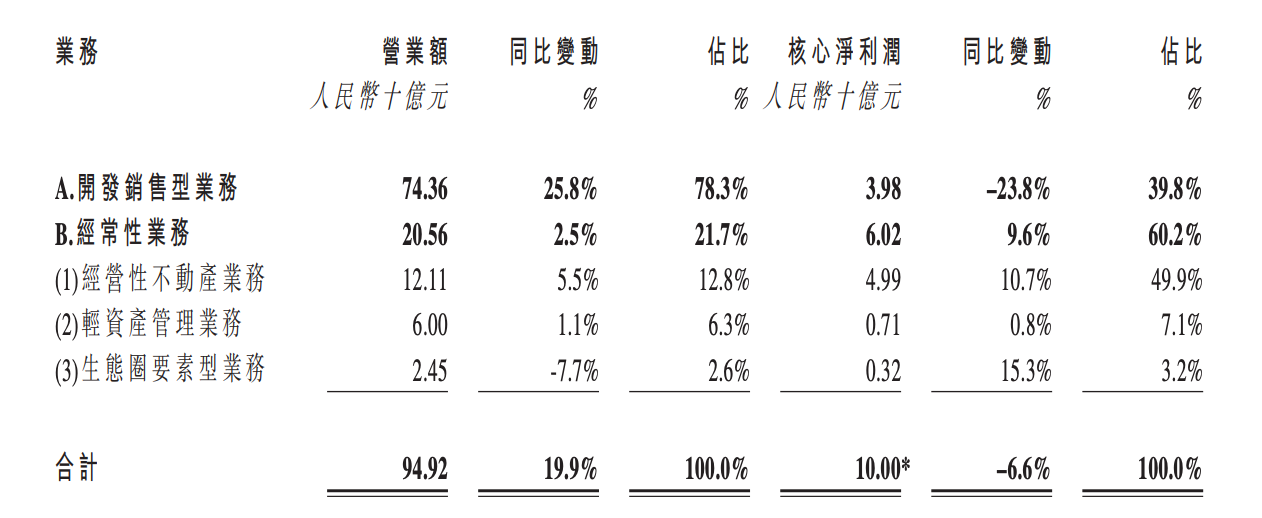
Core Viewpoint - China Resources Land's shopping center openings will slow down significantly in the next three years, with an average of 6-8 new openings per year, compared to previous years [1][10]. Financial Performance - In the first half of 2025, China Resources Land achieved a total revenue of RMB 94.92 billion, a year-on-year increase of 19.9%, while core net profit was approximately RMB 10 billion, a decrease of about 6.6% [2][8]. - The development and sales business generated a core net profit of RMB 3.98 billion, down 23.8% year-on-year, contributing 78.3% to total revenue [4][8]. - Regular business segments, including rental income from shopping centers and property services, contributed over 60% of core net profit, indicating a shift towards more stable income sources [3][9]. Development Business Insights - The development business's revenue was RMB 74.36 billion, up 25.8% year-on-year, but its core net profit fell significantly, reflecting ongoing challenges in profitability [4][8]. - The gross profit margin for the development business was approximately 15.6%, showing a slight recovery but still at a historically low level, down from 29.1% in 2020 [5][6]. Investment and Land Acquisition - In the first half of 2025, China Resources Land acquired 18 new projects, with a total construction area of 1.48 million square meters, although this represented a decrease of over 20% year-on-year [5][6]. - The company spent RMB 488 billion on land acquisitions this year, nearing the total of RMB 526 billion for the entire previous year [7]. Shopping Center Operations - The rental income from shopping centers reached approximately RMB 104.2 billion, a year-on-year increase of 9.9%, with an occupancy rate of 97.3% [10]. - The company plans to open fewer shopping centers in the coming years, with a projected average of 6-8 openings annually, down from 10 and 16 in 2023 and 2024, respectively [10][11]. Future Outlook - Management remains optimistic about the real estate development business, expecting continued support from market policies and strong sales performance in core cities [3][4]. - The company holds a significant amount of commercial land reserves, with 515 million square meters designated for commercial use, indicating potential for future growth despite concerns about market saturation in lower-tier cities [11].

新五丰2025上半年盈利超4500万元
Jing Ji Wang· 2025-08-27 09:43
Core Viewpoint - New Five Feng reported a turnaround in profitability for the first half of 2025, achieving a revenue of 3.688 billion yuan, a year-on-year increase of 14.08%, and a net profit attributable to shareholders of 45.2344 million yuan, marking a return to profitability [1] Group 1: Revenue and Profitability - The company’s revenue for the first half of 2025 reached 3.688 billion yuan, reflecting a 14.08% increase compared to the same period last year [1] - The net profit attributable to shareholders was 45.2344 million yuan, indicating a successful turnaround from previous losses [1] Group 2: Production and Growth - New Five Feng's pig output reached 2.4333 million heads in the first half of 2025, a 23.44% increase from 1.97 million heads in the same period last year, continuing a trend of growth [2] - The company’s pig output from 2022 to 2024 showed significant growth, with figures of 1.83 million heads, 3.2 million heads, and 4.2487 million heads, representing year-on-year increases of 122.32%, 75%, and 32.74% respectively [2] Group 3: Business Model and Strategy - The growth in output is attributed to a "light asset expansion" strategy, which includes leasing pig farms for self-breeding and deepening the "company + farmer" model, enhancing survival rates and cost control [2] - The company is actively promoting farmer cooperation and has seen a significant increase in the scale of its "company + farmer" model, with a current stock of 690,000 heads [3] - The "company + farmer" model accounted for over 30% of total pig output in the first half of 2025, a year-on-year increase of 225%, becoming a key driver of capacity and efficiency growth [3] Group 4: Future Outlook - New Five Feng aims to continue optimizing its operational strategy, focusing on improving performance and reducing costs to enhance core competitiveness and profitability for better future returns [3]

物流赛道,抖音出新招
3 6 Ke· 2025-08-16 08:07
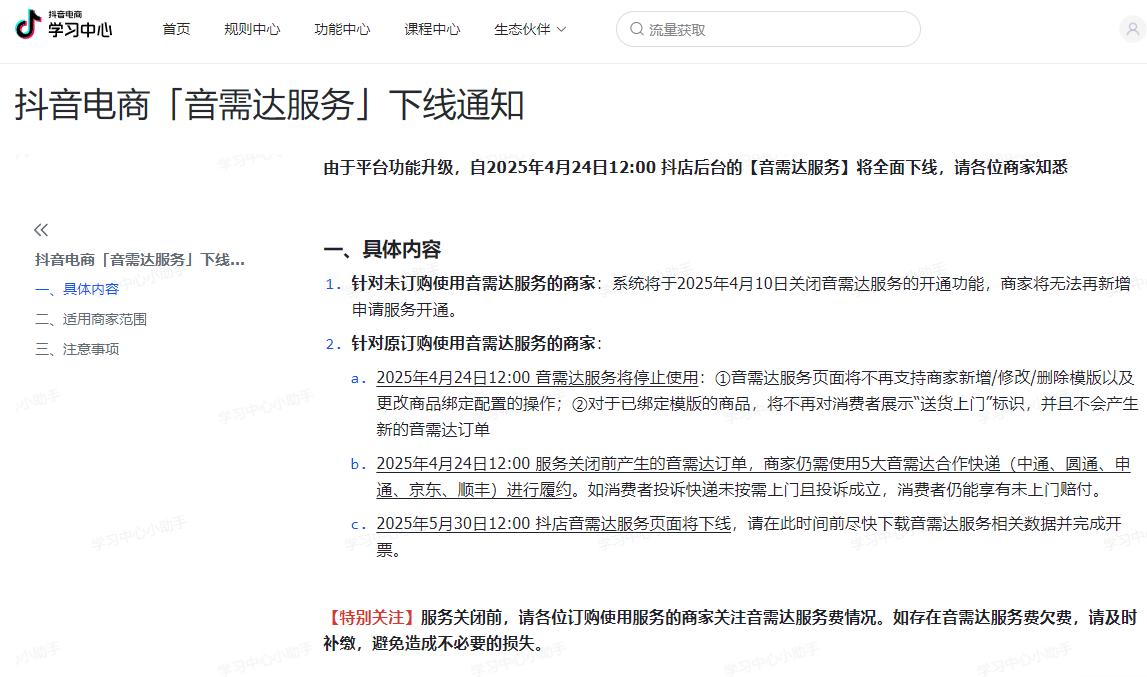
Group 1 - Douyin is testing a new feature called "My Express" to facilitate users in tracking their express delivery information, currently in collaboration with Jitu Express [1][2] - The logistics sector is crucial for e-commerce platforms, directly impacting user experience and the integrity of the platform ecosystem [2] - Douyin has been exploring logistics for several years, with a strategic focus on e-commerce since 2018 [3] Group 2 - Douyin's e-commerce GMV has shown significant growth, reaching approximately 7.3 trillion, 14 trillion, 27 trillion, and 35 trillion yuan from 2021 to 2024 [4] - Douyin has not built an independent logistics system but collaborates with various express companies for logistics operations [6] - Previous logistics services like "Yin Zun Da" and "Yin Xu Da" were tested to address delivery issues, with the latter covering over 200 cities before being discontinued [7][9] Group 3 - Douyin's logistics strategy reflects a balance between light asset expansion and heavy experience demands, avoiding the pitfalls of self-built logistics systems [10][12] - The company faces challenges in maintaining control over service quality when relying on third-party logistics providers [15] - The testing of "My Express" represents Douyin's ongoing exploration of logistics cooperation and experience optimization, aiming to enhance its ecosystem [16]
商业企业运营面临现实挑战,不少轻资产项目面临退出困境
Sou Hu Cai Jing· 2025-08-14 10:41
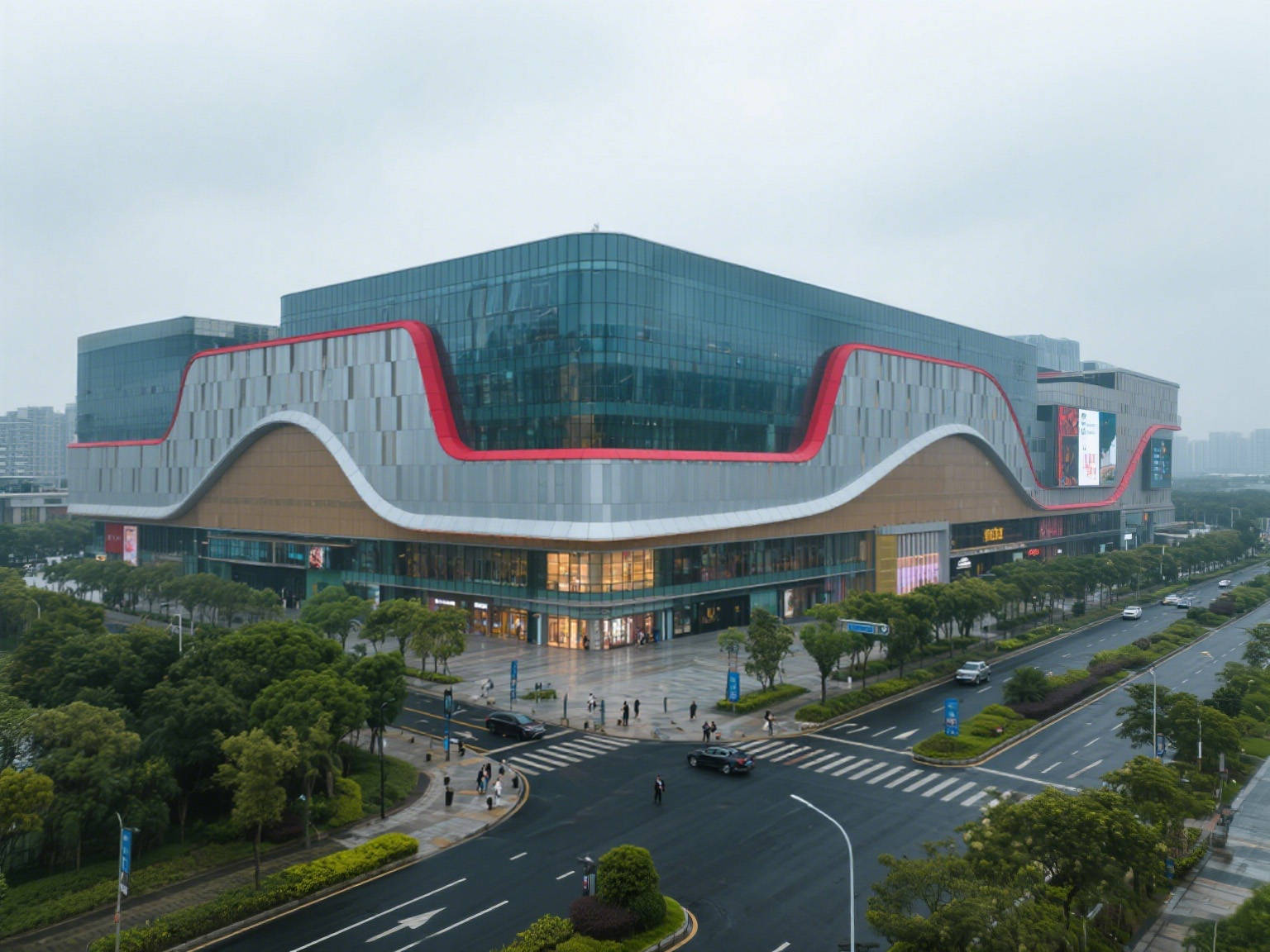
Core Insights - The current market for retail commercial real estate is undergoing rational adjustments, with companies facing numerous challenges, yet some leading firms demonstrate resilience [2] - The enhancement of commercial operational capabilities will be crucial for companies to stand out in a competitive environment [2] Group 1: Market Trends - Retail commercial real estate companies are experiencing performance pressure, with light asset expansion becoming the mainstream trend, although project exit challenges persist [2][5] - The importance of stock renovation and refined operations is increasingly recognized, with companies possessing strong commercial management capabilities more likely to succeed [2] Group 2: Company Performance - Hong Kong-funded enterprises show slight growth or decline, with long-term operators exhibiting resilience due to strong market competitiveness and risk resistance [4] - In 2024, Swire Properties recorded retail rental income of 4.787 billion yuan, a slight increase of about 2%, while other firms like New World Development and Wharf Holdings saw declines of 2% and 4% respectively [4] - Domestic leading commercial management company China Resources Vientiane Life reported a retail revenue increase of approximately 30%, with managed project retail sales growing by 18.7% [4] Group 3: Light Asset Expansion - Companies like China Resources Vientiane Life, Wanda Commercial Management, and Xuhui Commercial are rapidly expanding through light asset models, reducing cost pressures [5] - However, challenges remain, as many companies relying on light asset models face project exits due to unmet operational expectations or contract expirations [6] Group 4: Renovation and Innovation - Significant renovation projects are planned for 2025, focusing on enhancing customer experience and maintaining competitiveness [7] - Differentiated projects are emerging, such as the cultural integration at Wuhan Ocean Lane CITYLANE and the tech-driven JD MALL in Wuhan, aimed at addressing homogenization in the commercial market [8]
快速发展的坚蛋运动:创新、共赢与服务的制胜之道
Zhong Guo Chan Ye Jing Ji Xin Xi Wang· 2025-08-01 06:14
Core Insights - The article highlights the success of the fitness brand "JianDan Sports" in achieving stable growth without relying on traditional heavy asset expansion or engaging in price wars, resulting in nearly 400 stores across over 60 cities, making it the second brand in the new fitness sector after "LeKe" [1] Mechanism Innovation - JianDan Sports has restructured its development path using a light asset model, breaking the traditional cycle of high investment and debt in the fitness industry [3] - The brand has managed to reduce initial store investment to one-third or even one-fourth of traditional models by focusing on low-rent areas, increasing automation to reduce labor dependency, and implementing standardized designs [3][5] - A comprehensive standardization system covers all operational processes, ensuring quality during rapid expansion and reducing execution difficulty for partners [5] Win-Win Model - JianDan Sports emphasizes building long-term, high-trust relationships with partners, moving away from the zero-sum game often seen in the industry [6] - The brand offers multiple revenue streams for city partners, including franchise fees, management fees, operational profits, and equity incentives, along with territorial protection to avoid competition among partners [6][8] - The company provides extensive support throughout the franchise process, enabling even those with no industry experience to successfully open stores, fostering a collaborative ecosystem [8] Service Upgrade - The fitness industry faces challenges of homogenization and price wars, leading to a cycle of reduced quality and service [9][11] - JianDan Sports differentiates itself by focusing on user needs rather than merely selling memberships, offering flexible payment options and enhancing user engagement through community activities [11] - The brand's approach includes personalized training recommendations, timely feedback on user demands, and maintaining cleanliness, which collectively help to avoid price competition and improve user retention [11]

中金:升德康农牧(02419)目标价至111港元 维持“跑赢行业”评级
智通财经网· 2025-07-04 02:01
Core Viewpoint - The report from CICC maintains the profit forecast for Dekang Agriculture (02419) for 2025/26, with the current stock price corresponding to P/E ratios of 11.5 and 6.7 for those years. The target price is raised by 68% to HKD 111, indicating a potential upside of 28% from the current price, supported by the company's continued growth and improved trading liquidity [1] Group 1 - The company adopts a "company + farmer" light asset development model, with the second farm's sow breeding model achieving the lowest costs within the system. The current operational model distribution is 20% self-operated, 60% first farm, and 20% second farm, with the average annual income for contracted farmers reaching RMB 770,000, a historical high for the company [2] - The second farm model has lower breeding costs compared to the first farm and self-operated models, enhancing operational efficiency and farmer engagement [2] Group 2 - The company continues to reduce costs, maintaining its position as an industry leader. The monthly total cost is reported to be below RMB 12.5 per kilogram, attributed to a focused breeding strategy in the Southwest region, technological empowerment, and efficient management practices [3] - The company expects to achieve a pig output of 11 million and 15 million heads in 2025 and 2026, respectively, with long-term potential exceeding 30 million heads [3] Group 3 - Liquidity has improved significantly, with an average turnover rate of 1.9% since the release of the 2024 annual report, and average daily trading volume increasing to RMB 140 million from RMB 3.69 million year-on-year. The proportion of Hong Kong Stock Connect has also risen [4] - The valuation of the company is expected to increase, with a calculated average market value of RMB 2,528 per head, indicating a 22% potential increase compared to industry leaders [4]
亚朵陷“医院枕套”风波加盟店占98% 酒店主业承压靠卖枕头被子年入22亿
Chang Jiang Shang Bao· 2025-06-09 23:32
Core Viewpoint - The incident involving a hotel room pillowcase printed with a hospital logo has raised public concerns about hygiene management at Atour, a well-known mid-to-high-end hotel chain in China. The company has since issued apologies and taken corrective actions to address the issue [1][4]. Group 1: Incident and Response - On June 3, a social media post revealed that a pillowcase in an Atour hotel in Hangzhou bore the logo of "Hangzhou Yuxiang Lake Future Hospital," leading to public scrutiny over hygiene practices [1][4]. - The hotel involved issued an apology and confirmed that the issue stemmed from a sorting error by their laundry supplier, resulting in a temporary closure for thorough rectification and replacement of all 4,440 pieces of linen [1][4]. - Atour's investigation concluded that the incident was an isolated case, with no other similar issues found during a comprehensive inspection [4]. Group 2: Company Overview and Performance - As of the end of Q1 2024, Atour operates 1,727 hotels with approximately 194,559 rooms, marking a year-on-year increase of 32.6% and 31.3% respectively [6][7]. - Atour is the fourth largest hotel group in China, following Huazhu, Jinjiang, and Shoulv, and has a strong market presence in the mid-to-high-end hotel segment [5][8]. - The company has adopted a light-asset expansion model, with over 98% of its hotels being franchise operations, totaling 1,593 franchise hotels by the end of 2024 [9]. Group 3: Financial Performance - In 2024, Atour reported a revenue of 7.248 billion yuan and a net profit of 1.275 billion yuan, reflecting year-on-year growth of approximately 55% and 73% respectively [3][11]. - The retail business has significantly contributed to Atour's revenue growth, with sales from pillows and quilts reaching approximately 2.2 billion yuan in 2024, doubling compared to the previous year [3][13]. - Despite impressive overall revenue growth, the hotel segment has faced challenges, with declines in average room revenue, daily room rates, and occupancy rates in 2024 [13].
霸王茶姬上市后首份季报:业绩狂飙突进 利润率警钟却已拉响
Xi Niu Cai Jing· 2025-06-04 07:56
Core Viewpoint - Bawang Chaji (CHA.NASDAQ) recently released its first quarterly report since going public, showing significant revenue growth but also rising operational costs and declining profit margins [1][4]. Financial Performance - In Q1, Bawang Chaji reported a net revenue of 3.3927 billion yuan, a year-on-year increase of 35.4% [4]. - Franchise store revenue accounted for 3.1499 billion yuan, representing 92.8% of total revenue, with a year-on-year growth of 31.8% [4]. - Self-owned store revenue was 242.8 million yuan, making up 7.2% of total revenue, with a year-on-year increase of 7.7% [4]. - The total number of global stores reached 6,681, a year-on-year increase of 63.6% [4]. Cost and Profitability - Total operating expenses for Q1 were 2.5719 billion yuan, a year-on-year increase of 42.8%, outpacing revenue growth [4]. - Material/storage/logistics costs were 1.5903 billion yuan, up 20.8% year-on-year [4]. - Self-owned store operating costs surged to 157 million yuan, a 170% increase due to the addition of 133 new stores [4]. - Net profit for Q1 was 677.3 million yuan, a year-on-year increase of 13.8%, while operating profit rose to 820.8 million yuan, up 16.3% [4]. Cash Flow and Sales Channels - Cash flow for the quarter was 5.3924 billion yuan, a 10% increase from the end of 2024 [5]. - Online sales showed significant growth, with total GMV reaching 8.2268 billion yuan, a year-on-year increase of 38% [5]. - Offline store average monthly GMV declined by 21.4% to 431,970 yuan [5]. Market Dynamics - The competitive landscape in the food and beverage industry is intensifying, with platforms like JD.com entering the delivery market, impacting sales dynamics [5]. - Bawang Chaji's operating profit margin decreased from 28.2% to 24.2%, and net profit margin fell from 23.7% to 20% [5].

友好集团出售房地产子公司背后:扣非净利润连亏5年,对2025年度业绩构成重大影响
Zheng Quan Shi Bao Wang· 2025-05-21 09:27
Core Viewpoint - The company is optimizing its asset structure and focusing on its main business by increasing capital in its subsidiary, Huajun Real Estate, and planning to transfer its 100% equity in the subsidiary to He Rui Commercial Investment Group, which will also assume the subsidiary's debts [1][2][3]. Group 1: Capital Increase and Asset Optimization - The company announced a capital increase of 152 million yuan in Huajun Real Estate, using 35% of the land use rights and related assets as the basis for this valuation [1]. - The capital increase will enhance Huajun Real Estate's registered capital by 98.32 million yuan, with the remaining amount added to its capital reserve [1]. - The total assets of Huajun Real Estate are projected to be 314 million yuan by the end of 2024, with a net asset deficit of 49.85 million yuan [1]. Group 2: Equity Transfer Agreement - The company has reached a cooperation intention with He Rui Commercial Investment Group regarding the transfer of 100% equity in Huajun Real Estate, with the transfer price based on the net asset value and the company's long-term investment total [2]. - The transaction will be a debt-assumption deal, where He Rui will take on the debts owed by Huajun Real Estate to the company [2]. Group 3: Business Performance and Future Plans - The company reported a revenue of 1.6 billion yuan in 2024, a decrease of 6.99% year-on-year, and a net profit of 3.18 million yuan, with a non-recurring net profit of -11.68 million yuan [4]. - The company plans to focus on expanding its main business and improving efficiency in 2025, while actively seeking to revitalize low-efficiency assets and enhance the value of existing land [5]. - The company operates a diverse retail business, including department stores, shopping centers, and supermarkets, with a total of 13 department stores and shopping centers, 10 large supermarkets, and 55 convenience stores by the end of 2024 [3].
