辩证思维

Search documents
一码事与两码事(人民论坛)
Ren Min Ri Bao· 2025-12-25 22:26
Group 1 - The article emphasizes the importance of distinguishing between "one matter" and "two matters" in governance, suggesting that strict law enforcement and humane care can coexist rather than being contradictory [1][3] - It highlights the need for systematic thinking to unlock potential in urban consumption and rural development, showcasing examples like the Beijing International Film Festival ticket that connects multiple businesses and the collaborative tourism project in Zhejiang [2][3] - The article discusses the necessity of adapting management strategies to local conditions, warning against the imposition of urban standards on rural areas, which can lead to ineffective governance [3] Group 2 - It stresses that understanding the relationship between "one matter" and "two matters" is essential for effective decision-making and enhancing governance efficiency [3] - The article calls for a balance between top-level design and grassroots exploration, advocating for tailored approaches to different situations to improve development quality [3] - It concludes that enhancing dialectical thinking is crucial for navigating complex issues and achieving strategic goals in the context of the 14th Five-Year Plan [3]
悟规律 明方向 学方法 增智慧丨以辩证思维做好纪检监察工作
Zhong Yang Ji Wei Guo Jia Jian Wei Wang Zhan· 2025-11-25 00:33
Core Viewpoint - The article emphasizes the importance of dialectical thinking in promoting high-quality development of discipline inspection and supervision work, highlighting the need to address corruption and improve governance through systematic and targeted approaches [4][10][14]. Group 1: Dialectical Thinking in Governance - Dialectical thinking is essential for understanding the internal characteristics and connections of discipline inspection and supervision work, enhancing the systematic and coordinated approach to governance [6][11]. - The integration of "key minority" and "absolute majority" in governance reflects a valuable experience in strict party management, emphasizing the need for higher standards for senior officials while maintaining general requirements for all party members [5][7]. Group 2: Focus on Key Issues - Identifying and addressing key issues and critical links is crucial for advancing discipline inspection work, with a focus on prominent problems in specific sectors such as engineering construction [8][12]. - The article discusses the need for a comprehensive approach to tackle systemic corruption risks, particularly in the engineering construction sector, by enhancing supervision and accountability mechanisms [8][12]. Group 3: Practical Applications and Strategies - The implementation of targeted strategies, such as the establishment of a public resource trading supervision committee and the use of AI models for regulatory efficiency, is highlighted as a means to improve governance in the bidding and tendering process [12][14]. - Continuous education and management of party members are emphasized to foster a culture of integrity and accountability, thereby enhancing the overall effectiveness of anti-corruption efforts [6][10].

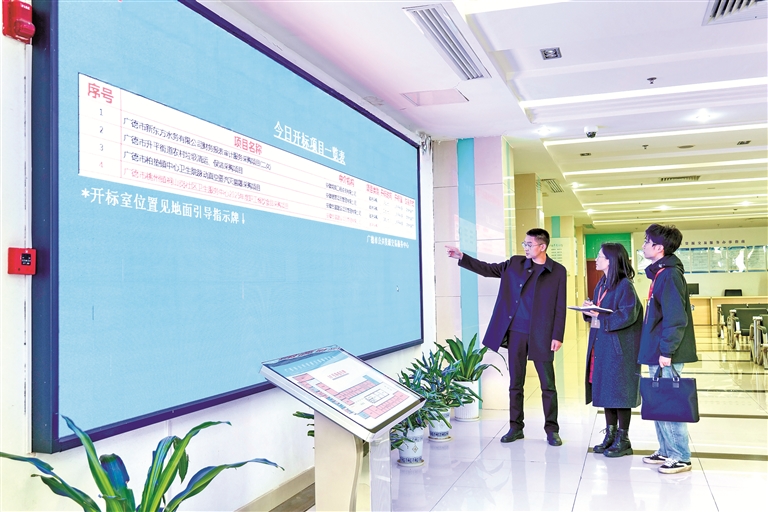
本领论 | 坚持两点论和重点论的统一
Zhong Yang Ji Wei Guo Jia Jian Wei Wang Zhan· 2025-11-25 00:33
Core Viewpoint - The article emphasizes the importance of dialectical thinking in understanding and addressing the complexities of both domestic and international environments, highlighting the need for a comprehensive approach to recognize opportunities and challenges in the context of China's development and global changes [2][3]. Group 1: Dialectical Thinking - Dialectical thinking is presented as a crucial method for analyzing contradictions and understanding the development of various phenomena, advocating for a holistic and interconnected perspective [2][3]. - The concept of "two-point theory" is introduced, which suggests that one should view issues from both positive and negative angles, ensuring a balanced understanding of economic conditions [3]. - The article stresses the necessity of recognizing both the strengths and challenges within China's economic framework, emphasizing the resilience and potential for long-term growth despite current difficulties [3]. Group 2: Key Principles - The "key point theory" is discussed, which focuses on identifying and addressing the main contradictions and their primary aspects to drive overall progress [4][5]. - The article highlights the importance of technological self-reliance and innovation as critical areas for advancing high-quality development, indicating that breakthroughs in these areas can lead to broader economic improvements [4]. - The need for a nuanced approach to problem-solving is emphasized, advocating for specific analyses of unique situations rather than applying a one-size-fits-all solution [6]. Group 3: Practical Applications - The article illustrates the application of dialectical thinking in governance, particularly in balancing market forces and government intervention to optimize resource allocation [3]. - It discusses the significance of adapting strategies to local conditions, particularly in developing new productive forces and addressing environmental goals, to ensure effective implementation [6]. - The emphasis on comprehensive and coordinated policy measures reflects the need for a unified approach while considering regional differences in resource distribution and industrial structure [6].
以史为鉴,做生活的智者
Ren Min Ri Bao· 2025-11-20 22:21
Core Insights - The article emphasizes the importance of wisdom in various aspects of life, from personal conduct to governance, highlighting the historical and contemporary significance of wisdom in Chinese culture [1] Group 1: Strategic Thinking - The book illustrates strategic thinking through Confucius's insights on the relationship between civil and military affairs, using historical examples to demonstrate foresight and preparedness in diplomacy [2] - It discusses the importance of understanding strengths and weaknesses, exemplified by General Li Guang's military tactics, which were effectively utilized by Emperor Wu of Han [2] Group 2: Purpose of the Book - The compilation of the book is driven by respect for scientists and entrepreneurs whose innovations have advanced productivity and societal progress, aiming to inspire readers to become wise thinkers [3]
以辩证思维科学准确把握与开展批评和自我批评
Ren Min Ri Bao· 2025-10-13 09:24
Core Points - The importance of criticism and self-criticism as essential tools for maintaining the health and integrity of the party is emphasized by General Secretary Xi Jinping [1][2][17] - The practice of criticism and self-criticism is seen as a means to enhance the capabilities and qualities of party members, ensuring continuous improvement and development [1][17] Group 1: Theoretical Insights - Criticism and self-criticism serve as a "sharp weapon" for the party, revealing contradictions and providing solutions, thus playing an irreplaceable role in the development of the party's cause [2][4] - The dialectical function of criticism and self-criticism is highlighted, where it acts as a "negative intermediary" that facilitates the transition from old to new states through constructive negation [4][5] Group 2: Practical Applications - The effectiveness of criticism and self-criticism is noted to have dual aspects, with the potential for both constructive and destructive outcomes depending on the approach taken [5][6] - Specific strategies for conducting criticism and self-criticism are outlined, emphasizing the need for sincerity, methodical approaches, and the importance of distinguishing between constructive and destructive criticism [7][14] Group 3: Balancing Principles - The balance between principles and flexibility in criticism is crucial, requiring adherence to core values while adapting methods to specific situations [14][15] - Achieving a balance between current and long-term perspectives is essential, ensuring that immediate issues are addressed without losing sight of future goals [16][17]
以辩证思维科学准确把握与开展批评和自我批评(深入学习贯彻习近平新时代中国特色社会主义思想)
Ren Min Ri Bao· 2025-10-12 22:10
Core Viewpoint - The emphasis on criticism and self-criticism as essential tools for maintaining the health of the party and enhancing the capabilities of its members is highlighted, with a call for their consistent application in daily work [1][17]. Group 1: Importance of Criticism and Self-Criticism - Criticism and self-criticism are described as sharp weapons for strengthening the party and maintaining its health, serving as vital means to enhance and regulate political life within the party [2][4]. - The historical significance of criticism and self-criticism is noted, having played a crucial role in the party's development and individual growth throughout various stages of revolution, construction, and reform [1][3]. Group 2: Functions of Criticism and Self-Criticism - From an epistemological perspective, criticism and self-criticism act as a "calibrator" for truth, facilitating a continuous cycle of practice and understanding [3]. - Criticism and self-criticism are seen as a "negative intermediary" that promotes development through the dialectical process of negation, leading to constructive change within the party [4]. Group 3: Practical Challenges and Solutions - The article identifies common issues in the practice of criticism and self-criticism, such as becoming ineffective or superficial, and emphasizes the need for a deeper understanding of its dual nature—both constructive and destructive [5][6]. - It suggests that effective criticism should be based on public interest, sincerity, and appropriate methods, avoiding personal biases and focusing on objective issues [7][14]. Group 4: Strategies for Effective Criticism and Self-Criticism - The importance of timing in criticism is emphasized, advocating for immediate feedback on minor issues while allowing for more time to analyze complex problems [9]. - The article discusses the balance between public and private criticism, suggesting that public criticism can foster collective learning, while private criticism is better for sensitive topics [10]. Group 5: Balancing Principles and Flexibility - A balance between principled and flexible approaches to criticism is necessary, ensuring that criticism is both constructive and respectful of individual differences [14][15]. - The need for a dynamic balance between current issues and long-term goals is highlighted, encouraging a strategic approach to criticism that supports ongoing improvement and development [16].
善把困难变机遇(思想纵横)
Ren Min Ri Bao· 2025-09-25 22:12
Core Viewpoint - The articles emphasize the dialectical relationship between challenges and opportunities, highlighting the importance of recognizing difficulties as potential catalysts for growth and innovation [1][2][5]. Group 1: Challenges and Opportunities - Difficulties are seen as both obstacles and opportunities for breakthrough, suggesting that overcoming challenges can lead to significant advancements [2][3]. - Historical examples, such as Zhejiang's response to resource constraints, illustrate how challenges can be transformed into opportunities for sustainable development [2][3]. Group 2: Innovation and Action - The necessity of proactive engagement and innovation is stressed, with examples like the transformation of Shougang's old steel mill into a new consumer landmark demonstrating successful adaptation to challenges [4]. - The importance of grassroots feedback and research is highlighted as a means to identify and implement effective solutions to challenges [4]. Group 3: Leadership and Determination - The articles underline that the key to overcoming difficulties lies in the determination and courage of leaders to face challenges head-on, especially during times of uncertainty [5]. - The call for leaders to convert pressure into motivation and challenges into opportunities is a recurring theme, emphasizing the need for innovative thinking and decisive action [5].
呵护绿饭碗 擦亮金名片(连线评论员)
Ren Min Ri Bao· 2025-08-17 22:01
Core Viewpoint - Inner Mongolia has successfully completed a 1,856-kilometer desertification prevention and control green belt, showcasing a comprehensive approach to combating desertification through innovative technologies and collaborative efforts [1][2]. Group 1: Technological and Institutional Innovations - The region has enhanced innovation awareness by exploring suitable afforestation techniques for arid areas, such as aerial seeding and new planting methods, while promoting mechanized and intelligent sand control technologies [1][2]. - Institutional innovations include the establishment of a desertification prevention fund and a collaborative mechanism for regional management, which creates a robust framework for combating desertification [1][2]. Group 2: Systematic and Collaborative Approaches - A systematic view is emphasized, where desertification prevention requires multi-regional cooperation, leading to agreements with neighboring provinces for joint efforts in combating desertification [2]. - The establishment of a comprehensive network for desertification control reflects a shift from isolated efforts to integrated strategies, enhancing the effectiveness of ecological governance [2][3]. Group 3: Community Involvement and Economic Integration - Community participation is identified as a vital driving force, with mechanisms established to encourage public investment and involvement in desertification control initiatives [3]. - The integration of ecological protection with economic development is highlighted, where protecting ecological resources is seen as a pathway to achieving high-quality economic growth [3][4]. Group 4: Commitment to Sustainable Development - Inner Mongolia is committed to integrating ecological protection into its overall development strategy, ensuring that green development principles are embedded in all aspects of economic and social progress [4]. - The region aims to balance ecological preservation with economic benefits, contributing to a sustainable and beautiful China [4].
以高质量发展的确定性应对各种不确定性(深入学习贯彻习近平新时代中国特色社会主义思想)
Ren Min Ri Bao· 2025-06-18 21:53
Group 1 - The core viewpoint emphasizes the need for high-quality development to address uncertainties in the external environment, as highlighted in recent statements from the Central Political Bureau and President Xi Jinping [1][2][3] - The article discusses the importance of maintaining political direction and stability while focusing on building a new development pattern and enhancing technological self-reliance [1][2] - It asserts that China's economic strength has significantly increased, positioning it as the world's second-largest economy, and is on a path toward more sustainable and equitable development [2][4] Group 2 - High-quality development is supported by the centralized and unified leadership of the Communist Party, which has been crucial for achieving historical economic accomplishments [3][5] - The article notes that China's solid material and technological foundation is essential for addressing various uncertainties, with significant advancements in manufacturing and a robust industrial system [4][5] - It highlights the importance of a scientific and effective institutional framework to ensure the successful implementation of economic policies and strategies [5][11] Group 3 - The article emphasizes the need for a stable and predictable policy environment to boost confidence among businesses and promote high-quality development [11][12] - It discusses the importance of expanding domestic demand as a primary driver of economic growth, with a focus on enhancing consumption and investment [12][13] - The need for improving the quality of the industrial supply system is highlighted, with a call for structural reforms to enhance the efficiency of the economy [13][14] Group 4 - The article stresses the significance of coordinated urban and regional development to enhance overall economic performance and leverage regional advantages [14][15] - It advocates for a comprehensive green transformation of the economy, emphasizing sustainable practices and resource efficiency [15] - The importance of expanding high-level opening-up policies to foster innovation and competitiveness in the global market is also discussed [15][16]
上海高考作文怎么写?有何现实意义?命题出处的作者点评来了
第一财经· 2025-06-07 15:23
Core Viewpoint - The article discusses the significance of the Shanghai Gaokao (college entrance examination) essay topic, which is based on a scholar's perspective that categorizes articles into "specialized," "transferred," and "transmitted," emphasizing the importance of understanding the relationship between these categories in the context of modern media and reading habits [2][3]. Group 1 - The essay topic for this year's Shanghai Gaokao is derived from a 2019 article by Professor Hu Xiaoming, highlighting the relevance of classical Chinese thought in contemporary education [2]. - Professor Hu believes that the essay topic is not difficult and suggests that students should focus on the dialectical relationship between the three categories, particularly the "transferred" aspect, using real-life examples to discuss the impact of multimedia and the internet on reading [2][3]. - The article emphasizes the importance of cultivating students' analytical and dialectical thinking skills, which are essential for understanding the significant cultural changes brought about by the advent of multimedia and AI [3]. Group 2 - The article notes that the inclusion of Hu's 2019 article in the 2025 Gaokao reflects a growing recognition of classical literature and Chinese culture in modern education [3]. - It also points out that the essay topic encourages students to engage with the evolving cultural ecology, particularly the changes in reading and learning methods due to technological advancements [3]. - A parent of a Gaokao candidate mentioned using DeepSeek to predict the essay topic, which aligned with the theme of dialectical thinking, indicating the relevance of preparation tools in contemporary education [4].